
2027 Is an Interdisciplinary Studies Online Degree Worth It?

Co-Founder and Chief Data Scientist
Online education has expanded rapidly, with over 6 million students enrolled in distance programs nationwide. Many are drawn to an online interdisciplinary studies degree for its flexibility and broad academic scope. This degree allows learners to tailor their education across multiple fields, making it an attractive option for those seeking diverse skills.
This article explores whether pursuing an online interdisciplinary studies degree is worth it by examining key factors like cost, flexibility, accreditation, job-market trends, and how employers perceive the degree. Understanding these elements can help students make informed decisions about their educational investment.
Key Benefits of Online Interdisciplinary Studies Degree
- Online interdisciplinary studies programs offer flexible curriculum designs, allowing students to tailor courses across multiple fields to fit personal and professional goals.
- Graduates often pursue diverse careers; 72% report improved job prospects, leveraging broad skills applicable in business, education, or social services.
- Flexible scheduling and remote learning options accommodate working adults and nontraditional students, enhancing accessibility and long-term career outcomes.
Who Should Choose an Online Interdisciplinary Studies Degree Program?
Online education offers a flexible and accessible option for many students, making it easier to juggle academic goals alongside work, family, and other responsibilities. This adaptability draws a diverse range of learners who require personalized and convenient study options.
Below are some of the main groups who find an online interdisciplinary studies degree particularly beneficial.
- Multifaceted Learners: Students interested in crossing traditional academic boundaries can create a tailored curriculum that integrates multiple fields, such as business with technology or humanities with leadership, aligning education with their unique ambitions.
- Adult and Transfer Students: Those returning to education or transferring credits from previous institutions benefit from designing a program that maximizes their prior learning while addressing current academic and career interests.
- Skill Expanders: Individuals looking to broaden their expertise by exploring links between diverse subjects like psychology and sociology or art and technology find this degree a flexible way to deepen interdisciplinary understanding.
- Collaborative Seekers: Learners who appreciate engaging with peers from different cultural and academic backgrounds value the diverse, interactive environment of an online program, which fosters broad perspectives and teamwork.
What Are the Pros and Cons of an Online Interdisciplinary Studies Degree?
Online interdisciplinary studies programs have become increasingly popular among students and working professionals seeking flexible, career-focused education options. They offer the convenience of learning from home while enabling individuals to tailor their studies toward personal and professional growth.
Pros of an Online Interdisciplinary Studies Degree
- Customization and Flexibility: These degrees allow learners to design a curriculum that aligns with their unique interests and career goals. For example, Boise State University's program lets students choose from several concentrations and transfer up to 80 community college credits, speeding up completion.
- Broad Skill Development: Students develop critical thinking, communication, and problem-solving abilities by integrating knowledge from multiple fields. This blend of skills is highly valued; 87% of employers appreciate cross-disciplinary expertise, highlighting the benefits of earning an online interdisciplinary studies degree.
- Accessibility and Convenience: Online formats eliminate geographic barriers, enabling access to programs nationwide. Over 75% of college students took at least one online course recently, reflecting the growing acceptance of remote education.
Cons of an Online Interdisciplinary Studies Degree
- Lack of Depth in Specialized Fields: While offering breadth, these programs might not provide the deep technical expertise required for specific careers like engineering or medicine. Students seeking specialized roles may find traditional degrees more fitting.
- Challenges in Credit Transfer: Customized curricula can complicate transferring credits to other institutions, potentially delaying graduation timelines.
- Perception by Employers: Some employers may not fully recognize the value of an interdisciplinary studies degree, which can impact job prospects unless graduates effectively communicate their skills.
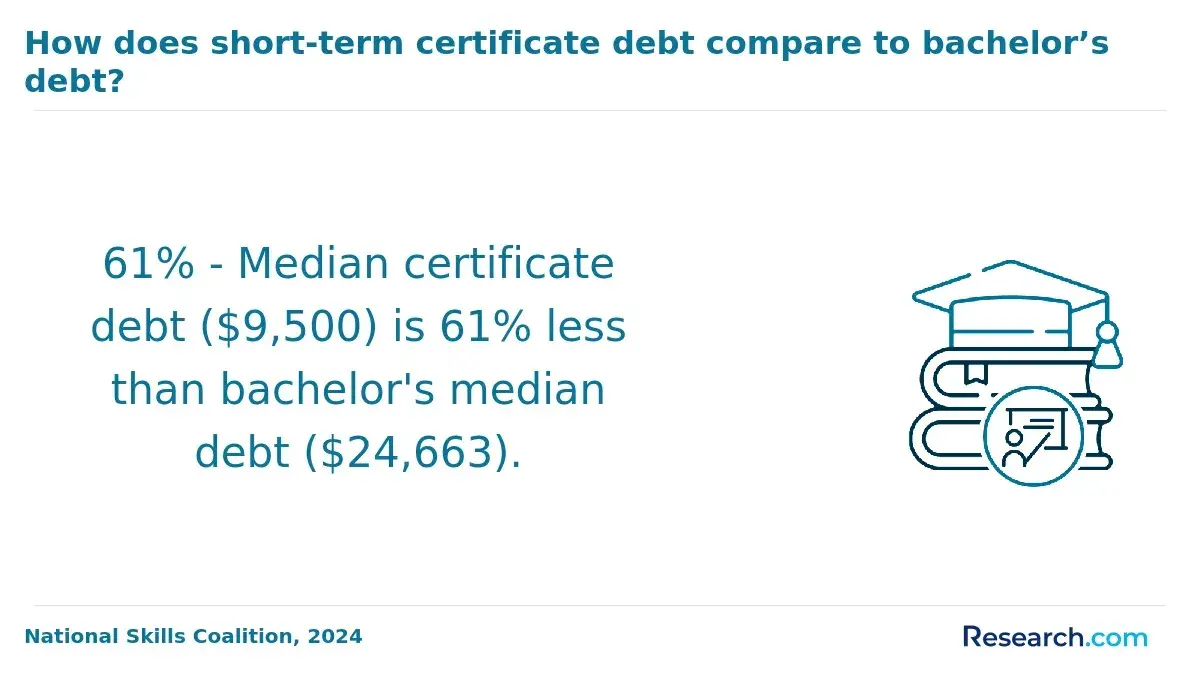
- Alternative Pathways: For those looking for quick, practical credentials, exploring 6-month certificate programs for careers that pay well could be a complementary or alternative option.
How Do AI-Enhanced Virtual Classrooms Work in Online Interdisciplinary Studies Programs?
AI technologies have become central to modern online education by enhancing how students learn and interact, especially in interdisciplinary studies programs. These technologies improve engagement and comprehension, making complex subject matter more accessible.
Below are key features illustrating how AI-powered personalized learning in online interdisciplinary studies transforms virtual classrooms.
- AI-Driven Feedback: Platforms like Nearpod provide real-time feedback during lessons, helping students immediately grasp complex interdisciplinary concepts. This immediate response fosters an interactive learning environment where understanding is continuously reinforced.
- Adaptive Learning Tools: Tools such as Cerego customize course materials and assessments based on each student's strengths and weaknesses. This tailored approach promotes long-term retention and accommodates diverse academic backgrounds by allowing learners to progress at their own pace.
- Collaborative Virtual Spaces: AI-powered forums like VoiceThread analyze participation and encourage dynamic discussions, enhancing engagement across disciplines. Virtual environments like Remo facilitate networking and remote group projects, enabling effective collaboration regardless of geographic location.
- Predictive Analytics for Support: AI helps instructors identify students at risk of falling behind early, allowing targeted interventions. This proactive support is crucial in interdisciplinary programs where students navigate varied subjects and learning styles.
For those considering degree options, exploring the easiest master degree online could provide additional flexible learning opportunities.
What Technology Do You Need for an Online Interdisciplinary Studies Degree?
A robust technology setup is essential for succeeding in modern online interdisciplinary studies programs. Your equipment's quality directly affects your ability to engage with coursework, participate in discussions, and complete assignments effectively.
To help students prepare, here is a list of specific tools and software necessary before enrolling in an online interdisciplinary studies degree.
- Reliable Computer: A computer with sufficient processing power, at least 4 GB of memory and 128 GB of storage, is critical for smooth multitasking. This allows running applications like Canvas (a common learning management system), video conferencing tools, and document editors without lag, which is vital for effective participation in course activities.
- High-Speed Internet: A stable broadband connection ensures seamless attendance at synchronous sessions via Zoom or BigBlueButton. Reliable internet prevents interruptions during live classes and enables prompt uploading of large assignments, supporting continuous academic engagement.
- Updated Web Browser: Using the latest Chrome or Firefox browser versions guarantees compatibility with institutional platforms and enhances data security. Staying current avoids technical glitches that could disrupt study sessions and online communication.
- Headset and Microphone: Quality audio equipment enables clear communication during virtual class discussions and group projects. This setup helps instructors and peers hear you distinctly, fostering effective collaboration and participation.
- Webcam: A functional webcam is necessary for video conferencing, which promotes face-to-face interaction despite the online environment. It helps create a more engaging and connected learning community.
- Office Suite Software: Familiarity with Microsoft Office or equivalent tools like Word, Excel, and PowerPoint is crucial for completing diverse assignments. These programs support writing, data analysis, and presenting information across interdisciplinary topics.
Students seeking the best laptop for online interdisciplinary studies students should focus on devices meeting these specifications to maintain productivity and engagement. Establishing this technology foundation is especially important for self-directed learners navigating digital platforms independently in diverse subject areas.
For more information on affordable options, consider exploring the most affordable online associate's degree programs available.
How Long Does It Take to Finish an Online Interdisciplinary Studies in 2027?
Program length is a crucial consideration for prospective students, as it affects both cost and career planning. Online interdisciplinary studies degrees offer varied timelines depending on course pacing, transfer credits, and program design.
Below is a breakdown of typical completion durations for these online degrees.
- Full-Time Online Track: Students attending full-time with substantial transfer credits can finish in as little as one to two years. Many programs offer accelerated eight-week courses, allowing faster progression than traditional semester formats.
- Standard Pace: Without maximum transfer credits, students typically complete the degree in around three to four semesters, or 1.5 to 2 years. This reflects a balanced approach between speed and manageable workload.
- Part-Time Enrollment: Those balancing work or family commitments often opt for part-time study. This option extends the timeline to approximately four years or more, depending on course load and personal circumstances.
- Extended Completion Options: Several institutions allow students up to seven years for degree completion. This flexibility accommodates diverse schedules and life changes, ensuring students can finish at their own pace.
Can You Work Full-Time While Completing an Online Interdisciplinary Studies Degree?
Many prospective students worry about balancing full-time employment with online study, as maintaining a steady income alongside academic goals can be challenging. Understanding key factors that affect the feasibility of working while pursuing an online interdisciplinary studies degree helps clarify this balance.
Important considerations include:
- Program pacing and flexibility: Students can often choose between full- and part-time enrollment, allowing them to reduce course load during busier work periods or speed up when possible.
- Asynchronous versus synchronous courses: Many programs offer asynchronous classes with no required live sessions, enabling students to complete work on their own schedules and avoid conflicts with standard work hours.
- Workload and session length: Courses typically run in accelerated terms lasting 7-8 weeks, promoting focused study but requiring strong discipline when managing several concurrent classes.
- Employer support: Flexible work arrangements or tuition assistance from employers can ease the challenge of juggling full-time jobs and academics.
- Personal time management: Effective planning and consistent weekly study time are vital; students who set clear priorities tend to experience better outcomes and less stress.
How Do Online Interdisciplinary Studies Degree Programs Help with Internships?
Internships are essential for obtaining practical experience and enhancing career readiness in interdisciplinary studies. By applying theoretical knowledge in real-world settings, students develop versatile skills that are crucial for professional success.
Online interdisciplinary studies programs facilitate internships through multiple targeted supports:
- Career Services Support: Dedicated advisors provide personalized guidance, helping students identify internships aligned with their interests and career goals, often through tailored counseling sessions.
- Virtual Placement Coordination: Programs utilize online platforms to connect students with local and national organizations, streamlining the application and placement process regardless of student location.
- Mentorship and Faculty Supervision: Faculty members actively mentor students during internships, offering feedback and ensuring meaningful learning outcomes through regular virtual check-ins.
- Online Tracking Systems: These tools help students and advisors monitor internship progress, deadlines, and requirements, improving organization and accountability.
- Partnership Programs: Collaboration with established businesses and nonprofits provides students with access to exclusive internships and networking opportunities, broadening professional connections.
What Is the Average Tuition Cost of an Online Interdisciplinary Studies Program?
Knowing the tuition costs of an online interdisciplinary studies degree is vital for students planning their budgets and evaluating the value of their investment. These expenses vary considerably depending on the institution and residency status.
The following key points outline typical tuition-related details prospective students should consider:
- Average tuition per credit: Most programs charge between $329 and $416 per credit hour, though private universities may demand rates up to $499 per credit, creating a wide pricing spectrum.
- Annual or total program expenses: Completing a full bachelor's degree, often requiring 120 to 180 credits, could cost roughly $39,800 to $59,100 at public schools, with private institutions usually exceeding this range.
- Public vs. private institutions: Public universities generally offer lower tuition; for example, Eastern Oregon University's rate stands at $329 per credit, whereas Liberty University, a private school, charges $390 per credit for full-time online students.
- In-state versus out-of-state tuition: Some public universities have dual tuition rates, such as East Central University charging $331.80 per credit for residents and $668.80 for non-residents, which can significantly affect overall costs.
- Additional fees: Students should budget for per-credit fees (like $10-$19 at some universities), technology fees, and potential expenses for textbooks, though certain programs may include electronic textbooks without extra charges.
What Is the Average Salary for Someone with an Online Interdisciplinary Studies Degree in 2027?
Understanding the potential earnings of an online Interdisciplinary Studies degree is crucial when deciding if the program is a worthwhile investment. Knowing the salary landscape helps students gauge their career prospects and financial future.
Here are key salary insights for graduates in this field:
- Average Entry-Level Salary: Graduates typically start with an annual income around $47,000. Data from ZipRecruiter indicates that about 25% of entry-level jobs fall within this salary range, reflecting opportunities available for those new to the workforce.
- Mid-Career Salary: Experienced professionals often see salaries rise to a national average of approximately $74,440. This increase highlights progression potential as individuals gain skills and industry knowledge over time.
- Salary by Industry: Earnings can differ widely depending on the sector. For instance, project management specialists with an interdisciplinary studies degree earn a median of $95,370, while policy analysts earn around $66,407. These variations stem from differing demand and specialized skills required in these roles.
- Regional Salary Differences: Location plays a significant role in earning potential. Metropolitan areas like San Francisco and San Jose offer salaries exceeding $83,000, partly due to higher living costs and concentrated demand for skilled professionals.
- Average Salary for Online Interdisciplinary Studies Degree in the US: According to the U.S. Bureau of Labor Statistics, the median annual wage for workers holding this degree is about $60,000, affirming its competitive earning potential among various career paths.
- Interdisciplinary Studies Degree Graduate Earnings 2025: The flexibility and broad applicability of the degree support solid salary outcomes across diverse fields such as human resources, marketing, and public relations, making it an attractive option for career advancement and personal growth.
Prospective students should also consider enrolling in accredited non profit online universities to ensure their education is recognized and valued in the job market, further enhancing earning potential.
Which Industries Hire Graduates From Online Interdisciplinary Studies Programs?
An online interdisciplinary studies degree offers exceptional versatility, equipping graduates with adaptable skills applicable across numerous professional fields. This flexibility prepares students for a wide range of career opportunities and industries that value a multidisciplinary approach.
Below are key industries actively hiring graduates with an online interdisciplinary studies degree.
- Business and Management: Graduates find roles in human resources, project management, business development, sales, and entrepreneurship. Human resources specialists, in particular, represent a growing occupational field with opportunities in nearly every industry according to the Bureau of Labor Statistics.
- Healthcare and Social Services: Career options include health administration, nonprofit organizations, mental health services, and social services management. These roles are common in hospitals, clinics, community organizations, and government agencies that value diverse skill sets.
- Technology and Data: Increasing demand exists for web developers, UX/UI designers, data analysts, and digital marketing specialists. Organizations increasingly seek interdisciplinary thinkers who can drive innovation and solve complex problems.
- Media, Communications, and Arts: Job titles range from technical writer and media programming director to art director and public relations specialist. The median annual wage for public relations specialists is $67,440, reflecting strong career prospects in this sector.
- Education, Government, and Nonprofit: Opportunities include program coordinators, educators, legislative assistants, and nonprofit administrators. These roles appreciate broad perspectives and cross-disciplinary skills fostered by an interdisciplinary studies degree.
Graduates looking to expand their prospects might also consider supplementing their degree with the best paying certifications relevant to their chosen field. Recognizing the industries hiring online interdisciplinary studies graduates confirms how this degree supports a varied and adaptable career path in today's evolving job market.
What Graduates of Online Interdisciplinary Studies Programs Say About Their Degree
- Jaime: "Pursuing an online interdisciplinary studies degree was a game-changer for me-it allowed me to tailor my learning experience to exactly what I needed professionally at my own pace. The flexibility helped me balance work and study without compromising the quality of my education. Considering the program's reasonable cost compared to traditional degrees, it was truly worth every penny."
- Bennett: "Reflecting on my time in the online interdisciplinary studies program, I appreciate how it broadened my perspective across various fields, enriching both my personal growth and career opportunities. The ability to engage deeply with diverse subjects while managing my schedule made the journey worthwhile. The investment was sensible given the comprehensive education I received without relocating or leaving work."
- Thayricus: "The professional impact of earning an online interdisciplinary studies degree has been significant; I was able to combine knowledge from different areas to create innovative solutions at my job. The structured yet flexible format respected my busy lifestyle, and the overall cost was far more manageable than traditional alternatives, making this program a smart and practical choice."
Other Things You Should Know About Interdisciplinary Studies Degrees
In 2027, online interdisciplinary studies degrees are gaining broader recognition among employers, especially if the program is accredited and features strong industry partnerships. Employers appreciate graduates’ ability to think critically across disciplines, although the reputation of the issuing institution remains a significant factor.
Many online interdisciplinary studies programs allow students to transfer credits from previous coursework, particularly from regionally accredited institutions. Transfer policies vary by school, but credits related to the student's selected focus areas or general education requirements are typically accepted. It is important to verify transfer eligibility with the program advisor before enrolling.
One challenge of studying interdisciplinary studies online is managing diverse subject areas without the typical in-person support from professors in specialized fields. Students must be self-motivated and disciplined to integrate knowledge across disciplines independently. Additionally, some programs may have limited networking opportunities compared to traditional settings, which can affect career connection building.
References
- School of Interdisciplinary Studies https://www.tntech.edu/ceis/sis/careers.php
- What are the technical requirements for distance learning studies? https://www.pfh.de/en/blog/what-are-technical-requirements-distance-learning-studies
- Online Bachelor of Interdisciplinary Studies https://www.suno.edu/page/online-bachelor-of-interdisciplinary-studies
- A systemic review of AI for interdisciplinary learning: Application contexts, roles, and influences | Education and Information Technologies https://dl.acm.org/doi/10.1007/s10639-024-13193-x
- Earning an Interdisciplinary Online Bachelor's Degree | Champlain College Online https://online.champlain.edu/blog/earning-interdisciplinary-online-bachelors-degree
- A Multidisciplinary Research Agenda for Artificial Intelligence, Education, Learning, and Instruction - Postdigital Science and Education https://link.springer.com/article/10.1007/s42438-025-00602-8
- Careers | Online Interdisciplinary Studies Degree | EOU Online https://online.eou.edu/programs/bachelors-interdisciplinary-studies/careers/
- Major Meets Career: Interdisciplinary Studies Online | Naropa University https://www.naropa.edu/programs/undergraduate-academics/interdisciplinary-studies-degree-online/major-meets-career/
- Online BA or BS in Interdisciplinary Studies | Bushnell University https://www.bushnell.edu/college-of-theology-arts-and-sciences/school-of-arts-sciences/online-interdisciplinary-studies/
- Interdisciplinary Studies https://online.missouri.edu/degrees-programs/mu/arts-and-sciences/interdisciplinary-studies/ba


