
2027 Is Criminology a Hard Major? What Students Should Know

Co-Founder and Chief Data Scientist
Many students wonder if criminology is a hard major due to its blend of social science, law, and psychology. While it demands strong critical thinking and analytical skills, criminology programs in the U.S. enrolled nearly 15,000 students last year, reflecting growing interest despite perceived challenges. Misconceptions often arise from the complex nature of crime theories and research methods.
This article explores the rigor of common criminology courses, workload expectations, and essential skills like data analysis and writing. It also examines factors influencing difficulty, such as personal interest, background knowledge, and time management, helping students decide if this major aligns with their strengths and goals.
Key Benefits of Criminology as a Major
- Criminology develops critical thinking and analytical skills, benefiting career changers by providing a solid foundation for diverse roles in law enforcement, social work, or legal fields.
- Its flexible coursework supports full-time workers returning to school, balancing theory with practical applications to foster academic and professional advancement.
- Traditional undergraduates gain specialized knowledge and confidence through engaging with empirical research, improving their ability to manage complex, interdisciplinary studies effectively.
Where Does Criminology Rank Among the Hardest College Majors?
Criminology is generally not ranked among the most difficult college majors in national listings. Difficulty in these rankings often depends on factors such as course workload, technical or analytical skill requirements, and the extent of lab, practicum, or fieldwork hours. Unlike STEM majors like engineering, physics, or chemistry-which demand significant advanced math, laboratory work, and highly specialized problem-solving-criminology tends to focus more on writing-intensive tasks, research projects, and critical thinking.
For example, criminology students typically spend fewer hours in labs or practicums compared to biology or engineering peers. National GPA data indicate that social science fields like criminology often have slightly higher average GPAs than STEM disciplines, further reflecting differences in grading and workload expectations.
However, the perceived difficulty of criminology can vary considerably depending on the institution and program design. Some schools emphasize research or interdisciplinary coursework with heavier workloads and more rigorous grading, while others prioritize practical internships and skill development.
Compared to notoriously challenging majors such as engineering or biochemistry, criminology generally falls in the moderate difficulty range, aligning more closely with social sciences. It is often considered more demanding than majors like communications or general studies but less so than STEM fields. Ultimately, individual student strengths, interests, and academic preparation play a crucial role in determining how challenging criminology feels throughout the course of study.
What Factors Make Criminology a Hard Major?
Several academic and skill-related demands contribute to why a criminology major can be challenging for many students. These factors combine to create a rigorous learning environment requiring dedication and strong analytical ability.
- Academic Rigor: Criminology programs often require 34 to 38 credit hours focused on both core and elective courses. Students progress from introductory to advanced topics, needing a solid understanding of theoretical frameworks, research methods, and statistical analysis.
- Time Commitment: The workload is significant, with coursework designed to build foundational knowledge before advancing to specialized topics. Capstone projects and research seminars in upper years demand independent inquiry and synthesis of complex information.
- Technical and Analytical Complexity: Criminology majors must critically assess quantitative research, collect and analyze data, and interpret findings related to crime and justice. Courses in research methodology and statistics are common, and graduate studies intensify these technical demands.
- Field-Specific Demands: Students need to integrate knowledge from sociology, psychology, law, and public policy. Some electives have prerequisites, requiring careful academic planning. Maintaining at least a 2.0 GPA in major courses is usually necessary, with some programs enforcing higher standards.
This combination of requirements often shapes what makes criminology challenging for students pursuing this field. For those looking to manage intensive studies efficiently, exploring options like the fastest associate's degree online might help meet educational goals while accommodating demanding schedules.

Who Is a Good Fit for a Criminology Major?
Understanding who succeeds in criminology helps students assess whether their skills and traits match the major's demands. This insight is vital because criminology requires a blend of analytical and interpersonal abilities to navigate complex social and ethical issues effectively.
- Team Players: Students who excel at teamwork thrive in criminology due to frequent group projects and case studies requiring collaboration and managing diverse perspectives.
- Strong Communicators: Excellent communication skills are essential for active listening, clear reporting, and engaging meaningfully during interviews and investigations, which are core parts of the curriculum.
- Empathetic Individuals: Criminology students must handle sensitive topics with empathy, supporting victims with compassion while maintaining objectivity and avoiding bias.
- Protective and Justice-Oriented: Those with a dedication to justice and a protective nature persist through difficult cases, advocating for fair resolutions and ethical decision-making.
- Analytical Thinkers: The interdisciplinary nature of the major demands critical thinking and problem-solving skills to analyze complex social issues and legal frameworks.
For students wondering about the difficulty compared to others, criminology is often seen as more demanding than what's the easiest bachelor's degree to get due to its rigorous coursework and ethical complexities. These core traits align well with criminology major requirements and greatly assist in managing the program's academic and emotional challenges.
How Can You Make a Criminology Major Easier?
Students often find criminology demanding due to its combination of research, statistical analysis, and extensive writing. Adopting targeted approaches can significantly reduce stress and improve academic success.
- Build foundational knowledge early: Focus on grounding yourself in sociology, psychology, and basic statistics during your initial semesters to ease advanced coursework later.
- Establish consistent study routines: Engage regularly with readings and case studies, summarizing key ideas to improve comprehension and avoid last-minute preparation.
- Manage your time wisely: Plan assignments, exams, and readings well in advance using calendars or planners to stay organized and minimize pressure.
- Leverage academic support services: Take advantage of tutoring, advising, and writing centers tailored for criminology students to clarify concepts and streamline course progress.
- Collaborate with peers: Form study groups to discuss challenging topics and share workloads, which deepens understanding and enhances motivation.
When I spoke with a recent graduate who majored in criminology, she described the major as "intense but rewarding." She recalled feeling overwhelmed during research-heavy semesters yet found that joining study groups turned "confusing theories into clear discussions."
She also highlighted how meeting regularly with advisors made her "confident in course choices," preventing unnecessary delays. Time management was a recurring theme for her: "Mapping out deadlines ahead helped me avoid panic and kept me on track." Her experience underscores how practical strategies-not just hard work-can transform criminology from daunting to doable.
Are Admissions to Criminology Programs Competitive?
Admissions to criminology programs in the U.S. range from moderately to minimally competitive depending on the school. Top universities with renowned criminology or criminal justice departments can have acceptance rates below 30%, while many public and regional colleges often admit over 60% of applicants. Competition is mainly driven by the number of applicants, available spots, and whether the major is limited enrollment, factors which vary widely between institutions.
Selectivity also depends on GPA standards-typically above 3.0 for more competitive programs-as well as prerequisite classes like social science or statistics. Some schools require students to fulfill credit or academic requirements before officially joining the major. Interest in criminology continues to rise, reflected in the growing number of degrees awarded nationally, which adds to application volumes and admissions dynamics.
I spoke with a criminology graduate who described his application process as "intense but manageable." He emphasized that preparation was key, especially ensuring he met all course prerequisites early. "I remember being nervous waiting to hear back," he said, "because the program had a cap on how many students they accepted." He reflected positively on the experience, noting that taking extra social science classes helped his application stand out and that persistence made a difference. This insight highlights how admissions can be competitive but navigable with proper planning.
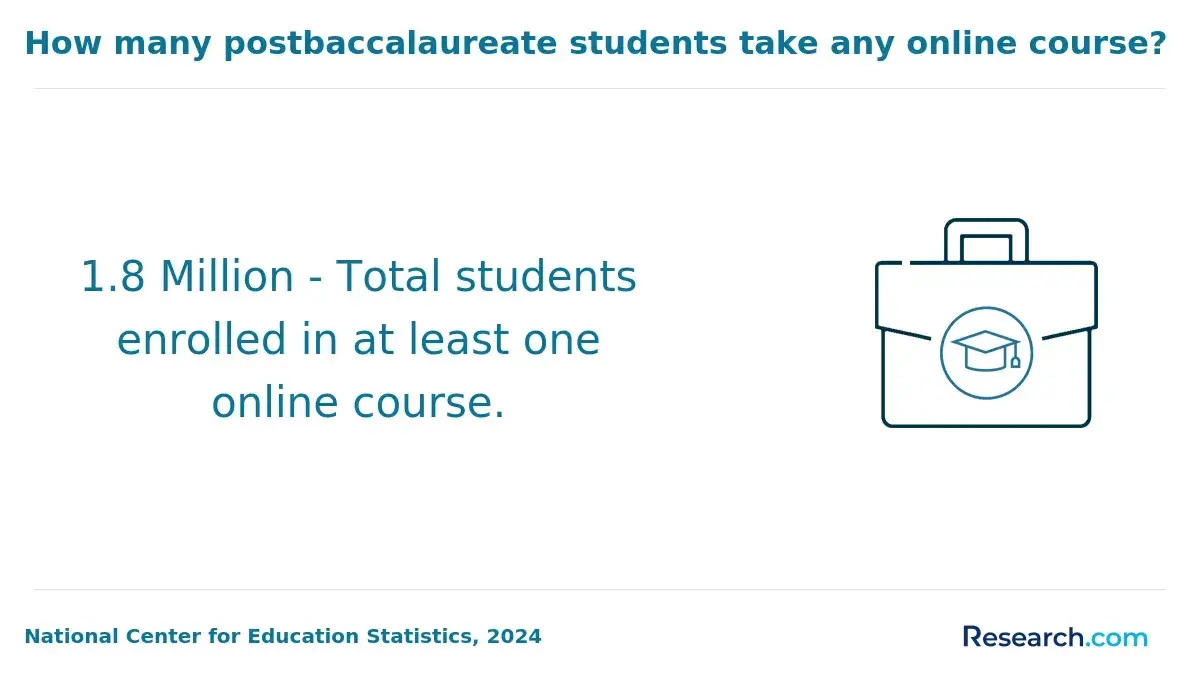
Is an Online Criminology Major Harder Than an On-Campus Program?
Online criminology degree programs are generally neither harder nor easier than their on-campus counterparts, as both are designed to maintain comparable academic rigor. However, the experience and challenges can differ based on delivery methods and student circumstances.
Here is a comparison of key factors influencing the relative difficulty of online versus on-campus criminology programs:
- Academic Expectations & Workload: Both formats require similar course requirements and time commitments, with students typically dedicating 15-18 hours weekly per course, as seen at institutions like CSU Global and Rowan University.
- Interaction and Support: On-campus learners benefit from face-to-face engagement with professors and peers, while online students must proactively use virtual tools such as forums and video calls, though many online programs now provide 24/7 tutoring and academic advising.
- Learning Environment & Flexibility: Online programs offer greater flexibility and self-paced study, which suits those balancing work or family, though staying motivated can be harder without structured, in-person schedules.
- Unique Challenges: Hands-on activities like crime scene simulations are more accessible on campus, but some online programs address this through virtual labs and interactive materials.
The question of whether an online criminology major is more challenging ultimately depends on a student's learning style and discipline rather than the mode of instruction itself. Students interested in the most affordable master's degree online options should consider how different formats align with their study habits and support needs.
Are Accelerated Criminology Programs Harder Than Traditional Formats?
Accelerated criminology programs are generally harder than traditional formats due to condensed timelines and increased workload intensity, requiring students to absorb and apply material much faster. The pacing and heavier weekly workload of these programs significantly affect student experience, often demanding advanced time management skills and sustained focus. Below is a comparison highlighting key differences between accelerated vs accelerated criminology degree workload in traditional criminology programs:
- Course Pacing and Content Density: Accelerated courses usually last 5 to 8 weeks instead of a standard 16-week semester, compressing the same amount of content into a shorter timeframe.
- Workload Management: Students with prior experience or those who work well under pressure may handle accelerated criminology degree workload better, while others may find traditional schedules easier to manage.
- Academic Expectations and Skill Demands: Accelerated formats demand rapid mastery of complex theories and analytical skills with less time for reflection, increasing academic challenges.
- Learning Retention and Stress Levels: The lack of downtime in accelerated programs can reduce learning retention and raise stress, whereas traditional formats allow more time for deeper comprehension and interaction.
- Flexibility and Structure: Online accelerated programs offer higher scheduling flexibility but require greater self-discipline, unlike traditional programs that provide more structured pacing.
For those exploring program options, online learning can add convenience, especially through non profit accredited online colleges. However, students should weigh the demands of accelerated criminology degree workload against their learning style and life commitments to choose the best fit for their success.
Can You Manage a Part-Time Job While Majoring in Criminology?
Students can realistically juggle a part-time job while pursuing a criminology major, though success depends on several factors. Criminology typically involves a moderate weekly study commitment, averaging around 12 hours, which is relatively manageable compared to other disciplines.
The intensity of coursework, including research projects and occasional demanding assignments, varies by semester. Flexibility in job hours and strong personal study routines play key roles in maintaining this balance.
Many students manage work and studies by carefully planning their academic load and opting for flexible employment, such as evening or weekend shifts. The discipline's workload includes reading, technical tasks, and periodic research or thesis components, which can fluctuate in difficulty.
Those who adjust credit hours to suit their availability often find it easier to keep up. Additionally, access to campus or online academic resources supports students as they navigate fluctuating demands throughout their program. This adaptability makes balancing part-time work with criminology feasible for many.
What Jobs Do Criminology Majors Get, and Are They as Hard as the Degree Itself?
Career paths for criminology majors vary significantly in difficulty, responsibility, and required skills. While some jobs align closely with the academic rigor of the degree, others present challenges in different ways or feel less demanding.
- Police Detective: Detectives investigate crimes, collect evidence, interview witnesses, and support prosecution efforts. This role is often as demanding as the criminology degree itself due to high responsibility, unpredictable hours, and frequent exposure to stressful situations, requiring strong problem-solving and analytical skills.
- Probation Officer: Probation officers supervise offenders reentering society, create rehabilitation plans, and ensure compliance with court orders. The job is emotionally demanding and requires resilience and excellent communication skills, though it is less focused on academic analysis than the degree.
- Victim Advocate: Victim advocates assist crime victims through the justice system, provide access to resources, and uphold victims' rights. While typically less academically challenging than the degree, this role requires substantial empathy and advocacy skills, presenting emotional demands instead.
- Court Administrator/Paralegal: These professionals manage court operations or assist with case research and legal documentation. Their work is generally less stressful than frontline law enforcement and not as intellectually rigorous as advanced criminology studies, focusing more on organization and attention to detail.
- Forensic Psychologist: Requiring graduate study, forensic psychologists assess criminal behavior and provide expert testimony. This career is generally more demanding than an undergraduate criminology major, involving additional academic preparation and complex psychological analysis.
According to National Center for Education Statistics data, criminology majors report a moderate workload with an average major GPA of about 3.2, indicating a moderate to above-average academic rigor. However, the highest paying criminology careers often require graduate education or specialized skills beyond the undergraduate level.
Those exploring whether criminology is a hard major should consider how job demands shift focus from theory to practical, interpersonal, or technical skills in many roles. For students interested in specific career options, resources highlighting the best jobs for creative introverts may also offer insight into compatible criminology degree jobs salary prospects and work environments.
Do Criminology Graduates Earn Higher Salaries Because the Major Is Harder?
There is no strong link between criminology being a difficult major and graduates earning higher salaries. Data shows that the complexity of the coursework does not necessarily translate into better pay. Instead, earnings are shaped more by the development of relevant skills, hands-on experience, and the demand in the job market. Criminology is not typically ranked as one of the toughest social science majors based on GPA or workload data. Therefore, factors beyond academic challenge play a larger role in influencing salary outcomes.
Salary levels for criminology graduates vary widely based on job type, location, and education level. For example, entry-level roles like probation officers earn around $64,520, while detectives can make up to $93,580 annually. Geographic areas with higher demand for criminal justice professionals often offer better compensation. Additionally, having an advanced degree can boost earnings; graduates with a master's from UC Irvine average $61,062 compared to $34,522 for bachelor's holders. Specialized positions such as forensic technicians or emergency management directors tend to command higher wages due to skill requirements and market needs.
What Graduates Say About Criminology as Their Major
- Christian: "Criminology was intense, no doubt, especially when it came to mastering complex theories and ethical considerations, but it deeply impacted my understanding of social systems. Though the cost of pursuing this major was significant, it paved the way for my career in criminal justice reform. It's a demanding field of study, but the professional growth it fostered was invaluable. "
- Russell: "Looking back, criminology was a tough major with its demanding research and critical analysis components, yet it was a profound learning experience that helped me develop strong analytical skills. The financial aspect wasn't easy to manage, given tuition fees and materials, but the knowledge I gained made it worthwhile as it enhanced my role in policy development. The major's rigor truly prepared me for real-world challenges. "
- Azai: "Pursuing criminology was definitely challenging, especially balancing theory with practical case studies, but it was incredibly rewarding. Understanding the complexities of criminal behavior not only shaped my career path in law enforcement but also gave me a new perspective on justice and social responsibility. Considering the average cost of attendance, I believe the investment was justified for the doors it opened. "
Other Things You Should Know About Criminology Degrees
In 2027, criminology students can engage in diverse research opportunities like working on community-focused crime prevention projects, joining faculty-led studies on criminal behavior, or participating in internships with local law enforcement agencies to gain practical research experience.
In 2027, balancing coursework and research in a criminology major requires developing strong time management skills. Students benefit from creating a structured schedule, prioritizing tasks, and utilizing campus resources such as academic advising and tutoring. Collaborating with peers and seeking faculty mentorship can also provide necessary support.
References
- 7 Things You Need to Know About Studying Criminology https://www.ucenmanchester.ac.uk/news/why-study-criminology/
- A Breakdown of the Subject: Criminology https://www.learndirect.com/pillar/a-breakdown-of-the-subject-criminology
- Is Criminology a Hard Major? Unveiling the Truth - CollegeRanker https://www.collegeranker.com/is-criminology-a-hard-major/
- Is Criminal Justice Hard to Study & Hard to Work In? | CSU Global https://csuglobal.edu/blog/is-criminal-justice-hard
- What can you do with a criminology degree? https://www.whatuni.com/advice/career-advice/8-jobs-you-can-do-with-a-criminology-degree/76813/
- Criminology Major: What You Need to Know https://www.northcentralcollege.edu/news/2023/02/03/criminology-major-what-you-need-know
- 15 Highest-Paying Criminology Jobs https://legalcareerpath.com/highest-paying-criminology-jobs/
- Why a Criminology major could be a good choice if you are interested in law school. https://www.criminologypost.com/post/why-a-criminology-major-could-be-a-good-choice-if-you-are-interested-in-law-school
- Online Degree vs. Traditional | University of Arkansas Grantham https://www.uagrantham.edu/blog/pros-cons-online-degree-vs-traditional-university/
- Criminology recommended reading and summer prep https://www.aru.ac.uk/blogs/criminology-recommended-reading-and-summer-prep


