
2027 Is Demand for Criminal Justice Degree Graduates Growing or Declining?

Co-Founder and Chief Data Scientist
Imagine a graduate with a criminal justice degree struggling to find relevant employment as law enforcement agencies shift priorities. Despite this, the Bureau of Labor Statistics reports a 5% growth in employment for criminal justice careers between 2022 and 2032, indicating rising demand in certain sectors. However, changes in technology and policy affect which roles expand most. Understanding these nuances is crucial for students deciding whether to pursue a criminal justice degree.
This article analyzes current trends and employment data to help readers gauge the true demand for criminal justice degree graduates and make informed educational choices.
Key Things to Know About the Demand for Criminal Justice Degree Graduates
- Employment for criminal justice degree graduates is projected to grow about 5% from 2022 to 2032, reflecting steady demand in law enforcement and corrections sectors.
- Specializations in cybersecurity and forensic science are increasingly valued, offering graduates enhanced job prospects amid evolving crime-fighting technologies.
- Changes in criminal justice policies and community-focused policing are shifting career opportunities toward rehabilitation and social services roles.
What Factors Are Driving Demand for Criminal Justice Degree Professionals?
Assessing the factors driving workforce demand helps prospective students gauge the long-term value and stability of a criminal justice degree. Several key drivers currently influence employment trends and hiring needs in this field.
- Industry Growth: Expansion in law enforcement agencies, cybersecurity units, and federal organizations continues to create numerous new job opportunities. As public safety remains a priority, criminal justice professionals are needed across local, state, and federal levels.
- Technological Advancement: The rise of digital forensics and data analytics has introduced specialized roles requiring both criminal justice knowledge and technical skills, increasing demand for graduates who can bridge this gap.
- Regulatory and Policy Changes: New laws related to drug enforcement, anti-terrorism efforts, and criminal reforms impact hiring. Agencies often seek professionals familiar with updated regulations and compliance standards, a key consideration when evaluating accreditation standards for criminal justice degree programs in the United States.
- Demographic Shifts: Aging workforces in public safety mean replacements are needed, while population growth in urban areas boosts the need for crime prevention and investigative services.
- Evolving Employer Skill Requirements: Employers increasingly value soft skills, such as critical thinking, communication, and cultural competency, alongside technical expertise, influencing training and hiring practices. This trend highlights the impact of regional accreditation on criminal justice career prospects, ensuring graduates meet high competency levels.
These factors collectively suggest that a criminal justice degree equips graduates for a dynamic job market that values adaptability, specialized knowledge, and a commitment to public service. For those interested in advancing further, exploring an edd degree may provide accelerated pathways toward educational leadership roles within the justice system.
Which Criminal Justice Occupations Are Seeing the Highest Growth Rates?
Employment growth rates are vital metrics for students evaluating criminal justice career paths, as they indicate which occupations offer increasing job opportunities. The overall demand for workers in all fields is projected to grow by approximately 8% through 2032, highlighting expanding sectors. Below are some of the criminal justice occupations with the fastest growth, reflecting this trend.
- Cybersecurity Specialists: These professionals are expected to see a 33% growth rate over the next decade, driven by the rise in cybercrime and the urgent need for digital security expertise. Roles typically require a bachelor's degree in criminal justice or information technology, often with certifications in cybersecurity.
- Forensic Science Technicians: Projected to grow by about 15%, this occupation benefits from law enforcement's increasing reliance on scientific analysis in solving crimes. A bachelor's degree in forensic science or a related field is commonly required to enter this profession.
- Probation Officers: With an 8% growth rate, probation officers and correctional treatment specialists are in demand due to expanded rehabilitation programs and sentencing reforms. Entry usually requires at least a bachelor's degree in criminal justice or social work.
- Detectives and Criminal Investigators: These roles are expected to grow about 7%, fueled by efforts to tackle complex crimes. A bachelor's degree in criminal justice or a related discipline is generally preferred along with investigative experience.
Understanding the top growing criminal justice occupations by region can further guide students in choosing specialized career paths. For those interested in combining criminal justice with mental health support, several accredited online counseling programs offer integrated training options that enhance employability.
Which Industries Hire the Most Criminal Justice Degree Graduates?
Knowing which sectors most actively hire criminal justice degree graduates enables students to better evaluate career prospects and long-term job security in this field. This insight helps align academic focus with market demands. The primary industries employing these graduates include:
- Law Enforcement Agencies: Police departments and federal organizations such as the FBI and DEA recruit graduates for positions like patrol officers, detectives, and federal agents. These roles depend heavily on knowledge of legal frameworks and investigative methods covered in criminal justice programs.
- Corrections and Rehabilitation: Facilities like prisons, jails, and rehabilitation centers need correctional officers, probation officers, and case managers to supervise inmates and facilitate reintegration. The criminology and rehabilitation emphasis in education closely matches these job requirements.
- Legal and Court Systems: Roles including paralegals, court clerks, and victim advocates are common in judicial environments. Understanding criminal law and courtroom procedures equips graduates for these support functions.
- Private Security and Loss Prevention: Graduates find opportunities in retail security, corporate risk management, and crime prevention positions. Criminal justice studies provide valuable insights into protection strategies and threat assessment.
- Forensic Science and Crime Analysis: Crime scene analysts and forensic technicians benefit from the analytical and investigative training offered by criminal justice curricula. These roles often work in coordination with law enforcement and legal sectors.
How Do Criminal Justice Job Opportunities Vary by State or Region?
Geographic factors significantly shape job prospects for criminal justice degree holders, as local government policies, population density, and economic conditions influence demand. Several regional aspects affect where opportunities are more plentiful and the nature of roles available.
- High-Demand States: States with large populations and expanding urban areas, such as California, Texas, and Florida, tend to have more openings for law enforcement officers, probation agents, and correctional specialists due to increased needs for public safety and community supervision.
- Industry Concentration: Regions hosting major government institutions or thriving private security sectors-like Washington D.C. and New York-offer specialized criminal justice roles that may not be found elsewhere, drawing professionals seeking niche careers.
- Urban vs. Rural: Metropolitan areas typically provide a wider variety of positions and offer higher average salaries, although these come with greater competition. In contrast, rural regions have fewer job openings but may present less rivalry and more stability for some roles.
- Cost-of-Living Impact: While cities may pay more for criminal justice jobs, higher housing and living expenses can reduce overall affordability, influencing individuals' decisions about where to work and live.
- Remote Work Trends: Although frontline criminal justice occupations usually require in-person presence, some support and analytical jobs are increasingly available through remote or hybrid arrangements, expanding possibilities beyond local boundaries.
How Does Degree Level Affect Employability in Criminal Justice Fields?
The level of education attained, such as bachelor's, master's, or doctorate degrees, plays a crucial role in enhancing job opportunities, career advancement, and professional competitiveness within criminal justice fields. Examining degree levels reveals distinct impacts on employability and career paths.
- Associate Degree: This level typically leads to entry-level positions like correctional officers or police aides. While it provides practical experience, upward mobility is often restricted without further qualifications in criminal justice careers.
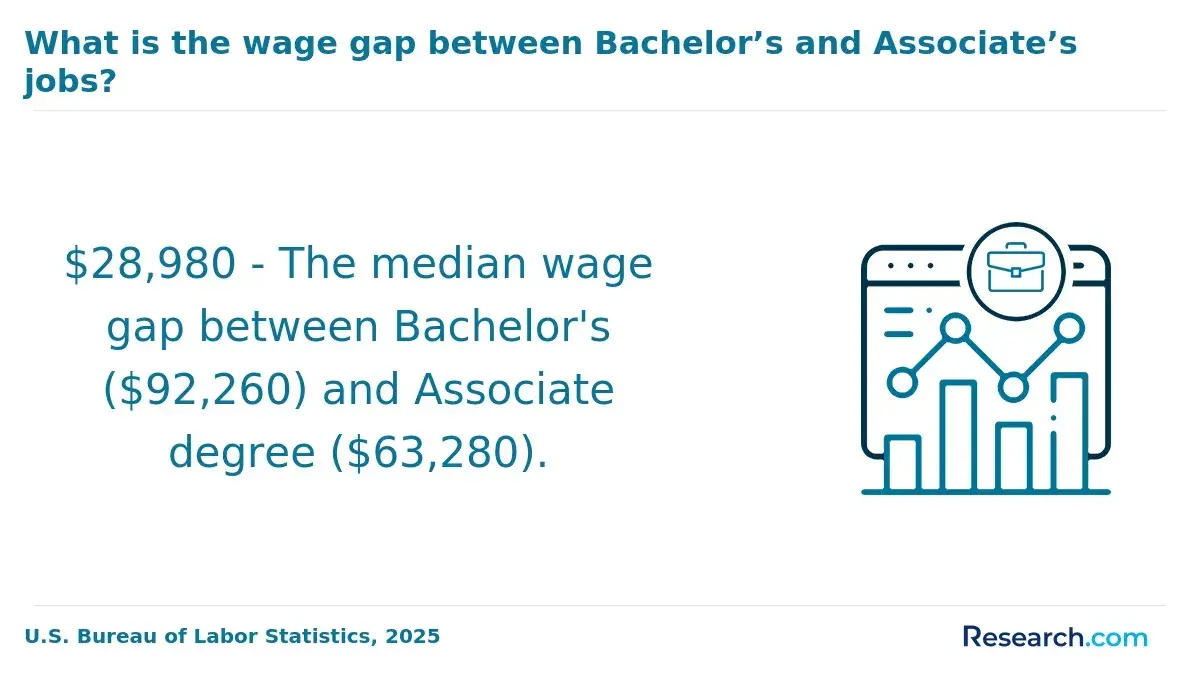
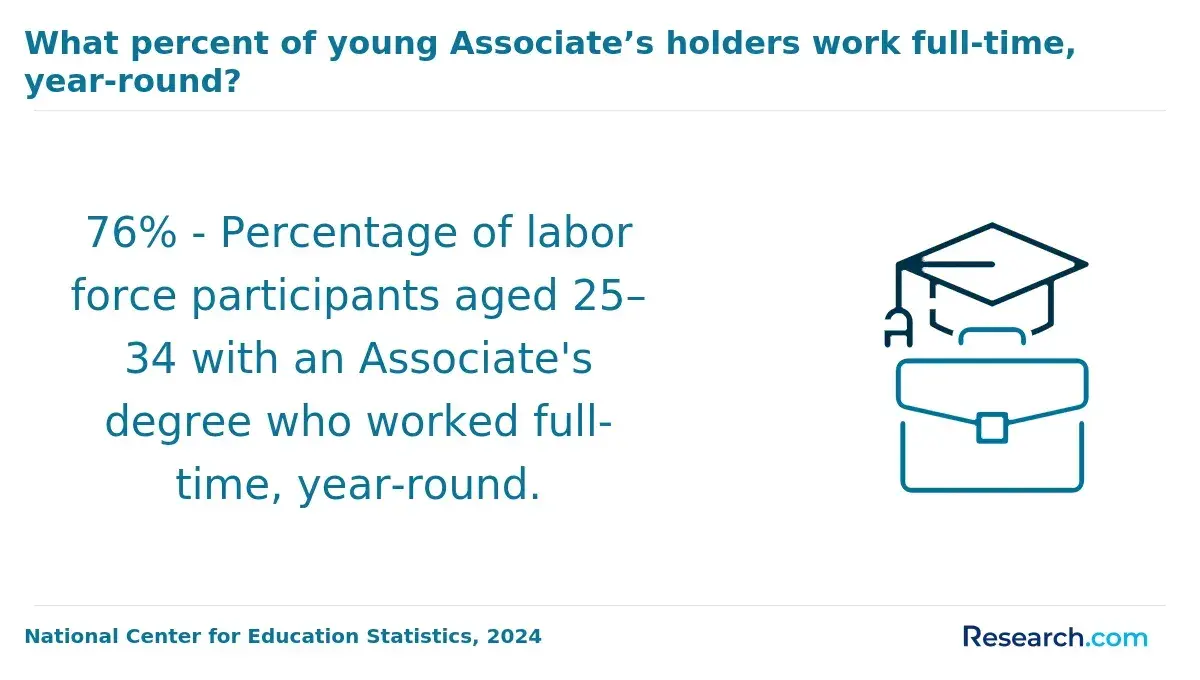
- Bachelor's Degree: Widely regarded as a foundational credential, a bachelor's degree expands job options to roles such as police officers, probation officers, and forensic technicians. It also enhances employability, with about a 14% higher employment rate compared to associate degree holders, reflecting how degree level influences employability in criminal justice careers.
- Master's Degree: Offering opportunities for supervisory and specialized roles, master's graduates may advance to positions like criminal analysts or policy advisors. These roles generally come with increased salary potential and leadership responsibilities, illustrating the impact of bachelor's versus master's degrees on criminal justice job opportunities. Those interested in further specialization may explore masters in psychology online, which can complement advanced criminal justice studies.
- Doctorate Degree: Rare and focused on academia, research, or high-level policy leadership, a doctorate opens doors to advanced agency roles and scholarly positions, representing the pinnacle of education within the criminal justice field.
What Skills Are Employers Seeking in Criminal Justice Graduates?
Recognizing the skills that employers value in criminal justice graduates directly impacts a candidate's ability to succeed and stand out in this competitive field. These competencies reflect both the practical demands and ethical considerations present in criminal justice careers. Below are several critical skills that hiring managers frequently seek.
- Critical Analysis: Professionals must evaluate complex scenarios, sift through evidence meticulously, and arrive at sound conclusions, which is especially important for roles in investigation and policy assessment.
- Effective Communication: The ability to articulate ideas clearly, whether writing reports or addressing diverse audiences, ensures accurate information exchange and can influence legal outcomes.
- Ethical Integrity: Demonstrating strong moral principles is key to fostering public confidence and executing duties responsibly within the justice system.
- Technological Competence: Mastery of modern tools such as forensic software and digital databases facilitates efficient information handling and supports thorough investigations.
- Collaboration and Empathy: Interpersonal skills that enable cooperation and understanding help resolve conflicts and build trust within communities and agencies.
When I spoke with a criminal justice graduate about which skills proved most vital in their career, they emphasized the unexpected challenges in balancing empathy with enforcement. They described initial struggles in managing emotionally charged situations while staying objective, recalling a case where "listening carefully to everyone involved changed the entire course of the investigation." This experience highlighted that beyond technical know-how, employers appreciate graduates who can navigate human complexities with both professionalism and compassion.
How Does Job Demand Affect Criminal Justice Graduate Salaries?
Fluctuations in job demand directly influence starting salaries, opportunities for wage growth, and long-term earning potential for criminal justice graduates. According to the Bureau of Labor Statistics, the median annual wage for criminal justice occupations is projected to increase by about 5% over the next decade. These salary trends depend largely on the balance between the supply of graduates and the demand for skilled professionals, which affects compensation and career prospects. The following points highlight key ways job demand impacts earnings:
- Starting Salaries: Higher recruitment needs typically push starting salaries upward, as employers compete to attract qualified candidates in sectors like law enforcement and forensic science.
- Wage Growth: In competitive markets, experienced professionals gain leverage, leading to accelerated wage increases and improved earning potential over time.
- Job Security and Benefits: High-demand areas often offer enhanced job security and better benefits, reflecting the value placed on retaining skilled criminal justice workers.
- Market Saturation Effects: When too many graduates compete for limited roles, wages may stagnate or even decline, as employers face less pressure to offer competitive pay.
How Is AI Changing Demand for Criminal Justice Professionals?
Rapid advances in artificial intelligence are transforming workforce demands within criminal justice fields, with AI-driven technologies expected to boost job openings by 15% over the next decade in law enforcement and forensic roles. These changes bring several significant impacts on employment and skill requirements.
- Automation of Routine Tasks: AI streamlines repetitive duties like data entry and evidence tracking, enhancing agency efficiency. While this reduces some basic roles, it increases demand for professionals skilled in managing and interpreting automated systems.
- Emergence of Specialized Roles: New career paths are developing involving cybersecurity, algorithmic forensics, and compliance with AI ethics. These niches favor candidates with advanced technical and analytical expertise, expanding opportunities beyond traditional criminal justice roles.
- Shifting Skill Requirements: Employers now prioritize data literacy and the ability to work alongside AI tools. Criminal justice professionals able to evaluate AI-generated evidence and insights hold a competitive edge in job stability and advancement.
- Changing Hiring Patterns: Agencies favor multidisciplinary teams that combine law enforcement knowledge with technology and data science skills, reflecting a strategic pivot toward integrating AI capabilities.
When I spoke with a criminal justice program graduate about how AI is reshaping demand, she shared a firsthand perspective. She described feeling initially overwhelmed by the technical knowledge required but soon realized adapting was essential. "Learning to validate digital evidence with AI tools changed how I approach investigations," she explained. The process involved trial, error, and ongoing training, but ultimately, it made her more confident and marketable in a competitive field. Her experience highlights the importance of embracing technology to remain relevant and effective in criminal justice careers.
Is Criminal Justice Considered a Stable Long-Term Career?
Long-term career stability is important for students and professionals weighing their options in criminal justice because it ensures their education leads to lasting opportunities, financial security, and meaningful work. Several key factors influence job stability and growth for criminal justice degree holders, shaping their career outlook.
- Steady Employment Demand: Government agencies, courts, and correctional institutions maintain a constant reliance on criminal justice professionals. This steady demand supports consistent job availability, making roles in public safety and law enforcement more secure over time.
- Industry Adaptability: Technological advancements in forensic science, cybersecurity, and data analysis are transforming the field. This adaptability allows criminal justice careers to evolve, requiring workers to update skills but also opening new avenues aligned with modern tools and methods.
- Career Advancement and Reskilling: Clear pathways for promotion, specialization, and ongoing professional development help individuals remain competitive. These opportunities enable criminal justice professionals to adjust to shifting job requirements and sustain their career growth.
- Economic Resilience: Public safety roles generally experience limited impact from economic fluctuations compared to other sectors. This relative stability adds to the long-term viability of criminal justice careers, although some areas like private security may see more variability based on market conditions.
Prospective students considering the field should also evaluate how their educational choices affect career outcomes. Those interested in accelerated learning might explore options such as an accelerated bachelor's degree, which can shorten the time to enter the workforce and capitalize on the stable job market for criminal justice graduates.
Is a Criminal Justice Degree Worth It Given the Current Job Demand?
Demand for criminal justice degree graduates remains steady, with several occupations such as police officers, probation officers, and correctional treatment specialists projected to grow at or near average rates through the mid-2020s. This reflects a consistent need for law enforcement, rehabilitation, and security services across the US. The criminal justice degree job outlook in the US varies by region and agency, with some areas experiencing stronger growth than others. Overall, the labor market shows cautious optimism for graduates, although competition for entry-level roles can be intense.
The degree's worth depends heavily on factors like level of education, skill alignment, and industry needs, which influence career opportunities with a criminal justice degree today. Higher degrees such as master's programs open doors to federal agencies, research, and administrative positions requiring analytical and policy expertise. Graduates benefit most when their coursework aligns with market-relevant skills like forensic technology, cybercrime, or data analysis. For those exploring education pathways, considering fast online degrees can offer additional options that complement or enhance career prospects in criminal justice fields.
What Graduates Say About the Demand for Their Criminal Justice Degree
- Tony: "Pursuing a criminal justice degree was a pivotal choice for me; it opened doors I hadn't imagined before. The knowledge and skills I gained offered immediate value in my law enforcement career, proving the degree's worth both professionally and financially. I'm grateful for the confidence it gave me to excel in high-pressure situations."
- Edward: "Looking back, my decision to study criminal justice was shaped by a desire to understand the system deeply, not just to earn a paycheck. The return on investment became evident as I advanced slowly but surely, appreciating how the education provided a strong foundation for meaningful career growth. It's been a rewarding journey of both learning and service."
- Denver: "Enrolling in a criminal justice program was a strategic move to enhance my credentials and professional perspective. The degree significantly impacted how I approach complex investigations and policy analysis at work. Beyond the financial benefits, it has enriched my ability to contribute thoughtfully to the field."
Other Things You Should Know About Criminal Justice Degrees
Internship experience remains crucial for criminal justice graduates in 2027. It provides practical skills, industry contacts, and firsthand knowledge of legal systems, significantly enhancing employability and career growth opportunities in a competitive field.
Career stability in criminal justice is influenced by factors such as advancements in technology, cybersecurity needs, and evolving law enforcement practices. Understanding these trends helps prospective students prepare for dynamic career opportunities and challenges in the field.
In 2027, sectors like cybersecurity, forensic technology, and homeland security are driving demand for criminal justice graduates. These fields require expertise in digital crime prevention, evidence collection, and national security, contributing to increased job opportunities for degree holders.
References
- How AI is Changing the Criminal Justice Field https://www.allcriminaljusticeschools.com/blog/artificial-intelligence-in-criminal-justice/
- Elevating Law Enforcement: The Impact of a Criminal Justice Degree on Skills, Leadership, and Career Opportunities https://www.snu.edu/blog/elevating-law-enforcement-the-impact-of-a-criminal-justice-degree-on-skills-leadership-and-career-opportunities
- Is Criminal Justice a Good Major? https://www.husson.edu/online/blog/2022/12/reasons-to-earn-criminal-justice-degree
- The Value of a Criminal Justice Degree: Skills, Evolution, and Degree Pathways | University of Arkansas Grantham https://www.uagrantham.edu/blog/the-value-of-a-criminal-justice-degree/
- Criminal Justice 101: Everything to Know About This Career Path https://www.park.edu/blog/criminal-justice-101-everything-to-know-about-this-career-path/
- Explore the career paths of other Criminal Justice graduates - Edge Hill University https://www.edgehill.ac.uk/departments/support/careers/how-can-we-help/help-by-subject/criminology-law-and-policing/criminal-justice/explore-the-career-paths-of-other-criminal-justice-graduates/
- The Implications of AI for Criminal Justice - Council on Criminal Justice https://counciloncj.org/the-implications-of-ai-for-criminal-justice/
- UTRGV | Mastering Justice: High-Demand Careers for Criminal Justice Graduates https://www.utrgv.edu/accelerated/articles/liberal-and-fine-arts/mastering-justice-high-demand-careers-for-criminal-justice-graduates/index.htm
- Top Careers with a Master's in Criminal Justice https://www.onlinemastersdegrees.org/careers/criminal-justice/
- 12 Criminal Justice Skills for Career Success | Goodwin University https://www.goodwin.edu/enews/criminal-justice-skills/


