
2027 Is Demand for Educational Technology Degree Graduates Growing or Declining?

Co-Founder and Chief Data Scientist
Many prospective students worry whether investing in an educational technology degree will lead to stable employment. Rapid changes in digital learning tools create uncertainty about job availability for graduates in this field. However, the U. S. Bureau of Labor Statistics projects a 9% growth in employment for instructional coordinators, a common role for educational technology graduates, from 2022 to 2032. This article examines current labor market data, industry shifts, and educational trends to clarify whether demand for educational technology degree holders is growing or declining, helping readers make informed decisions about their academic and career paths.
Key Things to Know About the Demand for Educational Technology Degree Graduates
- Employment for educational technology degree graduates is growing steadily, with an expected 10% increase in roles by 2030 according to the Bureau of Labor Statistics.
- Projected job growth is driven by increased digital learning integration in K-12 and higher education institutions worldwide.
- Specializing in areas like instructional design or learning analytics significantly enhances long-term career prospects within evolving educational technology sectors.
What Factors Are Driving Demand for Educational Technology Degree Professionals?
Knowing what drives workforce demand helps prospective students evaluate the long-term value and stability of earning an educational technology degree. Several significant factors shape hiring trends and opportunities in this evolving field.
- Industry Growth: Rapid expansion within the education technology sector increases the need for professionals who can design, implement, and support digital learning tools. This growth is fueled by schools and organizations adopting innovative platforms to enhance student engagement.
- Technological Advancement: Continuous improvements in technology, such as virtual and augmented reality, create fresh demands for specialists capable of managing and integrating cutting-edge educational solutions. Staying current with these changes is vital for educational technology degree holders to remain competitive.
- Policy and Funding: Federal and state policies promoting technology integration in classrooms often drive institutions to hire experts who ensure compliance with standards and optimize the use of digital resources. The importance of regional accreditation for educational technology degrees also reflects in these evolving policy requirements.
- Demographic Shifts: Growing K-12 populations and expanding adult education programs necessitate scalable, technology-based learning systems, boosting employment prospects for graduates with the necessary skills.
- Evolving Employer Expectations: Employers increasingly seek candidates who combine strong instructional design, data analysis abilities, and technological expertise. This multifaceted skill set enhances the effectiveness of educational programs and improves learning outcomes.
Prospective students interested in related fields might explore options like BCBA master's programs online, which similarly emphasize applied skills aligned with workforce demands in education and technology.
Choosing accredited educational technology degree programs benefits students by ensuring quality education that meets industry standards and supports career growth.
Which Educational Technology Occupations Are Seeing the Highest Growth Rates?
Employment growth rates provide crucial insight for students evaluating educational technology career paths, indicating areas with strong demand and future opportunity. For instance, the U.S. Bureau of Labor Statistics projects an average growth rate of about 8% across all occupations over the next decade, highlighting the need to focus on roles with above-average expansion. Below are key occupational areas within educational technology experiencing notable growth.
- Instructional Coordinators: Expected to grow roughly 10%, driven by expanding curriculum development needs in K-12 and higher education. A bachelor's degree in education or a related field is typically required, with many roles favoring master's degrees.
- Instructional Designers: Projected growth near 8% reflects increased reliance on virtual training environments in both corporate and academic settings. Advanced skills in digital content creation and instructional design often require a master's degree in educational technology or related disciplines.
- Education Technology Specialists: Anticipated to grow around 11%, fueled by school districts' upgrades of classroom technology integration. Bachelor's degrees in education technology or information technology are common prerequisites.
- Online Course Developers: Growing demand is linked to the surge in online education and program delivery, requiring expertise in multimedia development and instructional design. Typically, a bachelor's or master's degree in educational technology is preferred.
- E-Learning Consultants: Increasingly sought after to advise institutions on digital learning strategies and technology implementation, with growth supported by the expansion of online and hybrid learning models. Advanced degrees and experience in educational technology are often essential.
Growth rates and highest demand educational technology careers by region vary, so students should research local trends when planning their education. Those considering this field may also explore options for affordable pathways, such as pursuing engineering degrees online, which sometimes include educational technology concentrations or related skills that enhance career prospects.
Which Industries Hire the Most Educational Technology Degree Graduates?
Knowing which sectors actively recruit graduates with an educational technology degree can guide students toward viable career options and greater job security. The following industries represent the leading employers of these professionals.
- K-12 and Higher Education: Schools and universities increasingly incorporate digital tools into teaching, boosting the need for instructional coordinators and educational technologists who develop e-learning content and assist faculty in applying new technologies effectively.
- Corporate Sector: Businesses invest heavily in online training and require specialists to design, implement, and manage digital learning platforms. Common roles include corporate trainers, e-learning developers, and administrators for learning management systems.
- Government Agencies: Various public departments, especially those focused on workforce development and education, employ educational technology graduates to enhance training initiatives for employees and the broader community.
- Healthcare: This growing field uses educational technology experts to create staff training modules and patient education programs that support compliance and professional growth through technology-driven solutions.
- Technology Companies: Firms developing educational software and applications seek graduates to help design and implement products that align with pedagogical standards and meet user requirements.
How Do Educational Technology Job Opportunities Vary by State or Region?
Geographic location plays a crucial role in shaping job prospects for educational technology graduates, affecting both the quantity of positions and the quality of career opportunities. Several regional factors influence the demand for professionals in this field, impacting where graduates might best focus their job search.
- High-Demand States: States like California, New York, and Texas generally lead in offering more positions due to their large public education systems and numerous universities investing in educational technology innovation. These areas often provide broader entry points for various career stages.
- Industry Concentration: Regions with strong clusters of technology companies or education-focused publishers, including parts of the Pacific Northwest, tend to create specialized roles through partnerships and product development, enhancing demand for educational technology skills.
- Urban vs. Rural Opportunities: Urban centers typically have more positions available across entry and mid-level roles compared to rural areas, where funding and infrastructure for educational technology may lag, limiting career options locally.
- Remote and Hybrid Work: Increasingly common flexible work arrangements are helping reduce geographic barriers, enabling professionals in less populated or economically slower regions to compete for jobs traditionally centered in tech hubs.
- Cost-of-Living Impact: Although salaries in major tech and education hubs may be higher, these are often balanced by elevated living expenses, influencing overall career growth potential and financial advantages for educational technology professionals depending on location.
How Does Degree Level Affect Employability in Educational Technology Fields?
The level of education plays a crucial role in shaping career prospects, job availability, and professional growth within educational technology occupations. The differences between associate, bachelor's, master's, and doctorate degrees highlight varying paths to employability and advancement. Below is a comparison of how these degree levels impact educational technology graduate job prospects by degree level and region.
- Associate Degree: Typically leads to entry-level technical support roles such as instructional assistants or technology technicians. These positions emphasize practical skills but often offer limited opportunities for leadership or strategic responsibilities in educational technology careers.
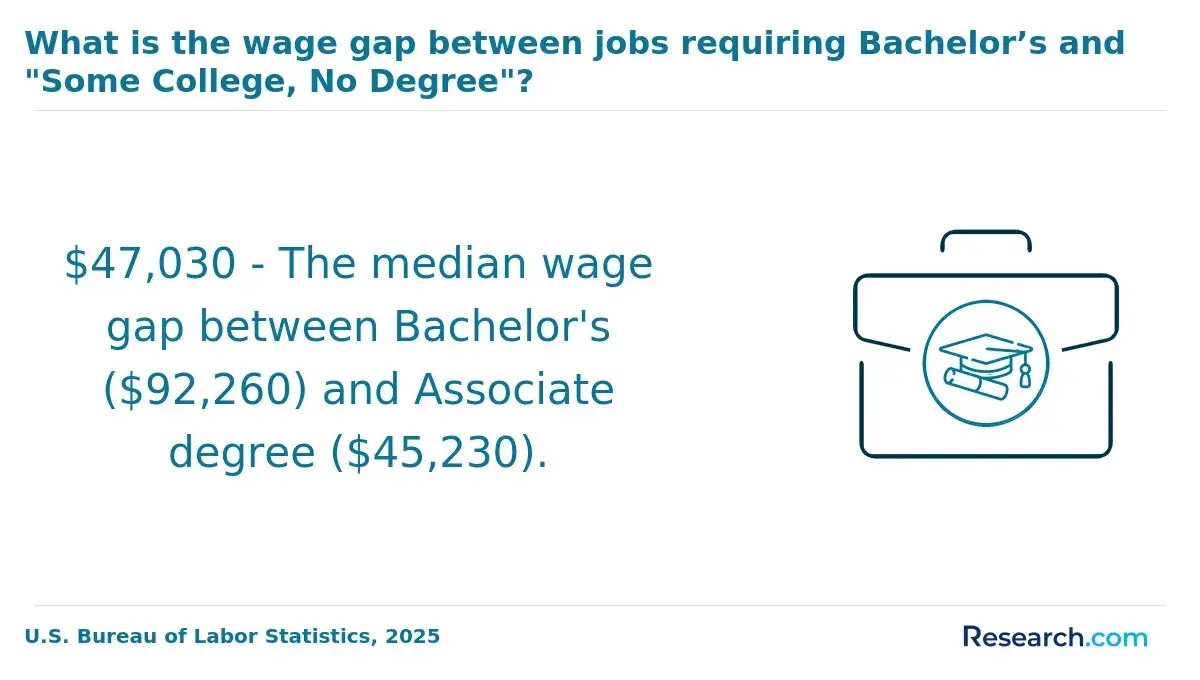
- Bachelor's Degree: Opens opportunities for mid-level positions including instructional design assistants, e-learning specialists, and technology coordinators. Graduates at this level face greater competitiveness and broader job options in educational technology graduate job prospects by degree level and region compared to those with associate degrees.
- Master's Degree: Valued for specialized and leadership roles like curriculum development and program management. According to labor data, having a master's degree improves employment rates by around 15% over a bachelor's degree in this field. For those seeking advanced credentials, exploring an affordable online psychology masters program can also be an option for related educational leadership roles.
- Doctorate Degree: Geared toward academic, research, and policy development careers, offering extensive opportunities for influence and career advancement at universities or organizations shaping educational technology policy.
What Skills Are Employers Seeking in Educational Technology Graduates?
Knowing which skills employers prioritize helps graduates stay competitive and prepared for the workforce in educational technology. These sought-after abilities enhance job prospects and ensure graduates can meet the demands of this evolving field. Below are key competencies that employers consistently value:
- Instructional Design: Mastery in crafting dynamic and accessible learning experiences is vital for creating materials that resonate with diverse audiences and meet educational goals.
- Technical Skills: Proficiency with learning management platforms, multimedia software, and other educational technologies empowers graduates to effectively deploy and maintain digital learning environments.
- Data Literacy: The capacity to analyze learner data and evaluate program success enables professionals to make informed adjustments that improve instructional effectiveness.
- Project Coordination: Skills in organizing resources, schedules, and collaboration among educators and developers are essential for delivering educational technology projects on time and within scope.
- Communication and Teamwork: Being able to clearly convey ideas and work harmoniously with instructors, students, and technical staff supports smooth adoption and integration of technology initiatives.
When I spoke with a graduate of an educational technology degree, he shared how understanding these skills shaped his job search and early career experiences. He recounted, "I initially struggled with managing the diverse expectations of educators and IT teams. Learning to communicate clearly and coordinate projects efficiently became a turning point." He also mentioned that handling real-world challenges, like troubleshooting unexpected software issues during deployments, tested and strengthened his technical and problem-solving skills. "Knowing the theory is one thing, but applying it under pressure made all the difference," he reflected, highlighting how these employer-valued skills proved crucial in his transition from academics to professional roles.
How Does Job Demand Affect Educational Technology Graduate Salaries?
Fluctuations in job demand significantly influence starting salaries, wage growth, and long-term earning potential for educational technology graduates due to the basic supply and demand principles in the labor market. For instance, the U.S. Bureau of Labor Statistics projects employment for instructional coordinators, which includes many educational technology roles, to grow 7% from 2022 to 2032-faster than the average for all occupations. These trends affect salary prospects in several key ways.
- Starting Salaries: When demand rises, employers compete to attract qualified graduates by offering higher initial salaries and better compensation packages, reflecting the scarcity of talent.
- Wage Growth: Sustained or increasing demand supports quicker salary increases through promotions and raises as organizations strive to retain skilled professionals.
- Long-Term Earnings: Consistent industry growth can expand career paths, leading to leadership roles and higher lifetime earnings for graduates who remain in the field.
- Market Competition: An oversupply of graduates relative to job openings can suppress wage growth and reduce negotiating power, underscoring how supply-demand imbalances directly impact earning potential.
How Is AI Changing Demand for Educational Technology Professionals?
Advances in artificial intelligence are rapidly transforming workforce needs and expanding demand within educational technology, with nearly 60% of U.S. institutions increasing AI adoption over the past three years. These shifts are reshaping roles and skill sets for professionals in the field.
- Automation of Routine Tasks: AI streamlines administrative duties like grading and data management, freeing professionals to concentrate on creating adaptive learning environments. This reallocation of tasks enhances job efficiency without reducing overall employment opportunities.
- Emergence of Specialized Roles: New positions such as AI curriculum developers and learning analytics experts are on the rise, requiring a blend of technical proficiency and educational knowledge. These roles signify a growing niche within educational technology careers.
- Evolving Skill Requirements: Graduates must now combine expertise in machine learning, natural language processing, and data analysis with instructional design. This fusion of skills elevates the value of professionals who can integrate AI into pedagogical strategies.
- Hiring Trends Favor Innovation: Employers seek candidates adept at implementing AI tools to personalize education and boost institutional efficiency, pointing to steady long-term growth despite some automation of basic functions.
When I spoke with a graduate of a educational technology degree program about how AI has affected her career, she shared how initially adapting to AI-driven systems was daunting. "Learning to interpret complex data outputs and collaborate with developers pushed me beyond traditional teaching roles," she said. Her journey involved trial and error, but she found great satisfaction in designing tailored learning modules powered by AI. "It's challenging but rewarding to help shape the future of education by merging technology with pedagogy," she reflected, emphasizing that staying current with AI tools has been key to her professional growth and job security.
Is Educational Technology Considered a Stable Long-Term Career?
Long-term career stability is an important factor for students and professionals evaluating educational technology degree job stability in the US. It helps gauge the sustainability and security of career paths in this evolving field. Several key factors influence the long-term career outlook for educational technology graduates.
- Employment Growth: Consistent growth in employment trends is evident as schools, corporations, and government agencies increasingly incorporate technology-enhanced learning environments. This steady increase in demand supports ongoing opportunities for those with expertise in educational technology.
- Industry Reliance: The reliance on educational technology roles continues to expand because organizations need skilled professionals to design, implement, and manage digital learning tools. This broad dependence strengthens career stability by embedding these roles into core educational and training processes.
- Adaptability: Professionals able to integrate emerging tools such as artificial intelligence, virtual reality, and mobile learning benefit from the industry's adaptability. Their ability to respond to technological and economic changes enhances job security amidst evolving educational landscapes.
- Career Advancement: Ongoing opportunities for reskilling and advancement help sustain employment resilience. Educational technology graduates often pursue continuous learning to update their skills, opening paths to leadership, curriculum design, or instructional coordination roles.
Despite challenges from economic fluctuations and educational budget constraints, the overall trajectory for educational technology remains promising. Staying current with evolving technologies is crucial for maintaining stability in this field. For those interested in exploring how educational technology compares with other fields, reviewing degrees that make the most money can offer valuable insights into career potential and salary expectations.
Is a Educational Technology Degree Worth It Given the Current Job Demand?
The job outlook for graduates with an educational technology degree remains positive as demand for digital learning solutions continues to grow across multiple sectors. According to the U.S. Bureau of Labor Statistics, employment for instructional coordinators-roles often filled by educational technology specialists-is projected to increase by about 7% over the next decade, which is faster than the average growth for all occupations. This rise reflects expanding use of online learning platforms, blended instructional models, and new educational software in schools, universities, and corporate environments. Prospective students should consider these educational technology graduate employment trends in the US to better understand the value of the degree in today's market.
While job growth is encouraging, the practical value of an educational technology degree depends on additional factors such as degree level, skill alignment, and the industries targeted. Higher degrees or specialized certifications in instructional design and learning analytics tend to offer stronger career prospects. Graduates with skills in learning management systems and data interpretation are more competitive, particularly in public K-12 education, higher education, and corporate training sectors, where demand is highest. Those researching pathways to enter this field might find it helpful to explore affordable options like a cheapest online college that accept FAFSA to reduce educational costs while building relevant expertise.
What Graduates Say About the Demand for Their Educational Technology Degree
- Callahan: "Choosing to pursue an educational technology degree was a game-changer for me. The practical skills and theoretical knowledge I gained allowed me to seamlessly transition into a role that blended my passion for teaching with cutting-edge tech. The return on investment has been undeniable, as I've seen both my responsibilities and salary grow significantly. "
- Saul: "Looking back, enrolling in an educational technology program was one of the most thoughtful decisions I made. It gave me a unique perspective on how technology can facilitate learning, which has been invaluable in my career as an instructional designer. The degree's ROI is clear not only in financial terms but in the expanded opportunities it created."
- Seth: "The professional edge an educational technology degree provided me is impressive. It equipped me with the ability to design and implement digital learning solutions that meet today's education challenges. This program has truly enhanced my career trajectory, allowing me to lead innovative projects confidently and effectively. "
Other Things You Should Know About Educational Technology Degrees
In 2027, the demand for educational technology graduates remains strong compared to related fields such as traditional education roles. This is due to the ongoing integration of technology in classrooms and the growing need for experts who can design and implement effective digital learning environments.
In 2027, educational technology graduates face challenges such as staying updated with rapidly evolving technologies, competition in a saturated job market, and the need for advanced skills in data analytics. These hurdles require continuous learning and adaptability to maintain relevancy and competitiveness.
In 2027, students entering the educational technology job market should be aware of the growing emphasis on integrating AI and virtual learning tools in education. Staying updated with the latest technologies and continuing education can enhance their prospects in this evolving field.
References
- An EdTech Market Overview: Size, Key Players + Future Trends | Agile Education Marketing https://agile-ed.com/resources/an-edtech-market-overview-size-key-players-future-trends/
- 6 Reasons to Consider Working in Ed Tech https://www.highfivepartners.com/blog/6-reasons-to-consider-working-in-ed-tech
- So You Want to Work in Edtech? - EdSurge Collections https://www.edsurge.com/research/guides/so-you-want-to-work-in-edtech
- 8 Trends in Educational Technology | Access Education https://www.theaccessgroup.com/en-gb/education/software/trends-in-educational-technology/
- Reasons to Earn a Master’s in Educational Technology - Graduate Programs for Educators https://www.graduateprogram.org/blog/reasons-to-earn-masters-in-educational-technology/
- Where EdTech Is Hiring in 2025: K–12, Higher Ed & Corporate Job Trends https://edtechjobs.io/blog/where-are-edtech-jobs-growing
- Instructional Designer Salary and Career Outcomes with a Master of Education https://masterofed-sopa.tulane.edu/articles/instructional-designer-salary-master-of-education/
- How an M.Ed. in Educational Technology Can Lead to a Government Career https://www.utrgv.edu/accelerated/articles/education/how-an-m.ed-in-educational-technology-can-lead-to-a-government-career/index.htm
- Top 5 Emerging Career Paths in Educational Technology | AISL Mall https://www.aislmall.com/news/top-5-emerging-career-paths-in-educational-technology/
- Employers will increasingly focus on graduates’ skills over technical knowledge https://wonkhe.com/blogs/employers-will-increasingly-focus-on-graduates-skills-over-technical-knowledge/


