
2027 Educational Technology Degree Programs for Career Changers

Co-Founder and Chief Data Scientist
Many working professionals face challenges shifting into educational technology without prior experience, often unsure how to leverage existing skills. Adult learners pursuing educational technology degrees empower themselves to meet rising demands in digital learning environments. The Bureau of Labor Statistics projects a 9% growth in employment for instructional coordinators through 2032, driven largely by remote education expansion.
This article explores how educational technology degree programs specifically address the needs of career changers. It offers practical pathways to develop relevant expertise and confidently transition into thriving roles within the education and training sectors.
Key Things to Know About Educational Technology Degree Programs for Career Changers
- Many programs offer flexible scheduling with online or hybrid formats, allowing working adults to balance study and employment effectively while transitioning careers.
- Employer relevance is prioritized through a curriculum aligned with current EdTech industry standards, enhancing job-readiness and career advancement opportunities.
- Accelerated pacing and dedicated support services, including advising and tutoring, help working adults complete degrees efficiently while managing professional responsibilities.
What Educational Technology Programs Accept Career Changers?
Educational Technology programs designed for working adults often feature flexible admissions criteria and curricula, making them ideal for professionals seeking career transitions. Nearly 40% of graduate students are adult learners pursuing new career paths, reflecting growing interest in programs that support career changers.
Common educational technology degree programs for career changers include:
- Master's in Educational Technology: These programs focus on integrating technology into learning environments and typically accept students without prior teaching or technology experience. They offer practical skills that prepare learners for diverse roles in education and training.
- Graduate Certificate in Educational Technology: Shorter and skill-focused, these certificates are well suited for professionals who want targeted knowledge without enrolling in a full degree. They provide actionable expertise to facilitate career shifts.
- Master's in Instructional Design: Emphasizing the creation of effective learning experiences, these programs apply broadly across industries. Flexible prerequisites make them accessible to those without traditional education backgrounds.
- Professional Development and Training Programs: Non-degree options that deliver hands-on skills and certifications ideal for individuals transitioning from unrelated fields into education technology roles.
These programs prioritize skill acquisition over extensive prerequisites, often with practical projects that ease career transitions. For working adults exploring options, including those interested in artificial intelligence, reviewing resources like AI degree programs can also provide insight into related fields and opportunities.
Flexible educational technology admissions criteria for nontraditional students continue to make these programs accessible for diverse learners who bring varied experiences into the classroom.
What Educational Technology Specializations Are Best for Career Changers?
Selecting the right educational technology specialization is essential for career changers because it aligns existing skills with industry demands, facilitating smoother transitions and stronger job prospects. Employment in instructional design and related fields is projected to grow 9% through 2032, outpacing the average for all occupations and reflecting robust demand.
Below are four top specializations that are particularly well-suited for career changers.
- Instructional Design: Leverages skills in curriculum development and project management, making it accessible for professionals from education, business, or technology backgrounds. This specialization helps career changers apply familiar skills in new, tech-focused roles.
- Learning Analytics: Ideal for those with data analysis experience, this focus enables evidence-based improvements in learning environments and opens opportunities in data-driven sectors. It enhances career mobility for professionals seeking to apply quantitative skills in educational settings.
- eLearning Development: Designed for individuals with multimedia or software skills, it emphasizes creating engaging digital learning content adaptable across industries. This specialization suits those comfortable with technology who want to blend creativity with instructional goals.
- Educational Leadership and Technology Integration: Best for those with management experience aiming to lead institutional technology initiatives. It combines leadership and technical fluency, offering versatile paths in administration and tech coordination.
Working professionals seeking the best online educational technology degree options for working professionals can enhance their qualifications by selecting programs focused on these specializations. For more information on affordable pathways to advance your career, explore online business degree programs. These degrees often complement educational technology studies and support career changers' diverse goals.
What Are the Admission Requirements for Career Changers Applying to a Educational Technology Program?
Career changers applying to an educational technology program benefit greatly from understanding specific admission requirements that accommodate their unique professional backgrounds. Nearly 40% of graduate students in the U.S. are adult learners, highlighting the growing need for flexible admission criteria that support nontraditional students.
Below are key elements commonly requested by programs designed for working professionals seeking a transition into this field.
- Completed Application: A formal application form requires personal details and academic history. This is the first step and must be submitted accurately to meet program deadlines.
- Official Transcripts: Previous academic records from accredited institutions demonstrate foundational education. Many programs accept transcripts from diverse fields, reflecting educational technology program prerequisites for working professionals.
- Bachelor's Degree: Most programs require a bachelor's degree in any discipline, allowing flexibility for those shifting careers from unrelated backgrounds.
- Letters of Recommendation: These provide insight into applicants' professional skills and character. Career changers may submit recommendations highlighting their adaptability and relevant accomplishments in prior roles.
- Statement of Purpose: Applicants describe their career goals and motivation for switching fields. Clear articulation helps admissions committees understand an individual's commitment and fit for the program.
- Transferable Skills: Work experience in project management, instructional design, or technology use can demonstrate relevant competencies. Many institutions recognize these skills as part of admission criteria for career changers in educational technology.
- Alternative Qualifications: Portfolios or competency-based assessments may serve as substitutes for traditional prerequisites, showcasing professional achievements in lieu of formal coursework.
- Flexible Scheduling: Programs often offer part-time or online options to help adult learners balance study with existing responsibilities, making educational pursuits more accessible.
A wide range of adult learners also explore other fields, such as marriage and family therapy online programs accredited, when considering flexible graduate options.
What Is the Coursework for a Educational Technology Degree for Career Changers?
For individuals shifting careers, knowing what coursework entails helps align studies with their practical needs and schedules. This clarity is essential for managing expectations and successfully integrating new knowledge into their previous experience.
Key areas typically include:
- Foundations of Educational Technology: Focuses on learning theories, instructional design, and how technology enhances education. This builds a conceptual framework critical for understanding the role of digital tools in teaching and training.
- Technical Skills and Tools: Covers the use of digital platforms, multimedia development, and common software in both K-12 and corporate learning contexts. Courses emphasize hands-on learning for versatility across various technologies.
- Project-Based Application and Evaluation: Involves creating, implementing, and assessing instructional programs through practicums or capstones. These projects offer career changers real-world experience and portfolio development.
One professional who completed an online educational technology program shared his experience: "Balancing work and study was challenging, especially with asynchronous classes that I could fit around my schedule." He described feeling uncertain initially about managing the workload but found the applied projects rewarding.
"Seeing real feedback on my capstone project gave me confidence that I was building something tangible for future employers." His process involved a steep learning curve but ultimately confirmed that the program's structure was suited to someone shifting careers without sacrificing current responsibilities.
What Educational Technology Program Formats Are Available for Career Changers?
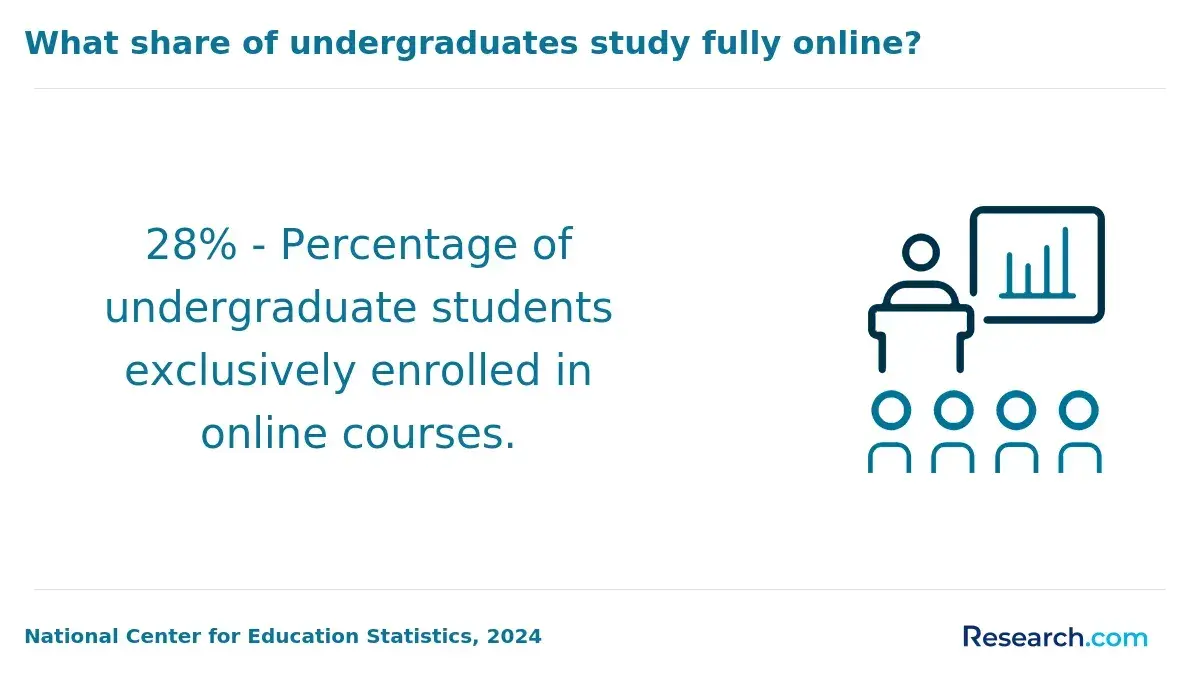
Flexible program formats are vital for career changers balancing work and personal life, especially since over 40% of graduate students participate in at least one distance education course. These varied delivery styles help adult learners progress without compromising their responsibilities.
Common options include:
- Fully Online Programs: Offering the greatest flexibility, these programs enable students to learn remotely and often asynchronously, making them ideal for professionals managing busy schedules without commuting constraints.
- Hybrid or Blended Programs: These combine online coursework with periodic face-to-face meetings, blending convenient remote study with valuable in-person engagement to support networking and hands-on learning.
- Part-Time Enrollment: Allowing students to extend their studies over a longer horizon, part-time options help career changers maintain steady progress while continuing to work full time.
- Evening and Weekend Classes: Scheduling courses outside standard business hours accommodates those who want real-time interaction without interrupting their day jobs.
What Skills Do Career Changers Gain in a Educational Technology Program?
Developing new skills is essential for those switching careers, as almost one-third of U.S.workers change jobs or fields by their late 30s, according to the U.S.Bureau of Labor Statistics. Educational technology programs equip career changers with practical and adaptable abilities that enhance their readiness for evolving work environments.
Below are five critical skills gained through such programs:
- Instructional Design: Provides expertise in crafting engaging and effective learning content, crucial for creating digital courses and training tailored to diverse audiences.
- Technology Integration: Teaches the selection and application of current educational tools, enabling seamless merging of pedagogy with technology to meet modern learning needs.
- Project Management: Builds capacity to organize, implement, and evaluate tech-focused projects, empowering career changers to take leadership roles in complex initiatives.
- Data Analysis: Develops the ability to assess learner metrics and program outcomes, supporting informed decision-making to improve educational strategies.
- Communication and Collaboration: Enhances skills for working effectively with colleagues from various disciplines, vital for adapting within diverse professional settings.
When asked about her experience, a career changer who completed an educational technology degree shared how navigating unfamiliar technical concepts was initially intimidating but ultimately rewarding. She explained, "Adapting from a non-technical background wasn't easy; I spent extra hours learning software tools and instructional theories."
Her perseverance paid off, as she highlighted how managing real projects during the curriculum taught her to coordinate teams and deadlines effectively. She also appreciated how analyzing data helped her tailor educational content, making learning more impactful.
Reflecting on her journey, she said, "It wasn't just about gaining skills but building the confidence to apply them in a field that's always evolving." This holistic skill set helped her transition smoothly and thrive in her new role.
How Much Does a Educational Technology Degree Cost for Career Changers?
Career changers pursuing an educational technology degree often must carefully consider total program costs due to balancing work, family, and finances. Graduate education in the U.S. has an average annual tuition and fees of about $19,000, making strategic financial planning essential to avoid unexpected burdens and align with future goals.
Below are key cost components to keep in mind when evaluating the educational technology degree tuition for career changers.
- Tuition: This represents the largest cost and varies greatly by institution and program format. Typically, tuition ranges from $15,000 to $40,000 for the full program. Many programs offer part-time or online options to accommodate working professionals, helping manage expenses over a longer period.
- Fees: Beyond tuition, fees may include registration, technology access, and online platform use. These can add several hundred to a few thousand dollars per year, depending on the institution and program delivery method.
- Textbooks and Materials: Annual costs for textbooks and digital resources generally range from a few hundred dollars, though some programs incorporate open educational resources to reduce this expense.
- Payment Flexibility: For working professionals, flexible payment plans, employer tuition assistance, and federal student aid are crucial. Income-share agreements and scholarships also present alternatives to traditional loans, helping to ease financial strain.
- Accelerated Programs: Some educational technology programs offer competency-based or accelerated paths that shorten the time to degree completion, potentially lowering overall program costs and allowing career changers to enter the workforce sooner.
Exploring these cost factors thoroughly enables adult learners and working professionals to manage the cost of educational technology programs for working professionals without compromising their career and personal responsibilities. For individuals interested in further leadership development alongside educational technology, some choose to consider online doctoral programs in leadership as a complementary pathway.
How Does a Educational Technology Curriculum Support Career Transitions?
Curriculum design is especially important for career changers pursuing an educational technology degree because it must bridge diverse professional backgrounds while delivering relevant, practical expertise. This flexibility ensures the curriculum aligns with the needs of working professionals navigating a career transition.
Below are key ways the educational technology curriculum supports career changers.
- Applied Learning: Project-based assignments simulate real workplace challenges, enabling students to apply skills directly to scenarios they will encounter in their new careers.
- Transferable Skills: The curriculum emphasizes skills like communication, project management, and technology integration, valuable assets across various industries beyond education.
- Flexible Pacing: Options such as part-time or online courses allow learners to balance their studies with current jobs or personal responsibilities, making career transitions more manageable.
- Real-World Experience: Incorporating internships and practical projects provides hands-on experience and professional networking opportunities crucial for entering new fields.
- Current Technology Trends: Course content adapts to evolving digital tools and instructional methods, ensuring graduates remain competitive and ready for changing industry demands.
An educational technology curriculum for career changers effectively serves as a bridge, integrating theoretical knowledge with practical skills crucial for entering roles in corporate training, e-learning development, or instructional design. For professionals exploring the easiest online degrees that pay well, this degree prepares them for future growth in this dynamic field.
What Careers Can Career Changers Pursue With a Educational Technology?
For professionals shifting into educational technology, knowing potential career outcomes helps align new skills with market needs. Employment in instructional design and similar roles is expected to grow through 2032, outpacing many other fields.
Below are key careers suited for those with this degree.
- Instructional Designer: Crafts curricula and training programs, applying project management and communication expertise to develop engaging, effective learning experiences. This role benefits from transferable skills in organization and collaboration.
- Educational Technologist: Manages the integration of technology within learning environments, ideal for those comfortable with technical tools and adept in coordinating resources to enhance education processes.
- eLearning Developer: Creates interactive digital courses, blending creativity with software knowledge. Candidates with backgrounds in media, design, or technology find this role accessible and fulfilling.
- Training Specialist: Facilitates instructional sessions for corporate or educational audiences, leveraging strengths in public speaking and adult education methods to maximize participant engagement and retention.
- Learning Consultant: Provides strategic advice on learning and technology use for organizations, relying on analytical thinking and interpersonal skills to drive meaningful improvements.
What Is the Average Salary After Earning a Educational Technology Degree as a Career Changer?
Salary expectations play a key role for career changers investing in an educational technology degree, as they influence financial planning and the decision to enter a new profession. Data shows reskilled workers often experience a 15% to 20% salary increase within three years after finishing their education.
Below are typical salary ranges and factors affecting earnings in this field.
- Entry-Level Roles: Starting salaries usually range from $50,000 to $65,000 annually. Candidates with limited experience can expect compensation in this bracket as they build relevant skills.
- Mid-Career Professionals: Salaries often fall between $65,000 and $85,000, influenced by industry demand and specific job responsibilities.
- Senior and Management Positions: Experienced individuals or those in leadership roles frequently earn more than $90,000 per year, reflecting a higher level of expertise and accountability.
- Industry Variation: Earnings tend to be greater in sectors like corporate training, technology companies, and healthcare education, where specialized knowledge is highly valued.
- Certifications and Experience: Additional credentials and practical experience with educational software tools can substantially boost salary potential beyond base pay.
What Graduates Say About Their Educational Technology Degrees for Career Changers
- Jack: "Switching careers to Educational Technology felt like a leap, especially considering the average cost of around $15,000 for many programs. Yet, this investment was undoubtedly worth it, as it paved the way for me to integrate technology meaningfully into classrooms. Today, I'm not just working in education, I'm innovating it. "
- Gail: "Pursuing a degree in Educational Technology was a thoughtful choice fueled by my desire to elevate learning experiences. Although the tuition hovered near $20,000, the knowledge gained transformed my career trajectory and opened new consultancy opportunities. Reflecting on it, the cost was a solid gateway to invaluable skills and professional growth. "
- Tatum: "After years in a different field, enrolling in an Educational Technology program was a strategic decision despite its typical cost of $18,000. The practical training and understanding of digital tools boosted my confidence and marketability. Completing this degree truly accelerated my career shift and enhanced my impact in the education sector. "
Other Things You Should Know About Educational Technology Degrees
Many educational technology programs prepare students for certifications such as Certified Educational Technology Leader (CETL) and ISTE Certification. Specific pathways may also support licensure for roles such as instructional coordinators or technology integration specialists, depending on state regulations. These certifications enhance professional credibility and help career changers qualify for specialized positions.
Most educational technology degree programs require a bachelor's degree for admission. While a background in education or technology is beneficial, many programs welcome diverse professional experiences. Specific prerequisites vary by institution, so it's crucial for career changers to review individual program requirements before applying.
References
- Digital Transformation & Technology Salary Guide 2023 | Innopharma Education https://www.innopharmaeducation.com/blog/digital-transformation-technology-salary-guide-2023
- What Type of Online MEd Degree Should You Pursue? https://www.onlinemastersdegrees.org/student-resources/education/types-of-degrees/
- From Teaching to Tech | Careershifters https://www.careershifters.org/success-stories/from-teaching-to-tech
- Tuition and Financial Aid: Master of Education in Educational Technology https://www.utrgv.edu/accelerated/programs/master-of-education-in-educational-technology/tuition/index.htm
- Make a Career Change to IT | Online Education (OEd) https://oed.com.ph/career-change-to-it/
- Education and Technology MA https://www.ucl.ac.uk/prospective-students/graduate/taught-degrees/education-and-technology-ma
- What Specializations Are Available Within Educational Technology? - Top Masters in Education https://www.topmastersineducation.com/what-specializations-are-available-within-educational-technology/
- How EdTech is redefining workforce development and career growth — EdTech Innovation Hub https://www.edtechinnovationhub.com/news/how-edtech-is-redefining-workforce-development-and-career-growth
- Tech Training Programs for Career Transition - Merit America https://meritamerica.org/career-track/
- An Overview of Specialization Options in Education Degrees https://www.euroeducation.net/articles/an-overview-of-specialization-options-in-education-degrees.htm


