
2027 How to Compare Educational Technology Degree Programs Effectively

Co-Founder and Chief Data Scientist
Choosing an educational technology degree program can be overwhelming due to varying curriculum focuses, delivery methods, and career outcomes. For example, prospective students may struggle to assess which program best develops skills for emerging roles like instructional design or learning analytics. Recent data shows that employment in educational technology occupations is expected to grow by 15% over the next decade, surpassing average job growth rates in education.
This article explores key criteria such as accreditation, specialization options, and flexibility to help readers effectively compare and select programs that meet their professional ambitions and personal circumstances.
Key Benefits of Comparing Educational Technology Degree Programs Effectively
- Verify program accreditation and institutional credibility to ensure quality education and eligibility for professional certifications and financial aid.
- Assess curriculum alignment with your career goals, focusing on available specializations like instructional design, learning analytics, or corporate training.
- Consider program cost relative to potential return on investment, including flexible scheduling options to balance work and study commitments effectively.
What types of accreditation should an educational technology degree program have?
Accreditation plays a vital role in helping prospective students compare the quality, credibility, and long-term value of different educational technology degree programs.
Research indicates that 85% of employers prefer candidates who graduate from accredited institutions, highlighting the importance of recognized accreditation standards for educational technology degree programs. Below are key types of accreditation to consider when evaluating programs.
- Regional Accreditation: This is the most widely accepted form of institutional accreditation in the U.S. It ensures the overall quality of the college or university, facilitates credit transfer, and is essential for eligibility for federal financial aid.
- Programmatic Accreditation: Some programs carry specialized accreditation from organizations such as the Council for the Accreditation of Educator Preparation (CAEP). This targets education-related programs specifically, ensuring curriculum quality and supporting licensure readiness.
- National Accreditation: Typically granted to career-focused or online institutions, this accreditation may be less widely recognized. Students should verify credit transfer policies and employer recognition to assess program value.
For those considering transitions or advancing within their careers, accreditation affects professional licensure qualifications, employer trust, and future academic opportunities. Exploring how these accreditations align with your goals can help secure a return on investment. To explore options, consider reviewing EdD online programs that meet rigorous regional accreditation agencies for educational technology degrees.
What specializations are offered in educational technology degree programs?
Specializations in educational technology degree programs allow prospective students to compare options based on career alignment and academic focus. Graduates with expertise in instructional design and e-learning development experience a 20% higher job placement rate within six months, highlighting strong workforce demand.
Below are some common specializations that can guide your decision-making.
- Instructional Design: Focuses on creating effective learning experiences using technology, developing skills in curriculum development, multimedia production, and assessment strategies.
- E-Learning Development: Emphasizes designing and implementing online courses, utilizing authoring tools and learning management systems, which supports careers in digital education platforms.
- Educational Data Analytics: Involves analyzing learning data to improve educational outcomes, training students in statistics, data visualization, and research methodologies relevant to evaluation roles.
- Technology Integration: Concentrates on applying educational technologies in classroom or corporate settings, preparing graduates to support and train users effectively.
These educational technology degree program specializations enable students to focus on areas that match their strengths and career goals. When researching these options, students may also explore related fields; for instance, some consider an accelerated psychology degree online to complement their understanding of learning processes. Comparing the top educational technology concentration areas is an essential step in finding a program that fits your schedule, experience, and budget.
How can you compare courses across educational technology degree programs?
Comparing courses across educational technology degree programs is vital for students to gauge program rigor, skill development, and alignment with career goals. Data from the National Center for Education Statistics shows that programs with deeper, more comprehensive curricula experience a 15% higher course completion rate, highlighting stronger engagement. Below are effective strategies to evaluate courses accurately.
- Analyze Course Syllabi: Reviewing syllabi reveals covered topics, learning objectives, and skills imparted. This helps measure curriculum depth and alignment with industry standards.
- Evaluate Credit Requirements: Understanding required credits and workload provides insight into program rigor and feasibility for personal schedules.
- Hands-On Experience: Check if courses include projects, internships, or practical assignments, which enhance real-world readiness and skill applicability.
- Compare Elective Options: Variety in electives allows customization toward specific career interests, supporting diverse professional goals.
- Review Faculty Expertise: Faculty with relevant industry backgrounds can elevate course quality and provide current insights.
For those considering affordability alongside quality, institutions offering the best curriculum and accreditation standards for educational technology courses often provide flexible financing options and program formats. Prospective students can also explore other advanced degrees like EMBA online programs to broaden their expertise and leadership skills through trusted sources such as EMBA online.
What scheduling options are available in educational technology degree programs?
Flexible scheduling is essential when evaluating educational technology degree programs because it helps students manage academic commitments alongside personal and professional responsibilities. Different scheduling formats cater to varied lifestyles, which is why understanding these options is crucial.
- On-Campus Classes: Traditional in-person sessions offer structured learning environments and direct interaction with instructors and peers. This format benefits students who thrive in routine schedules and seek face-to-face engagement.
- Fully Online Courses: These provide maximum flexibility by allowing students to complete coursework from any location, often asynchronously. Ideal for those balancing work, family, or unpredictable commitments, online courses accommodate diverse time zones and schedules.
- Hybrid Models: Combining both online and in-person elements, hybrids offer a balance between flexibility and direct interaction. This approach suits students who want occasional campus experiences without sacrificing the convenience of remote learning.
- Evening and Weekend Classes: Designed for working professionals, these sessions occur outside standard business hours. They enable students to pursue their degree without disrupting career obligations.
- Part-Time Enrollment: Allowing a reduced course load, part-time options extend the duration of study to ease workload pressures. This format supports students seeking to maintain a healthy balance between studies and other responsibilities.
What are the pros and cons of online vs campus-based educational technology degrees?
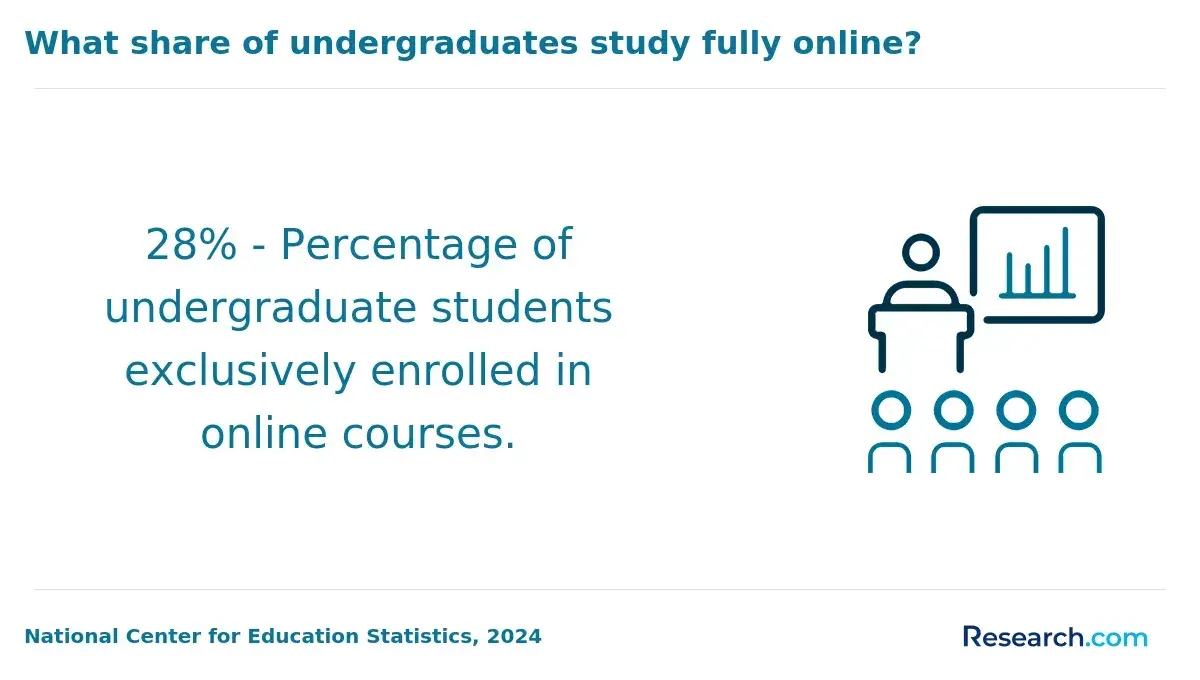
Choosing the delivery format for educational technology degrees significantly affects students' flexibility, engagement, and career readiness. Approximately 38% of graduate students in the U.S. enroll fully or partially online, highlighting a shift toward digital learning environments. Below is a comparison of online and campus-based formats to help clarify their distinct benefits and challenges.
Online Educational Technology Degrees
- Flexible Scheduling: Online programs allow students to learn at their own pace, making it easier to juggle work, family, and study commitments.
- Networking Limitations: While discussion boards and virtual meetings exist, they often fall short of the rich, spontaneous interactions found on campus.
- Self-Motivation Required: Success depends heavily on one's discipline and ability to stay engaged without in-person accountability.
- Hands-On Experience: Opportunities for practical application can be restricted, potentially impacting skill mastery in some tech-focused areas.
Campus-Based Educational Technology Degrees
- Direct Interaction: Regular face-to-face contact with peers and faculty fosters deeper connections and collaborative learning.
- Access to Facilities: On-campus labs and resources provide essential hands-on experiences often unavailable online.
- Structured Environment: Scheduled classes and deadlines help maintain discipline but may conflict with personal or work obligations.
- Higher Costs: Expenses such as commuting, housing, and relocation often make these programs less affordable.
When asked about his decision-making process, a graduate who completed an online educational technology program shared, "Comparing options was overwhelming at first. I carefully weighed convenience against the kind of interaction I'd get."
He recalled feeling uncertain if an online program could provide enough practical skills but appreciated the ability to work full-time while studying. "In the end, I chose flexibility but made extra efforts to connect with classmates virtually, which helped reduce that isolation." His experience highlights that selecting between formats involves balancing personal circumstances with educational goals.
How do GPA requirements vary among educational technology degree programs?
GPA requirements represent a key factor for prospective students evaluating educational technology degree programs, as they often signal academic expectations and admissions standards. The following points outline how these requirements can differ across programs and what students should consider when comparing them.
- Variability in Thresholds: Many programs set minimum GPA cutoffs, commonly between 2.5 and 3.0 on a 4.0 scale, to ensure applicants demonstrate fundamental academic competence. These thresholds reflect the selectivity of the institution and the rigor of its curriculum.
- Flexibility in Admissions: Some programs offer leeway for candidates with lower GPAs by considering professional experience or compelling personal statements. This adaptive approach can benefit working professionals who bring valuable skills outside pure academic metrics.
- Holistic Review Processes: Increasingly, admissions committees weigh factors beyond GPA, such as portfolios, recommendation letters, and interviews. This broader evaluation allows candidates to showcase practical expertise and potential contributions to the field.
- Conditional or Probationary Entry: Institutions may grant provisional admission to applicants who fall below GPA standards, providing an opportunity to demonstrate academic readiness through initial coursework or probation periods.
- Alternative Academic Pathways: Graduate certificates or non-degree programs can serve as stepping stones for applicants with marginal GPAs, allowing them to strengthen their academic foundation before pursuing a full educational technology degree.
How can you compare tuition across educational technology degree programs?
Evaluating tuition is essential for prospective students to find educational technology degree programs that balance cost and quality. With the average graduate debt exceeding $66,000 in recent years, understanding total expenses is crucial. Here are key factors to consider when comparing tuition:
- Total Program Cost: Beyond the base tuition, calculate the overall expenses by including fees for technology, labs, and other required activities that can add significantly to the final amount.
- Cost Per Credit: Examining the price per credit hour helps identify whether the listed tuition aligns with your budget, especially if the program offers variable credit options or additional fees by course.
- Additional Fees: Many programs require extra payments for software, equipment, or access to online platforms; these fees may not be obvious initially but impact the total cost significantly.
- Financial Aid Availability: Scholarships, grants, and federal aid can substantially lower out-of-pocket expenses, so consider how much aid you qualify for when comparing tuition figures.
- Employer Tuition Benefits: If your employer offers tuition reimbursement or other education support, it can offset costs and make seemingly expensive programs more affordable.
- Long-Term Value: Assess the potential return on investment by factoring in program length, format, and career outcomes to ensure the cost aligns with your professional goals.
When I spoke to a graduate who completed an educational technology degree, she emphasized how overwhelming it was to compare costs initially. "I focused too much on sticker price at first," she recalled. "Only after digging into hidden fees and seeking employer reimbursement options did I see the real picture."
She described balancing online course fees with her busy schedule, noting that "the flexibility and the financial aid made all the difference in making it manageable." Her experience highlighted that tuition comparison goes beyond numbers-it's about understanding all the factors that influence your investment and peace of mind.
Does an educational technology degree meet licensure requirements?
Aligning an educational technology degree with licensure requirements is crucial for students targeting regulated careers or professional transitions, as nearly 25% of U.S. occupations demand certification or licenses. Evaluating specific program elements can help ensure the degree supports these credentials. Consider the following factors when comparing programs:
- Curriculum Alignment: Check whether the coursework matches national and state educational standards, emphasizing competencies required for regulated roles such as K-12 teaching or corporate training.
- Accreditation Status: Ensure the program is accredited by recognized bodies, as this often reflects adherence to quality benchmarks necessary for licensure eligibility.
- State-Specific Requirements: Understand that states may impose unique mandates, including specific practicum hours or supervised internships that affect qualification for teaching licenses or certifications.
- Supervised Experience: Verify if the degree includes mandatory hands-on experiences under supervision, which are frequently prerequisites for licensure and essential for skill development.
- Exam Eligibility: Confirm that the program prepares students for relevant certification exams, such as the Certified Educational Technology Leader (CETL) or state licensure assessments, enhancing readiness to meet professional standards.
Which educational technology programs have the best career placement rates?
Career placement rates are critical when comparing educational technology degree programs, as they indicate how well a program prepares students for real-world employment. A recent survey found that nearly 85% of graduates from top-tier educational technology programs secured relevant employment within six months of graduation. To effectively evaluate these rates, consider several key factors:
- Employer Partnerships: Look for programs with active collaborations with educational institutions and organizations that regularly hire graduates. Such partnerships often lead to direct job opportunities and networking connections.
- Internship Pipelines: Robust internship programs provide hands-on experience and a pathway to employment. They allow students to build professional skills and establish industry contacts before graduation.
- Alumni Outcomes: Review data on alumni career trajectories and satisfaction, which can often be found through program websites or alumni associations. Strong career outcomes are a good indicator of program effectiveness and alignment with job market demands.
- Career Support Services: Support like job placement offices, resume workshops, and interview preparation can significantly boost employment success. Programs offering dedicated resources demonstrate commitment to student career advancement.
Prospective students seeking top career outcomes for educational technology graduates should carefully assess these factors to find a program that aligns with their ambitions. Exploring a variety of options, including online bachelor's degree programs, can also help balance career goals with individual needs and schedules.
How do salaries compare across educational technology degree program graduates?
Post-graduation salary outcomes are essential for prospective students comparing educational technology degree programs because they indicate the return on investment in education. Average earnings of educational technology program graduates vary widely, with entry-level roles starting around $50,000 annually and experienced professionals earning between $85,000 and $100,000.
According to the U.S. Bureau of Labor Statistics, the median annual wage for instructional coordinators, a common career path, was approximately $66,970 in 2023. Several factors contribute to these differences, including:
- Role: Salary differences exist among instructional designers, technology coordinators, and e-learning specialists based on specialized skills and responsibilities.
- Industry: Corporate sectors often offer higher salaries compared to educational institutions and government, reflecting varying funding and priorities.
- Location: Urban areas with higher living costs typically provide greater pay, influencing geographic salary disparities.
- Experience Level: Professionals with advanced skills and years of experience command significantly better compensation over entry-level counterparts.
Students analyzing educational technology degree graduate salary comparison can better align their career goals with programs offering suitable opportunities. For those exploring career options and funding education wisely, exploring easiest online degrees that pay well may provide additional valuable insights.
What Graduates Say About Comparing Educational Technology Degree Programs Effectively
- Anders: "Before enrolling in an educational technology degree program, I was hesitant due to the potential costs and uncertain outcomes. However, when I saw that the average cost of attendance was quite reasonable compared to other programs, it made the decision easier. Completing the program has been a game-changer in my career, opening doors to leadership roles in digital learning design."
- Misha: "Choosing to pursue an educational technology degree was a reflective decision for me, weighing both the cost and the practical benefits. The program's affordability stood out, especially since I was comparing it to more expensive tech degrees. Now, I feel equipped with the skills to innovate in education and confidently steer projects that blend teaching with technology. "
- Elan: "I approached the educational technology degree program with a professional mindset, mainly concerned about the hefty price tags of many advanced degrees. Discovering that this program provided excellent value without sacrificing quality was crucial. Completing it has significantly enhanced my ability to implement effective tech-based solutions in educational settings, boosting my career progress."
Other Things You Should Know About Educational Technology Degrees
Hands-on learning is essential in educational technology programs because it allows students to apply theory in real-world settings. Programs that offer internships, lab work, or project-based courses help students develop practical skills in designing, implementing, and evaluating technology tools for education. These experiences improve job readiness and provide valuable network connections within the industry.
Academic support services such as tutoring, technical assistance, and career counseling play a significant role in student success in educational technology programs. These services can help students overcome challenges related to coursework or technology tools. When comparing programs, assess the availability and quality of support resources to ensure you have the necessary assistance to complete the program efficiently.
References
- Academic accreditation https://www.theiet.org/career/accreditation/academic-accreditation
- Career earnings by college major - The Hamilton Project https://www.hamiltonproject.org/data/career-earnings-by-college-major/
- Pros and Cons: Online vs. In-Person Classes | UT San Antonio Online https://online.utsa.edu/blog-content/pros-and-cons-online-vs-in-person-classes/
- Master of Education in Instructional Technology https://ww2.georgiasouthern.edu/coe/itec/med-programs/
- Master of Education (M.Ed.) Major in Educational Technology https://mycatalog.txstate.edu/graduate/education/curriculum-instruction/educational-technology-med/
- Salary Comparison by Industry: FinTech, HealthTech, EdTech - Women in Tech Articles https://www.womentech.net/advice/17448/salary-comparison-by-industry--fintech--healthtech--edtech
- Salary Expectations for Technology Leadership Programs Graduates - CTO Academy https://cto.academy/salary-expectations-for-technology-leadership-programs-graduates/


