
2027 Educational Technology Degree Careers That Do Not Require Graduate School

Co-Founder and Chief Data Scientist
A recent graduate with a degree in educational technology learns that while many entry-level roles in the field welcome candidates with a bachelor's degree, some career paths emphasize the need for graduate study or specialized credentials. For example, positions in instructional design or corporate training often prioritize hands-on experience and technical proficiency, whereas leadership roles in educational research or higher education typically require advanced degrees.
With over 15% projected growth in educational technology jobs through 2030, understanding these distinctions is crucial. This article examines educational technology career options available without graduate school while highlighting strong long-term opportunities and employability.
Key Things to Know About the Educational Technology Careers That Do Not Require Graduate School
- Many educational technology careers allow direct workforce entry with a bachelor's degree, avoiding graduate school while meeting growing market demand for tech-savvy educators and instructional designers.
- Employer expectations favor candidates with relevant practical skills and internship experience, often outweighing the need for advanced degrees in securing entry-level educational technology roles.
- Certifications and hands-on experience typically matter more than graduate credentials, making educational technology careers accessible immediately after graduation with strong potential for long-term advancement.
What Career Paths Can You Pursue with an Educational Technology Degree Without Graduate School?
Graduates holding a bachelor's degree in educational technology have access to a broad range of career paths across various industries without needing graduate education. Approximately 60% of these graduates secure employment in their field within the first year, reflecting strong demand for entry-level jobs in educational technology without a master's degree.
Opportunities can vary depending on the role type and industry needs, but many paths remain open immediately after undergraduate study. Below are several career options available to those with a bachelor's degree in educational technology:
- Instructional Designer: This role involves creating and developing educational content, making it a natural fit for bachelor's holders who can leverage their technology skills to enhance learning experiences. Organizations often hire at entry-level for this position without requiring advanced degrees.
- Educational Technology Specialist: Many schools and educational institutions employ specialists to integrate and maintain technology resources. The accessibility of this role stems from its focus on technical and pedagogical knowledge attainable through undergraduate programs.
- eLearning Coordinator: Overseeing online learning programs is increasingly important, and bachelor's degree holders can qualify to manage digital platforms and engagement strategies, making this a growing and accessible field.
- Training and Development Associate: Corporations and nonprofits often look for associates who can help design and implement employee training programs, providing practical uses for educational technology expertise without requiring graduate education.
- Technical Support Specialist for Educational Software: This role supports users of educational tools and platforms, relying on a solid foundation in educational technology that many bachelor's graduates possess, ensuring accessibility for those without advanced degrees.
For those considering advancing their career, more options become available with further education, such as pursuing an MBA online, but there remains a notable range of high-paying educational technology careers without graduate education for those starting with a bachelor's degree.
What Are the Highest-Paying Jobs for Educational Technology Degree Graduates Without a Graduate Degree?
Many high-paying careers in educational technology are accessible with a bachelor's degree, as employers often seek candidates with strong technical and instructional skills without requiring graduate-level credentials. Median salaries for professionals in this field who hold only a bachelor's degree typically range from $55,000 to $75,000 annually, reflecting the demand for expertise in both education and technology integration.
Below are some of the top-paying roles for educational technology graduates without advanced degrees:
- Instructional Designer: These professionals develop engaging learning materials and digital courses that enhance training effectiveness. Their ability to blend educational theory with technology tools directly influences learner outcomes, making their contributions valuable and well-compensated.
- eLearning Developer: Specialists who build custom online platforms and interactive multimedia content are in high demand. Their technical expertise in software development and multimedia drives higher salaries due to the complexity and critical role in delivering scalable training solutions.
- Learning Technology Specialist: Responsible for managing educational software systems, these individuals ensure smooth technology integration, which is essential for modern learning environments. This role's impact on operational efficiency often results in competitive pay.
- Corporate Trainer: By designing and delivering employee training programs, these graduates help improve workforce skills and productivity. Organizations typically value this role highly, especially when it contributes to measurable business performance improvements.
- Education Program Coordinator: Coordinators overseeing educational initiatives use their combined tech and instructional knowledge to manage projects successfully. Their leadership and organizational skills contribute to salaries that reflect their responsibility in driving program outcomes.
What Skills Do You Gain from an Educational Technology Degree That Employers Value?
Educational technology degree programs prepare students with versatile skills that employers highly value, especially for positions that do not require advanced degrees. A recent survey by the National Association of Colleges and Employers found that 91% of employers emphasize transferable skills such as communication and technology proficiency when hiring bachelor's degree holders.
The following key skills are commonly developed during educational technology studies:
- Technical Proficiency: Students gain hands-on experience using digital platforms and learning management systems, equipping them to support training processes and manage online content efficiently in technology-driven workplaces.
- Instructional Design: The ability to create clear, engaging educational materials tailored to diverse audiences prepares graduates to assist with training development and educational resource creation in various industries.
- Data Analysis: Educational technology programs strengthen analytical skills by teaching students to evaluate learner performance data, aiding employers in improving training effectiveness and making data-informed decisions.
- Project Management: Managing deadlines, coordinating teams, and clear communication are practiced throughout coursework, enhancing graduates' ability to collaborate productively within cross-functional teams.
- Adaptability and Problem-Solving: Exposure to evolving technologies and challenges fosters flexibility and critical thinking, enabling graduates to respond effectively to workplace changes and unexpected issues.
One educational technology graduate shared how their ability to quickly adapt and navigate new software proved invaluable when transitioning into an instructional support role with limited prior experience. They noted that the problem-solving skills gained during their studies made adjusting to shifting project requirements much smoother than expected.
What Entry-Level Jobs Can Educational Technology Graduates Get with No Experience?
A significant portion of educational technology graduates secure entry-level educational technology jobs with no experience required shortly after finishing their degree. Employers frequently create opportunities tailored to new graduates, enabling accessible educational technology careers with a bachelor's degree without the need for prior professional experience or graduate school.
According to data, approximately 65% of these graduates find relevant positions within six months, reflecting strong hiring trends for entry-level educational technology positions. Below are common roles that welcome recent graduates and provide pathways to build practical skills and professional expertise:
- Instructional Designer Assistant: These positions support senior designers by organizing course content and assisting with foundational design tasks. Companies seek new graduates for these roles to help them gain exposure to educational design while requiring minimal prior experience.
- Learning Technologist: Entry-level learning technologists handle digital tools that facilitate teaching and learning, making these roles ideal for new graduates who can learn on the job within diverse educational settings.
- Educational Content Developer: Graduates often enter in content creation or curation, developing educational materials under supervision. This role is frequently available to those seeking to start their career without graduate school.
- Training Coordinator: Focused on organizing and scheduling learning events, training coordinator roles emphasize administrative skills rather than content delivery, providing accessible educational technology careers for new entrants.
For those looking to enhance their qualifications further, exploring an affordable online master's in psychology can complement an educational technology bachelor degree job market overview with interdisciplinary expertise.
What Certifications and Short Courses Can Boost Educational Technology Careers Without Graduate School?
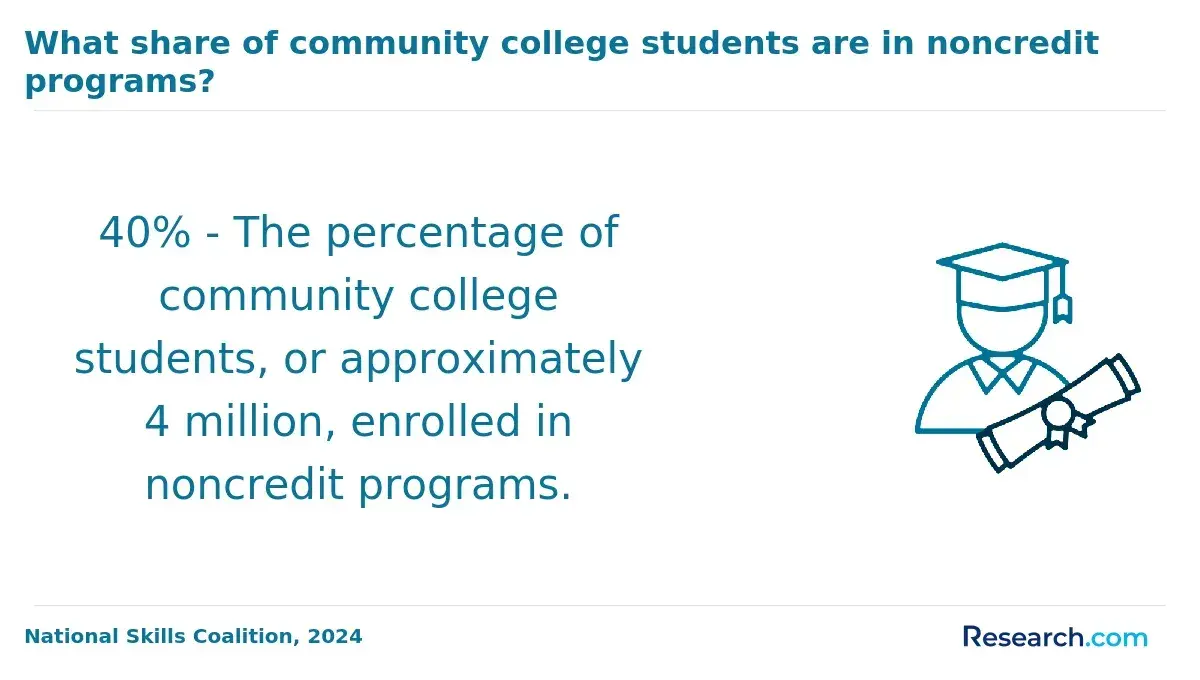
Certifications and short courses offer targeted skills that significantly improve employability for Educational Technology graduates who do not pursue graduate degrees. These credentials provide practical expertise that aligns with what employers seek, boosting readiness for specialized roles and career growth. In fact, 68% of hiring managers in tech-related fields place high value on certifications and short-term training when assessing candidates.
Several key credentials and training programs can help graduates enhance their qualifications and stand out in the job market.
- Certified Educational Technology Leader (CETL): This credential emphasizes leadership and best practices in managing educational technology, preparing candidates for roles that involve overseeing tech initiatives in schools or organizations.
- Google for Education Certifications: Including badges for educators and trainers, these certifications demonstrate proficiency with popular Google tools and skills in implementing technology to enrich learning environments.
- Instructional Design Certification: Short courses in instructional design teach core concepts in course creation and learning theories, enabling graduates to develop compelling digital content and educational programs.
- Project Management Certifications: Certifications such as PMP or Agile enhance the ability to manage projects, teams, and deadlines effectively, a valuable asset in tech-focused education roles.
- LMS Administration Courses: Specialized training on platforms like Canvas or Moodle equips professionals with the technical knowledge to administer and support learning management systems widely used in the field.
A professional with an Educational Technology degree shared that earning a Google for Education Trainer badge was a game changer in their career. Despite initial struggles adapting to the course's fast pace and technical depth, the certification helped bridge gaps in their practical skills. They found the hands-on projects particularly beneficial and noted how the credential opened doors to new job opportunities, allowing them to lead training sessions and technology integration efforts without the need for advanced degrees.
Which Industries Hire Educational Technology Graduates Without Graduate Degrees?
Access to careers for educational technology graduates without graduate degrees varies considerably by industry. Some sectors maintain broad hiring needs and prefer candidates with bachelor's degrees to fill a range of generalist roles. Recent labor data shows that around 40% of educational technology graduates secure jobs in industries that actively recruit at the bachelor's level, highlighting differing opportunities across fields.
The following industries are notably open to graduates holding only a bachelor's degree:
- K-12 Educational Technology Support: Schools and educational agencies often hire technology coordinators and instructional designers to manage digital tools in classrooms. Due to budget limits and steady demand, these employers typically prioritize practical skills over advanced credentials.
- Corporate Training and Development: Many businesses invest in employee training and e-learning, creating roles in content creation and learning system management. Employers value versatile professionals who can oversee technology-driven training without requiring graduate degrees.
- Educational Publishing and EdTech Companies: Firms producing digital learning materials recruit graduates to support product design, testing, and customer training. These companies emphasize hands-on experience, allowing bachelor's-level candidates to contribute effectively.
- Nonprofit and Government Agencies: Organizations focused on literacy and workforce education often employ bachelor's graduates to manage educational technology initiatives, benefiting from flexible staffing models and broad program needs.
What Freelance, Remote, and Non-Traditional Careers Are Available for Educational Technology Graduates?
Non-traditional career structures in educational technology reduce reliance on conventional workplace pathways, making entry more accessible without requiring graduate school. Digital platforms and freelance models open doors for graduates by enabling flexible, location-independent work environments. These approaches expand opportunities beyond traditional institutional roles by leveraging technology and network-based collaborations.
Recent data from the Freelancers Union shows nearly 60% of freelancers in creative and educational content development report working remotely, highlighting the increasing shift toward flexible, location-independent careers in this field. Below are several key freelance, remote, and non-traditional career pathways common among educational technology graduates that provide flexible and accessible entry routes.
- Distributed Work Systems: Professionals contribute to course design, learning management system administration, or virtual training from any location, using digital tools that support asynchronous collaboration and mitigate regional hiring biases.
- Digital-First Labor Markets: Specialized online platforms connect freelancers globally with clients in educational content creation and curriculum consulting, allowing graduates to undertake project-based assignments on self-directed schedules without geographic constraints.
- Project-Based Independent Work: Many roles function around short-term contracts for tasks such as developing interactive modules or conducting user research, enabling educators to manage multiple projects flexibly while bypassing traditional full-time employment structures.
- Virtual Instruction and Tutoring: Remote instructional support and technology facilitation in virtual classrooms let graduates engage learners across diverse regions, offering both flexible hours and broader outreach beyond local school systems.
- Consulting and Content Creation: Experienced graduates provide remote consulting services focused on technology strategy, implementation, and training development, serving clients nationwide without relocation or extensive travel.
How Can You Build a Career Without Graduate School Using an Educational Technology Degree?
Graduates with a bachelor's degree in educational technology often begin building a career without pursuing graduate school by entering the workforce directly. Early career momentum is frequently shaped by access to entry-level roles, exposure to workplace environments, and the ability to develop skills through hands-on experience.
Labor data shows that nearly 70% of educational technology bachelor's degree holders secure relevant employment within a year after graduation, which highlights how the degree aligns with real-world job demands. Many find opportunities in roles supporting technology integration and instructional design, establishing a solid foundation for career growth without advanced academic credentials.
Long-term career development in educational technology typically involves progressing within organizations by taking on expanded responsibilities and evolving the scope of roles over time. Advancement often depends on professional engagement, demonstrated performance, and on-the-job learning rather than additional formal education.
This growth trajectory varies across different roles, including specialists, coordinators, and instructional designers, enabling a diverse range of career paths. For those interested in exploring related foundational education options, considering an associate degree can also serve as a stepping stone to entry-level educational technology jobs without graduate school.
What Are the Pros and Cons of Skipping Graduate School for Educational Technology Careers?
Choosing to skip graduate school is a common pathway in educational technology careers, enabling faster entry into the workforce while influencing long-term professional options. About 40% of entry-level educational technology positions do not require a master's degree, allowing these candidates to gain practical experience early. However, some career tracks may offer greater advancement opportunities with advanced credentials.
Several factors shape the decision to forgo graduate education in this field. Key considerations include:
- Early Workforce Entry: Skipping graduate school allows candidates to start gaining hands-on experience sooner, which can be especially valuable for acquiring practical skills and building portfolios. This pathway supports entry-level educational technology careers without graduate school, focusing on real-world competencies.
- Cost Savings: Avoiding graduate school reduces financial and time investments, lowering opportunity costs. This can make it easier for individuals to explore different roles within educational technology without accruing significant debt.
- Career Advancement Limits: Some large institutions and specialized organizations prefer candidates with master's degrees, affecting access to higher-level positions in competitive or formalized settings. Over time, this may limit upward mobility for those without advanced qualifications.
- Flexibility in Career Exploration: By entering the workforce directly, individuals can test various niches in educational technology, from startups to nonprofits, which often value skills and creativity over formal credentials.
For students interested in combining practical learning with foundational studies, programs like the online sports management degree can offer flexible options related to education fields, highlighting alternative pathways for career entry beyond traditional graduate routes.
What Are the Real-World Career Outcomes and Job Market Trends for Educational Technology Graduates?
Graduates holding a bachelor's degree in educational technology generally find a varied but steady job market without requiring graduate school. Employment trends for bachelor's Educational Technology graduates show that workforce demand aligns with moderate compensation levels, typically ranging from $50,000 to $70,000 annually.
Job market demand and placement patterns for educational technology degree holders indicate many secure roles in schools, corporate training, or non-profits, reflecting solid labor market participation. Some areas within the field, particularly those requiring specialized technical skills, show higher placement rates and elevated salary potential. This diversity underscores the value of bachelor's credentials in a competitive environment.
Career outcomes in educational technology differ notably across sectors and roles, influenced by broader labor market dynamics rather than a single uniform trajectory. Opportunities span various industries, but success depends on factors like geographic location, employer demand, and individual skills.
Positions demanding advanced technical knowledge or creative expertise often pay more but may be less accessible, while others offer steady employment through experience and practical skills. For students exploring related paths, an online graphic design bachelor's degree can complement educational technology studies to enhance job prospects.
What Graduates Say About Educational Technology Careers Even Without Pursuing Graduate School
- Devin: "My educational technology degree was a direct bridge to my current role in instructional design. I found that the hands-on projects and tech integration skills I developed were exactly what employers were looking for, making my job search smoother even without pursuing graduate studies. Reflecting on it now, I'm grateful for the practical approach my program took, as it truly prepared me for real-world challenges."
- Zion: "After graduating with my educational technology degree, I entered the workforce feeling confident and capable. The program's focus on emerging digital tools and learner analytics gave me an edge that many of my peers didn't have, allowing me to stand out. I didn't feel the need to continue to graduate school because the skills I gained were already highly relevant and in demand in my early career."
- Jack: "Without further academic pursuit post-degree, I immediately applied my educational technology knowledge in a corporate training environment. The blend of theory and application in my coursework helped me quickly adapt and create impactful training sessions, which impressed my managers from day one. It's clear to me now that my degree laid a strong foundation for career success, proving that graduate school isn't always necessary to thrive in this field."
Other Things You Should Know About Educational Technology Degrees
Yes, advancement in educational technology careers without graduate school is possible through gaining practical experience, developing specialized technical skills, and obtaining relevant certifications. Many professionals move up by demonstrating expertise in learning management systems, instructional design software, and project management tools. Networking within industry groups and staying current with evolving technology also contribute to career growth.
Employers such as K-12 school districts, corporate training departments, nonprofit educational organizations, and edtech companies often value bachelor's degree holders in educational technology. These employers prioritize hands-on skills and practical knowledge over advanced degrees for many roles related to e-learning development, technical support, and curriculum integration. Experience with current educational software platforms is often more critical than graduate credentials in these settings.
A strong portfolio showcasing projects like course modules, interactive lessons, or e-learning tools is essential for candidates without graduate degrees. Portfolios provide tangible evidence of an applicant's technical abilities, creativity, and instructional understanding, which can outweigh educational credentials alone. Including detailed descriptions of tools used and outcomes achieved can effectively demonstrate readiness for professional roles.
References
- Edtech.com - 348 Entry Level Jobs https://www.edtech.com/jobs/entry-level-jobs
- 25 Best educational technology jobs in remote, canada (Hiring Now!) | Workopolis https://www.workopolis.com/search
- Remote Educational Technology Jobs https://www.virtualvocations.com/q-remote-educational-technology-jobs.html
- 7 Unique Career Paths for Education Graduates | MANCOSA https://www.mancosa.co.za/blog/7-unusual-career-paths-for-education-graduates/
- What Can I Do With a Teaching Degree (Besides Teach)? https://www.alleducationschools.com/blog/what-can-i-do-with-a-teaching-degree-besides-teach/
- Jobs by eLearning Industry | Most In-Demand Jobs In eLearning & EdTech For 2026 https://jobs.elearningindustry.com/blog/most-in-demand-jobs-in-elearning-edtech
- Remote Edtech Jobs | Working Nomads https://www.workingnomads.com/remote-edtech-jobs
- 18 Highest Paying Jobs With an Education Degree (not teaching) | Devlin Peck https://www.devlinpeck.com/content/jobs-with-an-education-degree
- List of EdTech Certifications That Are Helpful For Teachers – EdTechReview https://www.edtechreview.in/news/list-of-edtech-certifications-that-are-helpful-for-teachers/
- ISTE Educator Certification https://iste.org/educator-certification


