
2027 Different Types of Educational Technology Degrees and Their Salaries

Co-Founder and Chief Data Scientist
The demand for skilled professionals in the field of educational technology continues to rise as institutions and organizations increasingly integrate digital solutions to enhance learning experiences. Recent data indicates that employment in this sector is projected to grow significantly over the next decade, reflecting the expanding need for expertise in designing, implementing, and managing technology-driven education. Selecting the right educational path plays a crucial role in achieving career success and aligning with market needs. This article provides an in-depth exploration of the various types of educational technology degrees available and offers insight into the salary expectations graduates can anticipate, equipping readers to make informed decisions about their professional futures.
Key Points About Different Types of Educational Technology Degrees and Their Salaries
- Graduates with an associate degree in educational technology often qualify for entry-level positions such as instructional assistants or technical support, with average salaries ranging from $35,000 to $45,000 annually, reflecting limited advancement opportunities compared to higher degrees.
- Those holding a bachelor's degree typically access a wider range of roles including instructional designers and educational technologists, where median salaries in the US sit around $60,000 to $70,000, benefiting from stronger foundational knowledge and greater responsibility in curriculum development.
- Master's degree holders in educational technology tend to earn significantly higher salaries, often between $75,000 and $90,000, and are more likely to secure leadership or specialized positions in corporate training, higher education, or government sectors, indicating superior long-term growth and career advancement.
What Are the Different Types of Educational Technology Degrees Available?
Understanding the different types and levels of educational technology degrees is crucial for students before selecting a program, as each degree suits varied career goals and educational backgrounds. Knowing these differences helps students align their academic choices with their professional interests and desired expertise.
Below is an overview of the main educational technology degrees and what distinguishes each one, providing a clear roadmap to navigate your academic options.
- Bachelor's in Educational Technology or Technology Education: This degree focuses on fundamental principles of integrating technology into learning environments, combining learning theory with digital tool use. Coursework typically includes instructional design, basic programming, and techniques to create technology-rich classrooms.
- Master of Education (M.Ed.) in Educational Technology: Emphasizing both theoretical foundations and practical applications, this degree covers designing digital learning environments, models of technology integration, and research methods in educational technology.
- Master of Science (M.S.) in Education with a Concentration in Technology or Instructional Design: This program centers on technical skills and research, featuring advanced instructional design, data-driven technology solutions, and evaluation of emerging educational tools.
- Graduate Certificate in Educational Technology Integration: Designed for focused skill enhancement, certificates target practical areas like web design for instruction, technology professional development, and distance education trends without requiring a full degree commitment.
- Doctor of Education (Ed.D.) in Educational Technology: This doctoral degree blends educational technology with leadership and organizational curriculum design, preparing students for strategic technology planning and program evaluation roles.
- Doctor of Philosophy (Ph.D.) in Educational Technology: A research-intensive doctorate focused on scholarly theory development, covering learning theories, advanced instructional systems, and empirical study design to explore technology's educational impact.
The U.S. Bureau of Labor Statistics notes instructional coordinators, who often graduate from these programs, earned a median annual salary of $66,490 in 2023, with advanced degrees typically leading to higher salaries and specialized roles. Students interested in pursuing education online may find value in exploring the fastest associate degree programs online to begin their journey.
What Specializations Are Available in Educational Technology Degrees?
Specializing within educational technology degrees is a crucial factor for students because it allows them to tailor their education to match specific career objectives and industry demands. This alignment enhances both skill development and employability, ensuring graduates are well-prepared for targeted roles in diverse fields.
Below are some of the common educational technology specializations that provide unique expertise and career pathways:
- Instructional Design and Emerging Technologies: This specialization focuses on designing and developing digital learning environments. Key skills include curriculum development, multimedia integration, and technology assessment. Graduates often find roles as instructional designers, eLearning developers, or technology coordinators.
- STEM Education and Emerging Technologies: Students learn to integrate technology into science, technology, engineering, and math instruction. Core competencies include coding, robotics, and technology-enhanced STEM curricula. Career options include STEM curriculum specialists and technology integration coaches.
- Teaching and Training with Technology: This track prepares students to facilitate professional development and training using digital tools in educational or corporate settings. Important skills cover online facilitation, learning management systems, and adult education. Graduates work as corporate trainers, professional development specialists, or technology facilitators.
- Emerging Media and Technology for the Arts: This specialization explores multimedia, video production, and interactive technologies for arts education. Students develop skills in digital content creation and media project management, with common roles such as digital content creators or technology consultants for arts organizations.
- Assistive Technology: Focusing on technology applications for learners with disabilities, this track emphasizes device assessment, accessibility standards, and customized instructional supports. Graduates often become assistive technology specialists or inclusion coordinators.
When choosing a specialization, students might also consider factors like salary potential and ease of program completion, especially if exploring what's the easiest degree to get options before committing to a specific track. Selecting the right educational technology specialization helps ensure that students invest their time and resources wisely toward fulfilling and established careers.
How Long Does It Take to Complete Each Type of Educational Technology Degree?
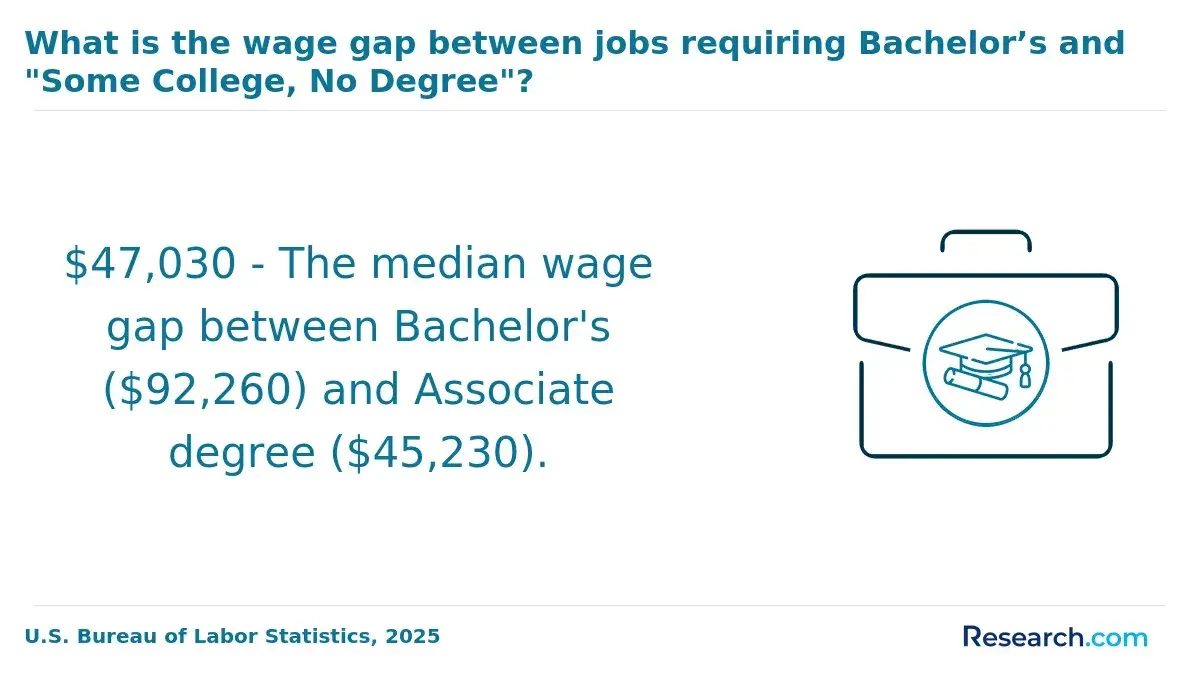
Understanding the duration of various educational technology degree programs is crucial for students as they plan their academic paths and career timelines. Knowing how long each program typically takes helps learners set realistic goals and manage their time and finances effectively. Here is an overview of the main educational technology degree types and their usual completion times.
- Associate Degree in Educational Technology: This degree generally takes about two years to complete when attending full-time. Part-time students may take longer, and some programs offer accelerated tracks that allow completion in 18 months. Online options are commonly available, offering flexible scheduling.
- Bachelor's Degree in Educational Technology: Typically requiring four years of full-time study, this degree can sometimes be shortened with transfer credits from community colleges or prior coursework. Part-time enrollment can extend the timeline, and many institutions offer online or hybrid formats to accommodate working students.
- Master's in Educational Technology: Most master's programs span one to two years, depending on whether students attend full-time or part-time. Accelerated programs can reduce the duration to about 12 months, particularly online formats designed for working professionals.
- Doctorate in Educational Technology: Doctoral programs generally take three to six years to complete, influenced by research requirements and dissertation progress. Part-time study options may extend this timeline, and some universities offer online coursework combined with in-person residencies.
Are There Accelerated Educational Technology Degree Programs?
Yes, accelerated educational technology degree programs are available in the United States, particularly at the master's level. These programs are designed to help students complete their degrees significantly faster than traditional timelines, sometimes within 10 to 18 months instead of the usual two years. They achieve this by offering condensed courses that typically last 5 to 8 weeks, year-round enrollment without summer breaks, and by accepting transfer credits or recognizing prior professional learning.
For instance, some universities provide 8-week course sessions enabling motivated students to graduate earlier, while others use competency-based models, allowing learners to advance as soon as they demonstrate mastery. Many of these programs are fully online, giving students the flexibility to manage pacing according to their personal and professional obligations.
However, accelerated programs come with a more intense workload and specific eligibility requirements. Students often juggle multiple courses simultaneously or take back-to-back classes with minimal breaks, demanding excellent time management and self-motivation. These degrees are frequently structured for working professionals, but maintaining a balance between job responsibilities and accelerated study pace can be challenging.
Eligibility commonly includes a minimum undergraduate GPA-for example, around 3.0-and relevant professional experience in education or technology fields may also be required. Graduates generally find competitive salaries in roles such as instructional coordinators, with median wages around $66,490 per year as of 2023, though specialized and leadership positions may command higher pay.
When I spoke with a graduate of an accelerated educational technology program about his experience, he described the journey as "both exhilarating and demanding." He recalled that initially, managing the compact, fast-moving courses felt overwhelming, especially with a full-time job, but the structure pushed him to prioritize and develop strong discipline. "I was constantly engaged with coursework every week, so there was no downtime, which required me to stay organized and focused," he explained. Despite the intensity, he appreciated the immediate applicability of what he learned, which helped reinforce concepts quickly. Reflecting on the decision to enroll in an accelerated track, he felt it gave him a critical edge by fast-tracking his career without sacrificing his professional life. The graduate emphasized that while it's not for everyone due to the pace, for motivated students, it offers a valuable, efficient pathway into educational technology roles.
Are Online Educational Technology Degrees as Credible as Traditional Ones?
Online educational technology degrees and their traditional, on-campus counterparts share many core academic standards, including accreditation, faculty qualifications, and curriculum requirements. Leading universities offering online programs ensure that course content, assessment methods, and learning outcomes are equivalent to those delivered in person, with faculty frequently teaching in both settings.
Recent studies suggest that online students may perform slightly better due to innovations such as multimedia content and frequent assessments, which boost engagement and learning. Additionally, online programs often incorporate advanced tools like virtual labs and AI-driven simulations, equipping students with up-to-date digital skills necessary for today's workforce. Meanwhile, traditional programs retain their strengths in providing structured environments and hands-on, face-to-face experiences that benefit collaborative and practical learning components.
Employer acceptance of online educational technology degrees has significantly improved over recent years. Accredited online programs from recognized institutions are now widely regarded as globally validated and respected, comparable to traditional degrees. The reputation and accreditation of the issuing university have become far more important factors for employers than the mode of delivery.
Salary data shows that graduates with educational technology degrees, whether earned online or on campus, receive similar compensation levels, with entry-level instructional designers averaging around $60,000 and experienced professionals earning upwards of $80,000 annually. Ultimately, the credibility of an educational technology degree depends much more on the quality and accreditation of the institution than on whether the degree was obtained online or in a traditional classroom.
How Much Does Each Type of Educational Technology Degree Typically Cost?
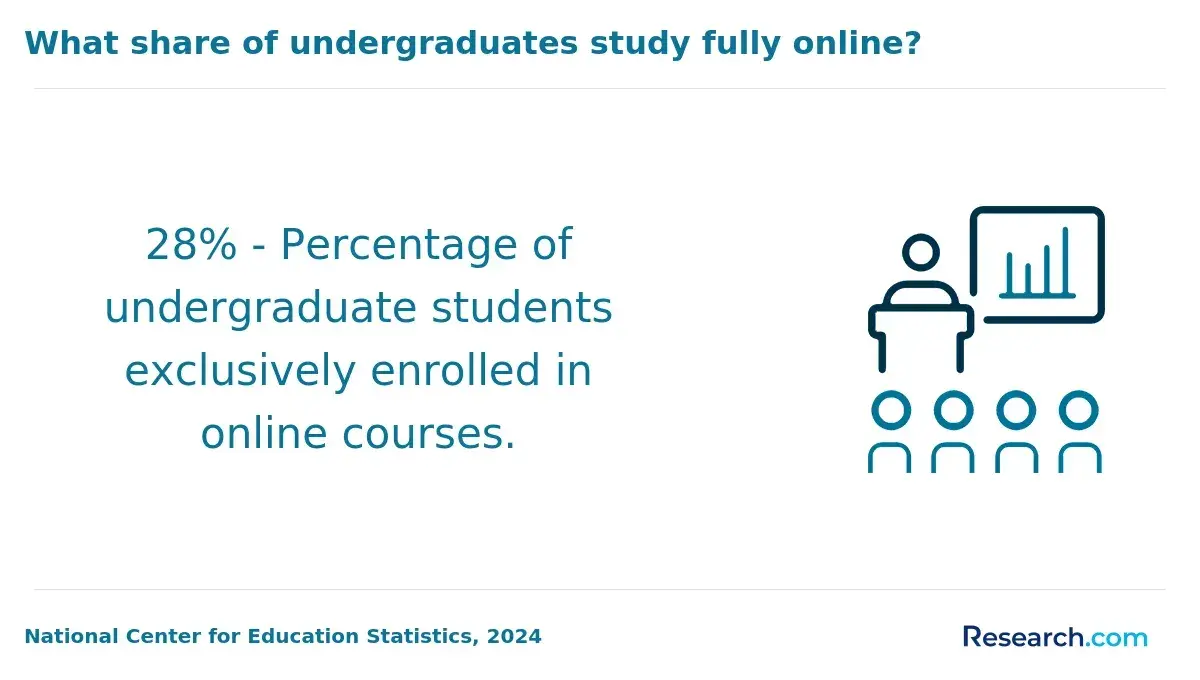
Understanding tuition differences across educational technology degree levels is crucial for effective budgeting and financial planning. These costs can vary significantly by degree type, institution, and course delivery, so it's important to have a clear picture before committing to a program. Below is an outline of the typical tuition ranges for each type of Educational Technology degree to help prospective students plan ahead.
- Associate Degree in Educational Technology: Tuition usually ranges from $3,000 to $10,000 per year at community colleges and public institutions. In-state students often benefit from lower rates, and many programs provide financial aid such as grants, scholarships, and work-study options. Online programs may also reduce overall costs by eliminating commuting and material fees.
- Bachelor's in Educational Technology: The cost typically ranges between $9,000 and $30,000 annually, with public universities offering more affordable in-state tuition. Private schools can charge upwards of $40,000 per year. Students should consider available federal and state grants, institutional scholarships, and loan options when budgeting for these four-year programs.
- Master's in Educational Technology: Tuition varies widely, from about $6,900 at more affordable institutions to nearly $64,000 at prestigious private universities. The average cost for online programs is near $18,700, while national averages hover around $19,740. Price factors include public versus private institutions, residency status, and delivery format. Many master's students access graduate assistantships, scholarships, and federal loans.
- Doctorate in Educational Technology: Doctoral tuition typically ranges from $11,000 to $50,000 per year depending on the institution and whether courses are delivered online or on campus. Public universities usually offer lower resident tuition, while private and out-of-state rates tend to be higher. Doctoral candidates frequently obtain financial support through research assistantships, fellowships, and tuition waivers.
I spoke with a graduate of an Educational Technology degree program who reflected on the financial journey she experienced. She shared that while she initially felt overwhelmed by tuition fees, she was able to strategically combine scholarships with a graduate assistantship, which significantly offset her expenses. "The assistantship not only eased the financial burden but also gave me valuable research experience," she said. She emphasized that careful planning and exploring every available funding source made her degree affordable without compromising her education quality. Today, she credits her pragmatic approach during grad school for landing a rewarding position in instructional design, highlighting that the investment in her degree was well worth it for her career growth.
What Jobs Can You Get with Each Type of Educational Technology Degree?
The level of educational technology degree you earn-associate, bachelor's, master's, or doctorate-directly influences the career opportunities available and the types of roles for which graduates are qualified. Higher degrees generally open doors to specialized, leadership, and higher-paying positions, while entry-level degrees commonly lead to technical support and instructional roles. Below is a list outlining common jobs associated with each type of educational technology degree.
- Associate Degree in Educational Technology: Graduates typically work as technology support specialists, computer instructors, or media aides in K-12 schools and community colleges. These roles often involve assisting with classroom technology setup, supporting teachers in digital instruction, and maintaining educational software or hardware in school districts and community learning centers.
- Bachelor's Degree in Educational Technology: This degree prepares you for positions such as course developer, instructional technologist, or technology trainer in schools, training centers, and some corporations. You may design digital curriculum, provide training on education technology tools, and support educators with technology integration, as well as work as classroom teachers with a technology focus or faculty support staff in colleges.
- Master's Degree in Educational Technology: Graduates can pursue advanced roles like instructional designer, technology integration specialist, training and development manager, or curriculum coach. These jobs involve designing online courses, leading technology initiatives, training staff, and managing e-learning platforms across K-12, higher education, corporate, and nonprofit sectors. According to salary data, instructional coordinators and training managers earn median salaries ranging from $66,000 to $120,000 annually, depending on location and sector.
- Doctorate (PhD/EdD) in Educational Technology: With a doctorate, you can seek leadership positions such as educational technology director, chief learning officer, university professor, or research analyst. These roles emphasize strategic leadership, research, policy development, and innovation in educational technologies at universities, large school districts, edtech firms, and government agencies. Doctorate holders often lead research projects, shape technology policy, and earn some of the highest salaries in the field, often exceeding $100,000 annually. For students looking to advance, it's wise to research the cheapest doctorate degree options available to balance cost and career goals.
How Do Salaries Differ by Educational Technology Degree Type?
Degree level often plays a significant role in determining earning potential within educational technology careers. Understanding these salary differences by degree type can help students make informed decisions about their education and future career paths. Below is an overview of typical salary ranges associated with each level of educational technology degree.
- Associate Degree in Educational Technology: Starting salaries for entry-level roles such as technology support or technician positions generally fall between $30,000 and $45,000 annually. These jobs are commonly found in smaller school districts or organizations where pay tends to be lower, and advancement opportunities are limited without further education.
- Bachelor's Degree in Educational Technology: Graduates with a bachelor's degree can expect salaries typically ranging from $45,000 to $55,000 per year. Positions often include technology coordinators or media specialists. Income varies by location, with urban areas and larger districts generally offering higher pay, though earning potential may plateau without advanced degrees or certification.
- Master's Degree in Educational Technology: Holding a master's degree can increase starting salaries substantially, with averages between $60,000 and $84,000. Roles such as educational technology specialists or curriculum designers fall in this range. According to ZipRecruiter, specialists average around $68,086 annually, with some earning up to $91,000. Such qualifications also open doors to leadership and policy positions.
- Doctorate in Educational Technology: Doctoral graduates usually qualify for senior-level roles in administration, research, or academia, with starting salaries from approximately $93,500 up to beyond $130,000. Positions include directors of educational technology and university faculty. Salary often reflects the combination of degree level and extensive experience.
Factors like location, sector, and experience strongly influence salary at every educational technology degree level. Students interested in pursuing these careers should research options, including accredited colleges online with no application payment, to align their educational investment with salary expectations.
Is There High Demand for Educational Technology Degree Holders in the Job Market?
There is a consistently high demand for educational technology degree holders in the U.S. job market, driven by rapid advancements in emerging technologies and evolving workforce needs. The rise of AI and machine learning in education and workforce training has notably increased the value of roles requiring expertise in educational technology and related digital skills.
For instance, in July 2025, about 1 in 5 new educational technology job postings specifically referenced AI skills, highlighting that fluency in these technologies is quickly becoming a baseline for many positions. Moreover, jobs related to instructional design and educational technologies are projected to grow by 11% from 2023 to 2033, outpacing the average growth rate for all occupations. Median wages for key roles such as instructional coordinators and training and development managers are also well above average, underscoring the strong market value of skills gained through these degree programs.
Regional factors considerably influence demand, with larger metropolitan areas and states that invest heavily in digital learning tools and corporate training infrastructure seeing the most robust job markets. Educational technology graduates who possess experience in developing, implementing, and managing digital learning platforms are particularly sought after across business, K-12, and higher education sectors.
Students interested in expanding their qualifications might explore options among colleges with dual degree programs to further enhance their career prospects. Overall, the outlook for educational technology graduates remains very favorable, bolstered by ongoing innovation and digital transformation that continue to expand opportunities across education and corporate environments.
What Factors Should You Consider When Picking a Type of Educational Technology Degree?
Choosing the right degree level in educational technology is a critical decision that directly impacts your career trajectory and personal situation. The degree you select shapes your skillset, salary potential, and the opportunities available to you. To make an informed choice, consider these key factors:
- Career Goals: Identify the roles you want to pursue, such as instructional design or education administration, which typically require a master's degree with median salaries ranging from $63,610 to $101,220. Entry-level positions like tech integration often only need a bachelor's degree, so aligning your goals with the necessary education is essential.
- Time Commitment: Understand the duration and intensity of each degree level; a bachelor's usually requires four years full-time, while a master's can often be completed within one to two years, sometimes online for flexibility. Doctoral degrees demand several additional years and involve intensive research and leadership training.
- Flexibility and Delivery Format: Since many students work full-time, consider if the program offers online or hybrid options and flexible pacing. These formats can help balance studying with work and personal life more effectively.
- Accreditation and Reputation: Ensure the institution has proper accreditation since this affects degree recognition by employers and eligibility for certifications or further studies. A reputable program can also provide better networking and career support.
- Technological Focus and Curriculum: Look for programs emphasizing current trends and hands-on experience with instructional design tools. Staying up-to-date with technology prepares you for evolving roles in educational technology.
- Cost and Return on Investment: Compare tuition costs alongside potential financial aid and the salary prospects tied to each degree level. Higher degrees generally cost more but often lead to greater earning potential and leadership roles.
What Educational Technology Graduates Say About Their Degree and Salary
- Mishee: "Completing my master's in educational technology transformed my approach to teaching and learning. I gained invaluable skills in integrating digital tools that truly engage students and enhance curriculum delivery. The program's focus on hands-on experience prepared me to immediately contribute to my school district, where I now lead a team dedicated to tech-driven educational innovation. This degree not only opened doors for leadership roles but also deepened my passion for creating inclusive learning environments for all students."
- Marlon: "After earning my bachelor's in educational technology, I quickly secured a role as an instructional designer at a major e-learning company. The program's balance between technology, pedagogy, and project management helped me build confidence in developing scalable online courses that positively impact learners worldwide. Reflecting on the journey, the degree fueled my professional growth and reinforced my commitment to making education accessible through cutting-edge solutions."
- Yasmin: "Finishing my doctorate in educational technology was a challenging yet rewarding experience that equipped me to contribute significant research in digital equity and community engagement. This degree sharpened my ability to influence educational policy and foster partnerships that help underrepresented populations benefit from emerging technologies. I am proud to serve as a bridge between academia and public institutions, passionate about driving systemic change that uplifts diverse learners everywhere."
Other Things You Should Know About Educational Technology Degree Programs & Salaries
Individuals with a master's degree in educational technology typically earn between $65,000 and $80,000 per year. Salaries vary based on job title and geographic location, with roles such as instructional designers and technology specialists commanding salaries within this range.
In 2027, instructional designers typically earn between $65,000 and $85,000 annually, while educational technologists have an average salary range of $70,000 to $90,000. The salary differences can depend on factors like location, experience, and specific responsibilities within the role.
In 2027, several universities are offering cutting-edge educational technology degree programs. These include specializations in AI-enhanced learning environments, virtual reality for education, and digital curriculum development. Such programs are tailored to equip students with the skills needed in modern educational settings and typically offer competitive salaries depending on the chosen specialization.
References
- Master of Education in Educational Technology https://online.uark.edu/programs/master-education-educational-technology.php
- 6 success factors in selecting an EdTech program https://esmt.berlin/knowledge/research-insights/6-success-factors-selecting-edtech-program
- 18 Highest Paying Jobs With an Education Degree (not teaching) | Devlin Peck https://www.devlinpeck.com/content/jobs-with-an-education-degree
- Educational Technology (MED/MS) https://www.etamu.edu/programs/educational-technology-leadership-med-ms/
- Online Degree vs. Traditional: Which is The Right Choice? | YourDegree https://www.yourdegree.com/blog/online-degree-vs-traditional/
- Educational Technology | UTRGV https://www.utrgv.edu/cep/schools-and-departments/department-of-teaching-and-learning/edtech/
- 5 Great Career Specializations in Educational Technology - The Best Master's Degrees https://www.bestmastersdegrees.com/lists/5-great-career-specializations-in-educational-technology/
- 5 Edtech Jobs with an MA in Educational Technology https://distancelearning.aru.ac.uk/blog/what-edtech-jobs-with-ma/
- These are the 5 key trends shaping the EdTech ecosystem https://www.weforum.org/stories/2024/02/these-are-the-4-key-trends-that-will-shape-the-edtech-market-into-2030/
- Ch. 22 Selection of Educational Technology – Instructional Methods, Strategies and Technologies to Meet the Needs of All Learners https://www.saskoer.ca/teachingdiverselearners/chapter/selection-of-educational-technology/


