
2027 Most Popular Concentrations in Educational Technology Degrees

Co-Founder and Chief Data Scientist
Choosing the right concentration within educational technology is crucial as educators and institutions increasingly rely on digital tools to enhance learning outcomes. Demand for specialized skills has surged, with the Bureau of Labor Statistics projecting a 13% growth in instructional coordination roles over the next decade, reflecting the expanding need for experts in technology integration and digital curriculum design.
This article explores the most popular concentrations in educational technology degrees, helping readers identify pathways aligned with their career goals. From instructional design to learning analytics, understanding these options equips future professionals to meet evolving educational demands effectively.
Key Benefits of Popular Concentrations in Educational Technology Degrees
- Specializing in instructional design enhances employability, with a 20% job growth rate in curriculum development roles over the next decade.
- Focusing on learning analytics builds data interpretation skills crucial for optimizing educational strategies and improving learner outcomes.
- Concentrations in educational software development meet rising industry demand, as 65% of institutions invest in digital learning tools.
What Are the Most Popular Educational Technology Concentrations in 2027?
Interest in specialized educational technology concentrations is rising due to the growing demand for targeted skills that meet evolving institutional and workforce needs. Students increasingly choose paths that align with strategic AI use and career readiness, reflecting shifting priorities in education and employment sectors.
- AI and machine learning integration: This concentration leads due to the surge in AI-powered learning platforms and personalized education. Generative AI automates content delivery, creates customized learning pathways, and reduces administrative workload-68% of educators report AI saves up to five hours weekly.
- Learning experience design: Focused on creating user-centered platforms, this area prioritizes seamless integration of multiple tools to boost student engagement. Institutions emphasize this concentration as part of broader efforts to improve educational outcomes.
- Accessibility and inclusive design: With an emphasis on eliminating barriers for learners of varied abilities and backgrounds, this concentration addresses industry-wide commitments to equity and universal design principles in digital education.
- Career-connected learning and workforce development: Reflecting the importance of bridging education and employment, this area gains momentum as 39 states enact over 292 policies supporting work-based learning and career readiness. Such workforce alignment has driven notable enrollment growth in related programs.
- Data analytics and learning analytics: This concentration meets demand for sophisticated metrics tracking student skills, emotional wellbeing, and experiential learning, enabling institutions to support whole-student success more effectively.
The rise of these focus areas shows a transition from experimental AI adoption toward sustainable, outcome-driven educational technology programs. Prospective students seeking flexible paths can explore the quickest online degree programs for working adults that often emphasize such demanded concentrations.
What Skills Are Required for the Top Educational Technology Concentrations?
Skill development is essential for success in specialized educational technology study paths as industry expectations evolve rapidly alongside advances in tools and pedagogy. Students must build competencies that integrate technical proficiency with educational theory to remain competitive and effective in this dynamic field.
- Technical proficiency and pedagogical knowledge for educational technology: Mastery of AI applications, data analytics, and learning management systems empowers specialists to implement cutting-edge solutions that enhance teaching and learning outcomes.
- Problem solving and project management skills in instructional design: These skills enable professionals to navigate complex challenges and lead initiatives that translate technology innovations into practical classroom use.
- Data privacy and cybersecurity awareness: Understanding protocols to protect student information is critical as schools adopt new digital platforms, ensuring compliance with legal standards and building trust.
- Change leadership and professional development: Leading training programs and coaching educators helps foster adoption of new technologies and supports sustainable implementation strategies.
- Strategic planning and policy development: Skills in policy analysis and governance frameworks allow professionals to align edtech investments with equity goals and workforce needs.
Students exploring pathways in this field may also consider programs emphasizing practical credentials, including options suited for those seeking an easiest 2 year degree to get, which can build foundational skills efficiently.
Do Different Educational Technology Concentrations Have Different Admission Requirements?
Yes, different educational technology concentrations have varying admission requirements that reflect the complexity and focus of each program. While many programs set a baseline GPA around 3.0 on a 4.0 scale, specialized tracks often add prerequisites based on technical skills or professional background.
For example, concentrations that emphasize instructional design and technology integration may require demonstrated competence in digital tools, HTML, or web-based instruction experience. In contrast, those focused on curriculum and instruction might prioritize prior teaching experience or current licensure instead.
These admission criteria ensure candidates are well-prepared for the specific demands of their chosen concentration, aligning with the diverse learning outcomes across programs addressing educational technology master's degree admission requirements by state.
Common differences between programs include prerequisite coursework, professional portfolios, and work experience. Some programs accept students from various academic backgrounds but require competency validation through early workshops or coursework, while others mandate valid teaching licenses, particularly for school library media concentrations.
Transfer credit policies also differ, with some allowing several units of graduate work within time limits. International admissions vary as well, depending on online delivery format and federal regulations. These criteria help programs maintain academic rigor and relevance. Prospective students interested in comparing educational technology concentration GPA and prerequisites comparison for various programs can also explore options like fast associate degree programs online as alternative entry points into the field.
Do Specific Educational Technology Concentrations Require Accredited Programs?
Accreditation is essential for specialized educational technology programs because it validates that the curriculum meets rigorous standards and impacts eligibility for certifications and advanced career roles. Without accredited credentials, students may face barriers in obtaining licensure or professional recognition in certain states and districts.
- State Licensure Requirements: Many states, including Ohio and Tennessee, mandate that educational technology endorsement programs be accredited for graduates to receive valid teaching licenses.
- Curriculum Standards: Accredited programs must meet strict guidelines for course content, faculty expertise, and measurable student outcomes to ensure comprehensive training.
- Employer Recognition: School districts and education organizations often prefer candidates from accredited programs, seeing them as more qualified for roles such as instructional technology specialists and digital learning coordinators.
- Professional Mobility: Accreditation supports the transfer and acceptance of credentials across states and institutions, facilitating career advancement without credential-related limitations.
Is the Quality of Online Educational Technology Concentration Tracks the Same as On-Campus Programs?
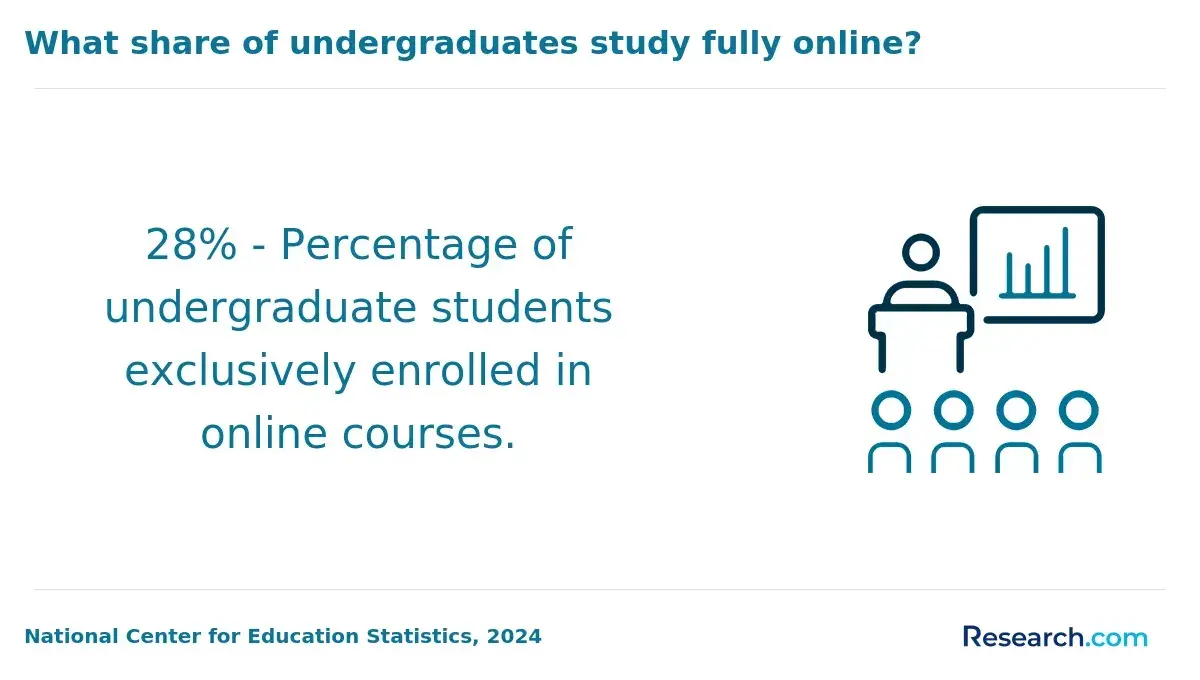
As more students weigh online versus on-campus options, program quality plays a crucial role in their choice. Understanding which format offers comparable educational value is essential for decision-making.
- Accreditation consistency: Both online and campus programs adhere to established accreditation standards, ensuring curricula meet uniform academic criteria.
- Faculty expertise: Qualified instructors with subject matter mastery teach in both formats, maintaining instructional rigor regardless of delivery method.
- Curriculum design: Purpose-built online programs often optimize resources toward content and engagement, while traditional programs balance campus infrastructure.
- Learning outcomes: Well-developed courses in either format produce similar competencies, though student self-discipline plays a bigger role online.
- Technology integration: Effective use of digital tools enhances the online learning environment, offering interactive experiences comparable to face-to-face classes.
- Student support services: Access to advising and resources remains vital and is often customized to each modality's needs.
- Hands-on training: Hybrid or blended models provide opportunities for practical application combining both formats' strengths.
A graduate from a popular educational technology concentration, who completed a hybrid program, shared insights about her experience. She found online sessions flexible but acknowledged initial struggles managing time without in-person prompts. Classroom-based labs, however, deepened her understanding through direct interaction and immediate feedback. "Switching between formats felt challenging at first, like balancing two worlds," she reflected, "but it ultimately strengthened my skills and adaptability." Her journey underscored that thoughtful program design and dedicated faculty can offer equally valuable learning across both online and campus settings.
Which Educational Technology Concentration Is the Hardest to Complete?
Some educational technology concentrations are more challenging due to differences in course rigor, necessary skills, workload, and overall program design. These factors combine to create uneven levels of difficulty, especially for students lacking prior technical experience.
- Technical Proficiency Requirements: Mastery of both educational theory and sophisticated software tools is essential, demanding dual expertise beyond standard education courses.
- Research and Assessment Demands: Programs often require extensive credit hours with rigorous research components, such as a Master's Report or Project demanding advanced analytical capabilities.
- Theoretical Framework Integration: Students must synthesize complex academic theories on learning technology and social issues with real-world classroom practices.
- Capstone Project Complexity: Comprehensive action research projects require designing, executing, and evaluating technology interventions within actual educational environments, reflecting high-level application skills.
What Careers Can You Get with Each Educational Technology Specialization?
Different educational technology concentrations equip graduates with skills tailored to various professional paths. Recognizing how these specializations correspond to career opportunities can help individuals align their studies with industry demands and personal goals.
- Instructional design: Careers include instructional designers, course developers, and learning experience creators, often employed in corporate training, higher education, and K-12 environments. These roles focus on crafting digital curricula and e-learning solutions that meet organizational objectives, with strong demand in businesses investing in scalable employee development.
- Technology integration and curriculum development: Graduates typically become technology integration specialists, curriculum developers, or EdTech coaches working within school systems. They collaborate with educators to incorporate digital tools that boost classroom engagement and modernize instructional methods, supporting the growing presence of technology in education.
- Learning management systems and training: Professionals in this field function as training managers, online learning specialists, or educational training coordinators across corporate, nonprofit, and academic sectors. Their work centers on designing and managing digital platforms that facilitate effective learning experiences for diverse audiences.
A professional who specialized in instructional design shared that early in his career, he felt overwhelmed by the variety of roles available but found clarity through hands-on projects developing online courses. He described the transition from theory to practice as challenging yet rewarding, noting how tailoring content to specific organizational cultures required both creativity and collaboration. Reflecting on his journey, he said, "Navigating career options with this specialization meant continuously adapting and learning new technologies, which kept the work engaging and meaningful." This experience highlights how graduates often discover their niche by actively engaging with real-world applications beyond initial coursework.
What Market Trends Are Shaping the Top Educational Technology Concentrations in 2027?
Keeping up with industry shifts helps students pick educational technology concentrations that match evolving job markets. Employers increasingly seek graduates skilled in practical solutions that enhance learning and accessibility.
- AI-Driven Learning Systems: The rise of artificial intelligence has transformed educational technology, with demand for expertise in AI integration, machine learning, and adaptive tools growing rapidly. Professionals who can thoughtfully apply AI to improve instruction are highly valued.
- Accessibility and Inclusive Design: Going beyond compliance, accessibility now drives innovation by promoting universal design and AI-enabled support. Concentrations focused on inclusive technologies attract attention as schools aim to engage diverse learners effectively.
- Systems Integration and Interoperability: Seamless operation across learning management and student information systems is critical. Skills in infrastructure, data management, and platform integration prepare graduates to streamline educational technology environments.
- Student-Centered Design and Wellbeing: Emphasis on mental health and social-emotional learning influences curriculum design. Combining educational psychology with user experience prepares professionals to develop tools supporting both academic success and personal growth.
What Are the Average Salaries for Popular Educational Technology Concentrations?
Salary prospects in educational technology differ widely depending on the chosen concentration, influenced by factors such as industry demand, employer type, and specific skills. Recognizing these differences helps students make informed decisions aligning career goals with earning potential.
Average educational technology salary by concentration and experience level highlights significant variations across fields:
- Instructional Design: Instructional designers in the United States earn an average total compensation of $86,600, with full-time employees typically making around $83,000 annually. Salaries vary by sector, with corporate roles offering the highest average ($87,400) and higher education positions the lowest ($68,500). Experience heavily impacts earnings, as those with four to eight years of experience can earn nearly $88,000 compared to about $78,000 for those with less than three years.
- Educational Technologist: Educational technologists have an average annual salary near $68,140, usually ranging between $58,530 and $79,170. Broader roles within educational technology command higher salaries, with averages rising to $141,918. Variations reflect differences in job titles, experience, and employer sectors.
- Advanced Degree Holders: Professionals holding a Master's in educational technology earn an average of $71,000, while those specifically working as instructional designers with master's degrees make about $74,205. These credentials typically correlate with higher earning potential over time as experience grows.
Individuals exploring advanced educational technology degrees may also consider accredited online universities that don't charge to apply for cost-effective pathways to enhance their qualifications and salary prospects.
How Do You Choose the Best Concentration in a Educational Technology Program?
Selecting the right concentration in an educational technology program is essential for aligning your academic preparation with your career goals and personal strengths. A well-chosen focus shapes your learning experience, skill development, and future job opportunities.
- Career Aspirations and Industry Sector: Identify the settings where you want to work, such as K-12 schools, higher education, corporate training, government agencies, or nonprofits. Different sectors require distinct expertise; for example, corporate trainers focus on e-learning development, while K-12 specialists prioritize classroom integration. Exploring typical roles in your target field helps in selecting a concentration aligned with your career objectives.
- Skill Development and Technical Proficiency: Assess your comfort with technology and readiness to build specific technical skills. Concentrations like instructional design emphasize learning theories and curriculum development, whereas technology integration tracks stress practical tool use and troubleshooting. Honest self-evaluation ensures you choose a concentration that both leverages your strengths and challenges your abilities.
- Industry Demand and Job Market Outlook: Analyze labor trends to determine which educational technology roles are in high demand. Positions such as instructional designers and training specialists remain widely sought after. Incorporating research from sources like PayScale or the Bureau of Labor Statistics can inform which concentrations offer stronger employment prospects and earnings in your area.
- Program Requirements and Flexibility: Investigate various programs' structure, including coursework, capstones, and internships. Some programs provide flexibility to customize your learning path, while others have rigid curricula. Comparing educational technology program requirements and admission standards helps ensure the program fits your lifestyle and learning preferences, especially if you balance work with study.
- Personal Interests and Passion Areas: Choose a concentration that motivates and engages you. If you are passionate about accessibility and serving diverse learners, seek options focusing on adaptive technology. For those interested in innovation, investigate concentrations centered on emerging educational tools and digital transformation.
For additional information on combined academic paths, see what schools offer dual degree programs, which may expand your educational and career options.
What Graduates Say About Their Popular Concentrations in Educational Technology Degrees
- Callahan: "Pursuing the instructional design concentration in my educational technology degree was a transformative journey. The hands-on projects and collaborative learning made complex theories accessible, and despite the tuition costs averaging around $15,000, I found the investment worthwhile given the career advancement it afforded me. I'm now confidently designing training programs that make a real impact."
- Saul: "The distance learning concentration in my educational technology program offered me the flexibility I needed to balance work and study. Reflecting on the experience, the overall cost of about $12,000 was manageable and felt justified by the growth in my ability to implement effective online education strategies. This has opened new doors in my career as an e-learning coordinator."
- Adam: "As a professional focused on educational technology integration, the leadership concentration equipped me with skills crucial for driving technology initiatives in schools. Although the average cost was close to $18,000, the professional insights and networking opportunities I gained have been invaluable for my career growth and impact. I highly recommend this path for anyone serious about educational leadership."
Other Things You Should Know About Educational Technology Degrees
In 2027, the most popular concentrations in educational technology degrees include Instructional Design, Learning Analytics, Technology Integration, and Digital Assessment. These areas equip graduates with skills to enhance educational practices using technology, emphasizing data-driven decision-making and modern learning methodologies.
In 2027, practical experiences in educational technology concentrations significantly enhance real-world skills. Many programs incorporate internships or project-based learning to keep pace with industry demands and ensure that students gain hands-on experience with educational tools and technologies.
References
- Top 11 Trends in Educational Technology to Watch in 2025 https://kaopiz.com/en/articles/trends-in-educational-technology/
- 13 Innovative Technologies Transforming Education | OctoProctor https://octoproctor.com/blog/educational-technology-examples
- Educational Technology Master's Degree Program (MA) | Graduate Admissions - Apply Here - Concordia University https://www.concordia.ca/academics/graduate/educational-technology-ma.html
- Top Trends in Educational Technology [2025] https://www.educate-me.co/blog/trends-in-educational-technology
- Explore Educational Technology Jobs and Career Paths - UF Educational Technology https://education.ufl.edu/educational-technology/2024/03/15/career-options/
- How to Choose a Concentration for Your Master of Education 3 Questions to Consider https://www.aiuniv.edu/degrees/education/articles/how-to-choose-an-education-specialization
- 50 Best Master's in Educational Technology Degrees - Top Masters in Education https://www.topmastersineducation.com/best-masters-in-educational-technology-degrees/
- 10 essential skills for today’s technology leader https://www.eschoolnews.com/district-management/2016/12/07/essential-skills-technology-leader/
- How To Choose The Right Instructional Design Master’s Program https://elearningindustry.com/choose-right-instructional-design-masters-program
- Educational Technology Concentration - Instructional Technology (M.S.) https://www.towson.edu/coe/departments/learning-technologies/grad/instructiontechms/educational-technology-concentration.html


