
2027 Return on Investment (ROI) of an Educational Technology Degree Program

Co-Founder and Chief Data Scientist
Many prospective students hesitate to pursue an educational technology degree due to uncertain career outcomes and rising tuition costs. Despite this concern, the educational technology sector is growing, with employment opportunities expected to increase by 14% through 2032, according to the U. S. Bureau of Labor Statistics.
This growth highlights the potential for strong job prospects once graduated. In this article, we'll explore the financial benefits and career impact of earning an educational technology degree, helping readers assess its return on investment relative to program costs and evolving market demands.
Key Things to Know About Educational Technology Degree ROI
- Graduates with an educational technology degree report a median starting salary 15% higher than general education majors, reflecting strong earning potential in tech-integrated educational roles.
- Career advancement is significant, with many professionals moving into leadership or specialized instructional design roles within five years, supported by growing demand for digital learning expertise.
- Educational technology skills offer flexibility across industries such as corporate training, K-12, and higher education, contributing to job stability and continuous salary growth over time.
How Is ROI Calculated for a Educational Technology Degree Program?
Return on investment in higher education evaluates the financial benefits students receive from completing a degree relative to the costs and time committed. It enables students to compare the value of an educational technology degree against its expenses and duration effectively.
Several major factors are considered when calculating the return on investment for edtech programs:
- Tuition and Fees: This includes all direct educational expenses such as tuition, textbooks, and other necessary fees. Accurately totaling these costs is essential for understanding the initial financial commitment.
- Opportunity Cost: Represents the earnings a student sacrifices while studying instead of working full time. This accounts for lost income during the program's length and impacts the overall ROI.
- Time to Completion: The duration of the degree program affects both direct costs and opportunity cost. Shorter programs may reduce these expenses, enhancing ROI, while longer programs can increase the financial burden.
- Post-Graduation Salary: The average salary graduates can expect in educational technology roles greatly influences ROI by determining whether increased earning potential offsets costs.
- Career Advancement Potential: An educational technology degree may open doors to promotions or leadership roles, increasing long-term income and improving return on investment for educational technology degree ROI calculations.
Prospective students exploring options to maximize financial and career returns can also compare educational technology degrees with other paths such as MBA programs, which are often analyzed similarly in terms of ROI metrics.
How Much Does a Educational Technology Degree Program Cost?
The total cost of an educational technology degree plays a crucial role in assessing its return on investment, especially as graduate tuition fees have surged, with many programs now costing over $19,000 annually. Alongside tuition, the increasing student debt nationwide-now surpassing $1.7 trillion-makes understanding all expenses essential for students weighing their financial decisions.
Several major factors contribute to the overall cost and thus impact the potential ROI of an educational technology degree:
- Tuition and fees: This represents the primary expense, varying widely depending on whether the program is offered by public or private institutions and if it's delivered online or in person.
- Books and materials: Costs here include textbooks, software licenses, and other required resources, which can add up to hundreds or even thousands of dollars each year.
- Living or relocation costs: For students attending campus-based or hybrid programs, expenses for housing, transportation, and daily living significantly increase the overall investment.
- Opportunity cost: Time dedicated to coursework may limit the ability to maintain full-time employment, sometimes requiring a temporary job pause, leading to lost wages that need to be factored into ROI.
- Hidden or indirect costs: These encompass necessary technology like up-to-date computers and reliable internet access, certification exam fees, and the costs associated with networking events or conferences that support career growth.
When I spoke with a recent educational technology graduate, he shared that managing these combined costs was a constant challenge. Although he found the tuition manageable, unexpected expenses such as frequent software upgrades and travel for professional events stretched his budget.
"Balancing part-time work with studies was exhausting," he explained, "and sometimes I wondered if the financial and time commitments would pay off. But gaining hands-on experience and connections through conferences felt invaluable, making those extra costs worthwhile despite the initial stress."
What Financial Aid Is Available for Educational Technology Degree Programs?
Financial aid helps reduce initial expenses for educational technology degree programs, thereby enhancing the long-term return on investment by limiting overall debt and easing financial pressure. Recent studies show that almost 60% of graduate students depend on federal loans, underscoring the critical role of funding options in managing education costs effectively.
Several key financial aid types can improve affordability and support ROI for educational technology students:
- Scholarships: These awards do not require repayment and directly lower education costs, which decreases the amount of debt carried after graduation and improves ROI.
- Grants: Usually based on financial need, grants provide funds that don't have to be repaid, helping reduce tuition fees and minimizing future financial burdens.
- Fellowships: Awarded for academic merit or research, fellowships may cover tuition and offer stipends, allowing students to gain valuable experience while lowering program expenses.
- Employer tuition assistance: Many employers partially or fully reimburse tuition, which significantly reduces out-of-pocket costs and can speed up salary recoupment following program completion.
- Federal student loans: Though these require repayment with interest, their generally lower rates and flexible repayment plans versus private loans help students responsibly manage borrowing and protect long-term financial outcomes.
How Long Does It Take to Complete a Educational Technology Degree?
The duration needed to finish an educational technology degree directly affects its return on investment by impacting opportunity cost, potential for earlier income increases, and overall expenses. Programs that take longer increase total costs and delay access to more lucrative job roles, which can lower financial gains from the degree. Conversely, shorter completion times reduce these burdens and improve ROI.
The following key factors influence the length of study and thus affect the financial benefits:
- Enrollment status: Full-time students tend to complete degrees more quickly, minimizing lost income opportunities, while part-time students juggle work and study but extend their timelines.
- Program format: Online and accelerated courses enable flexibility and faster progression, helping students earn credentials sooner and boost ROI.
- Transfer credits: Utilizing previously earned credits can shorten the program by cutting down required coursework, lowering tuition and living costs.
- Internship or thesis: Programs requiring extensive practical components may add months to completion, delaying the financial advantages of holding the degree.
- Scheduling flexibility: Flexible course options support balancing employment with study but may lengthen completion times, impacting short-term earnings.
When I spoke with a graduate of an educational technology degree about her experience, she described the challenge of balancing full-time work with evening classes in a mostly online program. She said, "Managing deadlines alongside job responsibilities was tough, but the flexibility of the program allowed me to maintain income without pausing my education."
Although her part-time pace extended the degree timeline, she appreciated that taking this approach helped her steady her savings and gain practical skills simultaneously. She reflected that while a faster route might boost ROI sooner, her gradual progress suited her personal situation best, showing how individual circumstances shape the path and benefits of earning this degree.
Is ROI Higher for Online or On-Campus Educational Technology Programs?
The delivery format of an educational technology degree-online versus on-campus-can significantly influence the return on investment through differences in cost, flexibility, and career outcomes.
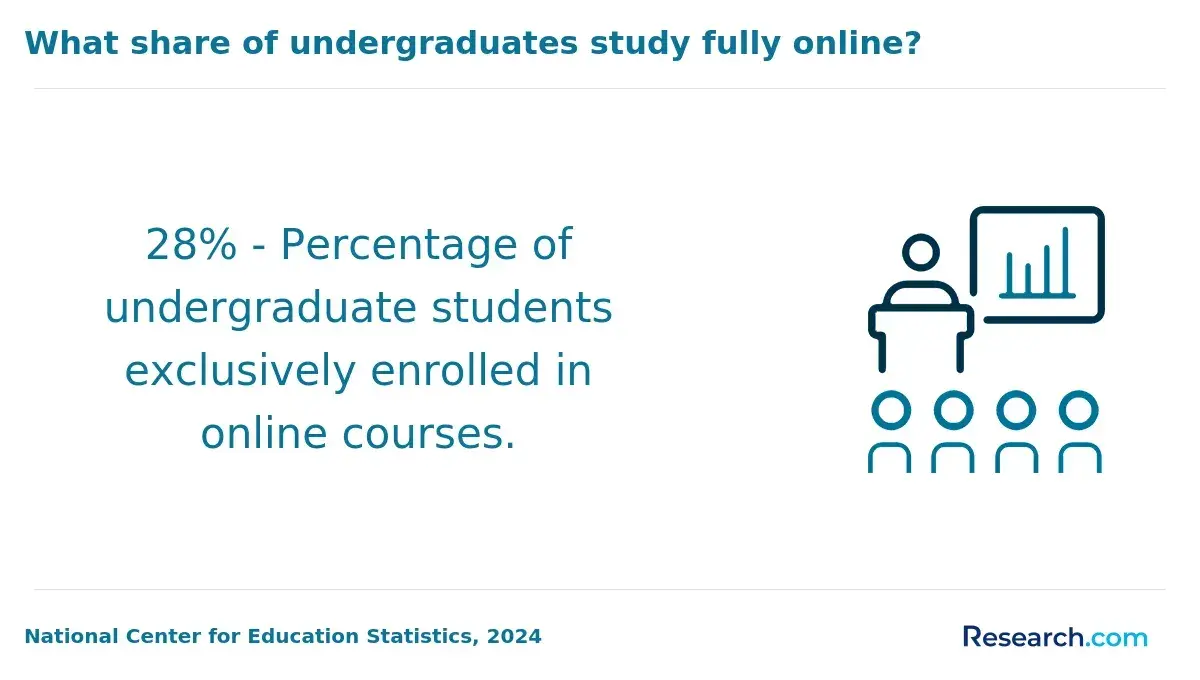
Currently, over 40% of U.S. higher education students are enrolled in online courses, highlighting the growing trend toward remote learning options. Evaluating the return on investment for online educational technology degrees involves examining these key factors to determine the most advantageous path.
Several important aspects distinguish online programs from on-campus ones, including:
- Tuition and fees: Online programs generally offer lower tuition and related expenses, making them more accessible to a broader range of students. This cost difference can improve financial ROI, especially when paired with flexible payment options.
- Opportunity cost: Online formats allow students to maintain employment and other responsibilities while studying. This flexibility reduces lost income and can shorten the overall time needed to complete a degree, enhancing financial outcomes.
- Time to completion: Many online programs offer accelerated schedules or multiple start dates, often resulting in a shorter time to degree completion compared to traditional on-campus programs.
- Networking and career services: On-campus programs typically provide stronger access to in-person networking events, internships, and career counseling, which may boost long-term career opportunities and earning potential.
- Employer perception and earning potential: Employer preference varies by industry; some may favor in-person experiences, affecting how graduates' degrees translate to job opportunities and salaries.
For students particularly focused on cost efficiency, exploring options such as the cheapest online engineering degree might offer insights into affordable pathways with solid ROI. When comparing on-campus vs online educational technology program ROI, prospective students should weigh these factors carefully to align their educational choices with career and financial goals.
What Is the Average Salary After Earning a Educational Technology Degree?
Post-graduation salary is a crucial driver of the return on investment (ROI) for educational technology degrees, as it directly affects how quickly graduates can repay tuition and other expenses. In the United States, the average salary for educational technology graduates ranges from $50,000 to $90,000 annually, reflecting diverse career paths and growth opportunities.
Several factors influence educational technology degree salary outcomes and thus impact ROI:
- Industry: Graduates entering corporate training or edtech companies often receive higher pay compared to roles in higher education, which may offer lower starting salaries but more stability.
- Geographic location: Urban centers and tech hubs typically provide greater compensation than rural areas, affecting overall financial benefits.
- Prior experience: Candidates with relevant work history in education or technology can command higher salaries, improving their financial returns.
- Specialization: Areas like instructional design, learning analytics, or educational software development tend to lead to increased earning potential.
- Career level: Entry-level roles offer modest salaries, while mid-to-senior positions significantly boost earning prospects and career ROI.
Prospective students considering an educational technology degree should weigh these variables to anticipate possible economic outcomes and optimize their investment. For those interested in comparing options, exploring accredited online executive MBA programs may provide additional insights into advanced career pathways.
Does a Educational Technology Degree Lead to Promotions?
Promotions play a crucial role in maximizing the return on investment (ROI) of an educational technology degree by typically offering salary increases, expanded responsibilities, and greater career mobility. A notable workforce trend is the rising emphasis on credential-based promotion, where many organizations require formal degrees or certifications to access mid- and senior-level roles.
Below are key ways a educational technology degree may impact promotion opportunities and overall ROI:
- Credential Requirements: Many advanced positions mandate degrees or certifications, making a educational technology degree essential to qualify for leadership roles and promotion eligibility.
- Leadership Preparation: This degree equips graduates with skills needed for management and supervisory roles within educational settings, enhancing their readiness for career advancement.
- Employer Tuition Support: Holding a relevant degree often increases eligibility for tuition reimbursement programs and employer-sponsored continuing education, reducing the financial burden of upskilling.
- Internal Promotion Policies: Employers frequently prioritize candidates with innovative credentials like a educational technology degree when promoting from within, valuing validated expertise and commitment to growth.
- Experience and Education Synergy: Combining practical work experience with formal education improves competitiveness for promotions, as employers seek well-rounded professionals.
Organizations increasingly link formal qualifications to promotional pathways, meaning those pursuing an educational technology degree can better navigate career advancement. For working professionals exploring degree options, it's important to compare this field alongside other areas known for financial return. For example, the easiest college majors with high pay provide further insight on efficient educational investments.
Ultimately, the synergy between educational technology degree career advancement and organizational promotion policies makes this degree a strategic asset. However, individual outcomes will vary based on employer practices and a candidate's blend of experience and education.
Which Industries Offer the Best ROI for Educational Technology Graduates?
The ROI for graduates with an educational technology degree varies widely across industries due to differences in salary levels, career progression opportunities, and demand for specialized skills. These factors influence how effectively graduates can leverage their expertise for financial and professional growth.
Several industries typically offer stronger ROI for educational technology graduates. These sectors capitalize on the unique blend of education expertise and technological proficiency, providing promising career fields for educational technology degree ROI.
- Corporate Training and Development: This sector highly values educational technology skills for designing and implementing effective employee training programs. It offers competitive salaries and clear promotion pathways, supporting strong compensation growth over time.
- Higher Education: Universities and colleges increasingly rely on digital learning platforms, creating demand for skilled specialists. While salaries may be moderate, tenure-track and research opportunities can enhance long-term ROI.
- E-Learning and Educational Publishing: With the rising demand for online courses and instructional materials, this industry provides stable market conditions and substantial compensation growth potential driven by technology-based education solutions.
- Government and Nonprofit Education Programs: These sectors offer job stability and benefits by supporting educational initiatives and technology integration, though salary growth is often slower compared to corporate sectors.
- Technology and Software Development Companies: Firms focused on educational software and tools seek graduates for product development and user experience roles. These positions combine technical and educational skills, often resulting in lucrative jobs with strong advancement prospects.
For those exploring educational technology careers, understanding the highest ROI industries for educational technology graduates can help prioritize career planning. Additionally, prospective students may find resources on easy associate degrees helpful when evaluating accessible pathways into the field.
Does Accreditation Affect ROI for a Educational Technology Degree?
Accreditation refers to a formal evaluation process in which an independent agency assesses an educational technology program's quality to ensure it meets established academic and professional standards. This approval signals to employers that graduates have trustworthy skills and knowledge, which can translate into stronger job prospects and potentially higher starting salaries.
One notable trend is the growing preference among employers for candidates holding degrees from accredited programs, influencing hiring and advancement opportunities. In this context, accreditation serves as a quality benchmark that can directly impact the financial returns of pursuing an educational technology degree.
Beyond immediate job prospects, accreditation plays a vital role in enhancing long-term return on investment. It often determines eligibility for federal and state financial aid, lowering the overall cost and improving net benefits.
Accredited programs typically allow for smoother credit transfers and fulfill licensure requirements necessary for various education-related careers, promoting career flexibility and advancement. Together, these factors foster sustainable salary growth and broader career mobility, making accreditation an essential consideration for those investing time and resources in educational technology degrees.
Is a Educational Technology Degree Worth It?
The return on investment for an educational technology degree is influenced by factors such as tuition costs, duration of study, and potential earnings after graduation. Typically, programs require one to two years, with expenses varying by school and delivery mode, including online or part-time options.
Graduates frequently pursue careers in instructional design, e-learning development, or educational consulting, where average salaries fall between $55,000 and $75,000 per year. Career growth opportunities also play a crucial role in elevating long-term financial benefits.
The value of an educational technology degree depends largely on market demand for digital learning specialists and how well the program aligns with individual career objectives. Lower overall costs and financial aid options can improve affordability, while employer sponsorship can enhance net returns.
Those targeting leadership roles or specialized skills tend to experience greater salary increases, whereas individuals in regions with limited job openings may see slower financial gains. Ultimately, the degree proves more worthwhile when chosen with clear professional goals and supported by accessible, flexible study programs.
What Graduates Say About The ROI of Their Educational Technology Degree
- Rhea: "Choosing to enroll in a traditional educational technology degree program was a strategic investment in my future. While the average cost hovered around $30,000, the comprehensive curriculum and hands-on experience made every dollar worthwhile. Today, I lead innovative learning projects, and the degree's long-term ROI is evident in the career growth and opportunities I've unlocked. "
- Whitney: "As an online student, I weighed the cost, typically between $15,000 and $25,000-against the flexibility and quality of education offered. Reflecting now, the decision was undeniably smart; the program's relevance in today's tech-driven educational landscape has accelerated my career progression. The degree has been a valuable asset in securing roles that prioritize digital learning and instructional design expertise. "
- Marilyn: "Pursuing a part-time educational technology degree while working full-time was challenging, but the investment of roughly $20,000 has paid off. The program's focus on practical tools and emerging trends equipped me to enhance my organization's training initiatives immediately. In my experience, the cost was justified by the clear and lasting impact on my professional skills and career advancement. "
Other Things You Should Know About Educational Technology Degrees
In 2027, geographical location can significantly affect the ROI of an educational technology degree due to varying cost of living, availability of tech jobs, and industry demand in different areas. High-tech hubs or urban regions may offer greater employment opportunities, potentially increasing salary prospects and enhancing ROI.
Yes, certifications like Certified Educational Technology Leader (CETL) or project management credentials can enhance a graduate's qualifications and marketability. These certifications often build on the skills learned during the degree program, helping graduates command higher salaries or secure advanced roles. Employers value specialized certifications that demonstrate practical expertise beyond the academic degree.
The fast-evolving nature of educational technology requires professionals to continuously update their skills to maintain a strong ROI. Emerging tools, platforms, and methodologies can shift job demands, making lifelong learning and adaptability essential. Programs that emphasize current technologies and adaptable skillsets tend to provide better long-term financial and career returns.
References
- Finding the ROI of Online Programs -- Campus Technology https://campustechnology.com/articles/2017/07/19/finding-the-roi-of-online-programs.aspx
- Student Information System ROI Calculator for Schools and Universities - Classe365 https://www.classe365.com/blog/student-information-system-roi-calculator-for-schools-and-universities/
- How Much Can I Earn with a Degree in Educational Technology? - Top Masters in Education https://www.topmastersineducation.com/how-much-can-i-earn-with-a-degree-in-educational-technology/
- Top 6 Highest Paying Technology Degrees in the USA in 2026 https://amberstudent.com/blog/post/top-6-highest-paying-technology-degrees-in-the-usa
- Accreditation and financial ROI | Woolf News & Updates https://woolf.university/news/accreditation-and-financial-roi
- How to Measure Learning ROI for Associations https://momentivesoftware.com/blog/learning-roi/
- The Bigger Shift: Student ROI for higher education…and the role of digital learning https://wcet.wiche.edu/frontiers/2021/09/29/student-roi-for-higher-ed-the-role-of-digital-learning/
- Tuition & Fees https://met.ubc.ca/prospective-students/tuition-fees/
- How to Maximize ROI on EdTech Investments - Optima https://optimaxr.ai/how-to-maximize-roi-on-edtech-investments/


