
2027 Is an Educational Technology Degree Better Than Experience Alone? Salary, Hiring, and Career Growth Compared

Co-Founder and Chief Data Scientist
In the educational technology field, candidates with degrees often secure higher salaries and more stable employment than those relying solely on experience and self-teaching. A 2025 report indicates degree holders earn on average 18% more and are 25% likelier to advance within five years. Conversely, many employers require at least a bachelor's in educational technology or a related field, making entry without formal credentials difficult. This gap creates a pivotal choice for aspiring professionals weighing immediate work experience against long-term career growth potential.
This article will analyze salary trends, hiring preferences, and growth opportunities to guide career decisions in educational technology.
Key Points About Having Educational Technology Degrees vs Experience Alone
- Degree holders earn on average 18% more than those relying solely on experience, reflecting higher starting salaries and increased job prospects in educational technology roles.
- Employers prioritize candidates with a formal educational technology background for specialized positions, resulting in 25% higher hiring rates compared to self-taught professionals.
- Career advancement is faster for degree holders, who are 30% more likely to secure leadership roles, indicating the degree's value in promotions within educational technology organizations.
What technical proficiencies can you gain from having Educational Technology degrees vs self-teaching?
Professionals can acquire foundational principles and practical applications through educational technology degrees, while those relying on work experience often develop skills more sporadically on the job. Below are five key technical proficiencies that highlight differences between degree programs and self-teaching or experiential learning.
- Instructional Design Models: Degree programs thoroughly cover frameworks like ADDIE and SAM, emphasizing systematic application in diverse educational settings. In contrast, professionals learning on the job usually gain limited exposure and tend to apply models in narrower contexts without deep theoretical grounding.
- LMS Administration: Managing learning management systems such as Moodle or Blackboard is taught with comprehensive backend and pedagogical integration in degree programs. Self-taught individuals often manage platforms with basic functions, lacking the advanced configuration and instructional alignment acquired in formal study.
- Data Analytics: Educational technology degrees provide an extensive foundation in interpreting learner data and research methodologies to improve outcomes. Bootcamps or self-study may introduce basic analytics, but they generally fall short of the depth needed for effective instructional measurement.
- Multimedia Content Development: Creating videos and interactive simulations requires mastery of specialized software and instructional techniques, which are integral parts of coursework. Experience alone may lead to functional content creation but often misses pedagogical effectiveness and production quality.
- User Experience Design: Degree programs focus on accessibility and cognitive load, blending technical UX tools with educational psychology. Self-taught professionals tend to rely on trial and error, lacking the structured knowledge that refines design for educational impact.
According to a 2025 industry survey, 68% of employers in educational technology preferred candidates with formal degrees over the 32% favoring self-taught experience for roles demanding advanced technical skills. While practical experience is valuable, the advantages of educational technology training over experience alone become clear in mastering complex, integrated skill sets essential for career growth.
Students considering career paths in this field should weigh these differences carefully. Those seeking more insight into the field's demand and value may find it helpful to explore the top degrees in demand for the future.
Are there certifications or licenses that only Educational Technology degree holders can obtain?
Continuing education and earning additional credentials can strengthen your career prospects, even as many employers increasingly focus on skills-based hiring. Certain certifications and licenses, however, still require formal academic qualifications. Below are some key credentials that typically demand an educational technology degree.
- Certified Educational Technology Leader (CETL): Offered by the Consortium for School Networking, CETL is aimed at professionals who design, implement, and manage educational technology programs. This credential usually requires a degree in educational technology or instructional technology along with leadership experience. Holding this certification often leads to leadership roles and enhanced earning potential within school districts and other institutions.
- Google Certified Educator Level 2: While open to all, this advanced Google certification favors those with deeper knowledge of technology integration in learning environments. Educational technology degree holders typically perform better due to their foundational understanding of pedagogical technology theories, increasing their chances of certification and related job opportunities.
- International Society for Technology in Education (ISTE) Certification: Designed for educators and technology specialists, ISTE certification demonstrates mastery of technology integration in educational settings. Although available broadly, having a degree in educational technology provides critical background knowledge of digital learning frameworks that aid both in obtaining this certification and advancing in career roles.
- Instructional Designer/Technologist Certification: This credential from various professional organizations often requires formal academic qualifications in instructional design or educational technology. It signals advanced design skills beneficial for curriculum development and training positions, roles less accessible to those without a relevant degree.
Regarding certifications exclusive to educational technology degree graduates, a 72% employer preference rate for formal degrees in leadership or specialized roles in educational technology highlights the hiring advantage these licenses confer. This preference remains strong even when candidates have extensive experience, affirming that some educational technology degree required licenses and credentials carry distinct value in the job market.
For students considering whether to pursue such credentials alongside experience or self-teaching, exploring accredited programs can be a valuable step. Resources like accelerated MSW programs online demonstrate how structured education pathways support faster credential attainment and career growth.
Will a degree in Educational Technology make you more employable?
The job market for those holding a degree in educational technology is notably stronger compared to candidates without formal credentials. Employers increasingly seek individuals with academic backgrounds in the field, as these candidates tend to fill the majority of new roles in this growing sector. Meanwhile, those relying on experience alone often face tougher competition and fewer opportunities, despite the value of hands-on skills.
This difference stems from employers valuing the structured knowledge and theoretical foundation a degree provides. Formal education signals familiarity with instructional design, digital teaching methods, and current educational standards, which experience alone may not fully demonstrate. Certifications and practical training can support a skill set but rarely substitute for the comprehensive learning offered through accredited programs.
Ultimately, whether a degree in educational technology is necessary depends on one's career ambitions. Those aiming for advanced roles or leadership positions may find a degree to be a critical asset, while others focused on hands-on work may succeed by building a strong portfolio and acquiring targeted skills on the job.
One professional who completed an online bachelor's program in educational technology shared his insights about employability. He described the process as a demanding but rewarding balance of coursework and self-discipline, where mastering theory was sometimes a challenge but essential for understanding complex concepts. He noted that while gaining practical skills was important, the degree opened doors to interviews that might have been otherwise inaccessible. He reflected, "The degree gave me confidence and credibility; it wasn't just about knowing how to do things but understanding why they matter in education." This perspective highlights how formal education can complement experience rather than replace it.
What careers are available to Educational Technology degree holders?
Certain careers in educational technology require candidates to have a formal degree, while other roles emphasize skills and hands-on experience. Understanding which positions lean more heavily on an educational technology degree can help students determine the best path forward in this expanding field. Here are several key roles commonly associated with educational technology degree holders:
- Instructional Designer: Instructional designers develop curriculum and training materials that use technology to enhance learning. Their work demands a solid grasp of learning theories, instructional design models, and assessment methods, which are typically covered deeply in educational technology degree programs.
- Educational Technology Specialist: These specialists are responsible for managing digital tools at schools or universities, training educators, and resolving technical issues. A degree ensures candidates understand both educational needs and technology functionality, although experienced teachers with technical skills may sometimes qualify without one.
- E-Learning Developer: E-learning developers create online courses and multimedia content, combining programming and design with instructional principles. The complex nature of these tasks often favors degree holders familiar with authoring software and learning management systems, although certifications can also provide entry points.
- Academic Technology Coordinator: Coordinators oversee educational technology resources and staff training, requiring strategic planning skills and comprehensive administrative knowledge. These responsibilities generally call for formal credentials to demonstrate both management and technical expertise.
- Corporate Training Manager: Focused on employee development, these managers design training programs using digital platforms. While an educational technology degree is helpful, relevant industry experience and proven leadership can sometimes compensate for formal education.
Those with an educational technology degree typically have access to more stable, higher-paying roles, reflecting the growing importance of formal education in this industry. According to a 2025 industry report, 68% of employers in educational technology prefer applicants with degrees over those who rely solely on experience, particularly for jobs centered on curriculum design and technology integration.
For individuals weighing the advantages of education versus experience, it is also worth exploring quick certification paths that pay well, which can sometimes accelerate entry into specific technical roles and complement an educational technology degree or practical experience. More details about these opportunities can be found at quick certifications that pay well.
Overall, educational technology degree career opportunities often offer a clearer pathway into the highest paying jobs with educational technology degree credentials, yet skills and experience remain valuable for certain positions in this dynamic field.
Does having Educational Technology degrees have an effect on professional networking?
Degree holders in educational technology often gain access to structured professional networks through their institutions, including faculty mentors, alumni connections, and dedicated internship opportunities. These resources provide a strong foundation for career referrals, which play a significant role since studies indicate nearly 65% of hires in the field result from personal recommendations. Conversely, those without formal degrees tend to rely on broader online groups, industry forums, and informal contacts, which can be more competitive and less focused.
Networking advantages for degree candidates include access to university-run career events, specialized professional associations linked to their programs, and chances to engage in collaborative projects that enhance credibility. Non-degree professionals typically build connections through their immediate workplaces, online communities, or events, often lacking the institutional support that fosters trust and reputation. Both groups can develop meaningful networks, but the pathways and resources differ substantially.
The educational technology sector widely depends on professional networks for career advancement, making connections a valuable asset. While it is possible to succeed through experience and self-teaching, degree programs offer a more direct entry into established circles that facilitate faster growth. Without these institutional networks, self-taught professionals may need to invest greater effort to achieve similar footholds in the industry.
How do Educational Technology degrees impact promotion opportunities?
Holding a degree in educational technology can increase a professional's eligibility for advanced roles and leadership positions within the field. This formal credential often signals mastery of essential concepts and readiness to handle managerial responsibilities. Below are key factors explaining how such degrees influence career progression.
- Credibility and Expertise: A degree provides structured learning in areas like instructional design and learning analytics, which employers recognize as critical skills for leadership. It validates both technical and pedagogical knowledge, making candidates stand out during promotion considerations.
- Access to Networks: Degree programs frequently offer connections to alumni and specialized training opportunities. These professional networks can open doors to new roles and career advancement not easily accessible through experience alone.
- Competitive Advantage: In a competitive job market, a formal degree differentiates candidates by demonstrating commitment and updated knowledge of evolving educational tools. Organizations seeking scalable and strategic growth prefer promoting individuals with recognized qualifications.
While hands-on experience and demonstrated success remain valuable, particularly in smaller settings or innovative projects, larger companies typically favor the combination of credentials and proven abilities for leadership track advancement.
Do Educational Technology degrees affect a professional's income outlook?
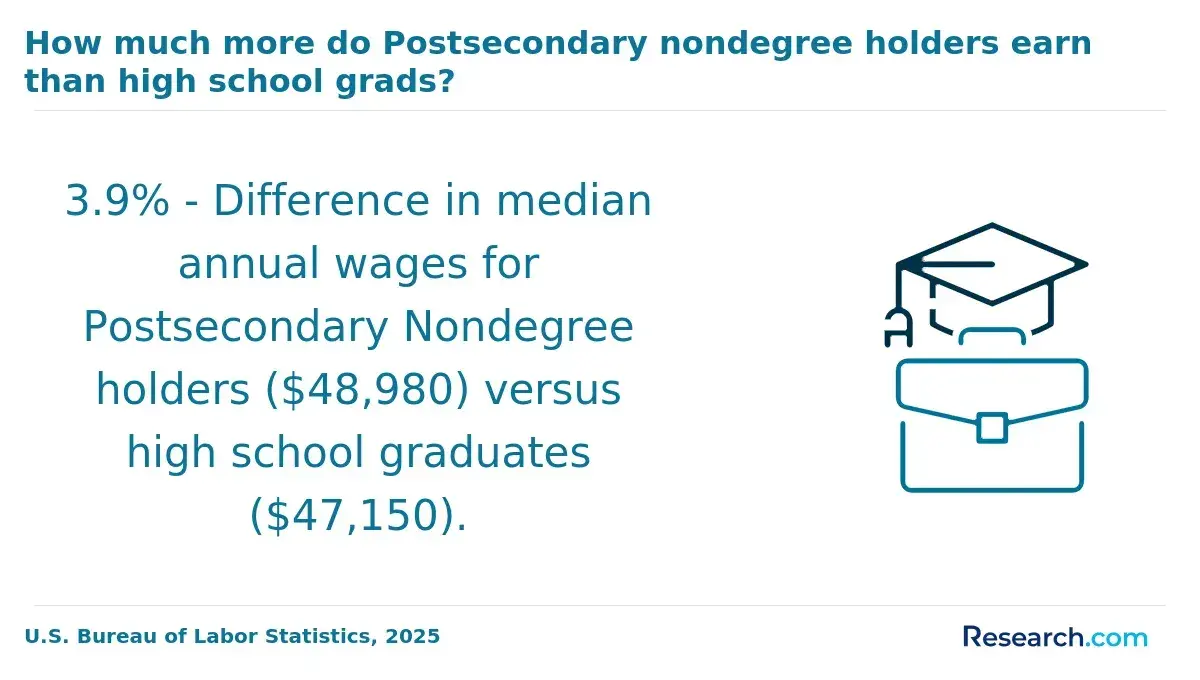
Professionals with an educational technology degree typically start with salaries about 15% higher than those relying on experience alone. For instance, instructional designers holding such degrees earn around $65,000 annually on average, compared to roughly $56,000 for non-degree holders. Over time, degree holders generally access higher-paying leadership and specialized roles, resulting in a more pronounced upward trajectory in income. In contrast, professionals without formal credentials may encounter a salary ceiling that limits long-term advancement in the educational technology career income growth comparison.
Non-degree holders can still enhance their earning potential by pursuing advanced certifications, expanding their professional networks, and continuing their education, including master's degrees when feasible. Those seeking affordable pathways to formal qualifications might explore options like a cheap online accounting degree as a model for flexible learning.
Constantly refining skills also helps professionals remain competitive and less vulnerable to economic downturns. Key skills to focus on include:
How long would it take for Educational Technology degree holders to get an ROI on their education?
Tuition for an educational technology degree typically ranges from $15,000 to $35,000, depending on the institution and program length. Graduates generally begin to see a return on investment (ROI) around 3 to 5 years after starting their careers, supported by higher salary potential compared to those relying solely on experience and self-teaching. Research indicates that degree holders can earn about 20% more on average by the fifth year post-graduation than peers without formal education in this field.
Financial aid and scholarships focused on education-related areas can significantly reduce the cost of earning this degree. Choosing accelerated or part-time study options may also help students lower total expenses and enter the workforce sooner. Additionally, internships or co-op placements provide valuable experience while studying, enhancing job prospects and speeding ROI realization.
By strategically managing educational costs and gaining relevant work experience during their studies, individuals can minimize student debt and improve long-term career growth. These approaches often lead to faster advancement and higher income, making a formal educational technology degree a worthwhile investment relative to experience alone.
Are Educational Technology degree holders less likely to be displaced by automation and economic downturns?
The educational technology field is rapidly evolving, with increased adoption of AI and automation reshaping many roles within the industry. Economic ups and downs add further uncertainty, but professionals with formal degrees often hold a stronger position when it comes to adapting to these changes. Their comprehensive training in AI integration, digital pedagogy, and data analytics equips them with skills that are more resilient against automation and layoffs during downturns.
Research highlights that degree holders face a significantly lower risk of job displacement compared to those relying solely on experience or self-teaching. Non-degree professionals often struggle to keep up with new tools and technologies, making them more vulnerable in periods of rapid change. The demand for specialists in personalized learning, education data analysis, and equity-focused tech design is growing, which tends to favor individuals with a solid academic foundation.
When I spoke with a professional who recently completed an online educational technology bachelor's degree, he shared how the program's structured coursework helped him navigate shifting job requirements with confidence. He described feelings of uncertainty during economic dips but said his ability to understand complex tech trends "reduced a lot of anxiety." He emphasized that, beyond technical knowledge, building a network through the degree program created opportunities he might have missed otherwise. "Having a degree made me feel more secure, not just because of the skills, but because it connected me to a supportive community," he explained.
Will a degree in Educational Technology make it easier to pivot into related industries?
Holding a degree in educational technology generally makes it easier to pivot into related industries compared to relying on experience alone. Degree holders often bring a more structured understanding of instructional design, learning theories, and educational software development, while those without formal training may rely more heavily on practical experience and ad hoc skills. Both backgrounds offer valuable transferable skills applicable across various sectors. Below are key areas where educational technology degree holders excel, supporting career mobility and industry pivoting.
- Corporate Training: Professionals can transition into roles such as training coordinator or instructional designer, applying skills in curriculum development and assessment strategies to enhance employee learning programs.
- E-learning Development: Opportunities exist as content creators or learning experience designers where expertise in multimedia content creation and educational software development is essential.
- User Experience Design: Skills in data analysis for learning outcomes support positions focused on optimizing digital educational platforms for better engagement and usability.
- Educational Consulting: Degree holders often serve as consultants helping institutions implement research-based pedagogical frameworks and technology integration strategies.
These transferable skills differentiate degree holders in ways that improve their career mobility and access to higher-level positions. Research shows that 68% of hiring managers prefer candidates with formal qualifications alongside practical experience, reflecting how an educational technology degree confers added credibility in competitive job markets. For students considering whether to pursue formal education or self-teach, combining both routes is beneficial.
Those interested in related fields may also explore computer science degrees online, which can complement skills developed in educational technology and further broaden career options.
What Graduates Say About Their Educational Technology Degrees
- Demi: "Graduating with a degree in educational technology truly set me apart in a competitive job market. The practical skills and hands-on experience I gained made me immediately job-ready, allowing me to contribute effectively from day one. It's clear that my degree not only opened doors but also accelerated my path to promotions and a better salary. "
- Zach: "Reflecting on my career, my educational technology degree was invaluable. It equipped me with a deep understanding of learning systems and digital tools, which proved essential for innovative project development. The credibility and specialized knowledge it offered gave me a significant advantage in securing key roles and advancing professionally."
- Jacqueline: "My educational technology degree was a game changer for my professional growth. It helped me develop critical skills that employers highly value, such as instructional design and technology integration. The degree's focus on real-world applications positioned me well for increased responsibilities, positively impacting both my career trajectory and earning potential."
Other Things You Should Know About Educational Technology Degrees
Holding an Educational Technology degree can enhance job security by providing evidence of formal training and knowledge in the field. Employers often view degree holders as having a standardized foundation that reduces onboarding time. However, extensive relevant experience can also demonstrate adaptability and practical skills valued in many organizations, balancing job security considerations.
Educational Technology degree holders typically engage in more structured continuing education through workshops, seminars, and advanced courses tied to their programs or institutions. Self-taught professionals might pursue learning more informally or independently, which can vary widely in depth and frequency. Overall, degree holders have clearer pathways to continuous learning aligned with current industry standards.
In 2027, Educational Technology degree holders may find enhanced career longevity due to formal training and networking advantages. Structured learning offers resilience through continuous industry updates, while experience alone might not ensure adaptability to evolving tech landscapes, potentially impacting long-term job sustainability.
Employers often associate degree holders with a formal approach to problem-solving grounded in research and best practices taught during their studies. Self-taught professionals might demonstrate practical and creative problem-solving skills gained through hands-on challenges. The perception varies depending on the employer, but combining formal education with experience usually strengthens this competency in the eyes of hiring managers.
References
- The rise of artificial intelligence can make college degrees 'out of date': Upskill in AI or fall behind, says expert https://www.cnbc.com/2025/06/11/report-the-rise-of-ai-can-make-college-degrees-out-of-date.html
- Maximizing ROI in Higher Education Technology https://www.academiaerp.com/blog/maximizing-roi-in-higher-education-technology-strategies-and-best-practices/
- Home https://impactcee.com/
- So you want to be an educational technologist……. | Tony Bates https://www.tonybates.ca/2019/06/28/so-you-want-to-be-an-educational-technologist/
- The Influence of Network Technology on Higher Educational Management and Its Optimization Method https://www.scirp.org/journal/paperinformation
- Self-Taught Developers vs. Developers With Degrees https://manilarecruitment.com/manila-recruitment-articles-advice/self-taught-developers-vs-developers-with-degrees-hiring-the-right-fit/
- Zespół https://www.impactinternational.com/pl/zespol
- Do Online Degrees Really Increase Salary? What the Data Shows https://www.collegetransitions.com/blog/do-online-degrees-increase-salary/
- The Role of Technology in Education: Pros and Cons https://www.quintilianschool.wa.edu.au/the-role-of-technology-in-education-pros-and-cons/
- Self-education vs formal IT education - Grade Builder - Living Courses for life and career https://gradebuilder.tech/self-education-vs-formal-it-education/


