
2027 What Do You Learn in an Educational Technology Degree: Curriculum, Skills & Core Competencies

Co-Founder and Chief Data Scientist
Many students considering an educational technology degree struggle to understand what specific knowledge and skills they will acquire and how these prepare them for a rapidly evolving workforce. Recent data shows that employment in instructional design and educational technology is projected to grow 9% by 2031, faster than average for all occupations.
This article explores the typical curriculum, essential skills, and core competencies developed through an educational technology degree. It aims to clarify what learners can expect and how this education equips them to thrive in educational and corporate technology roles.
Key Benefits of a Educational Technology Degree
- Students learn curriculum design principles that integrate technology to enhance engagement, aligned with learner needs and educational standards.
- Degree holders develop skills in instructional software, multimedia content creation, and data analytics to improve learning outcomes.
- Core competencies include project management, research methodologies, and understanding learning theories vital for effective technology integration in education.
What Is a Educational Technology Degree?
An educational technology degree is an academic program that focuses on integrating technology into teaching and learning processes. It typically falls within the broader fields of education or instructional design and is designed for those seeking to improve educational outcomes through digital tools and innovative media.
Employment in instructional coordination, closely related to educational technology, is expected to grow 6% from 2022 to 2032, reflecting steady demand in this evolving sector.
The purpose of an educational technology degree is to provide students with a solid foundation in both theory and practical applications. This includes the study of learning theories, instructional design principles, and emerging technologies tailored for diverse educational environments.
Understanding what you learn in educational technology programs is key to realizing how these skills prepare graduates to address pedagogical challenges and develop effective tech-based solutions.
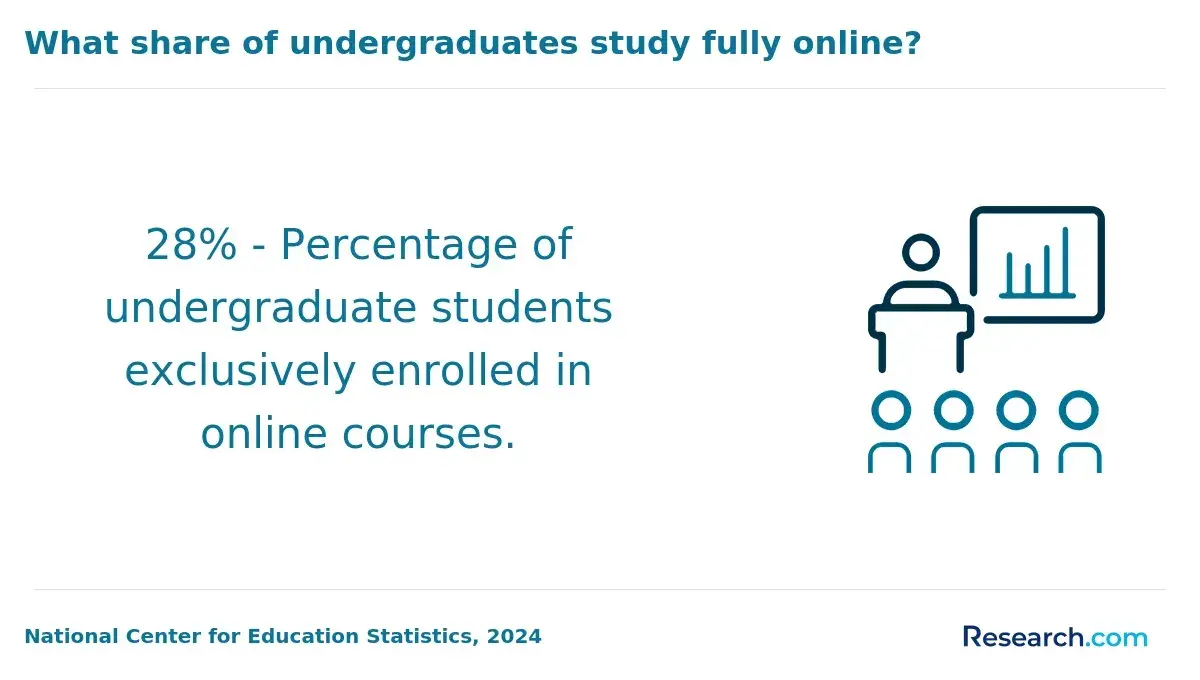
Programs are offered in various formats to suit different needs, including traditional on-campus, accelerated, and fully online options.
This flexibility aligns with current workforce trends that increasingly value professionals who can adapt content for remote or hybrid learning settings. Many prospective students also explore options for an online AI degree as part of expanding their digital competencies.
Overall, an educational technology degree equips students to meet the growing industry demand for experts who can blend education and technology effectively. This overview highlights the relevance and structure of such programs for anyone interested in advancing through this dynamic field.
What Core Courses Are Included in a Educational Technology Degree?
When evaluating an educational technology program, it is crucial to understand the core coursework that builds foundational knowledge and practical skills. This insight helps prospective students recognize how the curriculum prepares them for the evolving demands of technology-driven education roles.
Below is a breakdown of common core courses found in reputable educational technology degree programs.
- Instructional Design: This course introduces students to creating effective digital learning experiences tailored to diverse learner needs. It equips students with the ability to align content and technology in ways that enhance educational outcomes.
- Learning Theories: Focused on psychological principles of how people learn, this course helps students understand cognitive, behavioral, and constructivist approaches important for designing adaptive technology in education.
- Technology Integration: Emphasizing the practical application of hardware and software, this course prepares students to effectively implement technological tools in both classroom and corporate training environments.
- Assessment and Evaluation: Students learn methods to measure learning outcomes and assess instructional materials' effectiveness. This course fosters data-driven decision-making critical to improving education programs.
- Multimedia Development: This course covers skills in creating engaging digital content such as videos and interactive modules, vital for producing dynamic educational resources.
- Foundations of Educational Technology: Offering historical context and a survey of current trends, this course provides students with a comprehensive understanding of how educational technology has evolved and where it is heading.
These core courses define the curriculum for educational technology programs by integrating theory and practical skills that are essential for various professional roles, including instructional coordinators and e-learning specialists.
For those exploring multiple degree options, researching different fields can be helpful; for example, similar pathways exist in other disciplines like engineering degrees, and resources such as online engineering degrees provide guidance on program choices across fields.
What Specializations Are Available in a Educational Technology Degree?
Specializations in educational technology degrees enable students to focus their studies on distinct areas aligned with their career goals, enhancing both knowledge and job prospects.
Below are some of the key concentrations within educational technology that students often pursue.
- Instructional design: This specialization centers on developing effective learning materials and programs by applying educational theories and design strategies. Practitioners address challenges like curriculum development and learner motivation across sectors such as K-12 education, corporate training, and online platforms.
- E-learning development: Focused on creating and managing digital courses and training systems, this track responds to the increasing need for accessible and flexible learning solutions in higher education and workforce training environments.
- Educational data analytics: Emphasizing the use of data to refine teaching methods and learning success, professionals interpret performance metrics and evaluate tools to guide decision-making within educational organizations.
- Technology integration leadership: This area prepares students to lead change initiatives by facilitating the adoption of new technologies in schools or other institutions. Specialists concentrate on managing transitions and supporting professional growth to maximize technology's educational impact.
Breakdown of All 2-Year Online Title IV Institutions

How Long Does It Take to Complete a Educational Technology Degree?
Deciding how long to invest in an educational technology degree is crucial for managing costs, balancing work-life demands, and planning your career path. Program length varies widely, so understanding each format's timeline helps tailor your education to personal schedules and goals.
Below is a breakdown of common degree pathways and their typical durations.
- Full-time bachelor's degree: Generally completed in about four years, this traditional option follows a structured schedule with sequential coursework. It suits students who can dedicate themselves fully to their studies without major outside obligations.
- Part-time bachelor's degree: Spanning roughly six years or more, part-time study offers flexibility for working professionals or those with other responsibilities. Steady discipline is essential to progress while balancing external commitments.
- Accelerated master's degree: Designed for highly motivated learners, these programs can be completed in 1.5 to 3 years by condensing coursework and increasing weekly study load. Ideal for those seeking rapid advancement and with fewer time constraints.
- Online master's degree: Offering the widest range, these programs may be self-paced or follow a semester schedule, typically lasting between 18 months and 3 years. This path benefits individuals needing adaptability combined with quality instruction.
When I spoke with a professional who completed a hybrid educational technology program, he emphasized how the varied format presented unique challenges.
"Balancing in-person sessions with online deadlines meant constantly adjusting my time management strategies," he explained. The hybrid model allowed real-time engagement and self-directed learning, but also required rigorous planning and frequent communication with instructors.
He described periods of intense workload but found the diversity of formats ultimately enhanced his adaptability and readiness for a dynamic career in educational technology.
What Technical Skills Do Students Gain in a Educational Technology Program?
Developing technical skills is central to educational technology programs, equipping students to thrive in tech-driven learning environments. These competencies are increasingly valuable as 82% of organizations prioritize data-informed approaches in training and development.
Graduates enter the workforce ready to apply diverse technological tools and methodologies to improve education delivery.
- Learning management systems (LMS): Students gain proficiency in platforms like Moodle and Canvas to design, manage, and deliver online courses effectively.
- Multimedia creation tools: Training includes video editing and graphic design software to produce engaging and interactive educational content.
- Data analytics: Skills in data interpretation support the evaluation of learner progress and the refinement of instructional methods based on measurable outcomes.
- Instructional design models: Knowledge of frameworks such as ADDIE and SAM guides students in systematically developing effective training materials.
- Coding and customization: Basic programming skills, including HTML5 and JavaScript, enable customization of digital learning resources to meet specific educational needs.
- Immersive technologies: Experience with virtual and augmented reality tools enhances the creation of interactive and immersive learning experiences.
What Soft Skills do Educational Technology Students Develop?
In educational technology, mastering technical tools is only part of the journey; soft skills are equally vital to transforming technology into meaningful learning experiences.
Below is a closer look at the key soft skills cultivated through an educational technology program.
- Communication: Effectively conveying technical concepts to educators, students, and administrators is crucial. Strong communication fosters collaboration, builds trust, and ensures that learning solutions meet user needs.
- Teamwork: Working across disciplines including education, design, and technology is central to the field. Collaborative effort drives innovation and enables the creation of well-rounded educational tools.
- Problem-solving: Addressing educational challenges requires creativity and the ability to navigate complex scenarios. Students develop strategies to analyze issues and design practical, evidence-based solutions.
- Critical thinking: This skill supports the evaluation and refinement of technologies and teaching approaches. It encourages professionals to question assumptions and continuously improve learning outcomes.
- Adaptability: The rapid pace of technological change demands flexibility. Students learn to embrace new tools and methodologies, maintaining relevance in dynamic educational settings.
When discussing her experience, a professional who completed an educational technology degree shared how navigating group projects and real-world scenarios sharpened her collaboration and communication skills.
She recalled moments of frustration when technology didn't perform as expected but emphasized how those challenges strengthened her problem-solving and adaptability.
"Facing unexpected setbacks required me to listen carefully to my team, rethink our approach, and stay open to feedback," she reflected.
This experience not only boosted her confidence but also prepared her to lead cross-functional teams in her current role, illustrating how these soft skills are indispensable for career advancement in educational technology.
Do Educational Technology Programs Include Internships or Co-ops?
About 70% of educational technology programs in the United States integrate internships or cooperative education (co-op) experiences into their curricula. These opportunities commonly place students in environments such as schools, tech firms, educational nonprofits, or research institutions.
Often, the tasks assigned include developing instructional resources, deploying educational technologies, training users, or assessing digital learning tools. Depending on the program, these experiential components may be mandatory or optional, yet most programs emphasize at least one hands-on work experience to boost students' readiness for their professional careers.
Participating in internships and co-ops cultivates not only technical expertise but also essential professional skills like communication, teamwork, and project management.
These roles help students make industry connections and stay informed about evolving trends and challenges within educational technology. Additionally, such experiences allow students to compile portfolios of practical work, frequently leading to employment opportunities post-graduation.
Academic oversight and reflective tasks often accompany these placements, linking practical work to theoretical concepts and strengthening critical thinking for adaptable career success.
Are Certifications Included in a Educational Technology Curriculum?
Professional certifications can significantly complement an educational technology degree by validating practical skills and enhancing career readiness. These credentials demonstrate competencies that employers actively seek, bridging the gap between theoretical knowledge and real-world application.
As a result, students benefit from acquiring certifications that align with current industry standards, supporting their job placement and professional growth.
Educational technology certification programs are not always formally integrated into degree curricula, but many programs offer coursework aligned with widely recognized certifications.
When included, these certifications complement hands-on projects and help build core competencies like instructional design and technology integration.
However, students often pursue certifications independently to tailor their expertise to evolving industry demands, such as credentials from the International Society for Technology in Education (ISTE).
Combining certification with a degree can provide a competitive edge, much like choosing affordable pathways such as the cheapest online psychology degree helps balance cost and quality in education broadly.
What Types of Jobs Do Educational Technology Graduates Get?
Exploring educational technology career opportunities helps students understand the variety of roles their degree can prepare them for and how to align their skills with industry demands.
This growth reflects an increasing need for professionals skilled at integrating technology with learning, opening diverse pathways for employment.
- Instructional Designer: Instructional designers create curriculum and learning modules that engage and educate through multimedia tools and evidence-based strategies. Their work often supports K-12 schools, universities, and corporate training programs, ensuring materials are effective and accessible.
- E-learning Developer: These professionals develop online courses and interactive educational content, focusing on user experience and accessibility. They work across many industries, from education to corporate training, helping organizations deliver scalable digital learning solutions.
- Educational Consultant: Consultants advise schools and organizations on strategic adoption of instructional technology to improve educational outcomes. Their expertise helps institutions make informed decisions about tools and practices that enhance teaching and learning.
- Technology Coordinator: Technology coordinators manage and maintain educational technology resources, supporting teachers and learners in both classroom and remote environments. They ensure technologies function smoothly and align with instructional goals.
The degree equips graduates with crucial skills including learning theory, multimedia design, project management, and data analysis, applicable in education and training contexts. Many students also explore accelerated online programs to gain these competencies efficiently.
How Much Do Educational Technology Degree Graduates Earn on Average?
Understanding the earning potential for educational technology graduates is essential when evaluating the return on investment of this degree. Average salaries provide insight into what one might expect financially after completing the program.
Early-career educational technology degree average salary data indicate a typical starting range between $50,000 and $60,000 annually, providing a baseline for new professionals. This sets the stage for a closer look at how salaries progress based on experience, role, and other factors.
- Early-career salaries: Graduates entering the field often begin with salaries in the $50,000 to $60,000 range. These entry-level positions usually involve supporting instructional technology or assisting with learning management systems, laying the foundation for growth in this sector.
- Mid-career potential: With several years of experience, professionals can expect salaries between $75,000 and $90,000. Those who develop specialized skills in instructional design, technology integration, or learning analytics tend to see higher earning trajectories.
- Factors influencing pay: Salary differences are driven by experience, relevant certifications, the sector of employment, and geographic location. For example, specialists working in government or private sectors often earn more than those in K-12 education or nonprofit organizations. Urban areas with a higher cost of living generally offer greater compensation than rural regions.
For students exploring online education, understanding these salary trends is crucial when choosing from the wide variety of programs available.
Those interested in pursuing some of the easy degrees to get online may find educational technology a promising path given its blend of technological and pedagogical skills and solid earning potential.
What Graduates Say About Their Educational Technology Degree
- Jeremy: "Completing the educational technology degree was a transformative experience for me. The core curriculum, which included instructional design, learning theories, and multimedia development, provided a solid foundation in both theory and practice. The skills I gained, such as course design and technology integration, have been invaluable in advancing my career as an e-learning specialist. Considering the average cost of attendance was reasonable, I feel this program was a smart investment."
- Sonny: "Reflecting on my time in the educational technology program, I appreciate how it balanced technical skills with pedagogical knowledge. The coursework in data analytics and user experience really sharpened my ability to create learner-centered solutions. This degree opened doors to leadership roles in educational technology development, shaping my approach to problem-solving in education. It was definitely worth the investment."
- Mara: "The educational technology degree gave me the competencies to bridge technology and education effectively. Core classes like emerging technologies and digital media production challenged me to innovate and adapt quickly. Professionally, this degree has propelled me into consulting roles where I design scalable tech solutions for schools. The program's cost was justified by the career opportunities it unlocked."
Other Things You Should Know About Educational Technology Degrees
In 2027, coding is integral to educational technology programs, covering languages like Python and JavaScript. Students learn how to develop and utilize educational software, create digital learning tools, and customize existing technologies, thus enhancing their ability to innovate and meet diverse learning needs.
Yes, educational technology programs often include coursework or training on project management and leadership within educational settings. This prepares students to lead teams, manage technology implementation projects, and coordinate with various stakeholders like educators and administrators. Communication and strategic planning are key components.
In 2027, virtual reality (VR) is significantly impacting educational technology by providing immersive learning experiences. It enhances student engagement and allows for experiential learning in virtual settings, bridging the gap between theoretical knowledge and practical application across various subjects.
References
- How Much Can I Earn with a Degree in Educational Technology? - Top Masters in Education https://www.topmastersineducation.com/how-much-can-i-earn-with-a-degree-in-educational-technology/
- Internship programmes | Gdańsk University of Technology https://pg.edu.pl/en/careers-office/students/internship-programmes
- Education Technology Internships to Jumpstart Your Career https://2u.com/careers/internships/
- What Is An Educational Technology Degree? | BestCollegeReviews https://www.bestcollegereviews.org/faq/what-is-an-educational-technology-degree/
- EdTech Leadership Career Development | CoSN CETL® Certification https://www.cosn.org/careers-certification/
- Master of Education in Educational Technology https://online.csuohio.edu/online-programs-and-courses-online-graduate-programs/educational-technology
- An Overview of Specialization Options in Education Degrees https://www.euroeducation.net/articles/an-overview-of-specialization-options-in-education-degrees.htm
- How Technology Helps Students Build Soft Skills for Lifelong Success https://www.fastweb.com/student-life/articles/how-technology-helps-students-build-soft-skills-for-lifelong-success


