
2027 How to Become a Pastry Chef: Education, Salary, and Job Outlook

Co-Founder and Chief Data Scientist
Choosing to become a pastry chef offers a creative and rewarding culinary adventure. These skilled artisans transform simple ingredients into delightful desserts, pastries, and baked goods, impacting celebrations and everyday moments alike. The work demands precision, artistic flair, and dedication, blending science with creativity.
Pastry chefs often craft everything from delicate chocolates to elaborate wedding cakes, shaping flavor and presentation. This article explores the education needed, hands-on skills, and the exciting career possibilities within this flavorful world.
What are the benefits of becoming a pastry chef?
- The pastry chef profession offers creative satisfaction and hands-on skill development in baking, enhancing artistic and culinary expertise.
- Employment for pastry chefs is expected to grow by 10% by 2025, above the average for all occupations, indicating expanding opportunities.
- The average annual salary ranges from $30,000 to $50,000, with potential growth through specialization and experience in prestigious kitchens.
What credentials do you need to become a pastry chef?
Embarking on a career as a pastry chef in the United States blends creativity with formal credentials, though the path is flexible. Basic entry often starts with a high school diploma or GED, but many ambitious individuals enhance their skills through higher education. Understanding pastry chef certification requirements and the qualifications for becoming a certified executive pastry chef can be pivotal in advancing within this sweet craft.
- High school diploma or GED: Meets minimum requirements for entry-level roles, allowing aspiring chefs to gain initial experience in kitchens.
- Associate or bachelor's degree in pastry arts: Offers comprehensive culinary education, including theory, practical skills, and apprenticeships essential for mastery.
- Master's degree: Available for specialization or leadership in elite culinary environments, providing an edge in competitive settings.
- American Culinary Federation (ACF) certifications: These tiered credentials range from Certified Pastry Culinarian to Certified Master Pastry Chef, combining education with professional experience to showcase expertise.
- Food safety credentials like ServSafe Food Manager: Frequently required, with renewal terms varying by region to ensure compliance with health standards.
Preferences for formal credentials can depend on the employer or location. Luxury hotels and fine dining establishments often seek candidates with both formal education and certification, while smaller bakeries may emphasize hands-on skill and practical experience. Those interested in the very top professional tier should explore certified executive pastry chef qualifications, a significant milestone that marks leadership and craftsmanship in the field.
Ongoing learning is part of a pastry chef's journey, often supplemented by workshops, advanced certificates, or degrees that deepen culinary artistry. For those exploring credential options, consulting resources on the best certifications for high paying jobs provides valuable guidance on recognized programs and industry trends.
What skills do you need to have as a pastry chef?
Building a strong skill set is essential for anyone looking to thrive as a pastry chef. This career marries artistic flair with technical accuracy, requiring an adventurous spirit and constant learning. Mastery of diverse abilities opens the door to creating exquisite desserts that surprise and delight.
Success in pastry arts demands careful control and creative insight, alongside the ability to work smoothly within a fast-paced kitchen environment.
- Precision measurement: Ensures consistent, accurate recipes every time.
- Baking techniques: Includes skills like tempering chocolate, proofing dough, and managing ovens efficiently.
- Pastry production skills: Ability to produce quality pastries under time constraints.
- Decorating and presentation: Crafts visually appealing desserts that excite the senses.
- Ingredient knowledge: Understands how flavors and textures combine harmoniously.
- Recipe development: Innovates new menu items and experiments with novel ideas.
- Knife and tool proficiency: Handles equipment skillfully and safely.
- Sanitation and food safety awareness: Maintains a clean workspace to protect health.
- Allergen awareness: Accommodates dietary restrictions with care and knowledge.
- Time management: Juggles tasks to meet deadlines without sacrificing quality.
- Physical stamina and dexterity: Endures long hours and repetitive motions.
- Collaboration and communication: Works well within a team, sharing ideas and supporting colleagues.
- Customer service: Engages positively with clients and coworkers, enhancing the overall experience.
What is the typical career progression for a pastry chef?
Embarking on a career as a pastry chef opens the door to a dynamic world of creativity and mastery. Each step builds your expertise and leadership, offering chances to specialize or branch out into exciting new areas.
The typical career path includes:
- Commis Pastry Chef: An entry-level role focusing on foundational skills in breads, cakes, and pastries, generally requiring up to 2 years of experience and support with kitchen duties.
- Pastry Chef de Partie: A more focused position managing specific sections like plated desserts or chocolates, usually needing 2 to 5 years of hands-on experience.
- Sous Pastry Chef: In charge of multiple pastry stations and shifts, this role demands 5 to 10 years of experience and sharp organizational skills.
- Head Pastry Chef/Executive Pâtissier: Leadership at its peak, responsible for directing the entire pastry team and curating menus, often achieved after 10+ years of professional growth.
Along the way, you might specialize in areas such as chocolate craftsmanship, viennoiserie, or custom cake design. Alternatively, lateral moves could lead to rewarding roles in culinary education, food styling, or product development-each offering unique pathways beyond the traditional kitchen environment.
How much can you earn as a pastry chef?
The earning potential for a pastry chef in the United States is as varied as the desserts they create. Driven by creativity and skill, this career offers opportunities that evolve with experience, education, and location.
When exploring the average pastry chef salary in the United States for 2025, most professionals can expect to earn between $44,800 and $68,981 annually. Entry-level roles might start at around $35,900, but experienced pastry chefs working in bustling cities or luxury venues can see salaries climb above $77,850. This range reflects the wide variation in demand and specialization across the country.
Understanding pastry chef salary by experience level reveals that hands-on expertise and a strong portfolio of signature desserts significantly boost earning power. Formal education from culinary schools and specialized skills, such as mastering artisan breads or chocolate sculpture, can open doors to higher-paying positions.
Location is a key factor, with metropolitan food hubs like New York and Los Angeles offering the best opportunities for wage growth. For those considering a career change or looking to advance, pursuing the best online degrees for seniors in culinary arts could provide valuable credentials and pathways to success in this dynamic field.
What internships can you apply for to gain experience as a pastry chef?
Internships serve as gateways to real-world experience for those aiming to become pastry chefs. They provide hands-on training and open doors to diverse environments where skills can be honed-from small artisan bakeries to large-scale events. Understanding the best baking and pastry internships for experience is crucial for gaining practical knowledge and enhancing one's culinary journey in 2025.
- Culinary school internships or externships: These programs often rotate students through hotel kitchens, fine-dining restaurants, and busy bakeries, allowing them to master classic pastries and chocolate techniques under expert chefs.
- Disney Culinary Program: A corporate hospitality internship where participants create elaborate desserts in high-volume resort kitchens, focusing on recipe standardization, kitchen safety, and teamwork.
- Best Impressions Caterers: Offers a chance to explore large-scale pastry production alongside the logistics of off-site catering and event management, teaching adaptability and precision.
- Healthcare providers and hospitals: These internships specialize in nutritional baking and dietary adaptations, emphasizing allergen management and crafting healthy, patient-friendly recipes.
- International culinary internships: Gain exposure to regional pastry techniques abroad, expanding cultural awareness and refining skills in boutique hotels or renowned restaurants worldwide.
- Nonprofit organizations and schools: Interns design menus for special populations or teach basic baking skills to youth, building both leadership and communication abilities.
Integrating such internships into your career plan ensures a comprehensive skill set. For those interested in advancing education alongside practical experience, consider exploring doctorate programs without dissertation as part of your long-term goals. These varied experiences form the foundation of pastry chef internship programs 2025 and pave the way for success in this flavorful profession.
How can you advance your career as a pastry chef?
Growing as a pastry chef means embracing continuous learning and welcoming new challenges. Your journey thrives on both skill development and networking within a vibrant culinary community. Staying curious and open to fresh experiences can unlock unexpected opportunities.
- Continuing Education: Enroll in advanced pastry classes or workshops to refine your expertise in areas like sugar artistry and modern dessert presentation techniques.
- Certification Programs: Pursue credentials from respected organizations such as the American Culinary Federation to enhance your professional credibility and access more senior roles.
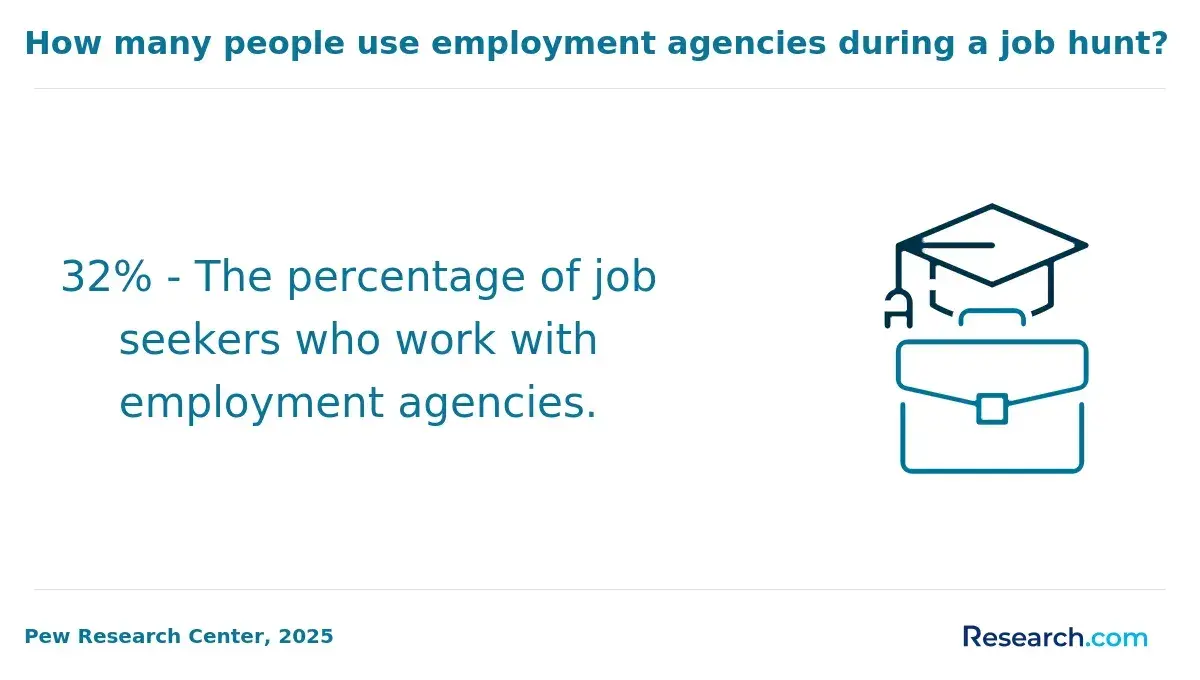
- Networking: Connect with fellow chefs, attend industry events, and become active in culinary associations to learn about job openings and emerging trends.
- Mentorship: Find guidance from experienced pastry chefs or renowned bakers who can offer valuable advice, personalized feedback, and insider industry knowledge.
- Competitions: Participate in contests to showcase your talents, push creative boundaries, and gain recognition in the pastry field.
- Collaborations and Luxury Roles: Work alongside prestigious restaurants or explore opportunities in high-end hospitality settings, including serving elite clients or aboard superyachts, to diversify your experience and broaden your professional network.
Where can you work as a pastry chef?
Exploring pastry chef jobs in the United States reveals a fascinating range of workplaces, each offering unique creative challenges and growth opportunities. Understanding where do pastry chefs work can help you envision your career path and identify environments that suit your skills and interests.
- Restaurants are among the most common workplaces, where pastry chefs design desserts to complement diverse menus while collaborating with kitchen teams at places like The Cheesecake Factory, Nobu, and local fine-dining venues.
- Hotels and resorts provide opportunities to craft elegant pastries and desserts for buffets, events, and room service in luxury brands such as Marriott, Hilton, and The Ritz-Carlton.
- Large-scale bakeries and cafés including Panera Bread, Dominique Ansel Bakery, and Whole Foods Market focus on morning pastries, breads, and seasonal specialties.
- Event venues and catering companies offer adventurous roles creating show-stopping cakes and desserts for weddings, conferences, and galas, with firms like Wolfgang Puck Catering or Aramark.
- Private environments such as luxury households or yachts involve highly personalized pastry creations for elite clients.
- Educational institutions, hospitals, and nonprofit organizations employ pastry chefs to produce nutritious and appealing options for large groups, including university dining services and healthcare systems like Kaiser Permanente.
As demand increases across various sectors, pastry chefs often explore new professional frontiers. To enter this rewarding career, many consider pursuing short degrees that pay well, focusing on gaining specialized skills swiftly to meet industry needs.
What challenges will you encounter as a pastry chef?
Entering the world of pastry arts invites creativity and precision but also demands resilience and adaptability. The path to becoming a skilled pastry chef is filled with distinct challenges that shape both your craft and career.
- Heavy workload and intense deadlines: Expect long hours, especially during busy times, where you must consistently deliver flawless pastries under significant time constraints.
- Emotional pressure: Crafting visually appealing and delicious desserts requires constant attention to detail, which can lead to stress despite the creative rewards.
- Fierce competition: Standing out in a crowded field means blending artistry with technical expertise and staying innovative to earn recognition.
- Industry shifts: Changing consumer tastes and new dietary trends challenge chefs to adapt their menus and experiment with novel ingredients or techniques.
- Regulatory compliance: Maintaining strict adherence to health and safety rules is vital, necessitating ongoing awareness of food safety standards and effective kitchen management.
What tips do you need to know to excel as a pastry chef?
Becoming a skilled pastry chef blends scientific accuracy with artistic flair. Understanding your ingredients and mastering techniques are crucial steps that allow you to create unforgettable desserts. This career invites you to balance creativity with precision every day.
- Learn the characteristics of core ingredients like flour, sugar, eggs, and butter, and how they interact under different conditions to impact your recipes.
- Develop exact measurement habits; in baking, even small deviations in temperature or quantity can alter the outcome dramatically.
- Embrace creativity by experimenting with unique fruits, herbs, and modern methods to surprise and delight with your dishes.
- Practice foundational recipes thoroughly before advancing; building strong basics prevents future limitations.
- View mistakes as valuable lessons-analyze errors, research new techniques, and keep a positive mindset focused on growth.
- Engage with the pastry community: seek advice and feedback from experienced chefs to expand your knowledge and refine your craft.
- Gain proficiency in baking math, food safety, sanitation, and managing inventory to support a professional kitchen environment.
- Hone excellent time management, as pastry work requires precise coordination for preparing, chilling, and assembling components swiftly and efficiently.
How do you know if becoming a pastry chef is the right career choice for you?
Deciding if a career in pastry arts aligns with your ambitions can spark a genuine sense of curiosity and adventure. By weighing your personality traits, work preferences, and long-term motivations, you can better understand whether this is your ideal path. Consider these important criteria to determine if a pastry chef career is right for you.
- Skills and Traits: Successful pastry chefs showcase creativity, precision, and a strong work ethic. Key skills needed to be a successful pastry chef include attention to detail and the ability to combine artistic flair with culinary technique.
- Work Environment: The role demands stamina and adaptability due to long hours-often including early mornings and weekends-in fast-paced kitchens. This can be challenging for those who prefer a steady schedule or have family obligations.
- Passion for Baking: A genuine enthusiasm for experimenting with new recipes and mastering precise techniques is crucial for sustaining motivation and growth in this field.
- Career Opportunities: Although competitive, the culinary industry offers roles in high-end restaurants, bakeries, and hotels. Exploring options within trade school jobs can provide practical pathways into the profession.
- Personality Match: Many pastry chefs are investigative and conscientious, often with a strong social responsibility. If your personality aligns with these qualities, this career may suit your long-term goals.
What Professionals Who Work as a Pastry Chef Say About Their Careers
- Pablo: "Choosing a career as a pastry chef has given me incredible job stability and salary potential. The demand for skilled pastry professionals remains strong in both restaurants and specialty bakeries, offering consistent employment and the chance to earn well over time. It's rewarding to know that my craft is valued in such a dynamic market."
- Jamir: "Working in the pastry field presents unique challenges that constantly push my creativity and precision. Every new recipe or dessert concept feels like a puzzle to solve, blending artistry with science. This career has opened doors to exciting opportunities across various settings, from luxury hotels to boutique patisseries, making every day truly diverse and inspiring."
- Brayden: "The professional development available within the pastry chef profession is remarkable. From specialized training programs to mentorship in Michelin-starred kitchens, I've been able to continuously refine my skills and advance my career. Reflecting on my journey, I appreciate how this path fosters both technical expertise and leadership growth."
Other Things You Should Know About Becoming a Pastry Chef
In 2027, aspiring pastry chefs are encouraged to pursue formal culinary education, such as an associate or bachelor's degree in culinary arts with a focus on baking and pastry. These programs often combine theoretical knowledge with hands-on training, helping students build foundational skills essential for the industry. Additionally, apprenticeships and workshops provide valuable real-world experience.
In 2027, the job market for pastry chefs is moderately competitive. With increasing interest in artisanal and specialty baked goods, opportunities are growing slightly, especially in urban areas. However, aspiring chefs should be prepared to showcase unique skills and culinary creativity to stand out.
References
- 10 Key Steps to Launching Your Journey as a Top Pastry Chef - CakeFlix https://www.cakeflix.com/10-key-steps-to-launching-your-journey-as-a-top-pastry-chef/
- Beyond the Restaurant Kitchen: Career Opportunities for Pastry Chefs - International Culinary Studio https://www.internationalculinarystudio.com/beyond-the-restaurant-kitchen-career-opportunities-for-pastry-chefs/
- Career Opportunities in Baking and Pasty https://www.hrcacademy.com/en/blog/career-opportunities-for-bakers-and-pastry-chefs/
- Sweet Craft: How to Become a Pastry Chef & What They Do https://www.parisgourmet.com/blog/how-to-become-a-pastry-chef
- The Perks Of Becoming A Pastry Chef | Chef Works https://chefworks.com.au/blogs/blog/the-perks-of-becoming-a-pastry-chef
- Become a Great Chef - Mastering in French Cooking - Cookler SAS https://cookler.com/a-complete-guide-on-how-to-become-a-pastry-chef/
- Culinary J-1 Internship & Trainee Programs in the United States - International Trainee Network https://www.itnusa.com/culinary-j1-internship-and-trainee-programs-in-usa
- Career Tree - Baking and Pastry https://www.canyons.edu/academics/culinary/careertree/careertree-baking-and-pastry.php
- 10 Surprising Facts About Working in Pastry Arts – Sarkis Pastry https://sarkispastry.com/blogs/blogs/10-surprising-facts-about-working-in-pastry-arts
- What degree do you need to be a pastry chef https://www.ecoleducasse.com/en/blog/what-degree-do-you-need-be-pastry-chef


