
2027 Is Demand for Information Systems Degree Graduates Growing or Declining?

Co-Founder and Chief Data Scientist
Graduates entering the workforce with an information systems degree often face uncertainty about long-term career stability amid rapid technological change. For example, automation and artificial intelligence are reshaping roles traditionally filled by information systems professionals. However, employment for information systems analysts is projected to grow 22% from 2020 to 2030, much faster than the average for all occupations. This article explores current demand trends for information systems degree graduates, analyzing labor market data and industry developments to provide prospective students and professionals with a clear understanding of the evolving job market and career opportunities.
Key Things to Know About the Demand for Information Systems Degree Graduates
- Demand for information systems degree graduates grows steadily, with the U.S. Bureau of Labor Statistics projecting a 15% employment increase through 2031, faster than average for all occupations.
- Emerging technologies, like cloud computing and cybersecurity, drive specialized skills' importance, influencing graduates' long-term career prospects and salary potential.
- Industry shifts toward digital transformation create diverse roles, meaning graduates focusing on data analysis or systems design often experience greater job stability and advancement opportunities.
What Factors Are Driving Demand for Information Systems Degree Professionals?
Grasping the forces driving workforce demand helps prospective students evaluate the long-term value and stability of pursuing an information systems degree. Various key drivers shape employment opportunities in this evolving field, reflecting broader industry and technological shifts.
- Industry Growth: Rapid expansion in sectors such as finance, healthcare, and retail increases the need for professionals who can manage and optimize complex information systems that support vital business operations. This growth sustains steady demand for graduates from accredited information systems degree programs.
- Technological Advancement: Innovations like cloud computing, artificial intelligence, and big data analytics have heightened the requirement for skilled workers to implement and maintain these technologies. For students interested in emerging trends, specialized AI degree programs offer valuable expertise.
- Regulatory and Policy Changes: Increasing concerns around data security and privacy, with regulations such as GDPR and HIPAA, compel organizations to hire knowledgeable information systems professionals to ensure compliance. This underscores the importance of accreditation for information systems degrees to confirm program rigor and relevance.
- Evolving Employer Skills: Employers now seek graduates who combine traditional IT infrastructure knowledge with skills in cybersecurity, data analysis, and project management, expanding the diversity of hiring needs.
- Demographic Shifts: An aging workforce and retirements in IT create openings that encourage hiring well-trained new graduates, supporting a consistent stream of job opportunities in the field.
Which Information Systems Occupations Are Seeing the Highest Growth Rates?
Employment growth rates provide vital insight for students evaluating information systems career paths, as they highlight fields with strong future demand and job security. The U.S. Bureau of Labor Statistics projects a 15% increase in computer and information technology jobs from 2021 to 2031, significantly outpacing the average for all occupations. Below are some of the information systems jobs with highest employment growth reflecting this trend.
- Data Analysts: Expected to grow by about 23% over the next decade, driven by companies' expanding need to interpret large data volumes. These roles typically require a bachelor's degree in information systems or related fields.
- Cybersecurity Specialists: Facing growth rates near 31% due to the rise in cyber threats and stricter regulatory requirements. Certifications beyond a degree often enhance opportunities.
- Cloud Computing Professionals: In high demand as many organizations migrate to cloud platforms, with growth fueled by technological adoption across industries. A bachelor's degree plus cloud certifications can be essential.
- Systems Analysts: Projected to grow 7-10%, they remain crucial in designing tech solutions that optimize business processes. A degree in information systems is generally required.
- IT Project Managers: Growing alongside digital transformation efforts, these professionals oversee technology implementations and improvements, typically requiring both a degree and managerial experience.
Students interested in pursuing these top growing information systems occupations in the United States may benefit from exploring engineering degrees online programs that offer affordable paths to relevant skills and credentials.
Which Industries Hire the Most Information Systems Degree Graduates?
Knowing which industries employ the majority of information systems graduates helps students evaluate career options and anticipate job market trends. Several key sectors stand out as major employers, each valuing the diverse skill set these graduates bring. Below are some of the top industries recruiting information systems degree holders.
- Technology and Software Development: Employers in this sector hire information systems graduates for roles such as systems analysts and software developers. These positions support innovation and maintain complex IT infrastructures, requiring both technical expertise and strategic thinking.
- Financial Services: Banks, insurance companies, and investment firms seek graduates to handle cybersecurity, risk management, and data analytics. Their work is essential in safeguarding assets and making informed financial decisions.
- Healthcare: Hospitals and medical organizations employ information systems specialists to manage electronic health records and optimize data flow for patient care. These roles support digital health initiatives and telemedicine technologies.
- Retail and E-commerce: This industry relies on information systems professionals to enhance supply chain logistics, analyze customer data, and build secure online shopping platforms that improve user experience and operational efficiency.
- Government and Public Sector: Public agencies require expertise in cybersecurity, data governance, and digital service upgrades to protect sensitive information and streamline citizen services.
The growing emphasis on data management, cybersecurity challenges, and digital transformation continues to drive demand for information systems graduates. Their education, which combines technical, analytical, and management skills, prepares them to meet evolving employer needs across these industries.
How Do Information Systems Job Opportunities Vary by State or Region?
Geographic factors play a crucial role in shaping job prospects for information systems degree holders, influencing availability, compensation, and competition. Several regional elements contribute to these differences and impact career opportunities in this field.
- High-Demand States: States like California, Texas, and New York are magnets for information systems professionals due to their robust tech ecosystems and corporate offices, providing more frequent job openings and accelerated advancement possibilities.
- Industry Clusters: Regions that specialize in sectors such as healthcare, finance, or manufacturing often require tailored information systems expertise, resulting in niche demand aligned with local economic strengths.
- Urban Versus Rural: Metropolitan areas generally offer higher salaries and a broader range of roles, whereas rural locations present fewer positions but less competition, potentially benefiting those seeking less crowded markets.
- Cost-of-Living Effects: While cities like New York offer attractive wages, the elevated living expenses may offset financial gains, making total compensation a key consideration for job seekers.
- Remote and Hybrid Work: The growth of flexible work models enables graduates to access opportunities beyond their geographic region, helping to alleviate job market disparities tied to location.
Overall, understanding these geographic dynamics helps information systems graduates make informed decisions about where to pursue employment relative to career goals and lifestyle preferences.
How Does Degree Level Affect Employability in Information Systems Fields?
The level of education, such as bachelor's, master's, or doctorate degrees, plays a crucial role in shaping job opportunities, career advancement, and competitiveness in the information systems field. Different degree levels offer varying advantages for employability and professional growth. Below is a breakdown of how each degree impacts career prospects in this sector.
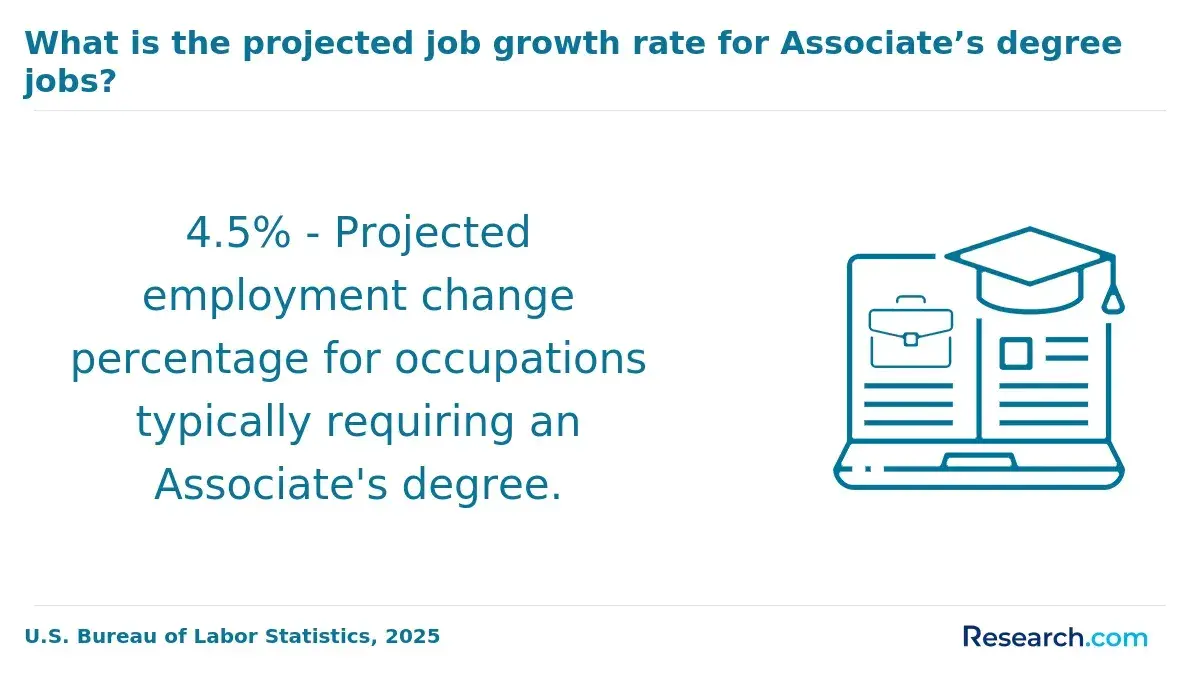
- Associate Degree: This degree generally prepares individuals for entry-level positions like IT support or technician roles. It offers a quicker entry into the workforce but may restrict opportunities for upward mobility in information systems careers.
- Bachelor's Degree: Serving as the most widely held qualification, a bachelor's degree equips graduates with comprehensive skills suitable for mid-level roles including systems analyst or developer. It significantly enhances employability across a broader job market and supports steady career growth.
- Master's Degree: Focused on advanced technical knowledge and leadership, this degree enables professionals to pursue specialized and managerial positions such as IT project manager or data architect. Advanced information systems degrees and job market advantages become more pronounced at this level. For those exploring other fields, there are opportunities such as an online masters degree psychology which also impact employability.
- Doctorate Degree: Targeted at research, academic roles, or executive leadership, the doctorate is less common but essential for specialized careers in information systems research or higher education. It positions holders for senior roles requiring deep expertise.
Choosing the right degree level significantly affects how degree level impacts employability in information systems careers and sets the foundation for long-term success.
What Skills Are Employers Seeking in Information Systems Graduates?
Grasping the essential skills sought by employers is vital to stand out and succeed in information systems careers. These competencies form the foundation for making meaningful contributions to technology and business objectives. Below are key abilities that professionals in information systems should cultivate to meet industry expectations.
- Technical Expertise: Proficiency with programming, system design, and database management equips graduates to develop and maintain robust information infrastructures tailored to organizational needs.
- Analytical Thinking: The capacity to analyze complex datasets and extract actionable insights supports strategic decisions and enhances operational efficiency.
- Security Awareness: Familiarity with cybersecurity measures is critical to safeguarding sensitive data and mitigating risks posed by evolving digital threats.
- Leadership in Project Execution: Effective coordination and oversight of projects ensure timely delivery and alignment with business goals, fostering successful technology implementations.
- Clear Communication: Bridging the gap between technical teams and business stakeholders through concise explanations helps drive collaboration and shared understanding.
When I spoke with a recent graduate of an information systems program about employer priorities, he emphasized how unpredictable work environments tested his adaptability. "In one internship, projects shifted rapidly, and I had to learn on the fly while managing multiple priorities," he shared. He noted that beyond technical skills, employers valued candidates who could stay calm under pressure and "translate complex ideas simply," which made teamwork more effective. Facing real-world challenges taught him that success relied on combining these soft skills with technical knowledge to respond to evolving demands confidently.
How Does Job Demand Affect Information Systems Graduate Salaries?
Fluctuations in job demand directly impact starting salaries, wage growth, and long-term earning potential for information systems graduates by altering the balance between labor supply and employer needs. For example, the U.S. Bureau of Labor Statistics notes that the median annual wage for computer and information systems managers was around $159,010, highlighting the financial value of expertise in this field. The following points outline key ways demand shapes salary trends for information systems graduates.
- Starting Salaries: Higher demand for qualified graduates combined with limited supply pushes starting salaries upward, as employers compete to secure capable candidates early in their careers.
- Wage Growth: Sustained demand accelerates wage increases, with companies offering raises and bonuses to retain skilled professionals amid competitive labor markets.
- Long-Term Earnings: Graduates specializing in high-demand skills often see a rise in long-term earning potential, benefiting from persistent market needs and career advancement opportunities.
- Market Downturns: Oversupply or economic slowdowns can stall salary growth and reduce job openings, leading to stagnation or even decreases in compensation over time.
How Is AI Changing Demand for Information Systems Professionals?
Rapid advances in artificial intelligence are redefining workforce demands within information systems. A recent global study indicates that nearly two-thirds of companies plan to accelerate AI adoption, leading to a projected 40% rise in demand for professionals with AI-related expertise over the next five years. This transformation reshapes roles and the skills needed in the field.
The main effects of AI on information systems careers include:
- Automation of Routine Tasks: AI handles repetitive activities like data entry and system monitoring, reducing the need for entry-level positions focused on these chores, but freeing professionals to concentrate on higher-value responsibilities.
- Emergence of Specialized Roles: New positions such as AI project managers, machine learning engineers, and AI ethics officers are becoming essential, expanding opportunities for those with advanced technical and ethical training.
- Evolving Skill Requirements: Employers now seek expertise in integrating AI with existing systems, ensuring cybersecurity within AI frameworks, and managing complex data governance challenges.
- Industry-Specific Demand Shifts: Sectors like healthcare, finance, and manufacturing increasingly prioritize information systems talent capable of supporting innovative AI applications, creating niche but stable career paths.
When I asked a recent graduate of an information systems degree program about her perspective on AI's influence, she reflected thoughtfully. "At first, I felt overwhelmed learning AI concepts alongside traditional skills," she said. "But as I specialized in AI integration, I noticed more job openings that valued this hybrid knowledge." She described challenges in keeping pace with rapid AI developments but remains optimistic, noting that adaptability has been key to her growing confidence and career stability. "It's about embracing continuous learning; that's what's sustaining my journey in this evolving field."
Is Information Systems Considered a Stable Long-Term Career?
Long-term career stability is an important consideration for students and professionals evaluating information systems career paths, as it impacts financial security and professional growth. Several key factors influence the stability of a career in this dynamic field.
- Consistent Growth: Long-term employment trends reveal a steady increase in demand for information systems professionals. This growth reflects the expanding role of technology across industries, contributing to a positive long-term job outlook for information systems graduates in the United States.
- Industry Reliance: Nearly every sector, including finance, healthcare, manufacturing, and government, depends heavily on information systems to maintain efficient operations. This widespread reliance lowers the risk of job obsolescence, providing a broad base of opportunities and enhancing job security.
- Technological Adaptability: Careers in information systems require continuous learning to keep up with evolving technologies such as cloud computing, artificial intelligence, and big data analytics. This adaptability allows professionals to stay relevant and adjust to economic shifts, making the career more resilient.
- Career Advancement: Many employers support professional growth through training and reskilling programs. Clear progression paths-from analyst roles to management or highly specialized positions-offer multiple avenues for advancement, reinforcing the long-term viability of careers in information systems.
Students seeking affordable and credible education options may consider exploring most affordable online colleges catering to information systems studies, which can be a strategic starting point for entering this stable and evolving field.
Is a Information Systems Degree Worth It Given the Current Job Demand?
The demand for information systems degree graduates remains robust, supported by steady hiring and positive employment projections. According to the U.S. Bureau of Labor Statistics, careers in IT and related fields are expected to grow at a faster-than-average pace over the next decade due to increasing reliance on digital infrastructure and data management. This sustained growth contributes to favorable job opportunities, especially in roles that require a solid foundation in information systems. Prospective students should be aware that the information systems degree job growth in the US remains strong, reflecting a healthy and expanding job market.
Career success with an information systems degree also depends on factors such as degree level, skill relevancy, and industry demands. Bachelor's degrees typically qualify graduates for entry-level positions, whereas master's degrees can improve access to specialized or leadership roles. Aligning technical skills with areas like cybersecurity, data analytics, cloud computing, and software development is critical, as is gaining industry-specific knowledge for sectors like finance and healthcare. Many students enhance their credentials through certifications or related experience, and those interested in accelerated advanced degrees can explore 1 year masters programs online. Overall, the value of information systems degree for career stability depends on continuous learning and adapting to new technologies within this evolving profession.
What Graduates Say About the Demand for Their Information Systems Degree
- Riggs: "Pursuing an information systems degree was a turning point in my life because it merged my passion for technology with practical business solutions. The ROI on this degree became evident within a year when I landed a role that significantly increased my earnings and career growth opportunities. This program equipped me with the skills to approach problems strategically, setting me apart in a competitive job market. "
- Curtis: "Reflecting on my decision to study information systems, I appreciate how it broadened my understanding of how technology supports organizational goals. The degree offered a solid return on investment by opening doors to leadership roles I hadn't previously considered. It fundamentally changed my career trajectory by enabling me to bridge the gap between tech teams and management effectively. "
- Waylon: "Choosing an information systems degree was a professional investment that paid off beyond just financial gains. The comprehensive curriculum helped me develop a versatile skill set that's in high demand, making me adaptable in an ever-evolving industry. My career advancement since graduating highlights how valuable this degree is for anyone serious about long-term success in the tech world. "
Other Things You Should Know About Information Systems Degrees
In 2027, the demand for information systems graduates is expected to steadily grow, driven by advancements in digital technologies and the need for skilled professionals in data management, cybersecurity, and systems integration. Students should focus on acquiring skills in these areas to enhance their marketability.
While not always mandatory, certifications like Certified Information Systems Security Professional (CISSP) or Certified Information Systems Auditor (CISA) can enhance job prospects for information systems graduates in 2027, showcasing expertise in specialized areas and aligning with employer preferences.
The demand for information systems graduates in 2027 is influenced by advancements in technology, the rise of data-driven decision-making, and the growing need for cybersecurity expertise. As organizations further integrate technology into operations, professionals skilled in these areas are increasingly valuable.
References
- The 2024 Information Systems Job Index Full Report is Now Available https://aisnet.org/news/688508/The-2024-Information-Systems-Job-Index-Full-Report-is-Now-Available.htm
- Career Outcomes - Information Systems, MS | University of San Francisco https://www.usfca.edu/management/programs/graduate/information-systems/career-outcomes
- Master’s in Information Technology: Salary and Career Outlook | Champlain College Online https://online.champlain.edu/blog/masters-information-technology-salary-and-career-outlook
- 5 Critical Skills for Business Information Systems Graduates | UAGC https://www.uagc.edu/blog/5-critical-skills-for-business-information-systems-graduates
- Why an Information Systems career is future-proof https://www.torrens.edu.au/stories/blog/business/why-an-information-systems-career-is-future-proof
- Careers in IT: Lucrative Fields for Recent Grads https://www.onlinemastersdegrees.org/careers/information-technology-it/
- State Map for Computer Systems Analysts at My Next Move https://www.mynextmove.org/profile/state/15-1211.00
- What Can You Do With an Information Systems Degree? https://www.park.edu/blog/what-can-you-do-with-an-information-systems-degree/
- The 10 most in-demand tech jobs for 2025 — and how to hire for them | CIO https://www.cio.com/article/230935/hiring-the-most-in-demand-tech-jobs-for-2021.html
- The 10 Best States for Tech Jobs - tripleten.com/blog https://tripleten.com/blog/posts/top-10-u-s-states-for-tech-professionals


