
2027 Questions to Ask About Online Information Systems Degree Programs Before You Enroll

Co-Founder and Chief Data Scientist
Many prospective students struggle to choose the right online information systems degree program amid a surge in options. Enrollment in information systems programs increased by 15% over the past five years, reflecting growing demand in the tech workforce.
However, not all programs offer the same quality, career support, or alignment with industry needs. Inadequate preparation can delay entry into the field or limit job opportunities.
This article outlines critical questions to ask about program accreditation, curriculum relevance, career services, and total costs, helping students make informed decisions that enhance their educational and professional outcomes.
Key Benefits of Enrolling in Online Information Systems Degree Programs
- Online information systems programs offer significant flexibility, allowing students to learn asynchronously and balance studies with professional and personal commitments.
- Cost savings are substantial, as online formats often reduce expenses related to commuting, housing, and campus fees, making degree completion more affordable.
- Students can achieve a better work-life balance by integrating coursework into their schedules, with studies showing 60% of online learners appreciate this flexibility in managing job and family duties.
Is the Online Information Systems Degree Program Accredited?
Accreditation is essential when evaluating an online information systems degree program because it ensures the curriculum meets established standards of quality and rigor. This recognition impacts how employers value the degree and whether graduates qualify for professional licensure in many information systems careers.
National data shows that about 85% of students in online programs are enrolled in accredited schools, emphasizing how important accredited online information systems programs are for maintaining educational quality and improving job prospects. Key accrediting bodies for these programs include the Accrediting Board for Engineering and Technology (ABET), especially its Computing Accreditation Commission, as well as regional accreditors such as the Higher Learning Commission (HLC) and the Middle States Commission on Higher Education (MSCHE).
Prospective students should prioritize verifying accreditation before enrollment to ensure their education is credible and supports future licensure requirements. Reliable steps include checking the U.S. Department of Education's Database of Accredited Postsecondary Institutions and Programs, visiting official websites of ABET or regional accreditors, and contacting admissions offices for documentation. Doing so helps confirm the program's legitimacy and long-term value.
For those also exploring other online graduate options, a well-regarded SLP online masters program can serve as a model for how accreditation influences career outcomes and program quality.
What Are the Admission Requirements for Online Information Systems Programs?
Carefully reviewing admission requirements is critical for prospective students evaluating online information systems programs to ensure they meet academic standards and are prepared for success. These criteria help verify that applicants have the necessary skills and background before enrollment.
Below are the key considerations for admission to such programs.
- Educational Background: A high school diploma or equivalent is typically a minimum requirement, confirming readiness for college-level coursework. Some programs may ask for transcripts demonstrating satisfactory performance in mathematics and computer-related subjects to ensure foundational knowledge.
- Standardized Test Scores: Many online information systems programs require SAT or ACT scores to assess quantitative and analytical skills. However, some may waive this requirement based on prior education or relevant experience, accommodating different applicant backgrounds.
- Work Experience: Relevant IT or related work experience can strengthen an application by demonstrating practical knowledge and commitment to the field. This is particularly valued in programs that emphasize applied learning and real-world skills.
- Letters of Recommendation and Personal Statements: These components allow admissions committees to evaluate an applicant's motivation, career goals, and suitability for the program, providing insights beyond academic metrics.
- Language and Computer Proficiency: Proficiency in English and basic computer literacy are often mandated to ensure students can fully engage with the curriculum and online learning platforms.
Meeting the specific admission criteria for online information systems degrees is essential for a successful start. Prospective students should compare requirements carefully when deciding on programs, just as they would for other types of degrees including online engineering degrees.
What Classes Do You Take in an Online Information Systems Program?
Choosing the right online information systems program requires careful attention to the curriculum, as it directly impacts career readiness and job placement. Studies show that about 60% of graduates quickly secure positions related to their studies, highlighting the value of targeted coursework.
Understanding the various class types provides insight into how programs prepare students for dynamic tech roles. Online information systems programs generally include three main categories of courses:
- Core courses: These foundational classes cover essential topics such as database systems, programming fundamentals, network architecture, and systems analysis. They equip students with both theoretical knowledge and practical skills critical for a wide range of information systems positions.
- Elective courses: Electives offer opportunities to deepen expertise or explore new areas like cybersecurity, cloud technologies, data analytics, or project management. This flexibility allows students to customize their learning paths in line with evolving industry needs and personal career goals.
- Applied learning: While not always formal internships, many programs integrate case studies, simulations, or capstone projects where students solve real-world problems, strengthening their critical thinking and teamwork abilities.
A student currently enrolled in an online information systems degree shared his experience navigating the coursework. He described the initial overwhelm of balancing dense technical material with time management but emphasized how each class gradually built confidence.
"Some of the programming assignments felt like puzzles at first," he said, "but working through them taught me to break down complex problems step-by-step." He appreciated the variety of electives, noting they helped him discover new interests and stay motivated. Reflecting on the sequence of courses, he remarked that the blend of technical and strategic topics prepared him well for the challenges he anticipates in the workforce.
Breakdown of Private Fully Online Nonprofit Schools

How Long Does It Take to Complete an Online Information Systems Degree?
Knowing how long an online information systems degree takes helps students plan their education alongside career and personal goals. Program duration impacts tuition expenses, schedule flexibility, and the timing of workforce entry or advancement.
Below are common timelines and considerations for completing an online information systems degree:
- Full-Time Study: Typically requires about four years to complete when enrolled continuously. This path suits those who can focus primarily on their studies without extended breaks or outside commitments.
- Part-Time Study: Often takes five to six years or more to finish, as students balance coursework with jobs or family responsibilities. This extends the overall timeline but allows for greater flexibility.
- Accelerated Programs: Designed to be completed in two to three years by increasing course loads or shortening breaks. These options demand a higher time commitment but enable quicker graduation.
- Practical Components: Some degrees include internships or project-based work that may lengthen program length. Although this adds time, it enhances hands-on experience and job readiness by integrating real-world learning.
Does an Online Information Systems Program Require Internships or Practicums?
Many online information systems programs incorporate internships or practicums, but requirements vary by school. These practical components often extend for a semester and involve working with organizations in roles like systems analysis or IT management, while practicums tend to be more focused, faculty-guided projects addressing specific technical issues.
Such experiences are crucial for developing workplace skills and can impact eligibility for certain certifications or professional advancement. Over 70% of students engaging in internships report improved job prospects after graduating, highlighting the value employers place on tangible industry exposure.
Prospective students should carefully review whether hands-on requirements are mandatory or optional, the possibility of remote completion, and how these experiences align with their personal schedules and career goals.
When I asked a graduate of an online information systems program about her experience with internships, she shared that juggling a full-time job with internship hours was initially overwhelming but ultimately rewarding. "I had to negotiate a flexible schedule with my employer and the company hosting my internship," she explained, "which taught me crucial time management skills."
Though the process required persistence, she found the real-world problem-solving tasks invaluable for cementing theoretical knowledge. She recalled feeling a mix of anxiety and excitement when starting her practicum but valued how it boosted her confidence in technical discussions. Her story illustrates how even challenging internships in online programs can provide meaningful and practical preparation for a successful career in information systems.
Can You Get Licensed with an Online Information Systems Degree?
Graduates of online information systems degree programs can pursue professional licensure in specialized areas. However, unlike nursing or engineering, information systems has no single universal license. Instead, industry-recognized certifications like the Certified Information Systems Security Professional (CISSP) or Certified Information Systems Auditor (CISA) serve as key credentials.
Typically, candidates must meet educational requirements, pass comprehensive exams, and complete relevant work experience. Many online programs incorporate these certification criteria into their curriculum, offering dedicated courses and exam preparation resources to help students meet licensing requirements for online information systems degrees effectively.
Licensure readiness is a vital factor for students comparing online information systems programs because it impacts employability and career advancement prospects. Surveys indicate that over 70% of employers in the IT sector prefer candidates with professional certifications or licenses, emphasizing their value in job markets.
Prospective students should verify program accreditation and support for certification exams, such as access to exam vouchers or aligned coursework. Additionally, programs that parallel licensure pathways, much like accredited marriage and family therapy programs online ensure students understand the typical experience requirements for their targeted careers, helping them plan their professional journeys successfully.
How Much Do Online Information Systems Programs Cost?
Knowing the full cost of online information systems programs helps prospective students make informed decisions that align with their financial situations and career goals. Tuition rates for these programs vary widely, with an average annual increase of 3% to 5%, reflecting growing demand and rising institutional expenses.
Typical expenses associated with online information systems program tuition fees include the following:
- Tuition per credit: Tuition typically ranges from $300 to $1,200 per credit hour depending on whether the institution is public, private, or highly prestigious. Programs with specialized concentrations or accelerated formats often charge more per credit, influencing the overall cost of degree completion.
- Mandatory fees: These usually cover registration, access to digital libraries, and student support services. Some schools also impose technology fees to maintain and upgrade online learning platforms that enhance remote education.
- Course materials and technology: Students should budget for textbooks, required software licenses, and reliable internet access. These supplemental costs can add several hundred dollars per semester and vary based on program requirements and format.
Comparing the average cost of online information systems degrees requires considering all these components to accurately assess total expenses and evaluate value.
Additionally, students pursuing an accelerated bachelor's degree may face distinct pricing structures that reflect the condensed curriculum and faster completion timelines, which can impact affordability and financial planning.
What Financial Aid Is Available for Online Information Systems Students?
Understanding financial aid options is crucial for prospective online information systems students to effectively manage program costs and reduce financial barriers. Nearly 70% of undergraduate students utilize some form of financial assistance, reflecting the widespread availability and importance of aid in higher education.
Exploring scholarships and grants for online information systems degrees can make education more accessible. The following are key financial aid types available to students pursuing these programs:
- Federal Grants: These are need-based awards like the Pell Grant that do not require repayment. Eligibility is determined via the FAFSA application, providing crucial support to students demonstrating financial need.
- Scholarships: Merit- or need-based scholarships are often offered by private organizations or professional associations in information technology fields. These awards usually require an application and specific academic or professional criteria, significantly easing tuition expenses.
- Federal Student Loans: Low-interest loans accessible through FAFSA help cover program costs but must be repaid post-graduation. Flexible repayment terms allow students to manage debt according to their financial situation.
- Work-Study Programs: These provide part-time employment opportunities for students with demonstrated financial need, allowing them to earn income that offsets educational costs while gaining relevant experience.
Students combining multiple financial aid sources typically experience greater tuition reduction and improved financial stability throughout their studies. Investigating all available options, including specific aid for online information systems students, is recommended before enrollment.
For those comparing program costs and career outcomes, reviewing resources on top online degrees can provide valuable insights into the return on investment for online information systems degrees and related fields.
What Jobs Can You Get With an Online Information Systems Degree?
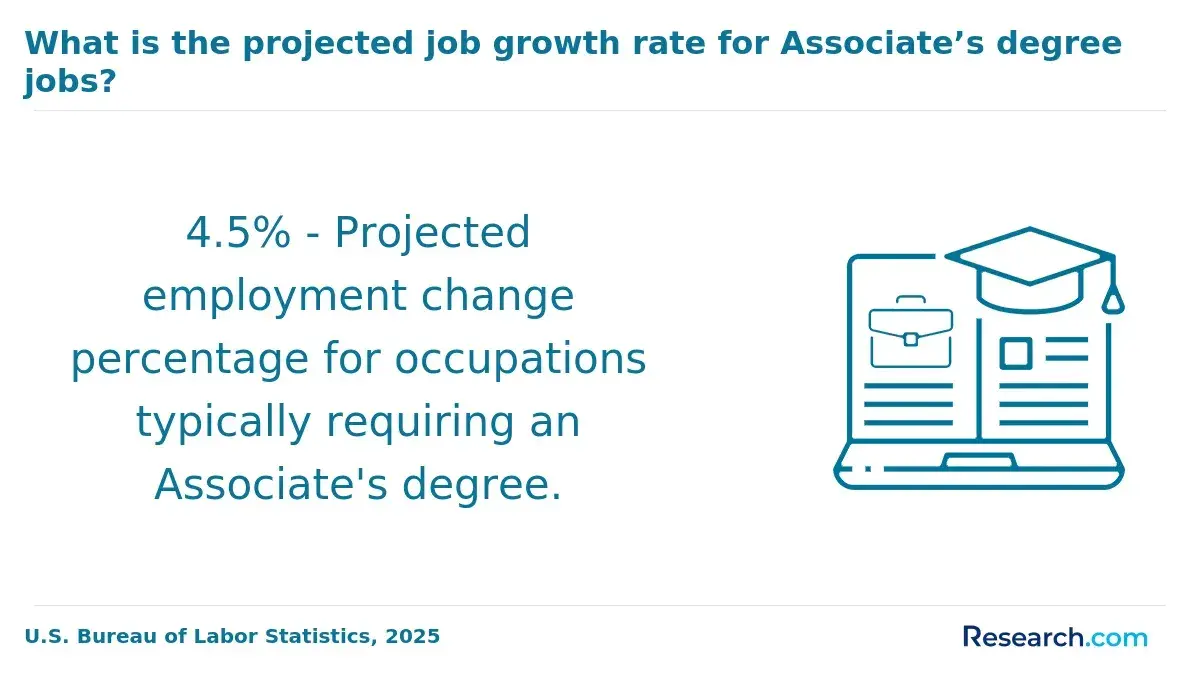
Knowing the career opportunities linked to an online information systems degree helps prospective students make informed decisions aligned with their goals. The Information Systems field is expected to grow by 15% over the next decade, reflecting strong demand for skilled professionals.
Below are typical roles graduates can pursue with this degree.
- Systems Analyst: Analyze and improve IT systems within organizations to enhance efficiency and meet business needs. Graduates use their skills to evaluate software and hardware solutions, often advancing to project management or IT consulting roles.
- Data Analyst: Interpret complex datasets to guide strategic decision-making. The degree provides a foundation in database management and analytics tools, supporting career growth toward data science or business intelligence positions.
- IT Consultant: Advise companies on technology integration and process improvements. With an information systems background, graduates are prepared to recommend effective IT strategies and can progress to senior advisory or managerial roles.
- Network Administrator: Manage and maintain organizational networks, ensuring security and performance. This role benefits from understanding systems architecture and prepares students for certifications and advanced network engineering careers.
- Database Administrator: Oversee the storage, organization, and security of data within companies. Graduates develop skills in database design and administration, often moving into senior or specialized database management roles.
What Is the Average Salary for Online Information Systems Graduates?
Knowing salary potential helps prospective students assess the value of online information systems programs and align their education with career expectations. Recent data shows the median annual wage for information systems graduates in the U.S. is around $90,000, with job growth projected at 15% through 2032, outpacing many other fields.
Several important factors influence the earnings of online information systems graduates:
- Level of education: Higher degrees like a master's or relevant certifications can open doors to specialized or management roles, typically leading to better pay. Advanced qualifications demonstrate expertise that employers often reward.
- Specialization: Focusing on in-demand areas such as cybersecurity, data analytics, or cloud computing generally results in higher salaries. Employers pay premiums for skills that address current market needs and security concerns.
- Experience: Entry-level positions offer modest compensation, but salary usually grows with years of practical experience, technical proficiency, and proven project achievements. These factors signal valuable contributions to employers.
- Geographic location: Pay scales vary depending on the region; larger cities and technology hubs tend to offer greater salaries to offset higher living expenses. Remote work opportunities can also influence location-based pay differences.
- Work setting: The type of employer, whether a private company, a government agency, or a consulting firm, affects salary and benefits. Some sectors provide more competitive compensation packages than others, reflecting budget priorities and job demands.
What Graduates Say About Enrolling in an Online Information Systems Degree
- Krisha: "I was initially drawn to the online information systems degree by its cost-effectiveness and the ability to study at my own pace. The program was well-structured, and the real-world applications taught helped me immediately in my job. Obtaining this degree has opened doors to leadership roles I previously thought were out of reach."
- Weston: "Reflecting on my decision to enroll, the reasonable tuition for the online information systems program made it a practical choice. The experience was challenging yet rewarding, with interactive coursework and helpful instructors. This degree gave me the confidence and skills to transition into IT management, greatly advancing my professional journey."
- Haji: "I chose the online information systems degree because it was remarkably affordable, costing much less than traditional programs while still delivering quality education. The flexible online format allowed me to balance work and study efficiently, and the curriculum was up-to-date with industry trends. Since graduating, I've seen significant career growth, landing a senior analyst position sooner than I expected."
Other Things You Should Know About Information Systems Degrees
Faculty expertise greatly influences the quality of education in information systems programs. Instructors with professional experience and advanced degrees in relevant fields bring practical insights and current industry knowledge. Prospective students should look for faculty profiles highlighting research, certifications, and work experience to assess teaching quality.
Many reputable online information systems programs provide career services such as resume reviews, interview preparation, and job placement assistance. Some also facilitate networking through virtual events, discussion boards, and alumni connections. These resources help students build industry relationships and improve their chances of employment after graduation.
Top online programs strive to offer virtual access to labs, software, and databases necessary for coursework. Students often use cloud-based platforms or specialized software provided by the institution to complete assignments. Confirming the availability and accessibility of these technical resources before enrolling is key to ensuring a smooth learning experience.
References
- Online Bachelor's Degree in Information Technology (IT) https://csuglobal.edu/academic-programs/undergraduate-degrees/bachelors-degree-information-technology
- Information Systems https://www.trine.edu/online/degrees/engineering-technology/online-information-systems-bachelor.aspx
- Online Computer Information Systems Degree | DeVry University https://www.devry.edu/online-programs/bachelors-degrees/computer-information-systems.html
- Online Computer Information Systems B.S. https://www.slu.edu/professional-studies/programs/computer-information-systems-bs.php
- Online Tuition-Free Master's Degree in Information Technology (MSIT) https://www.uopeople.edu/programs/online-masters/information-technology/
- Information Systems https://www.accredit.org/universities/information-systems/
- How to Earn an IT Degree Online | University of Phoenix https://www.phoenix.edu/articles/it/how-to-earn-an-it-degree-online.html


