
2027 Is Demand for Software Development Degree Graduates Growing or Declining?

Co-Founder and Chief Data Scientist
Many students face uncertainty when choosing degrees that promise stable careers. For those considering a software development degree, concerns about job availability and industry demand are paramount. The U. S. Bureau of Labor Statistics projects a 22% growth in software developer employment from 2020 to 2030, signaling strong demand. However, graduates must assess whether this trend translates to opportunities aligning with their skills and expectations. This article examines current demand trends for software development degree graduates, analyzing employment prospects and industry shifts to help readers make informed decisions about pursuing this educational path.
Key Things to Know About the Demand for Software Development Degree Graduates
- Employment for software development degree graduates is strong, with the U.S. Bureau of Labor Statistics projecting 22% job growth from 2020 to 2030, much faster than average.
- Industry shifts toward cloud computing, AI, and cybersecurity are increasing demand for graduates with specialized skills, making certain concentrations more valuable long-term.
- Automation and low-code platforms may reduce entry-level roles, so continuous skill development is vital to maintain career growth and adaptability in changing markets.
What Factors Are Driving Demand for Software Development Degree Professionals?
Awareness of the key factors driving workforce demand helps prospective students evaluate the long-term value and stability of a software development degree. These influencing forces shape the employment landscape and guide informed decisions about education and career choices. Below are the main drivers shaping demand for software development professionals.
- Industry Growth: The expanding technology sector fuels sustained demand for software developers who build, maintain, and innovate digital solutions. Businesses increasingly rely on software to enhance operations, driving long-term growth in job opportunities.
- Technological Advancement: Rapid progress in fields like artificial intelligence, machine learning, cloud computing, and cybersecurity necessitates developers with current expertise capable of implementing complex systems and keeping pace with emerging trends.
- Regulatory Changes: Stricter data privacy laws and cybersecurity regulations prompt organizations to upgrade software capabilities and ensure compliance, creating new roles for development talent focused on security and legal adherence.
- Demographic Shifts: The growing global dependence on digital services and mobile technology expands the user base and increases demand for accessible, user-friendly software applications.
- Evolving Employer Skills: There is rising emphasis on proficiency in multiple programming languages, agile practices, and collaborative tools. Employers value continual learning, reinforcing the importance of a software development degree accreditation standards in the US that emphasize comprehensive, up-to-date training.
Prospective students should also consider the MBA programs as complementary options to enhance management skills and career versatility in tech fields.
Which Software Development Occupations Are Seeing the Highest Growth Rates?
Growth rates are a key indicator for students evaluating Software Development career paths as they highlight areas with strong job security and demand. The U.S. Bureau of Labor Statistics projects overall employment to grow 5% from 2021 to 2031, signifying that some fields will experience even higher expansion. Below are some of the top growing software development jobs by industry sector, reflecting promising opportunities.
- Application Developers: Expected to grow about 25%, driven by the rising demand for mobile and web applications across industries. These roles typically require a bachelor's degree in computer science or a related field.
- Software Quality Assurance Analysts: Projected growth of 22% as complex software environments necessitate thorough testing and quality control. Candidates often hold degrees in software development or computer science, sometimes with specialized certifications.
- DevOps Engineers: Growing around 23%, fueled by widespread adoption of cloud platforms and continuous integration/continuous deployment practices. Most positions require a bachelor's in a relevant area and hands-on experience with cloud technologies.
- Cybersecurity Software Engineers: Experiencing growth near 30%, reflecting increased cyber threats and stricter regulatory demands. This role generally requires a bachelor's degree with some emphasis on security or cybersecurity certifications.
- Data Engineers: With growth around 20%, this field supports big data analytics and AI applications. Prospective professionals typically need a bachelor's degree and skills related to data management and software development.
When considering career paths, pursuing an online engineering degree can provide flexible options and foundational education for these growing roles. Students interested in which software development occupations are seeing the highest growth rates in the United States should prioritize those aligned with industry trends and digital transformation for long-term career success.
Which Industries Hire the Most Software Development Degree Graduates?
Knowing which industries hire the most software development degree graduates enables students to make informed decisions about career paths and long-term job security. Below are some key sectors that actively recruit these professionals.
- Technology and Software Services: This field employs developers for building applications, managing cloud infrastructure, and maintaining various digital platforms. The rapid advancement of technology continues to boost demand for both front-end and back-end developers.
- Finance and Banking: Software developers in this industry focus on secure systems like trading software and mobile banking apps. The growing need for cybersecurity and digital solutions sustains steady employment opportunities.
- Healthcare and Medical Technology: Professionals create electronic health record systems, telehealth applications, and patient monitoring tools. The sector's commitment to improving health data and care delivery drives ongoing demand.
- Manufacturing and Automation: Developers design embedded software to operate smart machinery and automation processes. Industry 4.0 efforts increase the need for developers skilled in integrating software with hardware.
- Entertainment and Media: From video game creation to streaming services, software developers build interactive content and enhance user experiences. Rising content consumption supports continued hiring in this area.
Graduates equipped with programming, problem-solving, and system design abilities find these industries align well with their skill sets and offer promising career opportunities.
How Do Software Development Job Opportunities Vary by State or Region?
Geographic factors significantly influence the availability and quality of job prospects for software development degree holders. Location shapes not only the number of openings but also salary ranges and opportunities for advancement. Several regional aspects contribute to this variation.
- High-Demand States: States with strong technology sectors, including California, Washington, and New York, consistently present the most software development roles due to established tech hubs like Silicon Valley, Seattle, and New York City. These areas attract extensive investment and offer abundant career options.
- Industry Clusters: Specific regions with concentrated industries, such as finance in New York or healthcare in Massachusetts, create demand for software skills tailored to those fields. Graduates may find specialized positions aligning with regional economic strengths.
- Urban vs. Rural: Metropolitan areas generally provide more job vacancies and richer professional networks compared to rural locations, which often have limited technology employment opportunities and slower career growth.
- Cost of Living: While cities with higher expenses frequently offer elevated salaries, these gains can be offset by housing and daily costs. Graduates must balance compensation with affordability when considering relocation.
- Remote and Hybrid Work: Growing acceptance of flexible work arrangements expands access to software development jobs beyond traditional tech centers. However, this also brings increased competition as candidates nationwide vie for positions.
Considering these regional dynamics helps graduates plan effective job searches and career development strategies in software development.
How Does Degree Level Affect Employability in Software Development Fields?
Education level plays a crucial role in shaping job prospects, career advancement, and competitiveness in software development fields. Different degrees offer varying levels of knowledge and specialization, which can significantly affect employability and professional growth. Below is a comparison of how degree levels impact software development job opportunities.
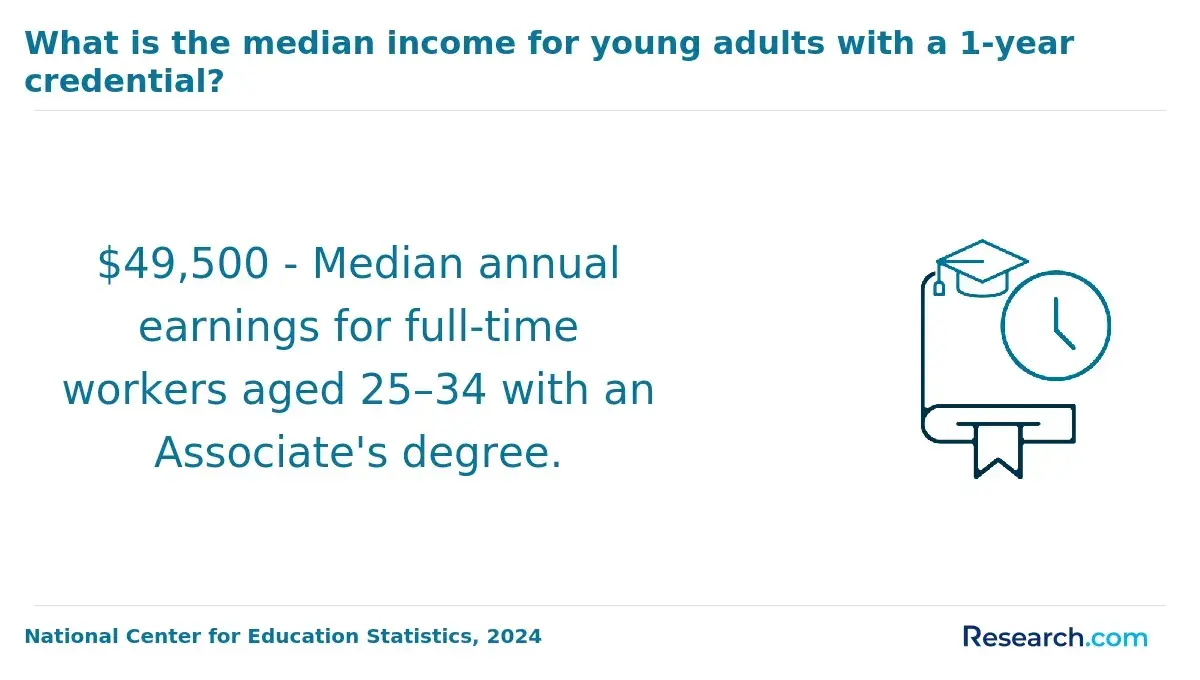
- Associate Degree: Usually a two-year program emphasizing fundamental skills, this degree allows entry into the software development job market, often qualifying graduates for junior developer or QA tester roles. However, career progression can be more limited compared to higher degrees.
- Bachelor's Degree: The most commonly preferred qualification by employers, providing broad understanding of software engineering principles and programming. Those with a bachelor's degree are generally competitive for mid-level positions such as software developers and systems analysts. This degree strongly influences employability rates in the US.
- Master's Degree: Focused on advanced topics and specializations like artificial intelligence or cybersecurity, a master's enhances chances for senior developer roles, technical leadership, or research positions. Many students explore opportunities through online masters in psychology programs to complement their skills.
- Doctorate: Concentrating on innovation and research, the doctorate is ideal for those pursuing academic careers or high-level R&D roles requiring deep expertise. It offers distinct advantages for specialized positions demanding advanced problem-solving capabilities.
According to U.S. labor statistics, the projected growth rate for software development jobs is about 40% higher for individuals holding a bachelor's or advanced degree versus those with lesser credentials, underscoring the impact of degree level on software development job opportunities.
What Skills Are Employers Seeking in Software Development Graduates?
Knowing which skills employers value most makes a crucial difference for software development graduates aiming to enter the workforce with confidence and relevance. The following core abilities commonly stand out as essential for success in this fast-paced industry.
- Programming Expertise: Competence in core programming languages such as Java, Python, or JavaScript enables graduates to develop, debug, and enhance software applications effectively. Mastery here demonstrates technical readiness for diverse coding challenges.
- Analytical Thinking: Employers seek graduates who can dissect complex problems, create logical solutions, and optimize code efficiency. This skill is key to adapting in evolving project environments and meeting user needs.
- Development Methodologies: Familiarity with frameworks like Agile, Scrum, or DevOps equips graduates to participate seamlessly in collaborative and iterative development cycles, improving delivery speed and product quality.
- Communication and Teamwork: Clear exchange of ideas and cooperative effort among cross-functional teams are critical in software projects. Graduates with strong interpersonal skills contribute to smoother workflows and shared goals.
- Version Control Knowledge: Proficiency with tools such as Git allows for consistent and trackable source code management, enabling multiple developers to work concurrently without conflicts.
When asked about what skills employers prioritize, a graduate from a software development degree program revealed the real-world challenges encountered early on. "I quickly realized that writing code alone wasn't enough; collaborating under tight deadlines and resolving misunderstandings was just as important," he shared. He emphasized how adapting to iterative feedback and mastering team communication became pivotal in feeling confident on the job. "It wasn't just technical skills-but also how well I could listen and contribute ideas-that made a difference," he reflected, highlighting that often the strongest programmers are those who engage effectively beyond their terminals.
How Does Job Demand Affect Software Development Graduate Salaries?
Fluctuations in job demand strongly influence starting salaries, wage growth, and long-term earning potential for software development graduates. For instance, the U.S. Bureau of Labor Statistics projects a 22% employment growth in software development occupations from 2020 to 2030, signaling ongoing robust demand that supports upward salary trends. These market dynamics affect salaries in several key ways.
- Supply and Demand Imbalance: When fewer qualified graduates are available compared to employer demand, starting salaries rise as companies compete for talent. Conversely, an oversupply of graduates limits wage gains and can stagnate initial pay.
- Industry Growth: Expanding technology sectors create new opportunities that push salary ceilings higher. Rapid innovation and increased investment in software-related fields boost both entry-level and experienced pay rates.
- Geographic Variation: Salaries vary significantly by region, with high-demand tech hubs like Silicon Valley offering premium compensation. Graduates working in these areas often benefit from intensified employer competition and higher living costs factored into pay.
- Skill Specialization: Expertise in niche or emerging technologies commands better wages. Graduates with specialized skills in areas such as artificial intelligence, cybersecurity, or cloud computing tend to see faster salary growth due to limited supply.
Overall, software development graduates who enter the workforce when demand is strong tend to experience more favorable financial outcomes than those entering during times of market saturation or economic slowdown.
How Is AI Changing Demand for Software Development Professionals?
Rapid advancements in artificial intelligence are transforming workforce demands, particularly within software development. A recent World Economic Forum report forecasts a 15% increase in AI-related jobs globally over the next five years, highlighting this shift.
Several key impacts illustrate how AI is reshaping the profession:
- Automation of Routine Tasks: AI tools streamline repetitive coding and testing, reducing time spent on manual work. This boosts productivity and redirects professional focus toward solving complex challenges.
- Emergence of Specialized Roles: New positions requiring expertise in machine learning, natural language processing, and AI system integration are growing. These roles expand career paths beyond traditional programming.
- Evolving Skill Requirements: Developers must now master AI frameworks, data analytics basics, and interdisciplinary knowledge. Continuous learning becomes vital to stay competitive in the job market.
- Shifts in Hiring Patterns: Tech firms prioritize AI-driven innovation, favoring candidates with skills aligned to intelligent systems. Although some entry-level jobs may decline, demand for experienced developers working with AI remains strong and stable.
When I asked a graduate of a software development program about her views, she explained the challenging transition firsthand. "Early in my career, adapting to AI tools was intimidating," she said, "but learning how to integrate them into my workflow unlocked new opportunities." She recalled nights spent troubleshooting AI-based coding assistants and the satisfaction of mastering skills that employers highly value today. Her experience underscores how embracing AI not only demands resilience but also opens doors for meaningful growth and career stability in the evolving tech landscape.
Is Software Development Considered a Stable Long-Term Career?
Long-term career stability is a critical consideration for students and professionals evaluating software development career paths, as it affects job security, earnings, and growth opportunities. Several key factors influence the outlook for software development as a stable profession.
- Long-Term Employment Trends: The long-term job outlook for software development graduates remains positive, with projections from the U.S. Bureau of Labor Statistics indicating steady growth driven by increased reliance on digital solutions across diverse industries.
- Industry Reliance: Many sectors, from healthcare to finance, depend heavily on software development roles to build and maintain essential applications. This reliance makes these positions less susceptible to automation or outsourcing compared to other tech jobs.
- Adaptability: The ability to continuously learn new programming languages and frameworks helps software developers stay competitive despite rapid technological changes and economic shifts.
- Career Advancement and Reskilling: Opportunities to transition into related roles such as project management, product design, or cybersecurity provide pathways for ongoing career viability, even when specific technologies become outdated.
For those considering education options, exploring accelerated online bachelor degree programs can offer a faster route to entering this stable and evolving field in the United States.
Is a Software Development Degree Worth It Given the Current Job Demand?
The labor market demand for software development graduates remains robust, with employment outlooks signaling steady growth. The U.S. Bureau of Labor Statistics projects a 22% increase in software developer jobs from 2020 to 2030, significantly outpacing average occupational growth.
This strong demand reflects ongoing digital transformation across multiple industries, positioning a software development degree as a valuable credential for entry into the tech workforce. However, actual hiring activity varies by specialty and region, underscoring the importance of understanding specific market dynamics when evaluating degree value.
Job prospects for software development graduates improve notably when degree credentials are combined with relevant skills that align with industry needs. Higher education levels or targeted specializations, such as cybersecurity or cloud computing, often enhance employability in competitive sectors like finance and healthcare.
Additionally, supplementing formal education with practical experience through internships, coding bootcamps, or online certifications is increasingly critical to meet employer expectations. Prospective students should weigh how well a software development degree, paired with relevant upskilling, fits the evolving requirements of the labor market for a sound long-term investment.
What Graduates Say About the Demand for Their Software Development Degree
- Risa: "Pursuing a software development degree was one of the best decisions I ever made. The knowledge and practical skills I gained quickly translated into job opportunities that paid well above my expectations, making the investment totally worth it. Today, I feel confident tackling complex problems and leading projects with a strong technical foundation."
- Maple: "Looking back, choosing to study software development was less about immediate rewards and more about long-term career growth. The degree opened doors I hadn't anticipated, allowing me to shift from entry-level roles to positions with much greater responsibility and impact. It's been gratifying to see how much professional trust has grown alongside my expertise."
- Gerardo: "My software development degree was a game changer in my professional life. Beyond just the coding skills, it taught me how to think critically and approach challenges strategically. This degree not only boosted my earning potential but also gave me the confidence to pursue leadership roles within the tech industry."
Other Things You Should Know About Software Development Degrees
In 2027, the demand for software development degree graduates continues to grow. With the ongoing digital transformation and increasing reliance on technology, businesses seek skilled developers to innovate and maintain software solutions. This trend fuels job opportunities and a rising need for qualified graduates.
In 2027, certifications enhance a graduate's employability by validating skills in specific technologies. While not always required, they can differentiate candidates, particularly when competition is high. Holding relevant certifications can help graduates stand out in job applications and may enhance career advancement opportunities.
In 2027, software development graduates face challenges such as increased competition, rapidly evolving technologies, and the necessity for continuous learning. Additionally, many employers seek candidates with practical experience and demonstrated problem-solving skills, making internships and real-world projects crucial for standing out.
Networking plays a significant role in securing software development positions as many job opportunities arise through professional connections. Participating in tech meetups, hackathons, and online developer communities can help graduates connect with industry professionals. Building a strong professional network often accelerates job search success and career growth.
References
- Top 10 states for software jobs https://www.cio.com/article/238578/top-10-states-for-software-jobs.html
- Company’s perspective on: Required skills as a Software Developer | TOPS Technologies Blog https://www.tops-int.com/blog/companys-perspective-on-required-skills-as-a-software-developer
- 4 Work https://survey.stackoverflow.co/2025/work
- Why Soft Skills Are The Hidden Skills Employers Look For in Tech [2025 Guide] https://ntinow.edu/soft-skills-employers-look-for-in-it-careers/
- Why Software Developers Are in High Demand - Course Advisor https://www.courseadvisor.asia/advisor/why-software-developers-are-in-high-demand/
- Software Development Jobs in 2026: Salary, Skills, Outlook https://mismo.team/software-development-jobs-guide-salary-skills-outlook/amp/
- The Entry-Level Software Engineer Salary You Can Earn - tripleten.com/blog https://tripleten.com/blog/posts/entry-level-software-engineer-salary
- Career Advice | AI Career Tips & Job Search Strategy https://www.sundeepteki.org/advice/impact-of-ai-on-the-2025-software-engineering-job-market
- 5 Reasons Why Software Engineers Are in High Demand - GeeksforGeeks https://www.geeksforgeeks.org/blogs/reasons-why-software-engineers-are-in-high-demand/
- Why Demand for Software Engineers Will Continue to Rise in the Future - Neutech, Inc. https://neutech.co/blog/why-demand-for-software-engineers-will-continue-to-rise-in-the-future


