
2027 Is Demand for Software Engineering Degree Graduates Growing or Declining?

Co-Founder and Chief Data Scientist
Many aspiring professionals face uncertainty about the future value of a software engineering degree. With rapid technological change and automation, students wonder whether investing time and resources in this field will guarantee employment. According to the U. S. Bureau of Labor Statistics, employment for software developers is projected to grow 25% from 2021 to 2031, much faster than the average for all occupations.
This article will explore current demand trends for software engineering degree graduates, helping readers assess job prospects and make informed decisions about their education and career paths in the evolving tech job market.
Key Things to Know About the Demand for Software Engineering Degree Graduates
- Employment for software engineering degree graduates is expanding steadily, with a 15% growth rate projected by the U.S. Bureau of Labor Statistics through 2031, reflecting strong industry demand.
- Emerging fields like artificial intelligence and cybersecurity are increasing specialization opportunities, making graduates with focused skills more competitive in evolving job markets.
- Shifts toward cloud computing and agile development influence long-term career prospects, requiring continuous learning to adapt to new tools and methodologies.
What Factors Are Driving Demand for Software Engineering Degree Professionals?
Recognizing the forces driving demand for software engineering degree holders helps prospective students gauge the long-term value and stability of their education. Several key factors shape hiring trends and job prospects in this dynamic field.
- Industry Growth: The expansion of technology and digital services fuels ongoing demand for skilled developers. As businesses integrate software more deeply into operations and customer engagement, software engineers become essential across sectors.
- Technological Advancements: Rapid innovations in artificial intelligence, cloud computing, and cybersecurity create new roles for software engineers who can build and maintain advanced applications. These evolving technologies keep job opportunities dynamic and plentiful.
- Evolving Skill Expectations: Employers increasingly require versatility, seeking candidates with knowledge beyond coding, such as system design, collaboration, and agile methodologies. This broadens career paths and necessitates continual learning within software engineering degree programs.
- Demographic and Remote Work Trends: The growth of the digital economy and remote work has expanded geographic access to job markets. Software engineers can now join distributed teams, increasing flexibility and opportunities nationwide.
- Regulatory and Policy Changes: Greater emphasis on data privacy and security demands software engineers familiar with compliance standards, underscoring the importance of software engineering degree accreditation standards that include these competencies.
Prospective students should also consider how regional accreditation impact on software engineering programs influences the credibility and acceptance of degrees in the workforce. For those exploring educational options, resources such as online BCBA programs demonstrate the diversity of accredited online paths available to enhance career readiness.
Which Software Engineering Occupations Are Seeing the Highest Growth Rates?
Growth rates offer valuable insights into job market demand and help students evaluate software engineering career paths for long-term stability. The U.S. Bureau of Labor Statistics anticipates a 15% increase in employment for computer and information technology occupations from 2021 to 2031, signaling faster-than-average job growth. Here are some of the top growing software engineering roles by industry.
- DevOps Engineer: Projected to grow by about 25% over the next decade, this role is critical due to widespread adoption of continuous integration and continuous deployment practices. A bachelor's degree in software engineering or related fields is typically required, often complemented by certifications.
- Cybersecurity Engineer: Experiencing nearly 33% growth, these professionals are increasingly essential as organizations face rising data breach risks and stricter regulations. Degrees in cybersecurity, computer science, or similar disciplines, along with specialized certifications, are common prerequisites.
- Cloud Engineer: With an expected growth rate around 23%, cloud engineers support scalable and distributed systems, reflecting the ongoing migration to cloud platforms. A bachelor's degree in computer science or software engineering is standard, sometimes with cloud-specific credentials.
- Machine Learning Engineer: Anticipated to grow by 31%, this occupation reflects expanding AI integration across sectors. Educational requirements usually include a bachelor's degree in software engineering, computer science, or related fields, often paired with advanced training in AI and machine learning.
Students seeking paths related to software engineering job growth in the United States can also explore fields associated with human services and technology integration through CACREP-accredited online counseling programs.
Which Industries Hire the Most Software Engineering Degree Graduates?
Knowing which industries most actively recruit software engineering graduates helps students align their education with evolving job markets and improves the chances of long-term career growth. Several sectors consistently demand these skills due to their reliance on advanced software solutions. Below are key industries that frequently hire software engineering degree holders:
- Technology and IT: This sector leads hiring by requiring software engineers to design, develop, and enhance software applications and systems. Rapid innovation and digital transformations drive a strong need for expertise in cloud computing, system architecture, and application development.
- Financial Services: Banks, insurance companies, and fintech startups depend heavily on software engineers for secure transaction platforms, cybersecurity measures, and data processing. The emphasis on protecting sensitive information and improving financial technologies sustains job demand in this sector.
- Healthcare: The expansion of electronic health records, telemedicine, and medical device software makes healthcare a significant employer. Software engineers support compliance, reliability, and innovation in health IT and connected medical technologies.
- Aerospace and Manufacturing: These industries employ software engineers to work on automation systems, embedded software, and process improvements. Their focus on efficiency and precision creates continuous opportunities for skilled graduates.
Each industry appreciates the analytical thinking, programming proficiency, and organizational skills developed through a software engineering education, highlighting the degree's adaptability across diverse career paths.
How Do Software Engineering Job Opportunities Vary by State or Region?
Where a graduate looks to work greatly influences their software engineering job prospects due to regional economic conditions and industry presence. Several geographic aspects help explain why some areas offer more robust opportunities than others.
- High-Demand States: California, Washington, and New York dominate with large technology ecosystems that include both established firms and emerging startups, resulting in elevated hiring activity.
- Industry Clusters: The concentration of specific sectors like defense, finance, or pure software development in certain regions shapes local demand for software engineers and creates varied specialization opportunities.
- Urban Versus Rural: Cities typically provide dense business networks and more job openings, while rural areas often have limited positions but less competition and potential for niche roles.
- Cost of Living: Higher salaries in prime technology hubs can be offset by steep housing costs and taxes, affecting overall compensation value and lifestyle choices.
- Remote and Hybrid Work: Flexibility trends allow many software engineers to work beyond traditional tech centers, expanding access to jobs but with variability based on employer policies and roles.
Job availability varies widely, with metropolitan regions offering abundant but competitive openings. In contrast, smaller or emerging tech markets may present growth potential despite having fewer positions. Evaluating these factors can help graduates align their location preferences with their career and personal goals.
How Does Degree Level Affect Employability in Software Engineering Fields?
The level of education, such as bachelor's, master's, or doctorate, plays a crucial role in shaping job prospects, career advancement, and competitiveness within software engineering fields. Different degree levels offer varied paths and opportunities for professionals. Here is a comparison of how each degree level impacts employability.
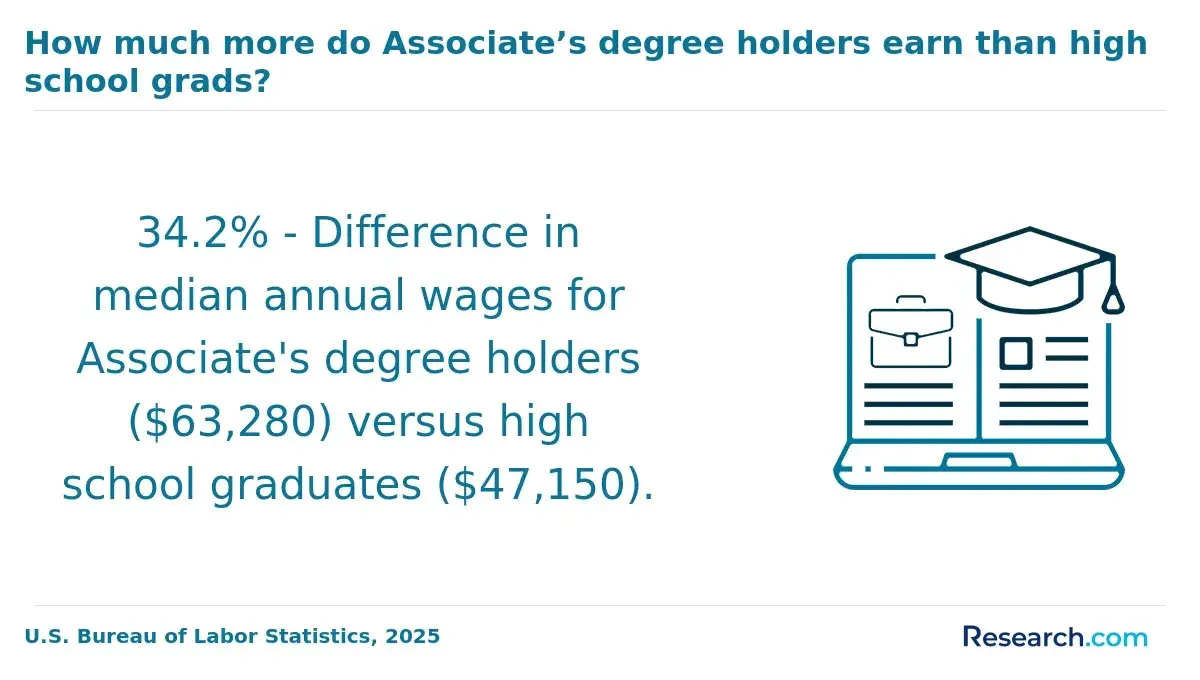
- Associate Degree: This entry-level qualification typically opens doors to roles like software tester or support technician. Although job options are more limited and competitive at this stage, candidates gain foundational experience essential for future growth.
- Bachelor's Degree: Serving as the baseline requirement for most software engineering positions, a bachelor's degree grants access to diverse roles such as software developer and systems analyst. Holding this degree enhances employability significantly, with around 75% of job openings in the US software engineering market demanding at least this level.
- Master's Degree: A master's offers advanced expertise and specialization in areas like artificial intelligence or cybersecurity. This qualification boosts opportunities for leadership and complex technical roles, accelerating career progression. Many professionals explore affordable online psychology masters as an example of advancing education options.
- Doctorate: PhD holders usually engage in research and innovation, often pursuing academic or senior R&D positions. While less common in industry, this degree positions graduates for cutting-edge development projects and highly specialized roles requiring advanced skills.
What Skills Are Employers Seeking in Software Engineering Graduates?
Knowing which skills employers prioritize is vital for anyone aiming to stand out in software engineering careers. These competencies not only increase job prospects but also ensure graduates can thrive in dynamic development environments. Below are some key abilities that hiring managers consistently look for:
- Programming Expertise: Proficiency in widely used languages such as Java, Python, or C++ allows engineers to efficiently build, debug, and maintain software systems, meeting industry standards and project deadlines.
- Analytical Problem-Solving: The ability to dissect complex technical challenges and devise effective solutions is crucial, enabling developers to address bugs, optimize performance, and innovate within constraints.
- Development Methodologies: A solid understanding of frameworks like Agile or DevOps supports collaborative workflows, iterative progress, and adaptive project management, which are essential in modern software teams.
- Version Control Skills: Competence with tools like Git ensures seamless coordination among multiple developers, managing code contributions and preventing conflicts effectively.
- Communication Abilities: Articulating technical ideas clearly to both technical teammates and non-technical stakeholders improves teamwork, project alignment, and client satisfaction.
- Foundational Computer Science: Knowledge of data structures and algorithms underpins the creation of scalable and high-performance applications, giving engineers an edge in optimization and design.
When discussing these skills with a recent software engineering graduate, he emphasized the real-world application of teamwork and adaptability. "In my first internship, I had to quickly learn how to use a new version control system while collaborating with a distributed team," he recalled. The challenge of integrating feedback and managing code changes across time zones was "intense but rewarding," forcing him to improve communication and problem-solving on the fly. He also noted that technical skills were just one aspect; "being able to clearly explain issues and progress during daily stand-ups really made a difference in how the team functioned." This experience underlines that employers seek graduates who combine solid technical foundations with interpersonal and procedural fluency to excel in software engineering roles.
Breakdown of Public Fully Online Title IV Institutions

How Does Job Demand Affect Software Engineering Graduate Salaries?
Fluctuations in job demand strongly influence starting salaries, wage growth, and long-term earning potential for software engineering graduates. The U.S. Bureau of Labor Statistics projects a 22% increase in software developer employment from 2020 to 2030, highlighting strong demand and its positive effect on salary trends. These trends affect compensation through several key mechanisms.
- Starting Salaries: When demand for software engineers surpasses supply, employers compete to attract candidates, driving starting salaries higher. Graduates entering during such periods often receive better initial pay packages.
- Wage Growth: Economic downturns or reduced demand slows wage progression. In contrast, sustained demand encourages faster salary increases as companies invest in retaining skilled talent.
- Long-Term Advancement: Industries with consistent software skill needs offer stronger long-term salary growth, allowing graduates to benefit from ongoing market expansion and evolving technology demands.
- Market Competition: Oversupply relative to available jobs compresses wage offers, creating a buyer's market for employers. This dynamic can limit earning potential until market balance improves.
Therefore, software engineering graduates who enter the job market during periods of high demand gain advantages in both starting compensation and future earnings. This connection between labor market conditions and salary trajectories underscores the importance of monitoring employment outlooks and industry trends for career planning.
How Is AI Changing Demand for Software Engineering Professionals?
Recent advances in artificial intelligence are transforming workforce demands within software engineering, driving a 40% increase in roles requiring combined AI and programming skills. These shifts reshape how employers seek talent and what technical expertise is prioritized.
AI's impact on software engineering careers can be seen in several key areas:
- Task Automation: Routine coding and debugging are increasingly handled by AI tools, diminishing the need for entry-level positions focused on repetitive work while freeing engineers for higher-level problem solving.
- New Specialized Roles: Positions like machine learning engineers, AI ethics analysts, and data scientists are emerging, requiring software engineers to learn interdisciplinary skills beyond traditional programming.
- Skill Evolution: Continuous learning of AI frameworks, data handling techniques, and ethical algorithm design has become essential for job stability and career advancement.
- Industry Hiring Trends: Companies prioritizing AI-driven product innovation are actively recruiting engineers with hybrid expertise, shifting demand toward technology-forward sectors.
When asked about her perspective, a recent software engineering graduate described the transition as challenging but rewarding. She explained, "Adapting to AI wasn't easy; I spent countless hours upskilling on machine learning and ethical design while managing project deadlines." She noted that this effort boosted her confidence, saying, "Employers value professionals who embrace AI tools, and it's opened doors I hadn't anticipated." Her experience highlights how integrating AI capabilities can enhance career resilience and opportunity in software engineering.
Is Software Engineering Considered a Stable Long-Term Career?
Long-term career stability is a critical consideration for students and professionals evaluating software engineering career paths because it impacts future job security and growth potential. Several key factors influence whether software engineering offers sustainable employment and advancement opportunities.
- Industry Reliance: The demand for software engineers remains strong across diverse sectors such as technology, finance, healthcare, and government. This widespread reliance on software engineering roles supports steady employment opportunities as businesses increasingly digitalize their systems and services.
- Long-Term Employment Trends: Labor market analyses project that job openings for software engineers will grow faster than the average for most occupations. This positive employment outlook offers reassurance to those considering long-term career prospects for software engineering graduates in the United States.
- Adaptability to Change: Software engineers who continuously update their skills and adopt new programming languages or frameworks are better equipped to navigate rapid technological and economic shifts. This adaptability reduces the risk of obsolescence in an evolving job market, contributing to career resilience.
- Advancement and Reskilling Opportunities: Many organizations encourage ongoing education, certifications, and specialization. Professionals can advance into higher roles such as leadership, architecture, or emerging technology positions. For students seeking to accelerate their entry into this field, pursuing an accelerated bachelors degree can be a strategic step to access these career-building opportunities.
Is a Software Engineering Degree Worth It Given the Current Job Demand?
Current labor market data indicates a strong job outlook for software engineering degree holders in the US, with employment in software development and related fields projected to grow about 22% from 2020 to 2030 according to the U.S. Bureau of Labor Statistics. This rate surpasses the average growth for all occupations, highlighting sustained demand for qualified professionals trained in software engineering principles. Hiring activity remains robust, though growth varies across regions and industries, reflecting a dynamic technology sector.
Such trends suggest that a software engineering degree retains significant value in today's labor market. However, the salary growth and career stability with a software engineering degree depend on factors like the level of degree attained and alignment of skills with evolving industry needs. Employers increasingly prefer candidates who combine formal education with expertise in areas such as cloud computing, cybersecurity, and artificial intelligence.
Although some companies hire individuals with coding bootcamp experience or self-taught skills, a bachelor's or higher degree often enables better long-term progression and access to advanced roles. Prospective students should also consider financial aspects and may find guidance on affordable options through online colleges with financial aid, making the pursuit of a software engineering degree a practical investment for many.
What Graduates Say About the Demand for Their Software Engineering Degree
- Duncan: "Pursuing a software engineering degree was one of the best decisions I've made; it opened doors that I never thought possible. The return on investment was clear as I quickly landed a role with a competitive salary and opportunities for growth. I feel equipped and confident in tackling complex projects daily, and it has truly transformed my professional journey."
- Cindy: "Choosing software engineering was a thoughtful decision shaped by my passion for problem-solving and technology. Reflecting on my experience, the degree has provided a valuable foundation that paid off steadily, not just in terms of salary but also career flexibility. It's gratifying to see how the skills I gained continue to enhance my role and impact."
- George: "From a professional standpoint, obtaining a software engineering degree has been indispensable. It gave me the technical expertise needed to excel and the credibility required to advance in a competitive industry. The investment in my education has yielded substantial returns, making it a strategic and rewarding step in my career path."
Other Things You Should Know About Software Engineering Degrees
In recent years, education for software engineering graduates has increasingly emphasized practical skills alongside theoretical knowledge. Certifications like AWS, Azure, and security credentials have grown in value. While a bachelor's degree is often essential, self-taught skills and up-to-date certifications are becoming more critical in the industry.
In 2027, while a software engineering degree provides a solid foundation, prior work experience often enhances employability. Many employers value practical skills gained through internships or co-op programs alongside academic qualifications, as these experiences demonstrate real-world problem-solving abilities and technical proficiency.
Demand is affected not only by the growth in technology sectors but also by factors such as technological advancements, company investment in digital transformation, and regulatory changes requiring software updates or development. Additionally, evolving user needs and increased cybersecurity requirements further drive the need for skilled software engineers.
While some entry-level roles are available to recent graduates, employers often prefer candidates with relevant internship or project experience. Practical knowledge gained through cooperative education programs, coding bootcamps, or personal projects can significantly improve a graduate's job prospects and help bridge the gap between academic learning and industry demands.
References
- How Long Does A Software Engineering Career Usually Last - Lodely https://www.lodely.com/blog/how-long-does-a-software-engineering-career-usually-last
- Career Advice | AI Career Tips & Job Search Strategy https://www.sundeepteki.org/advice/impact-of-ai-on-the-2025-software-engineering-job-market
- State Map for Software Developers at My Next Move https://www.mynextmove.org/profile/state/15-1252.00
- 10 Highest Paying Software Engineering Jobs & Salaries (2025) | Nexford University https://www.nexford.edu/insights/highest-paying-software-engineering-jobs
- 10 Traits Employers Look for When Hiring Software Engineers https://www.codewars.com/post/10-traits-employers-look-for-when-hiring-software-engineers
- Top US Cities and Emerging Hubs for Software Developer Jobs https://www.flatworldsolutions.com/IT-services/articles/top-US-cities-for-software-developer-jobs.php
- Is Software Engineering Still a Good Career Path? | Datos Insights https://datos-insights.com/blog/is-software-engineering-still-a-good-career-path/
- African Leadership University (ALU) https://www.alueducation.com/top-software-engineering-companies-to-work-for/
- Why Some Software Engineers Aren’t in High Demand Anymore https://www.investopedia.com/skip-the-computer-science-degree-why-some-software-engineers-aren-t-in-high-demand-anymore-11790504
- 2025 Software Engineer Job Market: Hiring Trends & Skills in Demand https://blog.getaura.ai/software-engineering-job-trends


