
2027 Software Engineering Degree vs Bootcamp vs Certificate: Which Path Leads to Better Career Outcomes?

Co-Founder and Chief Data Scientist
Choosing between a software engineering degree, a bootcamp, or a certificate poses a critical challenge for many aspiring professionals-each pathway offers distinct advantages and trade-offs. While degree holders often command higher starting salaries-averaging $85,000 annually compared to $70,000 for bootcamp graduates-employers' preferences and job placement rates vary widely depending on the industry and role.
Return on investment, networking opportunities, and long-term career advancement differ significantly across these routes, as do suitability for varied learner profiles such as career changers or part-time students. This article dissects these factors to guide informed decisions based on current data and career outcomes.
Key Things to Know About Which Path Leads to Better Career Outcomes: Software Engineering Degree, Bootcamp, or Certificate
- Software engineering degrees-offering average starting salaries 15-20% higher than bootcamps-remain preferred by employers valuing formal credentials and foundational theory for long-term leadership roles.
- Bootcamps boast rapid job placement rates near 75% within six months-ideal for career changers seeking swift ROI-but typically yield lower mid-career salaries than degree holders.
- Certificates enhance networking access and specialized skills-benefiting current degree students or professionals-but alone provide limited career growth compared to comprehensive degree programs.
How Does Software Engineering Degree Compare to Bootcamps and Certificates in Total Program Cost and Time to Completion?
Prospective students face a real choice between pursuing a multi-year software engineering degree or opting for faster, more affordable alternatives like bootcamps or professional certificates-each path catering to different learner needs and career goals. A traditional software engineering degree usually means earning a bachelor's or associate's degree from a college or university.
Bachelor's degrees often require four years of full-time study, while associate degrees take about two years. According to the National Center for Education Statistics (NCES), in-state tuition and fees at public four-year institutions typically range from $9,000 to $12,000 per year, totaling roughly $36,000 to $48,000 over the course of the degree. Part-time study options exist but often lengthen completion time while allowing students to work concurrently.
Intensive coding bootcamps provide accelerated training, lasting approximately 8 to 26 weeks full-time. Data from bootcamp review platforms like SwitchUp and Course Report show tuition fees generally fall between $10,000 and $20,000 per program. Part-time or self-paced bootcamps extend learning over several months, potentially easing immediate financial pressure but increasing overall time to completion. For working adults, the comparison of software engineering degree cost versus bootcamp investment is critical when weighing outcomes against affordability.
Professional certificates-offered by platforms such as Coursera, Google Career Certificates, and industry groups-focus tightly on specific skills or technologies, usually delivered online with flexible pacing. Completion can take from a few weeks up to several months, often costing between $200 and $2,000. This path offers the greatest format flexibility for learners balancing other commitments. Comparatively, time to complete software engineering certificates is much shorter than formal degrees, making them appealing for targeted upskilling or career shifts.
- Time To Completion: Degrees require 2-4 years full-time, bootcamps typically last 2-6 months, certificates range from weeks to several months on a part-time basis.
- Total Cost: Degree programs can cost tens of thousands of dollars, bootcamps usually range from $10,000 to $20,000, while certificates often fall under $2,000.
- Format Flexibility: Degrees are traditionally more structured but may offer part-time options, bootcamps frequently have full-time and part-time formats, and certificates typically provide self-paced online study.
Cost and duration are necessary starting points but don't fully capture differences in salary outcomes, employer credential preferences, job placement success, or long-term career advancement potential. These crucial factors vary by pathway and will be examined throughout this guide. For those researching financing and timelines, exploring resources such as cheapest online EdD programs can offer additional perspectives on accelerated degree paths.
What Career Outcomes Can Software Engineering Degree Graduates Expect Compared to Bootcamp and Certificate Completers?
The career outcomes for software engineering degree graduates compared to bootcamp and certificate completers reveal a nuanced landscape shaped by evolving employer practices and varied student goals. Data from the Bureau of Labor Statistics (BLS), NACE Early Career Salary Survey, and Course Report's bootcamp outcomes indicate measurable differences but also notable overlaps across these pathways.
- Employment Rates: Degree holders typically report employment rates within six months of graduation around 70-80%, according to NACE data. Bootcamp graduates often report comparable or slightly higher rates-sometimes exceeding 80%-largely reflecting bootcamps' intensive job-placement focus and industry connections.
- Median Starting Salary: Software engineering degree graduates tend to secure median starting salaries ranging from $65,000 to $75,000, based on BLS and NACE figures. Bootcamp completers frequently report starting salaries between $55,000 and $70,000, although self-reported figures from bootcamps may be inflated. Certificate holders generally report lower starting salaries, around $50,000 to $60,000, reflecting narrower credential scope and employer expectations.
- Job Title Level at First Placement: Degree graduates commonly enter roles with titles such as "Software Engineer I" or "Junior Developer," indicating full-time engineering positions. Bootcamp completers often obtain similar roles but may initially face entry as "Developer Intern" or "Technical Support Engineer" in competitive markets. Certificate earners may see a wider range-from entry-level support roles to developer positions-depending on the certificate's rigor.
- Outcome Gaps and Employer Trends: The outcome gaps between degree and non-degree pathways are narrowing-particularly in tech hubs and companies valuing practical skills over formal education. Bootcamps are gaining ground due to employer shifts toward skills-based hiring, but degrees still provide a meaningful edge in larger firms and for roles requiring extensive theoretical knowledge.
- Data Reliability and Evaluation: Bootcamp outcomes rely heavily on self-reported data, often subject to survivorship bias or selective disclosure. Readers should look for independent audits or CIRR (Council on Integrity in Results Reporting) verification when evaluating bootcamp statistics to ensure accuracy.
- Beyond Credentials: Career outcomes are influenced by factors beyond credentials alone-portfolio quality, networking, geographic location, and target industry play crucial roles in shaping success. This complexity means no pathway guarantees a specific outcome but offers different advantages suited to varied learner needs and circumstances. Recent graduates and those comparing software engineering degree career outcomes to bootcamp graduates should consider these nuances carefully. For working professionals evaluating salary and job placement rates for software engineering certificate completers, it's important to weigh these data points within a broader context. For adult learners exploring part-time study or alternative credentials, reviewing corresponding programs such as accelerated social work programs can provide additional insight into how intensive, skills-focused education paths impact outcomes across fields.
Which Software Engineering Pathway - Degree, Bootcamp, or Certificate - Offers the Highest Starting Salary for Graduates?
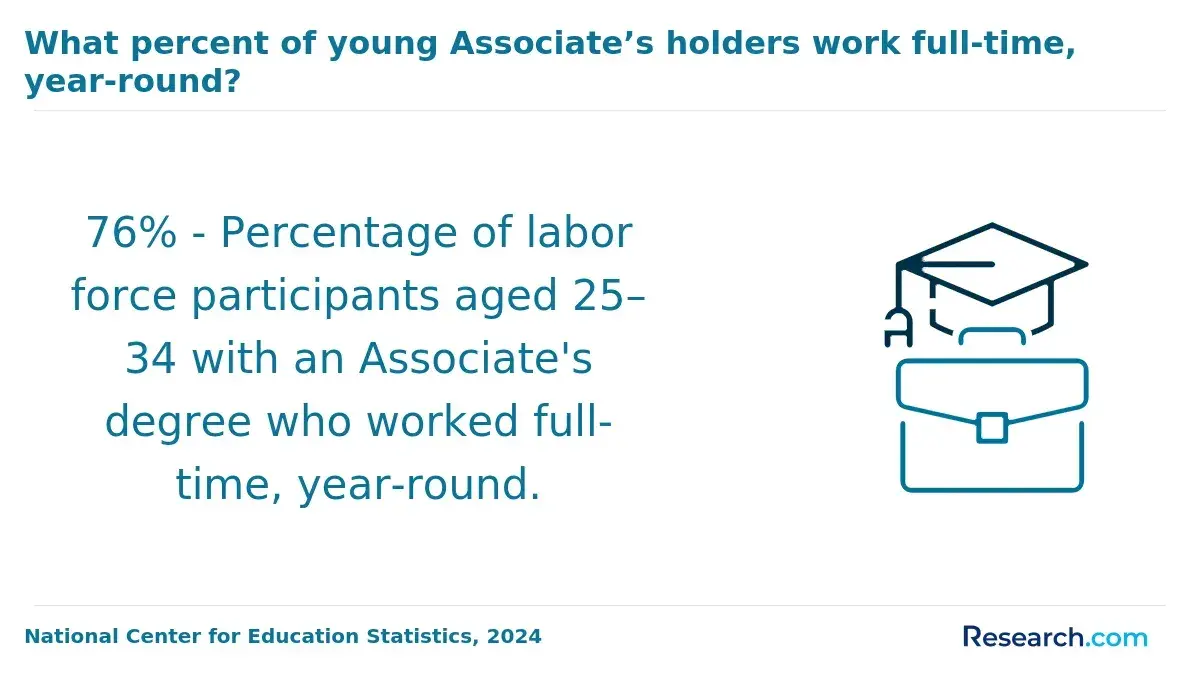
Entry-level salaries in software engineering show clear distinctions by educational background. Bachelor's degree graduates usually earn between $65,000 and $80,000 annually, reflecting higher starting compensation in many regions and employers. Bootcamp graduates tend to start with offers around $50,000 to $65,000, while certificate program completers typically see salaries in a similar or slightly lower range depending on program quality and specialization.
Salary differences often stem from employer type and industry. Large enterprises generally prefer formal degrees for software engineering roles, resulting in higher wages for degree holders. In contrast, startups and smaller companies value hands-on skills and project experience more, enabling bootcamp and certificate holders to negotiate competitive salaries-especially in tech hubs with high demand.
The specific job title and sector also influence pay. Roles such as "Software Engineer I" often command higher salaries than "Junior Developer" titles. Industries like finance and biotech usually pay more and favor degree qualifications, whereas startups and freelance opportunities tend to offer flexibility for alternative credentials. Geographic factors-like living costs in San Francisco or New York-tend to elevate salaries across all education pathways.
Over time, degree holders generally progress more rapidly into mid- and senior-level positions. Many leadership and specialized roles require or strongly prefer degrees, accelerating career advancement and compensation growth. Bootcamp and certificate graduates may need additional experience or credentials to access similar promotion trajectories.
It's important to remember these figures represent median values. Individual outcomes vary widely based on factors such as previous work experience, technical expertise, program reputation, and geographic flexibility. For a deeper understanding of cost-adjusted salary outcomes, consult the ROI section.
How Do Employers Actually Evaluate Software Engineering Credentials: Does a Degree Still Outrank a Bootcamp or Certificate?
Employers' preferences for software engineering credentials vary widely across sectors-shaped by tradition, regulatory demands, and changing industry priorities. In regulated industries, government roles, and large enterprises, formal degrees remain a common screening tool due to compliance and security considerations. These sectors often prioritize degree holders for their perceived theoretical depth and commitment.
- Sector-Specific Preferences: Large corporations and government agencies favor degrees as part of established hiring frameworks ensuring reliability and standardization.
- Startup and Tech Firms: Many startups and mid-sized tech companies emphasize skills and portfolios over formal education, enabling bootcamp and certificate holders to compete closely with traditional degree graduates.
- Consulting and Contracting: Demand-driven consulting roles value flexible credentials, sometimes favoring rapid bootcamp training or certifications to meet specific client needs.
- Skills-Based Hiring Initiatives: Although major tech firms and several government bodies have adopted skills-focused hiring policies, data indicate degree holders still enjoy advantages in career advancement and compensation.
- Credential Signaling: Degrees often indicate long-term investment suited to roles requiring complex design or leadership, while bootcamps and certificates highlight targeted coding proficiency and adaptability.
Job seekers should assess how employer preferences for software engineering credentials differ by sector-balancing educational investment and career goals. For more information on flexible degree options, consider exploring the best online construction management degree programs that can complement or substitute traditional pathways.
What Are the Admission Requirements and Academic Barriers for Software Engineering Degree Programs Versus Bootcamps and Certificates?
Admission to accredited software engineering degree programs typically involves stringent criteria aimed at selecting students with strong academic backgrounds. These generally include:
- GPA minimums: often around 3.0 or above to reflect consistent academic achievement;
- Prerequisite coursework: foundational classes in math, science, and sometimes introductory programming are expected; s
- Standardized tests: many schools still factor in SAT or ACT scores despite recent trend relaxations;
- Letters of recommendation: required to vouch for applicants' skills and potential; and
- Application timelines: strict deadlines require months of advance preparation.
This selectivity operates as both a gatekeeper and a quality indicator-employers often perceive degree admissions as a reliable signal of readiness for complex technical roles. Conversely, bootcamps and certificate programs emphasize accessibility with minimal barriers: minimal to no prerequisites, sometimes only a basic familiarity with computers; open enrollment allowing multiple start dates; no standardized tests or recommendation letters needed; and flexible scheduling options such as part-time or remote learning tailored for working adults. These pathways rely on tangible outcomes-job placement rates, instructor quality, curriculum rigor, and accreditation-to communicate value rather than admission selectivity.
Lower entry hurdles give bootcamps and certificates a distinct advantage for career changers, working professionals, and underrepresented groups who encounter obstacles like cost, geography, and family commitments that often limit traditional degree pursuit. Choosing between these pathways depends on an individual's academic history, time constraints, and career objectives-whether the rigor of degree program admissions signals meaningful credential value or simply an inequitable barrier.
How Does Curriculum Depth Differ Between a Software Engineering Degree, a Bootcamp, and a Certificate Program?
The curriculum depth varies widely across software engineering degree programs, bootcamps, and certificate pathways-each tailored to distinct learner needs and career goals.
- Degree Programs: Spanning three to four years, degrees blend broad general education courses with core software engineering subjects like algorithms, data structures, operating systems, and computer architecture. Students often choose electives for specialization and engage in research projects, theses, or capstone courses, fostering analytical skills and long-term adaptability. This extensive learning framework builds foundational knowledge that aids diverse career trajectories, though it usually delays immediate workforce entry compared to shorter options.
- Bootcamps: Focused on rapid, hands-on skill development, bootcamps typically last 12 to 24 weeks and emphasize coding practice, collaborative projects, and industry-standard tools such as web frameworks and version control. Their outcome-driven design prepares participants to secure technical roles quickly but omits the theoretical depth and broad computer science scope found in degree programs, potentially limiting flexibility for advanced or evolving positions.
- Certificate Programs: These vary based on level and provider: Certificates generally complement prior education and work experience but rarely substitute for a degree or intensive practical training when it comes to labor market standing. Entry-level certificates-from sources like Google, Coursera, or CompTIA-deliver targeted training in specific technologies or methodologies, ideal for quick upskilling in roles like junior developer or IT support but lacking comprehensive theoretical grounding. Advanced professional certifications-issued by industry bodies-validate specialized expertise in domains like cybersecurity or cloud systems, mainly serving experienced professionals seeking formal recognition rather than foundational education.
Which Software Engineering Path Produces the Fastest Return on Investment: Degree, Bootcamp, or Certificate?
Calculating the return on investment (ROI) for software engineering educational pathways involves assessing both direct costs-tuition, fees, and materials-and the opportunity cost of income foregone while studying. Opportunity cost is significant: a traditional four-year degree may require sacrificing several years of earnings, increasing the true financial burden compared to shorter programs like bootcamps or certificates.
Using NCES cost data alongside NACE salary benchmarks and bootcamp outcome reports, ROI is typically measured over five- and ten-year horizons post-completion by subtracting total costs from cumulative salary premiums attributable to each credential. Consider these ROI scenarios for three learner profiles:
- Recent High School Graduate: With little or no income to forgo, opportunity cost is minimal. Although degree programs carry higher tuition and longer completion times, bootcamps and certificates usually offer quicker, more cost-effective routes to positive ROI, enabling faster workforce entry and salary gains.
- Mid-Career Professional: Leaving a $50,000/year job to retrain creates a significant opportunity cost. Bootcamps and certificates, with shorter durations, reduce this income gap and accelerate ROI relative to degrees, which may take longer but can eventually yield comparable or higher salary premiums.
- Part-Time Learner: Maintaining employment while studying reduces opportunity cost substantially. This model enhances financial viability of degrees and certificates alike-although bootcamps might lack the necessary flexibility. Employer recognition and tuition costs heavily influence ROI in this case.
These examples illustrate that ROI varies far more with individual circumstances than credential type alone. While bootcamps and certificates often deliver faster financial returns, degrees can provide advantages in employer preferences, comprehensive theoretical grounding, and access to specialized career paths. Such factors underscore why ROI is a vital, but not the sole, consideration when choosing a software engineering educational pathway.
How Do Software Engineering Bootcamps and Certificate Programs Compare to Degree Programs on Job Placement Rates?
Job placement rates for software engineering bootcamps, certificate programs, and degree pathways depend heavily on the sources and definitions behind the reported numbers. Degree programs generally use data from IPEDS graduate outcomes surveys or their institutional career services reports. These often reflect longer-term employment and focus on roles closely related to the student's major.
Comparatively, bootcamps typically provide self-reported figures, though some programs report audited numbers through CIRR (Council on Integrity in Results Reporting). Certificate programs, meanwhile, vary widely, often relying on less standardized reporting like alumni surveys, which makes it difficult to compare them directly with degrees or bootcamps.
- Data Sources: Degree programs collect outcomes data from IPEDS and official career offices, bootcamps may present self-reported or CIRR-validated statistics, and certificate programs generally lack consistent reporting.
- Definition of Placement: Bootcamps often include any full-time, part-time, or contract work in tech or adjacent fields, which can inflate placement rates, while degrees may track only jobs strictly related to software engineering or computer science. This disparity complicates direct comparisons.
- Career Services Quality: Robust career support-such as employer connections, resume and interview coaching, and active alumni networks-strongly impacts placement outcomes for all pathways. Evaluating this infrastructure is crucial when choosing programs.
- Evaluating Claims: Prospective students should request placement data broken down by role type, salary ranges, and time-to-placement rather than rely on aggregate percentages, to benchmark outcomes wisely.
- Context Matters: Employment in software engineering is one measure of success; consider your goals and whether reported outcomes align with roles or industries relevant to you.
Recent high school graduates and adult learners looking for flexible paths might find value in certificate programs or bootcamps, while those focused on long-term career growth often lean toward degree programs. For example, interested learners in related fields might explore MFT online options that offer alternative career trajectories.
Comparing software engineering bootcamps vs degree job placement rates requires careful scrutiny given these nuances and the often self-reported nature of bootcamp data. Likewise, certificate programs compared to software engineering degrees for employment reveal significant variation-highlighting the importance of understanding the underlying data and definitions when making informed decisions.
What Role Does Networking and Alumni Access Play in Software Engineering Degree Programs Versus Bootcamps and Certificates?
Networking and alumni access significantly influence career trajectories for software engineering graduates-and the scope and quality of these connections vary notably between degree programs, bootcamps, and certificate pathways. For those pursuing software engineering degree programs, networking infrastructures are well-developed, often consisting of extensive alumni associations, frequent career fairs, active faculty involvement, and Greek or professional organizations focused on computing disciplines.
Graduates from prestigious institutions with national or international recognition typically benefit from broader, more influential networks, which can facilitate connections with leading employers across regions. Moreover, relationships between institutions and top tech companies create employment pipelines that support career growth well beyond graduation. Such networks often compound in value over time, reinforcing long-term advancement. This dynamic is evident even when considering related fields, such as obtaining an online degree in mechanical engineering, where alumni ties and employer partnerships prove crucial.
Bootcamp and certificate networking benefits for software engineering careers take a different shape, tailored for practical, direct hiring opportunities. Bootcamps, while smaller and newer, frequently emphasize cohort cohesion and peer support. Many reputable bootcamps have cultivated strong alumni referral cultures and maintain specialized employer partnerships, particularly in technology-adjacent areas like web development or UX engineering. These connections can accelerate workforce entry but lack the geographic breadth and historical depth of degree networks.
Certificate programs-such as those offered by Google Career Certificates or Salesforce Trailhead-forge professional communities around specific technologies. However, access to structured networking opportunities with hiring managers or mentors is often limited or informal compared to degrees and bootcamps. Certificates are valuable for signaling skill acquisition but typically do not provide a robust alumni culture or dedicated support mechanisms for sustained career development.
How Does Geographic Location Affect Which Software Engineering Pathway - Degree, Bootcamp, or Certificate - Leads to Better Outcomes?
Geographic factors significantly influence the career success of software engineering graduates across degree programs, bootcamps, and certificate pathways. Metropolitan tech hubs like San Francisco, Seattle, and New York offer dense employer networks favoring bootcamp graduates-who often benefit from local partnerships and quicker job entry-alongside traditional degree holders recognized for their established credentials.
- Metropolitan Tech Hubs: High employer demand and robust networks boost placement rates and salaries. Bootcamp and certificate completers frequently enjoy accelerated hiring, though degrees maintain strong reputations.
- Mid-Sized Regional Markets: Moderate employer density means degrees generally hold more weight, while bootcamp and certificate recognition varies. Relocating graduates may face challenges due to weaker local connections, yet growing tech sectors improve prospects gradually.
- Smaller and Rural Markets: Limited job openings and employer awareness often restrict opportunities for bootcamp and certificate holders. Degree graduates typically find steadier demand, with relocation or remote work becoming key for broader access.
The rise of remote work has lessened geographic disparities, enabling all credential types to pursue roles with metropolitan-level pay regardless of location. However, this also broadens competition nationally, intensifying the candidate pool. According to a 2023 Course Report survey, 56% of bootcamp graduates secured remote positions within six months, underscoring remote work's impact on placement trends.
Prospective learners should evaluate employer density, pathway recognition, and remote opportunities in their target regions, as outcomes vary widely by geography. A bootcamp successful in one city might not perform equally elsewhere, making geographic strategy crucial in selecting the appropriate educational pathway.
What Do Software Engineering Industry Professionals and Hiring Managers Actually Prefer When Reviewing Resumes?
Employer preferences for software engineering credentials vary significantly based on company size, sector, and hiring approach. Large enterprises and government bodies often use formal degrees as initial screening tools-viewing them as indicators of thorough technical training and essential cognitive skills. Despite many organizations publicly dropping strict degree mandates since 2020, bachelor's degrees or higher remain favored credentials in these environments.
- Enterprise and Government: Degree requirements continue to play a major role, though some flexibility toward skills validation is emerging.
- Startups and Skills-Focused Firms: These employers emphasize proven abilities shown through portfolios, GitHub activity, and practical assessments rather than formal education. Bootcamp graduates and certified professionals can compete effectively when demonstrating strong coding skills.
- Post-2020 Trends: While degree requirements have softened in job postings, changes in actual hire credential profiles remain gradual. Non-degree pathways attract more attention but haven't yet displaced traditional degrees in significant numbers.
- Research Strategies for Candidates: Published job descriptions only tell part of the story. Conducting informational interviews with hiring managers and studying LinkedIn profiles of recent hires provides clearer insight into current credential distributions and evolving expectations.
This evidence-driven perspective underscores that no single educational path guarantees success. Outcomes like salary, job placement, and career progression depend heavily on the employer segment and the individual's demonstrated capabilities-highlighting the importance of thorough research and tailored preparation aligned with targeted roles and organizations.
What Graduates Say About Which Path Leads to Better Career Outcomes: Software Engineering Degree, Bootcamp, or Certificate
- Pedro: "Choosing a software engineering degree gave me access to a network of industry professionals I wouldn't have found through a bootcamp or certificate. The long-term career growth potential is clear-employers often prefer degree holders for leadership roles, which correlates with higher salary outcomes over time. While the return on investment took longer to realize, the depth of knowledge and connections has been invaluable for building a sustainable career."
- Marvin: "After completing a bootcamp, I quickly landed a job-something a degree might have taken years to achieve. The job placement rates for bootcamps are impressive, especially if you want to jump straight into development roles and start generating income fast. However, I've noticed that some employers still prioritize traditional degrees for senior positions, so for long-term growth, certificates or degrees might offer more stability."
- Bennett: "Getting a certificate was the most practical path for me-it fit my schedule and budget as a working adult. The return on investment was immediate since I could update my skills and increase my salary in my current role. That said, I realize certificates might not carry the same weight with all employers, but they confidently demonstrate my specialized knowledge and commitment to continuous learning."
Other Things You Should Know About Software Engineering Degrees
Job stability largely depends on individual skills, specialization, and market needs rather than solely on the education path. While degree holders may initially find more structured roles, bootcamp and certificate graduates can achieve stability through skill adaptation and pursuing in-demand technologies.
Career changers often benefit from bootcamps or certificates that offer focused, accelerated training tailored to practical skills needed for immediate job entry. Recent high school graduates typically gain a broader skill set and deeper understanding from a degree program, which also provides foundational knowledge useful for long-term adaptability within software engineering. The choice depends on the learner's timeline, previous experience, and career objectives.
During economic downturns, degree holders tend to have more job security and wider employment opportunities since many employers prioritize candidates with accredited formal education. Bootcamp and certificate graduates may face tougher competition and fewer openings, as their credentials are sometimes viewed as less comprehensive. However, those with strong portfolios and relevant skills can still secure positions.
Software engineering degrees are typically accredited by recognized educational bodies, ensuring consistent curriculum standards and widespread acceptance by employers. Bootcamps and certificates vary widely in legitimacy; some are industry-recognized while others lack formal accreditation. Prospective students should carefully research program reputation, curriculum depth, and employer recognition before enrolling.
References
- 5 Things Engineering Hiring Managers Actually Want to See on Your CV https://www.pg-rec.com/blog/5-things-engineering-hiring-managers-actually-want-to-see-on-your-cv
- Computer Science Degree vs Bootcamp - Which Path Actually Gets You Hired? https://mentorcruise.com/blog/computer-science-degree-vs-bootcamp-which-path-actually-gets-you-hired-fb4a2/
- Certification vs Degree: Which Holds More Weight in Tech? - ONLC https://www.onlc.com/blog/certification-vs-degree-in-tech/
- What hiring managers look for in a software engineer’s CV https://pwrteams.com/content-hub/blog/what-hiring-managers-look-for-in-a-software-engineers-cv
- Degree vs Bootcamp ROI Showdown https://oboe.com/learn/degree-vs-bootcamp-roi-showdown-10chf9y/comparative-roi-analysis-degree-vs-bootcamp-roi-showdown-4
- Coding Bootcamp Grads Earn More Than College Grads: Developer Salary Report https://arc.dev/talent-blog/developer-starting-salaries/
- Coding Bootcamp vs Degree: Which Path Fits Your Tech Goals? https://sdgku.edu/blog/coding-bootcamp-vs-degree-which-is-right-for-you/
- Do I Need a Degree to Become a Software Engineer? | QuickStart https://www.quickstart.com/blog/software-engineering/do-i-need-degree-software-engineer/
- My Coding Journey Q&A - Geography graduate to Software Engineer - Fellowship Programme @ Makers https://dev.to/thekimmykola/my-coding-journey-q-a-geography-graduate-to-software-engineer-fellowship-programme-makers-3c19
- Software Engineering Degrees: Cost, Types, What to Expect https://www.computerscience.org/degrees/software-engineering/


