
2027 Is Sociology a Hard Major? What Students Should Know

Co-Founder and Chief Data Scientist
Sociology as a major often faces misconceptions about its difficulty, but it presents distinct academic demands that students should consider. Over 30,000 students in the U.S. graduate with sociology degrees annually, reflecting its growing popularity and the need for understanding social systems. The field requires analytical thinking and engagement with complex societal issues, which many underestimate.
This article will explore the rigors of sociology coursework, expected workload, essential skills such as data analysis and critical thinking, and personal factors that can affect a student's experience. Understanding these aspects can help prospective students gauge whether sociology aligns with their academic strengths and career goals.
Key Benefits of Sociology as a Major
- Sociology develops critical thinking and research skills valuable across industries, aiding career changers in adapting to new professional environments efficiently.
- It offers flexible study options and relevant real-world applications, accommodating full-time workers balancing education and job responsibilities.
- For traditional undergraduates, sociology enhances analytical abilities and confidence, supported by collaborative coursework and diverse academic resources.
Where Does Sociology Rank Among the Hardest College Majors?
Sociology is generally ranked as a moderately challenging major in national difficulty surveys. For instance, a 2024 study of 118 college majors placed sociology near the lower end of the difficulty scale, ranking 99th with just over 36% of students rating it as hard.
Unlike STEM majors, sociology's workload typically emphasizes extensive reading, essay writing, and theoretical analysis rather than technical lab work or advanced math. Some programs include fieldwork or research projects, but the overall time commitment tends to be significant without overwhelming students compared to majors demanding frequent labs or technical expertise.
The perceived difficulty of sociology often varies depending on the institution and individual students' skills. Programs at highly selective universities may impose more rigorous research and writing expectations, making the major feel harder. Students with strong critical thinking, reading, and writing abilities usually find sociology more manageable than those less comfortable with abstract concepts or qualitative methods.
Compared to highly demanding majors like chemical engineering or chemistry, sociology is typically viewed as easier. It aligns more closely with other social science disciplines in challenge level and is generally considered tougher than fields like interdisciplinary social sciences or human resources. Ultimately, the difficulty depends greatly on personal strengths, academic background, and specific academic requirements at each institution.
What Factors Make Sociology a Hard Major?
The academic rigor of sociology programs combined with the analytical skills required can make this major challenging for many students. Mastery of complex theories and research techniques demands consistent effort and intellectual engagement.
- Required mastery of theory and research methods: Sociology majors must understand both classic and contemporary sociological theories and complete rigorous methodological courses such as statistics and research design. For example, UCLA's prerequisites include introductory statistics and sociological research methods, with minimum grade requirements to progress in the major.
- Analytical and technical coursework: Students often need to analyze large data sets, interpret statistical results, and conduct qualitative studies. This requires proficiency with statistical software and technical tools, which can be challenging for those without a strong background in math or data analysis.
- Time commitment and workload: The major typically involves a heavy course load, especially upper-division classes. UCLA, for instance, requires 11 upper-division courses, most taken in residence, alongside maintaining a minimum GPA standard, which adds to the academic pressure.
- Field-specific demands: Honors tracks demand maintaining a high GPA (such as 3.5 at University of Chicago or 3.8 at Columbia) and completing substantial independent research projects, like senior theses, which are time-intensive and intellectually demanding.
These challenges faced by sociology majors highlight why the discipline requires a sustained engagement with complex ideas and strong analytical abilities. For those interested in pursuing a demanding, fast paced bachelor degree online, sociology offers an academically rigorous path that tests both quantitative and qualitative skills.
Who Is a Good Fit for a Sociology Major?
Recognizing the qualities that align with success in a sociology major is crucial for students considering this path. These traits support navigating the intellectual and social demands typical of the coursework, helping learners excel.
- Analytical thinkers: Students with strong analytical and critical thinking skills interpret complex social problems and synthesize social theories effectively, a foundation of sociology studies.
- Effective communicators: Clear written and oral communication is essential for sharing ideas in papers and class discussions, making this a key skill for sociology majors.
- Interpersonal skills and empathy: Sociologists often work with diverse perspectives, so students who show cultural sensitivity and openness tend to thrive.
- Research-oriented individuals: An eagerness to collect and analyze both qualitative and quantitative data aligns well with coursework centered on social investigation and evidence-based conclusions.
- Advocates for social change: Students motivated by social justice often bring passion and persistence to understanding societal inequalities and advancing community well-being.
In fact, the best skills for sociology majors mirror these qualities, which define the qualities of successful sociology students. For those seeking flexible learning options, exploring the best online degree programs for seniors can provide accessible pathways to enter this field.
How Can You Make a Sociology Major Easier?
Sociology can feel challenging due to its theoretical depth and the volume of material students must master. However, applying targeted study techniques and effectively using resources can significantly ease the workload and enhance comprehension.
- Visualize concepts: Creating mind maps or reviewing case studies helps turn abstract theories into concrete examples, making complex ideas more accessible.
- Explain to retain: Summarizing and teaching key concepts aloud strengthens understanding and reveals areas needing clarification.
- Engage in groups: Collaborative study encourages diverse perspectives, fosters discussion, and improves grasp of difficult topics.
- Build solid note-taking: Using structured approaches like the Cornell or outline method organizes information for quicker review and better memorization.
- Leverage academic tools: Regular consultation of journals and tutoring platforms provides current research insights and extra support on challenging subjects.
Are Admissions to Sociology Programs Competitive?
Admissions to sociology programs in the US are generally not very competitive, especially compared to fields like nursing or engineering. Public universities often have acceptance rates around 40% for sociology majors, reflecting lower applicant numbers and less demand. However, elite private universities may have much more selective admissions, with acceptance rates sometimes as low as 4-6%. Overall, prerequisite requirements tend to be modest, and prior experience in sociology is rarely mandatory.
Selectivity depends greatly on the institution's reputation and resources. Top-tier schools typically expect high GPAs (around 3.9 or higher) and strong standardized test scores, while many public universities have more accessible criteria. As interest in social sciences fluctuates, some programs face potential enrollment declines, which can impact their selectivity and size. Students typically don't need extensive prior coursework in sociology, making it relatively open compared to STEM majors.
Is an Online Sociology Major Harder Than an On-Campus Program?
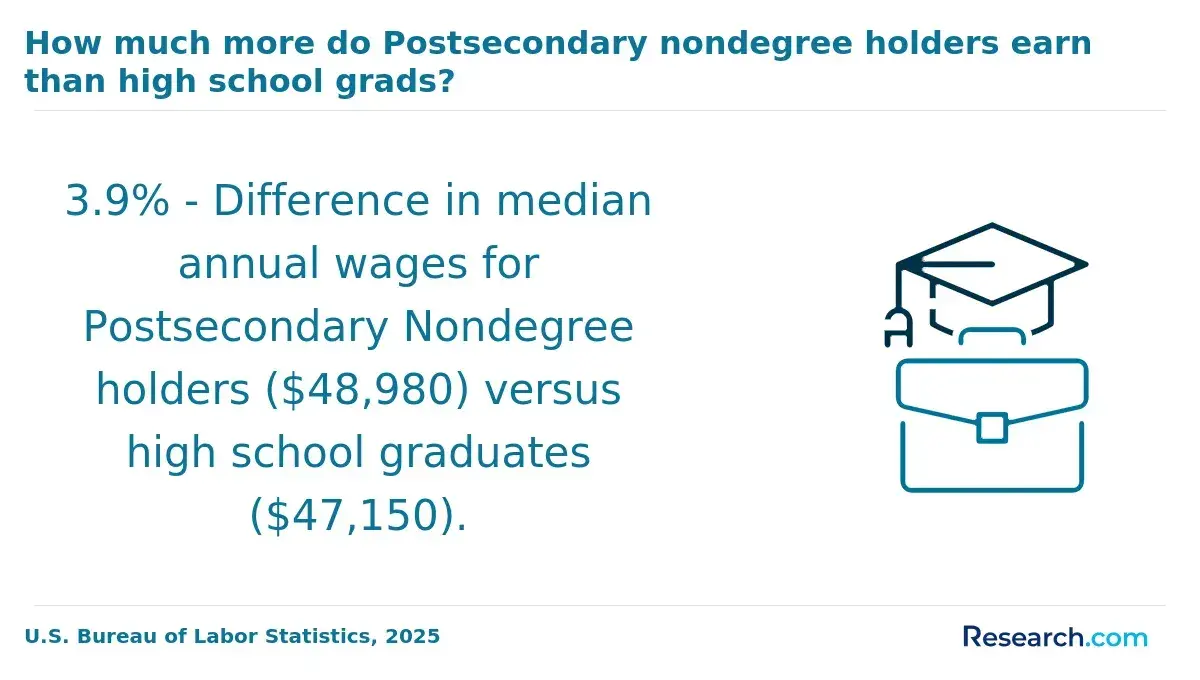
An online sociology degree vs on campus programs are generally equally challenging, but specific factors influence each experience in different ways. Whether one is more difficult depends largely on a student's learning style and adaptability to the format. Below is a comparison of key aspects affecting the difficulty and experience of these two formats.
- Academic Expectations: Both online and on-campus sociology programs require the same credits and core coursework, so academic standards and workload are formally equivalent.
- Workload and Pacing: Online courses often allow asynchronous study, giving students control over their schedule, while on-campus programs follow a fixed timetable that can help maintain consistent progress and accountability.
- Interaction and Support: On-campus students benefit from real-time discussions, easier access to faculty, and more spontaneous collaboration, whereas online students often face less direct interaction and must proactively engage with peers and instructors.
- Learning Environment: Online learning requires strong self-motivation and discipline, and some students may find it more isolating; meanwhile, on-campus environments offer structure and social engagement which can aid concentration and retention.
- Unique Challenges: Online students may need better technical skills and face challenges adapting if they have less prior experience or lower academic preparedness; on-campus students might struggle with less flexible scheduling.
Whether is online sociology major more difficult depends on individual motivation and learning preferences. Self-directed students often thrive online, while those needing more routine and interaction might find on-campus programs better suited. Students interested in flexible options might explore cheap master degrees online, which often include sociology majors designed for working adults seeking adaptability.
Are Accelerated Sociology Programs Harder Than Traditional Formats?
Accelerated sociology programs are often perceived as harder due to their condensed timelines and faster course pacing, which demand a significantly higher weekly workload. This increased intensity affects students' experiences, requiring strong time management and adaptability. When comparing accelerated sociology degree vs traditional formats, several factors highlight their differences in rigor and structure:
- Course pacing and content density: Accelerated programs compress the same amount of coursework into shorter periods, often using intensive eight-week sessions that raise content density per week compared to traditional semester schedules.
- Workload management: These programs demand greater weekly time commitments and less flexibility, challenging students with jobs or family obligations more than traditional formats.
- Academic expectations and skill demands: Both formats maintain similar standards in research, writing, and critical thinking, although accelerated programs may limit gradual skill development due to their swift progression.
- Learning retention and stress levels: Rapid course progression can increase stress and reduce retention for some students, while others thrive under pressure, showing variability depending on individual learning preferences.
- Flexibility and structure: Traditional sociology programs offer more structured schedules and time for deeper engagement, which can reduce stress and accommodate students needing steadier pacing.
Research shows that while are accelerated sociology programs more rigorous in workload and pacing, the academic difficulty and grading standards remain comparable to traditional formats. Ultimately, the challenge level depends on a student's ability to manage time and balance responsibilities. Prospective students seeking flexible and affordable options may explore free to apply accredited online colleges that offer various program formats suitable for different learning styles.
Can You Manage a Part-Time Job While Majoring in Sociology?
Many students can realistically juggle a part-time job while majoring in sociology, but this depends on factors like course difficulty, weekly assignments, schedule flexibility, and individual study habits. Sociology typically involves substantial reading, writing, and collaborative projects but generally lacks intensive lab work or highly technical content that demand constant presence. This relative flexibility allows students to arrange work hours around classes and deadlines.
Students often balance work and academics by carefully managing credit loads and prioritizing time effectively. They tend to seek jobs that accommodate irregular hours, such as remote research roles, tutoring, or administrative positions. The moderate reading and project-based nature of sociology helps, as students can plan coursework in cycles rather than fixed daily hours.
Additionally, utilizing campus resources like writing centers or online help supports managing the workload. However, those with heavier course loads or outside commitments may find it harder to maintain this balance consistently.
What Jobs Do Sociology Majors Get, and Are They as Hard as the Degree Itself?
Career paths for sociology graduates vary significantly in difficulty, responsibility, and required skills. While some roles closely match the intellectual rigor of the sociology degree, others may be less demanding or challenging in alternative ways.
- Policy Analyst: Policy analysts research, evaluate, and recommend changes to public policies for governments, think tanks, or nonprofits. This position demands strong analytical, writing, and data interpretation skills, much like those developed in a sociology program, and is generally as demanding as the major due to the complexity of issues addressed and evidence-based expectations.
- Human Resources Specialist: HR specialists focus on recruiting, training, and organizational development. Although it draws on knowledge of group behavior and communication, this role is often less academically demanding than a sociology degree but presents challenges managing interpersonal conflicts and workplace dynamics.
- Market Researcher: Market researchers design surveys, analyze consumer data, and interpret trends to inform business decisions. The technical rigor, including statistical analysis and reporting, is comparable to sociology coursework, though the practical outcomes may feel less abstract.
- Social Services Professional: These professionals assist individuals facing hardships such as poverty or family instability. The role is emotionally demanding, relying more on empathy and case management skills than on the theoretical or analytical rigor typical of sociology majors.
- Urban or Community Planner: Planners assess population trends and public needs to manage city growth. This position involves significant responsibility and interdisciplinary knowledge, requiring applied skills and real-world problem-solving that differ from academic challenges but remain demanding.
Sociology is considered a moderately challenging major, with an average GPA around 3.3 nationally, close to the overall college average. For those exploring sociology degree jobs and salaries in the United States, understanding that careers in this field vary in intellectual and emotional demands is key. If you want to explore options in vocational training beyond traditional pathways, consider checking the most popular vocational colleges online to find alternative routes that suit your professional goals.
Many students wonder, are sociology careers as challenging as sociology majors? The answer depends largely on the specific role and its associated skills. While academic study focuses on theory, analysis, and research, careers in sociology-related fields can be equally fulfilling with diverse types of challenges and responsibilities.
Do Sociology Graduates Earn Higher Salaries Because the Major Is Harder?
There is no clear link between sociology being a difficult major and earning higher salaries. The major's academic rigor, while moderate compared to STEM fields, does not directly boost income. Instead, salary outcomes depend more on market needs and the skills students gain, such as research, analysis, and communication.
These competencies are valued but don't necessarily lead to earnings comparable to those in more technical disciplines like engineering or computer science. Therefore, difficulty alone is not a predictor of higher pay for sociology graduates.
Several factors influence the earnings of those with sociology degrees. Industry and job roles vary significantly, with entry-level jobs such as case managers or research assistants earning between $40,000 and $58,000 annually, while advanced positions requiring graduate degrees, like sociologists, can earn about $99,000 to $102,000.
Location also matters-urban centers and government agencies often offer higher wages due to demand and living costs. Specialized experience in data analysis, policy, or grant writing boosts salary potential. Market growth in fields like social services management and market research analysis further impacts earning opportunities, with some roles paying $68,000 to $74,000 per year.
What Graduates Say About Sociology as Their Major
- Paxton: "Pursuing sociology was definitely challenging but incredibly rewarding. The complexity of understanding social structures pushed me to think critically every day, which was worth the typical $20,000 annual cost of attendance. This major opened doors for me in community development, making the investment feel meaningful and well spent. "
- Ameer: "Studying sociology was a demanding experience that required a lot of reading and analysis, but it gave me valuable insights into human behavior and social systems. Although the average cost of attendance was a concern, the knowledge I gained helped me secure a fulfilling career in social research, making it all worthwhile. "
- Nathan: "From a professional standpoint, sociology isn't an easy major, especially given its theoretical depth and research expectations. The financial burden, averaging around $25,000 per year in tuition and fees, did make me pause, yet the analytical skills and perspective I gained have been pivotal in my role as a policy advisor. It's an investment that pays off in understanding and shaping society. "
Other Things You Should Know About Sociology Degrees
In 2027, sociology majors can engage in various research opportunities, including collaborative projects with faculty, internships with research institutions, and participation in national conferences. Many universities offer research assistant positions where students can gain practical experience in data collection and analysis.
In 2027, a sociology major demands skills like critical thinking, effective communication, and analytical reasoning. Students must be adept at both qualitative and quantitative research methods, requiring proficiency in data analysis and interpretation. Additionally, the ability to critically assess social issues and engage with diverse perspectives is vital.
References
- Five reasons to study Sociology https://www.thecompleteuniversityguide.co.uk/student-advice/what-to-study/five-reasons-to-study-sociology
- Impactful jobs for sociology degree graduates https://probablygood.org/degree-paths/sociology-jobs/
- What Can I Do With a Sociology Degree? https://www.northcentralcollege.edu/news/2021/02/09/what-can-i-do-sociology-degree
- 10 Tips For Aspiring Sociology Majors And Minors - The Happy Arkansan https://thehappyarkansan.com/blog/tips-for-sociology-majors/
- Five Reasons to Study a Sociology Degree https://www.bcu.ac.uk/blog/sociology-and-criminology/five-reasons-to-study-a-sociology-degree
- How do I revise/tackle a sociology degree? https://www.thestudentroom.co.uk/showthread.php
- What Can You Do With A Sociology Degree? https://www.immerse.education/career-exploration/sociology/careers-in-sociology/
- Why I Am Majoring in Sociology: Perspectives from 3 current students https://soc.wsu.edu/socnews/why-i-am-majoring-in-sociology-perspectives-from-three-current-students/
- Is Sociology a Hard Major? The Real Truth Every College Student Needs to Know https://sociologycoach.com/is-sociology-a-hard-major/
- Is an Accelerated Degree Program Right for Me? - Intelligent https://www.intelligent.com/best-online-colleges/is-an-accelerated-degree-program-right-for-me/


