
2027 Leadership Degree Programs for Career Changers

Co-Founder and Chief Data Scientist
Adults seeking to shift careers often face uncertainty about acquiring the skills that employers value. For professionals aiming to move into managerial roles, lacking formal leadership training can hinder progress. Statistics show that 68% of adult learners pursuing leadership degrees report improved job prospects within 12 months of graduation. This reflects the growing demand for qualified leaders who understand team dynamics and organizational strategy. This article explores how leadership degree programs cater specifically to career changers, offering practical pathways and credentials to confidently transition into new fields and meet workforce expectations.
Key Things to Know About Leadership Degree Programs for Career Changers
- Flexible scheduling and online or hybrid formats accommodate working adults, with over 65% of programs offering evening or weekend classes to fit demanding career commitments.
- Leadership degrees often emphasize employer-relevant skills, aligning curriculum with strategic management trends, improving career changer job placement by up to 40% within a year of graduation.
- Accelerated pacing and dedicated support services, including career counseling and tutoring, enhance completion rates for adults balancing education with full-time work responsibilities.
What Leadership Programs Accept Career Changers?
Leadership programs often cater to working adults and professionals seeking a career change by offering flexible prerequisites and practical skills relevant across industries. Nearly 40% of graduate students in the U.S. are adult learners, reflecting a growing trend of professionals pursuing advanced degrees to support new career directions.
- Master's in Organizational Leadership: Provides broad leadership and management knowledge applicable in many fields. Its flexible prerequisites make it accessible to students without prior leadership experience, aiding smooth career transitions.
- MBA with a Leadership Concentration: Blends essential business skills with leadership principles, allowing career changers to leverage general academic success rather than specific leadership backgrounds.
- Graduate Certificates in Leadership: These shorter programs focus on core leadership skills, ideal for professionals who want rapid development without committing to a full degree.
- Professional Doctorates in Leadership: Designed for seasoned professionals, these allow the transfer of expertise from prior careers to advanced leadership roles, emphasizing applied practice over theory.
These avenues are among the top leadership degree programs for professionals changing careers, offering adaptable learning methods and practical curricula. For those interested in related fields, exploring online slp master's programs also provides flexible education paths to new professions.
What Leadership Specializations Are Best for Career Changers?
Selecting the right leadership specialization can significantly enhance a career changer's ability to leverage transferable skills and gain entry into new industries. Employment in roles demanding leadership expertise is expected to grow by 8% through 2030, reflecting strong hiring trends. Below are four top leadership tracks to support career transitions effectively:
- Organizational Leadership: Focuses on managing teams and spearheading change, making it ideal for those with experience in coordination or people management. This specialization offers broad applicability across numerous industries, facilitating upward mobility.
- Project Leadership: Emphasizes planning and execution skills, accessible to individuals with backgrounds in operations or administration. It opens pathways into high-demand sectors such as technology, construction, and healthcare.
- Strategic Leadership: Develops decision-making and long-term visioning abilities, well suited for those with analytical or business experience aiming for executive roles. Its strategic focus supports impactful career moves into senior management.
- Nonprofit Leadership: Perfect for changemakers driven by community impact, this track values passion and transferable skills over prior nonprofit experience. It enables career changers to transition confidently into roles focused on social good.
For adult learners seeking to augment their qualifications, exploring specialized credentials alongside a leadership program-such as cacrep online counseling programs-can further strengthen career prospects.
What Are the Admission Requirements for Career Changers Applying to a Leadership Program?
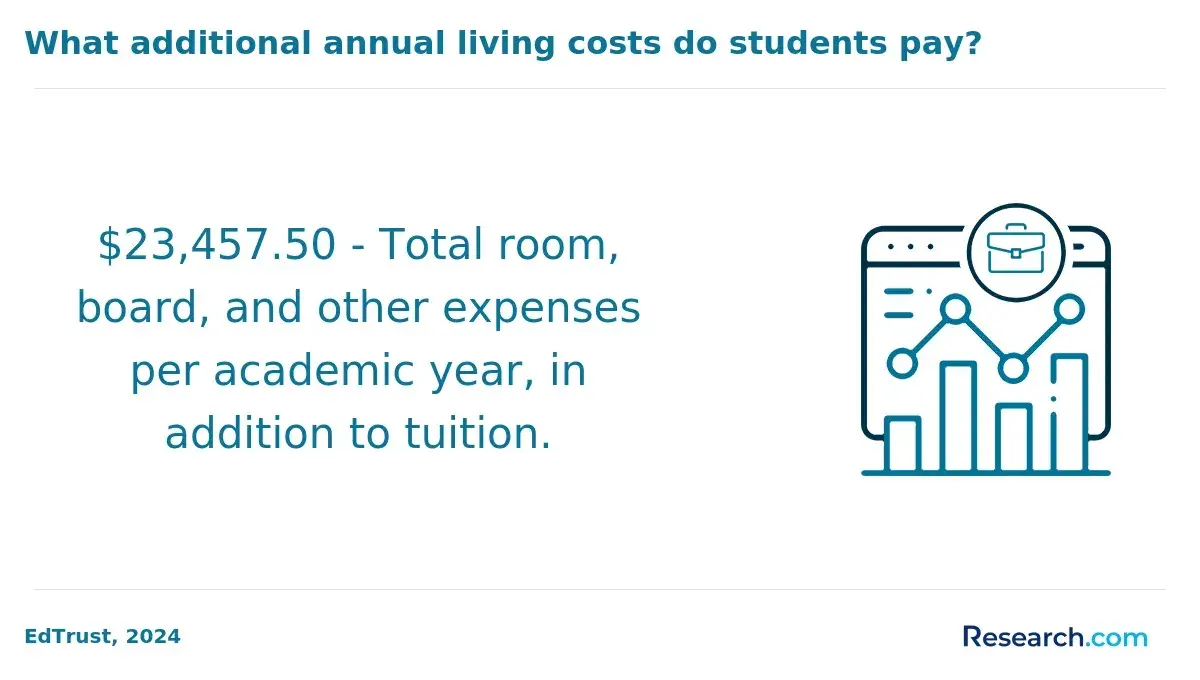
Admission requirements are crucial for career changers pursuing a leadership degree because they clarify how prior experience and education translate into eligibility. Nearly 38% of postsecondary students are adult learners, reflecting the growth of nontraditional admissions pathways in higher education. Below are common criteria career changers should expect when applying to leadership programs.
- Completed Degree: Most programs require an undergraduate degree or equivalent credential to ensure foundational academic skills.
- Relevant Experience: Professional work in leadership, management, or related roles is highly valued. Transferable skills from prior careers, such as project management or team supervision, can boost candidacy, aligning with admissions criteria for nontraditional students.
- Letters of Recommendation: Recommendations often highlight leadership potential and transferable abilities, providing insight into an applicant's capability to succeed in a leadership environment.
- Personal Statement: A clear explanation of career goals and motivation helps admissions committees assess alignment with the program and commitment to leadership development.
- Standardized Tests: While some programs waive these for experienced professionals, others may still require them based on institutional policy.
- English Proficiency: Non-native speakers often need to provide proof of English language skills to meet program standards.
Programs emphasize flexibility for working professionals, offering part-time, online, or hybrid formats. Alternative qualification pathways such as prior learning assessments or portfolio reviews allow applicants to demonstrate expertise beyond transcripts.
For those seeking affordable options, the cheapest mlis degree online provides a model of accessible, flexible education for adult learners. Understanding prerequisites for career changers entering leadership degrees helps prospective students navigate admissions and transition smoothly into new fields.
What Is the Coursework for a Leadership Degree for Career Changers?
For career changers, knowing the coursework involved in a leadership degree is vital to planning a smooth transition into a new professional arena. These programs offer adaptable structures that cater to busy adults, blending theoretical frameworks with hands-on learning to bridge academic ideas and practical needs. The core content usually covers several key areas essential for navigating diverse industries. Here are the primary components:
- Leadership Theory and Ethics: Examines various leadership models and ethical decision-making processes that inform responsible and effective leadership across different sectors.
- Organizational Behavior: Focuses on how people interact within groups and organizations, highlighting approaches that enhance collaboration and productivity.
- Strategic Management: Covers the development, execution, and analysis of strategies to meet long-term organizational objectives.
- Communication Skills: Addresses communication techniques crucial for managing teams, facilitating dialogue, and engaging stakeholders effectively.
- Change Management: Deals with strategies for guiding organizations and individuals through transitions, a key topic when shifting careers or industries.
One professional who completed an online leadership degree shared his experience preparing to change careers: "Balancing coursework with a full-time job was challenging, but the flexible schedule made it possible. The real-world projects helped me see how to apply leadership concepts directly to situations I expect to face." He also mentioned, "There were moments when adapting to different learning formats was tough, yet the practical focus kept me motivated because each assignment felt relevant to my future role."
What Leadership Program Formats Are Available for Career Changers?
For career changers, selecting a leadership degree format that fits their lifestyle is essential to balancing education with existing responsibilities. More than 70% of adult learners in the U.S. now opt for online or hybrid education models because of their convenience and adaptability. Below are some common formats designed to accommodate busy professionals.
- Online Programs: Entirely remote, these programs allow students to engage with coursework at any time and from any location, making them ideal for those managing work and family commitments.
- Hybrid Programs: These combine virtual learning with occasional in-person meetings, offering both flexibility and valuable face-to-face interaction.
- Evening and Weekend Classes: Scheduled outside of standard business hours, these classes enable working adults to pursue their studies without interfering with their daytime job.
- Part-Time Programs: Designed to reduce course loads by extending study duration, this format helps students maintain a manageable balance between work and academic progress.
Choosing the right program structure helps career changers efficiently gain skills and credentials necessary for new professional paths.
What Skills Do Career Changers Gain in a Leadership Program?
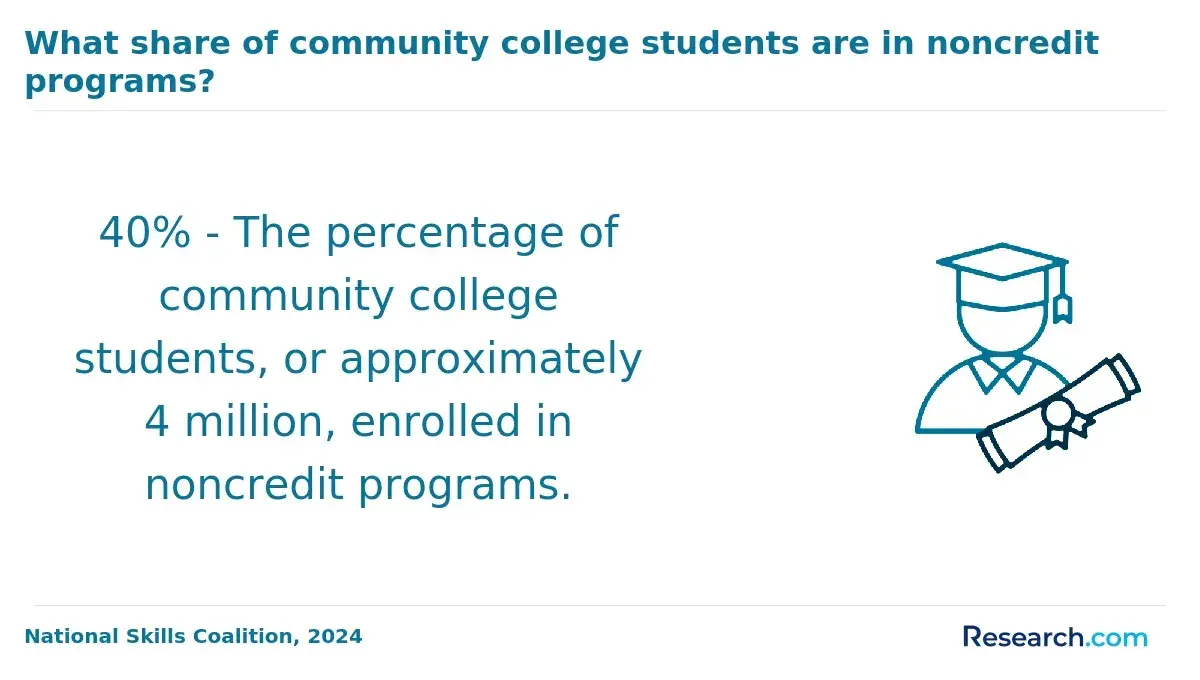
Skill acquisition is crucial for career changers, as nearly 54% of U.S. adults participate in workforce reskilling or upskilling to adapt to shifting job market demands. Leadership programs provide essential competencies that enable effective transitions across different professions. Key skills frequently developed in these programs include:
- Strategic Thinking: This skill empowers individuals to assess complex scenarios, predict obstacles, and make strategic decisions, which is vital when moving into unfamiliar industries.
- Effective Communication: Mastering clear and persuasive communication helps establish trust and strong relationships with new colleagues and stakeholders, accelerating professional integration.
- Team Management: Knowing how to inspire and coordinate a diverse group improves collaboration and project success in any work environment.
- Adaptability: Acquiring the ability to navigate change and uncertainty builds confidence and agility for accepting new responsibilities and roles.
- Problem-Solving: Enhancing analytical and critical thinking supports overcoming unforeseen challenges and driving innovation in various contexts.
These competencies work together to foster skills needed for leading initiatives, influencing organizational choices, and nurturing positive workplace cultures, all of which promote employability in diverse career trajectories.
When asked about her experience, a career changer who completed a leadership degree shared how the process reshaped her outlook. Initially overwhelmed by the unfamiliar language and expectations of her new industry, she found that courses emphasizing real-world decision-making and interpersonal dynamics helped her build confidence. "Applying strategic frameworks to actual problems," she reflected, "made abstract concepts tangible and relevant to my daily work."
She noted that developing emotional intelligence alongside technical skills was a turning point, allowing her to connect authentically with teams and supervisors. This practical growth transformed feelings of uncertainty into proactive leadership, ultimately easing her transition and enhancing her professional adaptability.
How Much Does a Leadership Degree Cost for Career Changers?
Career changers often face significant financial decisions when pursuing a leadership degree, balancing educational expenses with ongoing responsibilities. Graduate tuition and fees in the U.S. average between $11,000 and $26,000 per year, according to the National Center for Education Statistics, making it essential to understand the total cost before enrolling. Below are key components that contribute to the average tuition fees for leadership degree programs and factors working professionals should consider.
- Tuition: This is the largest expense, typically ranging from $500 to $1,500 per credit hour. For programs requiring 30 to 40 credits, total tuition can span $15,000 to $60,000. Career changers should explore options like accelerated tracks or credit transfers to reduce both cost and duration.
- Fees: Additional fees often include technology, curriculum access, or administrative charges, which may add several hundred dollars annually. Many programs offer flexible payment options or employer tuition reimbursement, easing financial strain for working adults.
- Textbooks and Materials: Costs for required materials vary but can be significant. Online or hybrid formats can help lower expenses by reducing commuting and housing needs, making these options attractive for adult learners.
- Financial Support: Scholarships targeting adult learners, installment plans, and employer assistance programs are critical resources. These financial supports can mitigate the overall burden and align with the budgets of career changers.
By carefully evaluating all costs, including these main components, career changers can make informed decisions about financing their leadership degree and the best degrees to make money in the future. The right program and budgeting strategies help ensure a smoother transition into new career paths.
For more insights on earning potential and degree choices, see best degrees to make money.
How Does a Leadership Curriculum Support Career Transitions?
Curriculum design is especially important for career changers as it must provide relevant skills and knowledge applicable across various industries. A well-crafted leadership curriculum bridges experience gaps by focusing on adaptable, practical learning that supports career transition success. Below are key ways leadership courses enhance career transition skills.
- Applied Learning Opportunities: These programs connect theoretical frameworks with practical leadership challenges, enabling students to gain firsthand experience. This approach helps career changers confidently apply new concepts in diverse workplace settings.
- Transferable Skill Development: Emphasizing critical thinking, communication, and team management, the curriculum equips learners with valuable abilities that employers across industries seek. These skills form a strong foundation for navigating a new career path.
- Flexible Course Structures: Designed with adult learners in mind, flexible pacing and delivery options allow working professionals to balance education with existing responsibilities. This accessibility supports continuous progress during career transitions.
- Real-World Projects: Integration of authentic organizational contexts immerses students in practical scenarios, fostering problem-solving and strategic decision-making abilities essential for new leadership roles.
- Emotional Intelligence Focus: Leadership curricula include training in emotional intelligence and cultural competency, key to managing diverse teams and promoting inclusive environments in any field.
For professionals interested in accelerated learning options, exploring 1 year master's programs online can provide a streamlined path to gaining these critical skills. These shorter programs are often designed to further support career changers by offering intensive, focused coursework.
What Careers Can Career Changers Pursue With a Leadership?
For career changers, evaluating potential job outcomes is key to matching existing skills with in-demand roles that offer growth. Employment for management-related positions is expected to expand by 8% from 2022 to 2032, surpassing the average growth rate across all fields. These trends highlight the value of leadership capabilities in today's workforce. Below are common career options for those with a leadership degree:
- Project Manager: Responsible for planning and completing projects by coordinating teams and resources. Skills in communication and organization from prior roles often transfer well, making this a natural fit for career changers.
- Human Resources Manager: Oversees hiring, employee relations, and policy compliance. Experience in interpersonal communication supports success in managing workplace dynamics and fostering team cooperation.
- Operations Manager: Directs the daily functions of a business to optimize productivity and problem-solving. Analytical skills and experience improving processes in other sectors can ease the transition into this position.
- Business Consultant: Provides guidance on strategy and growth to organizations. Strong decision-making and critical thinking abilities developed in other roles enhance effectiveness in advising businesses.
- Nonprofit Director: Leads program management and fundraising efforts for mission-driven organizations. This role suits those with a passion for leadership combined with experience in motivating teams and managing resources.
What Is the Average Salary After Earning a Leadership Degree as a Career Changer?
Salary expectations play a crucial role for professionals switching careers, offering insight into potential financial gains after earning a leadership degree. Research shows that reskilled individuals who move into leadership roles generally experience a median salary boost between 15% and 25%, reflecting the value of new skills in management and strategy. Below are common salary ranges and factors affecting earnings for those pursuing leadership careers.
- Entry-Level Management: Starting salaries usually range from $55,000 to $70,000 annually, influenced by industry and geographic location.
- Mid-Level Leadership: Professionals with several years of experience typically earn between $75,000 and $100,000, depending on the sector and organizational size.
- Senior Leadership: Senior positions can exceed $120,000 per year, particularly in larger organizations or high-paying industries like technology and finance.
- Industry Variability: Sectors such as finance and technology tend to offer higher compensation compared to education or nonprofit fields, which generally have more modest salary ranges.
- Prior Experience Impact: Relevant professional background and transferable skills often enhance starting offers and negotiation leverage, leading to improved compensation packages.
What Graduates Say About Their Leadership Degrees for Career Changers
- Cade: "Switching careers was daunting for me, but enrolling in a leadership degree program was the best decision I made. The average cost, around $30,000, felt like a significant investment, yet it ultimately opened doors I hadn't imagined. Completing the program not only boosted my confidence but also positioned me perfectly to lead teams and influence change. "
- Mohamed: "Reflecting on my career transition, the decision to pursue a leadership degree stemmed from a desire to impact organizational culture on a deeper level. Yes, the cost was notable-typically between $25,000 and $35,000-but it's a necessary step for serious career changers. This education equipped me with essential skills that transformed how I approach challenges in my new role. "
- Axel: "As a professional deciding to pivot, I thoroughly researched the value of a leadership degree and its cost, which tends to average near $30,000 nationwide. The rigorous curriculum and practical insights I gained were instrumental in my career shift, enabling me to step confidently into management positions I once thought unreachable. It's an investment that truly pays off. "
Other Things You Should Know About Leadership Degrees
The prerequisites for 2027 leadership degree programs often include a bachelor's degree in any field, a minimum GPA, and relevant work experience. Some programs might require a personal statement and recommendation letters, offering flexibility for individuals transitioning from different careers.
Yes, many institutions offer flexible formats such as part-time schedules and fully online leadership degree programs. These options accommodate working professionals and adult learners by allowing them to balance studies with jobs and personal commitments. Online program delivery uses interactive platforms to maintain engagement and networking opportunities.
Some leadership programs include opportunities to earn certificates in areas like project management or organizational development alongside the degree. These credentials enhance students' resumes and signal specialized expertise to employers. Programs may also offer workshops, seminars, and access to professional leadership organizations for ongoing development.
Leadership degree programs frequently incorporate group projects, mentorship initiatives, and alumni networks to facilitate meaningful connections. These resources help career changers establish relationships with peers, faculty, and industry professionals. Networking elements are critical because they often lead to job referrals and collaborations after graduation.
References
- Leadership Program Jobs UK: Your Complete Career Guide https://quarterdeck.co.uk/articles/leadership-program-jobs-uk
- Career Change Jobs and Leadership Training https://onpurpose.org/
- Leadership in the Workplace | Tiffin University https://go.tiffin.edu/blog/leadership-in-the-workplace-essential-skills-and-career-options/
- 4 Organizational Leadership Careers for Ambitious Career Advancers https://www.rasmussen.edu/degrees/business/blog/organizational-leadership-careers/
- Executive programs in change management | edX https://www.edx.org/executive-education/change-management
- How To Make a Successful Career Change at 40 and Beyond https://www.imd.org/blog/learning-and-development/career-change/
- ALP - Center for Leadership https://center-for-leadership.org/alp/
- Applied Leadership Online Degree Completion Program https://mankato.mnsu.edu/academics/online-and-off-campus-programs/online-education/online-bachelors-completion-programs/applied-leadership/
- Organizational Leadership Degree Online https://www.snhu.edu/online-degrees/bachelors/bs-in-business-administration/organizational-leadership
- Top Career Paths for Graduates of an MA in Organizational Leadership https://www.cui.edu/townsend/articles/post/top-career-paths-for-graduates-of-an-ma-in-organizational-leadership


