
2027 Online Medical Assisting Degree Programs Costs: Tuition & Fees

Co-Founder and Chief Data Scientist
The cost of pursuing an online Medical Assisting degree can significantly influence a student's decision to enroll. Tuition and associated fees often represent the largest portion of educational expenses, impacting financial planning and future budgeting. Understanding these costs upfront helps students avoid unexpected financial burdens during their studies.
Medical Assisting programs vary widely in price, with tuition ranging from affordable community college rates to higher costs at private institutions. This article explores typical tuition fees, breaks down additional expenses such as textbooks and technology fees, and compares affordability across programs. It also highlights available financial aid options to support prospective students in managing these costs effectively.
Key Points About Online Medical Assisting Degree Costs
- Tuition for online Medical Assisting programs typically ranges from $5,000 to $15,000, varying by institution type, program length, and included clinical training costs.
- Public colleges often offer lower rates, while private schools and specialized certifications can increase expenses significantly.
- Costs may be justified by strong job placement rates, certification preparation, and flexibility that supports working students, leading to quicker career advancement.
What Is the Average Cost of an Online Medical Assisting Degree?
The average tuition for online Medical Assisting programs in 2025 ranges widely, typically from $1,200 to $23,000. Certificate or diploma programs are generally more affordable, often costing between $1,200 and $5,000. Some budget-friendly options, like U.S. Career Institute, offer certificates at just over $1,200, while diploma programs such as Penn Foster charge around $4,800 if paid upfront.
Costs vary significantly based on the credential level and type of school. Associate degrees tend to be pricier, with total tuition ranging from about $10,000 at community colleges to over $23,000 at private universities.
For example, Liberty University's online associate degree costs roughly $11,820, whereas institutions like Keiser University may charge upwards of $23,000 annually. Many programs quote total tuition, although some list rates by credit hour, commonly between $193 and $500 per credit.
When compared to other healthcare training pathways, Medical Assisting programs are generally more affordable and quicker to complete. This makes them a popular option for those entering health careers seeking a balance between cost and program length. The relative affordability of Medical Assisting degrees contributes to their strong appeal among prospective students.
What Is Typically Included in the Tuition for an Online Medical Assisting Degree?
Tuition for online Medical Assisting degree programs generally includes essential components needed to prepare students for a healthcare career. These programs typically offer comprehensive access to digital learning materials and various academic resources.
Students can expect tuition to cover several key services and tools, which support both theoretical knowledge and practical skills development.
- Online coursework and instructional materials: This often involves digital textbooks, interactive lessons, and video tutorials covering vital medical assisting tasks like patient record management and medical terminology.
- Academic support services: Students usually receive help through faculty access, online tutoring, and career guidance focused on healthcare professions.
- Technology infrastructure: Programs commonly provide secure learning platforms, submission portals, and online libraries or databases necessary for research and study.
- Clinical placement coordination: Some institutions assist students in securing externships or practical experiences required for certification, sometimes including liability insurance during clinical rotations.
Outside of tuition, students should anticipate additional costs. These may include certification exam fees (ranging from $120 to $155), expenses linked to in-person lab work or skills workshops, and personal supplies such as uniforms, stethoscopes, and immunizations. It is important to review each program's specific tuition coverage, as included services can vary widely.
What Factors Influence the Cost of Pursuing an Online Medical Assisting Degree?
The cost of pursuing an online Medical Assisting degree varies widely depending on several factors. Understanding these elements can help students better estimate tuition and fees when comparing programs. These considerations play a key role in determining the overall expense of an online medical assistant program cost.
- Type of School: Tuition differs significantly between public community colleges, private universities, and for-profit institutions. For example, Barton County Community College charges about $160 per credit for its online certificate, while private institutions like Keiser University may cost up to $23,248 annually for an associate degree.
- Residency Status: Many public colleges charge different tuition rates for in-state versus out-of-state students. Jackson College lists tuition at $193 per credit for residents but $225 for non-residents, although some colleges set a uniform rate for all online learners.
- Credit-Hour Requirements and Program Length: Programs vary from shorter certificates requiring around 25 credits to associate degrees demanding 60 credits or more, making longer programs naturally more expensive.
- Technology and Additional Fees: Online programs often include extra costs like technology fees, background checks, immunizations, or expenses related to in-person externships, adding to the overall price.
- Student Support Services and Reputation: Institutions with strong career placement services, experienced faculty, or better reputations might charge more, but this investment can increase job placement rates and certification success.
Choosing a program carefully requires factoring in accreditation and faculty quality since these can impact educational quality and employment outcomes. Students seeking fast online programs for working adults may also find cost differences based on program design and scheduling.
Are Online Medical Assisting Programs Cheaper Than Traditional Programs?
Costs play a significant role in deciding between online and traditional Medical Assisting programs. Understanding the differences helps students evaluate their options effectively before enrolling.
The online medical assistant program cost comparison reveals that online certificates and associate degrees often range from $1,239 to $23,248, with many reputable online options charging under $5,000 total tuition.
In contrast, traditional on-campus Medical Assisting tuition tends to be higher, frequently exceeding $20,000 at private institutions. This disparity largely stems from the reduced overhead for online programs, which eliminate expenses like classroom maintenance and campus fees, alongside savings on commuting and housing costs.
The traditional vs online medical assisting tuition gap reflects additional factors such as required clinical labs or externships, which both formats may involve, potentially adding travel or material expenses. Some online programs may have higher per-credit rates for remote learners, but the overall cost advantage remains due to fewer ancillary fees and flexible scheduling. For students exploring educational pathways, considering an easiest phd program or other accessible degrees might also broaden prospective career opportunities.
Are There In-state and Out-of-state Tuition for Online Medical Assisting Programs?
When considering online Medical Assisting degree programs, tuition costs can vary depending on several factors. One common question is whether residency status impacts how much students pay for these programs.
Many online Medical Assisting programs offer a uniform tuition rate regardless of whether students live in the same state as the school or elsewhere. This flat tuition pricing makes online education more accessible and affordable for out-of-state students.
However, some institutions, especially those offering associate degrees that require in-person clinical work or lab attendance, may still charge higher fees for students residing outside the state.
Certain regional cooperative agreements, such as the Midwest Student Exchange Program, help lower tuition fees for some out-of-state learners by providing discounted rates through partnerships among participating states.
Nonetheless, it is essential to review each program's tuition policies carefully, as flat-rate pricing is becoming increasingly widespread but is not yet universal.
Which Schools Offer the Most Affordable Medical Assisting Degree Programs?
Choosing among the most affordable online medical assistant programs can help students save money while earning valuable credentials. These programs often offer flexible formats and lower tuition fees for remote learners, making them attractive for individuals balancing other commitments.
Below are three examples of some of the cheapest medical assistant degree schools that combine quality education with cost-effectiveness.
- Barton County Community College in Kansas provides an online medical assistant certificate at about $160 per credit, totaling roughly $2,880 for the complete program. This fully online option allows a blend of on-campus and remote courses, with reduced fees for online students.
- Texas A&M International University offers a fully online, self-paced medical assistant certificate program accredited by the National Healthcareer Association. Tuition ranges from $2,795 to $3,950 depending on duration, and the cost includes the Certified Clinical Medical Assistant (CCMA) exam fee, adding value for credential-seeking students.
- Dakota College at Bottineau features a one-year online certificate in medical assisting with semester fees between $5,551 and $6,457. This program is competitively priced compared to private institutions and allows credit transfer into pre-nursing tracks for continued study.
Cost-saving features common to these programs include flat-rate pricing that bundles exam fees and materials, discounted tuition for online learners, and accelerated formats to reduce total expenses. Students interested in affordable online medical assistant programs might also explore options among most affordable online doctoral programs for advanced credentials later.
Which Schools Offer the Most Expensive Medical Assisting Degree Programs?
Choosing one of the most expensive online Medical Assisting degree programs can significantly impact your educational experience and career prospects. These programs often offer advanced resources, specialized curricula, and extensive student support. For students seeking the highest quality, the highest tuition Medical Assistant programs in the US are concentrated at a few prestigious institutions.
The following are examples of schools that stand out for their costly online Medical Assisting degree options:
- Keiser University offers an online Associate of Science in Medical Assisting Science at approximately $23,248 per year. Known as Florida's largest not-for-profit private institution, Keiser provides a comprehensive curriculum aimed at immediate employment or transfer opportunities.
- Mildred Elley in Albany, New York, has a hybrid Associate in Occupational Studies (AOS) Medical Assistant degree priced around $30,360. This program includes EKG and phlebotomy certifications and emphasizes rigorous clinical and administrative training supported by experienced instructors.
- Fortis College provides an AS in Medical Assisting and Basic X-Ray Technician for about $27,336. The curriculum covers dual certifications, combining medical assisting with x-ray technology to enhance career options through specialized coursework.
These institutions justify their premium tuition with prestige, access to advanced faculty, and comprehensive student resources that enhance graduate competitiveness. Prospective students interested in accelerated paths may also explore 1 year online doctorate programs for related advanced healthcare degrees.
How Long Does It Take to See a Return on an Online Medical Assisting Degree?
Online Medical Assisting programs offer an affordable path to a healthcare career, with many graduates seeing financial benefits soon after completing their studies. Understanding the timeline for return on investment (ROI) helps prospective students gauge the value of their education.
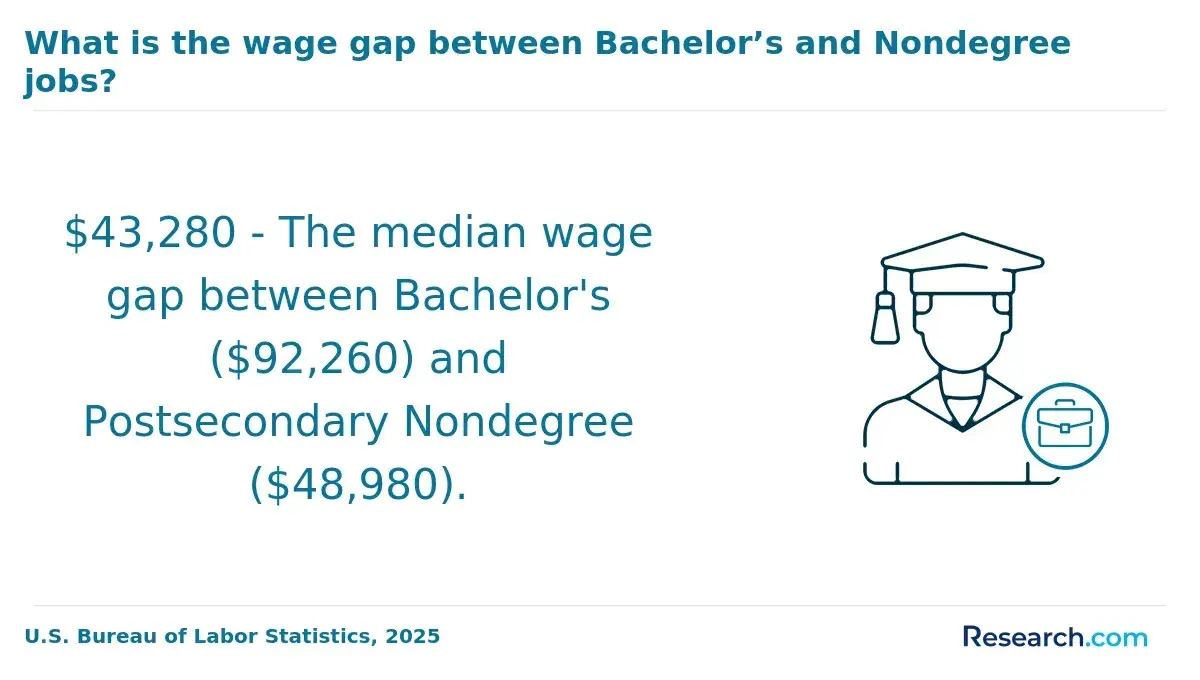
Typically, graduates recover their educational costs within 1 to 3 years of entering the workforce. This swift ROI is supported by relatively low tuition fees, strong job market demand, and solid starting salaries. For instance, the median annual wage for medical assistants in 2024 is $44,200, with employment growth expected at 15% over the next decade-much faster than average for all fields.
The time it takes to break even depends on several factors, including tuition costs that range from around $1,200 for certificates to over $20,000 for associate degrees. Graduates with higher debt might take longer to see positive returns, while those entering full-time roles or advancing their credentials often accelerate their financial gains. Personal circumstances like part-time study or loans also influence the payback period, but most online Medical Assisting students report favorable financial outcomes within a few years.
Are Online Medical Assisting Students Eligible for Financial Aid?
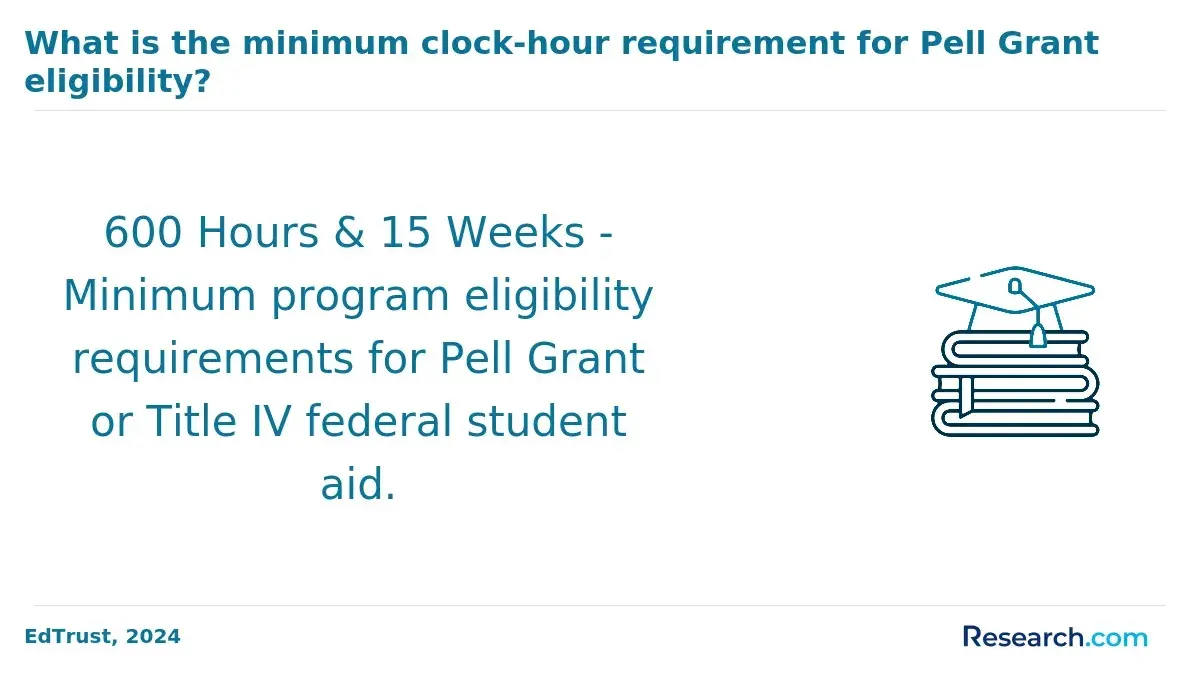
Online Medical Assisting students are generally eligible for financial aid if they enroll in accredited programs approved for federal student aid. This includes programs accredited by regional bodies recognized by the Council for Higher Education Accreditation (CHEA) or by medical assisting-specific agencies such as CAAHEP or ABHES.
Eligibility for federal aid often depends on completing the Free Application for Federal Student Aid (FAFSA), which provides access to loans, grants, and work-study opportunities.
Besides federal aid, many students seek other funding options to help cover tuition and related costs. Understanding the types of available aid can assist prospective students in managing expenses.
Among these options, applicants can find specific programs such as scholarships for which online applicants qualify, reflecting the growing availability of medical assistant scholarships and grants online.
- Federal student aid: Available for students in accredited online medical assistant programs, this aid can cover a range of costs including loans, grants, and work-study, helping to reduce initial financial burdens.
- Scholarships and grants: Offered by colleges, professional associations, and independent organizations, these funds do not require repayment and often reward academic merit, financial need, or community involvement.
- Employer tuition assistance: Some employers provide financial support to employees pursuing medical assisting degrees relevant to their job roles, potentially covering partial or full tuition fees.
Additionally, flexible payment plans are commonly available to spread tuition costs over time without relying heavily on loans. Prospective students should always confirm their eligibility for all forms of aid with their chosen institution. Many seeking a career with a highest trade school salary find that combining these financial aid options makes online Medical Assisting programs financially accessible.
Are Online Medical Assisting Programs Expected to Increase in the Coming Years?
Deciding to pursue an online Medical Assisting degree requires understanding its financial commitment. Tuition costs can vary widely depending on the institution and program features.
Currently, tuition for online Medical Assisting programs often ranges between $10,000 and $20,000 for full completion. Community colleges frequently offer the most affordable options, while private institutions can charge significantly more. Some programs include material fees and certification exam costs, which add to the total expense.
Looking ahead, tuition rates are expected to rise steadily, in line with general higher education trends. Online programs may offer more flexible and potentially cost-saving options, such as accelerated courses and fewer campus-related fees. Prospective students should compare programs carefully to balance affordability with quality and accreditation.
What Students Say About The Cost of Pursuing Online Medical Assisting Programs
- Kaiden: "The online Medical Assisting degree I pursued was surprisingly affordable compared to traditional programs, costing me less than $10,000 in total. Investing in this degree has accelerated my career, allowing me to transition into a healthcare role much faster than I anticipated. The value I received for the price paid has been incredible, and I'm thrilled with how it's opened doors for me. "
- Hank: "Reflecting on my journey, the cost of the online Medical Assisting program was a crucial factor in my decision. Since the average tuition hovered around $8,000, it felt like a manageable investment, especially given the steady job opportunities it provided. Completing the degree has not only given me new skills but also a solid return in terms of salary increase and job security. "
- Colton: "I approached my online Medical Assisting degree program with a professional mindset, carefully weighing the costs against potential benefits. The program's cost, roughly $9,000, was reasonable for the credential I earned, and it has definitely paid off as I secured a position at a reputable clinic shortly after graduation. This degree was a smart, cost-effective move for advancing my healthcare career. "
Other Things You Should Know About Medical Assisting Degree Program Costs
Financial aid can partially or fully cover tuition and fees, depending on the program and eligibility. In 2027, aid levels vary by institution, including federal grants, scholarships, and loans. Students should contact financial aid offices for specific coverage details and application deadlines.
In 2026, online medical assisting degree programs may include hidden fees such as technology fees, exam proctoring charges, and online course material costs. Additionally, there might be fees for administrative services and graduation processing. Always review a program's fee schedule to understand the total cost.
References
- ROI of Upskilling Entry-Level Healthcare Employees https://www.stepful.com/post/roi-of-upskilling-entry-level-healthcare-employees
- Medical Assistant Programs With Financial Aid - BAMASF https://bamasf.edu/medical-assistant-programs-with-financial-aid-bma/
- Online Medical Assistant Certificate Program | Self-Paced Course https://www.uscareerinstitute.edu/online-medical-assistant-school
- Online Medical Assistant Programs https://medcerts.com/tuition/medical-assistant-programs
- Medical Assistant Diploma- Program Overview | Penn Foster https://www.pennfoster.edu/programs/healthcare/medical-assistant-career-diploma
- Online vs. In-Person Medical Assistant Training: Which Is Right for You? https://www.athenacareers.edu/online-vs-in-person-medical-assistant-training-which-is-right-for-you/
- Top Medical Assistant Classes Online with Financial Aid https://www.edumed.org/online-schools/medical-assistant-programs/financial-aid/
- Financial Aid https://www.ultimatemedical.edu/future-students/financial-aid/


