
2027 Licensing Exams Required After Completing a Behavioral Health Science Degree Program

Co-Founder and Chief Data Scientist
Graduates with a behavioral health science degree often face uncertainty about which licensing exams they must pass to enter the workforce. Without clear guidance, many delay career progression or accept lower-level roles. Recent data shows that nearly 65% of behavioral health graduates struggle with meeting state licensure requirements, impacting employment rates. Navigating exam eligibility, content, and timing is crucial for timely certification.
This article outlines the key licensing exams required after completing a behavioral health science degree, clarifying eligibility criteria and exam structure to help graduates confidently advance their careers in this growing field.
Key Things to Know About the Licensing Exams Required After Completing a Behavioral Health Science Degree Program
- Most licensing exams require candidates to have completed accredited behavioral health science degree programs and supervised clinical hours, ensuring readiness for practical application in professional settings.
- Exams typically cover assessments, diagnosis, ethics, and intervention strategies, reflecting the comprehensive knowledge needed to practice competently in behavioral health roles.
- Preparation often spans several months, with many candidates scheduling exams after graduation and supervised experience; licensure significantly improves employment prospects in clinical and counseling positions.
What Licensing Exams Are Required After Completing a Behavioral Health Science Degree?
Licensing exams are a crucial step for behavioral health science graduates, with nearly 60% of professionals noting that passing these tests significantly improves their employability. These exams ensure candidates meet essential competency and ethical standards required for safe, effective practice.
Understanding these requirements helps graduates advance their careers and fulfill state regulations.
Common testing options for those navigating behavioral health science licensing exam requirements include the following:
- Licensed Clinical Social Worker (LCSW) Exam: Required for social workers pursuing clinical licensure, this exam assesses knowledge in clinical practice, ethics, and diagnostics to confirm readiness for direct client care.
- Licensed Professional Counselor (LPC) Exam: Designed for counselors seeking independent practice, it tests counseling theories, techniques, and ethical standards relevant in many states.
- National Certified Counselor (NCC) Exam: A voluntary credential that evaluates general counseling skills, aiding graduates in enhancing employment credentials.
- Certified Addiction Counselor (CAC) Exam: Focused on substance abuse counseling, this exam covers treatment methodologies and relapse prevention strategies.
Most applicants must complete supervised clinical hours before these exams. Passing often marks a pivotal milestone toward full licensure, which enables graduates to deliver competent behavioral health services and gain employer trust.
For those interested in further nursing education options without clinical requirements, programs such as RN to BSN no clinicals offer alternative pathways. These elements reflect ongoing developments employers consider when reviewing licensing exams after behavioral health science degree completion.
What Topics Are Covered on the Behavioral Health Science Licensing Exam?
Exam pass rates for the behavioral health science licensing exam average around 70% nationally, indicating the importance of targeted preparation on core content areas. Strategic study of key topics helps candidates manage test anxiety and perform more effectively.
Below are the primary subject areas commonly emphasized on the behavioral health science licensure test, critical for professional readiness and career advancement.
The behavioral health science licensing exam content includes the following core topics:
- Ethics and Professional Practice: This area covers confidentiality rules, legal responsibilities, and standards for professional conduct. Mastery here ensures compliance with regulations and maintains client trust, which is essential for all mental health practitioners.
- Assessment and Diagnosis: Candidates must demonstrate skills in identifying mental health disorders using standardized screening tools and diagnostic criteria. Accurate evaluation is critical for developing effective treatment plans.
- Treatment Planning and Intervention: Testing focuses on knowledge of therapeutic approaches and evidence-based interventions. This ensures that clinicians can tailor support effectively to client needs.
- Human Development and Behavior: This topic assesses understanding of psychological and social development across the lifespan, providing insight into clients' backgrounds and presenting issues.
- Substance Use Disorders: Given the high prevalence of addiction in behavioral health settings, this section covers identification and appropriate treatment strategies for substance-related disorders.
Each domain is evaluated through scenario-based questions, requiring application of clinical knowledge to real-world practice situations. Graduate students and recent graduates often benefit from reviewing these areas thoroughly to improve exam outcomes.
For those exploring further education pathways, consider programs highlighted as easy DNP programs that may complement behavioral health science careers.
What Requirements Must Be Met to Take the Behavioral Health Science Licensing Exam?
Meeting the eligibility criteria for the behavioral health science licensing exam is a critical step in planning for licensure after graduation. This preparation is essential to ensure candidates fulfill all necessary requirements before applying, preventing delays in starting a professional career.
Below are the common eligibility requirements candidates should be aware of when considering the criteria for taking behavioral health science licensure test.
- Educational Credentials: Candidates must possess a degree in behavioral health science or a closely related field from an accredited institution. This foundation confirms the candidate's knowledge essential for ethical and effective practice in the field.
- Supervised Clinical Experience: Many jurisdictions require applicants to complete a specified number of supervised practice hours. This hands-on experience under professional supervision helps develop real-world skills and ensures competency.
- Application Submission: Applicants need to submit a formal application that includes proof of educational credentials and supervised experience. This step verifies eligibility and allows exam approval.
- Jurisdiction-Specific Variations: Requirements vary by state or territory, including differences in acceptable degrees, required hours of supervised practice, or specialized endorsements within behavioral health science.
Awareness of these behavioral health science licensing exam eligibility requirements supports smooth navigation through the licensure process and boosts confidence in career advancement. Those interested in combining behavioral health expertise with administrative skills might consider pursuing an online healthcare administration degree to broaden their professional opportunities.
Can You Get Licensed with an Online Behavioral Health Science Degree?
Graduates from online behavioral health science degree programs can pursue licensure, but eligibility depends heavily on the program's accreditation and state licensing board requirements. Licensing authorities typically recognize degrees from regionally accredited institutions, yet some may require specific in-person training or supervised clinical hours that online programs must facilitate.
A recent survey showed that approximately 70% of online behavioral health graduates successfully meet licensure criteria, reflecting growing acceptance of online education models. However, licensure rules vary widely by jurisdiction, so students should verify local stipulations before enrolling to avoid surprises during their certification process.
It's important to understand that while online degrees can open doors, the pathway to licensure may involve additional steps like provisional licensing or extra fieldwork.
When I spoke with a graduate of an online behavioral health science degree, he described the licensure journey as "a mix of relief and frustration." He shared that although his accredited program covered the theoretical knowledge well, securing acceptable supervised hours required proactive communication with local clinics, which sometimes felt "like navigating a maze."
He mentioned that the waiting period for board approval tested his patience but emphasized that persistence paid off. Reflecting on his experience, he advised future students to "start licensing research early and stay organized, because every state seemed to have its own set of rules and deadlines."
Do Behavioral Health Science Programs Prepare Students for Licensing Exams?
Effective preparation significantly boosts success on behavioral health science licensing exams, with graduates of targeted programs demonstrating pass rates up to 20% higher than peers without such training. These programs often align their content with the competencies required by licensing bodies, ensuring students focus on essential knowledge and skills.
Several key elements contribute to this improved readiness:
- Curriculum alignment: Programs design courses to specifically address topics and competencies tested on licensing exams, helping students acquire relevant and comprehensive knowledge.
- Exam-focused coursework: Specialized classes incorporate practice questions, case studies, and scenario-based learning to mirror real exam content and improve familiarity with exam material.
- Practice exams: Simulated tests offer students a chance to experience exam conditions, refine time management, and reduce anxiety related to test-taking.
- Internships and clinical experiences: Hands-on fieldwork provides practical skills and situational understanding, crucial for applied sections of licensing assessments.
- Faculty guidance: Experienced instructors support students through mentorship, personalized feedback, and review sessions focused on exam strategies and content mastery.
How Much Does the Licensing Exam Cost After a Behavioral Health Science Degree?
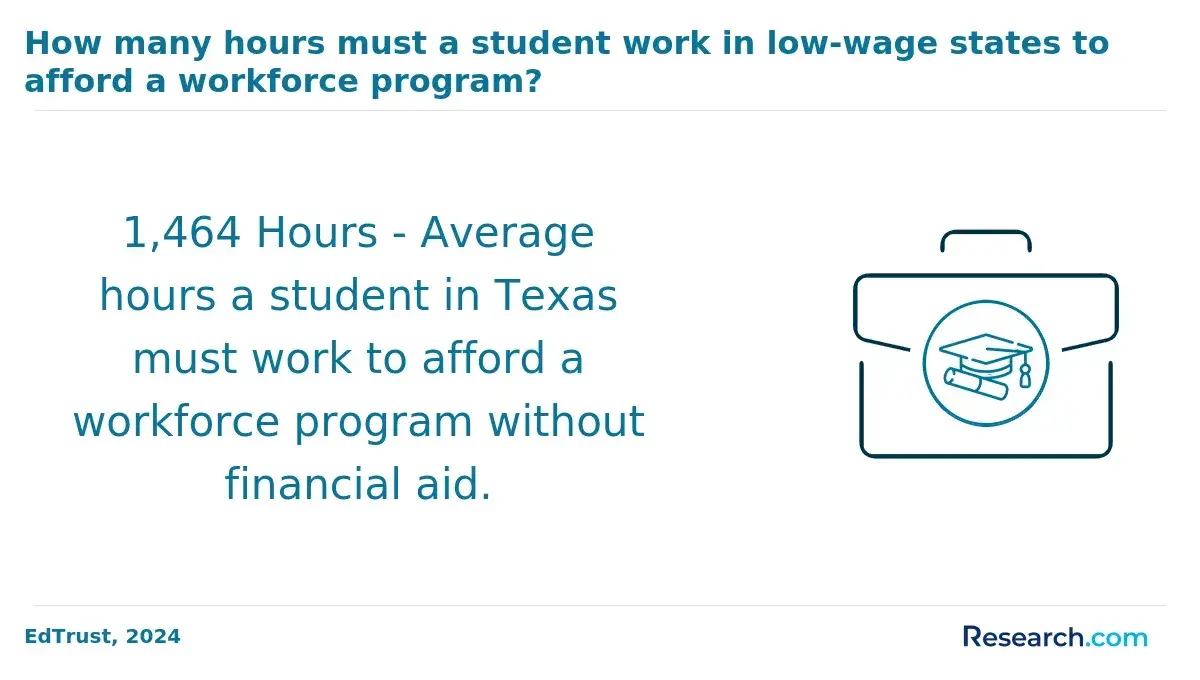
Careful financial planning is crucial when considering the cost to take behavioral health licensure test after earning a behavioral health science degree. These expenses can add up quickly, so knowing what to expect helps avoid surprises.
Several key factors contribute to the overall cost of obtaining licensure:
- Exam fees: The licensing exam typically costs between $200 and $400, varying by state and specific test. This fee generally covers the cost of administering and scoring the exam.
- Application fees: Many states require a separate application or eligibility fee, which can add an additional $50 to $200 to the total expense.
- Retake fees: If you need to retake the exam, you will usually have to pay the exam fee again, increasing your overall costs significantly.
- Study materials: Preparing thoroughly often requires investment in books, online courses, or practice tests, with prices ranging from $50 to several hundred dollars.
- Additional training or supervision: Some licensing requirements include supervised practice hours or workshops, potentially leading to extra fees beyond the exam itself.
By accounting for these costs early, new graduates can budget effectively and better manage the financial demands of entering the field. Those seeking affordable educational paths may also explore options like the cheapest online health science degree, which can help reduce overall expenses while preparing for professional milestones.
Considering behavioral health science licensing exam fees in your planning ensures a smoother transition to licensure and professional practice, supporting your career advancement goals.
How Often Is the Behavioral Health Science Licensing Exam Offered?
Knowing the scheduling patterns of the behavioral health science licensing exam is essential for effective planning and ensuring timely licensure. Around 70% of test-takers succeed on their first try, making awareness of exam frequency a practical advantage.
Below are key factors shaping exam availability and timing.
- Testing Windows: Exams are typically offered quarterly, but exact schedules differ by state, reflecting local licensing board policies and candidate demand.
- Delivery Options: Some jurisdictions allow candidates to take the exam either online or at designated testing centers, while others restrict formats based on security or logistical concerns.
- Retake Intervals: Candidates who do not pass must wait between 30 and 90 days before attempting the exam again, a period that varies widely by state regulations.
- Policy Changes: Licensing boards periodically update exam availability and procedures, so staying informed through official channels is crucial.
- Peak Demand Periods: Following graduation seasons, exam slots may fill quickly due to increased candidate volume, requiring early scheduling efforts.
When I spoke with a recent behavioral health science graduate about how often the exam was offered, she shared how this influenced her preparation and mindset. She recalled feeling a mix of anticipation and pressure because exam dates were limited in her state and appointments filled rapidly.
"I made sure to register as soon as the window opened, but I also had to adjust my study plan to that fixed schedule," she explained. Despite the stress, she appreciated having multiple quarterly dates over the year, which allowed her to plan retakes without long delays if needed.
Her experience highlighted that, while frequency varies, candidates' proactive scheduling and adaptability play key roles in navigating the licensing timeline successfully.
Do You Need a License to Get a Job With a Behavioral Health Science Degree?
Licensing requirements for behavioral health science graduates vary widely, with about 60% of advanced positions requiring official credentials according to recent industry research. Whether a license is needed depends on several important factors that influence eligibility and job prospects.
Consider the following key elements:
- Regulatory requirements: Each state sets its own standards for licensure, particularly for clinical roles that directly impact public health and safety, making state licensure mandatory for many counseling positions.
- Job role: Careers such as licensed professional counselors or clinical social workers typically demand passing specific licensing exams, whereas roles like case managers or behavioral health aides often do not have formal license prerequisites.
- Employer preferences: Some employers may require or favor candidates with licenses even if not legally required, aiming to maintain high service quality and professional credibility.
- Specialization: Certain focus areas within behavioral health-including substance abuse treatment and marriage and family therapy-generally require specialized licenses and certifications unique to those fields.
- State-specific rules: Variations among states' licensure criteria and exam requirements can significantly influence whether licensure is needed and the complexity of achieving it.
These factors collectively shape career pathways, so graduates should evaluate them carefully to determine when and how to pursue licensure after earning a behavioral health science degree.
Do Licensed Behavioral Health Science Professionals Earn More Than Unlicensed Graduates?
Licensure can significantly influence earning potential for behavioral health science professionals, with licensed practitioners often earning between $45,000 and $75,000 annually, while unlicensed graduates usually start at lower salaries. These salary differences reflect the increased responsibilities and verified expertise that come with licensing.
Understanding these factors helps clarify why licensed behavioral health science licensed salary comparison is important for career decisions.
Several key factors contribute to the salary differences between licensed and unlicensed behavioral health professionals, including:
- Regulatory requirements: Many states mandate licenses to provide certain clinical services, restricting the pay scale available to unlicensed workers. These requirements ensure that licensed professionals meet specific standards of care.
- Access to higher-paying roles: Licensing opens doors to specialized clinical counseling, therapy, or case management positions that typically offer better pay compared to entry-level jobs.
- Employer preferences: Employers often prioritize licensed candidates for leadership and client-facing roles, valuing the verified expertise and ethical adherence associated with licensure.
- Career advancement: Holding licensure supports promotion into supervisory or management positions, which come with increased salaries and responsibilities.
- Geographic variations: Income levels and licensing rules vary by state, impacting overall earning potential and influencing salary differences for licensed behavioral health professionals.
Prospective graduates interested in advancing their careers and income potential should consider pathways like cheap RN to BSN online programs that can facilitate further education and licensure eligibility in related fields.
Can I Use My Behavioral Health Science License in Another State?
Because behavioral health science licenses are issued by individual states, holding a license in one state does not guarantee the ability to practice in another. This state-specific licensing system exists because each jurisdiction sets its own standards to ensure competent care. Portability of these licenses is increasingly important as nearly 35% of licensed professionals pursue credentials in multiple states to accommodate job changes or telehealth services.
Interstate compacts and reciprocity agreements, such as the one offered by the Association of Social Work Boards, aim to streamline cross-state practice but only cover certain states and specialties.
The most common ways to practice in a different state include applying for license endorsement, passing state-specific exams focused on local laws and ethics, or completing required supervised hours. However, these routes vary widely depending on the state licensing board and the behavioral health specialty involved, making it essential for professionals to verify specific rules.
While compacts help, many practitioners still face additional hurdles before legally providing services across state lines.
What Graduates Say About The Licensing Exams After Completing a Behavioral Health Science Degree
- Elisha: "Taking the licensing exam after completing my online behavioral health science degree was challenging but manageable, thanks to the thorough preparation materials provided. I found the cost of licensure to be reasonable compared to the value it added to my career. Having this license has opened doors for me in clinical settings and increased my confidence as a professional. "
- Gwenna: "Reflecting on my experience, the licensing exam felt like the final hurdle that validated years of hard work in my behavioral health science program. The fees associated with licensure were an investment I was happy to make, considering the credibility it brought to my practice. This license has allowed me to serve my community more effectively and advance my career. "
- Leslie: "As an online graduate in behavioral health science, I approached the licensing exam with a professional mindset, aware of the costs involved but focused on the long-term returns. The licensure expenses were justified by the enhanced job prospects and professional recognition I now enjoy. Holding this license has been essential in establishing myself as a credible and committed therapist in my field. "
Other Things You Should Know About Behavioral Health Science Degrees
In 2027, individuals with disabilities can request accommodations for the behavioral health science licensing exam. These accommodations may include extended time, separate testing rooms, or assistive technology. It is essential to submit documentation and requests well in advance to the exam board to ensure arrangements are made.
Examinees must bring government-issued photo identification, such as a driver's license or passport, to verify their identity. Some testing centers may also require a secondary form of ID or proof of registration confirmation. It is important to check the specific testing authority's guidelines well ahead of the exam date to avoid any issues.
Yes, candidates with documented disabilities can request reasonable accommodations for the behavioral health science licensing exam. Requests must be submitted in advance, typically with supporting medical or psychological documentation. Each testing organization has specific procedures for accommodation requests, so candidates should begin this process early to ensure proper arrangements.
References
- What you need to know about eligibility before you apply for the CCM® Exam – Fast Facts! https://ccmcertification.org/blog/what-you-need-know-about-eligibility-you-apply-ccmr-exam-fast-facts
- licensing exam for mental health counselors https://admisiones.unicah.edu/browse/68BQKg/6OK112/licensing__exam__for__mental__health-counselors.pdf
- Behavioral Health Licensing Exam Prep | AATBS Since 1976 | AATBS https://aatbs.com/home
- Behavioral Health https://www.pocketprep.com/bundles/behavioral-health/
- Behavioral Science Subject Exam - Content Outline https://www.nbme.org/assessment-products/assess-learn/subject-exams/basic-science/behavioral-science
- Exam Preparation https://www.hellotriad.com/exam-preparation
- Behavioral Health Specialist Salary and Job Description https://www.warnerpacific.edu/blog/behavioral-health-specialist/
- Online Bachelor of Science in Behavioral Health | Illinois College https://www.ic.edu/behavioralhealth-online


