2027 Logistics Degree vs. Certificate: Which Should You Choose?

Co-Founder and Chief Data Scientist
Choosing between a logistics degree and a logistics certificate is usually a choice between depth, speed, cost, and career ceiling. A degree can build the broader business, analytics, operations, and leadership foundation often expected for management-track roles. A certificate is usually faster and more targeted, making it useful for workers who need job-ready skills, a credential for advancement, or a lower-cost way to enter the field.
The decision matters because logistics and supply chain roles support nearly every industry, from retail and manufacturing to healthcare, transportation, and government contracting. The U.S. Bureau of Labor Statistics projects logistician job growth of about 11%, which signals continued demand for professionals who can manage inventory, transportation, procurement, warehousing, and supply chain disruptions.
This guide compares logistics degrees and certificates by time to completion, online availability, admissions, credits, tuition, transfer options, accreditation, jobs, and starting salary. Use it to decide whether you need a full academic credential, a short skills-focused program, or a certificate now with the option to pursue a degree later.
Key Points About Logistics Degree vs. Certificate Programs
- Degree programs offer comprehensive logistics knowledge and higher salary potential, with graduates earning 15-25% more than those with certificates, according to industry reports.
- Certificate programs provide targeted skill development and faster completion, ideal for professionals seeking immediate job advancement or specialization in logistics areas.
- Degrees support broader career growth with leadership opportunities, while certificates enhance practical expertise, allowing flexible, cost-effective entry into logistics roles.
What Are the Differences Between Logistics Degree and Certificate Programs?
The main difference is scope. A logistics degree is a broader academic credential that combines logistics with business, data analysis, management, and general education. A logistics certificate is narrower and usually focuses on specific skills such as inventory control, transportation, procurement, warehouse operations, or supply chain coordination.
Neither option is automatically better. The stronger choice depends on where you are in your career and what kind of role you want next.
| Factor | Logistics Degree | Logistics Certificate |
| Best fit | Students seeking long-term career growth, management roles, or a stronger academic foundation | Workers who want faster upskilling, a career change, or a targeted credential |
| Curriculum depth | Broad study of logistics, supply chain management, business, analytics, operations, and general education | Focused training in practical logistics topics with fewer non-major requirements |
| Time commitment | Usually takes multiple years, depending on degree level and enrollment status | Often completed in months, depending on the program and course load |
| Career use | Often preferred for analyst, specialist, supervisory, and management-track positions | Often useful for coordinator, clerk, dispatcher, inventory, warehouse, or skill-specific roles |
| Flexibility | May offer online, hybrid, part-time, and transfer-credit options | Often designed for working adults and may be available online or asynchronously |
A degree is usually the better option if you want a credential that can support advancement beyond entry-level operations. A certificate may be the better option if you already work in logistics, need a focused skill set quickly, or want to test the field before committing to a longer program.
- Choose a degree if: you want broader career mobility, plan to pursue leadership roles, may need a bachelor’s degree for employer screening, or want to continue to graduate study later.
- Choose a certificate if: you need faster training, already have a degree in another field, want to strengthen a resume, or need specific skills for your current job.
- Consider both if: the certificate credits can transfer into a degree program and you want a step-by-step path.
How Long Does It Take to Complete a Logistics Degree vs. a Certificate Program?
A logistics certificate is usually much faster than a logistics degree because it includes fewer courses and rarely requires general education classes. Most certificates can be completed within one semester to 18 months. A degree takes longer: about two years for an associate degree, four years for a bachelor’s degree, and an additional 1-2 years for many graduate degrees after a bachelor’s.
The right timeline depends on whether you need a quick credential for employment or a more comprehensive qualification for long-term advancement.
Typical completion timelines
- Certificate program: Often one semester to 18 months. These programs usually focus on specialized logistics courses and may require only three to six courses, or 9-18 credit hours.
- Associate degree: Usually about two years of full-time study. This option can prepare students for entry-level roles while also creating a possible bridge to a bachelor’s degree.
- Bachelor’s degree: Commonly four years of full-time study. Bachelor’s programs usually include general education, business core courses, and logistics or supply chain coursework.
- Graduate degree: Often adds 1-2 years after a bachelor’s degree, depending on the program format and enrollment pace.
What can shorten or lengthen your timeline?
- Enrollment status: Full-time students finish faster, while part-time students may need more semesters but can better balance work and family obligations.
- Online format: Asynchronous online certificates are often built for working professionals, while online degree programs may still follow semester schedules.
- Transfer credits: Degree programs may accept prior college coursework, which can reduce the time to completion. Certificates usually have fewer prerequisites, so students can often begin quickly.
- Course availability: Some logistics courses are offered only in certain terms, which can affect pacing if you study part time.
- Accelerated options: Students considering graduate logistics study may also compare formats such as a 1 year masters online.
If speed is the top priority, a certificate usually wins. If the goal is long-term advancement into analyst, supervisory, or management roles, the longer degree timeline may be easier to justify.
Can You Complete a Logistics Degree or Certificate Entirely Online?
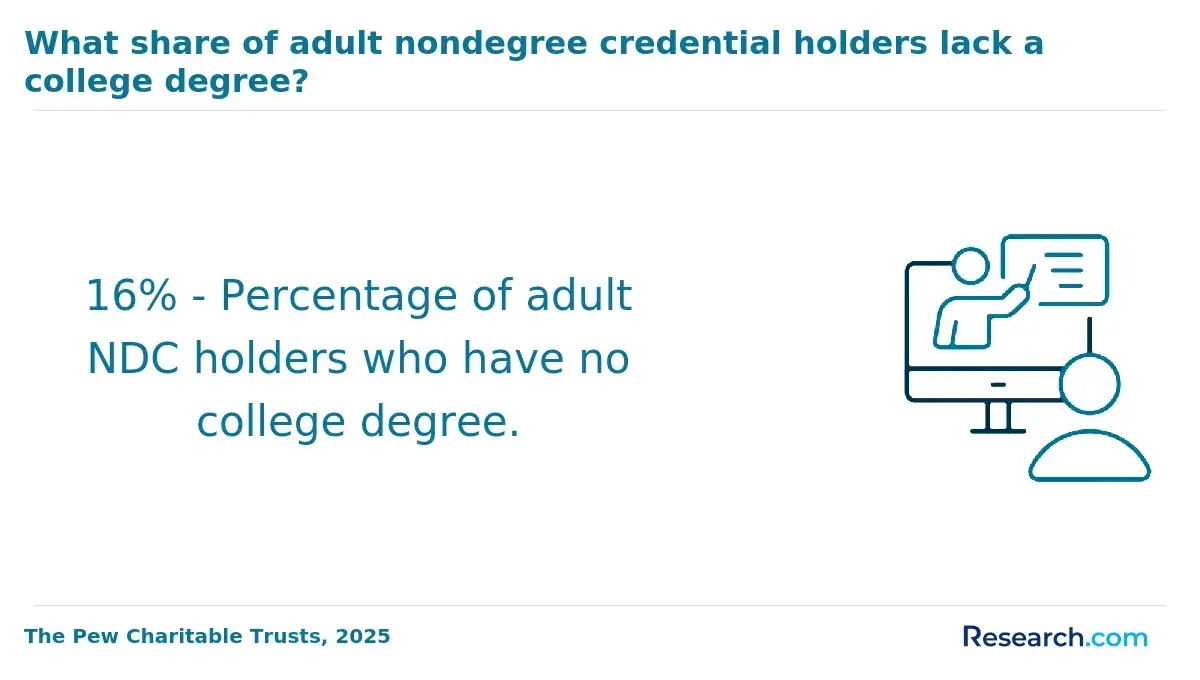
Yes, many logistics degrees and some logistics certificates can be completed fully online, but availability and requirements vary by school. Before enrolling, verify whether the program is fully online, hybrid, or online with limited in-person requirements.
Online logistics degree programs in the US are widely available from institutions such as Oregon State University, Northern Arizona University, and Southern New Hampshire University. These bachelor’s programs can typically be completed fully online and may require about 180 quarter credits. Some schools, including ECPI University, offer accelerated tracks that can be finished in as little as 2.5 years.
Online logistics certificates also exist, but their structure is less uniform. Some are fully online, while others may include hybrid courses, on-campus intensives, proctored assessments, or employer-based practical components. Because certificate formats vary, students should confirm delivery details before paying an application fee or deposit.
Questions to ask before choosing an online logistics program
- Is the program fully online? Ask whether any orientation, lab, exam, internship, or capstone requirement must be completed in person.
- Are courses asynchronous? Asynchronous courses are often better for working adults because they do not require attendance at fixed class times.
- Does the program include practical training? Some degree programs may build in projects, internships, or applied supply chain work. Certificates may be more classroom-based or skills-based depending on the provider.
- Will the credential match your career goal? A degree may be stronger for management-track roles, while a certificate may be enough for targeted logistics functions.
- Is the institution properly recognized? Accreditation and employer recognition matter, especially if you plan to transfer credits or seek financial aid.
Online study can be especially useful for adult learners, career changers, and workers already employed in transportation, warehousing, procurement, or operations. Readers comparing flexible education options may also want to review degree programs for older adults online while evaluating how to complete logistics certificate online options.
What Are the Admission Requirements for a Logistics Degree vs. a Certificate Program?
Logistics degree programs usually have broader admission requirements because they lead to an academic credential. Certificate programs are often more streamlined, but some still require prior college coursework, a bachelor’s degree, or relevant professional preparation.
Requirements vary by institution, so always check the admissions page for the exact program you are considering. The comparison below reflects common expectations.
Admission Requirements for Logistics Degree Programs
- Educational background: Undergraduate logistics degree applicants generally need a high school diploma. Master’s applicants usually need a bachelor’s degree from an accredited institution, which aligns with common master’s degree logistics admission requirements.
- Minimum GPA: Undergraduate programs typically require a cumulative GPA between 2.0 and 2.7. Graduate programs often expect at least a 3.0 GPA in upper-level coursework.
- Course prerequisites: Some programs require college-level math, statistics, introductory business, or related courses, often completed with a grade of C or better.
- Standardized test scores: Graduate logistics programs may request GMAT or GRE scores, though waivers are often available for applicants with relevant professional experience or prior advanced degrees.
- Professional experience: Master’s programs may require or prefer 2-3 years of work experience in logistics, supply chain, operations, or a related field.
- Supporting documents: Applicants commonly submit transcripts, a resume, a personal statement, and proof of English proficiency if they are non-native speakers.
Admission Requirements for Logistics Certificate Programs
- Educational background: Some certificate programs require a bachelor’s degree in business, engineering, or a related field, while others are open to students with less formal preparation.
- Minimum GPA: Programs that require prior undergraduate study may expect a minimum undergraduate GPA of around 3.0.
- Course prerequisites: Some certificates require foundational knowledge in logistics, business, or supply chain management, reflecting bachelor’s degree supply chain management prerequisites.
- English proficiency: International students may need to provide proof of English language proficiency.
Applicants who do not yet meet degree requirements may use a certificate, associate program, or transfer pathway as a starting point. If speed is important, an accelerated associate's degree online may also be worth comparing with certificate options in logistics and supply chain fields.
How Many Credits Do You Need to Complete a Logistics Degree vs. a Certificate?
Credit requirements show how much coursework you should expect. In general, a logistics degree requires far more credits because it includes general education, business foundations, electives, and major courses. A certificate requires fewer credits because it focuses on a narrower set of logistics skills.
- Bachelor's degree: Typically requires between 120 and 128 credit hours. These programs combine general education, business coursework, and specialized logistics or supply chain courses, usually over four years of full-time study.
- Associate degree: Usually requires about 64 to 90 credits and generally takes around two years of full-time study.
- Certificate program: Often requires only 12 to 18 credit hours and can be completed in less than a year, depending on course scheduling and enrollment pace.
The credit difference affects more than graduation timing. It also affects tuition, workload, financial aid eligibility, and how much academic breadth you receive. A student taking about 15 credits in a certificate program may finish a practical credential quickly, while a degree student completes a larger curriculum that may support broader career mobility.
How to interpret credit requirements
- Fewer credits mean faster completion: Certificates are useful when you need targeted skills without a long academic commitment.
- More credits can mean broader preparation: Degrees usually provide more training in communication, quantitative reasoning, business strategy, and management.
- Transferability matters: If you may pursue a degree later, choose certificate courses that are credit-bearing and ask whether they can apply toward an associate or bachelor’s program.
What Is the Average Tuition for a Logistics Degree vs. a Certificate?
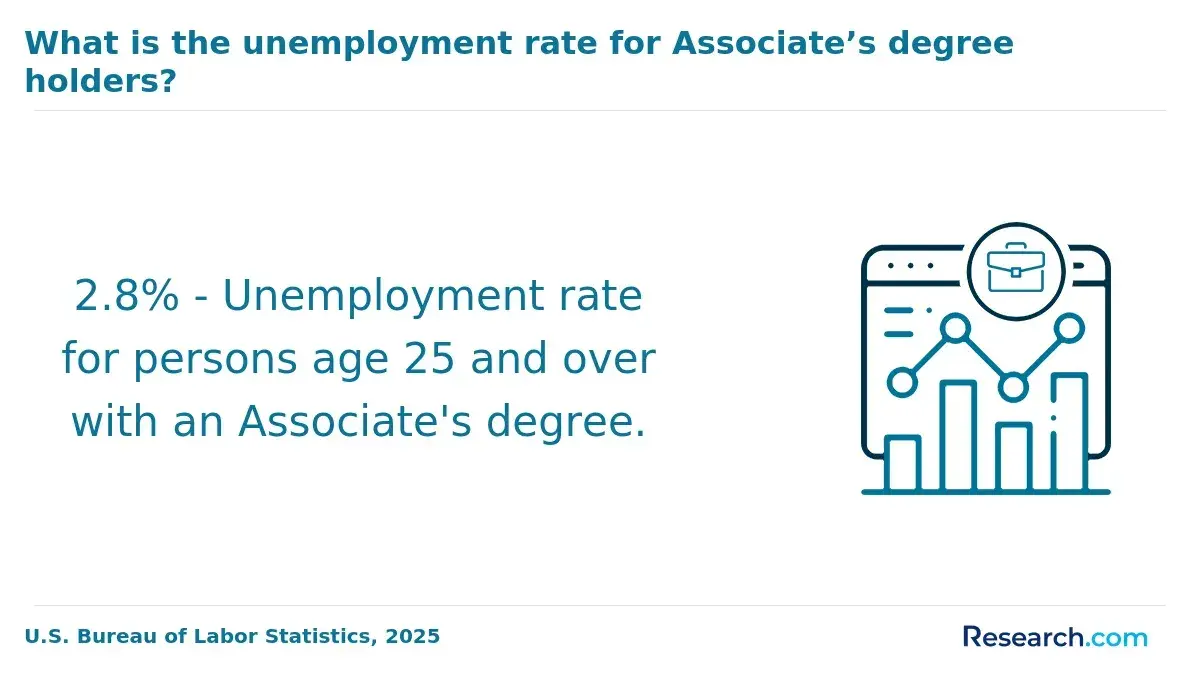
A logistics certificate is usually less expensive upfront than a logistics degree because it requires fewer credits and takes less time. A degree costs more overall, but it may qualify for broader financial aid and may support stronger long-term advancement depending on the employer and role.
Tuition varies by school type, residency status, delivery format, credit requirements, and whether the program is offered by a public university, private institution, community college, or for-profit school.
Average Tuition for Logistics Degree Programs
- Tuition range: Bachelor's degrees in logistics generally cost between $7,000 and $43,000 per year at U.S. institutions, depending on school type and whether the student qualifies for in-state tuition.
- Public vs. private: Public universities typically offer lower tuition for in-state students, around $10,000-$12,000 per year. Private schools and out-of-state tuition can raise annual costs to $27,000-$43,000 or more.
- Online vs. on-campus: Online logistics degrees may be more affordable in some cases, with programs ranging from $8,300 to $16,830 for degree completion, and some full online bachelor’s programs priced between $15,000 to $41,000 total.
- Program length: Most bachelor's logistics programs require 120 credits and about four years of full-time study, so total cost depends on both tuition per credit and time enrolled.
- Financial aid access: Many accredited online and on-campus degree programs may qualify for financial aid opportunities. Students should compare online school financial aid options before choosing a program.
Average Tuition for Logistics Certificate Programs
- Tuition range: Logistics certificate programs generally cost between $1,000 and $7,000 total, making them a lower-cost option for many students.
- Program duration: Certificates are usually completed within 6 months to 1 year and often require between 12 and 30 credits.
- School type: Community colleges tend to charge less, while private for-profit schools may charge $6,000 to $7,000 or more for similar programs.
- Online options: Many certificate programs are available online and are frequently priced between $100 and $300 per credit.
- Financial aid: Some certificates qualify for financial aid, but coverage is generally more limited than for degree programs.
How to compare real program costs
- Look beyond tuition: Include fees, books, technology costs, exam fees, and any required campus visits.
- Check aid eligibility before enrolling: Not every short certificate qualifies for the same aid as a degree.
- Ask about employer tuition assistance: Workers already in logistics, warehousing, transportation, or procurement may be able to reduce out-of-pocket costs through employer support.
- Compare cost to career goal: A low-cost certificate may be ideal for immediate skills, while a degree may be a better investment if your target roles commonly require one.
Can You Transfer Certificate Credits Toward a Logistics Degree Later On?
Yes, certificate credits can sometimes transfer toward a logistics degree, but transfer is never automatic. Colleges decide based on accreditation, course content, credit level, grades, and how closely the certificate courses match degree requirements.
The easiest transfer path is usually within the same institution. For example, a college may design a logistics certificate so that its courses also count toward an associate or bachelor’s degree. Transfer can be harder when the certificate comes from another school, a noncredit provider, or an industry training organization.
What affects whether certificate credits transfer?
- Institutional policy: Some schools limit how many credits can transfer or require that credits come from a regionally accredited institution.
- Course match: Credits are more likely to transfer when the certificate course closely matches a required degree course in content, level, and credit hours.
- Grade requirements: Many programs require a minimum grade of "C" or better for transfer credit.
- Credit type: Credit-bearing academic certificates transfer more easily than noncredit professional development programs.
- Transfer caps: Even if courses are eligible, the degree program may limit the total number of credits that can be applied.
How to protect your credits before enrolling
- Ask whether the certificate is credit-bearing or noncredit.
- Request written confirmation of which courses can apply to a future logistics degree.
- Save syllabi, course descriptions, assignments, and transcripts for evaluation.
- Confirm the minimum grade required for transfer, often "C" or better.
- Speak with an academic advisor in the degree program, not only the certificate program.
If you know you may pursue a degree later, choose a certificate that is embedded in a degree pathway or offered by the same institution where you may continue your studies. That planning can save time and money.
Are Certificate Programs Accredited the Same Way as Logistics Degrees?
No. Logistics certificate programs are not always accredited in the same way as logistics degrees. Degree programs are typically tied to institutional academic accreditation, while certificates may be academic, noncredit, continuing education, or industry-aligned credentials.
Logistics associate, bachelor’s, and master’s degrees are commonly offered by institutions accredited by recognized regional or national academic agencies. Certificate programs may be validated or aligned with professional organizations such as the Association for Supply Chain Management (ASCM) or the International Society of Logistics (SOLE). These organizations can signal professional relevance, but they do not provide the same type of academic accreditation as a college or university degree.
Why accreditation matters
- Financial aid: Academic accreditation can affect eligibility for federal aid and other funding options.
- Credit transfer: Credits from accredited institutions are usually easier to evaluate for transfer into a degree program.
- Employer recognition: Employers may value both accredited degrees and respected industry-aligned certificates, but they may use them for different hiring decisions.
- Graduate study: If you plan to pursue a higher degree later, institutional accreditation is especially important.
What to verify before enrolling
- For a degree: Confirm that the institution is accredited by a recognized academic accreditor, such as Middle States or SACS.
- For a certificate: Ask whether the certificate is credit-bearing, whether it is offered by an accredited institution, and whether it is endorsed or aligned with groups such as ASCM or SOLE.
- For transfer plans: Ask the future degree-granting institution whether the certificate credits will be accepted before you begin.
A certificate can still be valuable even if it is not accredited like a degree, but students should understand exactly what recognition the credential carries and what it will or will not allow them to do next.
What Jobs Can You Get with a Logistics Degree vs. a Certificate?
A logistics degree generally prepares graduates for a wider range of analytical, supervisory, and management-track positions. A logistics certificate is more commonly used for entry-level, support, operational, or skill-specific roles, especially when paired with relevant work experience.
Employers may care about different things depending on the role. For data-heavy or strategic positions, they may prefer a degree. For warehouse, shipping, inventory, transportation, or coordination roles, a certificate plus practical experience may be enough to compete.
Jobs You Can Get with a Logistics Degree
- Logistics analyst: Evaluates supply chain data, identifies inefficiencies, and recommends process improvements.
- Supply chain manager: Coordinates supply chain operations across suppliers, manufacturers, distributors, and internal teams.
- Operations manager: Oversees daily logistics activities and helps ensure efficient workflows in warehouses, distribution centers, or operations departments.
- Procurement specialist: Manages purchasing processes, supplier communication, contract support, and sourcing decisions.
- Distribution manager: Supervises product distribution, delivery schedules, and movement of goods to customers or retail locations.
- Inventory control manager: Tracks inventory accuracy, manages stock levels, and helps prevent shortages or excess inventory.
Jobs You Can Get with a Logistics Certificate
- Logistics coordinator: Schedules shipments, tracks deliveries, and supports daily logistics operations.
- Shipping and receiving clerk: Processes incoming and outgoing shipments, verifies orders, and maintains shipping documentation.
- Inventory specialist: Organizes stock, supports inventory counts, and helps maintain accurate records.
- Warehouse supervisor: Leads warehouse staff, coordinates storage and packing activities, and supports shipment preparation.
- Transportation dispatcher: Plans vehicle routes, communicates with drivers, and helps keep deliveries on schedule.
How to choose based on job goals
- If you want to move into management: A degree may offer stronger preparation and broader employer acceptance.
- If you need a logistics role quickly: A certificate can help you build job-specific language and practical skills faster.
- If you already have experience: A certificate may help document skills you already use on the job.
- If you are new to the field: A degree may provide more structure, career services, internships, and business fundamentals.
What Is the Average Starting Salary for a Certificate vs. Logistics Degree Graduates?
Starting salaries in logistics depend on credential level, job title, industry, location, experience, and employer size. In general, degree holders tend to start in a higher salary range than certificate holders because they are more likely to qualify for analyst, specialist, or management-track roles.
Certificate graduates in logistics and supply chain management typically start with salaries from $45,000 to $66,000 annually. Bachelor’s degree graduates in logistics usually begin with salaries ranging from $54,000 to $70,000 per year. Advanced degrees and certifications can raise salaries above $80,000 as experience grows.
Logistics certificate vs. degree salary comparison
- Typical salary range for certificate holders: $45,000 to $66,000 annually. Common starting roles include logistics coordinator, shipping clerk, and inventory specialist.
- Typical salary range for degree holders: $54,000 to $70,000 per year. Common roles include logistician, operations manager, and supply chain analyst.
- Higher earning factors: Relevant internships, prior logistics experience, technical skills, and industry-specific knowledge can improve starting pay.
- Industry differences: Aerospace and federal agencies normally pay more than retail or freight transport.
- Location differences: Urban logistics hubs often offer higher wages than rural areas, though cost of living should also be considered.
A certificate may provide a faster and less expensive route into the field. A degree may provide stronger long-term salary growth and more access to roles with broader responsibility. Students comparing affordable degree pathways can review cheapest online bachelor degree options while weighing cost against salary potential.
Here's What Graduates of Logistics Programs Say About Their Degree or Certificate
- : "Completing both the logistics certificate and degree programs allowed me to experience the best of both worlds: the certificate gave me quick, focused skills while the degree deepened my strategic knowledge and leadership abilities. Balancing cost and time was challenging, but the combined credentials have significantly boosted my professional growth and confidence. Leonardo"
- : "The logistics degree program provided a comprehensive and in-depth understanding of supply chain management, which was essential for my long-term career goals. Although it required a larger financial commitment and more time, the broader perspective and networking opportunities were invaluable. For those considering career impact vs. cost, the degree offered a solid foundation and stability. Santos"
- : "Choosing the logistics certificate program was a game-changer for me because it offered a fast-paced learning experience that fit perfectly into my busy schedule. The focused curriculum helped me gain practical skills without the high costs of a degree, making it a smart investment. I'm now confidently advancing my career with specialized knowledge that truly matters. Arden"
Other Things You Should Know About Logistics Degrees
In 2027, logistics degree programs typically offer broader networking opportunities through alumni networks and university-sponsored events, while certificate programs may provide more focused industry contacts through shorter, intensive courses. Degree programs often include internships or co-op placements, which can further expand professional connections.
Entry requirements for logistics degree programs in 2027 typically include a high school diploma or equivalent, standardized test scores, and sometimes relevant work experience. Specific prerequisites may vary by institution, so it's important to check the admission guidelines of the university you're interested in.
In some cases, credits earned from a logistics certificate can be transferred and applied toward a degree program, particularly if both are offered by the same institution or partner schools. It is important to verify transfer policies upfront, as not all certificate credits guarantee recognition within degree curricula.
References
- Graduate Certificate in Logistics and Supply Chain Management https://www.bsu.edu/academics/collegesanddepartments/mba/certificates/logistics-supply-chain-management
- Supply Chain Management and Logistics (Cert.) (30 credits) https://coursecatalogue.mcgill.ca/en/continuing/areas-study/undergraduate-credit-programs/supply-chain-management-logistics-certificate/
- Online Undergraduate Certificate in Operations and Supply Chain Management | CSU Global | Accredited https://csuglobal.edu/academic-programs/undergraduate-certificates/undergraduate-certificate-operations-and-supply-chain-management
- Accredited Programs cELog - European Logistics Association https://www.elalog.eu/accredited-programs-celog/
- Timing Your Education: How Long to Get a Logistics Degree? - Benjamin Gordon Scholarship https://benjamingordonscholarship.com/timing-your-education-how-long-to-get-a-logistics-degree/
- Admissions https://business.fau.edu/masters-phd/it-management/traditional/certificates/supply-management/admissions/
- Supply Chain Certification, Degree, Diploma? https://certitrek.com/nlpa/blog/supply-chain-certification-degree-diploma/
- Logistics Career Path: Skills, Jobs, Education and More https://www.ascm.org/ascm-insights/logistics-career-path/
- Certification vs. experience in transportation and logistics https://www.thecooperativelogisticsnetwork.com/blog/2025/06/09/certification-vs-experience-what-matters-more-in-the-transportation-and-logistics-industry/
- 21 Best Online Logistics Bachelor's Degrees of 2025 https://www.supplychainguide.org/degrees/online-bachelors-in-logistics/