
2027 Most Popular Concentrations in Behavioral Health Degrees

Co-Founder and Chief Data Scientist
Choosing the right concentration in behavioral health is crucial as demand for specialized skills grows rapidly. Recent data shows a projected 15% increase in behavioral health jobs over the next decade, driven by rising mental health awareness and service needs. This trend highlights the importance of selecting a focus that meets both industry demands and personal career goals.
This article explores the most popular concentrations in behavioral health degrees, helping prospective students understand their options. By examining key areas such as clinical counseling, addiction studies, and child mental health, readers can make informed decisions aligned with their professional aspirations and the evolving landscape of behavioral health care.
Key Benefits of Popular Concentrations in Behavioral Health Degrees
- Specialized concentrations in behavioral health increase employability, with the Bureau of Labor Statistics projecting 22% job growth in related fields by 2030.
- Focused training enhances diagnostic and therapeutic skills, enabling professionals to address complex mental health issues more effectively.
- Industry demand favors candidates with expertise in substance abuse, child psychology, or gerontology, leading to higher salaries and career advancement opportunities.
What Are the Most Popular Behavioral Health Concentrations in 2027?
Interest in specialized behavioral health study paths continues to rise due to rapid market growth and evolving workforce needs. Students increasingly seek concentrations that address both emerging clinical demands and gaps in the current behavioral health landscape.
What are the most popular Behavioral Health concentrations today?
- Applied Behavior Analysis (ABA): Leading the sector, this concentration focuses on autism and behavioral interventions, driven by the rising prevalence of autism diagnoses and insurance coverage expansion. The autism and applied behavior analysis specialization is reflected in companies like ABA Centers of America, which saw a 7,755% three-year revenue growth and now generates hundreds of millions annually.
- Mental Health Counseling and Therapy: This foundational area now integrates digital platforms, requiring graduates to develop skills in both traditional in-person and teletherapy services. The dual competency is essential as providers expand outpatient offerings to meet broader patient needs.
- Psychiatric Services and Medication Management: As integrated care models expand, demand grows for professionals who connect behavioral health with primary care coordination. The integrated behavioral and physical health services concentration is becoming critical in modern healthcare settings that prioritize holistic patient care.
- Addiction and Substance Use Treatment: With increased focus on medication-assisted treatments and digital delivery methods, this specialization opens new career paths focused on addressing substance use disorders using innovative approaches.
- Trauma-Informed Care: Now a foundational requirement, trauma-informed care emphasizes evidence-based, safety-centered practices across organizations, reflecting broad industry commitments to improving client outcomes through sensitive treatment frameworks.
Students exploring these concentrations who want to accelerate their career prospects may consider a 6-month certification program that pays well, which can provide targeted skills in these high-demand areas efficiently.
What Skills Are Required for the Top Behavioral Health Concentrations?
The most popular concentrations in behavioral health degrees-including Mental Health and Substance Abuse, Integrated Behavioral Health, and Trauma-Informed Care-require specialized skills that extend well beyond traditional social work training. As industry expectations evolve, students must develop competencies aligned with current workforce needs to ensure professional success and effective clinical practice.
Technical and analytical skills for behavioral health professionals are fundamental. Graduates gain expertise in evidence-based interventions, psychopharmacology, and integrated treatment approaches essential for clinical roles. Accurate assessment and diagnostic abilities, supported by coursework in Behavioral Therapy Techniques and Psychopathology Across the Lifespan, enable targeted treatment planning and support licensure requirements.
Communication and interpersonal skills in behavioral health careers are equally important. Emphasizing trauma-informed and culturally responsive practice prepares students to serve diverse populations. Electives in grief counseling, play therapy, and trauma treatment, along with coursework in Diversity and Social Justice, strengthen practitioners' abilities to advocate for vulnerable clients and engage effectively in community interventions.
Students seeking advanced credentials often consider the easiest masters degree options to develop these vital skills while accelerating their careers.
- Critical thinking and problem-solving: Essential for evaluating complex client scenarios, these skills help professionals adapt evidence-based methods to individual needs while navigating ethical dilemmas.
- Technical and analytical skills for behavioral health professionals: Competency in data interpretation and treatment planning based on clinical research assures accuracy in diagnosis and effective intervention strategies.
- Empathy and active listening: These communication skills foster trust and rapport with clients, enabling better understanding of their experiences and more personalized care.
- Cultural competence: Understanding diverse backgrounds supports inclusive care and addresses systemic barriers affecting mental health outcomes.
- Collaboration and teamwork: Effective interdisciplinary communication strengthens integrated care delivery and improves treatment success in complex behavioral health environments.
Do Different Behavioral Health Concentrations Have Different Admission Requirements?
Different behavioral health concentrations do have varying admission requirements, primarily influenced by the specialization's complexity, prerequisite skills, and program standards rather than concentration type alone. At the undergraduate level, many programs maintain consistent baseline requirements across concentrations.
For instance, the University of South Florida's Bachelor of Science in Behavioral Healthcare applies the same foundational admission standards regardless of whether students choose Behavioral Health Across the Lifespan, Children's Behavioral Healthcare, or Applied Behavior Analysis. However, as students advance to graduate and doctoral programs, admission criteria reflect more specific demands tied to each concentration's focus.
Graduate program GPA requirements by concentration often illustrate these differences. Master's programs typically require a bachelor's degree and a minimum GPA of around 3.0, but some concentrations may also expect clinical experience or professional licensure. For example, doctoral clinical tracks like Arizona State University's Clinical Doctoral in Behavioral Health require applicants to hold or be eligible for clinical licensure, aligning with their internship and patient care demands.
Conversely, research-intensive concentrations emphasize quantitative coursework and evidence of research experience. These criteria ensure students possess the distinct skills needed for clinical practice or research. Prospective students can also consider broader career goals by reviewing resources such as bachelor's degrees that make the most money for insight into potential earnings related to different behavioral health paths.
Do Specific Behavioral Health Concentrations Require Accredited Programs?
Accreditation is essential for students pursuing specialized behavioral health degrees because it often influences eligibility for licensure, certification, and employment opportunities. Graduates from non-accredited programs may face barriers in advancing their careers or meeting professional standards.
- Licensure Requirements: Certain states mandate that applicants hold degrees from accredited programs to qualify for counseling licenses, with states like Kentucky, North Carolina, Ohio, and Florida leading this trend as of 2025.
- Program Specializations: Accreditation covers numerous concentrations including clinical mental health, addiction, career, school, and marriage and family counseling, though some specialties are less frequently accredited, affecting career pathways.
- Employer Preferences: Many employers prefer candidates from accredited programs as it assures adherence to quality education and evidence-based training practices.
- Curriculum Standards: Accredited programs must include coursework across essential core areas and supervised practical experiences, ensuring graduates receive comprehensive training consistent with industry benchmarks.
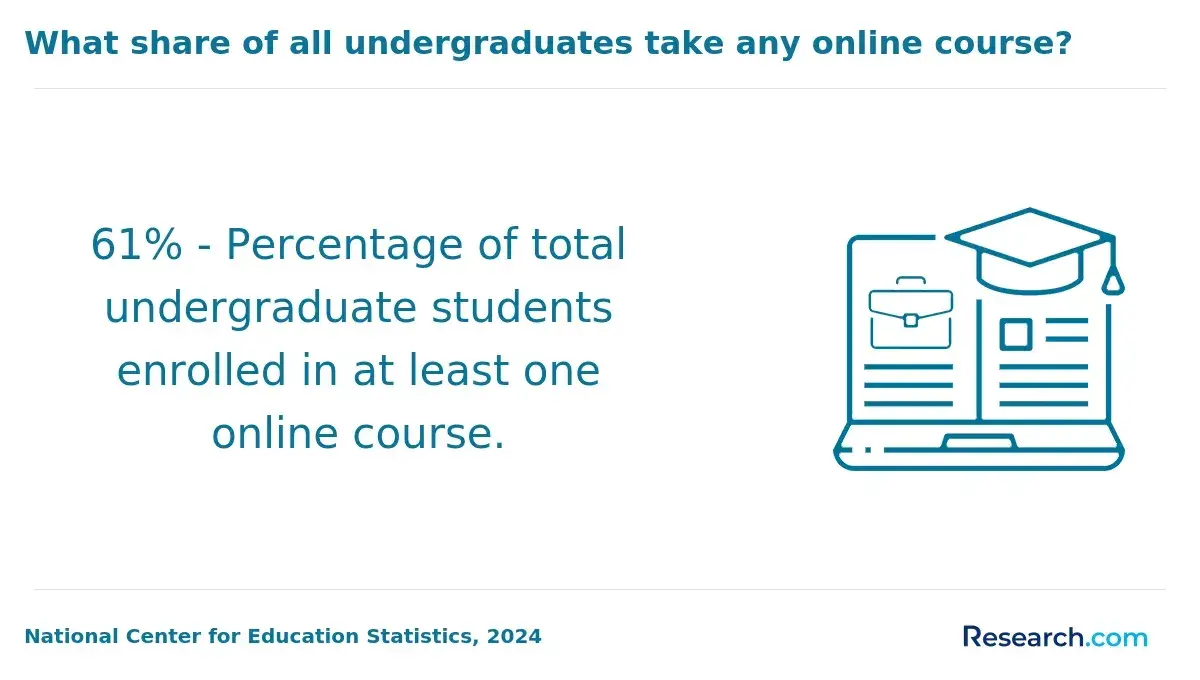
Is the Quality of Online Behavioral Health Concentration Tracks the Same as On-Campus Programs?
As students increasingly weigh the benefits of online versus on-campus behavioral health programs, the focus sharpens on program quality as a crucial decision factor. Understanding what drives excellence across delivery methods helps applicants find the right fit for their goals.
- Curriculum and Accreditation: Both formats adhere to the same rigorous accreditation standards and prepare students for licensure and professional practice equivalently.
- Faculty Expertise: Experienced instructors guide students throughout, with flexible communication options tailored to each format.
- Hands-On Training: On-campus programs offer direct access to labs and clinical simulations; online tracks use telehealth platforms and interactive cases to develop practical skills remotely.
- Technology Integration: Advanced digital tools, including live video supervision, bridge gaps in remote learning and support real-time feedback.
- Student Outcomes: Studies indicate reduced stress and high satisfaction in online learning, though some students find physical labs more effective for skill mastery.
A graduate from a popular behavioral health concentration who completed a hybrid program shared that balancing in-person clinical rotations with online coursework created a well-rounded experience. She noted the convenience of attending lectures virtually while valuing the hands-on sessions for building confidence. "The online classes covered theory deeply, but being on campus for labs helped me apply what I learned and feel truly prepared," she reflected.
Navigating occasional tech challenges was part of the process, yet live discussions and case studies enhanced engagement. Her journey illustrated how combining both formats can offer a comprehensive education without sacrificing quality or support.
Which Behavioral Health Concentration Is the Hardest to Complete?
Variations in course difficulty across behavioral health concentrations arise from differences in academic rigor, required skills, workload intensity, and how programs integrate multiple disciplines. Some concentrations demand a broader knowledge base and more advanced technical abilities, making them particularly challenging for students.
- Mathematical Demands: The research and statistics concentration requires advanced understanding of statistical theories and proficiency in specialized software, posing difficulties for students with limited math backgrounds.
- Knowledge Foundation Gaps: Incoming students often lack sufficient quantitative skills, making it harder to grasp complex statistical and methodological concepts tied to psychological research.
- Research Design Complexity: Students must independently create and execute experiments according to strict ethical and methodological standards, which requires both analytical precision and innovative thinking.
- Cross-Disciplinary Integration: Success depends on melding insights from biology, psychology, and research methods rather than approaching these subjects separately, increasing cognitive load.
What Careers Can You Get with Each Behavioral Health Specialization?
Behavioral health concentrations equip graduates with focused skills that lead to distinct career routes. Recognizing how each specialization connects to job opportunities helps students target their studies toward fields with strong professional demand.
- Clinical mental health counseling: Graduates often become Licensed Professional Counselors or grief counselors, working in settings like hospitals, private practices, and community health centers where they provide direct therapeutic support to diverse clients.
- Marriage, couple, and family counseling: This path prepares professionals to serve as Licensed Marriage and Family Therapists, family mediators, or couples therapists in private practice and healthcare environments, addressing interpersonal and family-related challenges.
- Addiction counseling: Specialists here take on roles as substance abuse counselors in rehabilitation centers and community programs, delivering evidence-based assistance for individuals coping with addiction.
- School counseling: Graduates secure positions in K-12 systems as school counselors or social workers, focusing on students' academic and emotional development and contributing to student services and administration.
- Trauma and crisis counseling: These counselors work in emergency services and trauma centers, providing care to individuals affected by abuse, violence, or other intense crises.
A professional I spoke with who earned a specialization in clinical mental health counseling shared how navigating career options initially felt overwhelming due to diverse opportunities ranging from private practice to hospitals. He described the process of gaining licensure and building confidence through internships as both challenging and rewarding.
"Exploring different clinical settings helped me discover where my skills and interests truly aligned," he explained. This journey deepened his understanding of the field's impact and ultimately shaped a career focused on personalized client care.
What Market Trends Are Shaping the Top Behavioral Health Concentrations in 2027?
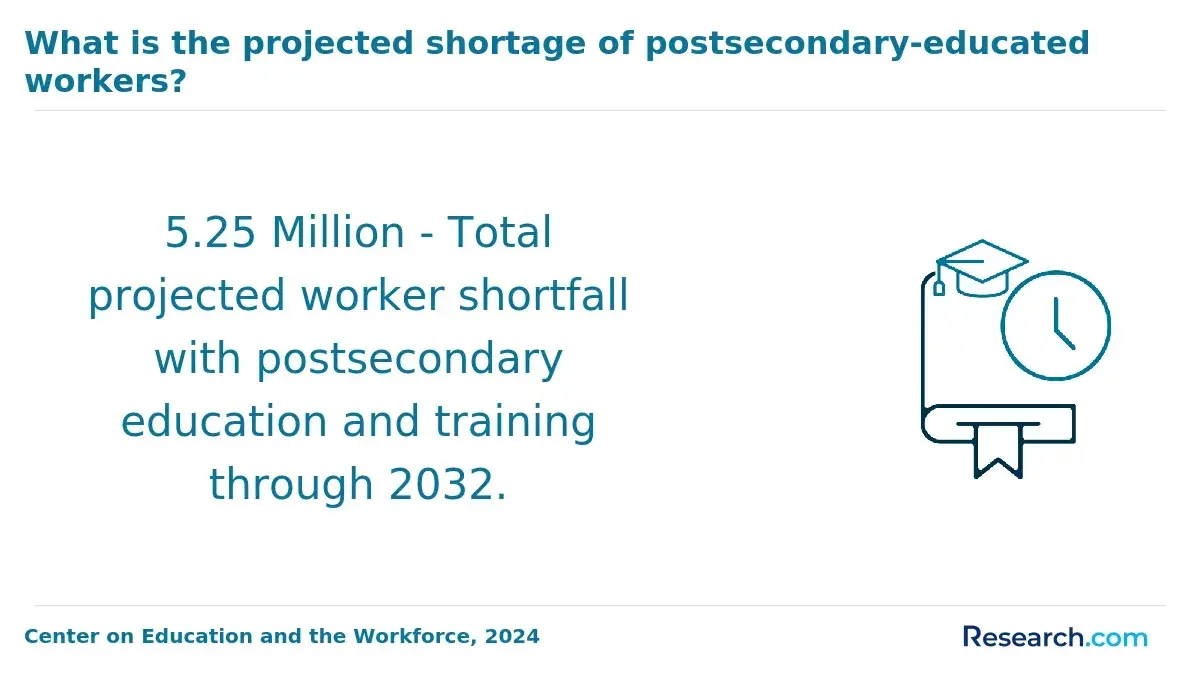
Recognizing current industry trends helps students select behavioral health concentrations that align with job growth and skill demands. The field is expanding rapidly, with employment in behavioral science roles expected to increase notably over the next decade. This growth drives demand for specific expertise tailored to evolving healthcare environments.
- Mental Health and Trauma-Informed Care: Emphasis on trauma-informed strategies is growing, reflecting a broader shift in healthcare toward understanding trauma's effects. Programs focusing on evidence-based trauma assessment and treatment prepare graduates for clinical roles that address complex mental health needs.
- Integrated Behavioral Health: As healthcare systems adopt integrated models combining behavioral and primary care, clinicians trained to operate in medical settings are increasingly sought after. This specialization equips professionals to navigate and coordinate comprehensive patient care efficiently.
- Substance Use Disorders Treatment: Ongoing opioid and addiction challenges keep demand high for experts in substance use interventions. Graduates with skills tailored to treatment and counseling find opportunities in diverse settings such as community health centers and specialized clinics.
What Are the Average Salaries for Popular Behavioral Health Concentrations?
Salary prospects for behavioral health professionals differ widely depending on their specialization, influenced by factors such as education, experience, work settings, and geographic location. For students choosing a behavioral health concentration, understanding these differences helps shape realistic expectations about long-term earnings and career growth.
- Mental Health Counseling: Mental health counselors earn a median salary of $59,190 annually. Variations by work environment are notable, with mental health counselor salary by work setting showing higher wages in hospitals (around $61,930) compared to outpatient centers and individual/family services, which hover closer to $57,000-$58,000.
- Clinical and Counseling Psychology: These psychologists report median earnings of approximately $95,830. Advanced credentials and specializations can increase salaries beyond $150,000, especially in private practice and hospital settings.
- Behavioral Health Administration: Behavioral health directors typically earn between $84,500 and $127,000, reflecting leadership roles and advanced education. This concentration has the highest pay potential for those focused on administrative careers in mental health services.
- Industrial-Organizational Psychology: The top-paying behavioral health specialization, I/O psychologists have median salaries around $109,840, with industry surveys indicating average pay closer to $137,000. Top consultants in this field can exceed annual earnings of $350,000.
- Substance Abuse Counseling: The substance abuse counselor median annual wage is similar to that of mental health counselors, generally around $59,190. Salaries vary by region and work setting, with experience and credentials driving higher income potential.
For those exploring quick educational pathways with strong income prospects, the fastest degree with highest salary offers useful guidance in selecting a concentration that balances time investment with earning power.
How Do You Choose the Best Concentration in a Behavioral Health Program?
Selecting the right concentration in a behavioral health program is critical to ensuring your education aligns with your career goals and personal strengths. This decision shapes the expertise you develop and the roles for which you will be best prepared.
- Career aspirations and work environment: Consider whether you prefer direct client interaction or leadership roles managing healthcare operations. Clinical concentrations prepare students for positions such as behavioral health consultant or clinical manager, while management tracks lead to careers in healthcare administration or executive leadership.
- Clinical focus and skill development: Concentrations centered on clinical practice emphasize psychopharmacology, counseling theories, and trauma-informed care. This path is ideal if you aim to specialize in evidence-based treatment of mental health and substance use disorders.
- Management and business orientation: These programs focus on financial management, quality improvement, and healthcare entrepreneurship. Choose this option if you are interested in developing innovative integrated care programs or pursuing policy reform within healthcare organizations.
- Industry demand and licensing requirements: Research licensing requirements in your state, as some concentrations require specific credentials or internships. The demand for integrated behavioral health services in primary care is growing, expanding opportunities in both clinical and administrative roles.
- Program eligibility and faculty expertise: Selecting a behavioral health program based on faculty expertise and accreditation ensures robust training and supports your career readiness. Additionally, comparing behavioral health concentration admission requirements and eligibility criteria will help you identify programs that best fit your background and goals.
For working professionals aiming to further their education, exploring affordable online schools for working adults can provide flexible options to pursue specialized concentrations while balancing career and personal responsibilities.
What Graduates Say About Their Popular Concentrations in Behavioral Health Degrees
- Arthur: "Studying the clinical mental health concentration opened my eyes to the complexities of human behavior and gave me practical tools to help others effectively. The program's hands-on learning and supportive faculty made the investment of around $20,000 per year feel worthwhile, especially knowing it enhanced my career prospects in counseling. I'm grateful for how affordable and impactful this degree was. "
- Jill: "Pursuing the addiction counseling specialization was a truly reflective journey; it deepened my understanding of recovery and relapse prevention beyond surface-level theory. Although the average cost of attendance was a concern at first, the flexible payment options eased the burden, and now I see this degree as a pivotal step in advancing my work at nonprofit organizations. "
- Fira: "The behavioral analysis concentration provided me with rigorous training and insight into evidence-based therapies, which has propelled my professional growth in clinical settings. Considering the overall cost hovered near $18,000 annually, I weighed the financial commitment carefully, but ultimately found the expertise gained justified every dollar spent. This degree definitely set a solid foundation for my career trajectory. "
Other Things You Should Know About Behavioral Health Degrees
In 2027, popular concentrations in behavioral health degrees include Clinical Psychology, Mental Health Counseling, Substance Abuse Counseling, and Marriage and Family Therapy. These programs focus on specific areas of mental health, aiming to equip students with the necessary skills to address diverse behavioral health needs.
In 2027, the most popular behavioral health concentrations include Clinical Psychology, Counseling Psychology, and Social Work. Trends show a growing emphasis on integrative approaches, trauma-informed care, and digital mental health services, reflecting an evolving understanding of behavioral health needs and interventions.
Many behavioral health programs emphasize cultural competency to prepare students for working with diverse populations. Coursework and training typically include topics like cultural sensitivity, health disparities, and inclusive communication strategies to ensure effective and respectful client care.
References
- Exploring Different Degree Pathways to a Career in Mental Health https://global.nmsu.edu/blog/healthcare/mental-health-career-pathways/
- What is behavioral health worth? https://pmc.ncbi.nlm.nih.gov/articles/PMC4245287/
- How do mental health challenges disrupt the brain’s ability to function? | Rogers Behavioral Health https://rogersbh.org/blog/how-do-mental-health-challenges-disrupt-the-brains-ability-to-function/
- Benefits of Integration of Behavioral Health https://archive.thepcc.org/content/benefits-integration-behavioral-health
- The Importance of Concentration for Your Mental Health | by Frances Ng | Change Becomes You | Medium https://medium.com/change-becomes-you/the-importance-of-concentration-for-your-mental-health-23eca2fb9133
- Achieving Excellence: Behavioral Health Accreditation - Haven Health Management https://havenhealthmgmt.org/achieving-excellence-behavioral-health-accreditation/
- U.S. Behavioral Health Market Insights, Trends, Growth and Forecast 2025 - https://www.healthcarewebwire.com/us-behavioral-health-market-2/
- DBH Admissions - Cummings Graduate Institute for Behavioral Health Studies https://cgi.edu/admissions/dbh/
- Behavioral Healthcare B.S., with Behavioral Health Across the Lifespan Concentration https://usf.edu/undergrad-catalog-behavioral-healthcare-bs-with-behavioral-health-across-the-lifespan-concentration
- The must-have skills for today's behavioral health workforce - Becker’s Behavioral Health https://www.beckersbehavioralhealth.com/behavioral-health-news/the-must-have-skills-for-todays-behavioral-health-workforce/


