
2027 Nutrition Degrees Explained: Are They Classified as Professional Degrees?

Co-Founder and Chief Data Scientist
Many prospective students confuse nutrition degrees with traditional professional degrees like law or medicine, complicating career planning. Studies show that fewer than 40% of nutrition graduates pursue advanced licensure or clinical roles requiring professional certification. This gap often stems from unclear distinctions between nutrition programs and recognized professional degrees that grant autonomous practice rights.
The confusion can hinder employment prospects and wage growth for graduates who expect professional status without meeting specific credentialing standards. This article clarifies whether nutrition degrees qualify as professional degrees, examining program types, accreditation, licensure requirements, costs, and career outcomes to guide informed decision-making.
Key Benefits of Professional Nutrition Degrees
- Professional nutrition degrees enhance career advancement, enabling graduates to access leadership roles in healthcare, research, and policy with 25% faster promotion rates compared to non-degree holders.
- Graduates with professional nutrition education typically see a 15-30% higher earning potential, reflecting a strong return on investment and increased long-term financial stability.
- Such degrees qualify individuals for regulated positions like registered dietitians and clinical nutrition specialists, ensuring eligibility for advanced professional roles requiring certification or licensure.
What Is Considered a Professional Nutrition Degree?
Students evaluating career-focused and licensure-oriented education pathways must recognize what qualifies as a professional nutrition degree to ensure eligibility for certification and meaningful employment. Demand for credentialed nutrition professionals is projected to grow by 11% over the next decade in the U.S., highlighting the need for proper education aligned with industry standards.
Below is a myth-versus-fact breakdown regarding professional nutrition degree requirements.
Degree Qualification
- Myth: Any nutrition degree automatically counts as a professional degree qualifying graduates for licensure or clinical practice.
- Fact: A professional nutrition degree specifically prepares students for regulated careers by emphasizing applied training, supervised practice, and meeting licensure eligibility requirements.
Research Focus
- Myth: Focusing on nutrition research or general nutrition studies is sufficient for all professional career paths.
- Fact: Research-focused degrees primarily provide academic knowledge, while professional nutrition degrees target career-specific skills needed for credentialing and licensure.
Not all programs meet the professional nutrition degree requirements necessary to sit for credentialing exams or obtain state licensure, making careful program selection vital. Prospective students should also explore related healthcare options, such as obtaining a pharmacy degree online for additional career pathways.
Who Should Pursue a Professional Nutrition Degree?
Identifying the right candidates for professional nutrition degrees is crucial for students seeking career-focused, practice-oriented education aligned with their goals. Enrollment in accredited nutrition programs has increased by about 8% annually, signaling growing demand for skills that support career opportunities with a nutrition degree.
Several common misconceptions about who benefits from these degrees warrant clarification.
Healthcare Exclusivity
- Myth: Only individuals already working in healthcare should pursue a professional nutrition degree.
- Fact: While early-career professionals do benefit, so do those seeking licensure or specialized roles like registered dietitians or clinical nutritionists, as these programs provide essential hands-on education for regulated careers.
Necessity for Changers
- Myth: A nutrition degree is unnecessary for career changers.
- Fact: Career changers entering nutrition-related fields often require this degree to fulfill certification and licensing requirements, making it vital for professional transition.
Practical Expertise
- Myth: Nutrition degrees do not offer practical skills applicable to real-world practice.
- Fact: Accredited programs emphasize practice-oriented training, equipping students for specialized nutrition roles and improving career advancement potential.
Scope of Careers
- Myth: Nutrition degrees limit students to narrowly defined jobs.
- Fact: Graduates find opportunities across healthcare, wellness, and public health sectors, demonstrating wide-ranging professional options with the best professional nutrition degree programs.
Students interested in related healthcare pathways might also explore fields such as medical billing and coding, where financial aid is available for online coursework. More information about medical billing and coding online schools financial aid can help in evaluating education costs aligned with career goals.
What Are the Most Common Professional Nutrition Degree Programs?
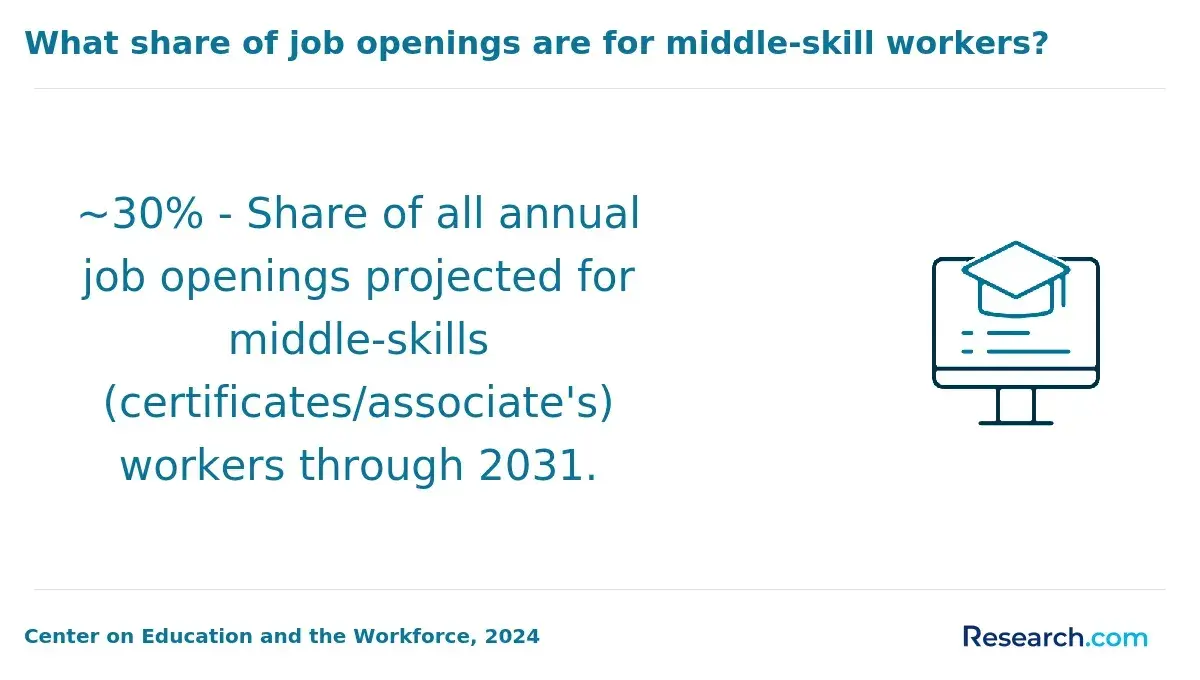
Knowing the different types of professional nutrition programs helps students choose one aligned with their career ambitions and licensure requirements. Demand for nutrition professionals is rising, with employment for dietitians and nutritionists expected to grow by 15% through 2031.
Here are the main types of nutrition degree programs to consider:
- Bachelor of Science in Nutrition: Provides foundational knowledge in nutrition science and prepares students for entry-level roles or further study. The curriculum includes biology, chemistry, and food science to build a comprehensive understanding of human nutrition.
- Master of Science in Nutrition and Dietetics: Focuses on advanced concepts and research, often required for specialized clinical work or leadership positions. This degree deepens scientific expertise and practical skills applicable in healthcare and community settings.
- Coordinated Program in Dietetics (CP): Combines classroom instruction with supervised practice, fulfilling eligibility criteria for the Registered Dietitian Nutritionist (RDN) credential. Its integrated format addresses workforce needs by blending theory and hands-on experience.
Breakdown of All 2-Year Online Title IV Institutions

Are Professional Nutrition Degree Programs Accredited?
Accreditation is a crucial concern for students evaluating professional nutrition degree programs because it ensures the education meets industry standards and affects eligibility for licensure, financial aid, and employment. Approximately 70% of students enroll in nutrition programs with recognized accreditation, emphasizing the importance of oversight by reputable accreditation agencies.
Common misconceptions about nutrition program accreditation persist, so here is a myth-versus-fact clarification on key points.
Accreditation scope
- Myth: All nutrition degree programs are automatically recognized as professional degrees and fully accredited for licensure purposes.
- Fact: Accreditation varies widely; a program may have institutional accreditation covering the entire school or specialized programmatic accreditation focused on nutrition or dietetics education, which many states require for licensure.
Accrediting bodies
- Myth: Any accrediting body can validate professional nutrition programs.
- Fact: Only recognized accreditation bodies overseen by entities like the U.S. Department of Education or the Council for Higher Education Accreditation (CHEA) are trustworthy. Nutrition degree program accreditation agencies specializing in this field set appropriate standards.
Why accreditation
- Myth: Accreditation is not necessary for financial aid, licensure, or employment.
- Fact: Licensure boards typically require graduation from an accredited program. Financial aid eligibility often depends on attending an accredited institution, and employers prefer candidates with credentials from accredited programs.
For students exploring program options, especially those comparing various degrees or looking for an easiest BSN program, understanding accreditation by recognized nutrition degree program accreditation agencies helps ensure informed decisions.
What Are the Admission Requirements for a Professional Nutrition Degree?
Knowing the admission requirements for a professional nutrition degree is vital for students aiming to enter this growing field, as it helps gauge readiness and competitiveness. With some programs accepting fewer than half of their applicants, understanding these criteria can improve one's chances of success.
The following points outline typical admission expectations.
- Academic background: Applicants usually need a high school diploma or equivalent, emphasizing strong performance in science subjects like biology and chemistry. This foundation is essential for grasping the scientific principles integral to nutrition studies.
- Prerequisite coursework: Many programs require completed college-level classes in basic nutrition or related sciences to confirm that students are prepared for advanced material and practical training.
- Standardized tests and evaluations: Some institutions request scores from exams, along with letters of recommendation and personal statements. These help assess applicants' communication skills, motivation, and suitability for demanding academic and clinical work.
- Interview process: Interviews are often used to evaluate interpersonal skills and commitment to the field, ensuring candidates can manage both study and real-world nutrition challenges.
A graduate I spoke with remembered the admission phase as overwhelming but clarifying. "Gathering recommendations and preparing my statement pushed me to reflect deeply on my goals," he shared. He also noted feeling the pressure due to rising competitiveness but found that careful preparation and understanding the requirements made the process manageable and ultimately rewarding.
What Courses and Practical Training Are Required in a Professional Nutrition Degree?
Evaluating professional nutrition degree coursework requirements and practical training components is essential for prospective students aiming to meet certification standards and excel in nutrition-related careers. These elements ensure graduates acquire both the theoretical knowledge and applied skills necessary in clinical, community, and public health settings.
Below are key curriculum components typically required in professional nutrition degree programs:
- Foundational Science Courses: These include anatomy and physiology, biochemistry, food science, and microbiology. They establish a strong scientific basis for understanding nutrient metabolism and how nutrients affect human health.
- Specialized Nutrition Topics: Courses in medical nutrition therapy, community nutrition, nutrition assessment, and counseling techniques train students to apply science to prevent and manage diseases through diet and lifestyle interventions.
- Nutrition Policy and Research Methods: Instruction on ethics, nutrition policy, and research equips students with critical thinking skills and familiarity with evidence-based practice essential for professional growth.
- Supervised Practical Training: Hands-on internships or clinical placements in healthcare, public health, or food service settings allow students to develop competencies in patient assessment, diet planning, and effective communication. This practical training is often mandatory for eligibility to take registered dietitian exams or obtain state licensure, reinforcing the importance of practical training for nutrition degree programs.
Pursuing a program that balances these coursework and practical requirements helps students be well-prepared for the demands of nutrition certification and career advancement. For those exploring related fields, accredited options and affordability may also be top priorities; resources like the cheapest FNP programs online provide valuable comparisons, although in nursing specialty.
How Much Do Professional Nutrition Degrees Cost?
Understanding the cost of professional nutrition degrees is essential for prospective students evaluating these programs to manage their finances effectively. On average, tuition fees for nutrition degree programs range widely-from $15,000 to over $40,000 for a bachelor's degree-while graduate programs often exceed $20,000 annually.
These amounts, combined with other expenses, shape the total financial commitment required.
Several key factors contribute to the overall expense of pursuing a nutrition degree, each affecting affordability and planning differently.
- Tuition and fees: This represents the largest portion of costs, varying significantly between public and private institutions as well as in-state versus out-of-state residency. Programs with longer durations or specialized accreditation can also increase these fees.
- Textbooks and materials: Specialized nutrition courses usually require current textbooks and lab supplies, which add up to several hundred dollars each term. These ongoing costs are often overlooked but impact the total program cost.
- Clinical or internship placements: Nutrition degrees often mandate supervised practice hours that may be unpaid, requiring students to cover transportation or administrative fees. Such placements are critical for licensure but add to the financial burden.
- Certification exam fees: After graduation, candidates frequently pay separate fees for certification exams and licensure applications, which vary by state and credential type.
A growing trend shows tuition increases outpacing inflation, emphasizing the importance of early financial assessment. Students comparing program costs alongside potential scholarships and debt should also consider career pathways like the cheapest RN to BSN online programs, which illustrate alternative routes to healthcare careers.
Careful evaluation of the cost of professional nutrition degrees ensures a balanced approach to education investment and career growth within this competitive field.
Do Professional Nutrition Degrees Qualify for Financial Aid?
Financial aid qualification is a top concern for students considering professional nutrition programs due to the rising education costs. Notably, about 60% of graduate students in health-related disciplines rely on some form of financial assistance to help cover expenses.
Below are common misconceptions contrasted with realities about financial aid for nutrition students.
Federal Aid Access
- Myth: Federal financial aid isn't available for nutrition degrees.
- Fact: Many accredited nutrition programs, especially those approved by recognized bodies like ACEND, typically qualify students for federal loans and work-study opportunities.
Scholarships Availability
- Myth: Scholarships and grants for nutrition students are scarce.
- Fact: Numerous scholarships exist, funded by universities, private foundations, and professional nutrition organizations, often awarded based on merit or career focus.
Employer Support
- Myth: Employer tuition assistance is rare for nutrition students.
- Fact: Many healthcare employers offer tuition reimbursement programs to encourage nutrition workforce development and professional licensure.
When I spoke with a graduate of a professional nutrition degree about her experience with financial aid, she described it as a challenging but ultimately rewarding process. She recalled feeling uncertain whether her program would qualify for federal aid but was relieved to find that it did after thorough verification and paperwork submission.
Navigating scholarship applications required persistence, as many were competitive and focused on specific goals within nutrition. She also appreciated employer tuition help that eased the financial burden during her studies. Reflecting on the journey, she emphasized the importance of researching financial options early and staying organized.
Her story highlights that while navigating funding can be complex, professional nutrition degrees often do qualify for meaningful financial aid, helping students focus on their training without excessive worry over costs.
Are Professional Nutrition Degrees Required for Certain Careers?
Knowing the specific degree requirements for various nutrition careers helps students make informed choices about their education and professional goals. With employment of dietitians and nutritionists expected to grow 8% from 2022 to 2032, demand for certified professionals is increasing.
Below are common misconceptions contrasted with facts about professional nutrition degrees.
Degree Necessity
- Myth: A professional nutrition degree isn't needed for all nutrition-related jobs.
- Fact: Clinical and healthcare roles usually require a degree from an accredited program plus licensure to practice lawfully.
Licensure Requirements
- Myth: Anyone can become a registered dietitian without specific education or certification.
- Fact: Becoming a Registered Dietitian Nutritionist (RDN) mandates completing an accredited program, supervised practice, and passing a national exam.
Specialized Roles
- Myth: Nutrition specialties in research or regulation don't require formal credentials.
- Fact: Many clinical, research, and regulatory positions require professional degrees and certifications linked to those fields.
Non-Licensed Careers
- Myth: All nutrition jobs demand a professional degree.
- Fact: Some community educators or wellness advisors may not need a professional degree but benefit from bachelor's or certification programs to advance.
Do Professional Nutrition Degrees Lead to Higher Salaries?
Evaluating the financial advantages of professional nutrition degrees is essential for students deciding whether to invest in advanced education targeted at career growth. Understanding how these degrees translate into salary benefits helps inform smarter educational and career choices.
Below are common misconceptions and realities that clarify the connection between professional nutrition degrees and earnings.
Salary Guarantee
- Myth: Earning a professional nutrition degree automatically results in significantly higher salaries.
- Fact: While such degrees can open opportunities for better-paying positions, actual salary increases rely on multiple factors including work experience, industry setting, and geographic location.
Qualification Scope
- Myth: Only those with professional nutrition degrees qualify for top-paying roles.
- Fact: Bachelor's degrees combined with certifications or licensure can also yield competitive salaries; professional degrees mainly enhance eligibility for specialized or leadership roles, especially in clinical or managerial environments.
Career Progression
- Myth: Holding a professional nutrition degree guarantees faster career advancement and higher wage growth.
- Fact: Advancement depends on a mix of factors-networking, ongoing education, and practical experience are as important as the degree itself for building higher salaries.
Financial Impact
- Professional degrees provide in-depth expertise valued in clinical and research fields that often pay more.
- They can increase access to consultant or managerial positions.
- High tuition costs mean students should weigh potential salary improvements against initial educational expenses.
- Eligibility for licensure or certifications, which sometimes requires specific degree levels, influences earning power and job security.
Professional nutrition degrees may aid in achieving higher salaries, but earnings are shaped by education, credentials, experience, and career strategy together rather than by the degree alone.
What Graduates Say About Their Professional Nutrition Degree
- Lindsey: "The flexibility of the professional nutrition degree program was a game changer for me. Balancing work, family, and study felt seamless, especially knowing the average cost of attendance was reasonable given the quality of education. Pursuing this degree has expanded my career opportunities and allows me to make a real difference in individuals' health. "
- Alice: "Choosing to pursue a professional nutrition degree was initially a reflective decision; I needed a program that fit my unconventional schedule while delivering solid knowledge. Considering the cost was manageable, it was an investment that paid off professionally as I now lead wellness initiatives in a corporate setting with confidence. This degree truly reshaped my career path for the better. "
- Jill: "The professional nutrition degree's flexible format allowed me to fully commit without sacrificing my current job. Knowing the average cost was transparent from the outset helped me plan effectively. Since graduation, my career has progressed steadily, with new opportunities in clinical nutrition counseling. This degree empowered me to reach a level of professionalism I value deeply. "
Other Things You Should Know About Nutrition Degrees
Before pursuing a professional nutrition degree, students should complete foundational courses in biology, chemistry, and human physiology. These prerequisites ensure preparedness for advanced study in nutrition, which typically requires a comprehensive understanding of these scientific principles.
While licensure or certification is often required for clinical roles, a 2027 nutrition degree can lead to freelance or non-clinical careers without mandatory requirements. However, specific credentials might enhance job prospects and credibility. Always check local regulations and industry standards.
In 2027, career options with a professional nutrition degree extend beyond dietetics. Graduates can work in wellness coaching, nutrition consultancy, food science, public health, and nutrition policy development. These roles offer diverse settings, from corporate environments to community organizations, and require a robust understanding of nutrition principles.
References
- Nutrition Careers Guide 2025 | Jobs & Salary https://www.nutritioned.org/careers/
- Nutrition and Dietetics | Program Cost https://www.pace.edu/college-health-professions/departments/nutrition-and-dietetics/academic-resources/program-cost
- Who's really qualified to give nutrition advice online? Hereâs what you need to know | Guide | foodfacts.org https://www.foodfacts.org/articles/whos-qualified-to-give-nutrition-advice
- 4 Nutrition Myths and the Truth Behind Them https://www.unchealthappalachian.org/blog/2024/4-nutrition-myths-and-the-truth-behind-them/
- Nutrition Myths Debunked: What Healthcare Professionals Want You to Know - Curally https://curally.com/nutrition-myths-debunked-what-healthcare-professionals-want-you-to-know/
- Considering a Career in Clinical Nutrition? | RUSH University https://www.rushu.rush.edu/news/reasons-why-you-should-consider-career-clinical-nutrition
- 6 Benefits Of Taking Nutrition Degrees | Course Gate https://coursegate.co.uk/benefits-of-taking-nutrition-degrees/
- 3 Common Misconceptions About Registered Dietitians https://continuumcentre.ca/dietary-needs/3-common-misconceptions-about-registered-dietitians/
- Myths versus facts, or what and how to eat so as not to get sick https://www.wum.edu.pl/en/node/17259


