
2027 Online Interdisciplinary Studies Degree Programs Costs: Tuition & Fees

Co-Founder and Chief Data Scientist
The cost of pursuing an online Interdisciplinary Studies degree can vary widely, influencing a student's financial planning significantly. Tuition rates, fees, and additional expenses such as technology or materials fees all contribute to the overall investment in higher education. Understanding these components is essential for making informed decisions about returning to school.
Interdisciplinary Studies programs often reflect tuition rates comparable to other undergraduate degrees, typically ranging from moderate to high based on institution type. This article will examine typical tuition costs, the breakdown of associated fees, comparisons of affordability, and financial aid options available to students seeking these versatile online degrees.
Key Points About Online Interdisciplinary Studies Degree Costs
- Average tuition for online Interdisciplinary Studies degrees in 2024 ranges from $10,000 to $30,000, varying by institution type and program length.
- Costs are influenced by factors such as credit hours, residency status, and available financial aid or scholarships.
- Investment is often justified by flexible coursework, interdisciplinary skills, and potential for diverse career opportunities across multiple fields.
What Is the Average Cost of an Online Interdisciplinary Studies Degree?
The average tuition for online Interdisciplinary Studies degrees in 2025 generally falls between $2,250 and $63,185, depending on several factors. Bachelor's degree programs typically cost more, with total expenses varying widely based on residency and school type. Per-credit rates range roughly from $329 to $560 across various universities.
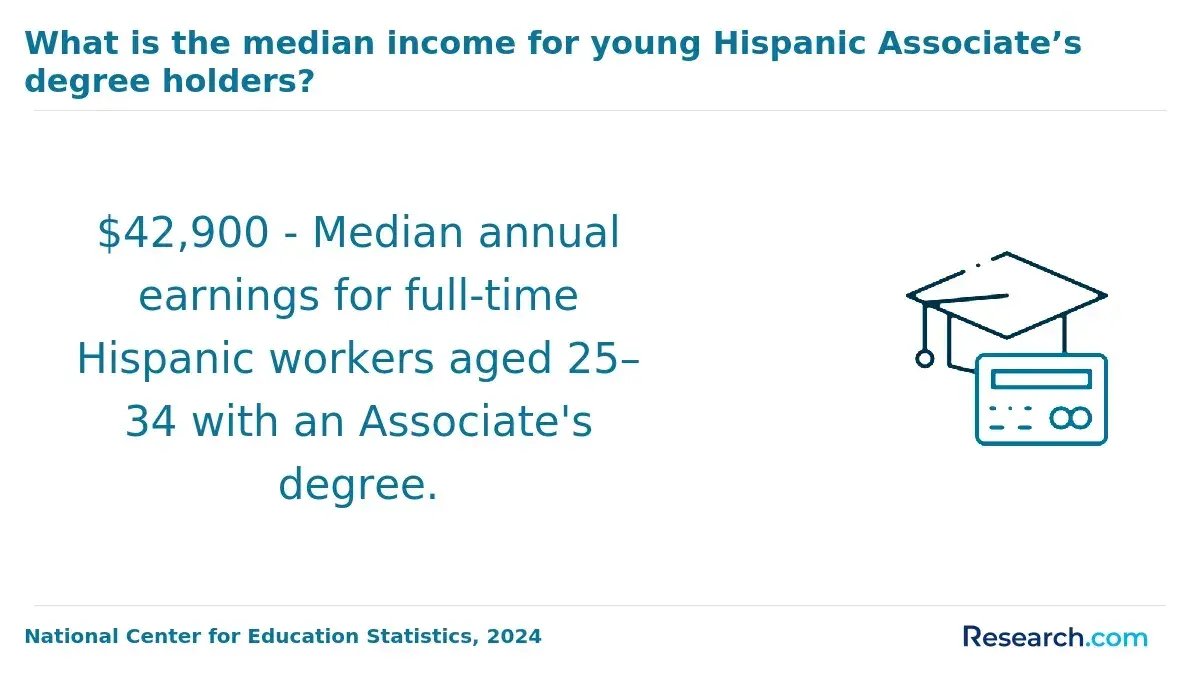
Costs differ significantly according to the degree level and institution. For bachelor's degrees, public universities charge an average of about $40,536 for in-state students and approximately $59,011 for those out-of-state. Private colleges usually have higher total costs, averaging around $63,185 for the full program. Associate degrees tend to be more affordable, with annual tuition fees from $2,250 up to $11,700. For example, Eastern Oregon University charges $329 per credit for a 180-credit bachelor's program, while the University of Virginia costs $499 per credit for a 60-credit degree.
When compared to other online undergraduate programs, tuition for Interdisciplinary Studies degrees generally aligns with standard rates. Some institutions may charge slightly more due to specialized services like portfolio assessments or personalized advising tailored specifically to this multidisciplinary field.
What Is Typically Included in the Tuition for an Online Interdisciplinary Studies Degree?
Tuition for online Interdisciplinary Studies degrees generally covers course access and instruction along with key academic resources. Many programs include fees for technology infrastructure that support the digital learning environment. Some universities, like Liberty University, offer electronic textbooks at no extra cost, though this isn't standard across all schools.
Typically, tuition fees cover several essential services and costs, including:
- Registration and administrative fees: Charges for processing enrollment and managing student records.
- Technology or distance learning fees: Costs supporting online platforms and system upkeep.
- Student support services: Access to tutoring, career advice, and library databases.
While some programs, such as Northwest University's online BA, advertise flat tuition with no hidden fees, most list tuition per credit and add mandatory fees per semester or credit hour. These can include financial aid fees, proctoring charges, or campus improvement costs.
Students should anticipate extra expenses not covered by tuition, such as the purchase of textbooks if not provided, proctoring fees, personal technology needs like laptops or internet service, and living costs. Since program inclusions vary widely, carefully reviewing each institution's tuition and fee details is crucial before enrolling.
What Factors Influence the Cost of Pursuing an Online Interdisciplinary Studies Degree?
The cost of pursuing an online Interdisciplinary Studies degree varies widely depending on several factors. Understanding these can help prospective students better estimate their total expenses and plan accordingly.
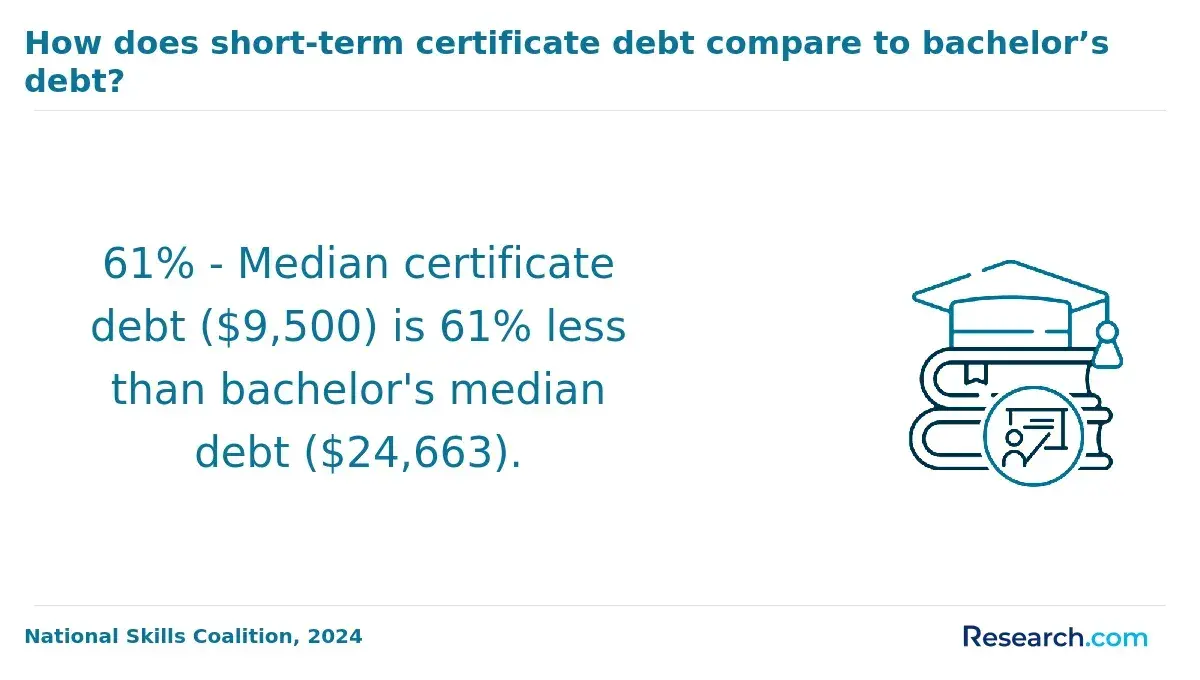
- Type of school: Public institutions typically offer lower tuition rates, especially for in-state students, while private and for-profit universities tend to charge higher fees. Tuition can range from around $8,100 at affordable public colleges to over $32,000 at other online schools.
- Residency status: Some public universities charge higher rates for out-of-state students even in online programs, while others have a flat rate regardless of location. This factor significantly impacts overall cost depending on the institution's policy.
- Total credit hours required: The final tuition often depends on the number of credits needed to graduate, usually between 120 and 180. Since tuition is charged per credit hour, programs charging $329 per credit for 180 credits could exceed $59,000 before financial aid, illustrating how factors affecting online Interdisciplinary Studies tuition can vary substantially.
- How transfer credits impact online Interdisciplinary Studies degree cost: Programs with generous transfer credit policies can reduce time and tuition fees by allowing credits from previous study, while limited acceptance increases cost and duration.
- Additional fees and support: Technology fees, enrollment charges, and material costs like textbooks may be bundled or charged separately. Student support services and faculty quality also influence cost by potentially adding value and justifying higher tuition.
Financial aid and scholarships are available for many online students. Those seeking career advantages should also consider what certifications make the most money alongside degree costs to maximize their return on investment.
Are Online Interdisciplinary Studies Programs Cheaper Than Traditional Programs?
In 2025, students considering Interdisciplinary Studies degrees face important cost decisions between online and traditional programs. Understanding the average cost of online interdisciplinary studies degree vs traditional on-campus options helps clarify these differences.
Online Interdisciplinary Studies tuition comparison 2025 shows that online programs generally cost less per credit-ranging from $329 to $601-compared to higher on-campus tuition rates. For instance, Liberty University charges $390 per credit for full-time online students, while East Central University's online tuition is $331.80 per credit. Traditional programs usually include extra expenses such as campus housing, meal plans, and parking fees, which do not apply to online students.
Additional cost savings stem from lower technology and registration fees in online programs, with some offering electronic textbooks at no extra charge, totaling $800-$2,000 in annual savings. Many online degrees, like Northwest University's, also have no fees beyond tuition. These factors make online programs a cost-effective option. Students seeking flexible enrollment can explore online colleges open enrollment as well. In contrast, on-campus programs incur maintenance and student service fees that increase total costs.
Are There In-state and Out-of-state Tuition for Online Interdisciplinary Studies Programs?
Tuition costs for online Interdisciplinary Studies degrees can differ depending on a student's residency status. Many public institutions still distinguish between in-state and out-of-state students, often charging higher rates for non-residents. This difference can impact the overall affordability of the program.
For instance, the University of Cincinnati imposes a non-resident fee on online students, although it is generally lower than the out-of-state tuition for on-campus attendees. Conversely, some schools have moved toward a uniform pricing model. The University of Washington's Online Integrated Social Sciences program charges a consistent rate of $416 per credit hour for all students, regardless of residence, and Boise State follows a similar pattern.
There are also exceptions like regional tuition agreements, which offer discounted rates to students from neighboring states. Additionally, some programs include special fees or tuition guarantees that fix costs for an entire cohort. It's important for prospective students to carefully review each school's tuition policy to fully understand how residency factors into the cost of online Interdisciplinary Studies degrees.
Which Schools Offer the Most Affordable Interdisciplinary Studies Degree Programs?
Choosing among the most affordable online interdisciplinary studies degree programs in the USA requires careful consideration of tuition rates, transfer policies, and program flexibility. These factors can significantly impact the total cost and duration of earning a degree. Comparing different offerings helps prospective students find the best fit for their career goals and budgets.
Below are three examples of universities offering some of the cheapest online interdisciplinary studies bachelor's degrees for 2025, each with unique advantages in affordability and program design.
- Eastern Oregon University (EOU): EOU charges $329 per credit hour for its online Bachelor's in Interdisciplinary Studies. Students can transfer up to 135 credits, potentially lowering costs and shortening study time. The program is fully customizable and often supports students with financial aid or scholarships.
- Mount Saint Vincent University: This university offers an online Interdisciplinary Professional Studies bachelor's degree at $324 per credit hour. Total program costs range from approximately $38,520 to $38,880 for 120 credits. Transfer policies allow up to 90 credits, enabling many students to complete their degrees sooner through accelerated courses and flexible start dates.
- Texas Tech University: Texas Tech's online Bachelor of Arts in Interdisciplinary Studies offers flat-rate per-credit pricing between $415 and $500, regardless of residency. Students personalize their education by selecting three concentrations, crafting a pathway aligned with their professional ambitions.
These programs illustrate how affordable online interdisciplinary studies degree options combine cost-effective tuition with flexible structures. For those evaluating alternatives, understanding total costs and transfer credit acceptance is essential. Students interested in researching the financial prospects after graduation may consider exploring money making majors to complement their academic planning.
Which Schools Offer the Most Expensive Interdisciplinary Studies Degree Programs?
Among the most expensive online interdisciplinary studies degrees in the United States, tuition and overall costs vary widely depending on the institution and program structure. Understanding the highest tuition interdisciplinary studies programs 2025 helps students prepare financially for their chosen path.
Several universities are known for their costly online Interdisciplinary Studies degree programs due to their reputation, curriculum customization, and support services. Notable examples include:
- Texas Tech University: Charges approximately $415-$500 per credit hour for its Online Bachelor of Arts in Interdisciplinary Studies, potentially exceeding $60,000 total for a typical 120-credit program. This program's cost reflects its extensive resources and faculty access.
- Eastern Oregon University: Offers a 180-credit online bachelor's degree at $329 per credit hour, bringing the total just above $59,148. The longer program length contributes to its high final price despite moderate per-credit tuition.
- University of Louisiana at Monroe: Known for competitive pricing among expensive programs, this institution charges rates comparable to Texas Tech and offers personalized online study plans along with career support.
Factors influencing these high costs include school prestige, advanced interdisciplinary options, personalized advising, and supplemental student services like online library access and career coaching. Students should weigh total program expenses alongside these benefits when considering options.
Prospective students seeking affordable yet accredited options might explore fafsa accredited online schools as alternatives to the highest tuition interdisciplinary studies programs 2025.
How Long Does It Take to See a Return on an Online Interdisciplinary Studies Degree?
Choosing an online Interdisciplinary Studies degree involves evaluating its long-term financial benefits. Understanding the timeframe to recover your educational costs helps in deciding if this flexible degree aligns with your career goals and financial plans.
Typically, graduates can expect to break even on their education investment after about 15 years in the workforce. This period is longer than many other fields partly because starting salaries average around $58,590, which is somewhat lower compared to other bachelor's degree holders. Over a lifetime, earnings for recent graduates may reach close to $7.23 million, but median incomes tend to be approximately 9% less than the overall bachelor's degree average.
The return on investment can vary depending on several factors. Taking on significant student loan debt, working part-time, or continuing with graduate education may extend the payback period. However, students who take advantage of credit transfers, target high-growth industries, or use the degree's versatility across sectors like business, education, and healthcare can improve their financial outcomes.
Are Online Interdisciplinary Studies Students Eligible for Financial Aid?
Students pursuing online Interdisciplinary Studies degrees at most accredited U.S. institutions generally qualify for financial aid, as long as they enroll in a degree-granting program and satisfy basic federal eligibility requirements. These often include U.S. citizenship or eligible noncitizen status, sustaining satisfactory academic progress, and maintaining at least half-time enrollment. Understanding financial aid eligibility for online interdisciplinary studies students is essential for managing educational expenses effectively.
Eligible students can access various forms of federal grants and loans for online interdisciplinary studies programs, which help cover tuition and other educational costs. Additional financial support may come from state grants, institutional scholarships, and other private funding sources. Exploring all available options is crucial for students seeking affordable online education alternatives like a low cost bachelor degree online.
- Employer tuition assistance: Many employers provide tuition reimbursement programs to employees pursuing degrees that enhance job-relevant skills, including interdisciplinary studies. This aid can cover full or partial tuition, depending on employer policies.
- Military and veteran benefits: Active-duty service members, veterans, and their dependents may qualify for education benefits such as the GI Bill or military tuition discounts, which can significantly reduce costs for eligible students.
- Private scholarships: Various organizations offer scholarships to students in flexible or nontraditional programs, including those earning interdisciplinary degrees. These awards often depend on merit, financial need, or specific demographics and can substantially offset tuition fees.
Are Online Interdisciplinary Studies Programs Expected to Increase in the Coming Years?
Online degree programs in Interdisciplinary Studies offer students flexibility by allowing them to combine courses from multiple fields. This approach provides a customized educational path tailored to diverse interests and career goals.
The cost of pursuing an online Interdisciplinary Studies degree varies widely depending on the institution. Public universities often offer lower tuition rates, especially for in-state students, whereas private schools typically charge more. Over recent years, tuition fees for these programs have shown moderate increases, reflecting broader trends in higher education expenses. Some universities provide fixed tuition rates for the duration of the program, helping students budget more effectively.
Looking ahead, tuition prices for these online programs are expected to continue rising at a gradual pace. However, financial aid options like scholarships, grants, and employer tuition assistance can help offset costs. Prospective students should research specific university offerings and consider factors like credit transfer policies and program length to manage overall expenses effectively.
What Students Say About The Cost of Pursuing Online Interdisciplinary Studies Programs
- Rowan: "From a professional standpoint, the cost of my online Interdisciplinary Studies degree was a critical factor in my decision-making process. Given the program's reasonable tuition and the comprehensive skill set I gained, the return on investment exceeded my expectations as I've been able to pivot into new fields effectively. This degree truly provided a cost-efficient path to career advancement. "
- Enzo: "Reflecting on the cost of my online Interdisciplinary Studies program, I realized it was modest compared to the broad opportunities it unlocked. The degree's interdisciplinary nature prepared me for diverse roles, making the relatively low tuition a worthwhile expense for both personal growth and career versatility. It felt like an investment in myself that will continue paying dividends over time. "
- Jaime: "Pursuing my Interdisciplinary Studies degree online was a smart investment; the average tuition cost was much more affordable than traditional programs I researched. This flexibility allowed me to balance work and school, leading to a promotion within a year of graduation. I'm genuinely grateful for how this degree expanded my career options while keeping education financially manageable. "
Other Things You Should Know About Interdisciplinary Studies Degree Program Costs
In 2027, the tuition for online Interdisciplinary Studies degree programs typically ranges from $300 to $600 per credit hour, depending on the institution. In addition to tuition, students should expect additional costs such as technology fees, resource access charges, and potential fees for proctored exams.
In 2027, online Interdisciplinary Studies degree programs often offer various financial aid options, including scholarships, grants, and student loans. Additionally, some programs have work-study opportunities, and students are encouraged to apply for federal aid through the FAFSA to explore available financial assistance.
Yes, hybrid programs that require occasional on-campus attendance typically cost more than fully online programs. Additional expenses for travel, housing, and campus fees can increase the overall cost of hybrid studies. Fully online programs usually offer more predictable costs since students do not incur these on-campus related expenses.
References
- Bachelor of Arts in Interdisciplinary Studies https://fiuonline.fiu.edu/programs/online-undergraduate-degrees/bachelor-of-arts-in-interdisciplinary-studies.php
- Online degree costs vs traditional degrees: which is more affordable? https://collegeonline.io/blogs/online-degree-costs-vs-traditional-degrees
- Interdisciplinary Studies Online Degree – ECU Online https://online.ecok.edu/online-degrees/ba-bachelors-interdisciplinary-studies/
- Interdisciplinary college curriculum and its labor market implications https://pmc.ncbi.nlm.nih.gov/articles/PMC10614759/
- Interdisciplinary Studies https://online.missouri.edu/degrees-programs/mu/arts-and-sciences/interdisciplinary-studies/ba
- Interdisciplinary Studies (AA) | Online - Cairn University https://cairn.edu/online-interdisciplinary-aa/
- Online Interdisciplinary Studies Degree | Bachelors | EOU Online https://online.eou.edu/programs/bachelors-interdisciplinary-studies/
- Online vs Traditional Degrees: Similarities and Differences https://www.aiu.edu/blog/online-vs-traditional-degrees/
- Why SUU Online Education is Perfect for Busy Professionals | SUU https://www.suu.edu/blog/2025/05/suu-online-education-for-busy-professionals.html
- Online Bachelor of Interdisciplinary Studies Degree | UVA SCPS https://www.scps.virginia.edu/programs/bachelor-interdisciplinary-studies-degree


