2027 Online MS in Psychology - Forensic Psychology: Comparing Degrees for a Civilian Career After Law Enforcement
Audited and Verified:
Our Editorial and Data Verification Process
Research.com uses government datasets, official education statistics and primary institutional information to support its career and degree guides. Our review process checks factual accuracy, occupational definitions, source dates and the requirements associated with the credentials discussed.
How This Article Was Fact-Checked
Our editorial team verifies salary estimates, employment projections, education requirements and program information against original data providers and official organizations. Salary figures are checked against the relevant occupational definitions and reporting periods. Information about licensure, accreditation and required in-person training is reviewed separately.
Fact-checked and verified on:

Co-Founder and Chief Data Scientist
Leaving law enforcement does not mean leaving justice-related work, but it does change which qualifications matter. An online MS in psychology with a forensic specialization may help an experienced officer move into research, victim services, corrections programs, or agency administration. It is not a shortcut to becoming a licensed psychologist. This guide compares the degree with more direct routes, explains what employers and regulators may require, and shows how to judge whether the time and expense serve your particular civilian career goal.
Key Things You Should Know
- An online forensic psychology MS can strengthen a move into nonclinical justice-system work, but police experience and the degree together do not confer clinical, investigative, or legal authority.
- Compare at least three routes before enrolling: an internal civilian transfer, targeted training or an undergraduate degree if needed, and a forensic psychology master's aligned with a specific job.
- Check two different requirements: the university's institutional accreditation and the target employer's or state regulator's qualifications. Neither check substitutes for the other.
What is an online MS in psychology with a forensic psychology specialization?
It is a graduate psychology degree that applies psychological science to legal and justice-system questions. Depending on the school, forensic psychology may be a formally designated concentration within an MS, the subject of a standalone degree, or simply a group of electives. Read the transcript description and degree requirements rather than relying on a program's marketing label.
Coursework may examine decision-making, violence research, victimization, correctional settings, and the limits of psychological evidence. "Online" describes how some or all instruction is delivered; it does not guarantee asynchronous classes, a remote capstone, or freedom from site-based requirements. When comparing online psychology degree curricula, look for research methods and statistics alongside the forensic courses. Those skills are often more transferable to civilian analyst and program roles than a concentration name alone.
Can a forensic psychology master's degree lead to a civilian career after law enforcement?
Yes, when the degree fills a demonstrable gap between your law-enforcement experience and a civilian employer's requirements. Investigative interviewing, report writing, court coordination, crisis response, and interagency work can transfer to some roles. Civilian employers may also expect program evaluation, community-service knowledge, data skills, or a credential that police experience does not replace.
The comparison below starts with the work you want to do, not the degree you could earn. Hiring rules vary by agency and position.
| Target | Likely value of a forensic psychology MS | More direct route to compare |
| Civilian agency analyst or program coordinator | Useful if research, evaluation, or behavioral-science coursework matches the posting | Internal transfer, agency training, or targeted data coursework |
| Victim-services or corrections support | Can add relevant context, but does not replace supervised service experience | Advocacy training, supervised work, or a human-services qualification |
| Licensed forensic psychologist | May provide academic preparation, not independent practice eligibility | A qualifying doctoral and state licensure pathway |
If you do not yet have a bachelor's degree, graduate study is not the immediate next step. Compare entry requirements with accelerated undergraduate forensic psychology study, while checking whether an existing criminal justice or other bachelor's degree already meets MS admissions rules.
Is an online forensic psychology master's degree worth it?
It is most defensible when you can identify a target position, show that its qualifications favor relevant graduate study, and complete the program without an unreasonable financial or scheduling burden. It is less compelling if the job principally values prior investigations experience, an agency-specific certification, or eligibility for a regulated counseling role that this MS does not provide.
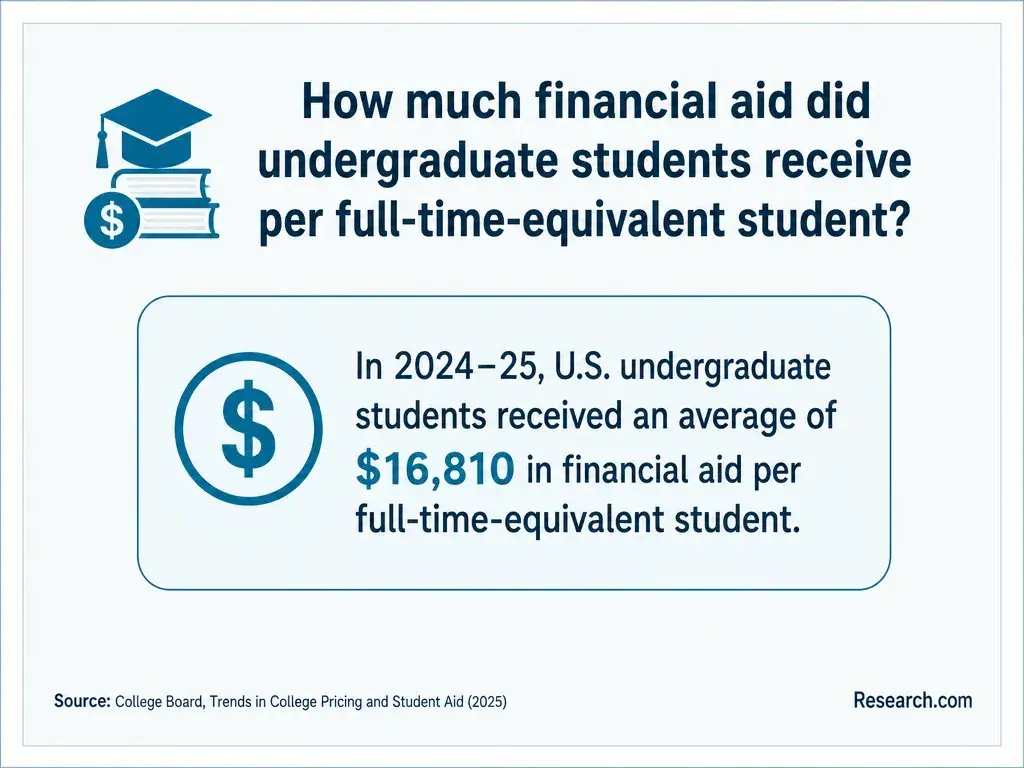
Compare the full expense with a plausible incremental benefit, not with the salary of a job you may already qualify for. Include tuition, fees, books, possible travel or unpaid applied work, and earnings lost if you reduce employment. Ask your agency about education assistance and any repayment obligation, then check whether the benefit applies to this program and your employment status.
If your intended move is into substance-use services rather than forensic research or administration, compare the MS against substance abuse counseling bachelor's affordability and duration. The cheaper route is not automatically sufficient: the job and state may require a particular credential or supervised experience.
First, confirm that the degree-granting institution holds institutional accreditation recognized by the U.S. Department of Education. Verify the institution and accreditor directly, including the status relevant to your enrollment, rather than treating "accredited" on an advertisement as sufficient detail.
Next, check accreditation against your actual destination. The American Psychological Association does not accredit general nonclinical psychology master's degrees simply because they teach forensic topics. Institutional accreditation is important, but it does not establish eligibility for psychologist licensure or a counseling credential. If a program claims to prepare students for a regulated occupation, ask for its written state-by-state eligibility disclosure and confirm the rules with the relevant board.
Use accredited online pathways in forensic psychology as a starting point for comparing schools, then verify each school's current accreditation, exact degree title, online requirements, and outcomes yourself.
Expect variation, but relevant programs commonly combine graduate research methods, statistics, ethics, and psychology of behavior in legal settings. Offerings may also cover victimization, corrections, violence, eyewitness evidence, or psychological assessment as an academic subject. Studying assessment is not permission to administer restricted tests or make clinical findings.
For a former officer seeking civilian work, inspect how students use what they learn. A supervised evaluation project, research paper, or capstone built around lawfully accessible data can demonstrate evidence appraisal and clear writing. Ask who supervises the work, whether a thesis is available, and whether any agency project requires permission, privacy review, or human-subjects oversight. Do not assume access to police records for coursework.
If your interests center on addiction-related community services, comparing accredited addiction psychology BA pathways may reveal a better subject fit, particularly if you still need an undergraduate degree. Neither a forensic course nor an addiction-focused BA independently qualifies someone to provide treatment.
Programs generally require an earned bachelor's degree and application materials such as transcripts and a statement of purpose. A psychology major may be preferred or certain preparatory courses may be required, but criminal justice and other majors are not universally excluded. Verify each school's rules for GPA, psychology and statistics prerequisites, recommendations, entrance tests, and any conditions for admission.
Use your application to connect law-enforcement experience to a specific civilian objective. Describe an evidence-based question or service problem you want to study without disclosing confidential case details. If your quantitative preparation is limited, ask whether an approved statistics or research-methods course can address the gap before enrollment.
For officers finishing an undergraduate degree first, applying associate-level credits to psychology study is worth investigating. Only the receiving school can determine which credits satisfy its bachelor's requirements; accepted transfer credit does not necessarily shorten the major.
There is no reliable universal duration or price. Completion depends on required credits, course availability, enrollment pace, transfer policy, and whether a thesis, capstone, or placement delays graduation. Published per-credit tuition also may omit fees, travel, technology, and the cost of reducing work hours.
Request a written program plan for your intended start term. Have the school show required credits, the sequence of forensic courses, any live sessions or campus visits, the expected schedule at your chosen pace, and a complete estimate of charges. Compare that estimate with employer support and your likely out-of-pocket cost; do not assume an online format avoids all in-person obligations.
If the goal is licensed therapy rather than nonclinical justice work, compare the time and cost of a qualifying program instead. Information on the cost and length of shorter counseling master's programs can frame the comparison, but confirm state eligibility, supervised-training requirements, and actual completion schedules before choosing.
Potential nonclinical targets include victim-services coordinator, corrections program specialist, justice-system research assistant or analyst, and program evaluator. The duties differ: advocates explain resources and coordinate referrals; analysts work with approved data and report findings; program staff help operate and assess services. An MS may strengthen an application, but some openings accept a bachelor's degree and experience, while others require a specific credential or agency clearance.
Read postings for required duties and qualifications rather than searching only for "forensic psychologist." Compare your existing interviewing, documentation, and interagency skills with missing experience in service delivery or research methods. Seek supervised civilian work or an authorized agency project where a gap cannot be closed through coursework alone.
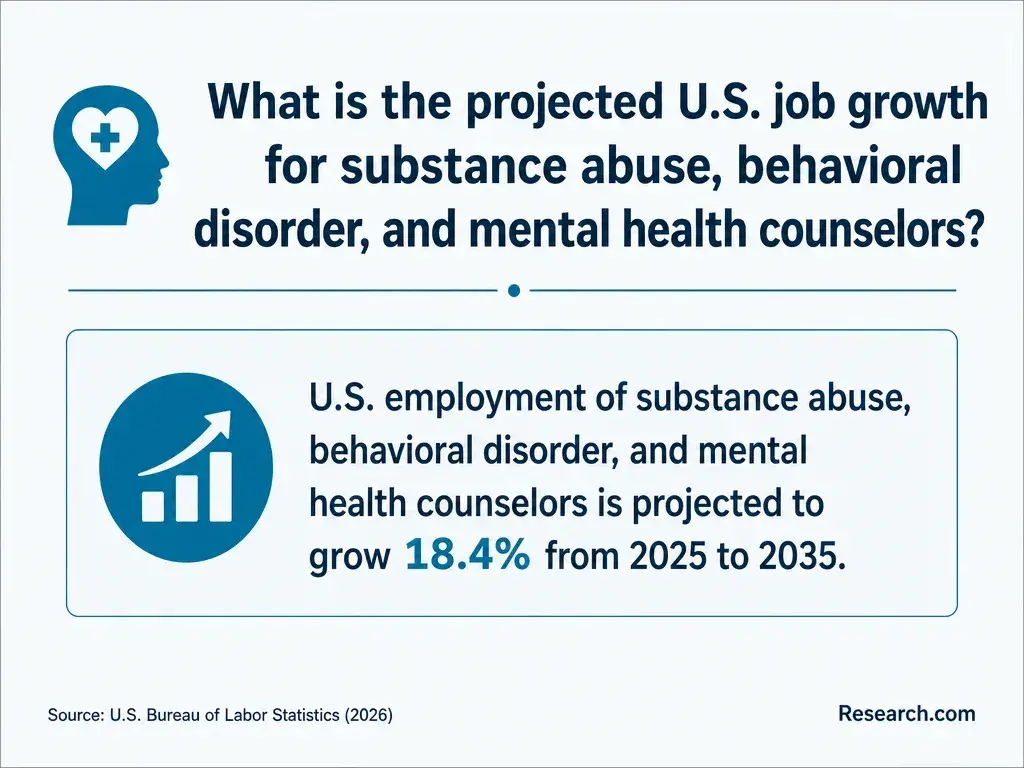
For jobs focused on substance-use counseling, examine academic routes into addiction counseling instead of assuming forensic psychology coursework satisfies a state's counselor requirements.
Not through a general forensic psychology MS alone. In the United States, independent practice as a licensed psychologist generally requires a qualifying doctoral degree, supervised experience, examinations, and compliance with the state licensing board's rules. "Forensic" describes a practice context; it is not a separate authority created by an MS concentration. Expert evaluation and testimony require appropriate qualifications and competence, not merely justice-system experience.
If this is your objective, start with the licensing rules where you intend to work and the admissions requirements of doctoral programs you might pursue. Determine whether an MS adds research preparation or addresses a particular admissions gap; it is not universally required for doctoral entry. Officers without a bachelor's degree must address that step first. Fast-track bachelor's study in psychology is one option to compare, although a qualifying doctoral program may accept other undergraduate majors.
What salary and job outlook can forensic psychology graduates expect?
There is no single defensible salary or growth figure for "forensic psychology MS graduates." The U.S. Bureau of Labor Statistics reports occupations, not outcomes for this concentration. Its psychologist figures describe an occupation with substantially different entry and licensing requirements from most nonclinical MS roles; they should not be used as an expected return on this degree.
For a realistic estimate, match a target posting's duties to the appropriate BLS occupation, then examine the employer's posted range, location, grade or pay scale, and experience rules. Public-sector advancement may be constrained by classification and budget even when a degree is relevant. Compare openings you could seek now with openings for which the MS would materially improve your qualifications.
If the alternative is a substance-use service role, compare its actual pay scale and credential costs before borrowing for an MS. Substance use counseling bachelor's financial aid options may matter if that undergraduate path, rather than forensic graduate study, meets your target job's requirements. Verify aid eligibility with the school; availability is not guaranteed.
Other Things You Should Know About Psychology
Only with the agency's authorization and the program's approval. Removing names may not adequately protect people or satisfy records rules. A public dataset or a hypothetical scenario is often safer.
Not necessarily. Many civilian justice and victim-service jobs involve on-site collaboration, secure systems, or direct contact with clients. Check the specific employer's work-location policy.
Translate duties into relevant evidence: approved data analysis, clear reporting, interagency coordination, training, or referrals. Avoid implying you performed clinical assessment or treatment unless you held the required qualification.
Education itself is not a substitute for reviewing your plan's rules. Ask the pension administrator how retirement, reemployment with a covered agency, and education benefits interact before accepting a new position.
- Programmatic Accrediting Agencies | congress.gov https://www.congress.gov/crs_external_products/R/HTML/R43826.web.html
- Accreditation in the U.S. | ed.gov http://www.ed.gov/laws-and-policy/higher-education-laws-and-policy/college-accreditation/accreditation-in-the-us
- Requirements Related to the Practice of Counseling - NCBI https://www.ncbi.nlm.nih.gov/books/NBK259170/
- Online Applied Forensic Psychology Master's Degree Program | The Chicago School https://www.thechicagoschool.edu/programs/psychology/applied-forensic-psychology/ma/
- Career Pathways with a Master's in Forensic Psychology | Neumann https://learn.neumann.edu/neuperspectives/careers-with-a-masters-degree-in-forensic-psychology
- Top Careers in Forensic Psychology | marymount.edu https://marymount.edu/blog/top-careers-in-forensic-psychology/
- Online Forensic Psychology Master's Degree | ASU Online https://asuonline.asu.edu/online-degree-programs/graduate/master-science-forensic-psychology/
- A Career in Forensic and Public Service Psychology | apa.org https://www.apa.org/education-career/guide/subfields/forensic/education-training
- How to Become a Psychologist - American Military University https://www.amu.apus.edu/area-of-study/arts-and-humanities/resources/how-to-become-a-psychologist/