2027 Online vs On-Campus Clinical Mental Health Counseling Degree Programs: Pros & Cons

Co-Founder and Chief Data Scientist
The demand for online clinical mental health counseling degrees has surged, reflecting a broader trend in higher education where 45% of U.S. students now enroll in at least one online course. This growth highlights the need to carefully weigh the benefits and challenges of online versus on-campus programs. Prospective students must consider flexibility, cost, learning environment, and career impact when selecting their path.
This article offers a detailed comparison of these factors, providing evidence-based insights to guide informed decisions for those aiming to build a career in clinical mental health counseling through either format.
Key Benefits of Online vs On-Campus Clinical Mental Health Counseling Degrees
- Online clinical mental health counseling programs offer greater flexibility, allowing students to balance work and family commitments, with 67% of students reporting improved time management skills compared to traditional formats.
- These programs typically reduce overall costs by eliminating commuting and housing expenses, resulting in an average savings of 30% on total education expenditures.
- On-campus clinical mental health counseling degrees provide direct, face-to-face interaction with faculty and peers, fostering richer practical experiences and networking opportunities that 75% of graduates value highly for career advancement.
Are Online vs. On-Campus Clinical Mental Health Counseling Programs Structured the Same Way?
Online and on-campus clinical mental health counseling programs vary significantly in their structure, adapting to different learning preferences and lifestyle needs. These differences influence how students receive instruction, manage schedules, and engage with faculty and peers.
To clarify these distinctions, the following bullet list compares key structural elements in both formats.
- Course Delivery: On-campus programs rely on in-person lectures, seminars, and classroom activities that provide immediate feedback and direct interaction. Online formats utilize virtual platforms with asynchronous lectures, discussion forums, and video conferencing, allowing students to study flexibly from any location.
- Class Schedules: Campus-based programs operate on fixed schedules with regular class times to promote routine and accountability. Online programs offer greater flexibility by enabling students to access materials and complete assignments around other commitments, although occasional live sessions may be required.
- Interaction and Collaboration: On-campus students benefit from face-to-face engagement in live discussions, group projects, and campus events, fostering strong professional networks. Online students connect through digital tools like forums and video chats, which enable collaboration across diverse geographic regions.
- Clinical Placement: Both formats demand supervised clinical experience, but on-campus students typically access placements through established local agency partnerships. Online students arrange placements within their own communities, often supported remotely by program staff to meet licensure requirements.
- Accountability and Motivation: The structured environment and physical presence in on-campus programs help maintain student motivation and engagement through scheduled classes and in-person support. Online learners must develop strong self-discipline and time management to stay on track independently.
Are Admission Requirements the Same for Online vs On-Campus Clinical Mental Health Counseling Degree Programs?
Colleges and universities uphold consistent academic standards for clinical mental health counseling programs across both online and on-campus formats, ensuring that graduates are equally prepared for professional licensure and practice. However, the admission requirements may differ slightly in how they assess applicants' readiness for remote learning environments and technology use.
Below is a comparison of key similarities and differences in admission requirements for online versus on-campus clinical mental health counseling programs that applicants should consider.
- Academic Qualifications: Both formats typically require a bachelor's degree from a regionally accredited institution with a minimum GPA around 2.75 to 3.0. Some online programs may offer provisional admission for slightly lower GPAs, a flexibility less common in on-campus admissions.
- Letters of Recommendation: Programs usually ask for 1-3 academic or professional references to evaluate an applicant's suitability for graduate study and counseling. The expectations for references are generally consistent for online and on-campus tracks.
- Personal Statement or Statement of Goals: Applicants submit a written statement about their career goals and motivation for both formats. Online programs may additionally inquire about the applicant's aptitude for online learning and self-motivation.
- Work or Volunteer Experience: While not always required, experience in mental health or related sectors strengthens applications for both online and on-campus pathways. This includes paid or volunteer roles in counseling, social services, or crisis intervention.
- Standardized Tests: GRE or other standardized test scores are generally not required for either online or on-campus clinical mental health counseling admissions, making the process less burdensome for applicants.
- Technology Readiness Assessment: Online programs often require a self-assessment or interview focused on the applicant's comfort with digital platforms and independent study, a step that is less common for traditional on-campus admissions.
- Interviews: Interviews may be part of both admissions processes, but online programs typically conduct these via video conference to evaluate communication skills and program fit remotely.
- Residency or On-site Requirements: Some online programs include short in-person residencies to enhance counseling skills and meet accreditation standards, whereas on-campus programs integrate this requirement through regular in-person classes.
Applicants interested in flexible options beyond traditional degree paths might also explore a 6-month certification program that pays well to boost credentials or gain relevant experience in the mental health field.
Do Online Clinical Mental Health Counseling Students Receive the Same Academic Support as On-Campus Students?
Universities have significantly expanded their academic support systems to ensure that online clinical mental health counseling students receive comparable resources and assistance as their on-campus peers. These efforts aim to provide equitable learning experiences, regardless of a student's physical location.
To help prospective students understand how support services compare across both formats, here is a summary of the main academic resources typically available to clinical mental health counseling students:
- Tutoring Services: Both online and on-campus students have access to subject-specific tutoring and academic workshops. Online students benefit from virtual tutoring through video calls, chat, or forums, enabling flexible and convenient support for mastering complex counseling concepts.
- Career Counseling: Students in both formats receive guidance on resume building, interview preparation, and job search strategies. Online learners can schedule virtual appointments or attend webinars, while on-campus students may engage in face-to-face sessions and career fairs, supporting strong employment outcomes.
- Library Access: Comprehensive library systems are provided to all students, with online programs emphasizing digital resources like academic journals, e-books, and research databases. On-campus learners can use physical libraries alongside digital collections, facilitating coursework and licensure exam preparation.
- Faculty Interaction: Online students connect with instructors via email, discussion boards, video conferencing, and scheduled virtual office hours. On-campus students typically participate in live lectures and in-person meetings, ensuring personalized faculty support in both formats.
- Practicum and Internship Support: Supervised fieldwork coordination is essential across formats for licensure. Online programs arrange remote guidance and placements, while on-campus students often receive in-person support, providing critical hands-on experience and helping maintain high licensure pass rates.
How Long Does It Take to Complete an Online vs an On-Campus Clinical Mental Health Counseling Degree?
The length of time required to complete a clinical mental health counseling degree varies notably depending on the program's delivery format, whether online or on-campus, as well as the student's enrollment status and course scheduling flexibility. These factors play a critical role in shaping the overall timeline for degree completion.
To better understand these differences, here is a comparison of the average completion times and associated flexibility for both online and on-campus clinical mental health counseling degree programs.
- Online clinical mental health counseling degree: Most online programs require around 60 credit hours and typically take between 2.5 to 3 years for full-time students or 3.5 to 4 years for those studying part-time. These programs often offer asynchronous coursework and flexible start dates, which accommodate working adults and those with family responsibilities. Accelerated options are sometimes available, allowing highly motivated students to finish in as little as 12 to 18 months by taking a heavier course load.
- On-campus clinical mental health counseling degree: Traditional on-campus programs generally take about 2.5 to 3 years for full-time attendance and may extend to 3.5 to 4 years for part-time students. These programs usually follow a fixed semester schedule, which limits flexibility but provides direct face-to-face interaction with faculty and peers. Despite these differences, employer perceptions and salary outcomes for accredited online and on-campus graduates are largely comparable.
When I spoke with a professional who completed his degree through an online clinical mental health counseling program, he shared that the journey took him just over two years as a full-time student balancing family and work commitments. "The flexibility to manage my own schedule was invaluable," he explained.
"At times, the pace was intense, especially during accelerated terms, but knowing I could juggle work and family made it worthwhile." He also highlighted that finding a routine and staying disciplined were key challenges, as the absence of fixed class times required a strong personal commitment.
Reflecting on his experience, he mentioned that completing the degree online gave him more control over timing than he initially expected and allowed him to finish slightly faster than many peers attending traditional on-campus programs. "It wasn't always easy, but the ability to tailor the schedule to my life's demands made all the difference," he concluded.
Are Online Clinical Mental Health Counseling Programs Cheaper Than On-Campus Ones?
Tuition, fees, and additional expenses for online and on-campus clinical mental health counseling programs are often comparable, but certain cost differences can make one option more affordable. While tuition rates may be similar, factors like living expenses and technology fees influence the total cost of each format.
Below is a breakdown of key cost factors that affect the price when comparing cost comparison online vs on-campus clinical mental health counseling programs.
- Tuition and Fees: Online programs frequently charge per credit hour, with in-state rates sometimes lower than out-of-state fees. Although tuition for on-campus programs may align closely, campus-based fees can add extra costs that online learners might not incur.
- Living Expenses: One of the most notable savings for online students is reduced living costs. They avoid expenses like rent, commuting, and meal plans, which on-campus students must budget for, often adding thousands of dollars annually.
- Technology Costs: Online students must invest in reliable computers and internet service upfront. Meanwhile, on-campus learners benefit from campus resources such as computer labs and Wi-Fi but may still require personal devices for coursework.
- Financial Aid Availability: Both learning formats are eligible for federal aid, scholarships, and grants, though some institutions offer specific scholarships aimed at online learners. Prospective students should research funding options carefully to maximize affordability.
For those seeking affordable online clinical mental health counseling degrees in the US, exploring program costs alongside these factors is essential. Additionally, students interested in pursuing a graduate education may find resources on easy online masters helpful when considering program accessibility and affordability.
What Are the Financial Aid Options for Online vs On-Campus Clinical Mental Health Counseling Programs?
Both online and on-campus clinical mental health counseling students may qualify for financial aid through various federal, state, and institutional sources. However, eligibility and accessibility can differ significantly depending on program format and institution type.
Here is an overview of the main financial aid options available for both online and on-campus clinical mental health counseling students, highlighting key differences and opportunities.
- Federal financial aid options for counseling programs: Graduate students in both formats can access Federal Direct Unsubsidized Loans up to $20,500 annually by completing the FAFSA, with additional borrowing possible through Graduate PLUS Loans. While these federal loans are equally available, online programs may reduce overall loan amounts needed due to generally lower tuition and fewer ancillary expenses.
- Scholarships and grants for online clinical mental health counseling: Many institutions award merit-based scholarships and grants to support clinical mental health counseling students. Online programs often provide competitive scholarship opportunities that reflect lower tuition costs, whereas on-campus programs may combine scholarships with housing or campus services, affecting aid distribution.
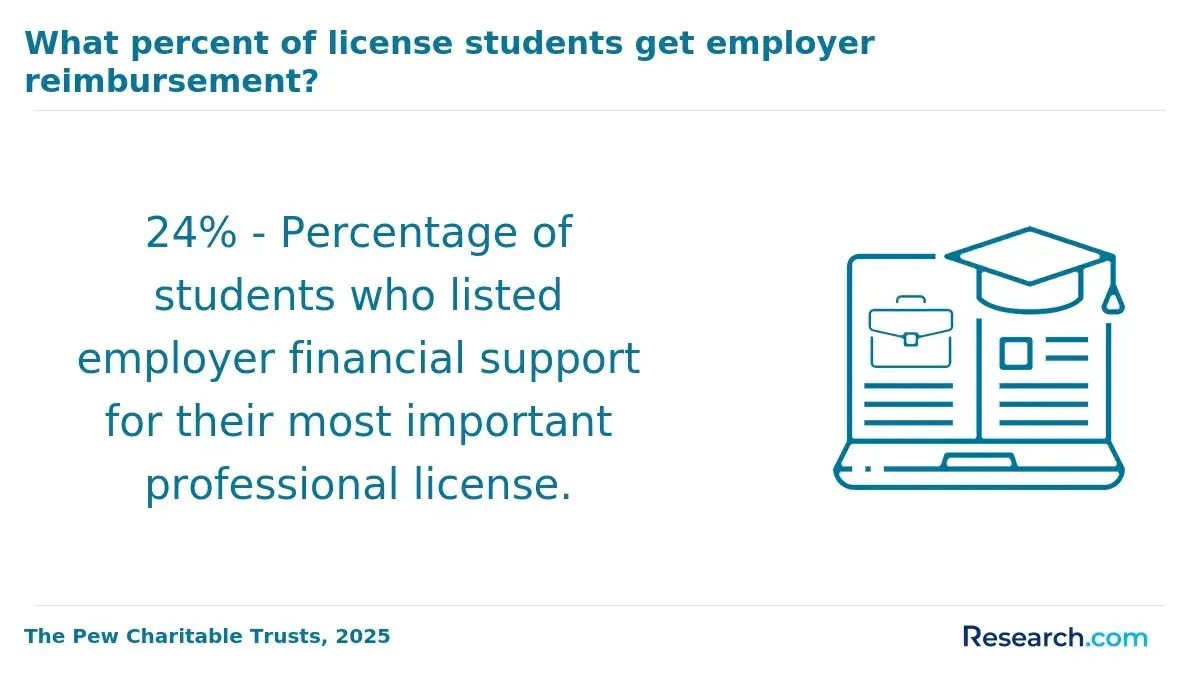
- Employer tuition reimbursement: Online clinical mental health counseling programs are particularly advantageous for working professionals who can earn while they learn and utilize employer tuition assistance. In contrast, on-campus students studying full time might have more limited access to such employer benefits due to scheduling demands.
- Cost reduction through program format: Online options typically offer lower tuition rates and eliminate housing and transportation costs, substantially lowering financial burden. For example, Liberty University's online program charges about $565 per credit compared to some on-campus rates, helping students minimize debt.
- Private student loans and state aid: Both online and on-campus students may access private loans and state-specific aid programs, though eligibility and terms depend on individual lender policies and residency requirements. It's important to compare these options carefully as they can vary widely.
Prospective students seeking affordable pathways might also explore programs listed under the cheapest associate degree online to better understand budgeting strategies related to online education costs.
Are Online Clinical Mental Health Counseling Programs as Credible as On-Campus Ones?
Accreditation plays a pivotal role in establishing the credibility of both online and on-campus clinical mental health counseling programs. Organizations such as the Council for Accreditation of Counseling and Related Educational Programs (CACREP) and the American Psychological Association (APA) enforce stringent standards concerning curriculum content, faculty qualifications, and supervised clinical experience.
Accredited online programs must provide the same coursework, require comparable supervised clinical hours, and hire faculty with credentials equivalent to those at traditional campus programs. For example, students in accredited online programs are generally expected to complete 60 credit hours and at least 600 hours of clinical practice, matching the requirements of in-person programs.
This alignment ensures that graduates from either format meet the same professional benchmarks necessary for licensure across all U.S. states.
The credibility of online clinical mental health counseling degrees has improved considerably among employers, academic institutions, and licensing boards, particularly when the programs are CACREP-accredited. A survey by the American Counseling Association revealed that 74% of employers consider online and on-campus degrees equally credible if accreditation and clinical experience standards are met.
Licensing boards nationwide accept online degrees that fulfill these requirements, further supporting parity between formats. Additionally, advances in virtual learning technologies, including remote clinical supervision and interactive simulations, alongside expanding partnerships for field placements, continue to narrow any remaining perception gaps.
These innovations are contributing to a growing acceptance of online education as a respected and effective pathway to becoming a licensed clinical mental health counselor.
Do Employers Prefer Online vs On-Campus Clinical Mental Health Counseling Degrees?
Employers today generally do not show a strong preference for on-campus versus online clinical mental health counseling degrees, focusing instead on the quality and accreditation of the program. Research and employer surveys indicate that university reputation and program accreditation-particularly from bodies like CACREP-play a critical role in hiring decisions, often outweighing the format in which the degree was earned.
Both online and on-campus programs now provide rigorous curricula, supervised clinical experiences, and thorough preparation for licensure exams, leveling the playing field for graduates from either pathway. Demonstrated clinical skills, hands-on practicum experience, and successful licensure remain the foremost criteria employers use to evaluate candidates for roles in clinical mental health counseling.
Consequently, many alumni from online programs have secured roles alike those from traditional programs, including positions within hospitals, community agencies, and private practices.
The rise of remote and hybrid work models has further reshaped employer attitudes toward online education in counseling fields, where telehealth has become increasingly common. With over half of college students engaging in some form of distance learning as of fall 2022, the flexibility of online formats appeals particularly to adult learners and working professionals who require adaptable scheduling.
Employers have grown to value the technological proficiency and adaptability that graduates from online programs often develop, seeing these as assets in modern clinical settings. Salary prospects and career advancement opportunities tend to be comparable for graduates of accredited programs, regardless of format, provided licensure requirements are met and practical competencies demonstrated.
Ultimately, employers prioritize the candidate's ability to deliver competent, ethical, and effective care above whether the degree was completed online or on campus.
When I spoke with a professional who completed her clinical mental health counseling degree online, she shared that securing employment was less about the degree's delivery mode and more about how she articulated her practicum experiences and licensure preparation to prospective employers.
She noted that her program's strong emphasis on supervised clinical hours and practical telehealth training was frequently highlighted during interviews. "Employers seemed more interested in my hands-on skills and readiness for real-world scenarios than the fact that I studied remotely," she reflected. This flexibility allowed her to balance work and family commitments while gaining valuable experience, which she credits with boosting her confidence and marketability.
Her journey illustrates that with the right preparation and credentials, online graduates can navigate the job market successfully and confidently.
Do Online vs On-Campus Clinical Mental Health Counseling Program Graduates Earn the Same Salaries?
Salary comparisons between online and on-campus clinical mental health counseling graduates are increasingly shaped by factors beyond the mode of study itself. Today, variables such as accreditation, licensure, geographic location, and professional experience play a far more significant role in salary outcomes than whether a degree was earned online or on campus.
Here is an outline of current salary trends and the main factors influencing earning potential for online versus on-campus clinical mental health counseling graduates:
- Accreditation and Licensure Preparation: Both online and on-campus programs accredited by CACREP meet identical rigorous standards, ensuring graduates are equally prepared for licensure and employment. Consequently, there is no intrinsic salary difference based solely on the format of the degree.
- Employer Perception: Employer attitudes toward online clinical mental health counseling degrees have shifted positively in recent years. Employers prioritize accreditation and licensure readiness over delivery method, resulting in comparable salary and career prospects for graduates of both program types.
- Geographic Location: Salaries for mental health counselors vary widely depending on geographic location, with a national median salary of $59,190. This regional variation impacts both online and on-campus graduates equally, as they qualify for the same positions.
- Clinical Experience and Networking: While both formats require extensive in-person clinical placements, on-campus students might benefit from more immediate face-to-face networking opportunities. Online students need to be proactive in establishing professional connections virtually or locally, which can influence initial job placement but generally not long-term salary.
- Program Cost and Flexibility: Online programs often offer lower tuition and greater scheduling flexibility, appealing to working professionals. This flexibility can indirectly affect earning potential by enabling students to maintain employment while studying, although it does not directly impact post-graduate salaries.
For prospective students comparing options, it is useful to consult best accredited online schools to evaluate program quality alongside salary considerations. When evaluating mental health counselor salaries by degree format, accreditation and professional readiness remain the primary determinants rather than whether the degree was earned online or on campus.
How Do You Decide Whether an Online vs On-Campus Clinical Mental Health Counseling Program Is Right for You?
Choosing between online and on-campus clinical mental health counseling programs depends largely on your personal learning preferences, lifestyle, and professional goals. Each mode offers unique benefits and challenges that can influence your educational experience and career trajectory.
To help you decide which format is best suited for you, consider the following key factors that impact this important decision.
- Learning style: If you excel in structured environments with face-to-face interaction and immediate faculty support, on-campus programs may better align with your needs. Conversely, online clinical mental health counseling programs cater to self-motivated learners comfortable with technology and independent study, providing a flexible yet rigorous curriculum.
- Flexibility needs: Online programs offer the ability to access coursework and complete assignments on a personalized schedule, ideal for those balancing work, family, or other commitments. On-campus programs typically adhere to set class times, offering structure that can enhance accountability but limit scheduling flexibility.
- Budget: Online degrees often reduce expenses related to commuting, housing, and campus fees, with part-time options facilitating work-study balance. However, tuition rates can be similar between formats, so comparing financial aid opportunities, scholarships, and assistantships at each school is essential.
- Networking opportunities: On-campus students benefit from direct peer and faculty connections plus access to professional events and mentoring. Online students may need to engage proactively through virtual forums, planned residencies, or synchronous sessions to build comparable networks.
- Access to campus resources: Physical access to counseling labs, libraries, and support services enriches the on-campus experience. Meanwhile, online programs increasingly provide virtual academic advising, telehealth training, and simulated clinical experiences to ensure comprehensive preparation.
When you compare online vs on-campus clinical mental health counseling degrees, these factors will guide you in choosing the program that best fits your circumstances. For those seeking accessible and flexible options with recognized career outcomes, exploring options like certification that pays well can also complement your mental health counseling education journey.
Here's What Graduates of Online vs On-Campus Clinical Mental Health Counseling Programs Have to Say About Their Degree
- Lakisha: "Completing my clinical mental health counseling degree entirely online allowed me to balance my full-time job and family life without sacrificing the quality of my education. The flexibility gave me the freedom to tailor my study schedule around my responsibilities, which was invaluable. Starting my counseling career, I found employers appreciated the self-discipline and tech-savviness that come with online learning. This program not only expanded my professional skills but also deepened my passion for supporting mental health in underserved communities. I feel confident and empowered to make a tangible difference in people's lives thanks to this degree."
- Matthew: "Attending the clinical mental health counseling program on campus was a transformative experience that fostered both professional growth and personal connections. Being immersed in a community of dedicated peers and professors enhanced my learning through real-time discussions and collaborative projects. This environment challenged me to think critically and develop the interpersonal skills critical for effective counseling. Starting my career, I've been able to leverage relationships and networking opportunities that began during my studies, helping me secure a position at a reputable mental health clinic. The experience was not only educational but deeply rewarding in shaping my identity as a counselor."
- Sonia: "Enrolling in a hybrid clinical mental health counseling degree program gave me the unique advantage of blending flexible online coursework with in-person support and hands-on training. This balance was perfect for my learning style and allowed me to engage deeply with both theoretical knowledge and practical application. The hybrid model also offered a strong sense of community, which was inspiring and motivating throughout the program. Since graduation, I have advanced professionally by utilizing the comprehensive skill set I developed, particularly excelling in telehealth counseling platforms that are in high demand. This pathway truly prepared me for the evolving landscape of mental health services."
Other Things You Should Know About Online & On-Campus Clinical Mental Health Counseling Degree Programs
In 2027, online programs often partner with local clinics or mental health organizations to provide necessary hands-on experience. Although geographically flexible, students may find coordinating placements less straightforward than in on-campus settings that have in-house facilities.
Online programs often require a reliable internet connection, a webcam, and specific software for virtual counseling sessions. Familiarity with learning management systems and telehealth platforms is also essential in 2027 to ensure a smooth educational experience.
In 2027, online clinical mental health counseling programs can lack immediate, hands-on experience, limiting real-time feedback from peers and instructors. Proximity to faculty and peers that on-campus programs offer often results in more spontaneous learning opportunities and personal mentorship, which can be challenging to replicate online.
References
- Online Education vs. On-Campus Tuition: How ACE Online Degree Programs Help Keep Your Costs Down | ACE Blog https://ace.edu/blog/online-education-vs-on-campus-tuition-how-ace-online-degree-programs-help-keep-your-costs-down/
- Master's in Clinical Mental Health Counseling https://www.ucumberlands.edu/academics/graduate/masters-clinical-mental-health-counseling
- Master's Degree in Mental Health Counseling https://www.ccu.edu/ccu/counseling/mental-health-counseling/
- 6 Pros and Cons of Enrolling in an Online Bachelor's Degree in Counseling Program https://www.counselingpsychology.org/pros-cons-bachelors-counseling/
- Clinical Mental Health Counseling | On Campus or Online Master's | Merrimack College https://online.merrimack.edu/ms-in-clinical-mental-health-counseling/
- Mental Health Counselor Salary and Career Outlook https://teach.com/online-ed/counseling-degrees/online-masters-mental-health-counseling/careers-and-salary/
- Online degree costs vs traditional degrees: which is more affordable? https://collegeonline.io/blogs/online-degree-costs-vs-traditional-degrees
- Master's in Counseling Salary and Career Outlook https://www.regiscollege.edu/blog/health-sciences/masters-in-counseling-salary
- On-Campus vs. Online Master’s in Counseling | University of Bridgeport https://www.bridgeport.edu/news/on-campus-vs-online-counseling-degree/
- The Problem With Exclusively Online Degree Programs https://tcf.org/content/commentary/the-problem-with-exclusively-online-degree-programs/