
2027 Online vs On-Campus Corrections Degree Programs: Pros & Cons

Co-Founder and Chief Data Scientist
The surge in online education continues to reshape higher learning, with Corrections degree programs experiencing notable growth. In fact, recent data shows that over 45% of U.S. college students are enrolled in at least one online course, reflecting a significant shift toward digital learning formats.
This article examines the key advantages and disadvantages of pursuing Corrections degrees online versus on-campus. It explores critical factors such as flexibility, cost, quality of the learning experience, and career prospects. Understanding these elements can help prospective students make informed decisions aligned with their educational and professional goals in the field of corrections.
Key Benefits of Online vs On-Campus Corrections Degrees
- Online corrections degree programs offer flexible scheduling, allowing 68% of students to balance work, family, and coursework efficiently.
- They typically cost 25% less on average than on-campus programs, making education more accessible for budget-conscious students.
- On-campus programs provide invaluable face-to-face interactions with instructors and peers, fostering deeper networking opportunities that can enhance career prospects.
Are Online vs. On-Campus Corrections Programs Structured the Same Way?
The structure of online and on-campus corrections degree programs differs mainly in course delivery methods and student interactions. Although both formats cover the same core material and lead to comparable outcomes, the daily experience and requirements vary significantly.
Here is a comparison of key structural elements in online versus on-campus corrections programs:
- Course Delivery: On-campus programs use in-person lectures, classroom discussions, and hands-on activities scheduled at fixed times and locations. Online programs blend asynchronous, self-paced content with synchronous live sessions, enabling students to study from anywhere with internet access.
- Class Schedules: On-campus students follow a traditional academic calendar with set class times, requiring regular attendance. Online learners benefit from greater flexibility, allowing them to complete coursework on their own schedules within broader deadlines, which is ideal for working professionals or those with family responsibilities.
- Interaction and Collaboration: In-person students enjoy immediate face-to-face engagement with instructors and peers, fostering networking and mentorship opportunities. Online students interact through discussion boards, video calls, and collaborative projects, with some programs offering virtual simulations to promote peer connection.
- Hands-on Experience: On-campus courses typically provide direct access to practical learning such as facility tours and role-playing exercises within correctional settings. Online programs may require occasional on-site attendance for practical components or substitute with virtual simulations to replicate real-world scenarios.
- Pacing and Completion: Both formats generally take about four years to complete a bachelor's degree, but online students often have more flexibility to accelerate or slow their pace based on personal needs.
Are Admission Requirements the Same for Online vs On-Campus Corrections Degree Programs?
Colleges and universities generally uphold consistent academic standards for both online and on-campus corrections degree programs to ensure graduates meet the same learning outcomes. However, they may differ in how they assess applicants' readiness, especially to accommodate the unique demands of online learning environments.
Below is a comparison of key similarities and differences in admission requirements for online corrections degree admission requirements versus on-campus corrections program application criteria.
- Academic Qualifications: Both formats usually require a high school diploma or GED for undergraduate admissions, with degree-completion programs often expecting an associate degree or specific transferable credits. Online programs may emphasize a minimum cumulative GPA (often 2.0 or higher), while on-campus programs sometimes have stricter GPA or prerequisite coursework requirements.
- Application Materials: Applicants typically submit official transcripts, application forms, and fees for both program types. Online programs sometimes allow unofficial transcripts or alternative documentation such as self-certification forms during initial review to offer greater flexibility to nontraditional or transfer students.
- English Proficiency: Proof of English proficiency is required for non-native speakers in both formats, often via standardized tests like TOEFL. Some online programs may provide additional assessment options or waive this requirement based on prior education in English.
- Work Experience: Most undergraduate programs do not mandate prior Corrections or criminal justice experience. However, online formats might be more accommodating by granting advanced standing or transfer credits for relevant professional work or law enforcement academy training.
- Technical Readiness: Online programs often assess digital literacy or require orientation modules to ensure students are prepared for independent, technology-driven coursework, a step usually less emphasized in on-campus admissions.
- Program Cost and Flexibility: Online degrees tend to have lower total costs due to the absence of campus fees and offer more flexible scheduling, advantageous for working professionals. On-campus options often provide greater access to in-person academic support and networking opportunities.
- Employer Perception: Graduates from both online and on-campus programs typically receive the same accredited diploma. Employer differentiation between the two formats is minimal, and career outcomes tend to be comparable, as highlighted by research on the best 6 month certificate programs that pay well online.
Do Online Corrections Students Receive the Same Academic Support as On-Campus Students?
Universities have significantly expanded their academic support systems to ensure that online Corrections students receive resources and assistance comparable to those available to on-campus students. This development reflects a commitment to maintaining academic rigor and student success across both learning environments.
To understand how these services compare, below is a summary of the main academic support offerings accessible to students in both formats.
- Tutoring Services: Both online and on-campus students have access to tutoring, but online learners often benefit from 24/7 virtual platforms like Brainfuse. On-campus tutoring usually takes place in-person, while online students connect through chat or video sessions, providing greater scheduling flexibility.
- Academic Advising: Personalized advising is available in both formats, with online students receiving support via video calls, email, or dedicated portals. Advisors assist with course selection, graduation planning, and staying on track regardless of physical location.
- Library Access: Online students access digital libraries, databases, and research tools remotely, while on-campus students can use both digital resources and physical library facilities. Librarian assistance is offered through live chat or email to both groups.
- Faculty Interaction: On-campus students engage face-to-face during lectures and office hours, fostering networking and mentorship. Online students connect through discussion boards, live video, and email feedback to maintain direct communication with faculty.
- Career Counseling: Both learning formats provide career counseling and job placement support, with online students accessing virtual webinars, resume reviews, and planning tools. These services help connect graduates with careers in various corrections settings.
- Workshops and Skills Training: Online programs offer virtual workshops on study skills and stress management, while on-campus students attend in-person sessions. Both aim to equip students for academic and professional success.
How Long Does It Take to Complete an Online vs an On-Campus Corrections Degree?
The time required to complete a corrections degree can vary significantly based on whether the program is delivered online or on campus, as well as on student pacing and scheduling flexibility. These factors, including transfer credits and course formats, play a key role in how quickly a student can earn their degree.
Below is a comparison of the average completion time for online versus on-campus corrections degree programs that highlights differences in duration, flexibility, and influencing factors.
- Online corrections degree: These programs often feature accelerated terms lasting about 7-8 weeks, enabling full-time students to complete a 120-credit bachelor's degree in roughly 3 years and 4 months. With transfer credits or increased course loads, some finish as fast as 15-22 months. The asynchronous nature of online courses allows working professionals greater flexibility, often reducing time and cost by eliminating commutes and housing expenses.
- On-campus corrections degree: Traditional programs follow a semester schedule with courses generally lasting 15-16 weeks, leading to a typical full-time completion time of about 4 years. This format provides a structured timeline and onsite academic support, which benefits students who prefer face-to-face interaction but may extend overall duration due to the standard academic calendar.
I recently spoke with a professional who pursued an online corrections degree about his experience balancing work, life, and study commitments. He shared that while the accelerated nature of online courses demanded strong discipline and time management, it allowed him to progress faster than a traditional path.
"There were moments when juggling a full workload and coursework felt overwhelming," he recalled, "but the ability to learn asynchronously meant I could study during peak productivity hours, which really made a difference." By leveraging transfer credits from previous coursework and maintaining a consistent pace, he completed his degree in just under two years.
This journey, though challenging, was rewarding, as it applied directly to his career goals without the added pressure of relocating or adhering to rigid class times.
Are Online Corrections Programs Cheaper Than On-Campus Ones?
Online Corrections degree programs generally offer a more affordable option compared to on-campus alternatives, largely because of lower tuition, fees, and living expenses. While costs can vary by institution and residency status, online programs often present significant savings on total educational expenses.
Below is a breakdown of the main cost factors influencing the price differences between online and on-campus Corrections programs, providing a clear perspective on savings with online corrections programs:
- Tuition and Fees: Online programs typically have lower base tuition rates and may waive out-of-state tuition fees, making them more accessible for many students. Annual tuition for online Corrections degrees generally ranges from $4,770 to $13,676, while on-campus students frequently pay additional campus-related fees and higher rates for out-of-state enrollment.
- Living Expenses: One of the most substantial savings for online students comes from avoiding costs related to housing, meals, and commuting. On-campus learners often face thousands of dollars extra annually in room, board, and transportation, which online students can eliminate by studying remotely.
- Technology Costs: Although online learners might incur technology fees or need reliable internet and equipment upgrades, these expenses are usually lower than the combined costs of campus living. Some programs even offer electronic textbooks to further reduce material expenses.
- Financial Aid Availability: Both online and on-campus students are eligible for federal aid, grants, and scholarships; many online programs report over 90% of students receiving some financial assistance. However, certain campus-specific scholarships might be less accessible to online learners.
- Flexibility and Accelerated Schedules: Online formats often allow students to complete coursework faster through accelerated terms, helping reduce the total duration and cost of education. This flexibility can also help students maintain employment while studying, avoiding lost income during their degree pursuit.
For anyone exploring affordable degree options, online Corrections programs offer compelling benefits in cost and schedule flexibility. Additionally, for those interested in related educational paths, exploring easy PhD programs might offer further insights into affordable, flexible learning opportunities.
What Are the Financial Aid Options for Online vs On-Campus Corrections Programs?
Both online and on-campus students pursuing Corrections degrees may qualify for various financial aid options, but eligibility and accessibility often vary depending on whether the program is offered online or in person, as well as the type of institution. Differences also arise between public and private institutions, which can influence the availability of certain aid types.
Here is a comparison of the main financial aid options available for students in both formats, highlighting key differences:
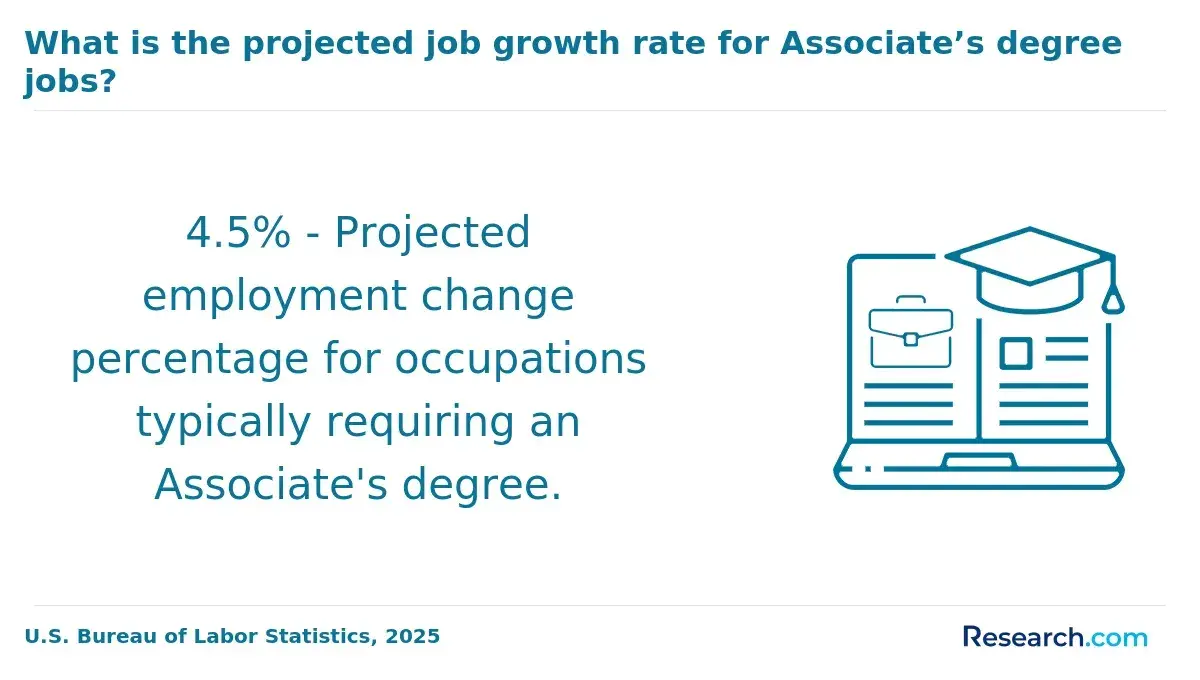
- Federal Aid: Students in accredited online and on-campus Corrections programs can apply for federal financial aid by submitting the FAFSA. While most accredited online programs qualify for federal aid, it is important to confirm that the institution participates in Title IV programs since some online schools do not, affecting access to Pell Grants, federal loans, and work-study options.
- State Aid: State grants and scholarships are generally more accessible to on-campus students attending in-state colleges. Online students may need to demonstrate state residency or enroll in approved online programs to be eligible. Some states limit these benefits exclusively to campus-based students, so eligibility for financial aid for online corrections degree programs may be restricted in certain areas.
- Scholarships and Grants: Both online and on-campus students can apply for scholarships and grants, including those tailored for criminal justice or Corrections majors. On-campus learners often have access to more institutional scholarships connected to campus involvement, whereas online students increasingly benefit from external scholarships and those from professional associations, emphasizing academic achievement and career goals. These scholarships and grants for corrections students help reduce the financial burden significantly.
- Employer Tuition Reimbursement: Working professionals in Corrections may qualify for employer tuition assistance. Online programs are particularly advantageous here due to their flexible scheduling, making it easier for full-time employees to advance their education without disrupting work shifts. On-campus students might find scheduling conflicts if working full-time.
- Private Student Loans: Both online and on-campus students can seek private loans, though approval depends on creditworthiness rather than program format. Loans for students in accredited programs may receive better terms, but private loans typically offer less flexibility than federal aid, so examining interest rates and repayment options is crucial.
For those seeking affordable options, many online Corrections degrees offer lower tuition rates and reduced expenses, making them cost-effective. Prospective students can explore cheap online masters degrees programs to find more economical opportunities while benefiting from financial aid.
Are Online Corrections Programs as Credible as On-Campus Ones?
Accreditation, faculty qualifications, and curriculum standards are fundamental to the credibility of both online and on-campus corrections programs. Regionally accredited online programs adhere to the same rigorous educational requirements as traditional campus-based offerings, ensuring consistent academic quality.
Many institutions employ the same professors and use identical textbooks across both formats, which helps maintain uniformity in course content and faculty expertise. The U.S. Department of Education and the Council for Higher Education Accreditation evaluate online programs with the same criteria applied to on-campus ones, granting evaluators full access to online courses during accreditation reviews.
This parity in standards means students can expect a comparable educational experience regardless of the program format they choose.
Perceptions among employers, licensing bodies, and academic institutions are increasingly favorable toward online corrections degrees, especially those from regionally accredited programs. While on-campus degrees were once preferred, recent surveys indicate that accreditation now carries more weight than delivery format in hiring decisions.
Students from accredited online programs also benefit from federal financial aid eligibility and transferable credits, aligning them closely with traditional students in opportunities and recognition. Innovations in virtual learning - including interactive simulations, remote internships, and partnerships with corrections agencies - provide practical experience and industry connections similar to on-campus options.
These technological advances, combined with the flexibility and cost-effectiveness of online study, continue to enhance the credibility and acceptance of online corrections education.
Do Employers Prefer Online vs On-Campus Corrections Degrees?
Recent research shows that employers in the corrections field generally do not prefer on-campus degrees over online ones, as long as the program comes from a reputable, accredited institution. Surveys reveal that 87.4% of employers hired graduates with online degrees and paid them equally compared to those with traditional degrees, underscoring a significant shift toward acceptance of online education.
Nevertheless, factors like university reputation and program accreditation remain critical in hiring decisions, with employers emphasizing whether a candidate's institution is regionally accredited and recognized within the industry. Additionally, demonstrated skills and practical experience often weigh heavily, as employers seek candidates who can apply knowledge effectively regardless of how their degree was earned.
These nuances illustrate that while format alone is less of a barrier, the credibility and relevance of the program and the candidate's competencies are paramount.
The evolving landscape of work, especially the normalization of remote and hybrid environments, has further reduced stigma associated with online degrees in corrections. With more organizations embracing virtual collaboration, online education is viewed as a flexible, legitimate pathway that can equip students with comparable qualifications to on-campus peers.
Employer surveys also indicate that over 70% of organizations have hired online degree holders recently, reflecting growing trust in these programs. However, online graduates may still need to proactively network and clearly demonstrate their skills to maximize career outcomes. When these elements align, salary and career advancement tend to be similar for online and on-campus graduates, supporting the viability of online degrees for those seeking flexibility without compromising professional prospects.
When I asked a professional who completed her corrections degree fully online about her job search experience, she shared that employers focused more on her practical skills and the reputation of her university than on the mode of her education. She noted, "I made sure to highlight relevant internships and certifications alongside my degree, which really helped employers see my readiness." She also appreciated the flexibility online learning offered during her career transition, allowing her to balance work and study efficiently.
Reflecting on her journey, she remarked how the online format did not hold her back but instead opened doors that she might not have been able to access otherwise, reinforcing her confidence that well-regarded online programs are respected in corrections hiring practices.
Do Online vs On-Campus Corrections Program Graduates Earn the Same Salaries?
Salary comparison online vs on-campus Corrections degree graduates shows that earnings are increasingly influenced by factors beyond the learning format itself. Differences in salary between online and on-campus Corrections graduates have narrowed as employers focus more on other important elements. To better understand these trends, here are the key factors shaping salary outcomes for those with Corrections degrees from both formats.
The following points outline the main influences on salary and whether employer pay varies by study mode.
- Employer Perception and Accreditation: Hiring managers prioritize the accreditation and reputation of the Corrections degree program rather than how it was earned. Properly accredited online programs generally receive equal recognition compared to on-campus degrees, resulting in little to no difference in starting salaries for graduates from either path.
- Geography and Job Market: Location remains a critical factor in salary differences, with wages varying widely by state and local demand. For instance, correctional officers in higher-cost areas generally earn more regardless of whether their degree was obtained online or on-campus.
- Experience and Specific Role: Advancement and pay scales align more closely with an individual's tenure, job performance, and position within corrections agencies, rather than their mode of study. Roles such as supervisors earn significantly more, independent of degree format.
- Cost and Financial Flexibility: Online degrees often reduce student expenses by saving on tuition, commuting, and materials, improving financial conditions without directly affecting salary. For students seeking accredited colleges that you apply online for free, online programs may offer notable cost advantages.
- Networking and Career Support: On-campus programs can provide direct access to internships and professional networks, sometimes boosting early-career salary potential. However, many online programs now feature virtual career services, narrowing this gap over time.
How Do You Decide Whether an Online vs On-Campus Corrections Program Is Right for You?
Choosing between online and on-campus corrections programs depends largely on your personal learning preferences, lifestyle, and professional goals. These factors play a crucial role in shaping your educational experience and eventual career outcomes. To make an informed decision, consider several key aspects that influence whether the online or traditional route is a better fit for you.
Here are important points to evaluate as you compare online and on-campus corrections degrees:
- Learning Style: Online corrections degree programs often use asynchronous coursework, video lectures, and discussion boards, making them ideal for students who are self-motivated and comfortable with technology. Conversely, on-campus programs focus on face-to-face interaction, hands-on activities, and real-time feedback, benefiting those who thrive in structured, live environments.
- Flexibility: If balancing work, family, or other responsibilities is a priority, online programs offer significant scheduling freedom and the ability to study from any location. On-campus formats require attendance at specific times and places, which may challenge those with rigid outside commitments.
- Budget: Generally, online corrections degrees tend to be more affordable due to lower fees for transportation, housing, and campus services. For example, the average per-credit cost can be lower online, and financial aid is widely available. However, on-campus programs might offer additional scholarships or assistantships linked to campus involvement.
- Networking Opportunities: On-campus programs allow direct access to professors, peers, and local professionals, valuable for internships and career-building. Online students benefit from virtual networking nationwide, expanding exposure but sometimes missing the personal touch.
- Access to Campus Resources: Certain specializations, like forensic labs, require in-person attendance for hands-on learning and access to specialized facilities. While online learners can utilize virtual support services, some resources remain exclusive to campus environments.
When researching the best online corrections degree programs in the United States, it's helpful to also explore the highest paying certificate programs to complement your career planning.
Here's What Graduates of Online vs On-Campus Corrections Programs Have to Say About Their Degree
- Jamila: "Completing my corrections degree online was a game-changer for me because it allowed me to balance work, family, and studies all at once. The flexibility of the program helped me gain the skills I needed without sacrificing my current job or personal commitments. Starting my career with an online degree gave me the confidence to pursue promotions, knowing I had a solid foundation from a respected program. I'm proud to now work in a role where I can make a real difference in rehabilitating individuals and supporting community safety. This experience made me passionate about lifelong learning and professional growth."
- Carlos: "Attending the corrections degree program on-campus was an incredibly enriching experience that went beyond academics. Being physically present on campus allowed me to build strong relationships with professors and peers, which enhanced collaboration and learning. The hands-on training and real-time discussions prepared me thoroughly for the realities of the corrections field. After graduation, entering the workforce felt seamless because of the network and experiences I gained on-site. This journey has deepened my commitment to public service and helping improve our justice system."
- Minh: "The hybrid corrections degree perfectly suited my learning style by combining the best of both worlds - flexible online coursework and in-person practical sessions. This format provided a unique opportunity to apply theoretical knowledge directly during face-to-face interactions, elevating my understanding of correctional practices. Starting my career with this hybrid background gave me an edge in communication and problem-solving within diverse teams. It also allowed me to develop a balanced approach to challenges faced in correctional facilities. I appreciate how this program has prepared me for leadership roles and community outreach initiatives."
Other Things You Should Know About Online & On-Campus Corrections Degree Programs
On-campus programs typically offer enhanced networking opportunities due to face-to-face interactions with peers and faculty. Online programs, however, often provide access to a broader, geographically diverse network through virtual platforms, facilitating connections with professionals worldwide.
On-campus corrections programs typically provide more opportunities for practical, hands-on experiences such as internships, simulations, and direct faculty mentorship. These experiences are valuable for developing real-world skills critical in corrections careers. Online programs may offer virtual alternatives but generally have less in-person training.
Online programs often have lower overall costs since students save on commuting, housing, and campus fees. Nevertheless, tuition rates can vary widely for both formats. On-campus programs may include additional expenses but sometimes offer more financial aid options linked to campus resources.
References
- On-Campus and Online Criminal Justice Degree Programs https://www.coloradotech.edu/degrees/studies/security-studies
- On-Campus vs. Online Law Enforcement Programs: Pros and Cons https://golawenforcement.com/articles/on-campus-vs-online-law-enforcement-programs-which-one-is-for-you/
- How Do Employers View an Online Criminal Justice Degree? - Top Criminal Justice Schools https://www.top-criminal-justice-schools.net/faq/how-do-employers-view-an-online-criminal-justice-degree/
- The trade-offs of online prison education – THE FEED https://feed.georgetown.edu/access-affordability/the-trade-offs-of-online-prison-education/
- Financial Aid: Online Degree Completion https://cpage.sfsu.edu/degree/financialaid
- Online Remote Learning vs On-Campus Courses: Fremont University | Cerritos, California https://fremont.edu/online-college-vs-on-campus-pros-and-cons/
- Supporting Currently and Previously Incarcerated Students with the Classes They Need https://www.coursedog.com/articles/supporting-currently-and-previously-incarcerated-students-with-the-classes-they-need
- Bachelor of Science in Criminal Justice - Online/On Campus | Fisher College https://www.fisher.edu/academics/undergraduate-programs/bs-criminal-justice
- Should I Get My Bachelor’s Degree in Criminal Justice Online? | CSU Global https://csuglobal.edu/blog/should-i-get-my-bachelors-degree-criminal-justice-online
- Correctional Officer Salary: A State-by-State Look https://www.allcriminaljusticeschools.com/corrections/salary/


