
2027 Online vs On-Campus Global Studies Degree Programs: Pros & Cons

Co-Founder and Chief Data Scientist
Online global studies degree programs have surged in popularity, with recent data showing that over 40% of higher education students in the U.S. enrolled in at least one online course. This growth reflects changing demands for flexible and accessible learning options. Comparing online and on-campus global studies degrees requires careful evaluation of flexibility, cost, learning experience, and career outcomes.
Understanding these factors helps prospective students make informed decisions aligned with their academic and professional goals. This article offers an expert analysis of the benefits and drawbacks of each format to guide students through this important choice.
Key Benefits of Online vs On-Campus Global Studies Degrees
- Online global studies programs offer greater flexibility, allowing students to balance work and family commitments, with over 60% of online learners reporting improved time management compared to traditional settings.
- Tuition for online global studies degrees typically costs 25-40% less than on-campus programs, making them more accessible for students managing tight budgets.
- On-campus global studies programs provide immersive cultural experiences through campus events and study abroad opportunities, which 75% of students cite as crucial for real-world understanding and networking.
Are online vs. on-campus global studies programs structured the same way?
Global studies degree programs offered online and on-campus differ significantly in their structure to meet the distinct needs of their students. While on-campus programs operate on a fixed schedule with in-person engagement, online programs prioritize flexibility and remote access.
The following points compare these two formats across key structural elements like scheduling, course delivery, and student engagement to highlight their unique features and student experiences.
- Course Delivery: On-campus global studies programs depend on face-to-face lectures and live classroom discussions, where students and faculty interact in real time on campus. Online programs use digital platforms with either asynchronous modules that students complete at their own pace or synchronous live sessions that enable remote, scheduled interaction.
- Class Schedules: On-campus degrees require attendance at set times within the academic calendar, providing a structured routine. In contrast, online programs offer greater flexibility by allowing students to access materials and complete assignments on their own schedule, though some include live sessions for real-time engagement.
- Interaction and Collaboration: In-person programs encourage immediate interaction, group projects, and spontaneous discussions, fostering a strong community and networking opportunities. Online learners participate via discussion boards, video calls, and collaborative digital projects, which requires more self-motivation to build connections virtually.
- Access to Resources: On-campus students have direct access to libraries, research facilities, and campus events, enriching both academic and social experiences. Online students rely on digital libraries and virtual support services, providing convenience but sometimes lacking the full range of campus resources.
Are admission requirements the same for online vs on-campus global studies degree programs?
Colleges and universities generally maintain consistent academic standards for both online and on-campus global studies programs, ensuring that all graduates meet rigorous expectations regardless of format. However, institutions may differ in how they assess applicants' preparedness for the specific challenges of online learning, such as self-motivation and technical skills.
Below are key similarities and differences in admission requirements for online versus on-campus global studies programs:
- Academic Qualifications: Most programs require a high school diploma or equivalent for undergraduate admission and a bachelor's degree for graduate studies. Online global studies degree admission requirements in the US may sometimes be more flexible regarding minimum GPA or standardized test scores, especially for adult learners or those with professional experience.
- Work Experience: Both formats value prior work or volunteer experience in international or multicultural settings for graduate-level applicants. Online programs often emphasize professional experience more heavily, aiming to attract mid-career professionals balancing work and study commitments.
- Application Materials: Transcripts, letters of recommendation, and personal statements are standard for both program types. Additionally, online programs may request evidence of technical skills or a statement demonstrating readiness for remote learning.
- Technology Requirements: Online programs require applicants to have reliable internet access and suitable hardware, including specific software. These prerequisites are generally absent for on-campus applicants, though digital literacy is increasingly important across the board.
- English Language Proficiency: International applicants must provide proof of English proficiency such as TOEFL or IELTS scores in both formats. Some online programs may accept alternative assessments to accommodate their broader geographic reach.
- Flexibility and Schedule: Online programs offer greater scheduling flexibility, which is a significant factor for students balancing work and family; 42% of online students cite this as a main motivator. Conversely, on-campus programs follow more structured timetables with face-to-face interaction but may be less adaptable to working professionals.
- Cost and Financial Aid: Online programs often present lower overall costs due to savings on commuting and housing and provide competitive tuition with financial aid options. On-campus programs might have additional expenses but sometimes offer access to campus-specific scholarships.
For those unsure about starting an online program, researching options like 6-month associate degree programs online can offer insight into accessible pathways and accelerate degree completion. Understanding these admission distinctions helps students make informed choices aligned with their academic background and personal circumstances.
Do online global studies students receive the same academic support as on-campus students?
Universities have expanded their academic support systems to ensure that online global studies students have access to resources and assistance comparable to those available to on-campus peers. This shift reflects a growing recognition that strong support services are essential for student success, regardless of where learning takes place.
These services ensure comprehensive guidance and resources to help global studies students thrive whether they study remotely or on campus:
- Tutoring Services: On-campus students typically receive in-person tutoring sessions and can visit academic advisors during office hours. Online students access similar help through virtual tutoring, email consultations, and messaging platforms, offering flexible and timely academic assistance.
- Faculty Interaction: Direct face-to-face access to professors benefits on-campus students by allowing immediate feedback and rich discussions. Online students engage with faculty via synchronous video office hours, emails, and discussion boards, ensuring personalized guidance and support are available.
- Library Access: Both groups have full access to university library databases and digital collections. While on-campus students can use physical and digital materials, online learners enjoy 24/7 remote access to research resources that fit their schedules.
- Career Counseling and Internship Support: On-campus programs often provide opportunities for internships at prestigious organizations alongside coursework. Online students benefit from virtual internship placements and career counseling services, helping them build professional networks and gain relevant experience remotely.
How long does it take to complete an online vs an on-campus global studies degree?
The time it takes to complete a global studies degree varies significantly based on whether the program is online or on-campus, as well as the student's pace and schedule flexibility. These factors influence not just duration but also the overall educational experience.
Below is a comparison of the average completion times for online and on-campus global studies programs, highlighting how different delivery formats accommodate diverse student needs and timelines.
- Online global studies degree Typically requiring around 120 credit hours, most online bachelor's programs take about four years for full-time students to complete. However, online formats offer greater flexibility, allowing learners to study part-time or accelerate their progress through heavier course loads or transfer credits, which can shorten or lengthen completion time depending on individual circumstances.
- On-campus global studies degree Following a semester-based schedule, traditional on-campus bachelor's degrees also generally require four years for full-time students. These programs often have less flexibility for part-time study, and students engaging in study abroad or additional campus requirements may extend their timeline beyond the standard duration.
- Additional factors influencing duration Both formats may involve internships, capstone projects, or study abroad opportunities that can add to program length. Prior learning assessments and accelerated pathways can help students in either format reduce their time to graduation.
When I spoke with a professional who completed his global studies degree online, he shared insightful reflections on the timeline difference between online and on-campus pathways. Balancing a full-time job and family responsibilities, he appreciated the asynchronous structure that let him set his own pace, though managing coursework alongside work sometimes stretched his completion to nearly five years.
"It wasn't just about how fast I could finish," he explained, "but making sure I fully absorbed the material while juggling everything else." The freedom to take semester breaks or speed up during less hectic periods was invaluable to him, illustrating that online degrees offer a personalized journey where time frames can vary widely but remain manageable with good planning and motivation.
Are online global studies programs cheaper than on-campus ones?
Online global studies degree programs typically have lower tuition and fees compared to their on-campus counterparts, along with reduced living expenses. However, the average cost of online global studies degree completion can vary depending on technology fees and financial aid availability.
When comparing the total price of online and on-campus programs, it is helpful to consider several key cost factors influencing these differences:
- Tuition and Fees: Online global studies programs generally charge less per academic year, with tuition averaging around $12,216 compared to $18,981 for on-campus study in 2025-26. On a per credit hour basis, online courses average $509, which saves students roughly $6,765 yearly. Still, nearly 40% of institutions may have comparable or higher online tuition costs due to added technology and regulatory fees.
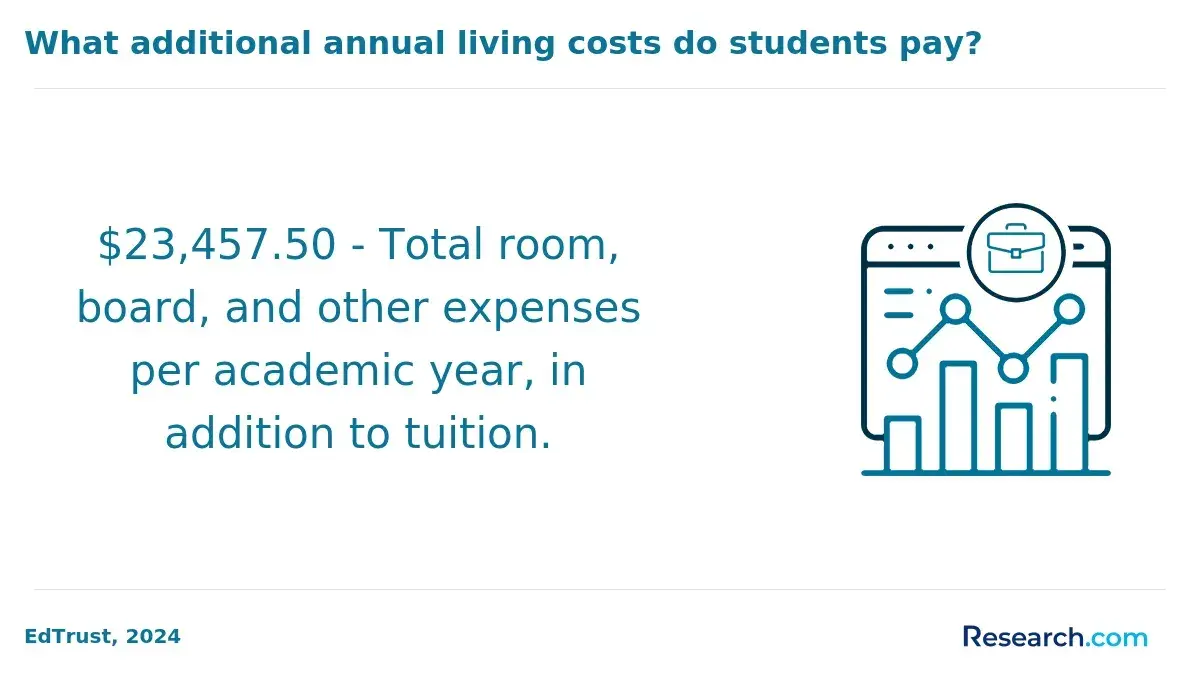
- Living Expenses: Students studying on campus typically incur higher living costs, including room and board, which can add about $744 more per year versus online learners who often remain at home. Avoiding campus housing and meal plans can create significant savings for online students.
- Technology Costs: While online students may face additional expenses for reliable internet, computers, and specific software, these costs usually remain lower than traditional campus fees. Some universities even charge special online course fees, like a $650 term fee at the University of Minnesota Crookston, to support digital infrastructure and course design.
- Financial Aid Availability: Federal aid is accessible to both online and on-campus students, but institutional financial support sometimes favors on-campus learners. Online programs may offer credit for prior work or learning experience, helping students reduce their tuition by accelerating graduation timelines.
For prospective students interested in degree options, it is worth exploring easiest bachelor degrees that balance affordability and flexibility.
What are the financial aid options for online vs on-campus global studies programs?
Both online and on-campus students pursuing global studies degrees may qualify for various financial aid options, but eligibility and accessibility can vary depending on the program format and institutional policies. Understanding these differences is important for making informed decisions about funding options for your education.
The following paragraph outlines and compares the main financial aid options available for both online and on-campus global studies students.
- Federal Aid (Grants and Loans): Federal aid is accessible to both online and on-campus students enrolled in accredited global studies programs through the Free Application for Federal Student Aid (FAFSA). Pell Grants, Direct Subsidized/Unsubsidized Loans, and PLUS Loans are available, but online students must meet minimum enrollment requirements such as half-time status, which can be a challenge for those choosing part-time or flexible schedules.
- State Aid: State grants and scholarships often favor residents attending in-state, on-campus programs, restricting access for online students who live out-of-state or attend programs without a physical campus presence. As a result, online students typically have more limited eligibility for state aid compared to their on-campus peers.
- Institutional Scholarships and Grants: Scholarships and grants offered by institutions generally prioritize full-time, traditional on-campus students, making scholarships and grants for on-campus global studies programs broader in availability. Online students frequently receive a smaller share of institutional aid despite potentially equal financial need, and application criteria or timing may also favor on-campus applicants.
- Employer Tuition Reimbursement: Both online and on-campus global studies students can benefit from employer-sponsored tuition assistance. However, online programs are often more compatible with full-time work schedules, appealing to working professionals seeking to advance their careers without interrupting employment.
- Private Student Loans: Private loans are available for both formats but may entail additional lender requirements based on enrollment status and program accreditation. These loans often require students to attend federally recognized institutions regardless of whether they study online or on-campus.
While federal aid eligibility is similar, online students must navigate more limited access to state and institutional funding. Veterans studying online also receive reduced benefits under programs like the GI Bill, which offer lower housing allowances compared to on-campus enrollment.
However, online global studies degrees typically feature lower tuition costs, resulting in annual savings that can exceed $6,700, a significant factor for many students balancing work and study. For those interested in career outcomes, exploring college majors that pay well can also help inform decision-making about their educational investment.
Are online global studies programs as credible as on-campus ones?
Accreditation, faculty qualifications, and curriculum standards are essential in establishing the credibility of both online and on-campus global studies programs. Leading online programs, such as those offered by regionally accredited institutions like Arizona State University and New Mexico State University, adhere to rigorous academic standards equivalent to their on-campus counterparts.
These accreditation processes evaluate curriculum quality, faculty expertise, and student support comprehensively. Faculty members teaching online are typically required to meet the same qualification benchmarks as traditional instructors, and courses undergo regular review to ensure academic rigor and relevance. This alignment guarantees that students receive a quality education regardless of the chosen learning format.
Employer and academic perceptions of online global studies degrees have evolved significantly in recent years. According to the Society for Human Resource Management, 92% of employers now regard online degrees from regionally accredited institutions as credible and comparable to traditional degrees. Many universities, including Arizona State University, do not distinguish between online and on-campus diplomas or transcripts, reinforcing equal recognition.
Improvements in virtual learning technologies and expanding industry partnerships have enhanced online program interactivity, networking, and practical experiences, closing previous gaps in perception. These developments support the increasing acceptance of online global studies degrees, valued for their flexibility, lower costs, and alignment with employer expectations.
Do employers prefer online vs on-campus global studies degrees?
Employer preferences between online and on-campus global studies degrees have notably converged in recent years, largely influenced by the institution's reputation, program accreditation, and candidates' demonstrated competencies rather than the mode of delivery. While past skepticism about online degrees persists among some employers, research shows that most prioritize credentials from accredited universities with strong academic standing.
Surveys such as the GMAC 2025 Corporate Recruiters Survey reveal that only 28% of U.S. employers explicitly value online and on-campus degrees equally, though 34% still disagree, indicating a narrowing perception gap as remote and hybrid work become more prevalent. Ultimately, employers assess the candidate's skills, experience, and the program's quality above whether the degree was earned online or in person, reflecting an increased acceptance of flexible learning pathways within professional recruitment.
Data further suggests that 83% of employers value online degrees from recognized institutions, with 92% respecting online credentials from established brick-and-mortar universities. The advantages of online degrees-such as flexibility, affordability, and growth of digital proficiency-align well with today's dynamic work environments built on virtual collaboration and global teams.
Employers also appreciate the self-discipline and time management required to complete an online program, skills that translate into independent work and effective cross-cultural communication. As workplace norms continue evolving with remote and hybrid models, the distinction between online and on-campus global studies credentials is expected to diminish, provided graduates exhibit strong analytical and interpersonal skills honed through rigorous and accredited programs.
A professional who completed her global studies degree online shared insights on her job search following graduation. She noted that while some initial interviews questioned the online format, her employers quickly focused on her relevant skills, internship experience, and ability to articulate complex global issues effectively. She emphasized how managing her studies remotely improved her multitasking and communication skills-qualities her current employer values highly in their increasingly virtual global teams.
Reflecting on her journey, she mentioned, "Earning an online degree taught me more than just theory; it prepared me to thrive in diverse and flexible environments." This perspective underscores how well-designed online global studies programs can equip graduates with the competencies needed to succeed professionally amid shifting workplace expectations.
Do online vs on-campus global studies program graduates earn the same salaries?
Salary comparisons between online and on-campus global studies graduates are increasingly shaped by various factors beyond the mode of learning itself. Elements such as institutional reputation, geographic location, and career trajectory now play a more decisive role than whether the degree was earned online or in person. This shift means the employer perception of online global studies graduates' salaries is more favorable than ever, reflecting broader acceptance in the labor market.
To better understand this, consider the key trends and factors influencing compensation levels for graduates in this field:
- Employer Perception: Most employers in the U.S. treat online and on-campus global studies degrees equivalently, often offering comparable starting salaries regardless of delivery format. This evolving viewpoint reduces previous stigma, aligning with broader acceptance of online credentials.
- Reputation of Institution: The prestige and accreditation of the granting university significantly impact salary outcomes. Graduates from well-ranked institutions frequently command higher salaries, often exceeding $90,000 within a year, whether their degree was completed online or on campus.
- Field and Location: Geographic region and industry sector lead to wide variations in salary, with metropolitan areas and government roles offering premium compensation. Earnings for global studies majors commonly range from approximately $76,000 to over $160,000, reflecting these disparities.
- Cost and Return on Investment: Online degrees generally cost less-about 64.3% of on-campus tuition-and reduce living expenses, which can significantly improve overall financial outcomes. Students at accredited online colleges non profit often find this balance advantageous despite slightly lower initial salaries.
- Career Progression: Both online and on-campus graduates see substantial salary growth with experience, with bachelor's degree holders earning up to 35% more within four years and master's degree recipients gaining roughly 31% more than bachelor-level peers after just one year.
How do you decide whether an online vs on-campus global studies program is right for you?
Choosing between an online and an on-campus global studies program largely depends on your individual learning preferences, lifestyle, and professional goals. Making the right choice requires understanding how each format aligns with your unique needs and expectations.
To assist you in this decision, consider the following key factors that can help you evaluate which option suits you best:
- Learning style: If you prefer direct interaction, real-time feedback, and face-to-face discussions, an on-campus program typically offers more opportunities for engagement with professors and classmates. On the other hand, online programs demand strong self-motivation and time management but provide the benefit of learning at your own pace through recorded lectures and online resources.
- Flexibility needs: Students balancing work, family, or other responsibilities often find online global studies degrees more accommodating, as they provide asynchronous coursework and the ability to study from any location. This flexibility makes online programs among the best online global studies degree programs for flexibility, especially for those who cannot commit to fixed schedules or campus attendance.
- Budget considerations: Comparing tuition costs for global studies degrees reveals that online programs are generally more affordable, often with lower tuition rates per credit and savings on housing and transportation. These financial benefits make online options attractive to students seeking to minimize education expenses without sacrificing quality.
- Networking opportunities: On-campus study encourages spontaneous interactions, participation in campus events, and connections through university clubs, which can be crucial for building professional networks. While online programs offer virtual networking platforms, these interactions may be less dynamic and more scheduled.
- Access to campus resources: Traditional students can utilize physical libraries, labs, and career centers, gaining hands-on support and services. Online learners typically rely on digital materials and remote advising but enjoy 24/7 access to educational content and sometimes more frequent assessments.
For those interested in exploring combined academic pathways, consider looking into joint degree programs undergraduate to broaden your educational options.
Here's What Graduates of Online vs On-Campus Global Studies Programs Have to Say About Their Degree
- Darwin: "Completing my global studies degree entirely online allowed me to balance my job and family responsibilities while gaining a deep understanding of international relations and cultural dynamics. The flexibility of the program gave me the freedom to learn at my own pace, which helped me absorb complex subjects without the pressure of a rigid schedule. Once I graduated, I landed a role as a policy analyst at an NGO, where my online education prepared me well for remote collaboration and digital research methods. This experience made me appreciate how technology can bridge distances and open doors to global conversations regardless of location. "
- Cline: " Attending the global studies program on campus was transformative both academically and personally. Immersing myself in an active campus environment fostered invaluable face-to-face interactions with professors and peers from around the world, which sharpened my cross-cultural communication skills. This hands-on engagement not only enriched my understanding of global issues but also helped me build a strong professional network that eventually led to my first job in international development. Reflecting back, those shared discussions and group projects shaped my passion for promoting social justice in global communities. "
- Thomas: " The hybrid format of the global studies program was perfectly suited to my need for flexible learning while still providing meaningful in-person experiences. Combining online coursework with campus seminars let me deepen my theoretical knowledge and participate in real-world dialogues essential for understanding global challenges firsthand. After graduation, I leveraged this blend of skills to advance quickly in my career as a cultural liaison, where adaptability and both digital and interpersonal competency are critical. This program cultivated my confidence to impact diverse communities and broaden my worldview in ways purely online or on campus couldn't. "
Other Things You Should Know About Online & On-Campus Global Studies Degree Programs
Networking opportunities differ significantly between online and on-campus global studies programs in 2027. On-campus students benefit from face-to-face interactions, fostering deeper relationships, while online students often rely on virtual networking events and social media platforms, which may lack the immediacy and personal connection of in-person encounters.
In 2027, online global studies students face challenges such as limited in-person interaction, self-discipline requirements, and potential technological issues. Despite improvements in digital platforms, these challenges highlight the need for effective time management and technical familiarity to succeed in an online learning environment.
References
- Share On Social https://www.northampton.edu/news/online-vs-on-campus-degree-whats-the-best-option-for-me.html
- What is the potential salary for a Global Studies major? - William Peace University https://peace.edu/faq/what-is-the-potential-salary-for-a-global-studies-major/
- Online Vs On Campus Study: Which is Right For You? https://studee.com/guides/online-vs-on-campus-study-which-is-right-for-you
- On-campus vs online university degree: pros and cons https://www.idp.com/malaysia/blog/university-online-vs-on-campus/
- Online vs in-person study: which one is right for you? https://www.ube.ac.uk/whats-happening/articles/online-vs-in-person-learning/
- How to choose between Online and On-Campus Study https://www.falmouth.ac.uk/study/choose-between-online-campus-study
- Choosing Between an Online and On-Campus Masters? | Postgraduate study | College of Medicine and Vet Medicine https://medicine-vet-medicine.ed.ac.uk/postgraduate/postgraduate-blog/choosing-between-online-campus-masters
- Online Master's in Global Studies & International Relations | Northeastern University https://graduate.northeastern.edu/programs/ms-global-stu-intl-reltn-cps/master-of-science-in-global-studies-and-international-relations-online/
- Global Studies https://www.century.edu/programs/global-studies/
- Online vs Traditional Degrees: Similarities and Differences https://www.aiu.edu/blog/online-vs-traditional-degrees/


