
2027 Online vs On-Campus Liberal Arts Degree Programs: Pros & Cons

Co-Founder and Chief Data Scientist
Online liberal arts degrees have surged in popularity, with recent data revealing that over 40% of U.S. college students now enroll in at least one online course. This trend reflects growing demand for flexible education options amid changing work and life dynamics. Prospective students face an important choice between online and on-campus liberal arts programs, each offering distinct benefits and challenges.
This article explores these options by analyzing flexibility, cost, learning experience, and career outcomes to provide a clear comparison. The goal is to equip readers with expert insights to make informed decisions about their higher education pathways.
Key Benefits of Online vs On-Campus Liberal Arts Degrees
- Online liberal arts degree programs offer flexible scheduling that allows students to balance work and family commitments, with studies showing over 60% of online learners are working adults.
- The cost efficiency of online programs is significant, often reducing expenses by up to 40% compared to on-campus tuition and related living costs.
- On-campus liberal arts degrees provide immersive social interaction and networking opportunities, with campus environments fostering collaboration that 75% of graduates cite as beneficial for career advancement.
Are Online vs. On-Campus Liberal Arts Programs Structured the Same Way?
Online and on-campus liberal arts degree programs have distinctly different structures designed to meet the diverse needs and lifestyles of their students. On-campus formats emphasize in-person engagement, while online formats focus on flexibility and remote learning. The following bullet points compare the two formats' structures in key areas such as scheduling, course delivery, and student engagement to help prospective students understand what to expect.
- Course Delivery: On-campus programs conduct lectures, discussions, and activities face-to-face in physical classrooms, creating a dynamic in-person learning environment. Online programs rely on digital platforms for lectures, discussion boards, readings, and assessments, allowing students to access materials anytime, anywhere.
- Class Schedules: On-campus courses follow fixed meeting times that require students to attend classes at specific days and hours. In contrast, online courses are often asynchronous, enabling students to complete coursework on their own schedules within set deadlines, though some include live sessions for real-time interaction.
- Interaction and Collaboration: Students in on-campus settings benefit from spontaneous peer and instructor interactions during and outside class, fostering immediate discussions and collaborative work. Online students primarily engage through forums, video conferences, and shared digital projects, which suits those comfortable with written communication but can delay response times compared to face-to-face contact.
- Student Engagement and Motivation: The structured in-person environment of on-campus programs offers regular reminders and direct support that helps students stay focused. Online learners need strong self-discipline and motivation to manage their schedules independently, as they typically experience less direct oversight.
- Flexibility: Online programs provide significant flexibility, ideal for students balancing education with work, family, or other commitments. On-campus programs require physical presence, offering a more immersive experience but less adaptability for those with external obligations.
Are Admission Requirements the Same for Online vs On-Campus Liberal Arts Degree Programs?
Colleges and universities strive to maintain consistent academic standards for both online and on-campus liberal arts degree programs, ensuring that graduates meet equivalent learning outcomes regardless of delivery format. However, the methods used to assess applicants' readiness-particularly for online study-can differ, reflecting the unique demands and student profiles associated with each mode.
This comparison highlights key admission requirements for online liberal arts degree programs alongside those for traditional on-campus study, showcasing where similarities exist and differences become apparent.
- Academic Qualifications: Both program types generally require a high school diploma or equivalent for undergraduate admission and a bachelor's degree for graduate study. However, online programs often place less emphasis on standardized test scores or minimum GPA, especially when targeting working adults, while selective on-campus programs may expect higher academic benchmarks.
- Work Experience: Prior work experience is seldom required by on-campus liberal arts programs. In contrast, many online programs designed for adult learners may consider or require relevant work experience and sometimes grant credit for professional accomplishments or life experience.
- Application Materials: All applicants typically submit application forms and transcripts. On-campus programs usually request essays, letters of recommendation, or interviews, whereas online programs often streamline the process by accepting resumes or employer recommendations, aligning with their focus on non-traditional students.
- Technology Readiness: Demonstrating technological proficiency or access to reliable internet and computers is a standard requirement for online applicants. This criterion is generally not applicable for on-campus students.
- Cost and Accessibility: Online liberal arts degrees may have lower overall costs due to savings on commuting, campus fees, and housing. Both formats qualify for federal financial aid if accredited, but some online programs offer additional scholarships specifically for remote learners.
- Acceptance Rates: Online programs tend to have higher acceptance rates, reflecting a more inclusive approach to adult and non-traditional students. For example, Temple University's online bachelor's programs accept about 74% of applicants compared to 56% for its on-campus programs.
Understanding these differences between online and on-campus liberal arts degree admission can help prospective students identify the best fit for their circumstances. For those interested in accelerated learning pathways, exploring colleges with accelerated programs can provide valuable options for completing degrees more quickly and efficiently. You can learn more about this at colleges with accelerated programs.
Do Online Liberal Arts Students Receive the Same Academic Support as On-Campus Students?
Universities have significantly expanded their academic support systems to ensure that online liberal arts students receive resources and assistance comparable to those available to on-campus learners. This development reflects a commitment to equitable access regardless of the learning environment.
To understand how support services compare, here is a list of the main academic support available to both online and on-campus liberal arts students:
- Tutoring Services: Both formats offer tutoring, with on-campus students using in-person centers and online learners accessing virtual sessions via video calls or chat. Flexible scheduling for online tutoring often benefits students balancing other commitments.
- Career Counseling: Career support includes resume workshops and interview preparation for both groups. Online students use webinars and virtual appointments, while on-campus students participate in networking events and direct employer interactions.
- Library Access: Universities provide digital access to library databases, e-books, and journals for all students. On-campus learners additionally benefit from physical library spaces, although most research materials are accessible remotely.
- Faculty Interaction: Online students communicate with faculty through email, discussion boards, and video conferences, whereas on-campus peers meet during office hours and classroom discussions. The same faculty usually teach both formats to maintain academic consistency.
How Long Does It Take to Complete an Online vs an On-Campus Liberal Arts Degree?
The length of time it takes to complete a liberal arts degree can vary widely based on whether the program is delivered online or on campus, as well as on the student's individual pace and scheduling options. These factors shape how quickly a student can fulfill credit requirements and graduate. To better understand these differences, here is a comparison of the average completion times for online and on-campus liberal arts degree programs.
Below are key points outlining how these two formats differ in terms of duration, flexibility, and influencing factors:
- Online liberal arts degree: Most accredited online programs require around 120 credits, similar to on-campus tracks, but offer greater flexibility with both full-time and part-time enrollment. Completion time typically ranges from 2 to 4 years, depending on transfer credits and course load, with some degree completion programs allowing accelerated graduation in as few as 18 to 30 months through continuous study. The asynchronous nature of many courses allows students, especially working professionals or those with family responsibilities, to progress at their own pace.
- On-campus liberal arts degree: Traditional on-campus programs usually follow a structured, four-year timeline with full-time study and fixed semester schedules. Most students attend classes in person with limited options to accelerate graduation beyond summer sessions or heavier course loads, which are less commonly available and constrained by campus resources. This format offers a consistent, standardized path but less flexibility in pacing.
Speaking with a professional who completed an online liberal arts degree provided valuable insight into the real-life experience behind these timelines. He explained that balancing work, family, and studies meant he appreciated the online program's adaptability but also faced the challenge of self-motivation without fixed class times.
He shared, "I started with some transfer credits and was able to accelerate my studies during periods when work was less demanding, finishing just under three years." He noted how the online format helped him avoid delays often caused by commuting or rigid schedules, emphasizing, "The option to study late at night or early mornings made a big difference."
At the same time, he admitted that staying disciplined was sometimes difficult, and pacing himself was crucial to avoid burnout. Overall, this flexibility translated into a shorter, more manageable degree timeline than he initially expected compared to traditional on-campus paths.
Are Online Liberal Arts Programs Cheaper Than On-Campus Ones?
Online liberal arts programs generally offer lower tuition and fees compared to their on-campus counterparts, often resulting in a significantly reduced average cost of online liberal arts degree completion. However, students must also weigh other expenses such as living costs and technology needs to fully understand the fiscal differences between online and traditional campus programs. To clarify these differences, below is a breakdown of the main cost factors influencing the total price in each learning format.
- Tuition and Fees: Online tuition rates tend to be substantially lower, with annual costs averaging around $12,216 compared to approximately $18,981 for on-campus programs. Online students also pay less per credit hour, often between $488-$519, whereas on-campus rates, especially at private colleges, can range from $1,240 to $1,748 per credit, making liberal arts tuition comparison online vs on-campus a key consideration.
- Living Expenses: Students choosing online programs often save a significant amount on living expenses since they avoid costs related to campus housing, meal plans, and commuting. The difference in room and board can average $744 annually, with savings especially notable for those living at home or in less expensive off-campus housing.
- Technology Costs: While online learners may incur expenses for reliable computers, internet access, and software, these are generally minor compared to savings on housing and transportation. Some schools may assist by providing or subsidizing digital tools, but budgeting for technology remains important.
- Financial Aid Availability: Most accredited online programs qualify for the same federal and state financial aid as traditional degrees, although some scholarships may only apply to on-campus students. Prospective students should verify their eligibility carefully to maximize aid options.
For those curious about their options, exploring the easiest bachelor's degree might provide insights into less costly or more flexible pathways in higher education.
What Are the Financial Aid Options for Online vs On-Campus Liberal Arts Programs?
Both online and on-campus students pursuing liberal arts degrees may qualify for financial aid, but eligibility and accessibility often differ based on the program format and the policies of each institution. Understanding these distinctions is key to navigating financial support options effectively.
Below is a comparison of the main financial aid options available for online versus on-campus liberal arts students:
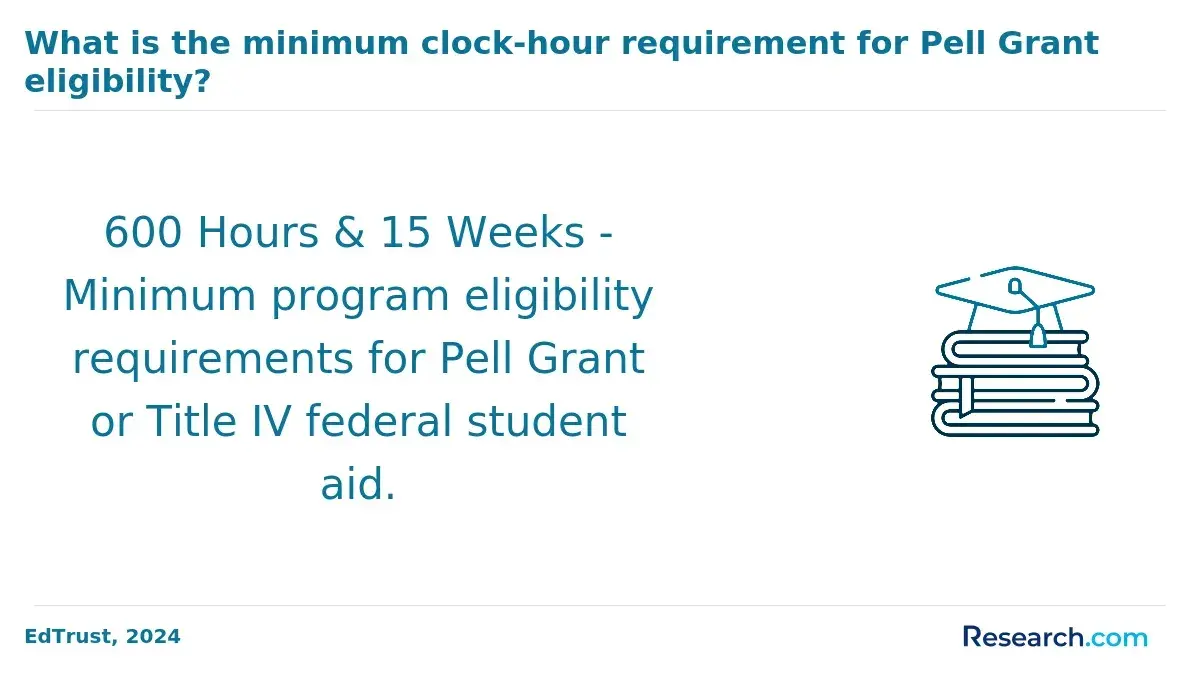
- Federal Aid (Grants & Loans): Federal financial aid such as Pell Grants and federal student loans is available to both online and on-campus students if their institution is accredited and they meet enrollment criteria. However, online students who attend part-time may face restrictions on federal loans that usually require at least half-time enrollment.
- State Aid: State financial aid programs generally support students attending eligible institutions within the state regardless of delivery format. Some states, however, limit certain grants to residents enrolled in campus-based programs, so online students must check state-specific rules carefully.
- Institutional Scholarships & Grants: Many colleges prioritize institutional scholarships for on-campus students, often requiring full-time or fall-term enrollment. Online liberal arts students seeking scholarships and grants for on-campus liberal arts programs may find fewer opportunities due to these policies.
- Employer Tuition Reimbursement: Employer-sponsored tuition support is accessible to both online and campus students, with online programs often preferred by working professionals needing flexible schedules. Eligibility usually requires enrollment at an accredited institution regardless of program format.
- Private Student Loans: Both online and on-campus students can obtain private loans, subject to creditworthiness and accreditation. These loans do not distinguish between program formats but can vary widely in terms and interest rates.
For those exploring degree options, including financial considerations, it may be helpful to learn what are the fastest online associate degrees available? This can provide insight into time and cost efficiency, especially for students balancing work and studies while seeking financial aid for online liberal arts degrees.
Are Online Liberal Arts Programs as Credible as On-Campus Ones?
Accreditation, faculty qualifications, and curriculum standards are fundamental to establishing the credibility of both online and on-campus liberal arts programs. Most reputable online liberal arts degrees in the U.S. come from regionally accredited universities like Harvard University and California State University-Long Beach, which adhere to the same rigorous standards as their on-campus counterparts.
Faculty members teaching online courses typically hold credentials equivalent to those teaching in-person, ensuring quality instruction. Curricula are intentionally designed to meet identical learning outcomes, often featuring customization options, capstone projects, and internships that reinforce foundational knowledge and critical thinking skills. This alignment maintains parity between the two formats, assuring students of the academic integrity of an online liberal arts education.
Perceptions of online versus on-campus liberal arts degrees have notably shifted in recent years, influenced by survey data and evolving employer attitudes. Employers, academic institutions, and licensing bodies increasingly recognize the validity of online degrees, especially when the program is accredited and well-structured. While some traditional preferences for in-person degrees remain, the gap in credibility is closing, supported by data showing online graduates attain competitive salaries and career opportunities similar to on-campus peers.
Innovations in virtual learning, including asynchronous courses and interactive platforms, combined with growing industry partnerships, enhance educational access and relevance. These factors contribute to reshaping how online liberal arts degrees are viewed, making them a credible and flexible alternative for many learners.
Do Employers Prefer Online vs On-Campus Liberal Arts Degrees?
Employer attitudes toward online versus on-campus liberal arts degrees have evolved significantly, reflecting broader changes in higher education and workplace dynamics. Research from recent studies indicates that over 70% of organizations have hired candidates with online degrees, and more than 60% of human resource leaders view online education as equal or sometimes superior in quality to traditional on-campus learning.
This shift reveals a growing recognition that factors such as university reputation and program accreditation carry more weight than the mode of delivery. Degrees earned from reputable nonprofit institutions, regardless of whether they are obtained online or on-campus, generally command respect among employers. Conversely, credentials from for-profit or less recognized schools may encounter skepticism, underscoring that institutional credibility remains a critical component in hiring decisions.
Surveys also emphasize the importance of demonstrated skills like critical thinking and communication, which are hallmark strengths of liberal arts education across delivery formats. The normalization of remote and hybrid work environments has played a key role in mitigating previous biases against online degrees. Employers increasingly value the adaptability, digital literacy, and self-motivation fostered by online learning, qualities essential for today's workforce.
While some hesitation remains around the lack of hands-on experiences and face-to-face engagement in online programs, evidence suggests that salary and career prospects are comparable for graduates from reputable online and on-campus liberal arts programs, provided they exhibit strong competencies and workplace readiness.
A professional who pursued an online liberal arts degree shared how her experience shaped her career prospects. She noted that, initially, she worried employers might view her online credential skeptically but found that showcasing specific project work and practical skills during interviews made a strong impression.
"What really helped was focusing on what I learned and how I applied it, rather than just where I studied," she reflected. This approach led to multiple job offers in hybrid and remote roles where her ability to adapt and communicate effectively was highly valued. Her journey reinforces the idea that while the format of education matters less, the ability to demonstrate relevant skills and professional growth remains paramount for employment success.
Do Online vs On-Campus Liberal Arts Program Graduates Earn the Same Salaries?
Salary comparisons between online and on-campus liberal arts degree graduates are increasingly shaped by various factors beyond just the mode of study. As the acceptance of online education grows, distinctions in earning potential reflect more about program quality, student background, and employer attitudes than whether the degree was completed remotely or in person. The following points highlight key salary trends and primary factors influencing the average salary for online liberal arts degree graduates versus their on-campus counterparts:
Key factors influencing salary outcomes for online vs on-campus liberal arts graduates include:
- Employer Perception: Although skepticism toward online degrees has diminished, some employers still favor candidates with traditional campus experience, especially in roles valuing networking or campus resources. However, graduates from accredited online programs often report salary ranges comparable to those of on-campus graduates.
- Accreditation and Program Reputation: The reputation and accreditation status of the institution strongly affect earning potential, regardless of format. Online degrees from well-ranked universities, such as Arizona State University Online, which reports a median liberal studies salary of $63,430, tend to provide competitive salaries.
- Cost and Flexibility Advantages: Online liberal arts programs generally cost less, averaging $12,216 annually compared to $18,981 for on-campus options. Lower costs can reduce debt burden, allowing graduates greater freedom to accept entry-level or lower-paying roles as a step toward career growth.
- Student Demographics and Career Stage: Many online students are working professionals already employed in their fields. This often leads to higher starting salaries than traditional students, making the liberal arts degree salary comparison online vs on-campus less about format and more about career context.
- Academic Support and Career Services: On-campus programs traditionally offer more internships and networking opportunities that may impact earnings. Yet, many online institutions are enhancing support services, thereby narrowing gaps in post-graduate salary outcomes.
- Access to Quality Programs: Students exploring fully accredited online colleges with no application cost can find quality options that lead to competitive salaries without the added expense of traditional campus attendance.
How Do You Decide Whether an Online vs On-Campus Liberal Arts Program Is Right for You?
Choosing between online and on-campus liberal arts programs depends largely on your personal learning preferences, lifestyle, and professional goals. The right choice can impact your educational experience, affordability, and career trajectory. To help you decide which option fits you best, consider these key factors:
- Learning Style: If you excel at independent study and are comfortable with digital tools, online liberal arts degree programs can offer you the flexibility to study at your own pace. However, those who prefer interactive discussions and immediate feedback may find on-campus settings more engaging and effective.
- Flexibility Needs: Online programs, especially asynchronous courses, are ideal for students juggling work, family, or other commitments, as they allow access to lectures and assignments anytime. On-campus programs usually follow a fixed schedule, which benefits students who thrive under structured routines and face-to-face interactions.
- Budget Considerations: Online programs often reduce costs by eliminating expenses such as housing, commuting, and campus fees, sometimes making them significantly more affordable. Still, tuition differences between online and on-campus liberal arts degrees can be modest, so assessing the total cost and value is crucial when you compare online vs on-campus liberal arts degrees.
- Networking Opportunities: On-campus study naturally facilitates connections with professors, peers, and campus events, which can enhance mentorship and career prospects. While online programs increasingly integrate live sessions and virtual networking, they may not fully replicate the spontaneous interactions available in physical environments.
- Access to Campus Resources: Students attending on-campus benefit from direct use of libraries, labs, and extracurricular activities that enrich learning. Online students may have digital access to some resources but might miss hands-on experiences and the broader campus community vibe.
For students weighing these factors while searching for the best online liberal arts degree programs 2025, understanding how each format aligns with your needs is key. Also, career outcomes are an important consideration, as the quality of online degrees continues to grow. For example, if you want to explore which career path pays well after completing a program, you could find useful insights in the data about which trade school job pays the most.
Here's What Graduates of Online vs On-Campus Liberal Arts Programs Have to Say About Their Degree
- Jerico: "The hybrid approach to my liberal arts degree perfectly combined the best of both worlds. The online components gave me the autonomy to study deeply at my own pace, while weekend on-campus sessions fostered meaningful interactions and practical experiences. This balance refined my time management skills and enhanced my adaptability, qualities that employers highly value in today's dynamic job market. Since graduation, I've gained several promotions in corporate communications, crediting my degree's versatility and hands-on learning opportunities. It's reassuring to know that this flexible format truly prepared me for diverse challenges."
- May: "Attending the on-campus liberal arts program was a deeply enriching experience that shaped both my academic and personal growth. The vibrant campus community and in-person discussions challenged my perspectives and helped me build lifelong friendships. These connections proved invaluable when I started my career in education, where collaboration and empathy are key. The immersive environment prepared me to become an effective advocate for youth, contributing positively to their well-being every day. Reflecting back, the face-to-face learning was essential to my development as a confident professional."
- Lynn: "Completing my liberal arts degree entirely online was a game-changer for me. The flexibility allowed me to balance work and family while pursuing my passion for social justice and communication. The program's focus on critical thinking has helped me advance quickly in my nonprofit career, where I now develop community outreach projects that truly make a difference. I feel empowered knowing that I earned a respected degree without sacrificing my personal responsibilities or time. The online format opened doors I never thought possible."
Other Things You Should Know About Online & On-Campus Liberal Arts Degree Programs
Yes, on-campus liberal arts programs often provide superior career networking opportunities due to face-to-face interactions, events, and direct access to faculty and alumni networks. While online programs usually offer networking tools, the in-person connections on-campus can be more impactful for building a professional network in 2027.
In 2027, employers increasingly recognize online liberal arts degrees as equivalent to on-campus ones, provided the program is accredited. While traditional on-campus programs offer networking opportunities, online degrees with robust curricula and reputations are gaining respect and acceptance due to their flexibility and accessibility.
Online programs offer flexibility and accessibility, allowing students to learn at their own pace from anywhere. However, they may lack the immediate interaction and campus life experience found in on-campus programs, which can be crucial for personal development and networking.
References
- Online Bachelor of Arts in Liberal Studies Tuition, Financial Aid, & Scholarships https://scs.georgetown.edu/programs/4/online/online-bachelor-of-arts-in-liberal-studies/tuition-financial-aid
- Atlanta College of Liberal Arts and Sciences | Online MBA & DBA https://aclas.college/blog/details/online-learning-vs-traditional-classroom-which-education-path-is-right-for-you-in-2025/60
- Liberal Arts (BA) | Online - Cairn University https://cairn.edu/liberal-arts-online/
- Yes, Employers Do Value Liberal Arts Degrees https://hbr.org/2019/09/yes-employers-do-value-liberal-arts-degrees
- Liberal Arts Degree Program (BA) | Undergraduate Admissions - Apply Here - Concordia University https://www.concordia.ca/academics/undergraduate/liberal-arts.html
- The Problem With Exclusively Online Degree Programs https://tcf.org/content/commentary/the-problem-with-exclusively-online-degree-programs/
- Online and on-campus colleges | University of Phoenix https://www.phoenix.edu/blog/cost-of-online-vs-traditional-college.html
- Liberal Arts Graduates: Data-Backed Career Planning for Financial Independence - Education Briefs | Think Academy US https://www.thethinkacademy.com/blog/edubriefs-liberal-arts-graduates-data-backed-career-planning-for-financial-independence/


