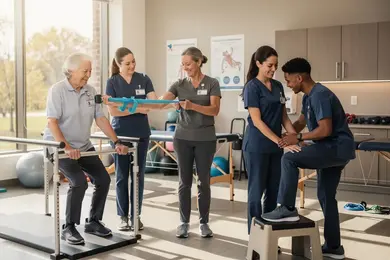
2027 Physical Therapy Assistant Degree Coursework Explained: What Classes Can You Expect to Take?

Co-Founder and Chief Data Scientist
Many prospective physical therapy assistant students struggle to understand the exact coursework required before enrolling. Nationally, employment for physical therapy assistants is projected to grow 32% from 2020 to 2030, highlighting the demand for well-prepared graduates. However, unfamiliarity with the curriculum can delay career planning and impact job readiness.
This article clarifies the typical classes included in a physical therapy assistant degree program. It explains how the curriculum equips students with essential clinical skills, anatomy knowledge, and therapeutic techniques, enabling informed decisions and effective preparation for both academic and professional success.
Key Benefits of Physical Therapy Assistant Degree Coursework
- Coursework develops hands-on patient care skills, essential for effective treatment and rehabilitation support in diverse clinical settings.
- Students gain knowledge in anatomy, physiology, and therapeutic techniques, laying a foundation for evidence-based practice and improved patient outcomes.
- Comprehensive training boosts employability and wage potential, with the U.S. Bureau of Labor Statistics projecting 23% job growth through 2032 for physical therapist assistants.
What Types of Class Do You Take in a Physical Therapy Assistant Degree?
The curriculum for a physical therapy assistant degree balances theoretical instruction with practical experience to prepare students for diverse healthcare environments. Nearly 90% of programs highlight the importance of hands-on learning in combination with classroom study.
The structure of physical therapy assistant degree courses typically includes several focused class types that collectively develop technical knowledge, clinical skills, and professional judgment. Classes commonly take these forms:
- Core Foundational Classes: These courses cover essential topics such as anatomy, physiology, and kinesiology, building a solid understanding of the human body and movement crucial for diagnosing and treating patients.
- Specialization or Elective Courses: Students select focused subjects like geriatrics, pediatrics, or neurological rehabilitation to expand their expertise and tailor their skill set to specific patient groups.
- Research and Clinical Methods Coursework: These classes introduce scientific reasoning and evidence-based practices to assess patient progress and adapt treatment plans effectively.
- Practicum, Internship, or Capstone Experiences: Practical clinical training allows students to work under professional supervision, enhancing communication, technical skills, and decision-making abilities in real-world settings.
Those interested in further healthcare education may explore related fields, such as earning a pharmacy degree.
What Are the Core Courses in a Physical Therapy Assistant Degree Program?
Core classes in a physical therapy assistant degree program build essential knowledge and skills that support effective patient care and treatment under the supervision of licensed physical therapists. These foundational courses focus on anatomy, therapeutic techniques, and professional practices to ensure graduates are prepared for practical roles in healthcare.
The physical therapy assistant core coursework typically covers a range of subjects that balance science, patient interaction, and hands-on experience. Below is an overview of key courses:
- Anatomy and Physiology: Provides a thorough understanding of body systems and movement mechanics vital to physical therapy practice. Students learn how different structures contribute to human motion and function.
- Therapeutic Modalities: Focuses on techniques used for pain management, injury rehabilitation, and improving patient mobility through various treatment options and equipment.
- Clinical Kinesiology: Explores human motion through biomechanics principles, enabling students to analyze movement patterns critical for effective therapy planning.
- Patient Care and Safety: Teaches safe handling, positioning, and communication skills to ensure the well-being and comfort of patients during treatment.
- Professional Ethics and Communication: Emphasizes ethical decision-making, collaboration, and clear documentation needed in real-world healthcare settings.
- Research Methods and Evidence-Based Practice: Introduces students to scientific research principles and critical appraisal of studies to support informed clinical decisions and quality care.
- Clinical Practicum: Offers supervised, hands-on experience in healthcare environments, building confidence and competence in actual patient care scenarios.
For those interested in advancing their studies further in nursing, exploring the easiest DNP programs can offer additional career opportunities in physical therapy and healthcare leadership.
What Elective Classes Can You Take in a Physical Therapy Assistant Degree?
Elective courses in physical therapy assistant programs offer students the ability to tailor their studies to specific interests or career paths. Recent data shows that more than 60% of students opt for electives to better meet the needs of particular patient groups or clinical settings.
The following examples highlight common elective options available:
- Geriatric Rehabilitation: Concentrates on treating elderly patients by developing skills in balance improvement and fall risk reduction, preparing students for work in senior care facilities.
- Pediatric Therapy: Focuses on developmental support and therapeutic techniques for children, ideal for roles in pediatric clinics, schools, or specialized centers.
- Orthopedic Care: Teaches management of musculoskeletal injuries and rehabilitation after surgery, beneficial for those assisting orthopedic practitioners.
- Neurological Rehabilitation: Covers treatment methods for neurological conditions like stroke or Parkinson's disease, aligning with careers in hospitals and specialized rehab settings.
- Sports Medicine: Addresses prevention, acute injury care, and recovery techniques related to athletes, useful for working in sports clinics and fitness environments.
Elective courses enhance critical thinking and communication while providing specialized therapy skills that improve job readiness in diverse clinical environments. A professional who completed a physical therapy assistant degree shared that choosing electives was a thought-provoking process. "I spent a lot of time reflecting on where I saw myself working," he said.
He found it challenging to narrow down electives due to the variety offered, but appreciated how the options deepened his knowledge and confidence. "Some electives pushed me out of my comfort zone, especially neurological rehab, but those were the experiences that shaped how I approach patient care today."
His experience underscored the value of electives in crafting a personalized educational journey that aligns with career goals.
Are Internships or Practicums Required in Physical Therapy Assistant Programs?
Hands-on clinical experiences are essential components of physical therapy assistant programs, designed to connect theoretical knowledge with patient care. These internships and practicums help students develop practical skills while working under the supervision of licensed professionals.
More than 90% of accredited programs include a clinical practicum as a mandatory requirement for graduation. The following points explain key elements of these practical experiences:
- Program Requirements: Nearly all physical therapy assistant programs mandate a clinical internship or practicum to fulfill graduation criteria, underscoring the importance of real-world exposure.
- Typical Duration and Hours: These placements generally last between 16 to 24 weeks, accumulating approximately 500 to 700 total clinical hours to ensure sufficient hands-on practice.
- Variety of Experiences: Students work with diverse patient populations, encountering conditions such as orthopedic injuries, neurological disorders, and pediatric cases, which broadens their clinical knowledge.
- Skills Development: Practical components focus on refining therapeutic techniques, communication with patients and health teams, accurate documentation of treatments, and adherence to professional ethics and safety protocols.
Is a Capstone or Thesis Required in a Physical Therapy Assistant Degree?
Capstone projects and theses serve to demonstrate a student's mastery of both theoretical knowledge and practical skills in academic programs. In physical therapy assistant degrees, more than 90% of accredited programs emphasize hands-on clinical training over formal research components.
Here's a clear comparison to understand how these requirements relate to physical therapy assistant studies:
- Capstone Project: Usually a practical assignment, the capstone integrates clinical and classroom learning through case studies or problem-solving exercises. It typically lasts a few weeks or months and sharpens professional communication and critical thinking skills.
- Thesis: This involves an in-depth research process requiring original data collection, analysis, and academic writing. Theses often span several months to a year and aim to contribute new knowledge, which is uncommon in physical therapy assistant coursework.
- Program Focus: Most physical therapy assistant programs prioritize supervised clinical experience and competency testing over extended research projects, preparing students for rapid workforce entry.
- Time Commitment: Capstones demand shorter timeframes suited for application of learned skills, while theses require sustained scholarly effort, more typical of advanced degrees.
- Career Impact: A capstone enhances practical skills directly relevant to clinical practice; conducting a thesis is more aligned with a research career or further academic pursuits beyond the assistant level.
When I spoke with a professional who completed a physical therapy assistant degree, she shared that her program did not require a capstone or thesis, which at first felt like a relief.
She recalled being initially concerned about the absence of a traditional research project because she wanted to deepen her understanding of patient care. Instead, the focus was heavily placed on rigorous clinical rotations and passing competency exams.
"The practical experience felt more valuable," she said, reflecting on hands-on learning that built her confidence to work directly with patients. Despite missing out on a formal research project, she appreciated how the program's approach allowed her to develop tangible skills without the stress of long-term academic writing.
This experience helped her quickly transition into a professional role, confirming that for many in this field, applied learning outweighs academic research requirements.

Is Physical Therapy Assistant Coursework Different Online vs On Campus?
The coursework for a physical therapy assistant program remains largely consistent regardless of whether it is completed online or on campus. Both formats cover fundamental subjects like anatomy, kinesiology, therapeutic exercises, and patient care, maintaining aligned academic standards and learning objectives.
The key differences arise mainly in the mode of instruction and student experience. Online students benefit from flexible scheduling and engage with video lectures, virtual labs, and discussion forums. In contrast, on-campus students have face-to-face interaction with instructors and peers, supporting real-time hands-on practice.
Clinical skills and lab work, essential for licensure, typically require in-person attendance, even for those studying online. Additionally, on-campus learners often have easier access to physical resources, while online learners rely heavily on digital materials and remote support. Assessment approaches may vary slightly but consistently aim to measure the same skill sets across both delivery methods.
Breakdown of Private Fully Online For-profit Schools (in percentage)

How Many Hours Per Week Do Physical Therapy Assistant Classes Require?
Physical therapy assistant classes typically require students to dedicate between 15 and 25 hours per week. This time is generally spent attending lectures, completing readings, working on assignments, collaborating in group projects, and engaging in applied learning such as labs or clinical simulations.
The weekly time commitment for physical therapy assistant programs can vary based on several key factors. Here are some important considerations:
- Full-time vs. Part-time Enrollment: Full-time students usually spend 20-25 hours weekly, balancing theory and hands-on practice, while part-time students may study fewer hours per week but take longer to complete the program.
- Course Level: Introductory courses often require less outside work compared to advanced classes, which include more intensive practical components and lab time.
- Program Format: On-campus students have scheduled lectures and lab sessions, whereas online or hybrid formats require more self-directed study and virtual collaboration, shifting how study hours are allocated.
- Credit Load: The number of credits taken each term directly impacts weekly hours, as heavier credit loads increase study demands.
- Practicum or Project Requirements: Clinical placements and real-world experiences add significant hours, supplementing classroom learning and enhancing readiness for physical therapy assistant careers.
Prospective students weighing their options with respect to time management might also explore related fields, such as a healthcare administration degree online, to find programs that fit their schedules.
How Many Credit Hours Are Required to Complete a Physical Therapy Assistant Degree?
Total credit hour requirements for a physical therapy assistant degree directly impact the program length, coursework workload, and students' ability to graduate on schedule. These requirements vary depending on the degree level and the specific program structure. Most associate programs require fewer credits, while bachelor's or advanced certificates demand more comprehensive study.
Here is a breakdown of typical credit-hour components:
- Core Coursework: Typically, 35 to 45 credit hours are dedicated to essential classes covering anatomy, kinesiology, pathology, clinical procedures, therapeutic techniques, and patient care. These courses form the foundation of the required coursework for physical therapy assistant program students, ensuring a thorough understanding of physical therapy principles.
- Electives: Around 10 to 15 credits usually allow students to explore related subjects such as health sciences, communication skills, or specialized therapy methods. Electives add flexibility to the curriculum and enable learners to tailor their education to specific interests or career goals.
- Experiential Learning: Between 12 and 15 credit hours are commonly allocated to practicums, internships, or clinical rotations. This hands-on training provides crucial real-world experience and exposes students to practical scenarios they will encounter in professional settings.
- Advanced Degree Components: Bachelor's level or extended physical therapy assistant degrees often require closer to 90 credits. These programs may include additional coursework in research methods, leadership, capstone projects, or theses to deepen professional expertise and academic credentials.
Most physical therapy assistant degrees fall within the 60 to 90 credit hour range. For example, an associate degree program often demands 60 to 70 credits and can typically be completed in about two years of full-time study.
Meanwhile, those interested in exploring further options after a physical therapy assistant degree can also consider programs offered by an online nursing school, which can complement or expand their healthcare qualifications.
How Does Physical Therapy Assistant Coursework Prepare Students for Careers?
Physical therapy assistant coursework equips students with the critical skills and knowledge required for successful careers in clinical settings. The curriculum blends theoretical study with applied learning, enabling students to translate their education into effective patient care.
Employment prospects for physical therapy assistants are strong, with the U.S. Bureau of Labor Statistics projecting job growth of 33% from 2022 to 2032, much faster than the average for all occupations.
The key factors of curricula that promote career readiness include the following:
- Hands-on skill development: Coursework emphasizes practical skills through lab work and supervised clinical experiences. This direct engagement builds proficiency in patient assessments and treatment techniques essential for workplace readiness.
- Applied learning in clinical environments: Students participate in real-world healthcare settings where they apply classroom knowledge to patient care. This exposure reinforces critical thinking and enhances adaptability to diverse treatment scenarios, tying to physical therapy assistant career skills development.
- Critical thinking and problem-solving: The program trains students to analyze patient needs and modify therapy plans effectively. These cognitive skills are necessary for responding to complex rehabilitation challenges and improving patient outcomes.
- Proficiency with industry tools and documentation: Familiarity with therapeutic modalities and accurate patient documentation is integrated throughout the curriculum. Mastery of these competencies ensures smooth collaboration within healthcare teams and compliance with clinical standards.
- Professional collaboration and communication: Teamwork and interpersonal skills are cultivated through group projects and clinical placements, preparing students to function effectively within multidisciplinary healthcare environments.
For those considering advances in related healthcare education, exploring programs like the cheapest DNP online program can be beneficial, potentially highlighting pathways for continued development beyond physical therapy.
How Does Physical Therapy Assistant Coursework Affect Salary Potential After Graduation?
Completing a physical therapy assistant program provides foundational skills that directly influence salary prospects after graduation. Employers tend to favor candidates who have demonstrated both knowledge and practical experience, which often results in better compensation.
In fact, the U.S. Bureau of Labor Statistics reported a median annual wage of approximately $60,050 for physical therapist assistants.
The following key coursework elements contribute to increasing salary potential:
- Technical Skill Development: Coursework focused on therapeutic techniques and modalities equips students with in-demand abilities that enhance job opportunities and make them eligible for higher wages.
- Specialized Classes: Taking courses in areas like orthopedics, neurology, or pediatrics allows graduates to access niche employment sectors, often associated with elevated pay scales.
- Leadership and Management Training: Some programs include instruction in supervisory skills, preparing students for roles that command salary premiums due to increased responsibilities.
- Applied Practical Experience: Participation in practicums, capstone projects, or internships provides hands-on exposure, signaling readiness to employers and improving chances for better compensation.
- Certification Preparation: Curriculum designed to help students pass national certification exams meets employer expectations and can lead to wage increases linked to certified status.
What Graduates Say About Their Physical Therapy Assistant Degree Coursework
- Connor: "The cost of the physical therapy assistant degree coursework was surprisingly affordable, especially considering the quality of education I received. Taking the program online allowed me to balance work and study effectively, and the practical skills I gained have been invaluable in advancing my career in rehabilitation services. "
- Javier: "Reflecting on my experience, the on-campus physical therapy assistant coursework was a significant investment but worth every penny. The hands-on training and face-to-face instruction deeply enhanced my understanding, which has translated into greater confidence and competence as a healthcare professional. "
- Mariko: "I researched multiple programs and found the average costs for the physical therapy assistant coursework to be reasonable compared to other healthcare degrees. Completing the coursework online gave me flexibility, and now, as a practicing assistant, I appreciate how well the curriculum prepared me for real-world clinical challenges. "
Other Things You Should Know About Physical Therapy Assistant Degrees
Yes, prerequisites often include courses in anatomy, physiology, and medical terminology. Completion of these foundational courses ensures that students are prepared for the specialized coursework in the 2027 Physical Therapy Assistant degree program. Specific prerequisites may vary by institution.
In 2027, core classes for a Physical Therapy Assistant degree typically include Anatomy and Physiology, Kinesiology, Therapeutic Exercise, and Neurology. Students learn foundational skills necessary for patient care, focusing on both theoretical concepts and practical applications in clinical environments.
References
- Physical Therapy https://catalog.ithaca.edu/graduate/physical-therapy/
- Physical Therapy Assistant (PTA) Courses https://catalog.sunyorange.edu/current/courses/pta.html
- Physical Therapy Assistant Career Paths | StraighterLine https://www.straighterline.com/career-pathways/physical-therapy-assistant/
- Physical Therapist Assistant Associate in Science | NSCC https://www.northshore.edu/academics/programs/pta/index.html
- Physical Therapist Assistant Program Courses | Penn State Hazleton https://hazleton.psu.edu/physical-therapist-assistant-program-courses
- What Will I Learn: Physical Therapist Assistant https://carrington.edu/blog/what-will-i-learn-pta/
- Physical Therapist Assistant (PTA) | School of Allied Health Professions https://alliedhealth.llu.edu/academics/physical-therapy/physical-therapist-assistant-pta
- Physical Therapy Assistant Salary Guide https://hellorache.com/physical-therapy-assistant-salary/
- Physical Therapist Assistant Degree Courses - North Central State College https://ncstatecollege.edu/associate-degrees/physical-therapist-assistant/required-courses/
- Physical Therapist Assistant (PTA) https://catalog.neit.edu/course-descriptions/pta/