
2027 Questions to Ask About Online Legal Services Degree Programs Before You Enroll

Co-Founder and Chief Data Scientist
Choosing an online legal services degree program can be challenging due to the wide variety of options and unclear outcomes. Nearly 35% of students enrolled in legal support programs nationwide express uncertainty about job placement after graduation. This uncertainty often stems from incomplete information on course quality, licensure preparation, and return on investment. With the legal industry evolving rapidly, prospective students need to evaluate programs thoroughly to ensure they align with their career goals. This article outlines critical questions to ask about online legal services degree programs, helping readers make informed decisions based on career outcomes, program credentials, and costs.
Key Benefits of Enrolling in Online Legal Services Degree Programs
- Online legal services programs offer flexibility, allowing students to balance coursework with personal and professional commitments from any location.
- They often reduce expenses by eliminating commuting costs and providing access to more affordable tuition options compared to traditional programs.
- Most online programs support a better work-life balance, enabling students to progress at their own pace while maintaining employment or family responsibilities.
Is the Online Legal Services Degree Program Accredited?
Accreditation plays a vital role in online legal services degree programs because it determines how the degree is recognized by employers, licensing boards, and other educational institutions. Graduates from accredited programs are more likely to meet eligibility requirements for legal assistant certifications and related career advancement. In fact, only institutions accredited by recognized agencies-out of more than 7,000 higher education institutions in the U.S.-qualify for federal financial aid and maintain credibility with employers. Regional accreditation of the institution is essential, while specialized programmatic accreditation, such as from the American Bar Association (ABA) for paralegal studies, carries significant weight.
However, many online legal services degree programs may lack ABA approval since ABA accreditation mainly applies to traditional colleges' paralegal offerings. This makes it crucial for students to consider accredited online legal services degree programs to ensure quality education and career readiness. To assess whether a program is properly accredited, prospective students should consult the U.S. Department of Education's Database of Accredited Postsecondary Institutions and Programs or the Council for Higher Education Accreditation (CHEA) website. This confirms that the program meets rigorous industry standards and supports licensure eligibility or professional certification goals. Prioritizing accreditation safeguards against potential issues with credit transfer or employment recognition.
For students considering additional fields of study, such as those interested in related fields like AI degrees, verifying accreditation remains equally important. Understanding how to verify accreditation for online legal degrees is fundamental before committing to enrollment to protect both educational investment and future career prospects.
What Are the Admission Requirements for Online Legal Services Programs?
Admission requirements significantly influence a student's eligibility and success in online legal services programs. These criteria help ensure that applicants are suitably prepared for the curriculum and clarify expectations for program readiness. Key factors to consider when reviewing eligibility criteria for online legal studies programs include the following:
- Educational background: Most programs require a high school diploma or its equivalent to confirm foundational knowledge. Some may also consider prior college coursework to better assess academic readiness.
- Application materials: Submission usually involves an application form and occasionally essays or personal statements. These components provide insight into an applicant's motivation and commitment to the legal field.
- Standardized tests: Standardized testing is generally not required, although some programs may use placement tests to place students in appropriate course levels.
- Technical skills: Basic computer proficiency and reliable internet access are essential due to the online nature of coursework and communication methods.
- Letters of recommendation: Typically optional, but they can strengthen an application by highlighting an applicant's character and professional potential.
Prospective students seeking to explore affordable educational options might also compare these requirements with those of other fields, such as online business degree programs. This comparison can provide broader context on admission standards and assist with overall career planning within legal studies and related disciplines.
What Classes Do You Take in an Online Legal Services Program?
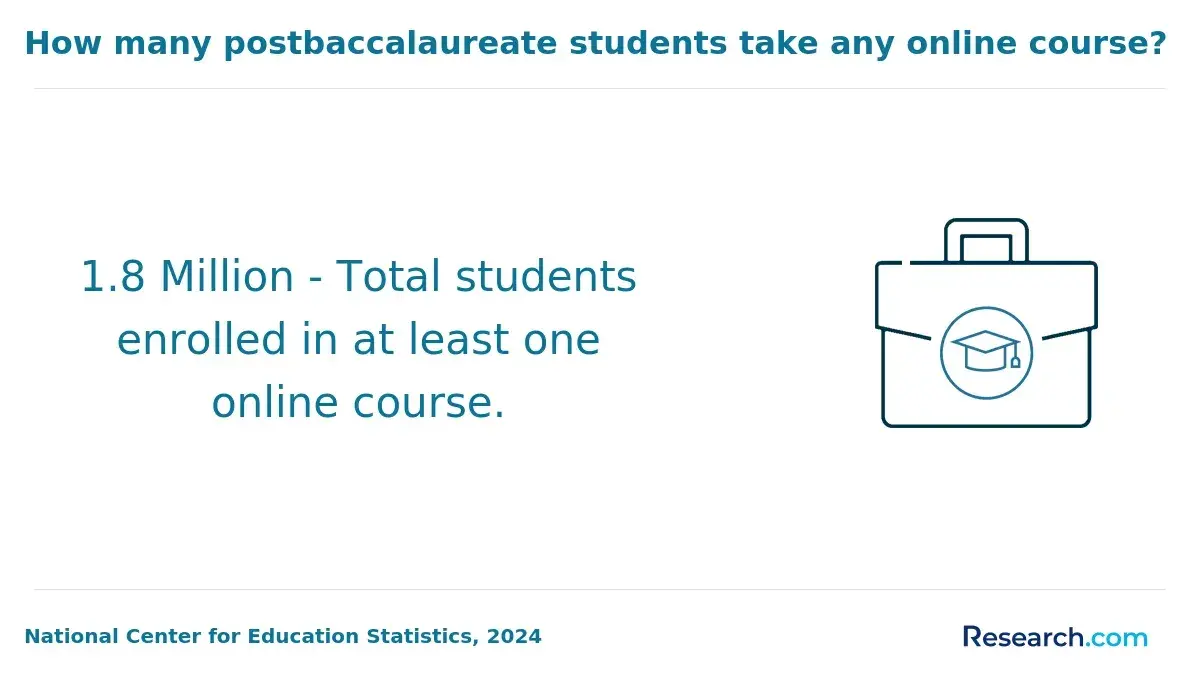
Knowing the curriculum of online legal services programs is essential for students to determine which option best suits their career goals and skill development needs. Online enrollment in legal studies has surged by more than 25% in recent years, highlighting the growing appeal of flexible learning paths in this field.
Here's a breakdown of the typical class types offered in these programs:
- Core courses: These classes focus on foundational legal topics like civil procedure, contracts, legal research, and professional ethics. They establish essential knowledge critical for supporting roles within the legal sector.
- Electives: Students can choose from specialized subjects such as family law, intellectual property, or real estate law, allowing them to tailor their education to specific industries and interests.
- Practical components: Emphasizing applied skills, these courses involve case analysis and simulations to enhance competencies like drafting legal documents and mastering relevant software tools.
How Long Does It Take to Complete an Online Legal Services Degree?
Knowing how long an online legal services degree takes helps students effectively plan their academic journey and future career path. The duration impacts when students can start working and influences their budgeting and time management during studies. Below are typical timeframes students can expect for different program types:
- Full-time programs: These usually require about two years to finish and suit students who can commit substantial time to coursework. Graduating quickly allows earlier entry into the workforce.
- Part-time programs: Often extending from three to four years, part-time tracks accommodate working adults balancing education with job and personal obligations. This flexibility suits those needing a slower pace.
- Accelerated tracks: Some programs offer intensive options that may be completed within one to one and a half years. Although faster, these require a heavier course load and strong time management skills.
- Programs with practical components: Degrees including internships or clinical hours might lengthen completion times slightly. Scheduling these real-world experiences can vary, affecting the overall timeline.
Additional factors like transfer credits, course availability, and individual study pace also contribute to how long a program may take to complete, enabling students to better align their educational goals with career plans.
Does an Online Legal Services Program Require Internships or Practicums?
Many online legal services programs include internships or practicums, though requirements vary depending on the institution. These practical experiences, often arranged through collaborations with law firms, government bodies, or corporate legal offices, enable students to develop essential skills like client interaction, legal research, and document drafting. Such hands-on training not only enhances career readiness but may also be mandatory for certain certifications or licensure, particularly for paralegals and legal assistants.
Prospective students should carefully review program policies on experiential learning, as opportunities and expectations differ widely, affecting scheduling, location, and costs. A 2022 survey by the National Association of Legal Assistants revealed that nearly 70% of students in legal services engaged in internships or practicums before graduating, highlighting their significance in education and job preparation.
Can You Get Licensed with an Online Legal Services Degree?
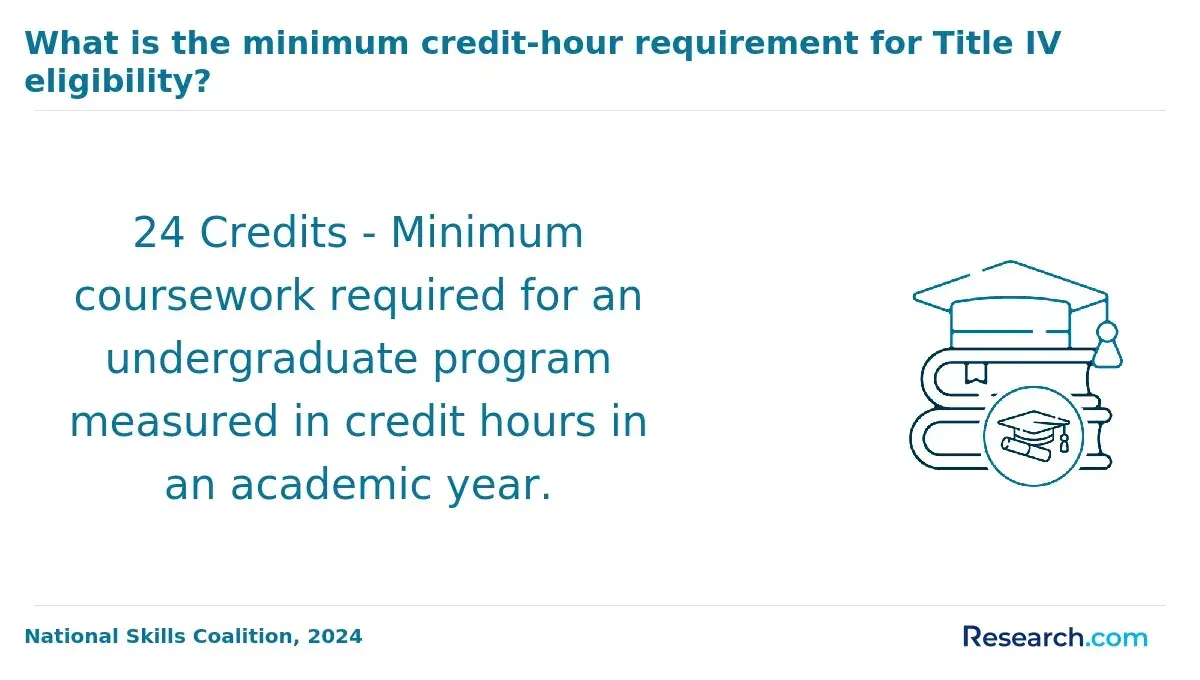
Graduates of online legal services degree programs can pursue professional licensure depending on state-specific requirements and the career path they choose. While many paralegal roles do not require a license, some states mandate certification or passing an exam for certain specialized legal support positions. Typically, licensure or certification candidates must complete an accredited program, which many online degrees fulfill through regional or national accreditation agencies. These accreditations ensure that the curriculum includes relevant law topics and practical skills essential for licensing exams.
To support students aiming to meet these requirements, online programs often incorporate exam preparation resources and practical experiences designed to align with professional standards, addressing common questions about legal services degree online licensure requirements. Licensure significantly influences job prospects and earning potential, making it a critical factor for students considering online programs. According to the National Association of Legal Assistants, certified paralegals have approximately a 20% higher employment rate than those without certification, underscoring the career advantage of proper licensure preparation.
Prospective students should carefully evaluate whether online programs provide adequate pathways to certification and licensure. For those seeking cost-effective options, reviewing rankings like the cheapest psychology degree online can also offer insight into quality online degrees across fields while exploring how to get licensed with an online legal degree.
How Much Do Online Legal Services Programs Cost?
Careful consideration of costs is essential for prospective students evaluating online legal services programs. These expenses not only affect budget planning but also impact long-term financial decisions related to career advancement. For instance, the average total tuition for certificate or associate degrees in legal services ranges between $6,000 and $15,000, reflecting varied program lengths and institutional types.
The main cost components to consider typically include the following:
- Tuition per Credit: Tuition usually makes up the largest portion of expenses and is frequently charged per credit hour. Rates can vary significantly, often ranging from $200 to $600 per credit depending on whether the institution is public or private and the program's format.
- Additional Fees: Many programs impose extra fees such as registration, technology, and library access fees. These costs can add several hundred dollars to the overall outlay and differ across schools, reflecting the resources and services offered.
- Materials and Technology Costs: Students must budget for required textbooks, legal research resources, and sometimes specialized software. Given the nature of legal services programs, these materials can be more expensive than those for other fields, ensuring access to current legal tools and case management systems.
Students comparing tuition fees for online legal services programs should also explore other options like accelerated online bachelor degree programs which may have different cost structures or program lengths. Thoroughly understanding each cost component helps prospective learners avoid surprises and make well-informed financial decisions aligned with their educational and career goals.
What Financial Aid Is Available for Online Legal Services Students?
Understanding financial aid options is essential for prospective students considering online legal services degree programs, as it can significantly lower the overall cost of education. Data shows that nearly 85% of students in legal and paralegal studies utilize some form of financial aid, emphasizing how critical it is in enabling degree completion.
When exploring financial aid options for online legal services students, several key types stand out:
- Federal Grants and Scholarships: These funds do not require repayment and are typically awarded based on financial need. Eligibility depends on factors such as the student's income and enrollment status, helping many reduce upfront expenses.
- Federal Student Loans: Options like Direct Subsidized and Unsubsidized Loans provide low-interest rates and flexible repayment terms. Subsidized loans require demonstrated financial need, whereas unsubsidized loans are accessible regardless of economic background, making them a common resource.
- State Grants and Scholarships: Various states offer financial assistance to residents enrolled in legal services programs. Criteria differ by state but generally focus on financial need or academic merit, which can considerably offset tuition costs.
- Institutional Aid: Some online programs offer scholarships or tuition discounts based on merit, financial need, or relevant professional experience. These awards can play a vital role in reducing total program expenses.
- Work-Study Opportunities: These allow students to earn money through part-time jobs related to their field, helping to finance their education while gaining practical experience.
Prospective students should research scholarships and grants for online legal services degree programs early to plan financing wisely and minimize loan dependency. Exploring a range of online degrees can also reveal additional funding avenues and program options tailored to their needs.
What Jobs Can You Get With an Online Legal Services Degree?
Knowing the career options available with an online legal services degree helps prospective students set realistic goals and make informed decisions. Employment in legal support occupations is expected to grow by 7% over the next decade, reflecting steady demand. Below is an overview of common career paths for graduates.
- Paralegal: Paralegals assist attorneys by conducting legal research, preparing documents, and managing case files. This role offers opportunities to specialize in areas like corporate law or civil litigation and often serves as a stepping stone to advanced legal careers.
- Legal Assistant: Legal assistants handle administrative tasks such as scheduling, client communication, and document management. The degree equips graduates with foundational legal knowledge that enhances their efficiency and supports firm operations.
- Compliance Officer: Compliance officers ensure organizations adhere to laws and regulations, conducting audits and risk assessments. A legal services degree provides insight into relevant legislation, facilitating career growth into regulatory and governance roles.
- Legal Researcher: Legal researchers analyze case law, statutes, and legal precedents to support attorneys or policy makers. This position demands strong analytical skills and prepares graduates for specialized research or consultancy work.
- Title Examiner: Title examiners review property records to confirm ownership and identify liens or claims. With an online legal services degree, graduates gain the expertise necessary to perform detailed document analysis in real estate and related sectors.
What Is the Average Salary for Online Legal Services Graduates?
Evaluating salary potential is essential for prospective students considering online legal services programs, as it directly impacts both immediate financial stability and long-term career success. Entry-level positions in this field generally offer annual salaries between $40,000 and $55,000, with earnings typically rising as professionals gain experience.
Several key factors play a role in determining the salary outcomes for graduates of online legal services programs:
- Level of education: Salaries often increase with higher education levels. Those holding bachelor's degrees or advanced certifications usually qualify for better-paying roles compared to graduates with associate degrees.
- Specialization: Concentrating on specific areas such as paralegal services, compliance, or court reporting can lead to different salary ranges. Specialties with higher demand or technical complexity generally command higher wages.
- Experience: As professionals accumulate years of work, their earning potential typically grows. Skill development and industry familiarity contribute directly to increased compensation.
- Geographic location: Pay rates differ significantly depending on the region. Urban centers and areas with higher living costs usually offer superior salaries compared to rural or less populated locations.
- Work setting: Employment type also influences income. Large corporate legal departments and sizable law firms typically provide higher pay than smaller firms or government positions.
What Graduates Say About Enrolling in an Online Legal Services Degree
- Kyro: "I was initially drawn to the online legal services degree because the cost was quite reasonable compared to traditional programs, which made it accessible without sacrificing quality. The flexibility of learning online allowed me to balance work and study effectively, and the coursework was engaging and practical. Since graduating, I've seen a significant boost in my career opportunities and confidence in the legal field."
- Jase: "Reflecting on my decision to enroll, the affordability of the program was a key factor, especially since the average cost aligned well with my budget. The online format was challenging but rewarding, offering a great mix of interactive content and real-world applications. This degree has been instrumental in helping me transition into a professional role where I can apply my knowledge every day."
- Bransen: "Choosing the online legal services degree program made financial sense given its competitive pricing, which allowed me to avoid excessive debt. The learning experience was comprehensive, with a clear structure and support system that made remote study manageable. Professionally, earning this degree has enhanced my credentials and opened doors to new roles within the legal services sector."
Other Things You Should Know About Legal Services Degrees
In 2027, faculty expertise is critical when choosing an online legal services degree program. Experienced instructors enrich the learning experience, offering insights that bridge theory and practice. Look for programs with faculty holding advanced degrees and actively engaged in legal services, ensuring that they bring current, real-world perspectives to the curriculum.
Most employers recognize online Legal Services degrees if the program is properly accredited and reputable. The degree's acceptance often depends on the school's reputation and the program's curriculum rigor. It is beneficial for students to research alumni outcomes and employer partnerships linked to the program to assess its standing in the job market.
Many online Legal Services programs provide career support and academic advising through virtual appointments, email, and online platforms. Services can include resume reviews, interview prep, job placement assistance, and guidance on course selection. Confirming the availability and responsiveness of these resources can help students succeed both academically and professionally.
References
- FAQs https://www.swlaw.edu/jd-llm-programs/online-jd/faqs
- Affordable Online Legal Help for All | LegalShield https://www.legalshield.com/
- Paralegal Salary https://onlinemasteroflegalstudies.com/career-guides/become-a-paralegal/salary/
- Online Law Degree Programs: Are They Worth It in Today’s Market? - https://lexmatter.org/blog/
- 8 Best Online Legal Services (2026 Ranked & Compared) https://venturesmarter.com/best-online-legal-services/
- PLI https://www.pli.edu/
- Online Juris Doctor Program, JD Degree | Purdue Global Law School https://www.purduegloballawschool.edu/academic-programs/juris-doctor
- How much does legal advice cost? How much does a lawyer cost? Price list of the Law Firm's legal services https://klodzinskikancelaria.pl/en/price-list-individual-clients/
- LegalZoom Business Advisory Plan: Pre-Paid Legal Services https://www.legalzoom.com/attorneys/legal-plans/personal.html
- Remote Legal Jobs | Legal Work From Home | Law Gazette Jobs https://jobs.lawgazette.co.uk/jobs/home-working/


