2027 Regional vs Programmatic Accreditation for Public Health Master's Degrees

Co-Founder and Chief Data Scientist
Choosing a master's program in public health often confuses applicants when deciding between regional and programmatic accreditation. For example, a student accepted into a program without regional accreditation might face challenges transferring credits or securing federal financial aid. Studies show that over 60% of public health graduates seek jobs requiring degrees from regionally accredited institutions, affecting employment prospects.
This article clarifies the distinctions between these accreditation types and examines their impact on academic recognition, job eligibility, and career advancement, helping prospective students make informed decisions aligned with their professional goals.
Key Things to Know About Regional vs Programmatic Accreditation for Public Health Master's Degrees
- Regional accreditation ensures broad academic quality and credit transferability, directly influencing employer recognition and eligibility for advanced certifications in public health careers.
- Programmatic accreditation by agencies like CEPH targets specialized skill acquisition, enhancing competency in areas such as epidemiology and health policy critical for career growth.
- Statistically, graduates from regionally and programmatically accredited programs report 15% higher median earnings in public health roles compared to those from non-accredited institutions.
What Is Regional Accreditation for a Public Health Master's Degree?
Accreditation serves as a primary indicator of academic quality and institutional integrity for universities and colleges. Regional accreditation, in particular, represents adherence to rigorous standards across an entire institution. More than 70% of colleges and universities in the U.S. possess regional accreditation, making it the industry standard for higher education and a key factor for students pursuing a public health master's degree.
This ensures not only that the program but the entire institution meets criteria related to curriculum quality, faculty qualifications, student support, and governance. Below are some essential benefits and requirements associated with regional accreditation standards for public health programs.
- Academic Consistency: Regional accreditation validates a school's commitment to maintaining high academic standards universally across all programs, ensuring consistency and reliability in education quality.
- Continuous Improvement: Institutions undergo regular self-assessment and external reviews to foster ongoing improvement, thereby safeguarding educational outcomes and institutional integrity.
- Credit Transferability: Credits earned at regionally accredited schools are widely accepted for transfer, facilitating academic mobility for public health students moving between institutions.
- Qualified Faculty: Accreditation requires that faculty members meet specific qualifications and engage in continuous professional development, enhancing the quality of instruction in public health master's degree programs.
- Financial Aid Eligibility: Students attending regionally accredited institutions are eligible for federal student loans and grants, which can be critical for funding graduate education.
For prospective students exploring educational paths, understanding regional accreditation for a public health master's degree is vital. Those interested in related healthcare fields might also consider exploring the shortest DNP programs online as an alternative graduate-level option.
What Is Programmatic Accreditation for Public Health Master's Programs?
Programmatic accreditation focuses on the specific curriculum, faculty qualifications, and professional standards within a single department or area of study in public health master's programs. It is distinct from regional accreditation, which assesses institutions as a whole. Approximately 90% of top-tier public health master's programs in the U.S. pursue programmatic accreditation, mainly through the Council on Education for Public Health (CEPH), to ensure their academic rigor and industry relevance.
This targeted accreditation aligns curricula with current demands and evidence-based practices, enhancing educational quality and professional readiness. Below are some significant impacts of programmatic accreditation on public health master's education.
- Curriculum Quality: Requires programs to adhere to established programmatic accreditation standards for public health degrees, ensuring coursework covers essential competencies and reflects the latest advances in the field.
- Graduate Marketability: Signals to employers that graduates are professionally prepared according to national standards, improving job prospects and career advancement opportunities.
- Funding Opportunities: Facilitates eligibility for federal funding and scholarships linked to accredited programs, helping students finance their education.
- Continuous Improvement: Supports regular evaluation and feedback loops, enabling programs to evolve and maintain high academic standards over time.
- Student Confidence: Strengthens trust in the educational experience by affirming a program's commitment to professional preparation and quality.
Prospective students exploring graduate options in public health may also wish to compare programs with other advanced health degrees, such as a DNP online option, to find the best fit for their goals and resources.
Do You Need Both Regional and Programmatic Accreditation for a Public Health Master's Degree?
Regional and programmatic accreditation together offer a layered assurance of quality for public health master's degrees, addressing both institutional standards and specific program content. About 85% of top-ranked public health master's programs carry both types of accreditation, reflecting their importance in maintaining academic rigor and professional relevance. Below are key considerations surrounding the benefits of regional and programmatic accreditation in public health degrees.
- Credit Transferability: Dual accreditation promotes easier transfer of credits between institutions, helping students avoid repeating coursework and ensuring broader recognition of their qualifications.
- Financial Aid Eligibility: Many federal financial aid programs and scholarships require enrollment in regionally and programmatically accredited programs, increasing funding opportunities for students.
- Employer Confidence: Accreditation assures employers that graduates possess skills and knowledge meeting national standards, enhancing job prospects in public health careers.
- Licensure and Certification: In numerous states, holding a degree from a program with both accreditations supports licensure or certification requirements essential for professional practice.
- Continuous Improvement: The rigorous evaluations tied to these accreditations encourage ongoing program enhancements, benefiting students and maintaining relevance in a changing field.
For students evaluating regional vs programmatic accreditation requirements for public health masters, understanding these implications helps make informed choices. Those seeking flexible study options may also explore an online nurse practitioner program as a pathway parallel to public health education.
Which Accreditation Is Required for Public Health Licensure?
State regulatory boards primarily use accreditation to verify a candidate's clinical or technical readiness for licensing in the public health field. More than 80% of these boards require graduation from a program accredited by specialized agencies to ensure consistent competency standards and reduce legal risks associated with unaccredited education. The following are key organizations responsible for maintaining these standards.
- Council on Education for Public Health (CEPH): This agency provides programmatic accreditation specifically for public health degrees. It ensures that the curriculum, faculty, and practical experience meet strict criteria needed for professional licensure.
- Accreditation Council for Public Health Education (ACPHA): ACPHA offers programmatic accreditation focusing on the quality and relevance of public health education. Its recognition supports eligibility for licensing and certification across various states.
- Western Association of Schools and Colleges (WASC): This regional accreditor evaluates institutions as a whole but does not assess individual public health programs for licensure readiness. Its accreditation is necessary for overall institutional quality but insufficient alone for professional certification requirements.
- Middle States Commission on Higher Education (MSCHE): MSCHE grants regional accreditation to colleges and universities, confirming institutional integrity and general academic standards. It does not specifically address public health program competencies essential for licensure.
- New England Commission of Higher Education (NECHE): NECHE provides regional accreditation similar to MSCHE and WASC, focusing on the entire institution rather than specialized public health programs. Its recognition complements programmatic accreditation but does not replace it for licensure purposes.
Which Accreditation Is Required for Public Health Master's Financial Aid Eligibility?
Federal Title IV financial aid for master's degrees in public health primarily requires regional accreditation of the awarding institution, as recognized by the U.S. Department of Education. In fact, over $120 billion in federal student aid is distributed annually to students attending regionally accredited schools, highlighting the critical role this accreditation plays in access to grants and loans. While programmatic accreditation, such as that from the Council on Education for Public Health (CEPH), ensures the quality and industry relevance of specific public health programs, it does not by itself qualify students for federal financial aid.
Private scholarships and employer tuition reimbursement programs often consider either or both accreditations, depending on their individual standards. Together, these accreditation processes provide vital assurances that help maintain both the affordability and long-term financial viability of advanced public health education.
When speaking with a graduate of a public health master's program about financial aid eligibility, he recalled the uncertainty and extensive research involved in choosing a school. "I initially focused heavily on whether the program had CEPH accreditation, assuming that alone would cover my financial aid needs," he explained. "It wasn't until I checked the institution's broader accreditation status that I realized regional accreditation was the real gatekeeper for federal aid." The process of verifying eligibility details was "stressful and confusing at times," but ultimately crucial to securing funding. Reflecting back, he emphasized the importance of looking beyond program reputation and fully understanding accreditation layers to avoid unexpected funding roadblocks.
Does Online Format Affect Regional vs Programmatic Accreditation Status?
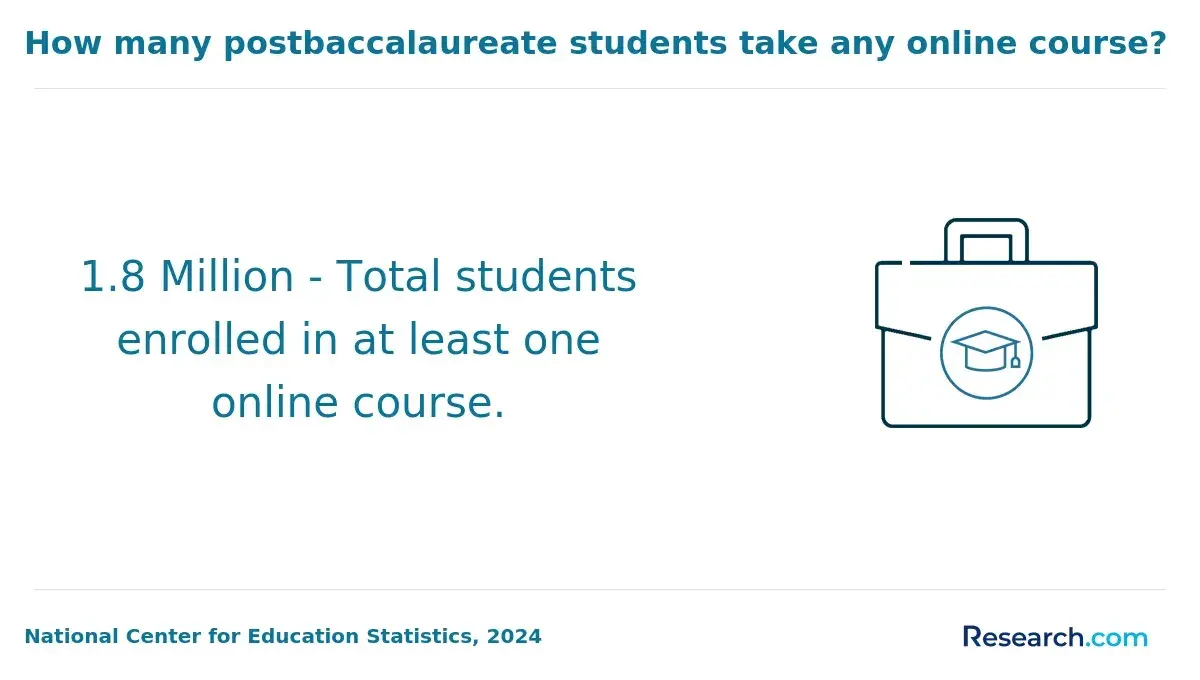
Reputable universities uphold consistent accreditation standards for both online and on-campus public health master's programs. In fact, data from the National Center for Education Statistics shows that over 35% of graduate students in 2019 enrolled in at least one distance education course, highlighting the growing acceptance and legitimacy of online learning. Below are important points about how accreditation applies to online formats.
- Regional Accreditation: This evaluates the entire institution, ensuring uniform quality whether courses are delivered online or face-to-face. Institutions must meet the same overall standards across all platforms.
- Programmatic Accreditation: Focused on specific disciplines such as public health, this type of accreditation holds online programs to the same academic and professional criteria as traditional programs.
- CEPH Accreditation: Many respected universities seek accreditation from the Council on Education for Public Health, guaranteeing that online curricula, faculty qualifications, and assessment methods align with stringent disciplinary standards.
- Recognition by Employers and Boards: Degrees from accredited institutions are typically accepted equally by employers and licensing boards regardless of delivery method, ensuring no disadvantage for online students.
- Verification Importance: Prospective students should confirm that an online program explicitly states its accreditation status to avoid unaccredited offerings, which can negatively affect transfer credits and career advancement.
Do Employers Care About Regional vs Programmatic Accreditation in Public Health Fields?
While regional accreditation confirms that an institution meets general quality standards, programmatic accreditation often acts as a specialized "seal of approval" for hiring managers in the public health field. A 2022 survey by the Association of Schools and Programs of Public Health found that over 75% of public health employers prefer candidates from programs with Council on Education for Public Health (CEPH) accreditation, underscoring its significant professional weight. This distinction shapes employer expectations in several important ways.
- Assurance of Competence: Employers trust that graduates from accredited programs possess up-to-date public health knowledge and essential skills required for the profession.
- Curriculum Alignment: Programmatic accreditation ensures coursework aligns with recognized professional standards, enhancing a candidate's job readiness upon graduation.
- Licensing and Certification Eligibility: Graduates from accredited programs are often eligible to sit for critical certification exams like the Certified in Public Health (CPH) credential, which can be prerequisites for many positions.
- Job Market Advantage: Some government roles and grant-funded opportunities explicitly require degrees from CEPH-accredited programs, limiting eligibility to those candidates.
- Indicator of Rigor: Employers view programmatic accreditation as a marker of educational rigor and effective preparation beyond the baseline assurance offered by regional accreditation alone.
When asked about her experience navigating these expectations, a professional who graduated from a public health master's degree program shared that, despite the initial overwhelm of understanding accreditation differences during her job search, she noticed how hiring managers specifically referenced her program's CEPH accreditation. "It felt like more than just a line on my resume," she explained. "Employers asked detailed questions about the competencies my program emphasized, which gave me confidence." She also recalled times when non-CEPH-accredited degree holders were at a clear disadvantage for several federal positions she pursued. This firsthand insight highlights the tangible impact accreditation can have on career opportunities in public health.
Does Accreditation Type Influence Salary Potential in Public Health Careers?
Academic quality recognized through accreditation can have a meaningful impact on long-term earning power in public health careers. A survey by the Bureau of Labor Statistics revealed that graduates from CEPH-accredited programs earn about 10% more on average within five years after graduation, underscoring the financial advantage of enrolling in a vetted program. The influence of accreditation extends beyond salary, affecting return on investment (ROI) and career opportunities in specific ways.
- Regional Accreditation Impact: Regional accreditation affects the overall institutional quality, ensuring credit transferability and broad employer recognition. This type of accreditation indirectly supports higher long-term earnings by enhancing educational validity and job market acceptance.
- Programmatic Accreditation Salary Benefits: Specialized accreditation like CEPH signals rigorous curriculum standards and specialized training. Graduates from programmatically accredited programs typically command higher starting salaries in competitive public health roles due to employer confidence in their focused expertise.
- Leadership and Policy Access: Candidates from programmatically accredited programs often gain better entry to leadership and policy-making positions within government and nonprofit sectors. These roles usually offer enhanced compensation compared to standard positions.
- Financial Aid Eligibility: Regional accreditation impacts eligibility for federal financial aid, which can reduce student debt burdens. Lower debt improves the overall ROI by lessening financial strain after graduation.
- Employer Preferences: Many employers prefer candidates with degrees from nationally recognized and programmatically accredited institutions, increasing job prospects and potential salary growth over time.
For students prioritizing cost along with accreditation advantages, exploring options like the cheapest online MHA programs may offer an affordable pathway without compromising institutional quality or ROI.
How Do You Check If a Public Health Master's Program Has Legitimate Accreditations?
To avoid "accreditation mills" that offer counterfeit credentials, prospective students should rely on official government and non-profit databases to verify a public health master's program's legitimacy. The Council for Higher Education Accreditation (CHEA) notes that there are over 80 legitimate accrediting organizations, highlighting the importance of verifying authenticity. Using these trusted resources helps students distinguish between recognized programs and diploma mills.
Below are key steps to perform a thorough accreditation check.
- Check Official Databases: Start by visiting the U.S. Department of Education's Database of Accredited Postsecondary Institutions and Programs (DAPIP) and the CHEA database. Cross-reference the school's website claims with these recognized sources to confirm the legitimacy of the program's accreditation.
- Confirm Regional Accreditation: Verify whether the institution holds regional accreditation, which covers the entire university and impacts credit transferability and federal financial aid eligibility, critical factors when researching how to verify accredited public health master's programs.
- Verify Programmatic Accreditation: Specifically check for accreditation by the Council on Education for Public Health (CEPH), the leading accreditor for public health degrees. Programmatic accreditation affirms that the curriculum meets professional standards in the field.
- Contact Accrediting Agencies: If uncertain, reach out directly to accrediting bodies through official channels to validate their accreditation status and avoid misinformation.
- Beware of Suspicious Claims: Be cautious if the program lists accreditation from unknown or unrecognized organizations, a common red flag indicating diploma mills.
Regional accreditation ensures overall institutional quality, while programmatic accreditation, such as CEPH, ensures that a program adheres to industry-specific standards. Recognizing the difference is vital for students aiming to align their education with academic and career goals. For those exploring further educational options, resources like medical billing and coding schools online can provide additional insights into accredited, career-focused programs.
What Are the Pros and Cons of Regional vs Programmatic Accreditation for Public Health Master's Degrees?
Both regional and programmatic accreditation indicate educational quality but serve distinct functions: regional accreditation confirms an institution's overall legitimacy and stability, while programmatic accreditation verifies that specific public health curricula meet established industry standards. Approximately 82% of U.S. colleges hold regional accreditation, reflecting widespread institutional vetting.
Regional Accreditation
- Institutional Credibility: This accreditation assures that the entire school meets broad academic standards, enhancing the institution's reputation and trustworthiness.
- Credit Transferability: Students benefit from the ability to transfer credits more easily between regionally accredited schools, facilitating academic mobility.
- Financial Aid Eligibility: Federal financial aid programs typically require regional accreditation, making funding options more accessible for many students.
- Limited Program Specificity: While it confirms overall quality, regional accreditation does not address the detailed professional competencies necessary for public health careers.
Programmatic Accreditation
- Specialized Curriculum: Focuses on ensuring that public health programs meet rigorous standards set by organizations like the Council on Education for Public Health, delivering current and relevant coursework.
- Career Preparation: Graduates are often better prepared for certification exams, licensure, and specialized roles, which can improve employability in the public health sector.
- Employer Recognition: Some employers may prefer candidates from programs with this accreditation, valuing the specialized training it represents.
- Scope Limitation: This accreditation applies only to individual programs rather than the institution as a whole, which can affect broader academic recognition and financial aid options.
What Graduates Say About Regional vs Programmatic Accreditation for Public Health Master's Degrees
- Ariel: "Choosing a master's degree program with both regional and programmatic accreditation was essential for me. It assured me of rigorous academic standards and gave my resume a competitive edge in the job market. Despite the higher tuition compared to non-accredited options, the long-term career benefits and network opportunities made every dollar worth it."
- Samantha: "Reflecting on my educational journey, the cost was a big consideration, but finding a public health master's program with solid accreditation provided remarkable value. The assurance that the curriculum met recognized quality benchmarks gave me confidence when applying for roles. In my experience, the accreditation was pivotal in gaining employer trust and furthering my professional growth."
- Rod: "From a professional standpoint, graduating from a program with both regional and programmatic accreditation opened many doors for me. The structured curriculum and accreditation standards enhanced my expertise and credibility in the field. Although the investment was considerable, the recognized credentials have had a lasting, positive impact on my career trajectory."
Other Things You Should Know About Public Health Degrees
Yes, programmatic accreditation requires Public Health master's programs to meet specific curricular standards set by specialized accrediting bodies. These standards ensure that the coursework covers essential areas such as epidemiology, biostatistics, environmental health, and health policy. This specialized oversight helps maintain consistency and rigor in program content across accredited institutions.
Many professional Public Health organizations and certification boards require candidates to have graduated from programs with either regional or programmatic accreditation recognized by them. Having a degree from a programmatic accredited Public Health master's program can be crucial to qualifying for certifications such as the Certified in Public Health (CPH). Regional accreditation also plays a role in the general acceptance of the degree for membership but is less program-specific.
References
- Do Employers Care About College Accreditation? https://www.accreditedschoolsonline.org/accreditation/do-employers-care/
- Value and Impact of Public Health Accreditation https://jphmpdirect.com/value-and-impact-of-public-health-accreditation-2/
- Why is accreditation important for a Master of Public Health? https://onlinemphtoday.com/faqs/accreditation-important-for-mph/
- Public Health Accreditation and Competencies https://www.arcadia.edu/majors-and-programs/public-health-mph/accreditation-competencies/
- Schools of Public Health https://www.apha.org/professional-development/public-health-careermart/schools-of-public-health
- Master of Public Health Accreditation https://www.usm.edu/health-professions/master-public-health-accreditation.php
- Accreditation https://aspph.org/our-work/education/accreditation/
- Search for a Degree Program | Council on Education for Public Health https://ceph.org/about/org-info/who-we-accredit/search/
- Accreditation of Schools of Public Health: A Guide https://icaphe.org/accreditation-of-schools-of-public-health/
- Programmatic Accreditation - University Assessment and Accreditation https://www.unthealth.edu/uaa/accreditation-overview/programmatic-accreditation.html