2027 What Prerequisites Do You Need for a Public Health Master's Degree? Entry Requirements, Credits & Eligibility Rules

Co-Founder and Chief Data Scientist
If you are comparing public health master’s programs, the hardest part is often not choosing a concentration; it is figuring out whether you are eligible to apply. Admissions pages can use different language for the same requirement, and applicants with nursing, biology, psychology, business, humanities, or international degrees may not know how their background will be reviewed. According to the Council on Education for Public Health, nearly 55% of applicants are deterred by unclear entry requirements, which matters in a field projected to expand by 16% through 2030.
This guide explains the main prerequisites for a master’s degree in public health, including expected academic preparation, GPA standards, entrance exams, prerequisite coursework, professional experience, interviews, research expectations, and international credential evaluation. Use it to identify gaps early, ask better questions of admissions offices, and choose programs where your background is a realistic fit.
Key Things to Know About the Prerequisites for a Public Health Master's Degree
- Most programs require a bachelor's degree in a related field, a competitive GPA (commonly 3.0 or higher), and submission of transcripts, recommendation letters, and a statement of purpose.
- Prerequisite coursework and credit requirements vary widely by institution and specialization, often including foundational subjects like biology, statistics, and social sciences.
- Eligibility rules differ across programs; international applicants may face additional documentation and language proficiency requirements, making early review of specific guidelines essential.
What Academic Background Is Expected for Admission to a Public Health Master's Program?
Most public health master’s programs expect applicants to have a bachelor’s degree from an accredited institution, but they usually do not require an undergraduate major in public health. Admissions committees often look for evidence that you can handle graduate-level work in population health, data interpretation, policy, research, and community-based problem solving.
Applicants from health-related and science fields may have the most direct preparation. Data from the Association of Schools and Programs of Public Health (ASPPH) shows that about 60% of master's applicants come from health-related or science fields. However, public health is interdisciplinary, so strong applicants can also come from social sciences, economics, information technology, business, humanities, engineering, and other fields when they can show relevant skills or a clear career purpose.
- Bachelor’s degree: A completed undergraduate degree is the standard baseline requirement. Programs typically expect the degree to come from an accredited institution.
- Commonly aligned majors: Public health, biology, nursing, psychology, sociology, environmental science, health sciences, and similar fields often provide useful preparation for MPH or related public health graduate coursework.
- Course content matters: Admissions reviewers may look beyond the name of your major. A psychology major with health behavior coursework or a nursing graduate with community health experience may be viewed as well prepared.
- Nontraditional backgrounds can be competitive: Applicants from data, policy, communications, education, business, or technology may stand out if they connect their background to public health problems such as health equity, disease surveillance, program evaluation, or healthcare access.
- Prerequisite gaps are common: If your transcript does not show exposure to statistics, biology, epidemiology, or health systems, a program may require prerequisite, bridge, or leveling courses before or shortly after enrollment.
The best approach is to compare your transcript with each program’s stated prerequisites before applying. If the requirements are unclear, ask admissions whether your completed courses satisfy them and whether missing courses can be completed after admission.
Students who are building a stronger health-focused academic profile may also compare options such as an online RN to BSN no clinicals program, especially if they are considering nursing-related public health pathways.
Is a Minimum GPA Required for a Public Health Master's Degree?
Many public health master’s programs use GPA as an indicator of academic readiness, but it is rarely the only factor in the admissions decision. A minimum near 3.0 on a 4.0 scale is common, while more selective programs may prefer stronger academic records, such as 3.3 or above. With the public health field projected to grow 12% from 2020 to 2030, competitive programs may receive strong applicant pools, so your full application should show readiness beyond the GPA number.
- Typical minimum: Many programs require or prefer at least a 3.0 GPA. Always confirm whether the program uses cumulative GPA, major GPA, last-60-credit GPA, or a separate graduate GPA if you have prior graduate coursework.
- Competitive range: Programs with limited seats, research funding, or highly ranked concentrations may prefer applicants with a 3.3 or above, even if the published minimum is lower.
- Conditional admission: Some schools admit applicants below the GPA threshold on a conditional or probationary basis. This usually means you must earn satisfactory grades in your first graduate courses to continue.
- How to offset a lower GPA: Strong recommendation letters, relevant work experience, a focused statement of purpose, recent graduate coursework, or professional certifications may help demonstrate that your past GPA does not reflect your current ability.
- International transcripts: International applicants should provide detailed academic records and grading-scale explanations when required. GPA conversion can vary by country and evaluation service.
If your GPA is below the published requirement, do not assume you are automatically disqualified. Contact admissions before applying, explain your academic context briefly, and ask whether additional coursework, a prerequisite course, or conditional admission is available.
Applicants who want to strengthen their health administration background before or alongside public health study may also review an online healthcare administration degree as part of broader academic planning.
Are GRE, GMAT, or Other Graduate Entrance Exams Required?
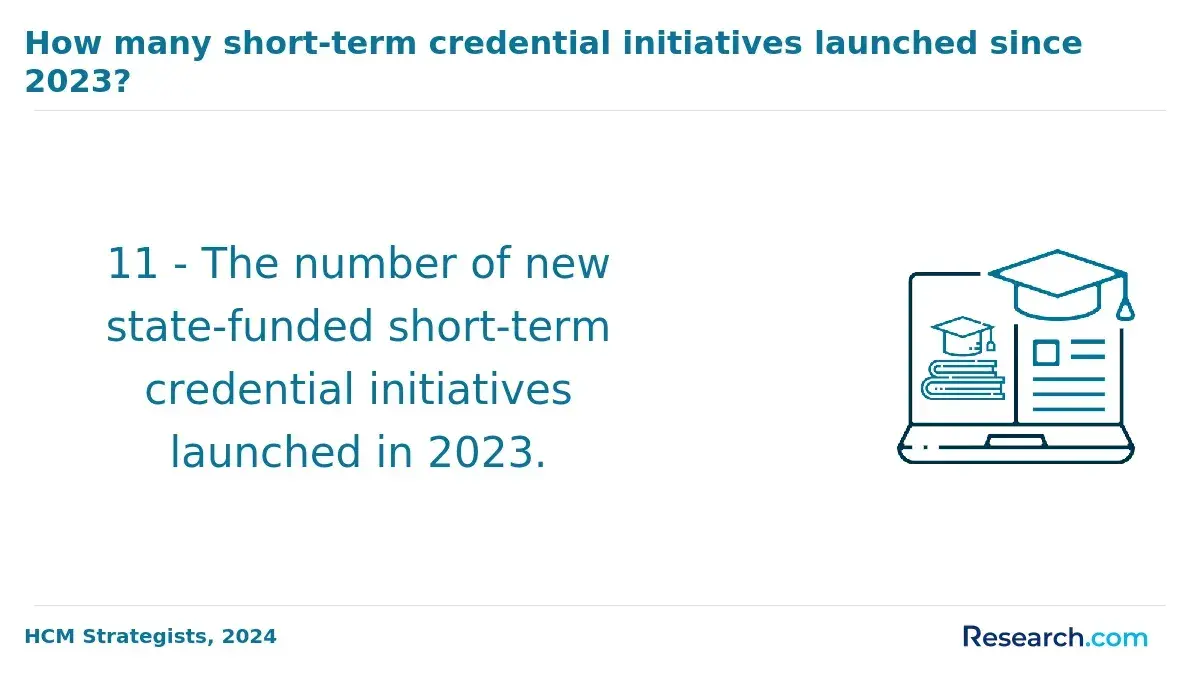
Graduate entrance exam requirements for public health master’s programs have become less uniform. Nearly 65% of accredited public health programs in the U.S. no longer require GRE scores, but some programs still require, recommend, or accept them, particularly for research-heavy tracks or applicants who want to strengthen a weaker academic record.
- GRE requirements vary by program: Some schools require the GRE, some list it as optional, and others will not review scores even if submitted. Check the policy for the exact degree, concentration, and campus format.
- GMAT is less common: GMAT scores may be relevant for programs with a stronger management, administration, or dual-degree focus, but they are not a universal public health requirement.
- Research-oriented tracks may value quantitative evidence: Thesis-based or analytics-focused programs may use exam scores to evaluate readiness for statistics, epidemiology, and research methods, especially when the transcript has limited quantitative coursework.
- Practice-based programs may prioritize experience: Professional MPH formats often place more weight on work history, leadership, community engagement, and applied public health goals.
- Waivers may be available: Applicants with strong GPAs, prior graduate coursework, relevant professional experience, or advanced credentials may be eligible for a test waiver, depending on school policy.
- International applicants should verify all testing rules: Entrance exam requirements may be separate from English-language proficiency requirements and institutional documentation rules.
If scores are optional, decide strategically. Submit scores when they clearly strengthen your profile, particularly if they demonstrate quantitative ability not visible elsewhere in your application. Do not submit weak scores simply because the program accepts them.
One public health master’s graduate described the exam question as stressful at first because the program recommended GRE scores but allowed waivers based on professional background. After reviewing practice materials and contacting admissions, the applicant confirmed waiver eligibility and focused instead on a stronger statement of purpose and clearer evidence of applied experience. That step reduced uncertainty and made the application more targeted.
What Foundational Undergraduate Courses Must Be Completed Before Enrollment?
Foundational coursework helps ensure that students can move quickly into graduate-level public health concepts. Requirements differ by school, but many programs want applicants to show prior exposure to life sciences, statistics, social science, and population health. Some requirements must be finished before enrollment, while others can be completed through bridge or leveling courses after admission.
- Biology or human anatomy: These courses support understanding of disease processes, prevention, human health, and the biological context behind population-level health issues.
- Statistics or biostatistics: Quantitative preparation is especially important because public health students must interpret data, evaluate research findings, and understand risk, association, and uncertainty.
- Introduction to epidemiology: Epidemiology introduces how health conditions are distributed in populations and how public health professionals investigate causes, patterns, and prevention strategies.
- Social and behavioral sciences: Coursework in psychology, sociology, anthropology, political science, or related fields can help students understand health behavior, inequality, culture, systems, and intervention design.
Not every program requires all of these courses before admission, but missing prerequisites can affect your timeline. Completing them before enrollment may shorten the total time to degree and reduce the risk of being delayed by prerequisite sequencing. If you are switching fields, request an unofficial transcript review when available and ask whether online, community college, or nondegree courses are accepted.
When evaluating affordability and preparation options, students may also find comparative cost resources helpful, including the average cost of RN to BSN programs, especially when comparing different health-related education pathways.
Can Applicants from Unrelated Fields Apply to a Public Health Master's Program?
Yes. Applicants from unrelated fields can apply to many public health master’s programs, but they need to show that they understand the field and can succeed in a curriculum that often includes statistics, epidemiology, research methods, policy, and community health. A nontraditional major is not automatically a weakness if the application explains a clear connection to public health.
- Bridge courses may be required: Programs may ask applicants without relevant coursework to complete biology, statistics, epidemiology, or other foundational classes before or during the first terms of graduate study.
- Admissions committees assess readiness: Reviewers look at grades, course rigor, writing ability, quantitative preparation, and evidence that the applicant can manage graduate-level expectations.
- Transferable skills matter: Business applicants may bring project management or operations skills; humanities applicants may bring writing and ethics training; engineering or technology applicants may bring data and systems thinking.
- Relevant experience strengthens the case: Volunteer work, health education, nonprofit service, community organizing, research support, data analysis, policy work, or healthcare exposure can help bridge the gap between your prior field and public health.
- Your statement of purpose must be specific: Avoid saying only that you want to “help people.” Explain the public health issue you want to work on, the population or setting that interests you, and why graduate training is necessary.
A graduate who moved into public health from a humanities background described the transition as manageable but not effortless. Science prerequisites initially felt unfamiliar, so they completed bridge courses in epidemiology and statistics before starting the core curriculum. The extra preparation made data analysis less intimidating and helped them participate more confidently in graduate coursework.
What Application Materials Are Required for Admission?
Most public health master’s applications require a combination of academic records, written materials, recommendations, and a résumé or curriculum vitae. Recent data from the Association of Schools and Programs of Public Health shows that more than 60% of successful applicants customize their materials to fit their program's focus. That customization matters because public health programs often admit students into specific concentrations, such as epidemiology, health policy, global health, environmental health, community health, or biostatistics.
- Transcripts: Submit official transcripts from all required institutions. Admissions committees use them to verify degree completion, GPA, prerequisite coursework, and academic progression.
- Statement of purpose: Explain why you want a public health master’s degree, which concentration fits your goals, and how your background prepares you for that path. Strong statements are specific, evidence-based, and connected to the program’s curriculum.
- Letters of recommendation: Choose recommenders who can discuss your academic ability, analytical skills, leadership, professional judgment, or public health potential. A detailed letter from someone who knows your work is usually stronger than a generic letter from a high-status contact.
- Résumé or curriculum vitae: Highlight relevant employment, internships, research, volunteer work, community engagement, data experience, policy exposure, publications, presentations, and leadership roles.
- Writing samples or portfolios: Some programs request evidence of writing, research, or analytical ability. Use a paper, report, policy memo, or project that reflects the kind of work expected in graduate study.
- Test scores or waiver documentation: If GRE, GMAT, English-language proficiency, or other exams are required, follow the exact submission rules and deadlines.
A common mistake is submitting the same generic materials to every school. Instead, align each application with the program’s concentration, faculty expertise, practicum options, and career outcomes. Be honest about your background, but make the connection between your experience and public health clear.
How Important Is Professional Experience for Admission?
Professional experience can strengthen a public health master’s application, but it is not required by every program. Over 60% of accredited public health programs now give favorable consideration to relevant work or internship experience, reflecting the field’s emphasis on applied problem solving. The weight of experience depends on the program format, concentration, and applicant pool.
- Experience may be preferred, not mandatory: Traditional MPH programs often admit recent graduates, while executive or professional formats may prefer applicants with prior work in healthcare, public health, nonprofit programs, government, research, education, or related sectors.
- Research-focused programs may emphasize academics: Thesis-based or research-intensive programs may place more weight on coursework, faculty fit, research exposure, quantitative ability, and academic recommendations.
- Transferable skills are valuable: Data analysis, project coordination, community outreach, grant support, program evaluation, communication, leadership, and policy analysis can all support an application.
- Volunteer and internship experience can count: Public health campaigns, nonprofit service, community clinics, advocacy groups, health education programs, and local government projects can demonstrate commitment and practical understanding.
- Experience should be evidence-based: Instead of listing duties only, describe outcomes, populations served, tools used, responsibilities held, and what the experience taught you about public health systems.
If you do not have direct public health employment, frame your experience around skills and impact. For example, a teacher may emphasize health education and community needs; a data analyst may emphasize measurement and interpretation; a social services worker may emphasize vulnerable populations and program delivery.
Applicants comparing health-related pathways may also review options such as nursing schools that don't require teas when exploring how different admissions requirements fit their long-term goals.
Is an Interview Part of the Admissions Process?
An interview may be part of the admissions process, but it is not universal. Approximately 30% of public health master's programs require interviews either in person or virtually. Programs use interviews to assess communication skills, motivation, maturity, fit with the curriculum, and whether the applicant understands the demands of graduate public health study.
- Format: Interviews may be held by phone, video call, or in person. They may involve one faculty member, an admissions representative, alumni, or a panel.
- Common topics: Expect questions about your academic background, career goals, interest in public health, concentration choice, relevant experience, and reasons for applying to that specific program.
- Preparation: Review your statement of purpose, résumé, prerequisite preparation, and any weaknesses in your application. Be ready to explain them clearly without sounding defensive.
- Public health awareness: You do not need to be an expert, but you should be able to discuss at least one public health issue thoughtfully and connect it to your goals.
- Professional presence: For virtual interviews, test your technology, choose a quiet setting, dress appropriately, and answer concisely. Avoid memorized speeches.
- Questions for the program: Ask about practicum placements, faculty advising, career support, concentration flexibility, research opportunities, or prerequisite expectations.
An interview is also your chance to evaluate the program. Pay attention to whether the school answers questions clearly, explains expectations, and gives realistic information about timelines, costs, and outcomes. Students looking for a shorter route through higher education may also compare a fast track college degree option when planning their overall education timeline.
What Research Experience Is Expected for Thesis-Based Programs?
Thesis-based public health master’s programs usually expect stronger evidence of research readiness than practice-based or non-thesis programs. Prior research experience is not always a formal requirement, but it can be important when a program expects students to design a study, analyze data, work closely with faculty, and produce a thesis.
- Relevant research exposure: Undergraduate research, internships, lab or fieldwork, data projects, literature reviews, program evaluation, or research assistant roles can all demonstrate preparation.
- Methods and data skills: Programs may look for experience with study design, statistics, qualitative methods, survey development, data cleaning, coding, or interpretation of research findings.
- Scholarly output helps: Publications, posters, conference presentations, capstone projects, or formal reports can strengthen an application, although they are not always required.
- Faculty alignment matters: Thesis students often need a faculty mentor whose interests match their proposed topic. Reviewing faculty profiles before applying can help you determine whether the program is a good fit.
- Contacting faculty can be useful: A brief, professional email to a potential mentor may clarify whether they are accepting students and whether your interests align with current research opportunities.
- Non-thesis tracks differ: Practice-based programs may focus more on applied competencies, internships, practicum work, and professional goals than on prior research output.
Your application should show that you understand what a thesis requires. In the statement of purpose, describe the questions or populations that interest you, the methods you hope to develop, and how the program’s faculty or resources fit your goals. Avoid proposing a topic so broad that it appears unrealistic for a master’s thesis.
How Are International Academic Credentials Evaluated?
International applicants may need a formal credential evaluation so admissions committees can compare prior education with U.S. master’s admission standards. This process verifies degree equivalency, coursework, grading scales, credit hours, and documentation authenticity. Requirements vary by school, so applicants should follow each program’s instructions exactly.
- Evaluation services: Schools may require evaluations from organizations such as World Education Services (WES) or Educational Credential Evaluators (ECE). The required service and report type can differ by institution.
- Transcript requirements: Applicants may need to submit official academic records from each institution attended. Some programs require documents to be sent directly by the institution or evaluation agency.
- Certified translations: If records are not in English, certified translations may be required. Incomplete, unofficial, or unclear translations can delay review.
- Course descriptions: Detailed course descriptions or syllabi can help evaluators and admissions committees understand prerequisite equivalencies, especially for statistics, biology, epidemiology, or social science coursework.
- Timeline: Typical evaluations take between two and six weeks, but timing may vary depending on the evaluator, document availability, and country of origin.
- Country-specific rules: Some countries have unique grading systems, degree structures, or verification requirements. Applicants should check these requirements well before deadlines.
Start the credential evaluation process early. Delays often happen when documents are missing, translations are incomplete, names do not match across records, or the applicant orders the wrong type of evaluation. If you are unsure which report to request, ask the admissions office before paying for the service.
What Graduates Say About the Prerequisites for Their Public Health Master's Degree
Graduate experiences vary, but these reflections show common themes: applicants often weigh cost, preparation, career mobility, and confidence before enrolling. Their comments should be viewed as individual experiences rather than guaranteed outcomes.
- : "I chose to pursue a public health master's degree because I wanted to make a direct impact on community wellness. The program's cost was manageable compared to other options, which made it easier to commit financially. Since graduating, my salary has significantly increased, and I now feel confident leading public health initiatives in my city. Tina"
- : "Reflecting on my journey, entering the public health master's program was driven by a desire to deepen my understanding of health disparities. While the tuition was a notable investment, it was well worth it given the career doors it opened. The degree boosted my credibility and helped me transition into a role with better pay and broader responsibilities. Ursa"
- : "The decision to enroll in a public health master's degree was a strategic step to advance my career at a mid-level consultancy. The cost was higher than I initially expected, but financial aid helped ease the burden. Now, not only has my salary grown, but I also have greater influence on health policy projects, which is incredibly rewarding. Christian"
Other Things You Should Know About Public Health Degrees
In 2027, essential prerequisites for a Public Health master's program typically include a bachelor's degree in a related field, completion of foundational courses in public health, statistics, or biology, and relevant work experience. Some programs may also require submission of GRE scores, letters of recommendation, and a personal statement outlining career goals.
Applicants are often required to have completed courses in biology, statistics, or health sciences during their undergraduate studies for a 2027 Public Health master's program entry. These courses help build a foundational knowledge essential for advanced studies in public health.
Technical skills or certifications can enhance an application to a Public Health master’s program in 2027, showcasing expertise in areas like statistical software, epidemiological analysis, or health informatics. While not always required, such skills can give candidates a competitive edge during the selection process.
References
- Admission requirements for 2026 intake https://mph.ehesp.fr/apply/admission-requirements/
- 6. Admission and selection criteria https://publichealthdisasters.eu/admission-and-selection-criteria/
- Public Health - SUM Admission https://admission.sum.edu.pl/public-health/
- Switch Website https://www.grad.ubc.ca/prospective-students/graduate-degree-programs/master-of-public-health
- Master in public health: comparative effectiveness in research (2nd year) https://u-paris.fr/language/en/master-in-public-health-comparative-effectiveness-in-research-2nd-year/
- 5 Key Courses in an MPH (Master of Public Health) Degree Program - Healthcare Management Degree Guide https://www.healthcare-management-degree.net/list-articles/5-key-courses-in-an-mph-master-of-public-health-degree-program/
- Getting a Master’s Degree in a Different Field Than Your Bachelor’s: 10 Degrees to Consider https://www.sacredheart.edu/news-room/news-listing/getting-a-masters-degree-in-a-different-field-than-your-bachelors-10-degrees-to-consider/
- What is the Best Undergraduate Major for Public Health? - Master's in Public Health Degree Programs https://www.masterspublichealth.net/faq/what-undergraduate-degrees-are-best-for-a-masters-in-public-health/
- Professional degrees of public health - Wikipedia https://en.wikipedia.org/wiki/Professional_degrees_of_public_health
- Community Health Sciences - MSc - Thesis https://grad.ucalgary.ca/future-students/explore-programs/community-health-sciences-msc-thesis