
2027 Return on Investment (ROI) of a Real Estate Degree Program

Co-Founder and Chief Data Scientist
Many prospective students hesitate before enrolling in a real estate degree program due to uncertainty about its financial payoff. With the average real estate agent salary at approximately $48, 000 annually, concerns about recouping tuition and gaining relevant career advancement persist. Additionally, the Bureau of Labor Statistics projects a 4% growth rate in real estate jobs over the next decade, highlighting moderate demand pressure. This article examines the true return on investment of a real estate degree by analyzing education costs, job placement rates, and salary trends to help readers make informed decisions about pursuing this career path.
Key Things to Know About Real Estate Degree ROI
- Graduates with a real estate degree typically earn 15-20% higher salaries than those without, reflecting strong earning potential in brokerage, appraisal, and development roles.
- Real estate degrees enhance career advancement opportunities, enabling entry into management, investment analysis, and specialized sectors like commercial property.
- The real estate industry offers long-term job stability, with projected employment growth of 7% through 2030, surpassing many other business fields.
How Is ROI Calculated for a Real Estate Degree Program?
Return on investment (ROI) in higher education measures the financial benefits gained from completing a degree relative to the costs and time involved. For those evaluating a real estate degree program, ROI helps compare the expected career and salary outcomes against the total investment.
Several key factors are used to calculate ROI for a real estate degree program, including:
- Tuition and fees: This covers all direct costs such as tuition, textbooks, and additional program fees. Knowing these expenses is essential to determining the upfront financial commitment.
- Opportunity cost: The income lost by not working full time while studying represents a significant part of the real estate degree program ROI calculation. This time away from the workforce impacts total expenses beyond tuition.
- Time to completion: The duration of the degree affects both direct costs and opportunity cost since longer programs delay the time before earnings can increase.
- Post-graduation salary outcomes: Expected starting salaries and income growth after graduation help estimate financial returns. Entry-level earnings and potential career advancement both factor into how to calculate ROI for real estate degrees.
- Long-term earning potential: Over time, increased earning capacity and job progression provide a fuller picture of the financial benefit attained with the degree.
Prospective students may also consider comparing costs with other degree options, such as the cheapest online MBA, to evaluate their investment in education relative to career goals.
How Much Does a Real Estate Degree Program Cost?
Accurately assessing the return on investment (ROI) of a real estate degree requires a clear grasp of all associated costs. With average graduate tuition and fees in the U.S. rising steadily and many graduates carrying over $30,000 in debt, financial planning is critical to ensure future earnings justify the expense.
Several cost factors play a significant role in determining the overall value of a real estate degree program:
- Tuition and fees: This is typically the main expenditure, varying widely based on whether the school is public or private and the duration of the program.
- Books and materials: Necessary resources like specialized textbooks, software, and licensing exam fees contribute additional costs beyond tuition.
- Living or relocation expenses: Moving to attend classes often leads to higher housing and transportation costs, sometimes substantially increasing total outlay.
- Opportunity cost: Time invested in education often means reduced income due to less work or unpaid study periods.
- Hidden or indirect costs: These may include technology needs, exam preparation courses, and professional memberships, which are frequently overlooked when budgeting.
When asked about his experience, a graduate of a real estate degree program shared that managing these expenses was challenging. He recalled, "Balancing coursework with part-time jobs was stressful because I wanted to minimize debt but still cover living costs." He also noted that unanticipated fees, like software subscriptions required for classes, added another layer of financial concern. "It wasn't just tuition; the smaller, recurring costs added up, and I had to be very strategic about my spending." His story highlights the importance of considering all financial factors to realistically evaluate how much a real estate degree program costs in relation to its value.
What Financial Aid Is Available for Real Estate Degree Programs?
Financial aid reduces the initial expenses of pursuing a real estate degree, helping students minimize borrowing and improve their long-term return on investment. Recent data indicates that over half of master's degree holders take on student loans, highlighting the need for aid that lowers debt or offers favorable terms.
Several financial aid options are available to enhance affordability and financial outcomes for real estate students:
- Scholarships: Typically awarded for merit, scholarships decrease overall costs without adding debt, making the degree more financially accessible and boosting ROI.
- Grants: Awarded based on financial need, grants do not require repayment and help cover tuition or living expenses, easing financial pressure.
- Fellowships: Often for graduate students, fellowships can provide stipends or tuition waivers, offsetting costs while sometimes delivering valuable professional experience.
- Employer Tuition Assistance: Some employers contribute toward education expenses, which can significantly lower student costs and shorten the time to recoup investment by combining work and study benefits.
- Federal Loans: While adding debt, federal loans usually have lower interest rates and flexible repayment plans, helping manage costs responsibly and preserving financial stability after graduation.
How Long Does It Take to Complete a Real Estate Degree?
The length of a real estate degree directly impacts its return on investment through factors like opportunity cost, total expenses, and the timing of entering the workforce. Shorter programs enable faster transitions into paid roles, while longer durations can increase overall costs and delay income generation.
Several important aspects affect how long it takes to complete a real estate degree and, by extension, influence financial outcomes:
- Enrollment status: Full-time students often graduate sooner, reducing the time without consistent income but may face higher upfront tuition. Part-time students balance work and study but extend their timeline, which can postpone earnings.
- Program format: Online or accelerated courses can speed up completion, giving students flexibility to maintain employment while advancing academically, thus enhancing ROI.
- Transfer credits: Utilizing previously earned academic credits can shorten degree length and reduce tuition costs, leading to earlier workforce entry.
- Practical requirements: Internships or capstone projects may lengthen study time but improve skills and employability, influencing long-term career growth.
- Scheduling options: Evening and weekend classes support working adults but might result in a more extended pathway to graduation.
I spoke with a graduate of a real estate degree program to learn how long the process took from her perspective. She recalled how juggling a part-time schedule while working full-time created a constant balancing act between responsibilities. Although this stretched her studies over nearly four years, she valued the opportunity to apply concepts directly at her job and manage financial stability without debt. She described the journey as challenging but rewarding, explaining that the extended timeframe allowed her to gain real-world insights and build networks alongside earning her degree. Reflecting on her experience, she emphasized that while a shorter degree might seem ideal on paper, the added flexibility and practical exposure ultimately shaped her confidence and readiness for the real estate market.
Is ROI Higher for Online or On-Campus Real Estate Programs?
Delivery format significantly influences the return on investment (ROI) for real estate degree programs due to differences in cost, flexibility, and career outcomes. Online enrollment has surged over 30% in recent years according to the National Center for Education Statistics, reflecting broader acceptance of online credentials by employers. This trend impacts how prospective students evaluate online versus on-campus real estate degree ROI when considering educational paths.
Key factors differentiating these formats include the following:
- Tuition and fees: Online programs generally have lower tuition, reducing upfront financial burden. This affordability can enhance ROI, especially for those balancing work and study.
- Opportunity cost: Flexible scheduling in online courses allows students to continue working, reducing lost income during the program and potentially shortening time to completion.
- Networking and career services: On-campus programs typically offer stronger in-person networking opportunities and more robust career services, which can influence hiring outcomes and employer perception.
- Employer perception: Some regions and employers may slightly favor on-campus degrees, though acceptance of online credentials continues to grow.
- Long-term earning potential: When combined with experience, graduates from both formats tend to achieve comparable earnings, supporting a balanced view of ROI in comparing ROI of real estate programs.
Students exploring education options should also consider related fields, such as accelerated psychology programs, which illustrate similar trends in online learning flexibility and ROI potential.
What Is the Average Salary After Earning a Real Estate Degree?
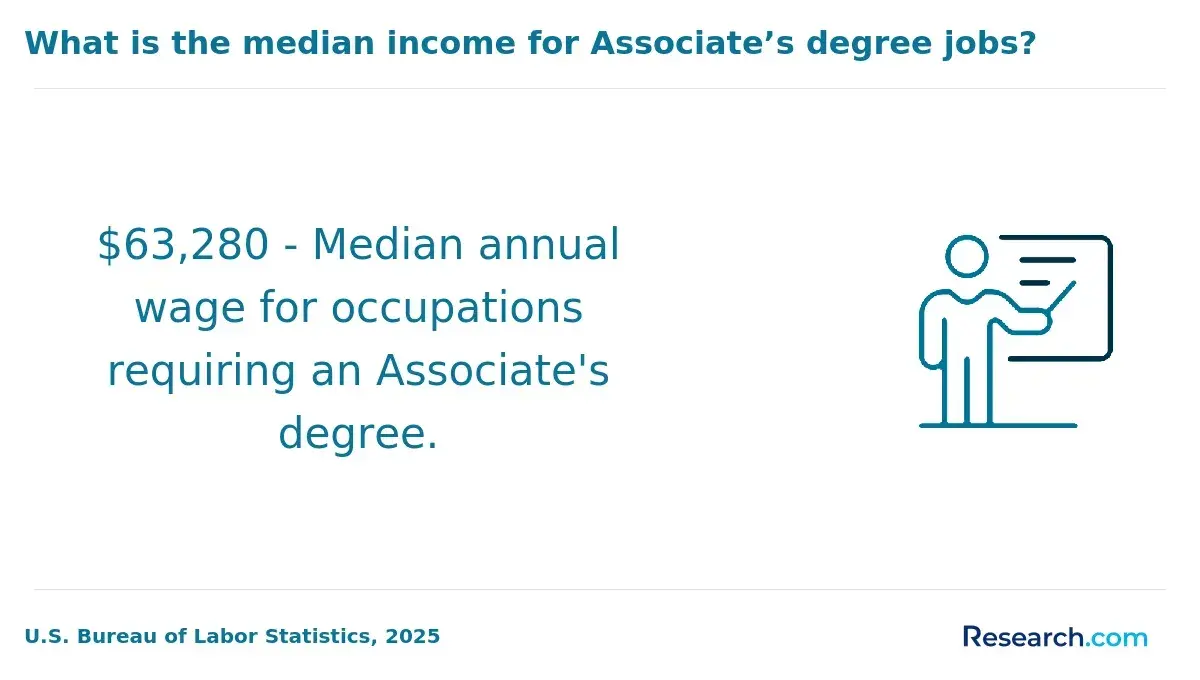
Post-graduation salary is a key driver in assessing the return on investment (ROI) of a real estate degree, as higher earnings accelerate the recovery of tuition and related costs. Typical earnings after a real estate degree range from $45,000 to $70,000 annually for entry-level positions, with the potential to reach six figures as graduates gain experience and advance professionally.
Several factors influence the average real estate degree graduate salary and impact ROI:
- Industry sector: Salaries differ widely across residential brokerage, commercial real estate, and property management, with commercial roles usually providing higher compensation.
- Geographic location: Graduates working in urban centers or areas with a high cost of living tend to command higher salaries due to increased market activity and transaction sizes.
- Prior experience: Those entering the field with internships or related experience often secure better starting salaries, improving their financial returns sooner.
- Specialization: Niche areas such as real estate finance, development, or appraisal frequently offer roles with above-average pay, enhancing income potential.
- Career level: Entry-level positions start modestly, but management and senior roles significantly increase earning capacity over time.
Evaluating the average real estate degree graduate salary helps prospective students determine if the investment aligns with their financial goals. For comparison, some might explore alternative paths like an online masters in psychology to weigh different career trajectories and returns.
Does a Real Estate Degree Lead to Promotions?
Promotions play a crucial role in enhancing the return on investment (ROI) of a real estate degree by leading to higher salaries, expanded responsibilities, and greater career mobility. These factors collectively increase the financial benefits of completing the program. A notable workforce trend is the increasing emphasis on credential-based promotions, where employers prioritize formal education when advancing employees.
Key ways a real estate degree may influence promotions and ROI include:
- Credential Requirements: Many managerial and specialized positions in real estate require formal education credentials. Earning a real estate degree meets these qualifications, positioning graduates for higher-level roles.
- Leadership Preparation: The curriculum often provides strategic and leadership training, equipping graduates to take on supervisory or executive responsibilities effectively.
- Tuition Reimbursement: With a real estate degree, students may access employer tuition reimbursement programs, which lower overall education costs and improve net ROI.
- Promotion Policies: Internal company policies frequently favor candidates who hold formal degrees, giving degree holders an advantage in competitive promotion processes.
- Experience Complement: Combining practical experience with a real estate degree signals both commitment and expertise, enhancing prospects for career advancement and salary growth.
While relevant work history remains important, the synergy of a real estate degree and experience better positions candidates for promotions. This degree signals expertise and readiness for complex roles, which many organizations reward through career advancement and corresponding salary increases.
Prospective students should also consider factors like how a 4 year degree can impact salary trajectories in their field. For those interested in real estate degree career advancement, understanding promotions with real estate degree benefits can be essential for making informed education choices.
Which Industries Offer the Best ROI for Real Estate Graduates?
The return on investment (ROI) for real estate graduates varies significantly by industry due to differences in salary levels, career progression opportunities, and demand for specialized skills. These factors influence which paths will likely offer the highest financial returns over time.
Industries providing some of the highest ROI real estate careers typically combine strong compensation growth with stable or expanding job markets. Key sectors include:
- Commercial real estate development: Known for high salaries driven by the complexity and size of projects, this industry rewards expertise in finance and project management. Professionals benefit from solid promotion potential as demand for large-scale developments grows.
- Real estate investment and finance: Offering competitive pay, particularly in asset management and investment analysis roles, this sector values skills in market trend evaluation and financial modeling, which enhance long-term earning potential.
- Property management: This field provides steady demand and job security, with opportunities to rise into senior management positions overseeing extensive property portfolios, making it a reliable ROI path.
- Urban planning and government real estate agencies: Though salaries here are moderate, job stability is strong, with growing need driven by infrastructure projects and community development initiatives supporting long-term career prospects.
- Construction and development consulting: Combining real estate knowledge with technical expertise, this niche commands strong compensation for professionals able to integrate market needs with construction processes.
Overall, the best industries for real estate graduates optimize earnings by leveraging strategic planning, financial acumen, and project leadership skills. Prospective students can explore whether their interests align with these industries through various online college programs tailored to real estate professions.
Does Accreditation Affect ROI for a Real Estate Degree?
Accreditation in the context of real estate degree programs refers to a formal assessment by an authorized body that ensures the program meets specific academic and professional standards. This recognition is important for ROI because employers often favor candidates who have graduated from accredited programs, associating them with stronger preparation and reliability.
Additionally, there is a rising demand in the workforce for credentials that qualify individuals for licensure, with many states requiring degrees from accredited programs to be eligible for real estate licensing. Such credentials can significantly affect employability and career advancement.
Over the long term, accreditation plays a vital role in enhancing ROI by increasing employer confidence in a graduate's qualifications and boosting hiring prospects. It also opens up opportunities for students to obtain federal financial aid and scholarships, reducing the cost burden of education.
Furthermore, credits earned in accredited programs are more likely to transfer to other institutions, allowing for educational flexibility. Meeting state licensure criteria through accredited coursework enhances career mobility, enabling professionals to work across different regions and markets with greater ease.
Is a Real Estate Degree Worth It?
The return on investment for a real estate degree depends on program expenses, the duration of study, and earning potential after graduation. Costs can vary widely, from brief certificate courses to multi-year bachelor's programs, affecting both tuition fees and lost income during study time.
Graduates typically see median salaries near $50,000 annually in sales roles, with increased earnings possible through commissions or advancement into higher-level positions such as property management or commercial real estate. A degree often unlocks access to these roles, which generally offer more stability and better pay compared to entry-level sales jobs.
Whether pursuing a real estate degree is financially worthwhile hinges on several dynamic factors. Strong local real estate markets, the availability of scholarships or employer assistance, and flexible program formats like online or part-time study can all enhance ROI by reducing costs and improving job prospects.
For those aiming for quick sales positions, short licensing courses may deliver faster returns, whereas a full degree tends to benefit individuals targeting specialized or leadership roles with greater long-term earning potential. Ultimately, personal career goals and market conditions play critical roles in assessing whether this educational investment is justified.
What Graduates Say About The ROI of Their Real Estate Degree
- Valentina: "Enrolling in a real estate degree program was a strategic move for me, especially considering the average cost of attendance is around $20,000 to $30,000, which felt like a solid investment given the potential long-term returns. The traditional classroom setting provided invaluable networking opportunities and a comprehensive curriculum that really prepared me for the complexities of real estate markets. Since graduating, I've seen my career accelerate significantly, proving that the cost was entirely worth it."
- Zev: "Going the online route for my real estate degree was both a practical and cost-effective choice. With tuition averaging roughly $15,000, I appreciated the flexibility it offered while balancing work and personal commitments. Completing the program not only enhanced my understanding of real estate principles but also opened doors to new career paths I hadn't considered before-definitely worth every dollar."
- Garmin: "Choosing to pursue a part-time real estate degree was a measured decision, considering the financial and time investments involved. While the cost hovered near $25,000, the ability to continue working while studying made it manageable. Professionally, the program has given me a competitive edge, contributing directly to several recent promotions and increased responsibilities in my job."
Other Things You Should Know About Real Estate Degrees
The ROI of a real estate degree in 2027 is significantly influenced by regional factors. In booming markets with high property values and activity, graduates can expect higher earnings, thus better ROI. Conversely, in regions with stagnant growth, the ROI might be less attractive due to limited job opportunities and lower salaries.
Typical entry requirements for a high ROI real estate degree program in 2026 include a high school diploma or GED, relevant work experience, and possibly standardized test scores. Some programs may also require prerequisite courses in economics or business. Checking specific program requirements is essential.
References
- Careers in Real Estate: Compensation, Jobs, Hours https://www.careerprinciples.com/resources/best-real-estate-careers
- How Long Is Real Estate School? https://www.vaned.com/blog/how-long-is-real-estate-school
- Maximise Your Investment: The Essential Guide to Real Estate Return on Investment ASBL Blog https://asbl.in/blog/maximise-your-investment-the-essential-guide-to-real-estate-return-on-investment/
- 10 Metrics for Evaluating Real Estate https://www.hendersoninvestmentgroup.com/2025/03/real-estate-investing-metrics/
- Comprehensive Guide to Financial Aid for Real Estate School https://www.colibrirealestate.com/career-hub/blog/financial-aid-real-estate-school/
- Do accredited investors get better returns? - BAM Capital https://bamcapital.com/accredited-investors-better-returns/
- Return on Investment in Real Estate: An Investor’s Guide | FNRP https://fnrpusa.com/blog/return-on-investment/
- When It Comes to ROI, College Major Matters More than School Attended -- Campus Technology https://campustechnology.com/articles/2021/11/02/when-it-comes-to-roi-college-major-matters-more-than-school-attended.aspx
- Highest Paying Real Estate Jobs 2026 + Free Starter's Guide https://www.realestateskills.com/blog/highest-paying-real-estate-jobs
- ROI in Real Estate Explained: How to Maximize Returns https://es.cpa/what-is-roi-in-real-estate-calculations-strategy/


