
2027 Admission Requirements for Real Estate Degree Programs

Co-Founder and Chief Data Scientist
Admission to real estate degree programs grows increasingly competitive as the industry attracts more aspiring professionals. Recent data reveals that undergraduate acceptance rates nationwide have tightened, emphasizing the need for strategic preparation. Understanding admission standards is crucial for students aiming to secure a place in reputable programs. This article offers a clear and comprehensive guide to the core admission requirements for real estate degrees, equipping applicants with the knowledge necessary to navigate the evolving selection landscape effectively and enhance their chances of acceptance in this dynamic field.
Key Benefits of Real Estate Degree Programs
- Understanding admission requirements allows applicants to target their academic and extracurricular efforts effectively, improving their chances in a competitive landscape where over 60% of U.S. colleges reported increased selectivity in recent years.
- Knowing prerequisites such as specific coursework or standardized test scores helps students plan their education path early, aligning with trends that show 75% of real estate programs prefer candidates with foundational knowledge in finance, economics, or business.
- Familiarity with admission criteria supports better preparation for application components like essays and interviews, which are increasingly emphasized as U.S. colleges move towards holistic review processes affecting over 85% of admissions decisions.
What GPA Do You Need to Get Into a Real Estate Program?
GPA remains one of the most important factors in college admissions because it provides an objective measure of an applicant's academic performance over time and is often viewed as a predictor of success in challenging real estate programs. However, GPA requirements for real estate programs in the US can vary widely depending on the institution, the program level, and the competitiveness of the program itself. Below are the typical GPA expectations and main factors influencing GPA requirements for real estate programs:
- Minimum GPA Requirements: Most undergraduate real estate programs require a minimum cumulative GPA for admission, generally ranging from 2.5 to 3.2. For instance, Penn State's Smeal College of Business mandates a 3.20 minimum cumulative GPA for its Bachelor of Science in Real Estate program for students entering in 2025 and onwards.
- Competitive GPA Range: More selective graduate programs often expect stronger academic records. The Master of Science in Real Estate Development (MSRED) at MIT typically requires a GPA equivalent to at least 3.5 on a 4.0 scale during admission, with students expected to maintain high grades throughout. Similarly, University of Utah's graduate program asks for a minimum 3.0 GPA but offers fast-track admission for those with at least 3.5.
- Graduate vs. Undergraduate Expectations: Graduate real estate degrees typically demand a higher undergraduate GPA than undergraduate programs do at entry level. For example, the University of North Carolina at Charlotte's M.S. program requires a minimum undergraduate GPA of 3.0 for admission.
- Online vs. On-Campus Programs: While some online real estate programs may offer slightly more flexible GPA standards, most reputable programs-both online and on-campus-maintain comparable GPA requirements to ensure academic quality and competitiveness.
- Strengthening Your Application: Applicants with a GPA below the preferred range can enhance their candidacy by excelling in key real estate coursework, submitting strong recommendation letters, and showcasing relevant professional experience. Some schools may also allow provisional admission for promising candidates with lower GPAs. For those seeking quicker educational paths, consider exploring the top associate degree in 6 months online accredited options that might fit your career goals and admission readiness.
What Prior Education Is Required for a Real Estate Program?
Prior education plays a crucial role in determining eligibility for real estate degree programs, as institutions set minimum academic standards to ensure students are prepared for the rigors of the curriculum. These requirements differ significantly based on whether the program is at the undergraduate, graduate, or professional level.
The following points summarize common educational prerequisites for real estate programs across various academic tiers.
- Undergraduate Prerequisites: Most bachelor's degree programs in real estate require applicants to have a high school diploma or GED required for real estate studies, typically with coursework in college preparatory mathematics including algebra and higher-level math. Some universities also expect a minimum cumulative GPA, often around 2.5 on a 4.0 scale, to demonstrate readiness for college-level study.
- Professional Licensing Requirements: For those pursuing real estate salesperson or broker licenses, a college degree is usually not necessary. Instead, states mandate completion of specific pre-licensing courses covering principles, practice, finance, and law, emphasizing passing an approved curriculum rather than formal prior education.
- Graduate-Level Expectations: Advanced certificate or master's programs typically require a bachelor's degree from an accredited institution, sometimes with a minimum GPA of 2.5. While students from related fields like business or finance may be preferred, some schools offer foundational courses to bridge gaps for those without directly related undergraduate backgrounds.
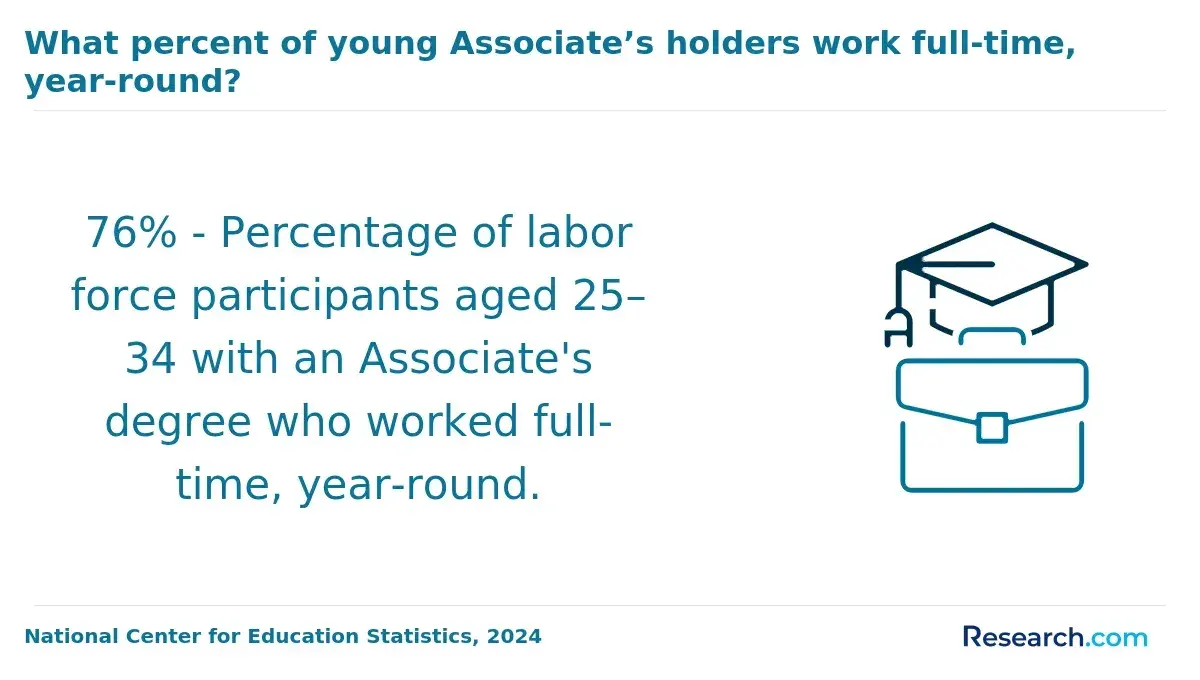
- Community College and Associate Degree Entry: Associate degree and certificate programs often admit students with a high school diploma or equivalent, with few if any additional prerequisites. These programs may recommend basic skills in math and English while providing introductory courses for newcomers to the real estate field.
These minimum education requirements for real estate degree programs reflect the flexible yet structured pathways students can follow. For prospective learners considering affordability and accessibility, exploring the easiest online degrees to get may offer valuable guidance when planning academic and career goals.
Do Real Estate Programs Require GRE, GMAT, or Other Standardized Tests?
Standardized tests like the GRE (Graduate Record Examination) and GMAT (Graduate Management Admission Test) have long been a staple in graduate admissions, including programs in real estate. Traditionally, these exams played a critical role in evaluating applicants' analytical, quantitative, and verbal skills. However, as educational institutions shift their focus toward accessibility and a broader evaluation of candidates, the reliance on such tests is decreasing significantly.
Below is a summary of current testing expectations for real estate programs across U.S. institutions:
- Widespread Test-Optional Policies: Many leading real estate programs, including those at Georgetown University and the University of Southern California, have adopted test-optional policies, meaning GRE or GMAT scores are not required nor heavily considered during admissions. This trend aligns with national data showing that over 80% of U.S. graduate programs are now test-optional or test-blind as of 2024.
- Selective Test Requirements Remain: Certain programs, such as Cornell University's Baker Program in Real Estate, still require standardized test scores. These scores, either GRE or GMAT, help assess applicants' quantitative abilities or English proficiency and are particularly important for candidates coming from non-traditional academic or professional backgrounds.
- Optional Submission at Elite Programs: Some prestigious programs like MIT's Center for Real Estate recommend but do not mandate test submissions. Applicants lacking a strong quantitative foundation or relevant experience are encouraged to submit scores to enhance their applications.
- No Test Requirement for Many Online and Professional Programs: Online and professional real estate master's programs, such as those at George Mason University and NYU's School of Professional Studies, typically waive the GRE or GMAT requirement. These programs aim to accommodate working professionals and international students through flexible admissions policies.
- English Proficiency Still Tested: Although GRE and GMAT requirements are easing, most institutions continue to require TOEFL or IELTS scores from non-native English speakers to ensure adequate language skills for graduate study.
A graduate of a real estate degree program shared his insights on the testing process during admissions: "Preparing for the GRE was definitely stressful, especially juggling it alongside work and family commitments. I remember feeling uncertain about whether the test would even be necessary by the time I applied, as policies were shifting rapidly during that period."
He explained that submitting strong test scores ended up strengthening his application at his chosen institution, which still valued quantitative skills. "It wasn't just about the score; it was about demonstrating my commitment and readiness for the program." Reflecting on the experience, he noted that while the pressure was intense, navigating standardized testing gave him confidence stepping into graduate studies. "Now, I advise others to double-check each program's current test requirements and prepare accordingly, because it can really make a difference."
What Materials Do You Need to Submit for Real Estate Admission?
Applying to college or graduate programs in real estate often requires submitting several documents that showcase your academic readiness, relevant experience, and potential fit for the program. Requirements vary widely depending on the institution, degree level, and whether you are applying to an online or on-campus program.
Below is a summary of the most common materials you'll need to prepare for your real estate application:
- Official Transcripts: These verify your prior education and academic performance. Most schools expect transcripts showing a minimum GPA-often between 2.0 and 2.5 for undergraduate programs. Online applicants may submit electronic transcripts, while on-campus candidates usually must provide sealed, mailed versions.
- Standardized Test Scores: Some undergraduate and many graduate programs require SAT, ACT, or GRE scores, though a growing number of schools have adopted test-optional policies. International students typically need TOEFL or IELTS scores to demonstrate English proficiency.
- Personal Statement or Essay: This document explains your motivation for studying real estate, highlights key experiences, and outlines your career goals. Admissions committees look for clarity and sincerity, and tailoring your statement to the format of study (online vs. traditional) can strengthen your application.
- Résumé or Curriculum Vitae: Your résumé should detail your academic background, relevant work experience, and extracurricular activities. For competitive programs, emphasizing real estate-related jobs, internships, or leadership roles is especially important.
- Letters of Recommendation: Usually, two or three letters are required from teachers, employers, or mentors who can attest to your skills, character, and potential. These letters support your candidacy by providing personal and professional insights beyond your application materials.
What Are the Admission Requirements for International Students Applying to Real Estate Programs?
International students applying to real estate degree programs in the United States must navigate additional admission requirements beyond standard academic qualifications. These requirements often include demonstrating language proficiency and completing thorough document verification to ensure they are prepared for rigorous U.S.-based coursework and meet both institutional and visa regulations. Meeting these criteria helps maintain academic integrity and supports a smooth transition into the program.
Below are the key admission requirements international applicants should prepare for when applying to real estate programs:
- English Proficiency Proof: Most U.S. institutions require official scores from exams such as TOEFL, IELTS, or the Duolingo English Test to assess English language skills. Graduate programs often expect TOEFL scores between 100 and 106 or an IELTS score around 7.0 to 7.5. While online programs may offer more flexibility or conditional admissions, on-campus programs tend to have stricter minimums. Some schools may waive this requirement if you've completed a degree in an English-speaking country, but this varies.
- Credential Evaluation: Applicants must have transcripts from foreign institutions evaluated by approved agencies like World Education Services (WES) to verify academic equivalence and convert GPA scores. This process can take time and requires separate fees, so planning ahead is essential to avoid delays in your application.
- Financial Documentation: Proof of sufficient funds is mandatory for most U.S. schools to grant admission and issue the required visa documents. This includes bank statements, affidavits of support, or scholarship letters showing you can cover tuition and living expenses. Nearly 90% of institutions required this evidence for the 2023-24 application cycle.
- Visa-Related Forms: Once admitted, you'll need to complete visa documents such as the I-20 form, which confirms your enrollment and financial status for F-1 visa purposes. Early submission and careful attention to deadlines are crucial because visa processing times vary and impact your program start date.
- Application Materials and Interviews: Besides academic transcripts and test scores, many programs require essays, recommendation letters, and sometimes interviews to assess your suitability. Choose recommenders who can speak knowledgeably about your academic or professional skills to strengthen your application.
When I spoke with an international student currently enrolled in a real estate degree program, she reflected on her journey with insightful clarity. She emphasized how gathering financial documentation proved more challenging than anticipated, requiring multiple translations and bank confirmations, yet this preparation ultimately eased her visa process. She also mentioned that participating in the interview was an eye-opening experience, allowing her to convey her passion beyond test scores and transcripts. "The detailed credential evaluation gave me confidence that my previous academic work would be fully understood here," she said, noting how this transparency helped her feel prepared. Now, as she advances in her career, she appreciates how these rigorous requirements not only paved the way for her admission but also instilled a strong foundation of professional discipline and cross-cultural awareness that are invaluable in the competitive U.S. real estate market.
Do You Need Professional Experience to Get Into a Real Estate Program?
Professional experience can significantly influence admission decisions for real estate programs, especially at the graduate level, where schools often value applicants with relevant backgrounds and practical skills. While some programs list work experience as "recommended," others consider it a core admission criterion to gauge an applicant's readiness for advanced study. Understanding how experience factors into admissions is essential for prospective students.
Here are the main considerations regarding professional experience for both online and on-campus real estate program admissions:
- Minimum Experience Requirements: Some master's programs, particularly those with leadership or executive focuses, require two to three years of relevant work experience before applying. Traditional master's programs may encourage but not strictly require prior experience.
- Experience as a Competitive Edge: Even if not mandatory, applicants with hands-on experience in real estate or related fields (like property management, appraisal, or investment analysis) often have a stronger application. Admissions committees see this as valuable industry knowledge that demonstrates commitment and career focus.
- Application Materials: Many programs expect applicants to showcase their professional experience through personal statements, resumes, or recommendation letters. Highlighting specific achievements, leadership roles, or successful projects can strengthen candidacy for advanced coursework.
- Flexibility in Online Programs: Online real estate programs, designed for working professionals, often place greater emphasis on practical experience. Such programs may accept experience in lieu of standardized test scores, valuing the real-world insights experienced students bring.
- Not Always Required for Entry: At the undergraduate level, professional experience is usually not considered in admissions decisions. Instead, focus is on academic records and test scores. Some graduate programs list experience as recommended but keep admissions open to those without it.
Do Real Estate Programs Have Different Admission Requirements by Concentration?
Many universities offering real estate degree programs tailor their admission requirements based on the chosen concentration or specialization area. While core admissions criteria such as minimum GPA and standardized test scores remain largely consistent, concentrations in research-intensive or technical tracks often demand additional prerequisites, relevant coursework, or professional experience. This approach ensures applicants possess the foundational skills suited to their specific focus within real estate.
Below are some key differences in real estate concentration admission requirements and how these variations affect applicants depending on their specialization:
- Technical or Quantitative Tracks: Concentrations like real estate finance or investment emphasize strong quantitative skills. Applicants may need prior coursework in economics, statistics, or financial analysis and might be evaluated more rigorously on math-related standardized test scores. Online applicants often must demonstrate completion of relevant quantitative classes, while on-campus candidates may undergo additional interviews or pre-admission assessments.
- Development and Sustainability Concentrations: These tracks look for backgrounds in urban planning, architecture, or environmental studies. Relevant work experience or internships in construction or project management can strengthen an application. Campus-based candidates could be asked to provide portfolios or project samples, whereas online students might submit professional references or detailed resumes.
- Global or International Real Estate: Specializations focusing on international real estate often require proficiency in a second language or prior international study. Applicants may also need coursework in global markets and might be asked to highlight cross-cultural competencies or submit essays describing international experience.
- Property and Asset Management: This area tends to favor applicants with practical experience in real estate operations, leasing, or facilities management. Professional certifications or documented employment in property management are valued. Online applicants usually provide detailed work experience documentation, while on-campus candidates might participate in scenario-based interviews or case evaluations.
Understanding these differences in real estate program requirements by specialization is crucial for prospective students aiming to choose a concentration that fits their background and career goals. For individuals exploring advanced degrees, resources like the most affordable doctoral programs can offer valuable guidance on accessible options.
Are Admission Requirements the Same for Online and On-Campus Real Estate Programs?
Most universities set admission standards that are largely consistent across online and on-campus real estate programs to maintain academic integrity and institutional quality. However, subtle differences exist due to varying student demographics, program delivery methods, and experiential learning components. These distinctions can affect how applicants prepare and meet the requirements.
The following points highlight the main similarities and differences in admission criteria for these two learning formats:
- Core academic standards: Both online and in-person real estate programs typically require official transcripts and a minimum GPA, often around 2.0 or higher. For example, many universities align their GPA expectations for transfer students across formats to ensure comparable academic readiness.
- Standardized test policies: While some on-campus programs still require SAT or ACT scores, many online programs offer more flexibility by waiving these requirements for applicants with relevant work experience or those who have been out of school for several years. This trend reflects a growing national shift toward test-optional policies.
- Letters of recommendation and essays: Both formats usually request recommendation letters and personal statements to evaluate candidates' motivation and preparedness. Online programs may place extra emphasis on professional references, especially for nontraditional or working adult students seeking an online real estate degree.
- Experiential learning requirements: On-campus programs often incorporate in-person internships or capstone projects, whereas online options might require remotely completed internships or virtual field placements. This experiential flexibility supports diverse student lifestyles without sacrificing hands-on training.
- Admissions flexibility and demographics: Online programs attract many working professionals and nontraditional students, resulting in more flexible application deadlines and credit transfer options. In contrast, on-campus programs may impose stricter timelines and residency requirements, reflecting their traditional enrollment structures.
Prospective students should carefully examine how differences between online and in-person real estate degree requirements may impact their application strategy and academic goals. Additionally, verifying accreditation for online real estate degree programs is vital to ensure educational quality. Many students find it helpful to consult lists of top accredited non-profit online colleges when considering their options.
Can You Apply for Financial Aid Before Being Accepted into a Real Estate Program?
Most financial aid applications, including the fafsa requirements for real estate degree students, can be completed before formal acceptance into a real estate program. The FAFSA opens as early as October 1 each year, allowing applicants to submit their information well in advance of many program deadlines. Applying early offers multiple benefits: it enables students to understand their potential funding options, estimate out-of-pocket expenses, and meet federal or institutional deadlines that vary widely. Since many colleges and states allocate aid on a first-come, first-served basis, early submission helps secure limited funds. This proactive approach also aids students in planning their education finances more effectively and can impact their choice of which program to attend.
There are, however, important exceptions and limitations when you apply for financial aid before real estate program acceptance. While the application process can begin early, final eligibility and fund disbursement occur only after official admission and verification of enrollment in the program. Some scholarships or grants are specifically tied to program admission or require meeting departmental criteria, meaning these cannot be accessed until after acceptance. It is advisable to list multiple schools on your FAFSA so you can compare potential aid packages from different institutions. Staying organized with financial aid timelines alongside admissions decisions is essential to avoid missing out on opportunities. For those considering alternative funding or education pathways, exploring online certification programs that pay well may provide additional options.
When Should You Start Applying to Real Estate Programs?
Timing is a crucial factor in the real estate application process because deadlines are competitive and financial aid is often limited for late applicants. Starting early not only improves your chances of acceptance but also enhances your eligibility for scholarships and need-based aid, which are often awarded to those who meet priority deadlines. In fact, over 70% of colleges report that application timing directly impacts both admission and financial aid offers.
When planning to apply to real estate programs, it is important to understand each institution's timeline. Many schools, including Georgetown University and Cornell, set priority and final deadlines for both on-campus and online degrees, with priority deadlines usually several months before the final cutoffs. Some institutions, like Fordham University, offer rolling admissions, but meeting preferred deadlines is still advisable. To align with these deadlines, prospective students should begin researching programs at least one year before enrollment. This allows time to identify programs that fit career goals and review admission requirements thoroughly.
During this preparation phase, applicants should gather key materials such as official transcripts, update resumes, secure recommendation letters, and draft personal statements. It is also vital to submit financial aid applications like the FAFSA and any required institutional forms alongside or before priority deadlines to maximize aid opportunities. Early preparation gives applicants the flexibility to respond to unexpected requests or address gaps in the application, helping them meet deadlines confidently and reduce stress throughout the process.
Here's What Graduates of Real Estate Programs Have to Say About Their Degree
- Paisley: "Completing my real estate degree opened doors I never imagined. The program's strong focus on market analysis and property law equipped me with practical skills that made the transition into a real estate agent role seamless. I now confidently assist clients in making informed decisions, and the sense of accomplishment from helping families find their dream homes is incredibly rewarding. This degree truly transformed my career path and personal growth. "
- Baron: "Reflecting on my journey, earning a real estate degree was more than just academic achievement-it was a catalyst for professional development. The coursework challenged me to think critically about urban development and sustainable housing, which has shaped my current role in a city planning office. I appreciate how this education has allowed me to contribute positively to my community's growth, balancing economic progress with social responsibility. It instilled a deep passion to create better living environments. "
- Katrina: "Starting a career after graduating with a real estate degree brought unique challenges, but also incredible opportunities. The industry's competitive nature pushed me to leverage every resource and connection from my education. Thanks to internship placements and networking events during my studies, I secured a promising position in commercial real estate at a top firm. The degree gave me both credibility and confidence, proving to be a solid foundation for lifelong career advancement. "
Other Things You Should Know About Real Estate Degree Programs
While prerequisites can vary, many real estate degree programs in 2027 recommend applicants have completed basic courses in mathematics, economics, and business fundamentals. These courses provide a foundational understanding helpful for more specialized real estate studies.
As of 2027, many real estate degree programs no longer require standardized test scores, such as the SAT or ACT, as part of their admission criteria. However, specific requirements can vary by institution, so it is essential to check the program's admission guidelines for any exceptions or preferences.
References
- International Applicants https://realestate.smeal.psu.edu/program-admissions/international-applicants
- Admission. Master's Degree in Real Estate Strategy and Business. School of Architecture. University of Navarra - Master's Degree in Real Estate Strategy and Business - Universidad de Navarra https://en.unav.edu/web/masters-degree-in-real-estate/admission
- Real Estate and Property Management Emphasis https://business.uccs.edu/academics/property-management-bs
- V_International Business Administration: Real estate industry https://www.srh-university.de/en/bachelor/v-international-business-administration-real-estate-industry/
- Major in Business Administration, Real Estate Concentration https://catalog.colostate.edu/general-catalog/colleges/business/finance-real-estate/business-administration-major-real-estate-concentration/
- Can You Apply for Financial Aid After Receiving a College Acceptance? https://www.mefa.org/article/can-you-apply-for-financial-aid-after-receiving-a-college-acceptance/
- INSEEC Bachelor - Real Estate Transactions & Sales - Omnes International https://www.omnes-international.com/en/program/inseec-bachelor-real-estate-transactions-sales/
- Real Estate, BS https://catalog.upenn.edu/undergraduate/programs/real-estate-bs/
- Major Requirements https://business.depaul.edu/academics/finance-and-real-estate/majors-minors/real-estate-bsb/Pages/Major-Requirements.aspx
- What Are the Educational Requirements to be A Real Estate Agent https://realestateu.com/what-are-the-educational-requirements-to-be-a-real-estate-agent/


