
2027 Is a Criminology Online Degree Worth It?

Co-Founder and Chief Data Scientist
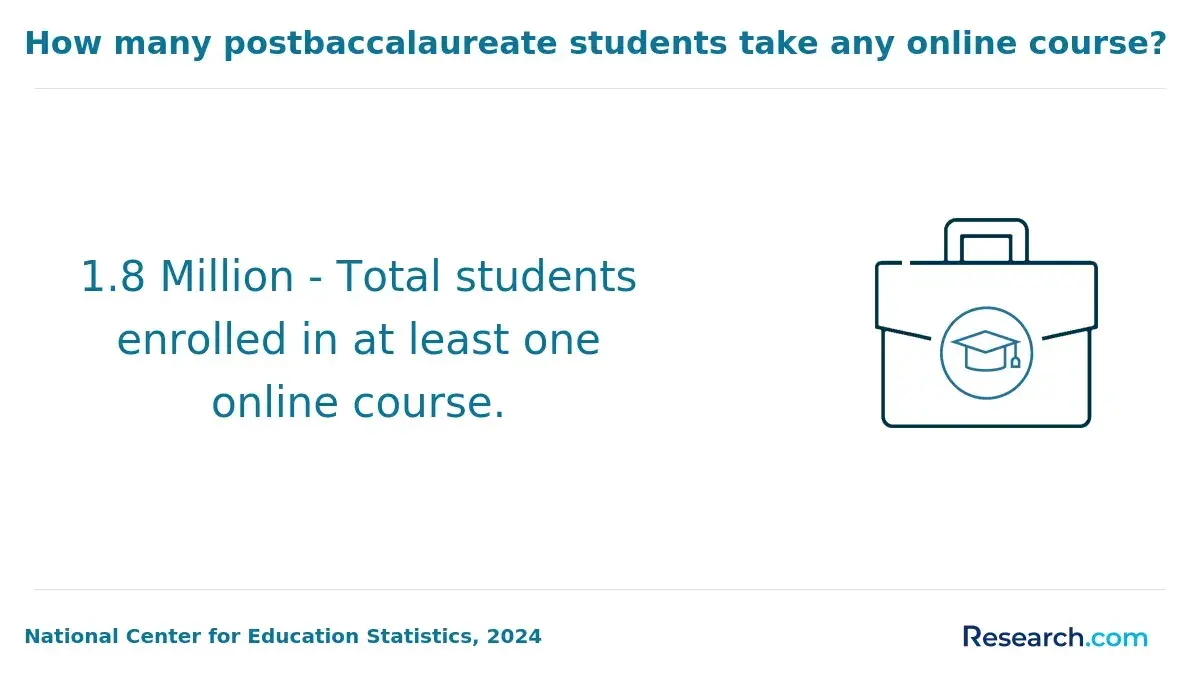
Online education continues to grow rapidly, with recent data showing that over 40% of higher education students in the U.S. are enrolled in at least one online course. Many aspiring professionals are now considering an online criminology degree for its accessibility and potential career benefits in law enforcement, social services, and the justice system.
This article explores whether an online criminology degree is worth pursuing by examining key factors such as cost, program flexibility, accreditation, job-market trends, and employer perceptions. Understanding these aspects can help students make informed decisions about their educational and career paths in the field of criminology.
Key Benefits of Online Criminology Degree
- Online criminology programs often offer flexible schedules and asynchronous coursework, ideal for working adults balancing education with career or family responsibilities.
- Graduates can pursue roles in law enforcement, forensic analysis, or social services, benefiting from the degree's direct alignment with growing public safety job markets.
- Long-term outcomes include potential salary growth and advancement opportunities, especially with specialized certifications complementing the criminology degree.
Who Should Choose an Online Criminology Degree Program?
Online learning has become an increasingly practical choice for many students due to its adaptability and convenience. Its flexible nature helps learners balance education with diverse work, family, and personal demands. This accessibility makes an online criminology degree an excellent option for various students who require a non-traditional approach to earning their degree.
The following groups tend to benefit most from pursuing an online criminology degree:
- Working professionals: Individuals employed in law enforcement or related sectors can continue their education without sacrificing their current job. Online programs accommodate irregular schedules and shift work, helping these students advance their careers while managing ongoing duties.
- Parents and caregivers: Those who have family responsibilities can tailor their study times around their domestic commitments. This makes higher education far more accessible for students whose priorities extend beyond academics.
- Rural or remote learners: Students living far from campus can enroll in reputable criminology programs without the need to relocate or commute, ensuring educational opportunities regardless of geographical location.
- Military personnel: Active or transitioning service members benefit from the flexibility to continue studying despite deployment or frequent moves, maintaining steady academic progress wherever they are stationed.
What Are the Pros and Cons of an Online Criminology Degree?
Online criminology programs have become a popular option for students and professionals seeking flexible pathways to balance education with work and family commitments. These programs offer career advancement opportunities without requiring physical presence on campus.
Pros of an Online Criminology Degree
- Flexible Scheduling: Coursework is accessible anytime, allowing students to study around jobs or personal commitments. For instance, police officers can complete assignments after shifts, benefiting from fully online programs with no on-campus attendance.
- Wide University Selection: Remote learning removes geographic barriers, enabling students to choose from a broad range of institutions and programs regardless of their location, which expands options significantly.
- Career Advancement: Online criminology degrees are recognized by employers similarly to traditional degrees, supporting career growth in law enforcement, crime analysis, or graduate studies in law and psychology.
- Cost Effectiveness: These programs often have lower tuition rates and offer flexible payment plans. Financial aid and transfer-friendly policies frequently reduce overall expenses, making them attractive for budget-conscious students pursuing benefits of online criminology programs.
Cons of an Online Criminology Degree
- Limited Networking Opportunities: Online formats may restrict face-to-face interactions, which can hinder building relationships with faculty and peers critical for mentorship and job placement.
- Self-Discipline Required: Success requires strong motivation and time management, and students lacking structured schedules may find it difficult to keep pace with coursework.
- Field Experience Requirements: Some roles demand internships or fieldwork that are harder to coordinate remotely, requiring extra effort from online students to secure hands-on experience.
- Perceived Value in Certain Sectors: While most employers accept online degrees, a minority prefer traditional graduates for competitive or specialized criminology positions.
For students seeking accredited accelerated degree programs online that combine flexibility with quality, exploring reputable options is key. More information about fast-track and affordable pathways can be found at accredited accelerated degree programs online.
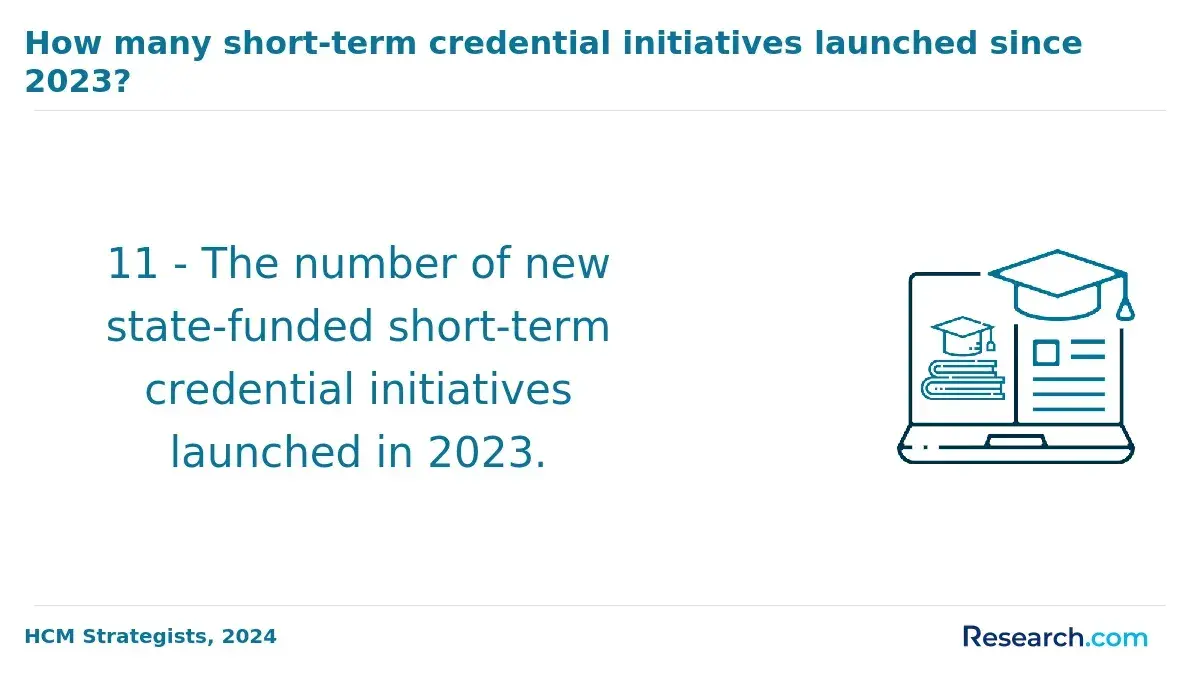
How Do AI-Enhanced Virtual Classrooms Work in Online Criminology Programs?
AI technologies have become central to modern online education by enhancing student engagement and adapting content to individual needs. This personalization is especially valuable in criminology programs, where understanding complex legal and social concepts is crucial. Here are the key features of AI-powered virtual learning environments that transform online criminology courses:
- Adaptive Learning Tools: These tools analyze how each student best absorbs material and tailor lessons accordingly. For example, if a student struggles with legal concepts, the system provides extra explanations or visual aids, enabling better retention and comprehension.
- AI-Powered Simulations in Online Criminology Courses: Realistic virtual scenarios such as mock trials and crime scene reconstructions offer hands-on experience. Interactive virtual characters respond to student input, helping develop critical thinking and communication skills in a safe setting.
- Collaborative AI Forums: AI supports group projects and discussion forums by suggesting relevant resources and offering feedback on contributions, enhancing peer interaction and knowledge sharing.
- Instant Assessment and Feedback: AI systems grade assignments quickly and provide detailed feedback, helping students monitor their progress and focus on areas that need improvement.
Personalized learning with artificial intelligence in criminal justice education ensures students receive relevant, engaging, and effective instruction. For those considering graduate options, exploring the easiest PhD to get might also offer insights into flexible paths for advancing their careers.
What Technology Do You Need for an Online Criminology Degree?
Having the right technology setup is essential for success in modern online criminology programs. It ensures students can keep up with coursework, collaborate effectively, and access necessary digital resources without interruption. Below is a list of specific tools, equipment, and software students should prepare before enrolling in an online criminology program.
- Reliable Computer (Windows or Mac): A modern laptop or desktop with at least an Intel Core i7 or AMD Ryzen 7 processor and 16GB of RAM is recommended. This setup supports running multiple applications including web browsers, statistical software, and video conferencing tools smoothly, which is critical to meet the minimum computer specifications for online criminal justice programs.
- High-Speed Internet Connection: A stable, high-speed internet connection is crucial for streaming lectures, submitting assignments on time, and participating in live virtual discussions. Whenever possible, a wired connection is preferred for consistency and to reduce disruptions during real-time interactions.
- Statistical Software (e.g., SPSS, R, or Excel): Many criminology courses involve data analysis to interpret crime trends. These specialized tools help students develop practical skills needed for analyzing crime data and presenting research findings effectively.
- Diagramming Software (e.g., MS Visio): Visual tools like MS Visio are often required to create diagrams of crime scenes or organizational charts. This software enhances comprehension of complex criminal justice systems by enabling clear presentations of information.
- Webcam and Microphone: Essential for participating in virtual classes, group projects, and presentations, having reliable webcam and microphone equipment allows students to communicate clearly and engage with peers.
- Headphones or Earbuds: These help minimize distractions and improve focus during lectures and discussions, especially in noisy environments.
Understanding and securing the correct online criminology degree technology requirements significantly enhances the online learning experience. For students weighing their options, exploring the highest paid masters degrees can also offer insight into degree value and career paths.
How Long Does It Take to Finish an Online Criminology in 2027?
Program length is a key consideration for prospective students since it impacts how soon you can complete your degree and advance your career. Online criminology programs offer varied timelines depending on course load, prior credits, and learning format. Below is a breakdown of typical durations for completing an online criminology degree.
- Accelerated Full-Time Track: Students who take the maximum courses per term can finish quickly. For example, some programs allow completion in about 15 to 16 months through intensive, fully online schedules designed for rapid progression.
- Flexible Completion Options: Many schools provide formats that accommodate working professionals by allowing part-time study or transfer credits, extending timelines to around 18-22 months. This approach offers balancing opportunities for work and life commitments.
- Associate Degree Transfer Pathways: Transfer students with associate degrees or substantial credits may complete their bachelor's in roughly one year by leveraging existing coursework and program flexibility.
- Traditional Four-Year Programs: Students starting fresh without credits typically follow a standard four-year timeline, reflecting conventional pacing with asynchronous courses allowing self-directed study.
Can You Work Full-Time While Completing an Online Criminology Degree?
Balancing full-time work with an online criminology degree is a frequent concern for many prospective students aiming to maintain their careers while advancing their education. Understanding the key factors that influence this balance can help students plan effectively and succeed.
Several important considerations affect how well you can manage work and study together:
- Flexible Scheduling: Many programs offer asynchronous courses allowing you to complete lectures and assignments on your own time, which is ideal if your job hours vary or include night shifts.
- Program Pacing: Part-time enrollment options spread coursework over a longer period, reducing weekly demands and easing the pressure on a full-time worker.
- Workload: Typical criminology degrees require around 120 credits, so balancing study load with work calls for realistic planning and breaking tasks into manageable segments.
- Employer Support: Having flexible work hours or tuition assistance can significantly ease the challenge, enabling better focus on academic responsibilities.
- Time Management Skills: Setting strict schedules, prioritizing tasks, and using planners or apps plays a crucial role in handling both commitments efficiently.
When asked about her experience working full-time while enrolled online, one graduate shared, "It was overwhelming at times. Juggling night shifts and deadlines pushed me to develop a solid routine. I learned to block out specific study hours early in the morning before work. Despite the exhaustion, seeing progress each week kept me motivated. The flexibility of online classes made this possible-without it, I wouldn't have managed." Her story shows that, while challenging, working full-time during an online criminology degree is achievable with discipline and support.
How Do Online Criminology Degree Programs Help with Internships?
Internships are a crucial component for criminology students to gain practical experience and prepare for their future careers. They allow learners to apply theoretical knowledge in real-world environments, develop professional skills, and establish valuable networks. Online criminology programs employ various methods to assist students in securing and completing these essential internships, including:
- Career Services Support: Many programs offer dedicated career counseling to guide students in identifying suitable placements and enhancing their professional profiles. This often includes resume reviews and interview preparation tailored for criminology roles.
- Structured Internship Courses: Certain universities require preparatory courses focused on career development and internship planning, helping students research organizations and design meaningful projects before placement.
- Virtual Placement Coordination: Online platforms enable students to connect with agencies and employers remotely, facilitating hybrid or fully remote internships that fit diverse geographic locations.
- Networking and Mentorship: Programs often provide access to professional networks and assign mentors who support students throughout their internship experience, fostering growth and career guidance.
- Online Tracking Tools: Students can use digital systems to log work hours, document progress, and communicate with supervisors, ensuring accountability and successful completion of internship requirements.
What Is the Average Tuition Cost of an Online Criminology Program?
Understanding the costs associated with an online criminology degree is vital for students planning their education and financial commitments. Tuition expense influences accessibility and financial planning, so it's helpful to explore the variations in pricing across institutions and residency statuses. Below is an overview of key tuition information prospective students should consider:
- Average Tuition Per Credit: Public in-state schools typically charge between $290 and $500 per credit, while out-of-state rates rise to $415-$715. Private institutions can be more expensive, with costs ranging from $468 to $985 per credit hour.
- Annual Tuition Costs: Yearly costs at public in-state schools can be as low as $7,800, whereas private programs often exceed $43,000, sometimes reaching nearly $57,000. Out-of-state students at public universities may face annual rates upwards of $38,000.
- Total Degree Cost: Given that a criminology bachelor's usually requires about 110-120 credits, overall expenses fluctuate widely, from around $32,000 at some public institutions up to $118,000 for private options.
- Financial Aid Impact: While sticker prices seem high, most online learners receive financial assistance. After grants and scholarships, net costs often drop significantly, averaging closer to $6,100 annually.
A student enrolled in an online criminology program described navigating tuition as a balancing act: "I was initially overwhelmed by the price tag, especially the difference between in-state and private rates." He explained that applying for scholarships and federal aid was a critical step, reducing his expenses considerably. "The process took time and effort, but knowing that nearly every student gets some aid made it less daunting." He valued the flexibility of paying per credit and appreciated that many schools provided clear breakdowns of fees upfront. Reflecting on his journey, he said, "Managing costs felt like part of the education itself-learning how to invest wisely in my future."
What Is the Average Salary for Someone with an Online Criminology Degree in 2027?
Understanding potential earnings is essential when evaluating an online criminology program, as salary expectations can strongly influence career decisions. Below is a detailed overview of salary trends and factors affecting earnings for graduates with an online criminology degree.
- Average Entry-Level Salary: The mean starting salary for criminology graduates in the class of 2023 was $45,925, according to the National Association of Colleges and Employers (NACE). Entry-level positions such as probation officers and corrections case managers often start near this figure, while police officers and detectives earn a median annual pay of about $69,160.
- Mid-Career Salary Growth: By mid-career, criminology professionals typically move into specialized or supervisory roles that increase earning potential. For example, corrections case managers average $95,195 per year, while criminal intelligence analysts earn around $66,812. Highly technical roles like information security analysts can command more than $120,000 annually.
- Salary by Industry and Region: Salaries fluctuate depending on the industry and geography. Urban areas such as New York City report higher average wages, with professionals earning around $88,806 annually. Federal agencies and private security jobs generally offer better compensation compared to local or state government roles, reflecting the varying demand and complexity of these positions.
- National Salary Ranges: Across the United States, most criminology professionals earn between $62,000 and $94,500 annually, according to recent ZipRecruiter data. This range helps frame realistic expectations for prospective students researching an online criminology degree salary 2025.
Balancing these salary insights with program costs and flexibility is important for assessing the true value of an online criminology degree path. Prospective students can explore financial aid options through resources like online schools fafsa approved to help manage investment in education.
The criminology graduate starting salary by career path varies widely, highlighting the importance of targeted career planning for maximizing earnings after graduation.
Which Industries Hire Graduates From Online Criminology Programs?
An online criminology degree offers graduates great versatility, equipping them for a wide array of professional fields. This adaptability allows degree holders to enter diverse sectors with skills valued by employers across public and private domains. Below are some key industries that hire graduates from online criminology programs, revealing the broad career opportunities available.
- Law enforcement and corrections: State and federal agencies such as police departments, sheriff's offices, and correctional institutions employ graduates in roles like criminal investigators, correctional officers, and homicide detectives. Median salaries for criminal investigators can reach $83,640 annually, with strong demand projected through 2032.
- Federal government agencies: Agencies including the FBI, DEA, Department of Homeland Security, and U.S. Secret Service recruit criminology graduates for specialized roles such as intelligence analysts, DEA special agents, and compliance investigators, underscoring their importance in national security and law enforcement.
- Private sector and insurance: Companies like the National Insurance Crime Bureau hire risk and compliance analysts with criminology backgrounds, providing remote and flexible job opportunities. Salaries typically range from $64,000 to $85,000 annually, demonstrating the degree's value in commercial risk management and fraud prevention.
- Corporate security and retail: Graduates work as retail crime investigators and cybercrime analysts, focusing on asset protection and fraud detection within corporations and retail chains. These roles combine criminology expertise with technology and business security measures.
- Academic and research positions: Online criminology degree holders also have pathways into academia as adjunct faculty or researchers in criminal justice and forensic psychology, contributing to educational institutions and advancing the field through study and instruction.
This wide range of careers for criminology degree holders in government and private sectors highlights the degree's relevance. Prospective students seeking reliable education options should consider accredited programs. Exploring online universities that are nationally accredited ensures quality learning experiences aligned with industry standards.
What Graduates of Online Criminology Programs Say About Their Degree
- Andy: "Pursuing my online criminology degree allowed me to learn at my own pace while balancing work and family commitments. The coursework was engaging and relevant, which made the investment-considering average costs around $15,000-totally worth it for my career advancement in law enforcement. I'm grateful for how this flexible program opened new professional doors."
- Russ: "The decision to study criminology online was initially driven by cost savings, but it turned out to be much more than that. The ability to absorb material deeply while managing my schedule personally helped me develop critical thinking skills that have proven invaluable in my role as a legal analyst. Reflecting back, the value far exceeded the expense."
- Christopher: "Completing an online criminology degree has had a significant impact on my professional life, both in gaining specialized knowledge and in accessing affordable education options. The structure was rigorous yet adaptable, which suited my learning style perfectly. Given the reasonable tuition fees compared to traditional programs, this path was a smart financial and intellectual choice. "
Other Things You Should Know About Criminology Degrees
In 2027, employers generally recognize online criminology degrees, especially from accredited institutions. The key factor is whether the degree program is reputable and accredited, rather than the mode of delivery. Demonstrating relevant skills and knowledge can further solidify an online degree’s credibility in the eyes of employers.
Most employers do not differentiate between online and on-campus criminology degrees as long as the online program is accredited and reputable. The growing prevalence of online education has normalized distance learning credentials. Ultimately, practical experience and skills gained during the degree often weigh more heavily than the mode of delivery.
Licensure and certification requirements for criminology-related professions vary by state and discipline. Many states accept online degrees for eligibility, provided the program is properly accredited. It's important to verify with relevant licensing boards whether online degree credentials meet specific criteria before enrolling.
References
- Internship Program | CCJS l Criminology and Criminal Justice Department l University of Maryland https://ccjs.umd.edu/undergraduate/internship-program
- Online Criminology Degree - B.A. in Criminology https://online.ben.edu/programs/undergraduate/criminology-bachelors/
- Bachelor of Science in Criminology and Criminal Justice - Online | CSULB https://www.cpace.csulb.edu/courses/bachelor-of-science-in-criminology-and-criminal-justice-online
- Unlock Opportunity:The Advantages of Pursuing an Online Criminal Justice Degree - American Cop https://americancop.com/advantages-of-online-criminal-justice-degree/
- 15 Must-Read Pros and Cons of a Criminal Justice Degree https://www.psychologyschoolguide.net/guides/pros-and-cons-of-a-criminal-justice-degree/
- Bachelor’s in Criminology Online - BSc & BA Programs https://progress.futurelearn.com/degrees/award/bachelors/subject/criminology
- Should You Get Your Master’s Degree in Criminal Justice Online? | CSU Global https://csuglobal.edu/blog/should-i-get-my-masters-degree-in-criminal-justice-online
- Criminology Degree Online https://www.snhu.edu/online-degrees/bachelors/bs-in-criminal-justice/criminology
- Technical Requirements https://clsmas.soceco.uci.edu/pages/technical-requirements
- Unlock Career Opportunities with an Online Criminology Degree | University of Florida Online https://ufonline.ufl.edu/gators-online-stories/unlock-career-opportunities-with-an-online-criminology-degree/


