
2027 How Long Does It Take to Earn an Online Sociology Degree?

Co-Founder and Chief Data Scientist
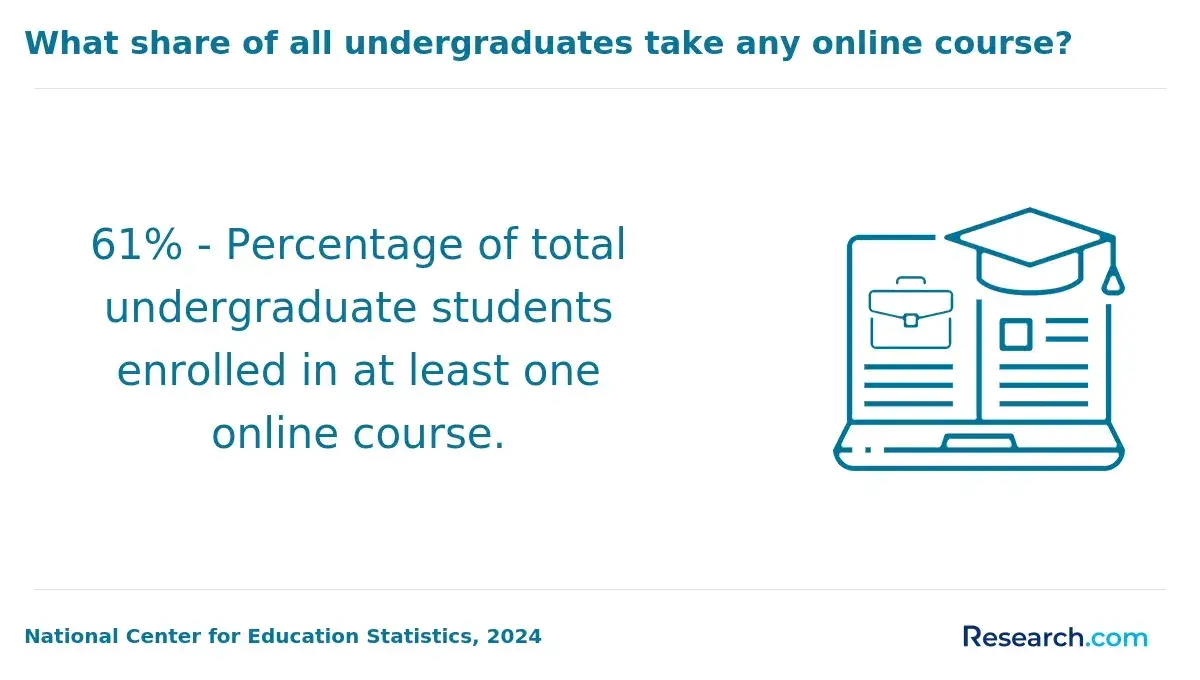
Online education offers unmatched flexibility, making it an ideal option for those balancing work and life commitments. According to the National Center for Education Statistics, the enrollment in distance education programs has steadily increased, reflecting a growing recognition of their value.
Understanding how long does it take to earn an online Sociology degree is crucial for effective planning. This article explores the average timeframes for completing an online Sociology degree, factors influencing program duration, and how to select a program that aligns with individual goals and schedules. The aim is to provide clear, reliable guidance for making informed decisions about pursuing this degree path.
Key Benefits of Online Sociology Degree
- Most online sociology degrees can be completed in 2 to 4 years, depending on whether students attend full-time or part-time, providing flexible pacing to fit various schedules.
- Many programs offer self-paced courses, allowing students to accelerate their studies and potentially earn a degree faster than traditional timelines.
- The online format often reduces commute time and allows for evening or weekend classes, making it easier to balance work, family, and education commitments throughout the typical 60 to 120 credit hours required.
What is the average completion time for online sociology programs?
Online sociology degree programs typically take between one and four years to complete, depending on the level of the degree and a student's prior experience. Below is a breakdown of the average time to complete online sociology degree programs by degree level, offering a helpful guide for those curious about the typical duration for different options.
- Associate degree: This level usually requires about two years of full-time study to finish. While less commonly offered online, associate degrees serve as a foundational step, providing essential sociology knowledge and preparing students to pursue a bachelor's degree later.
- Bachelor's degree: For students without prior college credits, an online sociology bachelor's degree usually takes three to four years to complete. Many programs, however, cater to transfer students through degree-completion models that significantly reduce the time to degree. Some students complete these programs in as little as 12 to 24 months, depending on their enrollment status and previous coursework. For insight on accelerated degree options, consider exploring online accelerated bachelors programs, which can shorten the typical timeline substantially.
- Master's degree: Online master's sociology programs generally require one to two years of full-time study. These programs offer advanced specialization for graduates seeking to deepen their expertise or pursue careers in research, education, or social services, with flexible pacing available at many institutions.
The average time to complete online sociology degree programs varies widely based on individual circumstances, but understanding these general timeframes can help prospective students plan their educational journeys effectively.
What factors can affect how long it takes to earn an online sociology degree?
Several factors can influence how long it takes to earn an online sociology degree, with personal circumstances and institutional policies playing significant roles in determining program duration. Understanding these variables can help prospective students plan effectively and set realistic expectations. Below are the primary factors affecting program length, presented to clarify how each might impact the time required to graduate.
- Enrollment Status (Full-Time vs. Part-Time): Full-time students usually take 12 or more credits per term, which often leads to completing a sociology degree within two to four years. Part-time students, balancing work or family obligations, tend to take fewer credits per term, which can extend their completion time by several years.
- Transfer Credits: Acceptance of transfer credits from previous college work can significantly shorten the time needed to graduate by reducing course requirements. However, delays may occur if credits do not transfer well or if institutional policies require retaking certain classes, a key concern when considering online sociology degree transfer credits.
- Course Scheduling and Flexibility: Programs with multiple start dates, accelerated courses lasting 6 to 8 weeks, and asynchronous formats allow students to progress at their own pace, enabling motivated learners to finish faster. Those who take breaks or enroll in fewer courses per term may experience a longer timeline.
- Outside Responsibilities: Work and family commitments often lead students to choose lighter course loads, which can extend degree completion. Conversely, students with fewer outside demands may accelerate their progress by taking more credits each term.
- Program Structure and Institutional Policies: Some universities mandate a set completion timeframe with clearly mapped course sequences, helping students graduate on schedule. Others allow more flexible pacing, which can either shorten or prolong the time to degree depending on student choices and available support.
- Periods of Non-Enrollment or "Stop Out": Interruptions in study due to personal or academic reasons can add months or years to the completion timeline, especially if students must catch up on new requirements when resuming their coursework.
For those weighing options about study length and workload, understanding these factors affecting online sociology degree completion is essential. Additionally, exploring related questions such as what is the easiest 2 year degree to get? can help guide decisions about program selection and pacing.
What are the different types of online sociology programs available?
Prospective students exploring online sociology programs can choose from a variety of degree types, specializations, and flexible formats designed to fit diverse educational and career goals. These options cater to different interests, schedules, and backgrounds, allowing students to select the path that best aligns with their aspirations and lifestyle.
Here are the major online sociology program types and concentrations commonly available:
- Bachelor of Arts (BA) in Sociology: This program emphasizes social theory, research methods, and the study of human groups and institutions. It often includes foreign language requirements and a wide selection of electives, making it ideal for students interested in cultural and theoretical perspectives or planning to continue with graduate studies.
- Bachelor of Science (BS) in Sociology: Focused more on quantitative analysis and rigorous research methods, the BS degree requires additional courses in statistics or data analysis. It is well-suited for students targeting careers in research, analytics, or data-driven fields.
- Degree Completion Programs: Designed for students with prior college credits, these programs help nontraditional or returning students finish their sociology degrees efficiently with flexible schedules and options for part-time study.
- Specialized Concentrations: Many schools offer focused areas such as community health, organizations, or social justice, allowing students to tailor their education toward specific workplace skills or advocacy roles.
- Accelerated and Flexible Formats: With options like 5- to 8-week courses and asynchronous learning, these programs cater to working professionals needing to balance education with other commitments.
- Interdisciplinary Programs: Some degrees incorporate coursework from related fields like anthropology or policy analysis, preparing graduates for multidisciplinary roles in social research, human services, and advocacy.
How many credit hours are required for an online sociology degree?
Completing an online sociology degree in the United States generally requires a specific number of credit hours, which vary depending on the degree level pursued. Understanding these credit hour requirements can help prospective students plan their academic journey and manage their time effectively.
Here is a breakdown of typical credit hour expectations by degree level for online sociology programs, including how full-time and part-time study options and transfer credits might influence completion timelines.
- Associate Degree in Sociology: Usually requires around 60 credit hours. Full-time students often complete this level in about two years, while part-time students may take three or more years. Transfer credits from previous coursework or dual enrollment programs can reduce the total credits needed.
- Bachelor's Degree in Sociology: Typically requires approximately 120 credit hours. Full-time learners generally finish in four years, whereas part-time students may take five to six years. Many programs accept transfer credits from accredited schools, which can shorten both time and required credits.
- Master's Degree in Sociology: Requires between 30 and 36 credit hours beyond the bachelor's degree. Full-time students usually complete this in two years, though part-time study can extend this to four years. Some programs offer accelerated options or allow transfer of graduate credits, impacting total hours and duration.
- Doctoral Degree in Sociology: Less commonly offered online, these programs usually demand between 60 and 72 credit hours after the bachelor's degree. Completion time ranges from four to seven years based on research demands, part-time enrollment, and transfer of graduate credits.
One graduate of an online sociology degree shared that balancing coursework with work and family commitments was their biggest challenge. They described late nights spent completing classes and the rewarding feeling upon finishing a demanding research methods course that required applying complex sociological theories. While the credit hours felt daunting at times, the flexibility of the online format allowed steady progress without sacrificing important personal responsibilities. This experience deeply enhanced their appreciation for sociological perspectives and motivated them to persist through difficult semesters and credit requirements.
What courses are included in a standard online sociology curriculum?
A standard online sociology curriculum typically includes a range of courses designed to build a strong foundation in sociological theories, research methods, and specialized topics that explore social behaviors and structures. These courses prepare students for diverse career paths and advanced academic pursuits by equipping them with analytical and practical skills. The following are examples of core and specialized courses commonly offered in online sociology programs.
- Introduction to Sociology: Students learn basic concepts, terminology, and the scope of sociology, including the study of social groups, institutions, and societal dynamics. This foundational course equips students with analytical skills needed for entry-level roles in social services and community organizations.
- Sociological Theory: This course examines key classical and contemporary theories, such as those by Marx, Weber, and Durkheim. Mastery of theory is essential for graduate studies and roles requiring policy analysis or advanced research.
- Research Methods in Sociology: Students gain hands-on experience designing social research, collecting quantitative and qualitative data, and interpreting results. These skills are vital for careers in data analysis, public policy, and nonprofit sectors.
- Statistics for Social Sciences: Focuses on statistical techniques used for analyzing sociological data, including survey design and hypothesis testing. Proficiency in statistics enhances employability in research, public health, and government agencies.
- Social Problems and Policy: Explores societal issues such as inequality, poverty, crime, and health. Students learn to critically evaluate social policies and propose evidence-based solutions, preparing them for advocacy and policy-making roles.
- Race, Ethnicity, and Gender Studies: Analyzes how race, ethnicity, and gender shape experiences and social outcomes. This specialization is valuable for diversity management, human resources, and social justice organizations.
- Globalization and Social Change: Examines the impact of global trends on societies, including migration and economic development. Understanding these dynamics supports careers in international agencies and global development.
- Social Psychology: Investigates how individuals' thoughts and behaviors are influenced by social contexts. This area is relevant for counseling, education, and organizational consulting.
- Sociology of Law, Health, and Environment: Specialized electives cover the legal system, health disparities, or environmental justice, providing expertise for work in law enforcement, healthcare, or environmental advocacy.
How often do online sociology programs start during the year?
Online sociology programs typically offer multiple start dates throughout the year, providing students with flexible options to begin their studies at times that best fit their personal and professional lives. This flexibility is especially advantageous for working adults, transfer students, and those balancing family responsibilities, allowing for faster degree completion and easier access to education. The following list summarizes the most common enrollment schedules available for online sociology programs.
- Traditional Academic Calendar: Many programs follow the standard fall, spring, and summer semesters, letting students start in one of these three main terms. This schedule suits those who prefer a predictable academic rhythm and may be transitioning from traditional campus-based education.
- Multiple Start Dates: Numerous online sociology programs offer several start dates annually, often every 7 to 8 weeks. Universities like William Paterson and Lamar provide at least five enrollment opportunities per year, accommodating students who want to avoid long wait times or who need to pause and resume their studies as life demands.
- Rolling Admissions: Some programs, such as California State University San Marcos, accept applications year-round and review them continuously. Students can apply anytime and typically start at the next available term, making this ideal for those who seek immediate entry or have unpredictable schedules.
- Accelerated or Short Session Options: Certain programs offer 6- or 8-week courses within each term, enabling quicker course completion or workload management. This option appeals to students aiming to expedite their degree progress or who prefer concentrating on fewer courses at once.
How much faster can you complete an accelerated online sociology degree?
Accelerated online sociology programs significantly reduce the time needed to earn a degree by reorganizing coursework and providing greater flexibility compared to traditional, semester-based formats. These programs use various strategies to help students finish their sociology studies in as little as 16 months to 2 years, which is considerably faster than the standard four-year path. Below are some of the main features that enable this faster completion.
- Shorter Course Terms: These programs offer condensed classes lasting 6 to 8 weeks instead of the typical 16-week semester. This allows students to complete more courses in the same timeframe, often taking two classes at once and earning up to 12 credits per term.
- Year-Round Enrollment: Students can start their studies at multiple points throughout the year-fall, spring, or summer-eliminating extended breaks and enabling continuous course-taking that speeds up graduation.
- Transfer Credits: Most programs accept at least 60 transferable units, allowing students who have completed prior college coursework to focus only on remaining core and elective sociology credits. This greatly shortens the overall degree timeline.
- Competency-Based Learning: Some programs let students advance more quickly through material they already know instead of waiting for fixed schedules. This personalized pace benefits motivated students who have relevant experience.
- Flexible Course Loads: Students can adjust how many credits they take each term, with the option to take heavier loads to graduate sooner if personal and professional commitments allow.
I spoke with a graduate of an online accelerated sociology degree who shared how challenging yet rewarding the experience was. They described balancing a full-time job while juggling two 8-week courses simultaneously as intense but manageable with strict scheduling and support from instructors. The flexibility to start in summer terms and transfer credits from previous studies helped maintain momentum. They found the accelerated pace pushed them to stay focused but appreciated the sense of accomplishment finishing so quickly without sacrificing quality or depth of learning.
Does finishing an online sociology degree faster save you money?
Completing an online Sociology program faster can indeed reduce your overall education costs, making it a financially smart choice for many students. Understanding how finishing quicker translates into savings is key to evaluating your options and planning your academic path. Below are some main ways accelerated completion can lead to significant cost savings:
- Lower Tuition Costs: Many programs charge tuition by credit hour or per term, so by taking more credits each term or enrolling in accelerated sessions, you can graduate in fewer terms and pay less overall. Some schools even allow students to finish in as little as 16 months instead of four years, sharply cutting total tuition expenses.
- Reduced Living Expenses: Spending less time in school means fewer semesters paying for housing, utilities, food, and transportation, particularly for students living independently. Accelerating your degree reduces these ongoing living costs tied to the length of your education.
- Less Time Off Work: Finishing your degree sooner can minimize how long you need to cut back on working hours or take unpaid leave. Maintaining your income while studying lowers the financial pressure of balancing work and school commitments.
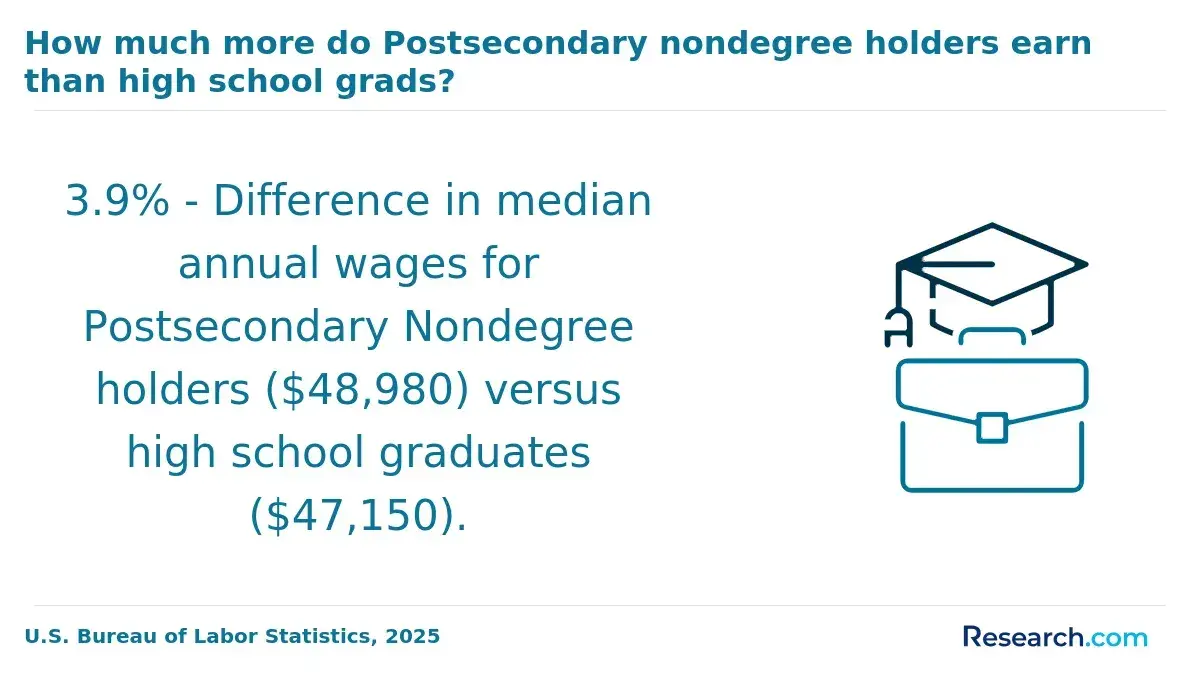
- Earlier Entry Into the Workforce: Graduating faster lets you start full-time employment and earning a higher salary sooner. According to the Bureau of Labor Statistics, those with a bachelor's degree in sociology have a median weekly income significantly above those with only a high school diploma, improving your financial outlook earlier in your career.
- Avoiding Future Tuition Increases: Tuition rates often rise yearly, so completing your degree quickly can help lock in current rates and avoid paying more later. This can add up to considerable savings, especially if your program offers fixed tuition fees per term or credit.
The flexibility of many online sociology degrees, including generous transfer credit policies, supports motivated students aiming to graduate faster, making it worthwhile to explore options like the associate degree online cost to further reduce expenses.
How soon can graduates start working after earning their online sociology degree?
Graduates can often start working immediately after earning an online sociology degree if they have already secured job offers or completed relevant internships during their studies. The typical time frame between graduation and employment varies widely depending on factors such as the specific field of study, current job market demand, and a graduate's prior work experience. Positions like social researcher, community outreach coordinator, or marketing assistant are common entry-level roles that new graduates pursue.
Fields experiencing above-average growth, including social work and market research, offer promising opportunities, with job outlooks improving significantly over the next decade. Those with internships or specialized skills such as data analysis often enjoy quicker hiring times, emphasizing the importance of strategic preparation for online sociology degree job opportunities after graduation.
Online sociology degree programs frequently enable students to gain practical work experience, network professionally, and complete internships while still studying. This real-world exposure helps smooth the transition to full-time employment by building valuable connections and enhancing resumes. Programs often offer flexible schedules, allowing students to balance coursework with part-time jobs or volunteer roles in social services and community development.
Students are encouraged to join associations like the American Sociological Association and use university career services for exclusive job listings and development resources. By taking advantage of these opportunities, online graduates improve their sociology graduates employment timeline and career prospects, ensuring they enter the workforce with a competitive edge. For more insights on degrees that pay well, visit degrees that pay well.
How much do online sociology graduates earn on average?
Online sociology degree graduates in the United States typically earn between $41,000 and over $100,000 annually, depending largely on their career path, education level, and professional experience. To provide a clearer picture of the average salary for online sociology degree graduates, here is a breakdown of earnings by common roles and stages in the profession.
- Entry-Level Roles: Graduates with a bachelor's in sociology often begin their careers as social workers, community health workers, or human resources coordinators, earning median salaries between $41,000 and $49,000. Pay may vary with the institution, geographic region, and initial experience, and advancement is common when gaining additional skills or education.
- Mid-Career Professionals: With several years of experience or a master's degree, sociology graduates may transition into consultant or digital marketing manager roles, typically earning from $62,000 to $75,000. Salary depends on industry, location, and job complexity.
- Specialized Positions: Careers in research, policy analysis, or urban planning usually require a master's degree and provide median salaries around $101,690. These roles offer higher earning potential and tend to be more stable, especially in academia or government.
- Leadership Roles: Senior managers or directors in nonprofit, educational, or corporate sectors often earn between $60,000 and over $100,000 annually. Compensation is influenced by organization size, location, and scope of responsibility.
- Industry Variations: Graduates entering marketing, sales, or environmental specialist jobs might see average salaries exceeding $60,000, reflecting higher private sector pay compared to public service. Factors like industry trends and geographic location also impact earnings.
While the average salary for online sociology degree graduates involves many variables, potential students and professionals should also consider how career choices affect their long-term income. For insight on compatible careers and growth prospects, exploring resources like best careers introverts can help guide decisions aligned with professional goals.
Here's What Graduates of Online Sociology Programs Have to Say About Their Degree
- Mark: "Completing my online sociology degree felt like opening a door to a whole new world of understanding society and human behavior. The flexible course schedule allowed me to balance work and studies, which was crucial as a single parent. Through this program, I gained valuable research skills and a stronger sense of empathy that I now bring to my role as a community outreach coordinator. I truly believe this degree empowered me to create positive change in underserved neighborhoods."
- Cecil: "Starting my career after earning an online sociology degree was both exciting and empowering. The program's emphasis on applying sociological theories to real-world problems prepared me for my job in social policy analysis. I feel confident advising on programs that improve access to healthcare and education in marginalized communities. Pursuing this degree online gave me the chance to connect with diverse peers and experts nationwide, enriching my professional network immensely. "
- Tanya: "Reflecting on my journey, obtaining an online sociology degree was a transformative experience that enhanced my personal growth and commitment to social justice. Balancing studies with full-time work was challenging, but the interactive online seminars helped me stay engaged and motivated. This degree advanced my career in human resources, enabling me to advocate for workplace diversity and inclusion initiatives. I'm proud that my education has shaped me into a more thoughtful leader and community member."
Other Things You Should Know About Online Sociology Degree Programs
In 2027, most online Sociology programs offer options for internships or practical experiences, either locally or virtually. These are often facilitated through partnerships with organizations that provide relevant fieldwork opportunities, allowing students to gain real-world experience and apply their theoretical knowledge.
In 2027, earning an online bachelor's degree in Sociology generally takes around 3 to 4 years for full-time students. Some programs offer accelerated options or allow for part-time enrollment, which can extend the duration.
Accredited online Sociology degrees are generally accepted by graduate programs for further study. Prospective students should choose programs accredited by recognized agencies to ensure degree recognition for advanced academic pursuits.
References
- Sociology, Transfer Major A.A. Online https://www.iowacentral.edu/online_learning/sociology.asp
- Bachelor of Arts in Sociology | 4-week Online Classes | NU https://www.nu.edu/degrees/social-sciences/programs/bachelor-arts-sociology/
- Full article: Why sociology?– comparing the driving forces behind university degree choice in Norway, Hungary and England https://www.tandfonline.com/doi/full/10.1080/00131911.2025.2486756
- Bachelor of Arts in Sociology Online at William Paterson https://online.wpunj.edu/degrees/undergraduate/bachelor-of-arts-in-sociology/
- Sociology Degree Online https://www.snhu.edu/online-degrees/bachelors/ba-in-sociology
- Online Sociology Bachelor's Degree https://gps.averett.edu/b-s-sociology/
- Sociology Online https://louisiana.edu/online/majors-minors/sociology-online
- Sociology https://www.metrostate.edu/apply/pathways/sociolog


