
2027 Social Media Marketing Degree Coursework Explained: What Classes Can You Expect to Take?

Co-Founder and Chief Data Scientist
Many aspiring marketers struggle to identify the essential coursework that builds expertise in social media marketing. According to a 2023 study by the National Association of Colleges and Employers, 78% of employers emphasize industry-specific digital skills when hiring marketing graduates. Despite this demand, students often face uncertainty about which classes will equip them with practical knowledge and workforce-ready abilities.
This article outlines key social media marketing degree courses, detailing how each class contributes to mastering tools, strategies, and analytics. Understanding the curriculum will help prospective students choose programs that directly support their career goals and meet evolving industry expectations.
Key Benefits of Social Media Marketing Degree Coursework
- Social media marketing coursework builds expertise in digital analytics and content strategy, essential for optimizing campaigns and boosting audience engagement effectively.
- Students develop strong communication and creative skills, enhancing their ability to design compelling brand messages that increase market visibility and customer loyalty.
- Graduates often experience higher employment rates and salary growth, with digital marketing jobs projected to increase by over 13% through 2030 according to the U.S. Bureau of Labor Statistics.
What Types of Class Do You Take in a Social Media Marketing Degree?
Social media marketing degree programs typically feature a mix of academic and practical courses to equip students for diverse roles in the digital marketing landscape. With over 70% of businesses integrating social media strategies into their operations, comprehensive training through these classes has become essential for success. Below are the primary types of classes students encounter, reflecting the structure of most social media marketing degree courses.
- Core Foundational Classes: These courses cover marketing principles, communication strategies, consumer behavior, and digital media fundamentals, providing a crucial knowledge base for all subsequent learning.
- Specialization or Elective Courses: Students can focus on areas like content creation, social analytics, advertising campaigns, or platform management, developing specific skills aligned with their career goals.
- Research and Methods Coursework: This coursework emphasizes data analysis, market research techniques, and interpreting social metrics, enabling informed decision-making using quantitative and qualitative methods.
- Practicum, Internship, or Capstone Experiences: Applied learning through real-world projects or internships helps students refine professional skills, apply theoretical knowledge, and build portfolios to improve job readiness.
For those interested in complementary fields, looking into online speech pathology programs might offer additional avenues for professional development. These programs often have similar approaches to combining theory with practical application, relevant for students exploring health communication careers.
What Are the Core Courses in a Social Media Marketing Degree Program?
Core classes in a social media marketing degree program are designed to build foundational knowledge and practical skills essential for navigating the digital marketing environment. These fundamental classes in social media marketing curriculum equip students with both theoretical understanding and applied capabilities to meet the evolving demands of the industry.
Students gain expertise in areas such as consumer behavior, campaign analysis, content strategy, and ethical standards in marketing communication. For those comparing options and considering different pathways, it can also be helpful to explore related fields, such as an engineering degree online, which emphasizes technical skills. Below is an outline of core courses typically included in a social media marketing program, with a focus on theory, research, professional practice, and technical application.
- Foundations of Social Media Marketing: This course covers essential concepts and media theory that explain how social platforms influence consumer behavior and brand interactions.
- Digital Analytics and Metrics: Students learn to measure campaign effectiveness using data tools, interpreting key performance indicators to optimize strategies.
- Content Creation and Management: Focuses on producing and managing engaging multimedia content tailored for diverse target audiences across various social media channels.
- Marketing Research Methods: Involves gathering and analyzing consumer and market data to inform decision-making and identify trends.
- Strategic Social Media Planning: Teaches students to develop comprehensive marketing campaigns aligned with business goals and audience needs.
- Ethics and Professional Practices: Addresses legal and ethical considerations, preparing students to handle digital marketing responsibilities responsibly and with integrity.
What Elective Classes Can You Take in a Social Media Marketing Degree?
Elective courses in a social media marketing degree enable students to customize their studies according to their passions and professional aspirations. Recent data shows that about 70% of learners select electives related to emerging digital tools or creative content production, underscoring industry demand for these areas. Below are some popular elective options that help build expertise in various digital marketing niches.
- Content Strategy and Development: Emphasizes crafting compelling multimedia content for multiple social platforms. This course equips students with storytelling, video creation, and editing techniques vital for roles like content strategist or digital marketer.
- Analytics and Data-Driven Marketing: Focuses on using analytics tools to evaluate social media campaigns. Students develop skills in data interpretation essential for positions such as marketing analyst or campaign coordinator.
- Influencer Marketing: Involves studying partnerships with social media influencers to elevate brand recognition. It teaches relationship management and campaign planning skills critical for influencer program managers.
- Mobile Marketing: Covers strategies targeting mobile users, including app marketing and geo-targeted advertising. This prepares learners for careers centered on mobile audience engagement.
- Brand Management: Explores maintaining and enhancing brand identity through strategic communications on social networks, relevant to brand strategy roles.
A professional who completed a social media marketing degree shared his experience: Choosing electives was initially overwhelming due to the many appealing options. He recalled, "Deciding which classes aligned best with my specific career goals took time and reflection." He appreciated how the electives allowed him to tailor his skill set, especially valuing hands-on projects that simulated real-world campaign challenges. "It was rewarding to apply what I learned immediately and see how each course shaped my approach to problem-solving in social media contexts," he said, highlighting the practical benefits of selecting targeted electives.
Breakdown of Private Fully Online Nonprofit Schools

Are Internships or Practicums Required in Social Media Marketing Programs?
Hands-on experiences in social media marketing programs aim to connect classroom theory with real-world application, providing students practical insight into digital marketing dynamics. About 60% to 70% of these programs incorporate internships or practicums to enhance learning outcomes. The following points outline essential aspects of these opportunities.
- Program Requirements: Many social media marketing curricula include a practical component; however, it is not universally mandatory. This element is designed to immerse students in actual marketing environments, strengthening their understanding of strategic execution.
- Typical Duration: Students generally complete between 100 and 200 hours working alongside businesses, nonprofit organizations, or marketing firms. This timeframe allows substantive participation in ongoing campaigns and project work.
- Types of Experiences: Practical placements often involve tasks such as content development, data analysis, campaign planning, and engaging with clients. These experiences expose students to a variety of workplace functions and digital tools.
- Skills Developed: Beyond technical abilities, students enhance communication, critical thinking, and problem-solving skills. These competencies are vital for adapting to evolving social media platforms and diverse audience needs.
Is a Capstone or Thesis Required in a Social Media Marketing Degree?
Capstone projects and theses are designed to showcase a student's comprehensive understanding of social media marketing through applied or research-driven work. Over 60% of marketing-related degrees now include a capstone option, reflecting a shift toward practical experience that meets employer needs. Here is a clear overview of how these culminating projects compare and fit within degree programs.
- Capstone project: Typically focused on applying skills to real-world marketing challenges, this project involves creating campaigns or strategic plans. It emphasizes teamwork, professional skill development, and problem-solving, usually requiring less time than a thesis.
- Thesis: Involves original research and deep analysis on a specific social media marketing topic. This path is research-intensive, taking several months, and prepares students for advanced academic pursuits or research-focused careers.
- Time and effort: Capstones generally demand a shorter time commitment, often spanning a single semester, whereas theses require sustained research and writing over a longer period.
- Skill development: Capstones cultivate practical skills such as campaign creation and collaborative work, while theses hone academic research, critical thinking, and data analysis abilities.
- Degree level considerations: Bachelor's programs more often require capstones, aligning with experiential learning. Graduate studies are more likely to ask for theses to foster scholarly expertise and research credentials.
- Career alignment: Choosing between a capstone or thesis depends on your ambitions-capstones suit those aiming for immediate industry roles, while theses benefit those targeting research or further education.
When discussing whether a capstone or thesis was required in her social media marketing degree, a professional shared how the experience shaped her career readiness. "The capstone was challenging but rewarding," she recalled. "It pushed me to think practically about how to design a campaign that a real client could use. Working with a team sometimes meant juggling different ideas, but it taught me how collaboration really drives success." She found the project's real-world focus more aligned with her goal to enter the marketing industry quickly, rather than continuing in research. "It gave me confidence in pitching ideas and managing projects, skills I use every day now." Her reflections highlight how these final projects can profoundly influence both skill-building and career direction.
Is Social Media Marketing Coursework Different Online vs On Campus?
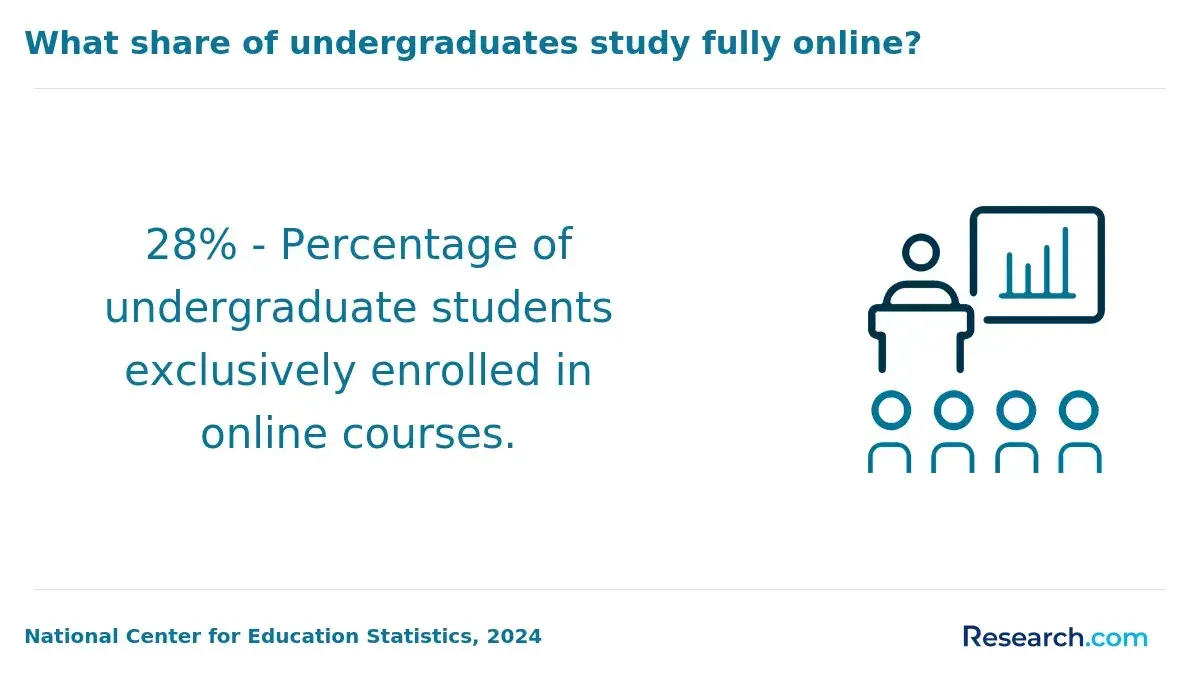
Social media marketing coursework is largely consistent whether delivered online or on campus, with similar curriculum, academic standards, and expected learning outcomes. Both formats focus on building skills in digital strategy, content development, analytics, and managing campaigns. Students gain comparable knowledge regardless of how the course is offered, ensuring a solid foundation for academic progress and career readiness.
Differences emerge mainly in how courses are delivered and the student experience. Online programs offer more flexible scheduling, enabling learners to progress at their own pace, with faculty interaction occurring via virtual meetings and discussion boards. On-campus students benefit from direct face-to-face engagement and access to physical campus resources like libraries and labs. Assessments such as projects, exams, and presentations are common to both, but group work or client-based assignments are often adapted for online collaboration instead of in-person teamwork.
How Many Hours Per Week Do Social Media Marketing Classes Require?
Most students enrolled in social media marketing classes can expect to spend between 10 to 15 hours per week studying. This time is typically distributed among attending lectures or live sessions, completing assigned readings, working on projects or assignments, participating in group work, and applying concepts through practical exercises. The typical weekly breakdown includes about 3 to 5 hours in lectures, 2 to 4 hours of studying course materials, 3 to 5 hours on assignments, and 1 to 2 hours collaborating or engaging in hands-on learning.
Several key factors influence the weekly time commitment for social media marketing degree weekly study hours. These include:
- Enrollment status: Full-time students often dedicate more hours weekly, whereas part-time students spread their workload over additional terms, balancing study with other responsibilities.
- Course level: Introductory classes generally require less time than advanced or capstone courses that demand deep research and complex projects.
- Format: Online courses offer flexibility but typically need greater self-discipline for independent learning compared to on-campus options.
- Credit load: Taking more credits in each term increases weekly study hours proportionally.
- Practicum and projects: These hands-on components often add significant time due to real-world application and collaboration.
Students planning to pursue careers in social media marketing should anticipate a schedule that merges theory with practical experience. For those exploring degree options, programs can vary widely, and it may be useful to compare with other fields, such as a library science degree online, to gauge different academic commitments. Balancing these demands carefully leads to both academic success and valuable professional skills.
How Many Credit Hours Are Required to Complete a Social Media Marketing Degree?
Total credit hour requirements significantly influence the duration of social media marketing degree programs, the workload students face, and their planning for graduation. These requirements vary by degree level and program structure, affecting how long it takes to complete a degree and the intensity of studies during that time. Prospective students should consider these differences carefully to choose a program that aligns with their educational and career goals.
Typical social media marketing degree credit requirements can be broken down into several key categories:
- Core Coursework: Undergraduate programs generally require around 120 to 130 total credit hours, with approximately 60-70% dedicated to core courses. These classes cover marketing principles, digital analytics, content creation, and consumer behavior, providing foundational knowledge essential to the field.
- Electives: Elective credits usually make up 15-25% of the program, offering students options to specialize in areas like influencer marketing or social media strategy, which helps tailor the program to individual career interests.
- Experiential Learning: Approximately 10-15% of credits involve hands-on components such as practicums, internships, capstone projects, or theses. Graduate programs, which often range from 30 to 36 credit hours, tend to include a thesis or advanced project, emphasizing application of theory in real-world contexts.
Understanding total credit hours for social media marketing program options is vital when planning your educational path. For students seeking accelerated completion paths, exploring accelerated online degrees could be beneficial.
How Does Social Media Marketing Coursework Prepare Students for Careers?
Social media marketing coursework bridges academic learning with professional readiness by equipping students with practical skills and knowledge that directly apply to the evolving digital landscape. The curriculum emphasizes hands-on projects and tool usage, ensuring students gain relevant experience that enhances their career potential. Employment of advertising, promotions, and marketing managers, including digital and social media specialists, is projected to grow 10% from 2022 to 2032, reflecting the increasing demand for these competencies.
- Skill development: Coursework cultivates abilities in digital content creation, data analytics, audience engagement strategies, and campaign design. These skills enable graduates to effectively manage social media platforms and develop data-driven marketing initiatives.
- Applied projects: Many programs include real-world projects that simulate workplace challenges, allowing students to practice critical thinking and problem-solving. These experiences prepare students for immediate contributions in social media marketing roles.
- Industry tools and technologies: Students gain proficiency with key analytics and content management tools widely used by professionals. Familiarity with such platforms ensures they can navigate the technical demands of social media marketing jobs.
- Professional networking: Coursework often encourages collaboration and training opportunities that build communication and teamwork skills. These experiences foster professional relationships and prepare students for collaborative environments.
- Strategic business alignment: Understanding how social media marketing supports business growth and competitive advantage is emphasized. This strategic insight helps graduates align their efforts with organizational goals, enhancing their value to employers.
Many students pursuing social media marketing careers choose associate degrees, which offer focused, accessible pathways to enter the field. These programs help learners acquire essential social media marketing degree career skills efficiently, preparing them for entry-level roles and further education. For those preparing for social media marketing jobs, the practical and strategic skills gained through coursework are indispensable assets in a competitive job market.
How Does Social Media Marketing Coursework Affect Salary Potential After Graduation?
Completing coursework in social media marketing can substantially boost salary prospects by equipping students with skills that employers prioritize. Studies show that professionals with specialized education and certifications in this field often earn up to 20% more than those without such preparation, reflecting strong demand for digital marketing expertise.
Key ways coursework enhances earning potential include:
- Development of In-Demand Skills: Programs teach essential abilities in digital advertising, content creation, analytics, and consumer behavior, which align with employer needs and open doors to higher-paying roles.
- Specialized and Advanced Courses: Taking targeted classes allows students to gain deep knowledge in areas like data-driven marketing strategies, increasing their value in competitive job markets.
- Leadership and Management Training: Coursework that emphasizes supervisory skills helps prepare graduates for managerial positions, which typically offer greater compensation.
- Applied Experiences: Capstone projects, internships, and practicums provide hands-on learning and portfolio development, showcasing real-world problem-solving and improving job prospects.
- Certification Preparation: Many programs integrate training for industry-recognized credentials such as Facebook Blueprint or Google Ads, enhancing credibility and salary potential when earned alongside a degree.
What Graduates Say About Their Social Media Marketing Degree Coursework
- Carole: "Enrolling in the social media marketing degree program was a fantastic investment despite its average cost; the online format allowed me to balance work and study seamlessly. The coursework was current and industry-relevant, which helped me quickly apply what I learned to real-world campaigns, accelerating my career growth. I highly recommend this program to anyone serious about making an impact in digital marketing."
- Fabian: "Reflecting on my time in the social media marketing degree program, I found the tuition to be reasonable given the depth of knowledge and skills gained. Attending classes on-campus offered me valuable face-to-face interaction and networking opportunities that enriched my learning experience. This education has truly shaped my approach to crafting effective social strategies in my current marketing role."
- Mylene: "The social media marketing degree required a notable financial commitment, but completing the coursework online provided incredible flexibility that suited my busy schedule. The professional insights and practical assignments were instrumental in refining my expertise, making me more confident and competitive in the ever-evolving marketing landscape. My career advancement is a direct result of this comprehensive training."
Other Things You Should Know About Social Media Marketing Degrees
Yes, many courses address the legal and ethical considerations relevant to social media marketing. Topics often include data privacy, intellectual property, advertising standards, and compliance with platform policies. Understanding these issues prepares students to navigate challenges responsibly in professional settings.
To enroll in a 2026 social media marketing degree program, students typically need a high school diploma or equivalent. Some programs may also require prior coursework in subjects like business, communication, or marketing basics to ensure preparedness for the specialized curriculum.
References
- How a Social Media Marketing Course Can Help All Marketers https://emeritus.org/in/learn/digital-marketing-social-media-marketing-course-career/
- Online vs. On-Campus: Which Mode of Learning Is Best for You? https://www.onlinemastersdegrees.org/student-resources/which-mode-of-learning-is-best/
- Is a Digital Marketing Degree Worth It? - MMC Learning https://mmclearning.com/digital-marketing/is-a-digital-marketing-degree-worth-it/
- How to Start a Career in Social Media Marketing in 7 Steps https://recurpost.com/blog/start-a-career-in-social-media-marketing/
- Top 20 Benefits of Digital Marketing Course for Career and Skill Growth https://careermantraacademy.com/benefits-of-digital-marketing-course/
- Capstone Options in Master's in Communication Programs (Thesis vs Project) https://www.mastersincommunications.com/features/guide-to-graduate-communication-capstone-options
- 5 Ways a Social Media Marketing Course Can Help You — Open Colleges https://www.opencolleges.edu.au/blogs/articles/5-reasons-to-study-a-social-media-marketing-course-this-year
- Digital Marketing Major https://www.kozminski.edu.pl/en/digital-marketing-major
- Marketing and social media » Digital Marketing – undergraduate studies » | WSZiB Kraków https://www.wszib.edu.pl/en/studies/digital-marketing-undergraduate-studies/marketing-and-social-media/
- Capstone Project vs. Thesis: What’s the Difference? | UAGC https://www.uagc.edu/blog/capstone-project-vs-thesis-whats-difference


