
2027 State-Approved Online Human Services Degree Master's Programs

Co-Founder and Chief Data Scientist
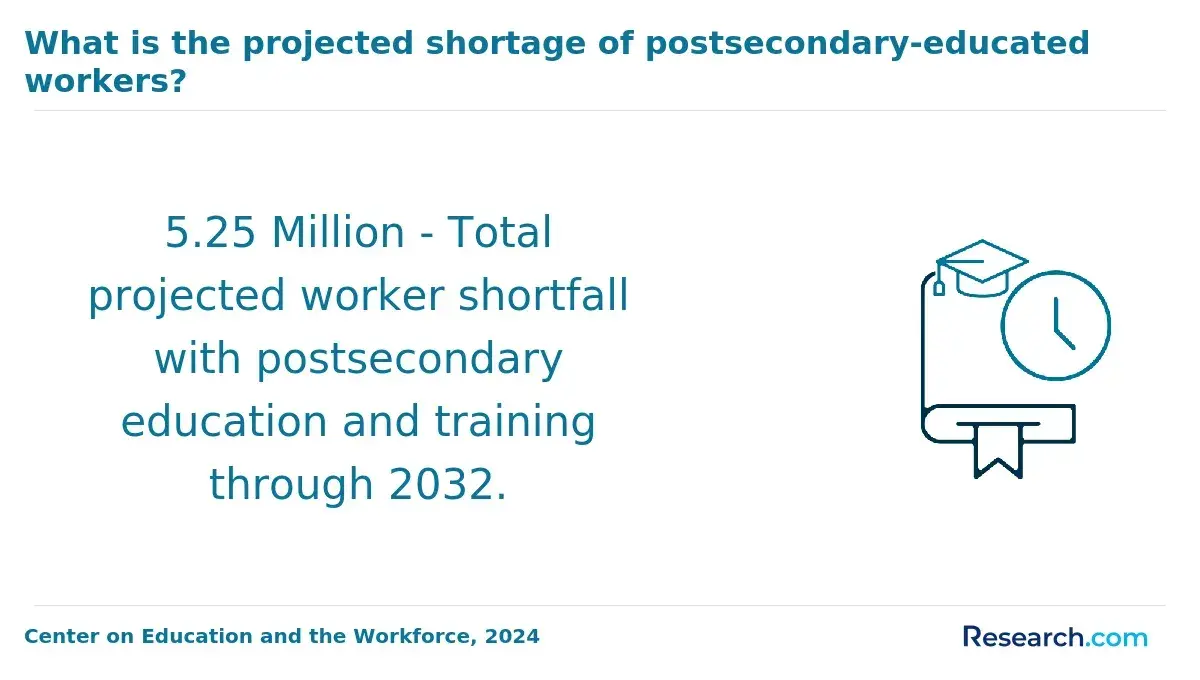
Many working professionals find themselves unable to advance in their careers due to a lack of a state-approved online human services master's degree. This barrier often limits eligibility for higher-level roles that require licensure or state certification. According to the Bureau of Labor Statistics, employment of social and human service assistants is projected to grow 13% from 2022 to 2032, faster than average. This growing demand underscores the urgency of obtaining the proper credentials.
This article examines state-approved online human services master's programs designed to help prospective students navigate accreditation and licensing requirements effectively.
Key Benefits of State-Approved Online Human Services Degree Master's Programs
- State-approved online human services master's programs ensure curriculum quality and compliance with state education regulations, enhancing academic rigor and accountability.
- Graduates from approved programs often meet licensure requirements, improving eligibility for certifications crucial to career advancement in social work or counseling fields.
- Employers and industry organizations recognize credentials from state-approved programs, bolstering graduate credibility and competitive advantage in hiring and promotion processes.
What Does "State-Approved" Mean for an Online Human Services Master's Degree Program?
State approval for a human services master's degree program involves a rigorous review by state education agencies or regulatory bodies to ensure the program meets established academic and professional standards. This process focuses on program oversight and quality control rather than on individual institutions, helping to ensure consistent preparation of graduates for careers that may be regulated within that state. Factors evaluated typically include curriculum content, faculty qualifications, and institutional resources. Importantly, state approval differs from accreditation by serving as a mandatory legal requirement to operate or prepare students for professions under state jurisdiction.
For those considering a state-approved online human services master's degree program, this authorization provides assurance that the program aligns with state-specific educational and professional regulations. Over 80% of states mandate approval of graduate programs in human services or related social work fields to uphold workforce readiness and educational integrity. Enrolling in such a program is a prudent step for students aiming for compliance with state laws and eligibility for career advancement within state agencies. Prospective students can also explore best college degrees that complement their professional goals in this field.
How Can I Check If an Online Human Services Master's Program Is State-Approved?
Confirming state approval for an online human services master's program is critical to ensure the degree complies with regulatory standards and is recognized for licensure, certification, or financial aid. With more than one-third of graduate students now enrolled fully online, program legitimacy verification has become increasingly vital. Here are reliable ways to verify an online program's state-approved status.
- State Education Databases: Review databases maintained by state education agencies, which list authorized postsecondary institutions and their approved programs. These publicly accessible portals provide updated information to confirm the program's compliance with state regulations.
- Institutional Authorization Disclosures: Check the college or university's official website for disclosures regarding licensing and state approvals. Institutions offering online degrees must transparently share their authorization status, especially when serving students across multiple states.
- Reciprocity Agreements: Examine agreements like the State Authorization Reciprocity Agreement (SARA), which streamlines approval across member states. Participation in such agreements can simplify understanding where a program is authorized to operate online.
- Approval Documentation: Request official documents from the institution, such as letters or certificates from state higher education commissions or licensing bodies. These validate that the program holds the necessary state approvals.
- Institutional Resources: Confirm approval through dedicated state authorization compliance offices or enrollment advisors at the institution. These resources offer up-to-date, state-specific information tailored to prospective students' locations.
Prospective students aiming to enroll in a state approved human services master's degree program can thus protect their academic investment and career prospects by taking these verification steps. For those exploring their options, reviewing the easiest masters degrees can be a valuable starting point on the pathway to graduate education.
Do Online Human Services Master's Programs Meet State Licensing Board Standards?
Many professions require graduates to complete master's degree programs that adhere to specific state licensing board guidelines. Increasingly, online human services master's programs are structured to meet these standards while offering flexible learning options. A 2022 survey found that nearly 80% of licensed human services professionals completed programs aligned with their state's requirements, including those from online institutions. Key factors influence whether a program fulfills licensing criteria.
- Curriculum Alignment: Coursework must cover core competencies mandated by the state, such as ethics, counseling methods, and social policy, ensuring graduates are prepared for professional practice.
- Faculty Qualifications: Instructors should have recognized licensure and relevant field experience to provide credible and state-approved instruction.
- Supervised Training: Many states require practicum or internship hours overseen by qualified supervisors; quality programs incorporate these through approved local placements or virtual alternatives.
- Institutional Authorization: The awarding institution must hold valid state authorization or regional accreditation acknowledged by licensing boards to ensure program legitimacy.
- Program Review: Ongoing evaluation by state agencies or regulatory bodies helps maintain compliance with evolving licensing standards and enhances program quality.
When asked about his experience completing a state-approved online human services master's degree, a professional recalled, "Navigating the licensing requirements was daunting at first-making sure the program's curriculum matched my state's board criteria required thorough research." He emphasized the importance of verified practicum placements, stating that "having supervised fieldwork arranged through the program really eased the process." He also appreciated faculty who understood licensing nuances, noting, "My instructors provided insights that were directly applicable to my licensure path." This alignment between program design and state licensing standards proved essential to his successful career advancement.
Are There Nationally Recognized Human Services Programs Accepted by Most States?
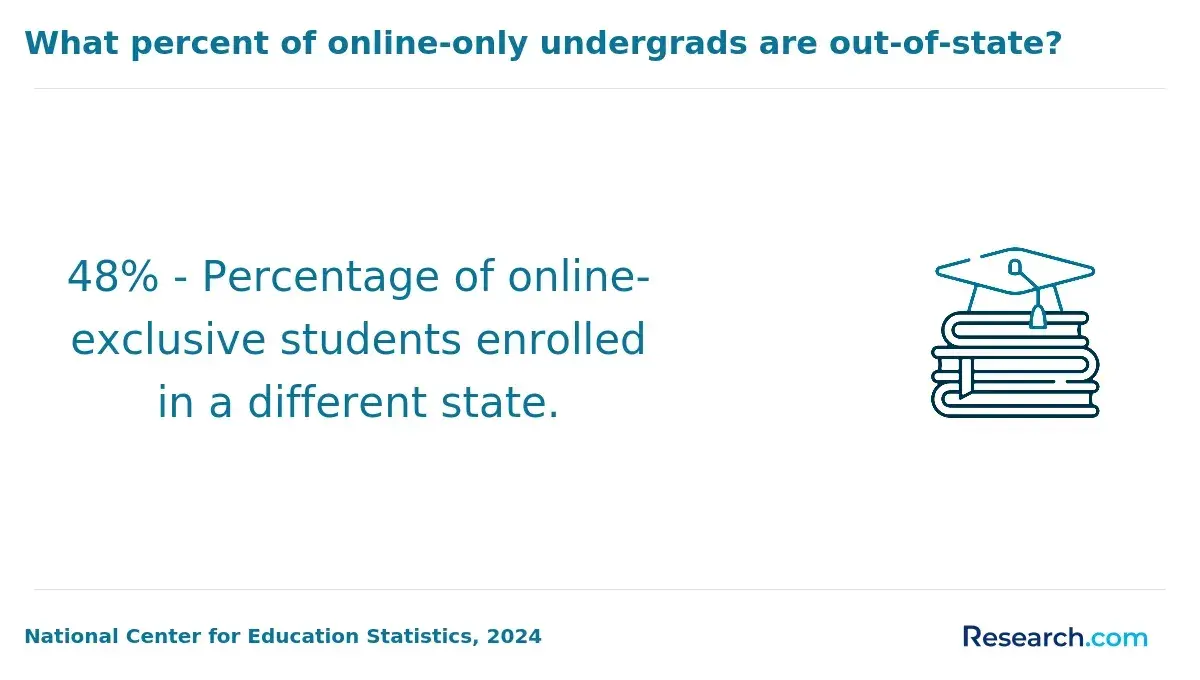
Graduate programs in human services that meet widely recognized academic or professional standards across states often achieve broad acceptance. More than 80% of graduate students engage in interstate education, reflecting the rising demand for programs that support learners nationwide. Several key factors contribute to the widespread approval of certain online master's degrees in this field.
- National Accreditation: Accreditation by respected organizations like the Council for Accreditation of Counseling and Related Educational Programs (CACREP) or the Council on Social Work Education (CSWE) ensures programs meet quality benchmarks recognized by most states.
- Standardized Curriculum Guidelines: Programs adhering to core competencies aligned with national professional expectations provide consistency, making it easier for students to transition across state lines.
- Interstate Authorization Agreements: Participation in reciprocity compacts such as the State Authorization Reciprocity Agreement (SARA) legally permits institutions to enroll students from multiple states without additional licensing hurdles.
- Professional Association Alignment: Alignment with national bodies like the National Organization for Human Services (NOHS) enhances program credibility and keeps curriculum relevant within the profession.
- Consistent Academic Standards: Uniform policies around faculty qualifications, student assessment, and program evaluation build trust in program quality regardless of geographic location.
Prospective students looking for programs that are both accessible and respected nationwide may also want to explore options related to an online bachelor degree as a foundation for advanced study.
Is Accreditation Required for State-Approved Human Services Master's Programs?
State approval and accreditation serve different purposes in graduate education, yet many prospective students mistakenly see them as interchangeable. While over 7,000 U.S. postsecondary institutions hold some form of accreditation, understanding the distinctions between state authorization and accreditation is vital when assessing online human services master's programs.
- State Authorization: This ensures a program complies with state laws and is allowed to operate within a specific jurisdiction. It does not assess the quality or rigor of the curriculum.
- Recognized Accrediting Agencies: Accreditation is granted by independent bodies acknowledged by the U.S. Department of Education, which evaluate programs' academic standards and integrity.
- Quality Assurance: Accreditation involves ongoing reviews of curriculum, faculty expertise, and student support services to promote continuous improvement and educational excellence.
- Federal Aid Eligibility: Accreditation influences whether students can access federal financial aid and affects the acceptance of transfer credits between schools.
- Oversight of Standards: Accrediting institutions conduct regular evaluations to ensure programs maintain appropriate academic benchmarks and facilitate student success.
When I spoke with a graduate of an online human services master's program, she recalled initial confusion about accreditation despite her program's state approval. "I worried whether my degree would be respected or if I'd face challenges with financial aid," she explained. She researched thoroughly, verifying her program's accreditation status to feel confident in her investment. Reflecting on her journey, she said her accredited program not only provided credibility but also helped her secure internships and employer trust, emphasizing that understanding these differences made a significant positive impact on her educational and career path.
What Courses Are Required in State-Approved Human Services Master's Programs?
Programs approved by states for online master's degrees in human services typically implement a structured curriculum designed to satisfy both academic standards and professional regulations. These graduate programs usually require between 36 and 48 credit hours to complete, ensuring comprehensive coverage of the field. Below is a list of common courses students will encounter in these programs.
- Foundations of Human Services: This course provides a broad overview of the field's core principles, including human development and social welfare systems. It lays a theoretical groundwork essential for advanced study and professional practice.
- Research Methods and Program Evaluation: Emphasizing analytical skills, this course covers data collection, statistical analysis, and assessment techniques crucial for evidence-based decision-making within human services environments.
- Social Policy and Advocacy: Students explore the development and impact of social policies, gaining insight into advocacy strategies that support vulnerable populations and influence systemic change.
- Case Management and Service Delivery: Practical application is the focus here, with coursework designed to enhance skills in coordinating services, client engagement, and organizational leadership important for effective program implementation.
- Capstone Project or Thesis: Typically the culmination of the program, this requirement challenges students to integrate their learning through independent research or a comprehensive project that contributes original insights to the human services field.
How Much Does a State-Approved Online Human Services Master's Degree Cost?
Tuition costs for state-approved online Human Services master's degrees vary significantly depending on program design, credit requirements, and institutional policies. Typically, tuition per credit ranges from about $400 to over $1,200, meaning total program costs can range from approximately $12,000 to $54,000. Several key factors influence the overall expense of pursuing these graduate degrees.
- Per-Credit Tuition Rates: Rates differ widely between institutions and states, reflecting varying educational standards and approvals. This rate directly impacts the total tuition since the master's programs usually charge by the credit hour.
- Total Credit Requirements: Most programs require between 30 and 45 credits to graduate. The higher the credit load, the greater the overall tuition cost, which contributes substantially to the final expense.
- Technology Fees: Many schools apply additional fees that cover online learning platforms, virtual classrooms, and digital resources, adding to the program's total cost beyond tuition alone.
- Residency Status: Some institutions differentiate tuition rates based on whether students are in-state or out-of-state, with out-of-state students often paying premium rates that increase overall costs.
- Additional Academic Expenses: Students should budget for textbooks, course materials, and mandatory assessments, which can add several hundred to a few thousand dollars over the duration of the program.
Being aware of these cost components aids prospective students in estimating their financial investment for a state-approved online Human Services master's degree and in planning accordingly.
Do State-Approved Human Services Master's Programs Require the GRE or GMAT?
Admissions requirements for state-approved human services master's programs vary significantly. Increasingly, institutions assess applicants through multiple criteria beyond standardized tests, reflecting a more comprehensive evaluation approach. Over 50% of graduate programs nationwide have adopted test-optional or test-waiver policies, reducing barriers and emphasizing real-world achievements. Below are common scenarios illustrating when GRE or GMAT scores might be required or waived.
- Test-Optional Policies: Applicants may submit GRE or GMAT scores voluntarily, allowing flexibility for those with strong prior coursework or relevant experience.
- GPA-Based Waivers: Some programs waive testing requirements for applicants who demonstrate a high undergraduate GPA, signaling readiness through academic performance.
- Professional Experience: Relevant work in related human services fields can substitute for test scores, highlighting practical knowledge valued by admissions committees.
- Holistic Admissions: Comprehensive reviews include letters of recommendation, statements of purpose, and interviews, shifting focus away from standardized testing.
- Program-Specific Testing: A few specialized programs, often due to state approval or accreditation, maintain strict GRE/GMAT requirements as part of their evaluation.
These diverse approaches also apply to GRE and GMAT requirements for online human services master's degrees, which mirror traditional programs in their flexibility and rigor. Prospective students interested in further leadership roles may also explore a doctorate in organizational leadership online as a complementary credential to advance their careers.
Do Employers Require Graduates to Come from State-Approved Programs?
Employer expectations for graduates from state-approved human services master's programs vary widely by industry, job role, and regulatory environment. A 2022 survey by the National Association of Colleges and Employers found that about 68% of employers consider the accreditation or state approval of a graduate's program an important factor in their evaluation, though it is not always a strict requirement. Beyond approval status, employers assess several key attributes when reviewing applicants with a master's in human services.
- Recognized Credentials: Employers often prefer candidates with degrees from accredited or state-approved programs to ensure academic rigor and legitimacy. This preference reflects the importance of verified qualifications in meeting professional standards and licensing requirements.
- Program Reputation: The standing of the academic institution and the specific program can influence employer perceptions. Programs known for their quality and alignment with industry expectations tend to be favored.
- Curriculum Relevance: Employers look for programs whose coursework and training reflect current industry skills and challenges. A curriculum aligned with evolving human services demands ensures graduates are better prepared for real-world roles.
- Licensing and Regulatory Compliance: Certain human services roles require state-approved education to meet licensing or certification criteria. Graduates from approved programs have an advantage in qualifying for these positions, especially where regulatory oversight is strict.
- Work Experience Integration: Practical experience combined with academic background is highly valued. Employers assess how well candidates' hands-on skills complement their education, emphasizing capabilities like client communication and case management.
Prospective students interested in programs that balance state approval and employer preferences might also explore options like the best 2 year construction management degree online, which illustrate how accelerated accredited programs across fields meet workforce needs.
Does a State-Approved Human Services Master's Degree Increase Salary?
Earning an advanced degree often enhances earning potential, though salary outcomes vary depending on industry, experience, and the type of program completed. Graduates with a master's degree in human services generally earn between $50,000 and $75,000 annually. Several factors influence how this degree may impact income and professional opportunities.
- Career Advancement: A state-approved master's degree can open doors to supervisory or specialized roles that require advanced education, often leading to higher pay.
- Industry Demand: Sectors like healthcare, social work, and nonprofit leadership seek professionals with targeted skills, increasing salaries for those with specialized knowledge.
- Certification Eligibility: Holding a state-approved degree may qualify graduates for valuable certifications that enhance job competitiveness and earning potential.
- Leadership Roles: Management positions frequently require advanced degrees, and these roles typically offer improved compensation and responsibilities.
- Program Credibility: A degree from a state-approved program assures employers of compliance with regulatory standards, which bolsters employability and access to better-paying positions.
Ultimately, factors like geographic location, relevant work experience, and personal career choices also affect salary outcomes, making it important for prospective students to consider these when selecting a suitable program.
What Graduates Say About State-Approved Online Human Services Degree Master's Programs
- Francine: "Choosing a state-approved online human services master's degree was a pivotal decision for me, offering the flexibility I needed while ensuring credible accreditation. The program's structure challenged me to balance work and study effectively, but the support system made it manageable. Today, holding this degree has significantly boosted my confidence and opened doors within community leadership roles."
- Graham: "Reflecting on my experience, the rigor of a state-approved online human services master's program tested my resilience and time management skills. It was rewarding to engage with coursework and peers who were as passionate about social impact as I am. Having this recognized degree has enhanced my professional reputation and expanded my opportunities for advancement."
- Irish: "Enrolling in a state-approved online human services master's degree was a strategic move that paid off professionally. Navigating the coursework remotely developed my self-discipline and adaptability, which are crucial in our field. This qualification has been instrumental in elevating my career, affirming my expertise to employers and clients alike."
Other Things You Should Know About Human Services Degrees
Yes, financial aid is available for state-approved online human services master's programs in 2027. Options include federal loans, grants, and scholarships. Eligibility requirements vary, so it's important to check with the specific program and complete the Free Application for Federal Student Aid (FAFSA).
In 2027, state-approved online human services master's programs typically require students to complete 300-500 hours of supervised fieldwork. This practical experience is essential in applying theoretical knowledge, and it may be completed at approved local or community-based human services organizations.
In 2027, most state-approved online human services master's degree programs require completing between 30 to 36 credit hours for graduation. These credit hours typically include core courses, electives, and a capstone project or thesis, which is designed to give students practical experience and specialized knowledge in the field.
References
- What are the Advantages to Earning a Human Services Degree Online? – Brescia University – Owensboro, Kentucky https://www.brescia.edu/2014/05/advantages-earning-human-services-degree-online/
- License and Certification Requirements - Online MSW/MED https://socialworkonline.widener.edu/msw-med/online-msw-med/license-requirements
- MA in Human Services | UAGC https://www.uagc.edu/online-degrees/masters/human-services
- Top Online Master’s in Human Services Degree Programs for 2025 https://www.onlinemastersdegrees.org/best-programs/human-services/
- Get a Bachelor's Degree in Human Services | All Psychology Schools https://www.allpsychologyschools.com/degrees/bachelors-in-human-services/
- Online Human Services Degree | Rasmussen University https://www.rasmussen.edu/degrees/human-services/
- Most Affordable Master’s In Human Services - GradSchoolHub.com https://www.gradschoolhub.com/affordable/online/masters/human-services/
- Master of Science in Human Services | Online MS Degree | TUW https://www.tuw.edu/academics/health/masters-in-human-services/
- Human Services, BA (Online) https://calbaptist.edu/academics/programs/online-bachelor-of-arts-human-services/
- Top Online Human Services Degrees of 2025 https://www.humanservicesedu.org/online-degrees/


