
2027 Technology Management Degree Levels Explained: Bachelor's vs Master's vs Doctorate

Co-Founder and Chief Data Scientist
Choosing the right technology management degree can be challenging for those aiming to advance in a fast-evolving industry. For example, a professional stuck in mid-level roles may wonder if a bachelor's degree suffices or if a master's or doctorate will unlock higher positions. Employment projections show technology management jobs are expected to grow 10% over the next decade, emphasizing the importance of strategic educational decisions.
This article clarifies the distinctions between bachelor's, master's, and doctoral technology management degrees, helping readers align their academic paths with career goals and industry demands for better growth and leadership opportunities.
Key Things to Know About Technology Management Degree Levels
- Bachelor's degrees provide foundational technology management knowledge with broad career entry; master's focus on specialized skills for mid-to-senior roles, while doctorates emphasize research and executive leadership paths.
- Graduates with a bachelor's often enter project or operations roles, master's holders advance to managerial positions, and doctorate recipients pursue academia, high-level consulting, or C-suite positions.
- Bachelor's typically requires 4 years and lower tuition; master's take 1-2 years with moderate investment; doctorates demand 3-6 years, significant effort, and higher costs but yield top leadership opportunities.
How Are Technology Management Degree Levels Structured Academically?
Comparing technology management degree levels reveals progressively deeper academic challenges and outcomes. Knowing how curricula and research demands evolve helps prospective students match programs to their career ambitions and experience. Here are key distinctions that frame curriculum differences between bachelor's and master's in technology management, as well as doctoral technology management program academic requirements:
- Coursework Intensity: Bachelor's programs build foundational knowledge combining technical subjects with introductory business principles, designed for broad understanding. Master's programs introduce more specialized and strategic content requiring advanced analytical skills and decision-making. Doctorate studies focus on highly specialized topics with rigorous conceptual depth and empirical investigation.
- Research and Capstone: At the bachelor's level, students often complete internships or capstone projects that apply practical skills with minimal research. Master's candidates must conduct substantive thesis or major research projects demonstrating critical inquiry. Doctoral students undertake original dissertation research that contributes new knowledge to the field.
- Academic Rigor: Progression is marked by increasing conceptual complexity and problem-solving demands. Bachelor's programs emphasize essential theories, master's strengthen strategic leadership capabilities, while doctorates demand mastery of methodologies and theoretical frameworks.
- Independent Study: Independent learning grows from guided assignments in bachelor's programs to more autonomous research at the master's level. Doctoral candidates are expected to initiate and drive original research with minimal supervision.
For those exploring advanced study options including ai degrees, understanding these academic structures can inform better educational decisions.
What Do You Learn in a Bachelor's Degree in Technology Management?
A bachelor's degree in technology management develops essential skills for managing technology projects and integrating IT solutions in business environments. It lays a foundational knowledge base for entry-level positions or advanced education, emphasizing both technical and leadership aspects. The following points highlight key components of a typical bachelor's degree curriculum in technology management and how they prepare students for professional success.
- Core Coursework: Students study essential subjects such as operations management, project management, information technology fundamentals, business analytics, and organizational behavior, which form the basis of the bachelor's degree curriculum in technology management.
- General Education: Programs include general education courses that build critical thinking, communication, and quantitative skills vital for any professional setting.
- Practical Learning: Experiential opportunities like internships, capstone projects, and case studies allow students to apply classroom theories in real-world contexts, enhancing their problem-solving and teamwork abilities.
- Skill Development: Emphasis is placed on developing both technical proficiency and leadership capabilities, equipping graduates to navigate evolving technology landscapes and support organizational goals.
- Career Preparation: Graduates are prepared for entry-level roles such as IT project coordinator, systems analyst, or technology consultant. The degree also provides a strong foundation for graduate study and long-term career advancement.
For those interested in continuing their education, exploring affordable options for engineering degree online programs can be an advantage, as they often complement technology management expertise.
What Specializations Are Available in a Technology Management Master's Degree?
Specialization options in a technology management master's program are vital for tailoring studies to specific career objectives and industry requirements. These focused tracks enable students to develop expertise in areas aligned with their professional goals and deepen skills that differentiate them in competitive job markets.
- Information Systems Management: Concentrates on managing IT infrastructure and digital assets, covering topics such as systems integration and data management. Graduates often pursue leadership roles overseeing enterprise technology operations.
- Cybersecurity Management: Emphasizes safeguarding information and networks, including coursework on threat detection, risk mitigation, and security protocols. This specialization prepares students for roles like cybersecurity analyst or risk manager.
- Project Management: Focuses on guiding technology-driven projects to successful completion through planning, resource allocation, and agile techniques. Career paths include project manager and technical program lead.
- Innovation Management: Explores driving change and technological advancement within organizations, emphasizing strategy development and fostering new technologies. Graduates may become product managers or innovation consultants.
What Types of Doctoral Degrees Exist in Technology Management?
Choosing the right doctoral path in technology management is essential for aligning educational goals with career objectives. According to the National Science Foundation, fewer than 20% of doctoral graduates in technology fields pursue professional doctorates, indicating a stronger emphasis on research-centered degrees. Here are the primary types of doctoral degrees available:
- Professional Doctorates: These programs focus on applying advanced leadership, innovation, and strategic concepts to practical business challenges. They blend structured coursework with applied research, preparing graduates for senior leadership and consultancy roles in various industries.
- Research-Focused Doctorates: Mainly represented by the PhD, these degrees prioritize creating original academic research. Students concentrate on theoretical frameworks and research methodologies designed to advance knowledge, often leading to careers in academia, policy, or research institutions.
- Specialized or Interdisciplinary Tracks: These combine technology management with other areas like information systems or engineering management, enabling customization around emerging technologies or complex industry issues. This flexibility prepares candidates to tackle multifaceted problems across sectors.
I spoke with a graduate of a doctorate technology management program who described the experience as both demanding and rewarding. He recalled, "Balancing coursework, research, and real-world application was often overwhelming, but the interdisciplinary approach offered me unique insights I couldn't get elsewhere." He also shared that navigating the uncertainty of original research pushed him to develop resilience and creativity, qualities he now credits for his leadership success.
What Are the Admission Requirements for Each Technology Management Degree Level?
Knowing the admission requirements for various technology management degree levels helps prospective students evaluate which program suits their academic background and career ambitions. These prerequisites differ notably between bachelor's, master's, and doctoral studies in terms of expected preparation and documentation.
Bachelor's
- Educational Background: Applicants generally need a high school diploma or an equivalent credential to qualify.
- Academic Performance: A satisfactory GPA is usually necessary, reflecting consistent achievement in prior studies.
- Standardized Testing: Some programs request SAT or ACT scores to assess readiness for undergraduate coursework.
- Prerequisite Courses: Completion of foundational classes in mathematics and science may be required to ensure preparedness for the curriculum.
Master's
- Undergraduate Degree: A bachelor's degree in technology management or a related discipline is typically required for admission.
- GPA Expectations: Competitive undergraduate academic performance demonstrates capability for graduate-level study.
- Graduate Exams: GRE or GMAT scores are often part of the application to evaluate quantitative and verbal skills.
- Professional Experience: Relevant work history can strengthen an application, highlighting practical understanding.
- Recommendations and Statements: Letters of recommendation and a statement of purpose help assess motivation and suitability for advanced study.
Doctorate
- Prior Graduate Degree: Admission usually requires a master's degree in technology management or a closely related field.
- Academic Excellence: A strong record of previous graduate coursework is essential to demonstrate research capability.
- Research Background: Experience with research activities and relevant publications can be critical for evaluation.
- Supporting Documents: Applicants must submit letters of recommendation and a detailed research proposal outlining their planned contributions.
How Long Does Each Technology Management Degree Level Take to Complete?
Completion times for bachelor's, master's, and doctoral technology management degrees vary widely based on individual circumstances and program structures. Recognizing these differences is crucial for students to align their educational paths with their career plans and personal commitments. The National Center for Education Statistics reports that the average time to earn a bachelor's degree in the U.S. is about six years, reflecting diverse enrollment patterns. Several factors influence how long these degrees take to complete:
- Enrollment Status: Full-time students typically finish faster than part-timers, who often balance work or family obligations alongside coursework.
- Credit Transfer: Previous college credits or relevant training can shorten degree duration by reducing required classes.
- Prior Experience: Professional background might allow students to waive certain requirements or pursue accelerated options, especially in master's programs.
- Program Format: Online and hybrid programs offer flexibility but may extend completion time depending on pace and course availability.
- Research Demands: Doctoral studies vary highly in length due to the depth and complexity of dissertation work, often tailored to individual progress.
When I spoke with a graduate of an online master's technology management program, she highlighted the challenges of juggling a full-time job and family while studying. "It wasn't just about fitting classes into my schedule," she explained. "The most demanding part was applying what I learned in real-time at work, which made the experience enriching but also more time-consuming." She appreciated how the program's flexible format allowed her to extend deadlines occasionally without penalty, emphasizing that self-discipline and time management were vital to her success. Reflecting on her journey, she noted, "Knowing that each student's timeline can differ eased the pressure. It's important to plan realistically and appreciate progress over speed."
Breakdown of Public Fully Online Title IV Institutions

How Much Does Each Technology Management Degree Level Cost?
Accurately assessing the total cost of a technology management degree at various levels helps prospective students balance their budget and academic goals. Key factors like tuition per credit, fees, and enrollment status influence expenses across bachelor's, master's, and doctoral programs. Below is a summary of typical costs by degree level:
- Bachelor's Degree: Tuition per credit usually ranges from $300 to $600, with programs requiring 120 to 130 credits. Mandatory fees cover technology, labs, and student services, adding several hundred dollars each semester. Part-time students may pay a higher per-credit rate but benefit from greater scheduling flexibility.
- Master's Degree: These programs typically demand 30 to 45 credits, with tuition per credit between $500 and $900. Technology and activity fees tend to be higher than at the undergraduate level. While full-time study may shorten completion time, part-time options accommodate working professionals aiming to balance education with employment.
- Doctoral Degree: Doctoral candidates face tuition from $700 to $1,200 per credit, with total credit requirements often between 60 and 90, plus dissertation work. Additional costs may include research fees and conference travel. Many enroll part-time, spreading costs over a longer period and making the degree more manageable financially.
Considering these factors in the context of enrollment status and program length is essential to understanding actual expenses. Those seeking options should also review accredited marriage and family therapy programs online for comparison, which similarly detail costs and fee structures. These insights assist students in evaluating average tuition fees for technology management bachelor's, master's, and doctorate degrees in alignment with career advancement plans.
What Financial Aid Options Are Available for Technology Management Degrees?
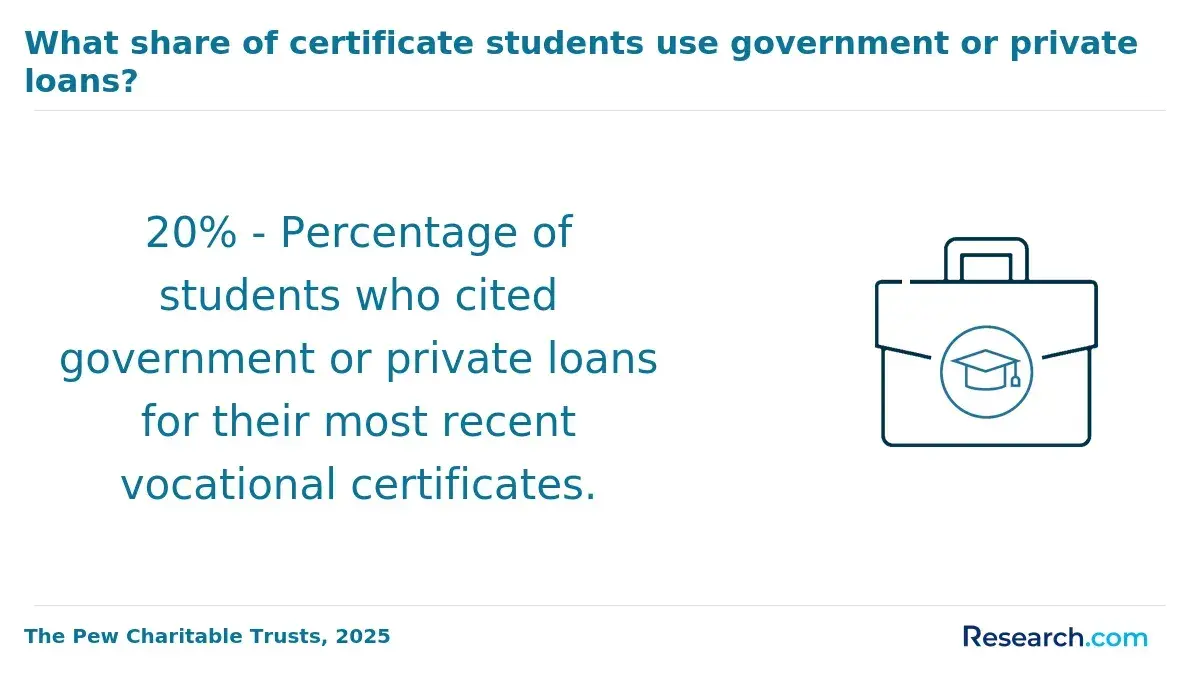
Financial aid plays a vital role for students pursuing bachelor's, master's, or doctoral technology management degrees, helping to alleviate tuition costs and other educational expenses. Approximately 85% of undergraduate students receive some form of financial aid, with average awards exceeding $14,000 per year. Below are common financial aid options to consider when exploring financial aid programs for technology management students.
- Grants and Scholarships: These are non-repayable funds awarded based on merit, financial need, or specific academic fields, including technology management. They reduce borrowing needs and can be offered by federal, state, or private sources.
- Federal Loans: Subsidized and unsubsidized federal student loans provide accessible financing with relatively low interest rates and flexible repayment plans, making them a cornerstone of most students' aid packages.
- Private Loans: Available through banks or lenders, private loans typically carry higher interest rates and less favorable terms than federal options, and should be carefully evaluated before borrowing.
- Work-Study Programs: These allow students to earn income through part-time jobs, often related to their academic interests, providing financial support while gaining valuable experience.
- Employer Tuition Assistance: Many employers offer tuition reimbursement or assistance, particularly for those pursuing advanced degrees. This benefit is increasingly important for working professionals funding master's or doctoral studies without accumulating excessive debt.
- Military Education Benefits: Programs like the GI Bill provide significant educational support to eligible service members, veterans, and their families at all degree levels, including technology management.
Prospective students looking for an accelerated bachelors degree online in technology management should carefully evaluate these financial aid options to align with their career goals and financial situations.
What Careers Are Available at Each Technology Management Degree Level?
Career opportunities in technology management expand significantly as individuals attain higher degree levels, offering a broader scope of roles and responsibilities. Knowing what careers align with each degree level helps students strategically plan their education and anticipate salary expectations for technology management graduates.
Bachelor's Degree
- IT Project Coordinator: Supports the planning and execution of technology projects, ensuring timely delivery and resource management within teams.
- Technology Analyst: Evaluates and monitors technology systems to enhance operational efficiency and recommend improvements aligned with business goals.
- Systems Administrator: Manages and maintains an organization's IT infrastructure, focusing on system reliability and security.
Master's Degree
- IT Manager: Oversees multiple technology projects and teams, aligning IT strategies with organizational objectives to drive innovation and performance.
- Product Manager: Leads the development and lifecycle management of technology products, ensuring they meet market demands and business goals.
- Technology Consultant: Provides expert advice to organizations on adopting and optimizing new technologies, leveraging advanced technical and leadership skills.
Doctorate Degree
- University Professor: Conducts advanced research and teaches specialized courses in technology management, shaping future industry leaders.
- Chief Technology Officer (CTO): Directs technological vision and strategy at an executive level, influencing company-wide innovation and growth.
- Senior Consultant: Focuses on emerging technologies and organizational transformation, guiding high-impact initiatives based on original research.
For prospective students exploring these career paths, researching options at online colleges with financial aid can provide valuable support in funding their education and advancing their technology management career opportunities by degree level.
How Do Salaries Compare Among Bachelor's vs Master's vs Doctorate Technology Management Graduates?
Salary differences significantly influence the decision to pursue various degree levels in technology management, as they reflect potential return on investment and career growth. Below is a comparison of typical earnings across bachelor's, master's, and doctoral graduates in this field.
- Bachelor's Degree: Graduates usually start with salaries ranging from $60,000 to $80,000. These positions often involve entry-level to intermediate roles such as project coordinators or IT analysts, offering a solid foundation in the industry.
- Master's Degree: Earning potential rises substantially at this level, typically between $85,000 and $110,000. The enhanced strategic knowledge and leadership skills prepare individuals for roles like program managers or technology consultants.
- Doctorate Degree: Doctorate holders command the highest salaries, generally from $110,000 up to $150,000 or more. Their expertise in research, innovation, and executive leadership makes them valuable for senior roles in academia, consulting, or corporate management.
What Graduates Say About Their Technology Management Degree Level
- Hudson: "Pursuing a bachelor's degree in technology management was a game-changer for me. Although the average cost was higher than I expected, around $25,000 per year, the investment was worthwhile because the skills I gained opened many doors early in my career. I'm grateful I chose this path-it's been the foundation of my success. "
- Jaimie: "Reflecting on my master's in technology management, the decision wasn't easy given the program's cost, which typically ranges between $30,000 and $40,000 annually. However, the knowledge and strategic perspective I developed have been invaluable, allowing me to lead complex projects effectively. The degree truly elevated my professional confidence and opportunities. "
- Ever: "Opting for a doctorate in technology management was a rigorous but rewarding choice. The tuition was a significant commitment, often upwards of $50,000 per year, but completing the program has positioned me as a recognized expert in the field. The depth of research and leadership skills I acquired has profoundly impacted my career trajectory."
Other Things You Should Know About Technology Management Degrees
While work experience is highly valued in 2027 for Technology Management programs, it is not considered a substitute for formal education. Many programs prefer candidates with both educational credentials and applicable experience, as this combination enhances theoretical understanding and practical application in the field.
A technical background is helpful but not always mandatory, especially at the bachelor's level where foundational courses cover broad technology and management principles. At the master's and doctorate levels, prior technical knowledge or experience can be required or highly recommended, given the advanced and specialized nature of the coursework and research.
In 2027, doctoral students in Technology Management focus on research that advances the field. They contribute new knowledge by conducting original studies, publishing results in academic journals, and developing innovative theories or applications that address current technological challenges and management practices.
Yes, doctorate programs require candidates to conduct original research that advances technology management theory or practice. This contribution distinguishes doctoral studies from bachelor's and master's degrees, which primarily focus on applying existing knowledge rather than generating new insights.
References
- Average Cost of a Master's Degree: 2025 Analysis https://educationdata.org/average-cost-of-a-masters-degree
- Master in Management & Technology https://www.mgt.tum.de/programs/master-in-management-technology
- The Lowdown on Master's versus Ph.D. Degrees https://www.oedb.org/advice/masters-vs-phd-degrees-for-graduate-students/
- Master vs. PhD: Salary, Jobs & Time, The Big Differences https://www.applykite.com/blog/phd-guide-master-vs-phd
- Technology Management - Everything at a glance | CBS https://www.cbs.de/en/topics/technology-management-degree
- MSc Technology Management https://www.bpp.com/leadership-and-management/msc-technology-management
- Bachelor vs Master Degrees: Comparing Degree Levels https://www.snhu.edu/about-us/newsroom/education/difference-between-bachelors-and-masters
- Flexibility of a Technology Management Degree | All Engineering Schools https://www.allengineeringschools.com/engineering-careers/career/technology-management/
- Management and Technology https://www.tum.de/en/studies/degree-programs/detail/management-and-technology-tum-bwl-master-of-science-msc
- Top 10 Online Doctorates in Technology Management 2019 https://www.online-phd-programs.org/best-online-phd-technology-management/


