
2027 User Experience Degree vs. Certificate: Which Should You Choose?

Co-Founder and Chief Data Scientist
Today's students and professionals face important decisions when choosing between earning a user experience degree or a certificate. Both options offer valuable skills that can advance a career in this growing field, which is expected to grow 13% faster than other tech roles. However, they differ in time commitment, depth of study, and cost, shaping the learner's experience.
Degrees often provide comprehensive education and research opportunities, while certificates focus on practical skills and quicker entry into the workforce. Understanding these differences helps align educational choices with career goals and lifestyle needs. This article compares key aspects to guide informed decisions in user experience education.
Key Points About User Experience Degree vs. Certificate Programs
- A user experience degree offers in-depth theoretical knowledge and broader technical skills, often resulting in higher salary potential and increased job opportunities compared to certificates.
- Certificate programs focus on specific skills and practical tools, allowing faster completion and flexibility, which suits working professionals seeking targeted upskilling.
- Degrees may provide stronger professional networks and internships, while certificates are ideal for immediate skill development but may have limited long-term career growth impact.
What Are the Differences Between User Experience Degree and Certificate Programs?
Both User Experience degrees and certificate programs offer valuable career opportunities, but they differ in several important ways. Understanding these distinctions helps students select the educational path that aligns best with their professional goals and available time.
Below is a comparison highlighting the main differences between these two learning options.
- Depth of Learning: Degree programs provide a comprehensive and in-depth study of user experience concepts, research methods, and design principles, suited for those seeking a thorough foundation. Certificates typically focus on practical skills and specific tools, ideal for learners wanting a targeted and quicker skill boost.
- Time Commitment: Degrees require a longer time investment, often spanning several years, making them suitable for students prepared for extensive study. Certificates usually take less time to complete, accommodating professionals looking to upskill efficiently.
- Career Advancement: Degrees may open doors to a wider range of roles and leadership positions due to their broader curriculum and academic rigor. Certificates can help individuals enhance particular competencies or switch careers more rapidly but might not carry the same weight in advanced job markets.
- Cost and Accessibility: Certificate programs often involve lower costs and fewer prerequisites, making them accessible for those balancing work or other responsibilities. Degree studies generally require a larger financial and time commitment, appealing to those invested in long-term educational growth.
How Long Does It Take to Complete a User Experience Degree vs. a Certificate Program?
Completion time is one of the most important factors for students choosing between a user experience degree vs. certificate program. Understanding how long it takes to complete each option helps prospective students plan their education and career path effectively.
- Typical Duration: A user experience degree, such as a Bachelor of Science in Human-Computer Interaction, typically takes about four years of full-time study. Graduate degrees, like a Master of Science in User Experience, usually add one to two years. In contrast, a user experience certificate program duration is much shorter, often completed within two to six months, allowing quicker entry into the workforce.
- Flexibility: Degree programs generally follow a traditional academic calendar, though part-time options exist to accommodate working students. Certificates offer more flexible pacing, often available online or in intensive bootcamp formats, making them ideal for those balancing jobs or other commitments.
- Factors Affecting Timeline: Several elements influence how long it takes to finish a user experience degree, including whether a student enrolls full-time or part-time, transfer credits, and prior experience. Certificates also vary based on format and intensity but tend to be designed for accelerated completion. For students interested in exploring accelerated degree options, resources such as online accelerated bachelors can provide valuable pathways.
While a certificate program offers significant time savings for those wondering how long does it take to get a user experience degree, pursuing a full degree may provide a broader educational foundation preferred for academic or teaching careers. The choice depends on individual goals and available time for study.
Can You Complete a User Experience Degree or Certificate Entirely Online?
The rapid growth of online education has enabled students to pursue both online user experience degree programs and certificates entirely online. Accredited universities, such as Western Governors University and Michigan State University, offer fully online bachelor's and master's degrees in user experience design, providing remote access to coursework, peer collaboration, and faculty support.
Leading fully online UX certificate courses, like the Google UX Design Certificate and eCornell's User Experience Design Certificate, are also available and often self-paced. Some graduate-level programs, however, might include optional in-person events or hybrid formats, so prospective students should carefully review each program's specific requirements.
When deciding between an online degree or certificate, consider factors such as hands-on training, portfolio development, and internships. Many online degrees integrate experiential projects and simulations to build practical skills, whereas certificate programs tend to focus on core competencies and job readiness without internship or licensure mandates.
If your career plans require extensive real-world experience or research, an online degree with project-based learning may be more suitable. For quicker entry into the UX field or skill enhancement, an online certificate offers flexibility and cost-effectiveness. To explore options, see a list of online open admission colleges that include UX-related programs.
What Are the Admission Requirements for a User Experience Degree vs. a Certificate Program?
Admission requirements play a crucial role in choosing between a user experience degree and a certificate program, as they influence both eligibility and the commitment involved. Understanding these criteria allows prospective students to determine which path aligns better with their academic background and career aspirations.
Below is a side-by-side comparison of admission requirements for user experience degree programs versus certificate programs.
Admission Requirements for User Experience Degree Programs
- Educational Background: Most degree programs require a high school diploma for undergraduate admission or a bachelor's degree for graduate studies, often in fields such as design, psychology, or related disciplines.
- Minimum GPA requirements for UX degree programs: Undergraduate programs typically expect a GPA between 2.0 and 3.0, while graduate programs require at least a 3.0 GPA on a 4.0 scale.
- Transcripts: Official transcripts from all previously attended institutions must be submitted to verify educational credentials and meet GPA standards.
- Portfolio/Work Samples: Graduate applicants often need to provide a digital portfolio showcasing design or UX work, particularly for creative-focused degrees.
- Personal Statement: A statement of purpose addressing academic interests and career goals is commonly requested for graduate degree applications.
- Letters of Recommendation: Many master's programs require one or more letters from academic or professional references to support the application.
- English Proficiency: International students must demonstrate English proficiency through tests like TOEFL or IELTS.
Admission Requirements for User Experience Certificate Programs
- Educational Background: Most certificate programs require a bachelor's degree from an accredited institution, though the field of study can be flexible; some accept unrelated degrees supplemented by relevant experience.
- Bachelor's degree prerequisites for User Experience master's programs: While this phrase primarily applies to master's degrees, certificate programs often expect a completed bachelor's degree as a baseline for admission.
- GPA Minimum: Certificate programs generally ask for a minimum undergraduate GPA of 2.75 to 3.0 for full or conditional acceptance.
- Relevant Coursework or Experience: Prior coursework in studio art or professional experience in art education or graphic design can be necessary; those lacking this may be admitted conditionally and required to complete prerequisite courses.
- Application Materials: Typically require an online application, official transcripts, a brief statement of purpose, and a current resume.
- No Standardized Tests: Unlike degree programs, certificate admissions usually do not require GRE or other standardized test scores.
For students exploring options with flexible timelines, many also consider enrolling in an accelerated associate degree program as an alternative route to building foundational skills before choosing between degree or certificate paths.
How Many Credits Do You Need to Complete a User Experience Degree vs. a Certificate?
Knowing how many credits are required for a user experience program helps students plan their study schedule and manage their time effectively. Comparing credit expectations for degrees versus certificates highlights the differences in program length and depth.
Here's a breakdown of the typical credit commitments for user experience degrees and certificates:
- Associate Degree: Usually involves about 60 to 62 credit hours, covering foundational coursework over two years.
- Bachelor's Degree: Requires around 120 credit hours, similar to other four-year undergraduate programs, offering a comprehensive education.
- Master's Degree: Typically needs about 30 graduate credits, focusing on advanced user experience knowledge.
- Certificate Programs: Require significantly fewer credits, around 9 to 12, concentrating on specific skills and practical application.
What Is the Average Tuition for a User Experience Degree vs. a Certificate?
Tuition costs play a crucial role in deciding between pursuing a user experience degree or a certificate, impacting both your immediate affordability and long-term investment in your career. Understanding typical tuition ranges and cost factors is essential to compare options effectively.
Below is an overview of the average tuition for each pathway to help clarify these differences.
Average Tuition for User Experience Degree Programs
- Tuition Range: Bachelor's degree programs in user experience or related fields often range from $7,000 to $25,000 per year at public universities, with private institutions charging more on average.
- Total Program Cost: A full four-year undergraduate degree can total between $20,000 and $80,000 or more, influenced by residency status and program delivery method.
- Graduate Programs: Master's degrees in user experience typically cost around $24,900 to $25,200 for the entire program.
- Influencing Factors: Tuition varies by institution type, location, and whether the coursework is online or in-person; in-state students generally pay lower tuition at public universities.
- Additional Fees: Some programs add fees for technology, materials, or distance learning that may increase overall expenses.
Average Tuition for User Experience Certificate Programs
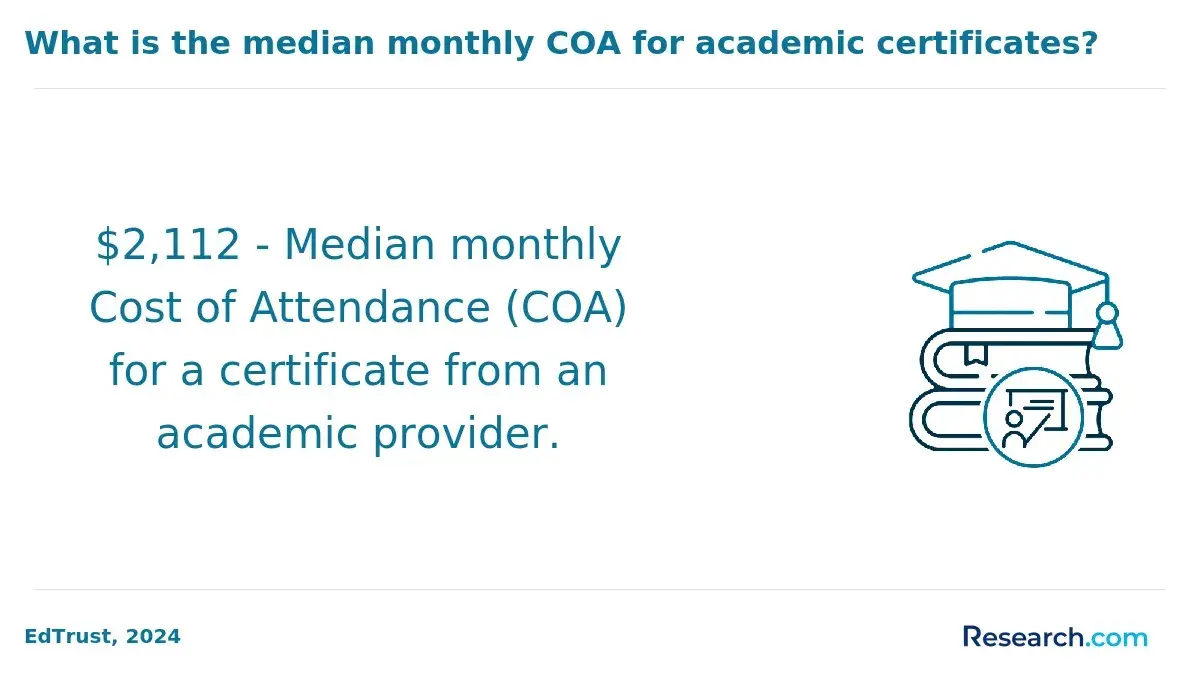
- Tuition Range: User experience certificate tuition in 2025 typically falls between $2,000 and $15,000, with online certificates usually less expensive than university-affiliated ones.
- Program Length Impact: Shorter certificates lasting 3 to 6 months often cost around $2,500 to $3,000, while more comprehensive programs can reach nearly $14,900.
- Institution Type: Certificates offered by bootcamps or independent online providers tend to be more affordable than those from universities.
- Inclusions: Some programs bundle books, software, and exam fees into tuition, reducing unexpected costs.
- Payment Options: Flexible installment plans are frequently available, making certificates more accessible for students on a budget.
For those considering advanced studies, it's noteworthy to explore the shortest online doctoral programs, which offer opportunities for further specialization in user experience and related fields.
Can You Transfer Certificate Credits Toward a User Experience Degree Later On?
You can often transfer certificate credits toward a user experience degree, though it varies by institution and program. Successful transfer typically depends on school policies, the accreditation status of both programs, and how closely the certificate courses match the degree curriculum. Some universities allow a significant portion of certificate credits to count toward an associate or bachelor's degree, while others impose stricter limits. Transferability is more likely when the courses are relevant and recognized by the receiving institution.
Other important factors include transfer caps, minimum grade requirements (often a B or above), and the necessity to confirm credit acceptance prior to enrollment. Some programs explicitly state that transfer decisions rest solely with the degree-granting institution, underscoring the need for early communication with admissions or registrars. Clarifying these details can prevent surprises and help avoid wasted time or expense. Students should always verify transfer policies to protect their educational investment and plan effectively.
Are Certificate Programs Accredited the Same Way as User Experience Degrees?
User experience certificate programs are generally not accredited in the same way as user experience degree programs. Degree programs, like bachelor's or master's degrees in user experience or related fields, are offered by regionally or nationally accredited colleges and universities, which meet strict academic standards set by recognized agencies in the United States. In contrast, certificate programs tend to be provided by private organizations, professional bodies, or universities as non-degree credentials and typically do not undergo these formal accreditation processes.
Their value often depends on the reputation of the issuing organization, curriculum quality, and industry recognition rather than traditional academic accreditation. Prestigious certificates from groups like Nielsen Norman Group or Human Factors International are respected, but they lack the same accreditation as degree programs.
Accreditation plays a crucial role in confirming program quality, enabling credit transfer, and enhancing acceptance by employers and other institutions. It also affects eligibility for federal financial aid, which is generally limited to accredited degree programs. When choosing a user experience program, students should verify accreditation from recognized bodies such as the U.S. Department of Education or the Council for Higher Education Accreditation for degrees.
For certificates, assessing employer endorsements, instructor qualifications, hands-on learning opportunities, and career support is key. Prospective students should always confirm accreditation status through official agencies before enrolling to ensure the program aligns with their career and educational goals.
What Jobs Can You Get with a User Experience Degree vs. a Certificate?
Both user experience degrees and certificates provide pathways into UX careers, but they prepare graduates for different roles and levels within the field. Degrees often qualify individuals for a wider variety of positions, including those with leadership or specialized responsibilities. Certificates generally focus on foundational skills suited for entry-level roles.
Below is a comparison of potential career options for each credential.
Jobs You Can Get with a User Experience Degree
- UX Designer: Develops user-friendly interfaces and enhances overall product usability through design and testing.
- UX Researcher: Conducts studies to understand user behaviors and preferences to guide design decisions.
- Interaction Designer: Focuses on creating engaging and intuitive interactions between users and digital products.
- Product Designer: Oversees design from concept to delivery, blending user needs with business goals.
- UX Strategist: Plans user experience initiatives aligned with company objectives and market trends.
- Usability Analyst: Evaluates products to identify usability issues and recommend improvements.
Jobs You Can Get with a User Experience Certificate
- Junior UX Designer: Assists in designing user interfaces while gaining practical experience under supervision.
- UX/UI Designer: Works on both user experience and visual interface aspects, often in collaborative environments.
- UX Analyst: Analyzes user data to support design improvements and product functionality.
- User Research Assistant: Supports research activities by gathering data and preparing reports.
- Web Designer (with UX focus): Designs website layouts prioritizing user navigation and engagement.
What Is the Average Starting Salary for a Certificate vs. User Experience Degree Graduates?
Salary potential often varies significantly between user experience certificate holders and degree graduates. Understanding these differences helps prospective students weigh their options effectively.
When evaluating average starting salary with UX certificate in the US, recent data shows that practical experience often outweighs formal education in initial compensation. Entry-level user experience degree graduate salary can vary significantly based on location, industry demand, and the prestige of the institution.
- Typical Salary Range for Certificate Holders: Graduates with a user experience certificate generally start with salaries ranging from $50,000 to $65,000 per year. These roles typically require less experience and prioritize practical skills over formal degrees.
- Typical Salary Range for Degree Holders: Those with a bachelor's or master's degree in user experience or a related field often begin at $70,000 to $80,000 annually, reflecting deeper theoretical knowledge and broader project experience.
- Key Salary Influencers: Prior work experience, industry, and geographic location strongly affect starting salaries. Internships or relevant roles can elevate offers, while sectors like tech and finance pay more than nonprofits. Major tech hubs such as San Francisco or New York offer salaries above the national average.
- Career Outlook: Degrees tend to unlock higher initial salaries and better long-term advancement, whereas certificates offer faster, more affordable entry but may limit starting pay.
Many who pursue user experience credentials also research affordable pathways, such as those highlighted in the most affordable online colleges for working students, to balance cost and career goals effectively.
Here's What Graduates of User Experience Programs Say About Their Degree or Certificate
- Azrael: "Choosing the user experience certificate program was a game-changer for me because I could learn at my own pace without the hefty price tag of a degree. The focused curriculum gave me practical skills quickly, which helped me land my first UX role in a matter of months. For anyone balancing work and study, a certificate offers incredible flexibility and value."
- Alvaro: "Pursuing a user experience degree was a deep dive that truly broadened my understanding of design principles and research methodologies. Although it took longer and cost more-around $30,000 on average-this investment elevated my career trajectory and prepared me for leadership roles in UX. The structured environment and academic rigor were crucial for my professional growth."
- Robert: "Having completed both the user experience certificate and degree programs, I appreciate how each served a different purpose in my career. The certificate offered a quick, affordable way to build foundational skills, while the degree provided comprehensive knowledge and credibility that opened doors to senior positions. Understanding the trade-offs between cost, time, and depth helped me make strategic choices."
Other Things You Should Know About User Experience Degrees
In 2027, user experience certificates are generally valued by employers, especially when issued by reputable institutions or organizations. They demonstrate dedication to skill development and can enhance a candidate's credentials, although degrees might still be preferred for more advanced or leadership roles.
User experience degrees often provide a broader educational background and can open doors to leadership or specialized roles. Certificates can enhance skills quickly and may support mid-career professionals seeking to update their knowledge. Degrees tend to carry more weight for advancement in traditional organizations.
In 2027, user experience certificate holders can pursue further education, such as advanced certificates or degrees. However, acceptance into degree programs often depends on the institution's specific requirements, including prior education, work experience, and portfolio quality.
Consider your career goals and time availability. A degree usually provides a comprehensive education with in-depth knowledge over several years, while a certificate offers focused, shorter-term skill enhancement. Choose a degree for broader career opportunities and a certificate for quick upskilling or specialization.
References
- Google User Experience (UX) Certificate - Grow with Google https://grow.google/certificates/ux-design/
- User Experience (UX) Design https://www.ubalt.edu/schools-and-colleges/yale-gordon-college-of-arts-and-sciences/academics/explore-all-programs/cert-user-experience-design/index.cfm
- Best UX Certification Programs to Level Up in 2025 https://www.springboard.com/blog/design/ux-certification/
- User Experience | UCLA Extension https://www.uclaextension.edu/design-arts/uxgraphic-design/certificate/user-experience
- User Experience (UX) and Design Thinking Graduate Certificate https://engineering-computer-science.wright.edu/biomedical-industrial-and-human-factors-engineering/user-experience-ux-and-design-thinking-graduate-certificate
- 6 reasons to choose a university credit-rated UX certification in 2022 https://www.uxdesigninstitute.com/blog/choose-university-accredited-ux-certification/
- EX089 User Experience/User Interface Design Certificate https://coned.ualberta.ca/public/category/courseCategoryCertificateProfile.do
- Do you need a UX Certificate or Degree https://www.agitraining.com/design-news/ux-training-news/do-you-need-ux-certificate-or-degree
- How Much Can I Make as a UX Designer? 2025 Salary Guide https://www.coursera.org/articles/ux-designer-salary-guide
- UX Design: Certificate Program vs. College Degree https://www.nobledesktop.com/blog/ux-design-certificate-program-vs-college-degree


