
2027 Weekly Start Online Degrees vs Self-Paced Accelerated Behavioral Health Degree Programs

Co-Founder and Chief Data Scientist
Many prospective students struggle to choose between weekly start online degrees and self-paced accelerated behavioral health degree programs. With the behavioral health workforce projected to grow by 22% through 2030, timely program completion is crucial.
However, rigid schedules or slow pacing can hinder progress. Understanding the flexibility and pacing differences can impact graduation time and career entry.
This article compares these two program formats, examining their structures, benefits, and potential challenges. It aims to equip readers with clear insights to select the best option for their learning style, career goals, and time constraints.
Key Benefits of Weekly Start Online Degrees vs Self-Paced Accelerated Behavioral Health Degree Programs
- Weekly start online degrees enhance flexibility by allowing students to begin courses any week, supporting continuous progress without waiting for traditional semester dates.
- Self-paced accelerated behavioral health programs reduce costs by shortening time to completion, often decreasing fees and living expenses.
- Research shows students in self-paced formats report higher satisfaction and improved knowledge retention, while weekly starts maintain steady engagement with structured pacing.
How Are Weekly Start Online Degrees and Self-Paced Accelerated Behavioral Health Programs Structured?
Choosing between weekly start online degree programs and self-paced accelerated behavioral health programs requires understanding their structural differences to match individual learning preferences and schedules. These variations affect pacing, deadlines, and weekly commitments, which are crucial for successful progression.
Below is a comparison highlighting key features of each approach.
Weekly Start Online Degrees
- Continuous Enrollment: Students can begin courses weekly or biweekly, providing multiple entry points throughout the year.
- Term Length: Courses typically run on a fixed schedule of five to eight weeks with clear start and end dates.
- Assigned Deadlines: Weekly modules and prescribed assignments ensure steady engagement and adherence to deadlines.
- Assessment Methods: Regular quizzes, discussion posts, and projects are scheduled at set intervals to maintain accountability.
Self-Paced Accelerated Degrees
- Flexible Start Times: There are no set term start dates, allowing students to begin anytime according to their convenience.
- Accelerated Pacing: Learners can complete courses in as little as half the typical time by managing their own schedule.
- Assignment Flexibility: Students submit exams and projects when ready, fostering personalized study rhythms without fixed deadlines.
- Variable Time Commitment: Weekly study hours fluctuate, often requiring intensive periods of 15 to 20 hours or more to meet accelerated goals.
Students interested in behavioral health online courses may find that weekly start behavioral health degree programs provide structured support, while self-paced accelerated behavioral health online courses offer greater autonomy for motivated individuals.
For those exploring flexible options beyond behavioral health, reviewing online pharmd programs can offer insights into similar enrollment models in other fields.
Are Weekly Start Online Behavioral Health Programs Easier to Get Into vs Self-Paced Accelerated Programs?
Admissions ease is an important factor for students choosing between weekly start online programs and self-paced accelerated behavioral health degree formats. While weekly start programs appear more flexible, they are not necessarily easier to gain entry into.
In fact, many online behavioral health programs with rolling admissions increasingly focus on holistic admissions, considering life experience alongside academic records, with an acceptance trend toward broader evaluation criteria.
Here are some key differences affecting admission requirements:
- GPA Expectations: Weekly start online behavioral health program admissions typically require a minimum GPA between 2.5 and 3.0. Self paced accelerated behavioral health degree entry requirements often demand higher GPAs reflecting the intense pace and rigor.
- Prerequisite Coursework: Both formats generally require similar prerequisite courses. Accelerated programs often expect these courses to be fully completed before enrollment to ensure students manage the curriculum speed.
- Standardized Testing: Test scores like the GRE are increasingly optional but may still be requested by some accelerated programs. Weekly start programs tend to minimize reliance on such exams.
- Other Admission Factors: Letters of recommendation and relevant work experience usually carry more weight in weekly start programs, emphasizing accessibility and flexibility.
For those exploring options, detailed insights on the easiest dnp program online can also offer guidance on admissions trends in related fields.
How Long Does a Weekly Start Online Degree Take to Complete vs Self-Paced Accelerated Behavioral Health Degree?
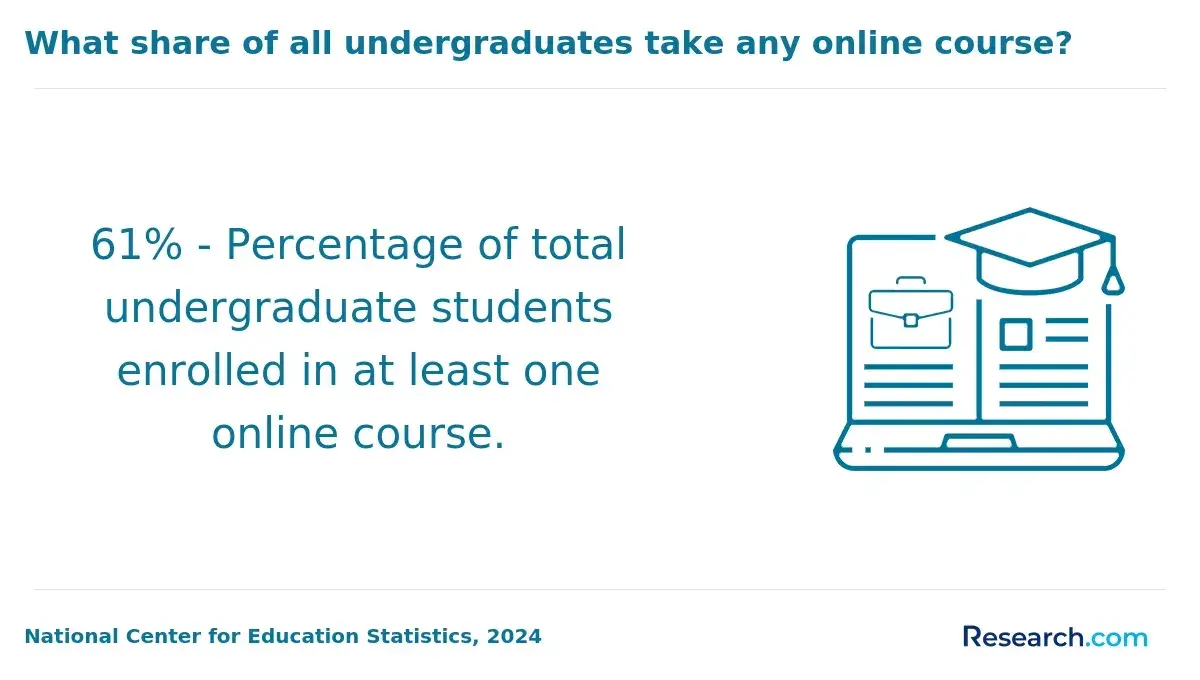
Completion time significantly impacts students' decisions about education, finances, and career goals. Nearly half of online degree students now prefer accelerated options to graduate sooner.
Comparing how long weekly start online degrees take versus self-paced accelerated behavioral health programs reveals key differences in structure and flexibility.
- Term Length: Weekly start programs operate on fixed academic terms, often 8 to 16 weeks long. This structure means students follow a steady, predictable schedule, typically completing degrees within 18 months to 4 years depending on the degree level.
- Pacing Control: Self-paced behavioral health degrees let students set their own speed, allowing quicker or slower progress based on personal availability. This flexibility can reduce completion time to as little as 12 to 24 months for bachelor's degrees, but requires strong self-motivation.
- Credit Load: Weekly start learners usually take a set number of credits per term, limiting acceleration. In contrast, self-paced students may carry heavier credit loads or intensify study periods to finish faster.
- Transfer Credits: Both formats value transfer credits, but self-paced programs often offer more seamless credit integration, aiding faster progression.
- Enrollment Flexibility: Weekly start programs open enrollment at regular intervals, providing routine but less frequent entry points. Self-paced formats allow continuous enrollment, enabling students to start immediately and maintain momentum.
After speaking with a professional who completed a self-paced accelerated online behavioral health degree, he shared that "managing the freedom to progress at my own pace was both liberating and demanding." He faced challenges balancing coursework with work and family but appreciated the ability to speed up during less busy periods.
"I had to be very disciplined, setting my own deadlines and sometimes pushing through intense study bursts. It wasn't easy, but the faster completion meant I could advance my career without the long wait typical of traditional courses."
This firsthand experience highlights how self-paced programs can radically alter the timeline while requiring commitment beyond a fixed schedule.
How Flexible Are Weekly Start Online Degrees vs Self-Paced Accelerated Behavioral Health Programs?
Flexibility is crucial for students juggling work, family, and other responsibilities, as it affects their ability to stay on track with studies. Weekly start online degrees allow learners to begin courses every week with a structured timeline, while self-paced accelerated behavioral health programs let students set their own schedule and speed.
Comparing these options highlights how each supports different learning needs.
- Scheduling control: Weekly start programs require students to follow fixed weekly deadlines, promoting consistency. Self-paced programs provide complete freedom to choose when to study, accommodating varying personal schedules.
- Pacing speed: In weekly start degrees, pace is predetermined by the curriculum schedule, maintaining a steady progress rate. Self-paced learners can speed up or slow down their studies depending on their availability and goals.
- Start dates: Weekly start programs enroll students every week, allowing frequent entry points. Self-paced options allow enrollment at any time, offering continuous access without formal start windows.
- Assignment deadlines: Weekly start students must submit work according to regular deadlines to keep pace. In self-paced programs, deadlines can often be adjusted or extended to match student needs.
- Instructor interaction: Weekly start formats typically include scheduled discussions or feedback sessions to foster engagement. Self-paced learners may experience less direct contact with instructors.
- Progress flexibility: Self-paced behavioral health students can pause or accelerate their studies based on personal circumstances. Weekly start programs generally do not permit pausing without disrupting the course flow.
Are Self-Paced Accelerated Behavioral Health Degrees Harder Than Weekly Start Online Programs?
Perceptions of difficulty greatly influence how students select between self-paced accelerated and weekly start online behavioral health degree formats. Students often weigh these views against their motivation and time management skills, which can affect academic success.
Comparing key factors sheds light on how each format challenges learners differently.
- Workload intensity: Self-paced accelerated programs typically demand more work within shorter periods, increasing pressure on students to keep up, whereas weekly start programs spread assignments more evenly across weeks, reducing short-term overload.
- Pacing expectations: Self-paced learners set their own deadlines and must maintain consistent momentum independently, while weekly start students follow a set schedule with defined start dates, allowing for predictable progress.
- Self-discipline required: High self-motivation is essential in accelerated self-paced formats since there is less external structure; weekly programs offer built-in support through regular deadlines, helping those who benefit from guided pacing.
- Assessment structure: Self-paced students encounter frequent and flexible assessments to meet fast timelines, which can be intense; weekly start students face more routine and spaced evaluations that help with steady preparation.
- Instructor interaction: Opportunities to communicate with instructors tend to be limited in self-paced courses, sometimes leading to feelings of isolation, while weekly formats provide more consistent instructor engagement and peer interaction.
When discussing these differences with a graduate of a weekly start online behavioral health program, she described the experience as challenging yet manageable. She noted how the regular rhythm of weekly modules helped her build a reliable study habit and reduce anxiety about deadlines.
"Knowing there was a set schedule made it easier to stay motivated," she said, emphasizing the benefit of ongoing instructor feedback. However, she also admitted moments of stress during exam weeks but appreciated the clear structure that prevented feeling overwhelmed.
Reflecting on the comparison, she felt weekly start formats balanced flexibility with necessary support, making her journey demanding but ultimately rewarding.
How Does Grading Differ Between Weekly Start Online vs Self-Paced Accelerated Behavioral Health Programs?
Grading methods play a crucial role for students when considering workload, academic stress, and how they track their learning progress. These grading practices influence how often assessments occur, the pace of feedback, and how flexible deadlines are, all affecting overall academic experience.
Comparing weekly start online Behavioral Health programs with self-paced accelerated ones reveals key differences in these aspects.
- Assessment frequency: Weekly start programs typically require students to complete assignments every week or every two weeks, maintaining a continuous rhythm of evaluation. In contrast, self-paced accelerated programs offer fewer assessments that are broader in scope.
- Mastery requirements: In weekly start formats, students are often expected to master specific topics before moving forward, ensuring comprehension at each step. Self-paced formats allow mastery to be demonstrated more flexibly, enabling learners to progress at individualized intervals without rigid gatekeeping.
- Pacing of evaluations: Structured weekly start courses follow a fixed calendar, which dictates when evaluations must be completed. Conversely, self-paced programs empower students to schedule assessments themselves, investing in a more adaptable timeline aligned with their personal pace.
- Feedback timing: Weekly start programs usually provide prompt and consistent feedback shortly after each assignment, supporting steady academic momentum. Self-paced programs may have variable feedback times, sometimes with delays, as assessments are reviewed asynchronously and on a less predictable schedule.
- Grading flexibility: Due to strict deadlines in weekly start courses, grading policies tend to be less flexible, often penalizing late submissions. Self-paced programs offer greater leniency, accommodating varied completion times in ways that require strong learner discipline and self-management.
Breakdown of Private Fully Online Nonprofit Schools

How Does Tuition Compare Between Weekly Start Online and Self-Paced Accelerated Behavioral Health Programs?
Tuition models are key factors affecting affordability and planning when selecting online behavioral health degree programs. Understanding how different payment structures impact cost and study pace helps students make informed decisions aligned with their needs and budgets.
- Pricing Structure: Weekly start online programs usually charge tuition per credit hour, allowing students to pay incrementally as they enroll in courses. Self-paced accelerated programs often require a flat-rate payment for a defined term, such as six or twelve months, covering all coursework within that period.
- Time-to-Completion: Weekly start formats offer flexibility to extend studies over time, which may increase overall tuition if progress is slow. Accelerated programs encourage faster completion, potentially reducing total costs but demanding more intensive commitment from students.
- Cost Predictability: Paying per credit hour provides predictable, manageable expenses based on course load, while flat-rate tuition in accelerated formats can mean higher upfront costs but consistent price regardless of pace.
- Course Intensity: Self-paced accelerated programs often require concentrated study periods and higher workload intensity compared to the more spread-out schedule of weekly start courses.
- Additional Fees: Accelerated options may include fees for specialized learning supports or resources to aid rapid progression, which are less common in weekly start models.
- Transfer Credits and Prior Learning: Both formats benefit from accepting transfer credits or prior learning assessments, which can significantly lower total tuition by shortening duration and reducing required credits.
Do Weekly Start Online Behavioral Health Degrees Offer More Instructor Support Than Self-Paced Accelerated Programs?
Instructor support and academic guidance play a pivotal role in student success within online behavioral health degree programs. These elements influence engagement, learning quality, and ultimately, retention.
Timely and structured interaction encourages persistence and deeper understanding for students navigating these online environments.
Below are key distinctions in instructor support between weekly start online behavioral health degrees and self-paced accelerated programs:
- Instructor Availability: Weekly start programs offer more regular and predictable access to instructors due to fixed schedules, whereas self-paced accelerated behavioral health programs often provide more limited direct contact.
- Response Times: In weekly start formats, students usually receive feedback and answers within 24 to 48 hours, supporting steady academic progress. Self-paced learners may experience longer waits of several days to a week.
- Structured Interaction: Weekly programs incorporate scheduled activities and live sessions fostering engagement. Self-paced formats emphasize independent study, with less structured communication.
- Live Communication Opportunities: Students in weekly start classes benefit from live discussions and group work. Self-paced options rarely offer such synchronous interactions.
- Academic Advising Touchpoints: Routine advising is common in weekly start programs, helping guide student progress, while self-paced students must seek guidance proactively and more independently.
- Student Independence: Self-paced accelerated behavioral health programs require high self-motivation due to reduced real-time support and fewer set deadlines.
Prospective students exploring the difference between these formats may also consider options like the easiest bsn program to assess overall support structures that match their learning preferences and goals.
Do Employers Prefer Weekly Start Online or Self-Paced Accelerated Behavioral Health Degrees?
Employer perception of online behavioral health degree programs plays a crucial role in shaping career opportunities and hiring outcomes. Employers look beyond academic credentials to evaluate candidates' time management, discipline, and collaboration skills, which often reflect the nature of the degree format they completed.
- Perceived rigor of weekly start programs: Employers may view weekly start online behavioral health degrees as more rigorous due to structured schedules and fixed deadlines. This pacing mimics traditional academic and workplace environments.
- Flexibility and self-motivation in self-paced programs: Self-paced accelerated programs highlight a student's ability to manage their own time and progress rapidly. However, some employers question whether these programs adequately develop teamwork and real-world soft skills given the limited peer interaction.
- Timely completion and workforce alignment: Weekly start programs encourage on-time progression and completion, aligning with many employer preferences for reliable and predictable timelines. This structure can reassure employers about a candidate's ability to handle job responsibilities effectively.
- Collaboration skills demonstrated: The cohort-based format of weekly start degrees fosters collaboration and communication skills, which employers highly value. Conversely, self-paced formats may offer fewer opportunities for teamwork, raising concerns about practical application of these skills.
- Employer reservations about fully self-paced programs: A significant number of employers remain hesitant about the acceptance of fully self-paced accelerated behavioral health degree employer acceptance, fearing it may lack exposure to critical professional experiences.
For students weighing their options, understanding these employer preferences for weekly start behavioral health degrees is essential. While both formats can lead to successful careers, students may also consider exploring options like the cheapest bsn programs online for related cost-effective pathways in healthcare education.
Is There a Salary Difference Between Weekly Start Online vs Self-Paced Accelerated Behavioral Health Degrees?
Salary outcomes for graduates of behavioral health degree programs vary due to multiple factors, with a 2022 labor study showing that completing a degree six months earlier can potentially increase annual earnings by up to 5% in the first years after graduation.
Understanding these salary differences is particularly important for students comparing weekly start online behavioral health degree salary outcomes with those from self-paced accelerated behavioral health degree earnings.
- Employer Perception: Weekly start online programs often emphasize structured schedules and teamwork, which employers may value when considering offers. In contrast, self-paced accelerated formats highlight initiative and discipline but may prompt questions about collaborative experience.
- Time-to-Completion: Accelerated programs allow students to enter the workforce sooner, speeding up salary growth potential. Even a few months' advantage in time-to-completion can translate into earlier paid employment and valuable work experience.
- Skills and Competencies: Salary differences often reflect the specific skills and competencies acquired rather than program format alone. Programs that offer practical training and competencies valued by employers can lead to more competitive salary offers regardless of pacing.
- Career Advancement Opportunities: Structured weekly programs may better support networking and collaborative projects that facilitate career progression. However, self-paced programs attract self-motivated learners who might pursue advancement through demonstrated initiative and discipline.
- Return on Investment: The financial benefits of entering the workforce earlier in accelerated programs must be balanced against individual learning preferences and job market conditions.
For those exploring the cost aspect alongside potential earnings, identifying the cheapest dnp programs can further inform decisions about maximizing both education value and salary outcomes.
What Graduates Say About Their Weekly Start Online Degrees vs Self-Paced Accelerated Behavioral Health Degrees
- Arthur: "Choosing the weekly start online behavioral health degree was a game-changer for me. The structured schedule kept me motivated, and spreading out the tuition fees made it manageable without overwhelming my finances. Since graduating, I've quickly moved up in my counseling role and feel confident in my professional growth. "
- Roger: "I opted for the self-paced accelerated behavioral health program because I needed flexibility to juggle work and family. Financing it required some sacrifices, but the total cost was worth every penny given how fast I completed the degree. It opened doors for advanced certifications and expanded my clinical expertise significantly. "
- Miles: "The weekly start online program appealed to me since it offered steady progress alongside my job. Although the average cost was a concern, I utilized employer tuition assistance to ease the expense. This degree has elevated my credibility and allowed me to take on leadership responsibilities in my behavioral health practice. "
Other Things You Should Know About Behavioral Health Degrees
Switching between weekly start and self-paced accelerated behavioral health programs is generally possible but depends on the institution's policies. Some schools allow students to transfer credits and change formats mid-program, while others require completion of the chosen format once enrolled.
Students should check with academic advisors to understand transferability and any potential impacts on graduation timelines.
In 2027, both weekly start and self-paced accelerated Behavioral Health degree programs generally require a reliable internet connection and a computer compatible with online learning platforms. However, some self-paced programs might offer mobile app access for flexible learning, while weekly start programs often need synchronous communication tools for scheduled classes.
Weekly start programs often provide regular online synchronous sessions, aiding networking through regular peer and instructor interaction. Self-paced programs, while flexible, may offer fewer real-time networking opportunities, relying heavily on discussion forums and occasional live events to facilitate connections among students and faculty.
References
- A Guide to Online Behavioral Health Courses: Flexibility and Quality Education https://behavioralassistant.com/post/a-guide-to-online-behavioral-health-courses-flexibility-and-quality-education
- Self-Paced Learning: Insider Advice Students Need to Succeed https://www.rasmussen.edu/student-experience/college-life/self-paced-learning-advice/
- Fastest Online Master's In Counseling Programs https://www.psychology.org/counseling/fastest-online-degrees/
- Fastest Accelerated Online Associateâs of Counseling Degree Programs | Academic Influence https://academicinfluence.com/rankings/fastest-online-associate-counseling
- Picture an Online Degree at Your Own Pace https://www.snhu.edu/about-us/newsroom/education/picture-an-online-degree-at-your-own-pace
- Online vs Hybrid vs Campus Learning in Healthcare: Which Is Right for You? https://www.edumed.org/articles/online-vs-hybrid-vs-campus/
- Getting Ahead: Advantages of an Accelerated Semester | American College of Healthcare Sciences https://achs.edu/blog/getting-ahead-advantages-of-an-accelerated-semester/
- Part-Time Psychology Degree Options: Work While You Study https://careersinpsychology.org/part-time-psychology-degree/


