2027 What Can You Do with a Communication Master's Degree? Careers, Salaries & Growth

Co-Founder and Chief Data Scientist
Many prospective students struggle to assess the true value of a communication master's degree amid growing educational options and workforce demands. Recent data shows that employment for communication specialists is projected to grow 10% from 2022 to 2032, faster than the average for all occupations. However, salaries vary widely, with median annual earnings around $80,000 depending on industry and region.
This article offers a detailed analysis of program types, admission criteria, career paths, and salary expectations. It will also compare online versus campus learning, highlight financing options, and identify certifications, helping readers make informed decisions about investing in a communication master's degree.
Key Things to Know About What You Can Do with a Communication Master's Degree
- Programs typically require a bachelor's degree, recommend relevant experience, and offer flexible formats including online and on-campus options to accommodate diverse student needs and schedules.
- Graduates find roles in public relations, marketing, corporate communication, and media, with median salaries around $65,000, varying by industry and geographic location.
- Communication careers project steady growth, with salary potential increasing significantly after five years; comparing program cost, reputation, and certification opportunities is vital for long-term success.
What Are the Admission Requirements for a Communication Master's Program?
Preparing the standard prerequisites for admission into a communication master's program is essential for a smooth application process and to meet institutional expectations. Applicants who understand these criteria can better position themselves for acceptance and success. Below are key requirements to consider when planning for enrollment in a communication master's degree.
- Relevant Undergraduate Degree: Most programs require a bachelor's degree from an accredited institution, preferably in communication, journalism, marketing, or related fields. This foundational knowledge ensures students are prepared for graduate coursework.
- GPA Thresholds: A minimum GPA of around 3.0 on a 4.0 scale is common, though some schools may have higher or slightly lower standards depending on competitiveness.
- Standardized Tests: GRE or GMAT scores are often requested, but many universities have made these tests optional, reflecting a trend accelerated by the COVID-19 pandemic. However, some specialized or highly competitive programs still require them or weigh them significantly.
- Supplementary Materials: Applicants typically submit two to three letters of recommendation from academic or professional sources, a personal statement outlining career goals and motivation, and relevant writing samples demonstrating their academic and professional readiness.
- Field-Specific Requirements: Certain concentrations within communication, such as public relations or digital communication, may have additional prerequisites like relevant coursework or work experience tailored to that specialization.
Employment in communication-related roles is projected to grow 8% from 2022 to 2032, indicating robust demand and salary growth potential. Prospective students exploring admission criteria for a communication master's program admission criteria might also consider comparing on-campus and online options for program delivery. For guidance on cost and flexible learning, reviewing resources on online degrees in AI can provide insights into affordable program structures across disciplines.
What Is the Minimum GPA Requirement for a Communication Master's Program?
Prospective students often wonder about the minimum GPA requirement for communication master's programs, as this is a key factor in determining admissions eligibility. Typically, programs look for an average GPA needed to get into a communication graduate program of 2.75 to 3.0 on a 4.0 scale. While GPA is important, many programs consider additional application elements to better assess a candidate's potential. The communication field's growth rate, projected at 10% through 2032 by the U.S. Bureau of Labor Statistics, also highlights the value of advanced credentials. Below are essential points regarding GPA requirements and admissions flexibility.
- Typical GPA Range: Most communication master's programs require a minimum GPA between 2.75 and 3.0, which serves as an initial academic threshold for consideration.
- Program Variability: Requirements vary by institution type and program prestige; private universities often set higher GPA standards than public ones.
- Holistic Admissions: Many programs assess professional experience, standardized test scores, and personal statements to offset lower GPAs in their decision-making process.
- GPA Is One Factor: Admissions committees evaluate multiple components, ensuring GPA is only part of an applicant's overall competitive profile.
- Field Growth and Demand: Due to rising demand, students may explore related fields and options, such as accelerated psychology programs, which align with communication skills while offering alternative pathways.
How Much Does a Communication Master's Degree Cost and How Can You Finance It?
Getting a clear picture of the financial demands associated with a communication master's degree helps prospective students prepare and manage their budgets wisely. Below are essential factors to consider when assessing costs and funding options for these programs.
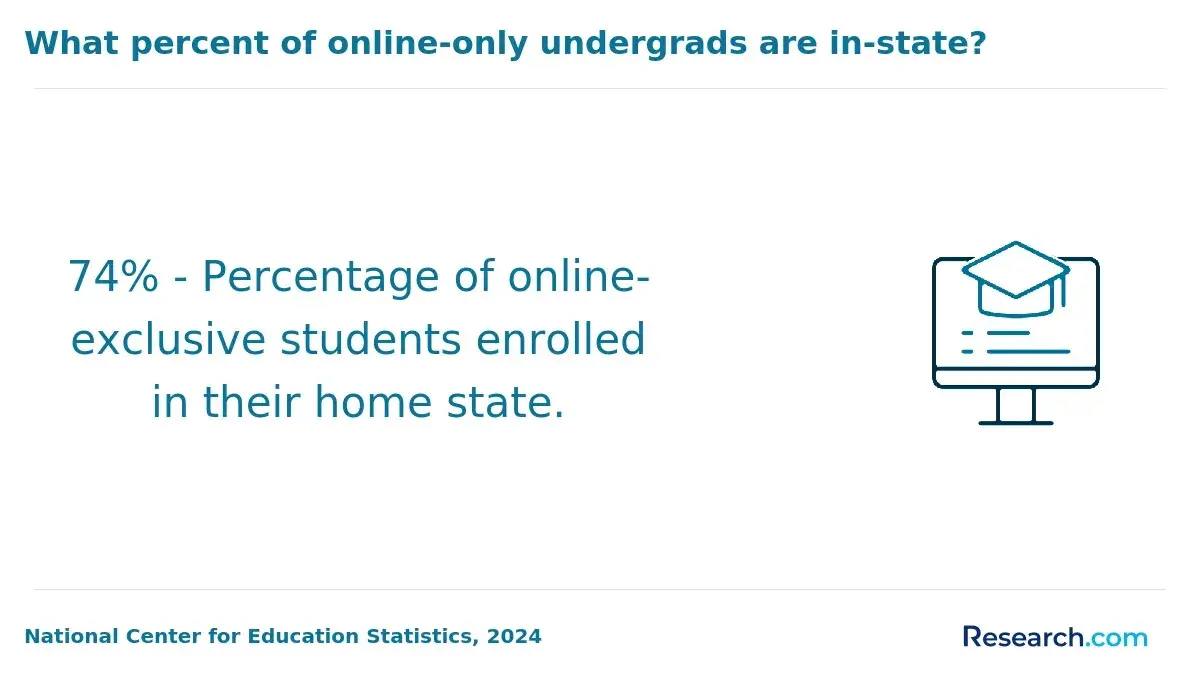
- Cost Breakdown: Tuition varies significantly across public, private, and online institutions. Public universities usually offer more affordable rates, especially for in-state students, with annual tuition between $8,000 and $20,000. Private programs commonly exceed $30,000 yearly. Additional expenses include fees, housing, and potential income loss from studying full-time.
- Funding Opportunities: Many rely on scholarships, fellowships, and graduate assistantships to reduce expenses. Federal loans are widely used, and working students may benefit from employer tuition reimbursement, easing financial pressures during part-time study.
- Debt Minimization Strategies: Securing departmental fellowships or assistantships can substantially cut tuition costs. Opting for in-state public schools, part-time enrollment, or online formats further lowers spending, while teaching or research roles offer stipends that offset living costs.
- Return on Investment (ROI): Comparing the program's total cost against expected salary growth is vital. Graduates in fields like corporate communication and public relations often see median earnings between $60,000 and $90,000, making ROI calculations crucial for financial planning.
A graduate of a communication master's program shared how balancing work and study was challenging but rewarding. He emphasized that applying early for assistantships made a big difference in reducing debt. "I carefully planned my budget, and the stipend from my teaching assistantship covered much of my living expenses," he reflected. Although managing a full workload required sacrifices, earning the degree opened doors to higher-paying roles in his industry. He advised future students to explore all funding avenues thoroughly and remain flexible with their study options to ease financial stress.
How Long Does It Take to Earn a Communication Master's Degree?
When planning to pursue a communication master's degree, knowing the typical duration helps students set realistic goals and expectations. Program length varies widely based on enrollment status, format, and curriculum choices. Below are key factors that typically influence how long it takes to complete a communication master's degree program in the United States.
- Full-Time Enrollment: Most full-time students finish within 1.5 to 2 years, maintaining a consistent course load each semester without interruption. This pathway suits those who can dedicate substantial time to their studies.
- Part-Time and Online Programs: These options often extend completion time to 3 or 4 years, offering greater flexibility for working professionals or those balancing other commitments. The duration depends heavily on how many credits students can take per term and their individual pacing.
- Accelerated and Combined Pathways: Some institutions provide accelerated tracks or combined bachelor's/master's degrees, enabling motivated students to reduce study time-sometimes completing in just over a year. These routes frequently require dedicated planning and intense coursework.
- Transfer Credits: Students bringing in applicable graduate or undergraduate credits may shorten their program length significantly, allowing them to bypass certain courses and focus on advanced material.
- Thesis vs. Non-Thesis Tracks: Thesis tracks generally add time due to research and writing requirements. Non-thesis options emphasize coursework and practical experience, which can shorten the path to graduation.
- Internships and Practicums: Some programs mandate internships or practicums, which might extend completion time because of scheduling or availability, though these experiences enhance professional readiness.
Considering the average duration of communication master's programs in the United States can help students align their career goals with educational commitments. For those exploring the financial implications and career outcomes, it can be helpful to review the easiest college majors with high pay as a complementary resource.
What Career Paths Are Available with a Communication Master's Degree?
This overview offers prospective students insight into the diverse career opportunities available to those holding a master's degree in communication. It outlines how this advanced degree can lead to roles within the core communication field as well as related areas, emphasizing pathways from early career positions to leadership roles. Below is a summary of key career aspects associated with this degree.
- Core Communication Roles: Graduates frequently begin in specialist positions such as communication coordinators, public relations managers, or media analysts, where they focus on message development, brand management, and audience engagement.
- Adjacent Fields: Skills gained translate well into marketing, human resources, and organizational development, with common roles including content strategists and digital marketing consultants. The ability to craft effective messaging is highly sought after in these sectors.
- Career Progression: Many start as individual contributors involved in media relations or content creation. Over time, experience combined with communication expertise can lead to managerial and executive roles such as communications director or chief communications officer.
- Industry Demand: Employers span government agencies, nonprofit organizations, private sectors like technology and healthcare, and academia. Each values clear communication for public outreach, advocacy, corporate reputation, and education.
- Employment Growth: According to labor statistics, communication-related occupations are expected to grow steadily over the coming decade, indicating consistent demand for qualified graduates.
A graduate I spoke with shared that pursuing a master's in communication eased their transition from entry-level roles into leadership. They described initial challenges during job searches due to high competition but credited the degree for building critical analysis and strategic messaging skills that set them apart. Over time, gaining hands-on experience and leveraging advanced coursework helped them secure a managerial position overseeing internal communications, making the career path more navigable than anticipated.
What Is the Average Salary for Communication Master's Degree Holders?
Salary levels for individuals with a communication master's degree vary widely, influenced by experience, location, employer type, and industry. Compensation typically rises with career progression, and holders of this advanced degree tend to earn more than those with only a bachelor's. Additional factors such as bonuses, benefits, and equity also shape total earnings. Key salary considerations include the following:
- Entry-Level Salaries: Graduates starting their careers usually see annual pay ranging from $50,000 to $65,000, depending on factors like employer and region. Jobs in the public sector often begin at slightly lower salaries but may offer superior benefits packages.
- Mid-Career Earnings: Professionals with five to ten years' experience often earn between $70,000 and $90,000. Metropolitan areas and large companies generally offer higher wages compared to rural or government positions.
- Senior-Level Compensation: Experienced communication managers and experts can earn $100,000 to $130,000 or more, particularly in sectors like technology, healthcare, and consulting where demand is strong.
- Impact of Location: Salaries are notably higher in major cities such as New York, San Francisco, and Washington, D.C., reflecting cost of living and business hubs concentrated in these areas.
- Industry and Employer Type Differences: Private sector roles generally provide higher base salaries and more bonuses, while nonprofit and government jobs often offer better retirement and health benefits.
- Salary Premium for Master's Degrees: Holding a master's degree typically results in 10% to 20% higher pay compared to bachelor's degree holders, acknowledging advanced skills and leadership capacity.
What Professional Certifications Complement a Communication Master's Degree?
Several professional certifications effectively complement a communication master's degree, enhancing both career prospects and earning potential. Pursuing these credentials strategically-whether during or immediately after the master's program-can maximize learning synergy and boost competitiveness in early job searches. Experienced professionals may also find value in certifications later on to validate skills and advance careers.
Below is a summary of key certifications, their credentialing bodies, eligibility criteria, exam formats, renewal processes, and the specific market value they add. This overview can help graduates identify the best certification programs to complement a communication master's degree.
- Accredited in Public Relations (APR): Offered by the Public Relations Society of America (PRSA), APR requires candidates to have a bachelor's degree plus five years of public relations experience or a master's degree with less experience. The exam combines case studies, multiple-choice questions, and essays. Renewal entails completing 60 hours of continuing education every three years. Employers in PR firms, corporate communications, and nonprofit sectors highly value APR for indicating advanced expertise and ethical standards.
- Certified Communication Professional (CCP): This credential, provided by the International Association of Business Communicators (IABC), demands relevant work experience and passing a comprehensive exam covering strategic communication, ethics, and communication technologies. Renewal involves ongoing professional development credits. CCP certification is preferred for roles in corporate communication, internal communication, and consulting.
- Certified Digital Marketing Professional: Administered by the Digital Marketing Institute, this certification requires passing an online exam on digital marketing strategies, social media, SEO, and analytics. It is ideal for graduates targeting roles in digital content strategy or marketing communication, an area growing alongside traditional communication specializations.
Salary surveys indicate that professionals holding these certifications commonly earn 10-20% higher incomes than their non-certified counterparts. For those balancing work and study, community colleges near me often offer foundational courses that can help prepare for these certifications before pursuing a master's degree.
What Are the Top Industries Hiring Communication Master's Degree Graduates?
For prospective students pursuing a master's degree in communication, understanding the top industries hiring graduates is essential for targeted career planning. Each sector offers distinct opportunities, requiring specialized skills and certifications that can improve job prospects. The following list outlines major employers and growing fields for communication graduates.
- Corporate Sector: Large corporations and consulting firms often employ communication specialists to handle internal messaging, corporate social responsibility, and executive communications. Common roles include communication managers and employee engagement specialists, with expertise in stakeholder relations and change management certification highly valued.
- Public Relations and Advertising: Agencies of all sizes recruit for positions such as public relations specialists, media coordinators, and campaign strategists. Proficiency in digital analytics and social media management, along with credentials like Accredited in Public Relations (APR), strengthens candidate appeal.
- Healthcare: Hospitals and health organizations increasingly seek communication professionals for patient education and crisis communication. Familiarity with healthcare regulations and health communication certification provides a competitive edge.
- Media and Journalism: Graduates take on content production, editing, and digital strategy roles, responding to the evolving demands of streaming platforms and multimedia storytelling.
- Technology: This emerging sector hires communication experts to simplify complex technical content for varied audiences. Skills in technical writing and user experience communication are particularly useful.
- Industry Targeting Strategies: Students should pursue internships aligned with their desired sector, engage in relevant coursework to build specialized skills, and participate in networking events to connect with industry professionals.
What Are the Highest-Paying Jobs for Communication Master's Degree Holders?
Identifying the highest-paying career opportunities is essential for those pursuing a master's degree in communication, as it helps guide investment in both education and experience. These positions typically blend advanced skills with leadership, requiring several years in the field. Understanding salary expectations, key responsibilities, and credential requirements supports better career planning for graduates.
Below are some prominent high-earning roles for communication master's degree holders, highlighting job duties, necessary expertise, and factors influencing compensation.
- Corporate Communications Director: Earning median salaries above $120,000, this role involves directing internal and external messaging for large organizations. Candidates benefit from over five years of experience and specialized public relations knowledge, often strengthened by certifications like the Accreditation in Public Relations (APR). Responsibilities include brand management, media engagement, and handling crisis communications.
- Public Relations Executive: With median pay near $110,000, senior PR professionals lead strategic campaigns that shape organizational image. Strong writing skills, media interaction, and resilience in high-pressure settings are vital. A master's degree combined with solid experience is especially valued in competitive urban markets.
- Market Research Director: Professionals in this position can earn up to $115,000 by overseeing research strategies that inform marketing and development efforts. Essential skills include data analysis, proficiency with research software, and leadership. Higher salaries are common in tech and healthcare sectors, particularly in states like California and New York.
- Human Resources Communication Manager: This role, with salaries between $90,000 and $110,000, focuses on employee engagement and internal communications, blending communication expertise with human resource knowledge. Certifications such as the Professional in Human Resources (PHR) often complement the master's degree.
- University Communication Head: Leading communications at colleges or universities involves managing media relations, alumni outreach, and public relations, with salaries ranging from $90,000 to $105,000. Higher compensation often correlates with advanced degrees like doctorates and is influenced by institution location, with urban universities paying more.
What Is the Job Outlook and Employment Growth for Communication Professionals?
Job prospects for communication professionals remain robust, supported by positive employment projections for communication professionals 2024-2034. Those with a communication master's degree job growth in the United States can expect a field expanding faster than the national average, driven by diverse economic and technological trends.
- Faster Than Average Growth: The U.S. Bureau of Labor Statistics forecasts an 8% to 13% increase in occupations related to communication, such as public relations specialists, technical writers, and market research analysts, outpacing the average growth of about 5% for all occupations.
- Technological Adaptation: Advances in data analytics and multimedia storytelling are reshaping communication roles, requiring graduates to master new digital tools alongside traditional skills.
- Automation Impact: While automation may reduce routine tasks, it increases demand for strategic planners and creative problem-solvers, emphasizing human expertise in communication strategy.
- Globalization and Policy: Growing international markets boost the need for cross-cultural communication expertise, whereas changes in data privacy laws affect compliance roles and strategic messaging.
- Digital Content Demand: Expansion of social media platforms and corporate focus on brand management continue to drive the need for skilled communicators.
Prospective students should consider these factors alongside program options, including online masters for data science, which demonstrate the growing intersection of communication and data-driven disciplines in modern careers.
What Skills and Competencies Does a Communication Master's Program Develop?
For prospective students, understanding the skill set developed in a Communication master's program is crucial as it directly impacts career potential across diverse sectors. The curriculum systematically cultivates both technical abilities and interpersonal talents, equipping graduates for varied professional roles.
- Technical Proficiency: Students master digital media platforms, utilize data analysis tools, and learn research methodologies such as surveys and content analysis. These capabilities enable the design of strategies grounded in evidence and facilitate precise measurement of communication outcomes.
- Soft Skill Development: Leadership, critical thinking, problem-solving, and refined interpersonal communication are emphasized. These qualities foster adaptability and effective collaboration, making graduates versatile in fields like marketing, public relations, healthcare, and corporate environments.
- Experiential Learning Opportunities: Real-world application through internships, case studies, simulations, and group projects strengthens practical decision-making and crisis management skills. This hands-on experience bridges theoretical knowledge with workplace demands.
- Employer-Valued Competencies: Strategic thinking, clear and impactful messaging, and teamwork consistently rank as top attributes sought by employers when recruiting communication professionals. These competencies underline the degree's relevance to career flexibility and progression.
What Graduates Say About Their Communication Master's Degree
- Amelia: "Applying for admission to the online communication master's program was daunting at first, but thorough research eased the process. I spent considerable time navigating through accredited institutions to ensure the program met federal education standards. Relying on official academic catalogs really clarified the degree requirements, making my journey far more manageable and rewarding."
- Sofie: "I approached the communication master's degree with a reflective mindset, understanding that the path ahead required careful consideration. Exploring different programs offered by accredited institutions helped me weigh the best options aligned with my career goals. Using accrediting agencies and federal resources provided confidence that I was learning within a credible and recognized framework, which was essential for my future professional reputation."
- Oswald: "My experience with the communication master's program was highly professional and structured. From the initial application phase to completing the degree, I relied heavily on academic catalogs and official education portals to keep track of requirements. Identifying institutions with proper accreditation ensured I invested my time and resources into a program that truly advanced my skills and credentials."
Other Things You Should Know About Communication Degrees
In 2027, career opportunities for those with a Communication master's degree include roles in public relations, digital marketing, corporate communication, and media management. Graduates can also explore careers as communication strategists or consultants, where the demand for effective communication skills continues to grow.
Choosing between online and on-campus programs depends on individual circumstances like work commitments, learning preferences, and geographic location. Online programs offer flexibility and accessibility, making them ideal for working professionals or international students. In contrast, on-campus programs often provide more direct interaction with faculty, networking opportunities, and campus resources. Both formats deliver quality education, so candidates should weigh their personal needs and goals carefully.
Top schools for a master's in communication typically have strong faculty, diverse specializations, and solid industry connections. Programs at universities known for their communication studies or media departments generally provide comprehensive curricula focused on theory, research, and practical application. Prospective students should research program rankings, faculty expertise, alumni outcomes, and options for internships or experiential learning when selecting a school.
References
- How Long is an Online Master’s in Communication Program? https://www.onlineeducation.com/communication/faqs/how-long-to-earn-a-communications-masters-degree-online
- Marketing vs communications degree: Which master's is right for you? | edX https://www.edx.org/resources/should-you-get-a-masters-degree-in-marketing-or-communications
- Admissions Requirements for Master's in Communication Programs (Campus, Online) https://www.mastersincommunications.com/faqs/admissions-requirements
- Jobs for Communications Graduates: Top 12 Best Across Industries https://www.betterup.com/blog/jobs-for-communications-graduates
- What is a master's degree in communication and how do I get in? - Sup de Pub https://www.supdepub.com/en/guide/what-is-a-masters-degree-in-communication-and-how-do-i-get-in/
- Industries & Fields - Vault https://vault.com/industries/communications/industry-outlook
- Are There Any Professional Certifications for Communications? - Best Communications Degrees https://www.bestcommunicationsdegrees.com/faq/are-there-any-professional-certifications-for-communications/
- Why Study Communication? Jobs for Master’s in Communication Graduates https://www.snhu.edu/about-us/newsroom/liberal-arts/jobs-for-masters-in-communication-graduates
- Top Careers for Business Communication Graduates this 2025 https://www.eseibusinessschool.com/top-careers-business-communication/
- What to expect from the comms job market in 2025 - PR Daily https://www.prdaily.com/what-to-expect-from-the-comms-job-market-in-2025/