2027 What Can You Do with a Creative Writing Master's Degree? Careers, Salaries & Growth

Co-Founder and Chief Data Scientist
Many prospective students grapple with unclear career paths after earning a creative writing master's degree. Recent studies reveal that only 57% of graduates in the United States secure full-time employment directly related to their field within two years. With growing competition and shifts in the publishing and media industries, understanding potential job roles and salary expectations becomes critical.
This article explores the diverse career opportunities, wage prospects, and employment growth for creative writing master's holders. It also analyzes program formats, admission criteria, costs, and certification options, providing a comprehensive, data-driven guide to help readers make informed decisions about investing in this advanced degree.
Key Things to Know About What You Can Do with a Creative Writing Master's Degree
- Programs typically require a bachelor's degree and a portfolio; they emphasize workshops, literary analysis, and creative production to prepare students for diverse writing careers.
- Graduates can expect median salaries around $60,000, varying by industry and location, with opportunities in publishing, education, marketing, and media.
- Employment growth for writers and authors is projected at 9% through 2032; comparing cost, flexibility, and reputation helps select programs that maximize long-term earning potential.
What Are the Admission Requirements for a Creative Writing Master's Program?
Preparing the necessary prerequisites ensures a smoother admission process for a creative writing master's program. Prospective students should understand typical requirements and expectations, which vary by institution and specialization. Employment for writers and authors is projected to grow 6% from 2021 to 2031, reflecting steady demand for advanced creative writing skills across industries. Below are key admission components to consider when seeking how to qualify for a creative writing master's program:
- Relevant Bachelor's Degree: Most programs require a bachelor's degree in English, literature, creative writing, or related fields. Some institutions may consider applicants with professional writing experience even if their academic background differs.
- GPA Thresholds: A minimum GPA around 3.0 on a 4.0 scale is commonly expected, though this can vary by school. Meeting GPA requirements helps demonstrate academic readiness for graduate study.
- Standardized Tests: GRE scores are sometimes requested but increasingly optional or waived at many schools. GMAT is rarely needed for creative writing programs, so applicants should verify each institution's specific test requirements.
- Letters of Recommendation: Applicants typically submit two or three letters, ideally from mentors or supervisors familiar with their writing abilities and potential in graduate studies.
- Personal Statement: A statement of purpose allows candidates to explain their motivation and goals for pursuing a creative writing master's degree, highlighting their unique voice and commitment.
- Writing Samples: A portfolio showcasing original work such as short stories, poetry, or excerpts is essential to demonstrate style and skill. Some specialized tracks may require experience in niches like screenwriting or nonfiction.
Students exploring options may also consider flexible delivery modes like phd online programs, which can accommodate various schedules and learning preferences.
What Is the Minimum GPA Requirement for a Creative Writing Master's Program?
Knowing the minimum GPA requirement for creative writing master's programs is essential for applicants to evaluate their eligibility and prepare strong applications. Typically, schools set a threshold between 2.75 and 3.0 on a 4.0 scale, but this varies depending on factors like program prestige, institution type, and specialization. Employment for writers and authors is expected to grow by about 2% from 2022 to 2032, making this an important consideration for prospective students. Below are key points summarizing these details:
- Typical GPA Range: Most programs require a GPA between 2.75 and 3.0, but exceptions exist based on various factors.
- Program Variability: GPA standards differ with program prestige, institution type, and focus area.
- Holistic Admissions: Schools often assess applications beyond GPA, including experience and writing quality.
- Alternative Qualifications: Strong test scores, portfolios, or personal statements can offset lower GPAs.
- Job Market Insight: Creative writing careers show steady employment growth, supporting degree value.
Applicants researching minimum gpa requirements for creative writing master's programs should also consider complementary professional certifications that can enhance their credentials. Many students explore related options such as best online certificate programs to strengthen career prospects and financial outcomes alongside their degrees.
How Much Does a Creative Writing Master's Degree Cost and How Can You Finance It?
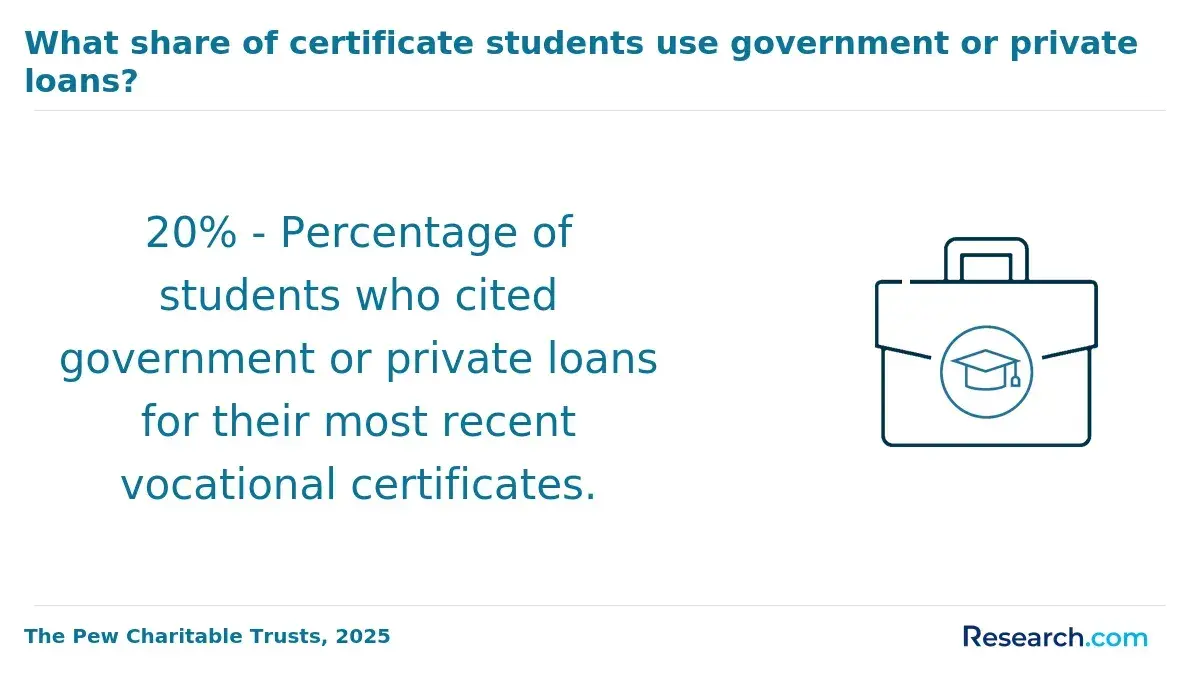
Planning finances before starting a creative writing master's program helps students avoid surprises and manage debt effectively. Knowing both costs and funding options is key to a solid financial strategy. Below are important points to consider when preparing your budget.
- Cost Components: Tuition differs greatly across public, private, and online programs. Public in-state schools typically charge less. Apart from tuition, factor in fees, textbooks, living costs, and lost income if studying full-time. Online programs can cut some expenses like housing but may still require fees.
- Funding Paths: Scholarships, fellowships, and assistantships often provide financial relief. Teaching or research assistantships commonly cover tuition and include stipends. Employer tuition reimbursement programs and federal loans are also options but should be used cautiously to prevent excessive debt accumulation.
- Debt Management: Opting for in-state public institutions and applying for departmental fellowships can reduce loans. Negotiating assistantship agreements for tuition waivers in exchange for work is a valuable strategy to control costs.
- Calculating ROI: Evaluate overall expenses against expected earnings in your chosen subfield. For example, technical writers tend to earn more initially than literary fiction authors. Understanding salary prospects and job growth helps determine if the degree investment makes financial sense.
A graduate of a creative writing master's program shared how navigating the financial side was daunting at first. "Balancing part-time teaching assistantship duties with coursework was challenging but worth it," they said. They emphasized that securing a fellowship helped limit debt and provided motivation to excel academically. Although the cost was significant, the program boosted their skills and opened doors to editorial positions they hadn't thought possible before.
How Long Does It Take to Earn a Creative Writing Master's Degree?
Knowing how long it takes to earn a creative writing master's degree is essential for planning both academic timelines and career goals. The average duration of a creative writing master's program in the US varies significantly based on enrollment status, program structure, and additional requirements. Below are key factors students should consider regarding program length.
- Full-Time Enrollment: Most full-time students complete their creative writing master's within 1.5 to 2 years. This period typically balances intensive writing workshops, literature courses, and thesis preparation, aligning with a standard credit load each semester.
- Part-Time and Online Programs: Students opting for part-time or online study often extend their program to 3 to 4 years. These flexible options accommodate working professionals or those with other commitments, allowing them to manage coursework alongside personal responsibilities.
- Accelerated and Combined Pathways: Some universities offer accelerated tracks or combined bachelor's/master's programs that shorten completion time to about 1 to 1.5 years post-bachelor's. These often require summer sessions or heavier credit loads to expedite graduation.
- Transfer Credits: Applicants who have relevant graduate credits from previous studies may reduce their time by applying these toward degree requirements, sometimes cutting semesters significantly.
- Thesis Versus Non-Thesis Tracks: Choosing a thesis track can lengthen program duration due to research, writing, and defense components, while non-thesis options usually rely on additional coursework or projects and may allow quicker completion.
- Internships and Practicum Requirements: Some creative writing programs incorporate internships or practicum experiences, which can extend time but offer valuable industry exposure, especially in publishing and related fields.
Prospective students exploring these options may also want to consider financial factors and look into resources like an online business degree with financial aid to support their education journey effectively.
What Career Paths Are Available with a Creative Writing Master's Degree?
This overview highlights career possibilities open to graduates with a master's in creative writing, showcasing how the degree equips students for a broad spectrum of roles across sectors. Understanding the main pathways reveals how storytelling, critical thinking, and communication skills translate into diverse professional settings.
- Direct Literary Roles: Graduates often enter careers as authors, editors, or literary agents, focusing on content creation, manuscript development, and publication. These roles usually begin with individual contributor responsibilities, emphasizing skilled writing and editorial expertise.
- Academic Careers: Teaching creative writing or literary analysis at colleges and universities is common. Positions tend to evolve from adjunct or assistant roles to tenure-track opportunities, with potential advancement into administrative and leadership posts within academia.
- Government and Nonprofit Sector: Skills gained through the program apply well to public relations, grant writing, and communications, where precise and engaging messaging is critical. These sectors value the ability to convey complex ideas effectively for various audiences.
- Private Sector and Media: Many find employment with media companies, advertising agencies, and marketing firms as content strategists, freelance writers, or consultants. Experience and networking can lead to managerial or executive opportunities, particularly when combined with project management skills.
- Employment Outlook: According to labor statistics, demand for writers and authors is projected to increase steadily, supporting career stability. While initial roles are contributor based, growth into leadership roles is attainable with experience.
When asked about career opportunities following his master's in creative writing, a graduate shared how the program helped navigate early challenges with confidence. "The coursework sharpened my ability to craft compelling narratives, which was crucial when freelancing and pitching projects," he explained. This foundation made transitioning into diverse roles smoother, reducing uncertainty about professional direction and opening doors that might have otherwise seemed inaccessible.
What Is the Average Salary for Creative Writing Master's Degree Holders?
Salaries for individuals holding a master's degree in creative writing vary widely depending on experience level, location, industry, and employer type. Compensation typically improves with career progression, and additional financial incentives like bonuses, healthcare, and equity can impact overall earnings. Below is a breakdown of key salary insights for those with a master's degree in creative writing:
- Entry-Level Salaries: New graduates usually start with annual pay ranging from $40,000 to $55,000. Urban centers with thriving publishing or academic sectors tend to offer higher starting wages.
- Mid-Career Earnings: Professionals with 5 to 10 years of experience generally earn between $55,000 and $75,000, especially within private enterprises or established media firms.
- Senior-Level Compensation: Experienced roles such as senior editors or creative directors may command salaries from $80,000 to over $100,000, influenced by geography and industry.
- Geographic Influence: Large metropolitan areas like New York and Los Angeles provide higher pay due to demand and living costs, while rural areas may offer less but with benefits like flexibility and lower expenses.
- Employer and Industry Differences: Public institutions and nonprofits often have lower base pay but stronger benefits, whereas private sector companies in entertainment, advertising, or publishing usually offer better salaries and bonus opportunities.
- Master's Degree Salary Advantage: Holding a master's degree in creative writing generally leads to a 10-20% higher salary compared to bachelor's degree holders in related roles, reflecting the value of advanced training and credentials.
What Professional Certifications Complement a Creative Writing Master's Degree?
Professional certifications can greatly boost the market value of a creative writing master's degree by highlighting specialized skills sought by employers. Many graduates and career changers seek the best complementary certifications for creative writing careers to improve job prospects and salary potential. Those pursuing certification during or after their master's program often find it advantageous to align exam preparation with coursework and practical experience such as internships or assistantships. Below is a list of widely recognized certifications that complement a creative writing degree and the strategic value each provides.
- Certified Professional Technical Communicator (CPTC): Offered by the Society for Technical Communication (STC), this credential requires passing a comprehensive exam covering technical communication principles, tools, and project management. Candidates must renew every three years through continuing education or retesting. It is highly valued in industries like publishing, corporate communications, and software documentation, where clear, user-focused writing is essential.
- Editorial Certification from ASJA: The American Society of Journalists and Authors provides this credential primarily through portfolio review rather than an exam, with eligibility based on writing experience. This certification confirms expertise in editorial and freelance writing, helping freelancers and content specialists attract publishers and clients in competitive markets.
- Optimal Timing for Certification: Pursuing certifications during or after completing a master's program is generally advised. Combining coursework and real-world experience allows students to prepare effectively, giving them an edge in demanding job markets such as digital media, academia, and marketing. Employers also look for this commitment to professional growth when hiring creative writing graduates, often correlating with higher salaries and advancement opportunities.
Financial considerations are also important when planning for a creative writing degree and related certifications. Prospective students can explore affordable options, including accredited online programs, to balance cost and quality. For those interested in an online psychology degree cheap, similar affordability strategies can apply when researching creative writing programs and certifications to maximize return on investment.
What Are the Top Industries Hiring Creative Writing Master's Degree Graduates?
Knowing which industries hire the most creative writing master's degree holders helps students focus their career planning and skill development. Various sectors seek these graduates for roles that demand storytelling, content creation, and narrative expertise. Below is an overview of key employers, typical positions, and strategies to maximize job prospects.
- Publishing and Media: This sector leads in hiring writers and authors, including roles such as editors, content developers, and screenwriters. Employers range from small presses to major media conglomerates, where advanced storytelling abilities and literary craftsmanship are prized.
- Advertising and Marketing: Agencies and firms in this field value graduates for their skill in crafting persuasive copy, brand narratives, and campaign messaging. Proficiency with digital marketing platforms and SEO enhances candidate appeal.
- Education: Colleges, universities, and adult education providers employ many graduates as instructors, curriculum specialists, and academic writers. Relevant teaching credentials or certifications improve competitiveness in this arena.
- Emerging Digital Content Sectors: Growing industries like video game narrative design, streaming media, and virtual reality increasingly require creative writers to develop immersive, interactive scripts. This growth reflects a shift toward multimedia storytelling and technology integration.
- Targeted Career Preparation: Students improve their chances by pursuing internships aligned with their desired industry, attending professional networking events, and selecting coursework tailored to specific roles and sectors.
What Are the Highest-Paying Jobs for Creative Writing Master's Degree Holders?
For individuals holding a creative writing master's degree, some career paths offer significantly higher salaries and strong job prospects. Factors such as industry, location, and additional credentials heavily influence earning potential. Gaining insight into these top-paying roles helps graduates plan their professional trajectory and identify which skills and experiences to prioritize. Below are several high-compensation positions commonly pursued by creative writing master's graduates.
- Senior Content Strategist: These professionals oversee the development of content that aligns with brand objectives, typically earning between $85,000 and $110,000 annually. Success in this role requires expertise in project management, SEO, and leadership, with five or more years of experience preferred. Tech companies, marketing firms, and media organizations are the main employers.
- Creative Director: Leading creative vision and managing teams, creative directors can make from $90,000 up to $130,000 each year. This job demands advanced storytelling ability, management skills, and a portfolio of completed projects or extensive industry tenure. Advertising agencies, publishing houses, and entertainment sectors commonly seek candidates with a master's degree and relevant experience.
- Technical Writer Manager: Combining creative and technical writing skills, this managerial role offers salaries near $95,000. It requires subject knowledge-often in software or engineering-and leadership capabilities. Certification like the Certified Professional Technical Communicator (CPTC) adds value, and large corporations in technology and manufacturing lead the market for these positions.
- University Lecturer or Assistant Professor: Academic roles in creative writing can vary widely, with pay ranging from about $50,000 to over $100,000, depending on rank and institution. Candidates need a master's degree at minimum, with doctoral degrees enabling access to tenure-track roles and higher compensation, especially at research universities.
- Publishing Editor: Senior editorial roles offer between $70,000 and $120,000 and involve manuscript evaluation, author collaboration, and marketing strategy input. Strong communication skills, literary analysis experience, and a wide professional network improve prospects, with top publishers providing the highest salaries.
What Is the Job Outlook and Employment Growth for Creative Writing Professionals?
Prospective students pursuing a creative writing master's degree should consider the job outlook carefully as it reflects industry demand and future career stability. Employment growth projections for creative writing careers suggest moderate expansion, aligning near the national average for all occupations. This information helps assess whether investing in this advanced degree meets long-term professional goals.
- Stable Growth Rate: According to the U.S. Bureau of Labor Statistics, writers and authors experience about a 3% growth rate over the next decade. This is slower than many other fields but indicates steady demand and job security for creative writing professionals in the United States.
- Economic Influences: Rising content creation for digital media and expanding platforms such as streaming services drive demand. Publishing and advertising sectors continue to value creative talent, supporting employment growth despite industry shifts.
- Technological Impact: Automation may streamline routine content tasks, but human creativity and storytelling remain essential. New digital formats and multimedia storytelling create emerging niches, offering fresh opportunities for degree holders.
- Globalization and Diversity: Global markets encourage diverse narratives, broadening prospects. Cultural exchange fuels innovative writing that appeals to wide audiences, positively affecting job outlook for creative writing professionals.
- Policy and Regulation: Shifts in copyright laws, education funding, and media regulation could reshape the profession. Staying informed on these changes will help navigate career challenges and advantages.
For those weighing educational investments, comparing program costs, including options such as best online data science masters, can provide perspective on financing and career returns.
What Skills and Competencies Does a Creative Writing Master's Program Develop?
Prospective students should recognize that a master's degree in creative writing hones a balanced mix of technical and interpersonal skills essential for diverse career paths. This combination equips graduates to contribute effectively in various professional environments beyond literary fields.
- Technical Proficiency: Students develop expertise in tools like digital storytelling software and editing platforms, alongside research methodologies that enhance narrative credibility and content precision.
- Analytical Abilities: Programs foster skills in interpreting data related to market trends and audience engagement, enabling graduates to tailor content strategically.
- Communication Skills: Emphasis on written and verbal expression through workshops and presentations strengthens clarity and persuasiveness, vital for multiple industries.
- Critical Thinking: Coursework encourages evaluating texts and concepts rigorously, promoting problem-solving and innovative idea generation.
- Collaborative Leadership: Group projects and peer critiques cultivate leadership and teamwork competencies, preparing students for dynamic professional settings.
- Experiential Learning: Internships, simulations, and case studies provide practical applications of theory, solidifying understanding and readiness for workplace challenges.
- Adaptability and Creativity: Employers consistently prioritize flexibility and original thinking, qualities reinforced throughout the curriculum and essential for evolving job markets.
What Graduates Say About Their Creative Writing Master's Degree
- Bryan: "Applying to the online creative writing master's program was initially overwhelming, but I found that carefully reviewing official academic catalogs clarified the prerequisites and course structure immensely. Navigating through different accredited institutions helped me choose a program that truly aligned with my goals, and understanding degree requirements through federal education resources gave me confidence in my decision. The process was challenging, but it felt rewarding to map out a clear path forward."
- Cathy: "Finding the right creative writing master's program online wasn't easy, especially with so many options and varying accreditation statuses. I relied heavily on accrediting agencies to verify the quality of institutions and used official academic catalogs to get a real sense of course content and expectations. Reflecting on this experience, I appreciate how these tools demystified the program requirements and ultimately guided me to a supportive and rigorous program."
- Darryl: "The journey to my creative writing master's degree began with extensive research on accredited programs, which was crucial for ensuring the program's legitimacy. Using federal education resources alongside academic catalogs allowed me to comprehensively understand degree requirements and plan my studies effectively. This professional approach made navigating admissions and program expectations smoother than I anticipated, and I'm now confident in my academic preparation."
Other Things You Should Know About Creative Writing Degrees
In 2027, a Creative Writing master's degree can open doors to dynamic roles such as content strategist, editor, or digital copywriter. Growing demand for content across digital platforms highlights opportunities in marketing, publishing, and media, making this degree valuable for versatile career paths.
Both online and on-campus creative writing programs offer rigorous curricula, but the choice depends on personal learning preferences and lifestyle. Online programs provide flexibility for working professionals or those living far from schools, while on-campus programs often facilitate direct interaction with peers and faculty. Prospective students should consider factors like networking opportunities, program reputation, and learning style when deciding.
The value of a creative writing master's degree depends on individual career goals and financial circumstances. It strengthens writing skills, offers critical professional connections, and can lead to specialized job roles not accessible with a bachelor's degree alone. Candidates should weigh costs against potential career advancement and personal development before enrolling.
References
- What the MFA Does and Does Not Do for Aspiring Novelists | Jane Friedman https://janefriedman.com/what-the-mfa-does-and-does-not-do-for-aspiring-novelists/
- 11 Career Paths You Can Pursue with a Master's In Writing https://www.pointloma.edu/resources/education/11-career-paths-you-can-pursue-masters-writing
- What Can You Do With a Creative Writing Degree? https://www.colum.edu/college-101/what-can-you-do-with-a-creative-writing-degree
- Writers and Authors: Salary, career path, job outlook, education and more - RaiseMe https://www.raise.me/careers/media-and-communication/writers-and-authors/
- Tuition & Fees: MFA in Creative Writing | AUP Graduate https://graduate.aup.edu/admissions/tuition-costs/tuition-fees-mfa-creative-writing
- What can I do with my Creative Writing degree? | Blog | University of Essex https://www.essex.ac.uk/blog/posts/2024/02/29/what-can-i-do-with-a-creative-writing-degree
- Creative and Professional Writing Certificate https://www.sju.edu/degree-programs/creative-and-professional-writing-certificate
- Creative Writing https://rekrutacja.amu.edu.pl/en/studies-cataloge/creative-writing,480
- Writers and Authors | My Future https://myfuture.com/occupations-industries/occupations/writers-and-authors/
- Succeeding in Your Creative Writing MFA | by Odin Halvorson | The Writing Cooperative https://writingcooperative.com/succeeding-in-your-creative-writing-mfa-d9631671c543