
2027 Accelerated vs. Traditional Creative Writing Degrees: Pros & Cons

Co-Founder and Chief Data Scientist
Choosing between accelerated and traditional creative writing degrees involves weighing distinct advantages and challenges. Accelerated programs attract working adults and career changers eager to finish quickly, while traditional degrees offer a more measured pace suited to deep academic exploration. Notably, recent data shows a 25% increase in U.S. enrollments in accelerated creative writing formats over the past five years, underscoring their growing popularity.
This article will compare both paths by examining time commitment, learning experience, career outcomes, and essential factors students must consider when selecting a creative writing degree program. Understanding these elements is crucial for making an informed educational decision tailored to individual goals.
Key Points About Accelerated vs. Traditional Creative Writing Degrees
- Accelerated creative writing degrees offer flexible schedules and quicker program completion, ideal for students balancing work or seeking faster career entry.
- Traditional degrees promote deeper academic engagement with extensive workshops and seminars, benefiting learners who thrive in immersive environments.
- Traditional programs foster stronger peer networks and provide a balanced pace, supporting thorough skill development over several years.
What Are the Differences Between Accelerated vs. Traditional Creative Writing Programs?
Accelerated and traditional creative writing degree programs differ mainly in pacing, scheduling, and learning intensity. These variations affect how students engage with the material and balance their academic workload. Below is a comparison of both program types in key areas that shape student experience.
These distinctions highlight important considerations when choosing between an accelerated creative writing program vs traditional program.
- Learning Environment: Accelerated programs often utilize online platforms for remote participation, allowing diverse, global classrooms but limiting in-person interaction. Traditional programs usually occur in physical settings, promoting direct, face-to-face discussions and stronger personal connections.
- Feedback and Collaboration: Accelerated formats rely on digital tools for peer reviews and instructor feedback, which can be efficient but feel less personal and lead to delayed responses. Traditional formats emphasize real-time critique sessions, fostering immediate reactions and a deeper emotional understanding.
- Community and Networking: Accelerated students access networking through online forums and virtual events, which provide broad but sometimes less intimate connections. Traditional students benefit from lifelong friendships developed via shared physical experiences and informal events such as readings.
- Dedicated Creative Space: Accelerated learners typically write in personal environments, allowing schedule flexibility but increasing risk of distractions. Traditional learners utilize designated creative spaces that encourage immersion and a focused mindset.
Prospective students considering these format contrasts in the differences between accelerated and traditional creative writing degrees may find value in exploring the options. For those interested in an intense, shorter timeline, exploring a masters degree in one year could align well with accelerated learning structures.
How Fast Can You Finish an Accelerated vs. Traditional Creative Writing Program?
Program length varies significantly between accelerated and traditional creative writing degrees. Accelerated programs condense coursework into shorter terms, enabling students to finish faster, while traditional paths follow a more standard academic pace over a longer time. Understanding how long does a traditional creative writing program take versus accelerated formats helps prospective students plan accordingly.
Below is a comparison of key factors influencing the creative writing degree completion time for both approaches.
- Transfer credits: Students who bring in AP or community college credits can reduce their required coursework, shortening the total time needed. This is beneficial for both accelerated and traditional programs but can significantly speed up accelerated degree completion.
- Full-time vs. part-time enrollment: Full-time students typically progress faster, especially in intensive creative writing programs. Part-time enrollment extends the timeline, common among working adults balancing study with other commitments.
- Course intensity and summer sessions: Accelerated tracks require heavier course loads each term and often include summer classes, pushing students to complete degrees in two to three years, unlike traditional four-year bachelor's tracks.
- Program structure and flexibility: Online or hybrid options and policies like early course enrollment or credit by examination can expedite degree completion. Many schools, including Full Sail University, offer such accelerated creative writing degree completion time solutions.
- Advising and eligibility requirements: Acceleration generally depends on academic performance and meeting prerequisites, especially for combined bachelor's/master's programs, ensuring students are prepared for the fast pace.
For seniors or other students seeking flexible scheduling, some accelerated creative writing options are available online, which can be explored through degrees for seniors online.
What Are the Admission Requirements for Accelerated vs. Traditional Creative Writing Programs?
Admission requirements for accelerated and traditional creative writing programs often share common standards such as GPA, test scores, and prerequisite coursework. However, they differ notably in how they evaluate academic readiness and professional experience. These distinctions reflect the varied objectives and target students of each program format.
Key differences in admission expectations for accelerated creative writing program admission requirements versus traditional creative writing degree prerequisites include:
- Academic Performance: Accelerated programs typically require a higher undergraduate GPA, often around 3.4 or better, to demonstrate strong academic readiness. Traditional programs focus on overall academic achievement but generally have more flexible GPA criteria, reflecting broader access.
- Writing Samples: Applicants to accelerated programs must submit substantial writing samples, usually 7-25 pages, showcasing advanced skills and readiness for graduate-level work. Traditional program applicants provide shorter samples, usually 10-30 pages, with less emphasis on prior advanced coursework.
- Recommendations: Accelerated creative writing program admission requirements often include faculty recommendations from the undergraduate English department, highlighting departmental support. Traditional programs accept letters from a wider range of academic or professional sources, typically requiring three.
- Application Timing and Process: Accelerated programs allow applications earlier, sometimes in the junior year, enabling students to begin graduate coursework before earning their bachelor's degree. Traditional programs require completion of the undergraduate degree and follow standard admissions cycles and deadlines.
- Admission Approach: Some traditional programs use performance-based admissions, where students take prerequisite courses and must demonstrate proficiency through grades before formal acceptance, as seen at Harvard Extension. Accelerated programs target students ready for an intensive, fast-paced curriculum like those pursuing a fast paced associates degree.
How Are Accelerated Creative Writing Courses Structured Compared to Traditional Ones?
Accelerated creative writing programs condense the same core curriculum into a shorter period, often by using intensive scheduling and continuous terms. These programs differ notably from traditional courses in their pace, workload, and delivery method.
Below is a breakdown of the main structural differences between accelerated and traditional creative writing programs:
- Course length: Accelerated degrees typically allow students to finish in about half the usual time-often two years-by including summer sessions and shorter course blocks. Traditional degrees follow a standard four-year path with fall and spring semesters.
- Weekly workload: Students in accelerated programs manage a heavier course load per term or attend classes year-round, requiring consistent focus and quick mastery of material. Traditional students benefit from a more gradual pace with breaks that support reflection and creative growth.
- Instruction style: Accelerated courses frequently use online, asynchronous formats, offering flexibility in accessing lectures and submitting work. Traditional programs may be online or in-person, generally featuring regular meeting times and extended deadlines to accommodate deeper engagement.
Accelerated programs best suit self-directed learners, working adults, or career changers who need to earn degrees swiftly. Traditional formats are ideal for those who value time for feedback, creative development, and balancing studies with other commitments. Both maintain academic standards by requiring similar credit hours, foundational courses, and portfolio projects at accredited institutions.
How Much Do Accelerated Creative Writing Programs Cost Compared to Traditional Programs?
Tuition fees and overall expenses can vary between accelerated and traditional creative writing programs, though the differences often depend on factors like program length and credit costs. Accelerated programs usually enable students to complete their degrees faster, potentially lowering total living and ancillary costs despite similar per-credit tuition.
Here are key cost-related aspects to consider when comparing these two formats:
- Tuition rate per credit: Both accelerated and traditional programs generally charge the same amount for each credit hour, meaning your cost per credit remains consistent across formats.
- Program duration and total cost: Accelerated programs shorten the time to graduation, reducing the number of semesters enrolled. While the total credits required are often similar, fewer semesters can lower cumulative tuition and associated fees.
- Opportunity cost: Finishing sooner allows accelerated students to enter the workforce earlier, earning income that helps offset tuition expenses faster than those in longer programs.
- Financial aid availability: Access to federal and institutional aid is typically comparable for both paths, though the heavier course loads in accelerated formats might impact eligibility or aid amounts.
- Additional living expenses: Because accelerated students spend less time enrolled, they may save significantly on housing, transportation, and other day-to-day costs compared to traditional students.
What Financial Aid Is Available for Accelerated vs. Traditional Creative Writing Degrees?
Students pursuing accelerated or traditional creative writing degrees in the U.S. often qualify for financial aid, though eligibility and funding schedules can vary depending on program length and enrollment status. Understanding these differences helps students navigate funding options and plan their education finances effectively.
Here's a comparison of how financial aid applies to each program type:
- Federal Aid Eligibility: Both program formats qualify for federal aid like Pell Grants and student loans if accreditation and FAFSA requirements are met. Accelerated students, however, must confirm eligibility term-by-term due to compressed scheduling.
- Scholarship Timelines: Scholarships for creative writing majors are open to both, but many deadlines and award cycles align better with traditional academic calendars, which can limit accelerated students' opportunities.
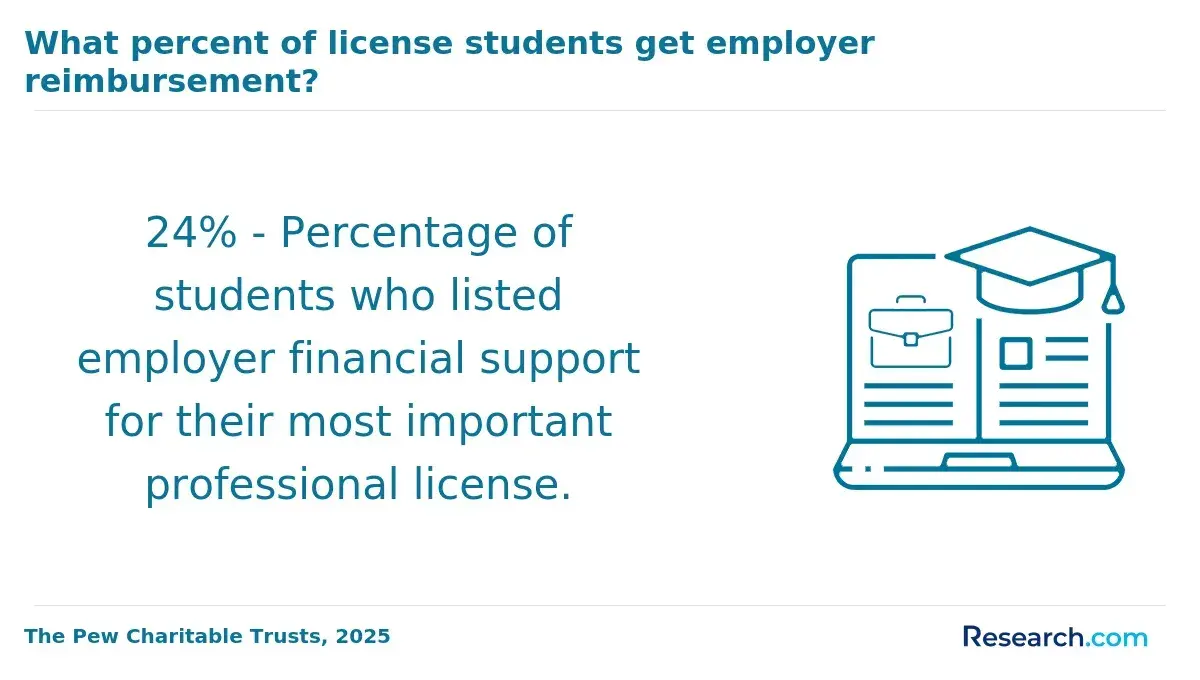
- Employer Tuition Assistance: Available to students in either format, though accelerated students should verify if their employer accepts nontraditional schedules for tuition reimbursement.
- Aid Disbursement and Renewal: Accelerated pacing can complicate when aid arrives and how academic progress is measured, requiring careful coordination with financial aid offices.
A professional who pursued an accelerated creative writing degree shared his reflections: "Applying for financial aid felt like navigating a maze. The fast pace meant I had to keep close track of when each payment came through and stay in constant contact with the financial aid office. It was stressful at times-not knowing if my aid would renew in time-but the flexibility to finish sooner made it worthwhile. I learned to be proactive and organized, which really helped me manage the unexpected challenges. Ultimately, the financial support was crucial to complete the program on an accelerated timeline."
What Kind of Student Support Do Accelerated vs. Traditional Creative Writing Programs Offer?
Student support is essential for success in creative writing programs, with accelerated and traditional formats varying notably in how these services are delivered and accessed. Differences exist in the timing, availability, and depth of support. Below is a comparison of common support services in both types of programs.
- Academic Advising: Traditional programs often provide in-person advising with set office hours, enabling continuous and personalized interaction between students and advisors. Accelerated programs usually rely on online methods like email or video chats, offering more flexible but sometimes less personal guidance.
- Tutoring Services: Students in traditional programs typically benefit from campus-based writing centers and face-to-face peer tutoring, which facilitates in-depth engagement. In contrast, accelerated programs tend to offer online tutoring, occasionally available 24/7, but may lack sustained personal interaction.
- Career Services: Traditional programs generally include access to career centers, networking events, and alumni connections, fostering strong professional development. Accelerated formats provide virtual career workshops and digital mentorship, which are convenient but can vary in responsiveness and customization.
- Peer Interaction: Traditional formats encourage community through in-person workshops and group activities, promoting collaborative learning. Accelerated programs often depend on online forums or scheduled virtual meetups, which might limit spontaneous peer engagement.
Do Graduates from Accelerated vs. Traditional Creative Writing Programs Get Hired More Quickly?
Employment outcomes play a crucial role when deciding between accelerated and traditional creative writing programs. Both approaches offer valuable career paths, yet several elements impact how fast graduates find employment. Understanding these factors can help prospective students make informed choices, and below are key insights on job placement trends for each program type.
Several aspects influence hiring speed for graduates of accelerated versus traditional creative writing programs:
- Employer Perception: Traditional degrees are often viewed as thorough and credible, but accelerated programs increasingly gain respect as employers acknowledge their focus on current industry practices and digital skills.
- Career Readiness: Accelerated courses emphasize hands-on experience and digital competencies, which align well with in-demand roles such as copywriting and content marketing, potentially expediting employment.
- Industry Demand: With the copywriting and content writing sectors expected to grow nearly 9% annually to 2030, and over 60% of work happening on digital platforms, graduates skilled in these areas may secure jobs faster.
- Freelance Opportunities: Data shows that graduates from accelerated and online programs often find initial freelance or paid projects about 30% sooner, reflecting a shift toward flexible, project-based hiring.
I recently spoke with a professional who completed a traditional creative writing degree and was hired relatively quickly afterward. She described the job search as "a challenging but rewarding process" that involved networking, attending writing workshops, and submitting work to various publications. While some employers favored her comprehensive academic background, she found that persistence and building a diverse portfolio were key to success. Reflecting on her experience, she noted, "It wasn't just the degree but the connections and practical skills I developed that opened doors." Her story highlights how, even in a traditional pathway, proactive effort helps accelerate employment.
Are Accelerated Creative Writing Degrees Accredited the Same Way as Traditional Programs?
Accreditation ensures academic quality and legitimacy for both accelerated and traditional creative writing degrees, regardless of pacing or delivery format. It confirms that programs meet established educational standards which affect financial aid eligibility, credit transferability, and employer recognition.
Whether completing a degree in a condensed timeline or over a standard four-year track, students receive instruction that adheres to recognized quality benchmarks. This oversight builds confidence that accelerated programs offer rigor comparable to traditional curricula. Therefore, understanding creative writing program accreditation standards is essential for prospective students seeking a credible and respected degree.
The accreditation process typically applies equally to all formats, though institutions may design accelerated coursework with more intensive schedules or shorter terms to meet these standards efficiently. Regional accreditation for accelerated creative writing degrees is granted by bodies such as the New England Commission of Higher Education (NECHE) or the Middle States Commission on Higher Education, ensuring consistent academic integrity.
Students should verify that the institution is accredited by an agency acknowledged by the U.S. Department of Education or the Council for Higher Education Accreditation to guarantee their degree's acceptance by employers and graduate programs.
For those comparing options, reviewing lists of top ranked online schools can help identify well-regarded institutions offering accredited accelerated programs.
How Do You Choose Between an Accelerated vs. Traditional Creative Writing Degree?
Choosing between accelerated and traditional creative writing degree programs depends heavily on your career goals, schedule flexibility, and preferred learning pace. Both options offer distinct advantages based on your personal circumstances and aspirations. To help determine which format fits best, consider the following key factors to evaluate before deciding.
- Time Commitment: Accelerated degrees condense coursework into shorter periods, requiring intense focus and rapid progress. This format suits self-motivated students who want to finish quickly, such as Boston University's accelerated MFA completed in one year. Traditional degrees, taking two to three years, offer a less compressed schedule that can be less stressful and allows more time for reflection.
- Learning Style: Those who thrive independently and prefer flexible online or hybrid schedules may find accelerated programs more suitable. Conversely, students who benefit from structured guidance, extended mentorship, and deeper engagement often prefer traditional degrees, which foster community and sustained practice over time.
- Career Goals: If your priority is to enter the workforce swiftly or already have relevant experience, an accelerated program might be ideal. For those seeking comprehensive literary development, teaching credentials, or broader training, traditional creative writing degrees provide a more gradual, immersive path.
When choosing between accelerated and traditional Creative Writing degree programs, it's important to weigh all these factors carefully to ensure the best fit for your learning preferences and professional objectives. For those exploring flexible options, you might also consider looking at an affordable bachelor's degree online that complements your schedule and goals.
What Students of Accelerated vs. Traditional Creative Writing Programs Say About Their Degree
- Jaimie: "Choosing the traditional creative writing degree was a long but rewarding journey. The steady pace allowed me to deeply engage with various writing styles and receive personalized feedback from professors, though the time commitment and overall cost felt a bit overwhelming at times. Ultimately, it sharpened my storytelling skills and opened doors to editorial internships."
- Duncan: "Pursuing a traditional creative writing program gave me a solid foundation in narrative techniques, but it required patience through a slower curriculum that sometimes felt outdated compared to industry trends. Balancing tuition fees with personal growth was challenging, yet the program's community and access to experienced mentors were invaluable for my career. "
- Cynthia: "The accelerated creative writing degree was intense and fast-paced, pushing me to complete what would typically be a four-year course in under two years. While it demanded a high level of discipline and came with a higher cost per credit, the concentrated learning experience suited my career aspirations perfectly and allowed me to start freelancing sooner. I highly recommend it for self-motivated writers. "
Other Things You Should Know About Traditional vs. Accelerated Creative Writing Degrees
An accelerated creative writing degree focuses on condensing coursework, which can limit in-depth exploration. Traditional programs typically allow more time for mentorship and skill development, potentially offering a richer experience for students seeking profound engagement with their craft.
The faster pace of accelerated creative writing degrees can impact the depth of learning, as students have less time to reflect and revise their work compared to traditional programs. However, motivated students who manage their time well may still achieve strong skill development. The quality largely depends on the student's engagement and the program's support structure rather than just the pace.
References
- QuickFire with Forsyth Tech’s Devin Purgason | Volt https://voltedu.com/features/lessons-from-the-field/in-praise-of-the-accelerated-ma-program/
- What are ‘accelerated’ courses and the benefits of taking one versus a more traditional degree - Cultural Daily https://www.culturaldaily.com/what-are-accelerated-courses-and-the-benefits-of-taking-one-versus-a-more-traditional-degree/
- Create Your Best 2025 with These Top MFA Creative Writing Programs https://www.onlinemastersdegrees.org/best-programs/fine-arts-mfa/creative-writing/
- Attrition and success rates of accelerated students in nursing courses: a systematic review https://pmc.ncbi.nlm.nih.gov/articles/PMC4825075/
- Most Affordable Online Creative Writing Degrees | AffordableCollegesOnline.org https://www.affordablecollegesonline.org/degrees/best-online-bachelors-in-creative-writing/
- Creative Writing: MA vs. MFA https://www.snhu.edu/about-us/newsroom/liberal-arts/ma-vs-mfa
- The Pros and Cons of a Creative Writing Degree https://thebookshelfltd.medium.com/the-pros-and-cons-of-a-creative-writing-degree-b0c2c5061fb1
- Reliability estimation from two types of accelerated testing considering individual difference and measurement error - ScienceDirect https://www.sciencedirect.com/science/article/abs/pii/S0266892024000067
- 2025 Most Affordable Master's in Creative Writing Online https://www.onlineu.com/most-affordable-colleges/creative-writing-masters-degrees
- Big Time Magic: Creative Writing Pedagogy in the Accelerated Learning Program Classroom https://www.facultyfocus.com/articles/philosophy-of-teaching/big-time-magic-creative-writing-pedagogy-in-the-accelerated-learning-program-classroom/
- Writers and Authors https://www.bls.gov/ooh/media-and-communication/writers-and-authors.htm


