
2027 What Does an Operations Manager Do: Responsibilities, Requirements, and Salary

Co-Founder and Chief Data Scientist
Individuals who enjoy solving problems, leading teams, and keeping things running smoothly may want to consider a career as an operations manager. Operations managers are the backbone of successful organizations. They ensure that daily processes, resources, and people work together efficiently.
Operations management combines leadership, organization, and strategic thinking to keep operations on track. In this in-depth guide, I break down what operations managers do, the education and skills needed to get started, and salary potential as you grow in the field.
What are the benefits of becoming an operations manager?
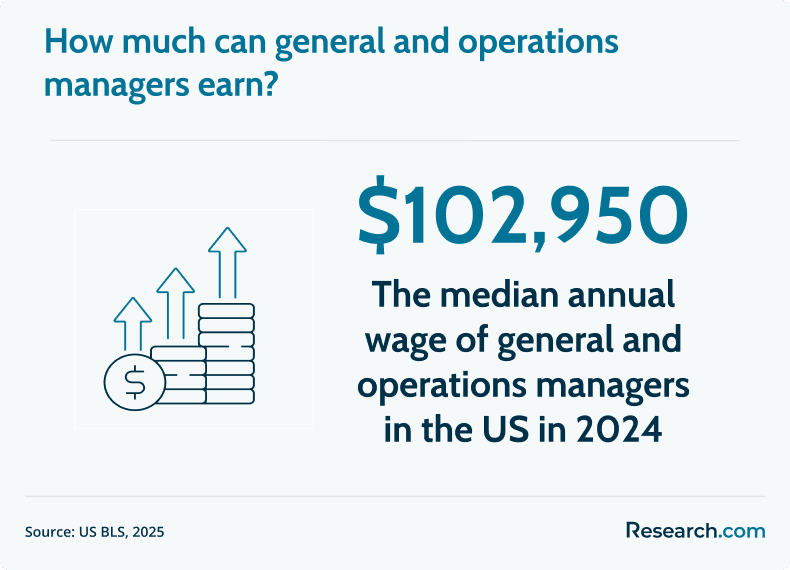
- In the US, the median annual wage of general and operations managers was $102,950 in 2024 [US Bureau of Labor Statistics (BLS), 2025].
- In 2024, 3,584,420 general and operations managers were employed in the US (US BLS, 2025).
- Aspiring operations managers may pursue other related professions, including human resources manager, administrative services and facilities manager, and food service managers.
What does an operations manager do on a typical workday?
Operations managers play a crucial role in ensuring that daily business activities run efficiently and effectively. Their work involves overseeing processes, coordinating teams, and maintaining quality standards to achieve organizational goals.
- Supervising Daily Operations: Operations managers monitor workflows, production schedules, and resource allocation to ensure smooth and timely execution of tasks. They identify and address any issues that could disrupt productivity.
- Managing Staff and Communication: They lead and support employees by assigning tasks, providing guidance, and fostering collaboration between departments to maintain strong communication and morale.
- Ensuring Quality and Efficiency: Operations managers evaluate performance metrics, implement process improvements, and uphold quality standards to maximize efficiency while minimizing costs.
What educational background is required for an operations manager?
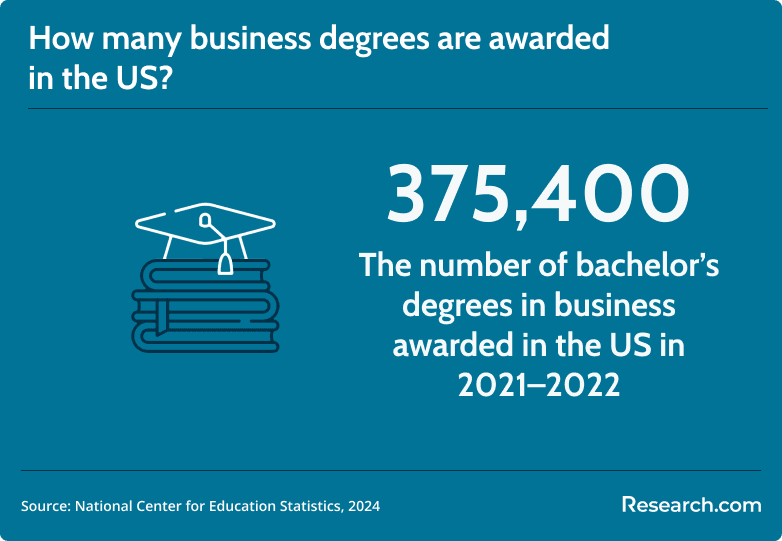
Operations managers usually need a strong educational foundation in business and management principles. Most employers require operations managers to have at least a bachelor’s degree in business administration, operations management, industrial engineering, or a related field. This level of education provides essential knowledge in organizational planning, logistics, and process optimization.
However, for higher-level positions or roles in large organizations, a master’s degree in business administration (MBA) is often preferred or required. An MBA enhances leadership, strategic decision-making, and analytical skills, preparing professionals to handle complex operational challenges.
In addition to formal education, practical experience and professional certifications can further strengthen an operations manager’s qualifications and career prospects.
Individuals interested in expanding their managerial expertise and exploring human capital management may also benefit from earning a degree in human resources, which can open additional leadership and organizational development opportunities.
What specializations exist within operations management?
Operations management offers several areas of specialization that allow professionals to focus on specific aspects of business operations. These specializations help managers develop expertise and align their careers with organizational needs.
- Supply Chain Management: This specialization focuses on the coordination of materials, information, and finances across the entire supply chain. Operations managers ensure efficient procurement, production, and distribution processes.
- Quality Assurance and Control: Managers specializing in this area develop and implement systems to maintain product and service quality. They use performance metrics and continuous improvement methods to meet customer and regulatory standards.
- Project Management: This specialization involves planning, executing, and monitoring projects to meet deadlines and budget goals. Operations managers ensure that resources are used effectively and that each project supports the company’s strategic objectives.
What skills do you need to have as an operations manager?
Successful operations managers possess a diverse set of skills that enable them to lead teams, optimize processes, and drive organizational performance. These abilities help them balance efficiency, quality, and productivity in a fast-paced work environment.
- Leadership Skills: Operations managers must inspire and guide their teams, delegate tasks effectively, and foster a positive and motivated workplace culture.
- Analytical Thinking: Strong analytical abilities allow managers to interpret data, identify trends, and make informed decisions to improve operational efficiency.
- Communication Skills: Clear and effective communication helps managers convey expectations, coordinate between departments, and resolve conflicts promptly.
- Problem-Solving Skills: Operations managers need to address production delays, resource shortages, or quality issues quickly by finding practical and strategic solutions.
- Time Management: The ability to prioritize tasks and manage multiple responsibilities ensures that deadlines are met and daily operations run smoothly.
What is the typical career path for an operations manager?
The career path for operations managers often begins with entry-level roles that build a foundation in business operations and process management. Many professionals start as operations assistants, analysts, or coordinators. They gain hands-on experience in workflow management, logistics, and team coordination.
With proven performance and leadership skills, they may advance to operations supervisor or department manager positions. These higher-level roles require them to oversee larger teams and more complex projects.
Over time, experienced professionals can progress to senior management roles, such as operations director, plant manager, or chief operating officer (COO). These high-ranking roles enable them to shape strategic decisions and company-wide processes.
Continuous learning through certifications, training, and advanced degrees, such as an MBA or a supply chain management degree, can further enhance promotion opportunities and open pathways to executive-level leadership in diverse industries.
What is the average salary for an operations manager?
In the US, the median annual wage of general and operations managers was $102,950 in 2024. The lowest 10% of these professionals in terms of wage earned less than $47,420 a year, while the highest 10% earned equal to or greater than $239,200 a year (US BLS, 2025).
Several factors influence the salary levels of operations managers, reflecting their experience, industry, and job responsibilities.
- Experience and Education: Operations managers with advanced degrees or extensive experience can earn higher salaries due to their expertise and leadership skills.
- Industry and Company Size: Salaries vary across industries. For instance, operations managers in manufacturing or technology can earn more than operations managers in smaller service firms.
- Location: Geographic location affects pay. Operations managers in major cities or high-cost areas generally receive higher compensation to match living expenses and market demand.
Individuals interested in related roles may also research logistics manager salary data to compare earning potential across different management fields.
What is the job outlook for an operations manager?
Job outlook data for operations managers in the US may be sparse. Notably, in 2024, 3,584,420 operations managers were employed across the country (US BLS, 2025). Related professions have positive job-growth rates from 2024 to 2034.
For example, employment for food service managers in the US is expected to increase by 6% from 2024 to 2034. This figure is equivalent to an average of about 42,000 annual job openings over the decade (US BLS, 2025).
Meanwhile, human resources (HR) managers can expect a 5% job-growth rate in the same period, which translates to an average of around 17,900 annual job openings over the decade. Moreover, employment for administrative services and facilities managers has been forecasted to grow by 4% from 2024 to 2034. The figure is equivalent to an average of about 36,400 annual job openings over the decade (US BLS, 2025).
Professionals looking to transition into HR leadership roles may consider pursuing an accelerated master’s in human resource management online to expand their career opportunities and enhance management expertise.
The chart below provides a visualization of the forecasted annual job openings for professionals in operations management between 2024 and 2034, according to 2025 data from the US BLS.
What are the alternative careers for an operations manager?
Operations managers develop a versatile skill set that can be applied to many related professions across industries. Their expertise in leadership, strategy, and process optimization opens doors to several rewarding career paths.
- Management Analysts: Management analysts study an organization’s operations and recommend strategies to improve efficiency and profitability. They use data analysis and problem-solving skills to streamline processes and reduce costs.
- Project Management Specialists: Individuals in this role plan, organize, and manage specific projects within an organization. They ensure that project goals are met on schedule and within budget while maintaining effective communication among teams.
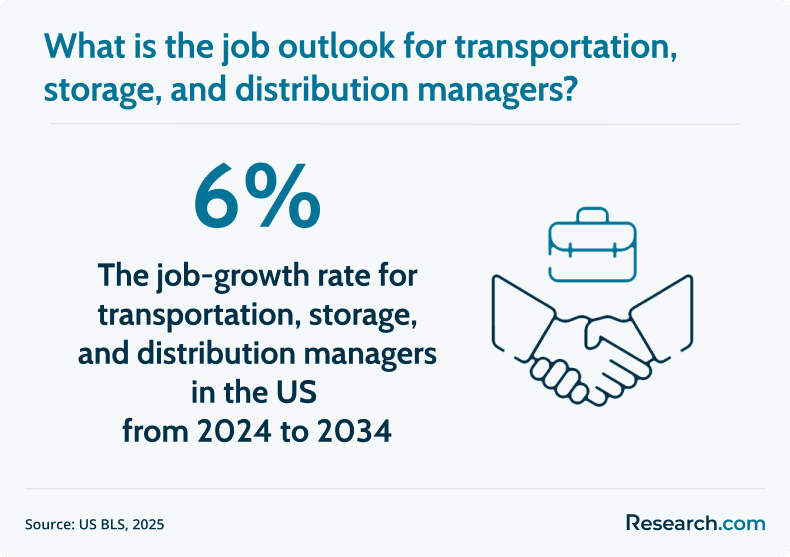
- Transportation, Storage, and Distribution Managers: These managers oversee the movement and storage of goods within supply chains. They coordinate logistics, manage warehouse operations, and ensure timely delivery to customers or business partners.
The chart below provides a visualization of the 2024 median annual wages of professions related to operations management, according to 2025 data from the US BLS.
What are the biggest challenges operations managers face?
Operations managers play an important role in keeping business activities efficient and effective, but their work often comes with significant challenges. These issues require strategic thinking, adaptability, and strong leadership to overcome.
Among the challenges you may encounter in this role are:
- Resource Management: Balancing limited resources, such as staff, time, and budget, while maintaining productivity is a constant challenge. Managers must allocate resources effectively to meet operational goals without overspending.
- Supply Chain Disruptions: Unexpected delays, shortages, or global crises can interrupt production and delivery schedules. Operations managers must develop contingency plans to minimize risks and maintain smooth operations.
- Adapting to Technological Change: Rapid advancements in technology require continuous learning and process updates. Managers must integrate new systems, such as automation or data analytics, to enhance efficiency without disrupting existing workflows.
Those seeking to strengthen their expertise may consider pursuing one of the shortest online degrees in logistics and supply chain management to quickly build relevant skills and advance their careers.
How do you know if becoming an operations manager is the right career choice for you?
Deciding whether operations management is the right career depends on your skills, interests, and professional goals. This field requires a balance of analytical thinking, leadership, and problem-solving abilities.
Some of the factors you may want to consider include:
- Interest in Process Improvement: If you enjoy analyzing workflows, identifying inefficiencies, and finding better ways to get things done, operations management may suit your mindset.
- Strong Leadership and Communication Skills: Operations managers lead diverse teams and coordinate across departments. They provide team members with guidance and maintain clear communication.
- Comfort with Decision-Making and Pressure: The job involves making quick, strategic decisions and managing challenges under tight deadlines. Individuals who remain calm and confident in high-pressure situations are well-suited for the demands of operations management.
What Do Operations Managers Say about Their Profession
- Charlie: "Working as an operations manager has given me the chance to improve systems that directly impact company success. I’ve learned how to balance efficiency, quality, and cost control effectively. Leading cross-functional teams has strengthened my communication and leadership abilities. Every project brings new challenges that keep me engaged. It’s a fulfilling career that offers constant growth and opportunities to make a real difference."
- Paula: "My career in operations management has been rewarding. I’ve managed large-scale projects that improved productivity and streamlined workflows. The role has taught me to think strategically and make data-driven decisions. I enjoy seeing the measurable results of process improvements. This field truly combines problem-solving, teamwork, and innovation every day."
- Matthew: "As an operations manager, I’ve gained valuable experience in optimizing performance and driving organizational success. The fast-paced environment keeps me motivated and focused on continuous improvement. I’ve had the privilege of mentoring teams and fostering collaboration across departments. The variety of tasks makes every day different and exciting. Operations management has helped me grow professionally while making a tangible impact on the business."
Key Findings
- Most employers require operations managers to have at least a bachelor’s degree in business administration, operations management, industrial engineering, or a related field. This level of education provides essential knowledge in organizational planning, logistics, and process optimization.
- In the US, the median annual wage of general and operations managers was $102,950 in 2024.
- The lowest 10% of general and operations managers in terms of wage earned less than $47,420 a year, while the highest 10% earned equal to or greater than $239,200 a year (US BLS, 2025).
- In 2024, 3,584,420 operations managers were employed across the country (US BLS, 2025).
- Employment for administrative services and facilities managers in the US has been forecasted to grow by 4% from 2024 to 2034. The figure is equivalent to an average of about 36,400 annual job openings over the decade (US BLS, 2025).
Other Things You Should Know about Becoming an Operations Manager
Hiring managers look for candidates with strong leadership, analytical, and problem-solving skills. They value experience in process improvement, resource management, and cross-functional coordination. They also look for the ability to enhance efficiency, control costs, ensure quality, and adapt to changing business needs while motivating and guiding teams effectively.
In 2027, an operations manager focuses on optimizing internal processes for efficiency. A general manager oversees all business aspects, including finance and human resources. A production manager specifically handles production line efficiency and quality. Each role requires unique skills and responsibilities tailored to their domain.
References
- National Center for Education Statistics. (2024, May). Undergraduate Degree Fields. Condition of Education. U.S. Department of Education, Institute of Education Sciences. https://nces.ed.gov/programs/coe/indicator/cta
- US Bureau of Labor Statistics. (2025, August 28). Administrative Services and Facilities Managers. Occupational Outlook Handbook. https://www.bls.gov/ooh/management/administrative-services-managers.htm
- US Bureau of Labor Statistics. (2025, August 28). Food Service Managers. Occupational Outlook Handbook. https://www.bls.gov/ooh/management/food-service-managers.htm
- US Bureau of Labor Statistics. (2025, August 28). Human Resources Managers. Occupational Outlook Handbook. https://www.bls.gov/ooh/management/human-resources-managers.htm
- US Bureau of Labor Statistics. (2025, August 28). Management Analysts. Occupational Outlook Handbook. https://www.bls.gov/ooh/business-and-financial/management-analysts.htm
- US Bureau of Labor Statistics. (2025). May 2024 OEWS Profiles. Occupational Employment and Wage Statistics (OEWS) Profiles. https://data.bls.gov/oesprofile
- US Bureau of Labor Statistics. (2025, August 28). Project Management Specialists. Occupational Outlook Handbook. https://www.bls.gov/ooh/business-and-financial/project-management-specialists.htm
- US Bureau of Labor Statistics. (2025, August 28). Transportation, Storage, and Distribution Managers. Occupational Outlook Handbook. https://www.bls.gov/ooh/management/transportation-storage-and-distribution-managers.htm


