
2027 What Prerequisites Do You Need for a Financial Technology Degree? Entry Requirements, Credits & Eligibility Rules

Co-Founder and Chief Data Scientist
Many prospective students feel uncertain about the varied prerequisite requirements for financial technology degree programs. A recent survey found that nearly 40% of applicants lack key foundational courses such as calculus or computer science, which can delay admission or extend study time. This gap often causes confusion about eligibility and necessary credits before enrollment.
This article clarifies common entry requirements, prerequisite coursework, and credit expectations specific to financial technology degrees. Understanding these criteria can help applicants better prepare their academic backgrounds and meet program standards efficiently, ensuring a smoother transition into this fast-growing field.
Key Things to Know About the Prerequisites for a Financial Technology Degree
- Applicants typically need foundational courses in mathematics, economics, and computer science, with emphasis on programming and financial principles.
- Most programs require a minimum GPA of 3.0, ensuring students have strong analytical and quantitative skills.
- Eligibility often includes completion of 60+ undergraduate credits, plus proficiency in data analysis tools and emerging fintech technologies.
Do Financial Technology Programs Require Specific High School Prerequisites?
Financial technology programs in 2026 generally do not require highly specific high school prerequisites, though requirements vary by institution and program type. Many programs recommend a well-rounded preparation with strong foundations in key subjects to enhance readiness for the interdisciplinary coursework involved.
Common entry requirements for fintech programs 2026 often emphasize the following high school subjects:
- Mathematics: Essential for understanding algorithms, statistical analysis, and financial modeling used in fintech. Courses like algebra and calculus build critical thinking and numeric fluency needed for coding and quantitative finance.
- Computer Science: Programming classes develop problem-solving skills and familiarity with coding, which are crucial for working with blockchain, machine learning, and cybersecurity technologies.
- Economics: Provides background knowledge of financial markets and economic principles, supporting comprehension of fintech innovations such as digital payments and regulatory technology.
- Business Studies: Helps students grasp institutional and market aspects relevant to fintech platforms like lending and financial services management.
According to the National Center for Education Statistics, enrollment in fintech-related degrees increased by over 15% from 2020 to 2023, with many programs highlighting these recommended subjects in their preparatory curriculum. While not strict prerequisites, excelling in these areas typically improves eligibility and success in financial technology degrees. Prospective students seeking tailored educational paths might consider an online associate degree in 6 months to accelerate entry and build relevant skills efficiently.
What College-Level Prerequisites Are Required Before Starting a Financial Technology Degree?
Prospective students should be aware of key college-level prerequisites to ensure academic readiness and smooth progression in a financial technology degree program. These foundational courses build essential skills needed for advanced study and practical fintech applications. Below is an overview of common required college courses for fintech programs in 2026 that help prepare students effectively.
Common prerequisite college-level courses for financial technology degrees include:
- Introductory economics or finance: Provides an understanding of market principles and financial systems, essential for analyzing fintech products and services.
- Statistics and probability: Critical for data analysis, risk assessment, and algorithmic trading models frequently used in financial technology.
- Basic computer science or programming: Develops coding skills necessary for implementing fintech algorithms and software applications.
- College-level writing or communication: Enhances clear reporting and documentation, vital for regulatory compliance and presentation of financial analyses.
Some programs may also recommend lab sciences to strengthen analytical thinking, although these are less common. According to the National Center for Education Statistics, about 65% of fintech-related degree programs require one or more math or statistics courses as prerequisites, reflecting the field's quantitative focus. Students interested in exploring easy course pathways may want to review resources on easy associates degrees to identify suitable foundational options before committing to specialized fintech studies.
How Many Credits Can You Transfer Into a Financial Technology Degree?
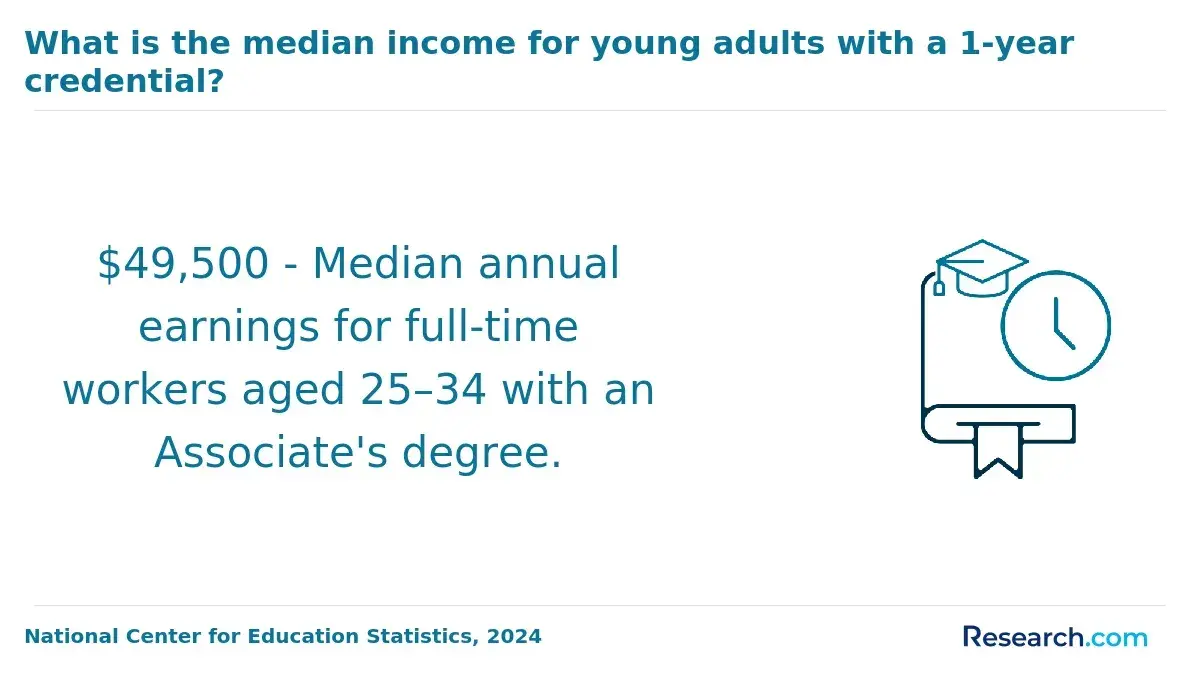
Students transferring into a financial technology degree program can generally expect to apply between 50% and 75% of the total credits required, though this varies widely depending on the institution's policies, accreditation status, and program design. Some universities allow up to 90 transfer credits in a 120-credit bachelor's program, while more selective or specialized schools often limit transfer credits to fewer than 60.
The transferability depends largely on factors such as the academic level of previous coursework-typically favoring upper-division courses-the relevance of classes to financial technology topics, and minimum grade requirements, often a grade of C or higher. Residency rules also play a significant role, with many programs requiring that 25% to 30% of credits be earned directly through their institution to maintain academic standards. Finally, transferred credits usually must align with core curriculum needs or approved electives rather than general education or unrelated fields.
Common restrictions include rejection of credits from non-accredited schools, limitations on accepting lower-level community college courses for upper-division credit, and exclusion of vocational or non-academic training. Review of transfer policies is essential as these limitations affect degree completion time and tuition costs.
A financial technology student I spoke with shared her experience navigating these rules: "The process was more complex than I expected. I had prior coursework in business analytics and programming, but not all of it transferred because some classes weren't high enough level or didn't fit the curriculum precisely.
I appreciated the clear feedback from academic advisors, though-knowing exactly what counted helped me plan my remaining semesters. It felt frustrating at times, but ultimately, the transfer gave me a strong foundation while pushing me to gain deeper, specialized skills."
Do You Need SAT or ACT Scores to Get Into a Financial Technology Degree Program?
For 2026, many financial technology degree programs no longer require SAT or ACT scores due to the growing adoption of test-optional and test-blind admissions policies. This shift reflects concerns about fairness and the limited ability of standardized tests to predict college success. Nevertheless, some competitive fintech programs and select public university systems may still ask for test scores.
Additionally, strong SAT or ACT results can enhance eligibility for merit-based scholarships. According to recent data, about 60% of U.S. colleges still consider test scores to some degree, though the overall trend favors optional testing.
Rather than relying on standardized exams, fintech programs increasingly evaluate applicants using alternative factors. Admissions committees often assess high school GPA, completion of key courses in math or computer science, and the quality of personal essays.
Some programs also request portfolios showcasing relevant projects or skills. This holistic review process aims to identify candidates with quantitative aptitude and problem-solving abilities, promoting a broader understanding of student potential beyond standardized test performance.
What Essential Skills Do You Need Before Enrolling in a Financial Technology Degree Program?
Students must build a strong skill set before starting a financial technology degree to thrive academically and adapt to the field's complexities. These skills form the foundation for mastering fintech's blend of finance, technology, and data analysis.
Key skills essential for success in financial technology programs include:
- Foundational academic abilities: Competence in mathematics, statistics, and economics is crucial since fintech involves quantitative reasoning and economic frameworks that support financial systems.
- Technical proficiency: Familiarity with programming languages such as Python, SQL, or Java is necessary for developing financial software and managing data effectively.
- Analytical and problem-solving skills: These enable students to dissect complex financial scenarios and devise innovative tech solutions to industry challenges.
- Communication skills: The ability to clearly present technical information to diverse audiences and collaborate with cross-functional teams is vital.
- Field-specific knowledge: Understanding finance principles, blockchain, or cybersecurity concepts provides practical context for applying fintech innovations.
I spoke with a graduate who recalled feeling overwhelmed initially, especially mastering programming while learning finance basics simultaneously. He mentioned, "Balancing new coding languages with financial theories was challenging, but focusing on incremental progress helped me keep pace."
He also emphasized that early practice in explaining technical ideas to peers made a significant difference, stating, "Communicating complex concepts in simple terms prepared me for real-world teamwork and client interactions." His experience highlights how overcoming both technical and communication hurdles is key before enrolling in a fintech degree program.
Do You Need Professional Experience to Enter a Financial Technology Degree Program?
Professional experience requirements for entry into financial technology degree programs differ widely depending on the institution, program level, and area of focus. Undergraduate programs generally do not require prior work experience, centering admission on academic achievements like GPA and test scores. In contrast, graduate-level programs, especially specialized master's or executive courses, often recommend or mandate relevant professional experience to ensure students can handle advanced material.
When required, experience typically ranges from one to three years in roles such as finance, technology, data analysis, or product management. Some schools consider professional experience advantageous but not essential, enhancing an applicant's overall profile rather than serving as a strict admission criterion.
Financial technology programs emphasize work experience because it demonstrates a candidate's preparedness for experiential learning and collaboration with peers. Admissions committees often view practical experience as a marker of industry insight and problem-solving abilities, enriching classroom interactions.
Yet, applicants without professional backgrounds may still be admitted, particularly if academic success, quantitative skills, or internships compensate for the lack of work history. As fintech education grows more competitive, programs often balance experience expectations with flexible entry routes to attract a diverse student body.
What Tech Prerequisites Must You Meet Before Starting an Online Financial Technology Degree?
Online financial technology degree programs require specific technology standards to ensure students fully engage with digital coursework and virtual learning environments. Meeting these standards is essential for uninterrupted access to live lectures, assessments, and interactive fintech tools that form the foundation of these programs.
Common technology prerequisites for 2026 financial technology degree tech prerequisites include:
- Hardware requirements: Students typically need a computer with at least an Intel i5 or equivalent processor and 8GB of RAM, plus a camera for video conferencing. These specifications ensure devices can handle data-driven software and virtual collaboration efficiently.
- Reliable internet connection: A broadband speed of at least 25 Mbps download is recommended to support real-time data analysis and streaming lectures without lag, which is vital for remote fintech education.
- Software and platforms: Proficiency with Microsoft Office, especially Excel for financial modeling, is mandatory. Access to learning management systems such as Canvas or Blackboard is required, along with familiarity with coding tools or fintech applications like Python or R.
- Digital literacy: Students must be competent in navigating online platforms, managing digital communications, and independently troubleshooting technical issues. These skills align with the required skills for online fintech degree admission and help maintain steady progress through complex coursework.
As financial technology programs rely heavily on cutting-edge software and data analysis, maintaining these technology standards is crucial. Students equipped with these prerequisites are better prepared to keep pace with demanding curricula and evolving industry expectations. Enrollment data underscores the rising necessity for digitally proficient learners, reflecting trends seen in the increasing popularity of the highest paying 4 year degrees.
What Prerequisites Do International Students Need for Financial Technology Programs?
International students applying to Financial Technology programs must navigate additional admission prerequisites beyond those required of domestic applicants. These ensure that candidates can successfully engage with the curriculum and meet visa and institutional standards. Below is a summary of the most common prerequisites for international applicants.
- Academic Credentials: Applicants need to provide official transcripts that demonstrate completion of prior education equivalent to a U.S. bachelor's degree. Institutions often require credential evaluations to verify authenticity and comparability.
- English Language Proficiency: Since Financial Technology programs are taught in English, students must submit scores from tests like TOEFL or IELTS. Minimum score requirements vary but generally reflect intermediate to advanced proficiency.
- Standardized Test Scores: Some schools request GRE or GMAT scores to assess quantitative and analytical skills relevant to financial technology studies, especially for graduate-level programs.
- Financial Documentation: Proof of sufficient funding is mandatory to cover tuition and living expenses. This is essential for maintaining visa status.
- Statement of Purpose and Recommendations: Personal statements highlighting the applicant's interest and career goals in fintech, alongside recommendation letters, help admissions committees gauge motivation and potential.
Applicants should consult specific university admissions pages for detailed eligibility rules and consider exploring resources like top accredited online colleges to better align their credentials and expectations. Understanding these requirements helps international candidates effectively prepare for entry into Financial Technology programs.
How Do Program-Specific Prerequisites Differ from General University Requirements?
Planning academic timelines and ensuring eligibility for financial technology degrees require clarity about how program-specific prerequisites diverge from general university admission requirements. These distinctions influence how applicants prepare and what qualifications they must demonstrate.
Standard University Admission Requirements
- GPA Thresholds: Most universities require applicants to meet a minimum GPA, typically around 2.5 to 3.0 on a 4.0 scale, reflecting overall academic readiness.
- English Language Proficiency: Tests like TOEFL or IELTS are standard requirements to ensure communication skills, especially for international students.
- General Education Coursework: Completion of baseline courses across humanities, social sciences, and natural sciences forms part of admission eligibility.
Financial Technology Program-Specific Prerequisites 2026
- Mathematics and Quantitative Skills: A strong foundation in calculus, statistics, or linear algebra is often required due to the program's quantitative focus.
- Technical Coursework and Experience: Prior classes or proficiency in computer science, programming, or data analysis are crucial for success in fintech studies.
- Portfolio or Relevant Experience: Some institutions request a portfolio or documentation of professional experience, particularly for graduate-level admission.
These differences affect eligibility by narrowing candidate pools to those with specific skills, sometimes extending preparation timelines. For instance, a student admitted under general university requirements may still need to complete prerequisite math or coding courses before starting the core fintech curriculum, delaying graduation and increasing credit load.
Applicants aiming for a financial technology degree should consider how these specialized prerequisites impact their admission strategy. Many programs have increased technical requirements by 15% over recent years to align with industry demands, making early preparation vital. For those exploring options, reviewing the admissions criteria of top accredited universities in the US can clarify expectations and opportunities.
Do You Need to Pay for Prerequisite Courses Before Applying to a Financial Technology Program?
Yes, you generally need to pay for prerequisite courses before enrolling in a financial technology program. If taken at the institution where you plan to study, these courses are usually charged at the standard tuition rate, which can be relatively high. Many students choose to complete prerequisites at community colleges, where tuition is often much lower-typically between $100 and $300 per credit hour versus $400 or more at four-year schools.
Online courses provide another option, offering flexible pricing models such as subscriptions or per-course fees; however, recognition of these credits can vary depending on the program. According to the National Center for Education Statistics, community colleges usually offer tuition rates about 40% less expensive than four-year institutions, making them an attractive alternative.
To offset the cost of prerequisite courses, students often pursue financial aid or scholarships targeting pre-college or transfer coursework. Many financial technology programs accept transfer credits from accredited schools, allowing students to avoid repeating expensive classes.
Additional options include enrolling in dual-credit high school programs or utilizing employer-sponsored education benefits. These strategies can significantly reduce out-of-pocket expenses for those preparing to enter financial technology studies.
What Graduates Say About the Prerequisites for Their Financial Technology Degree
- Michael: "Admission into a financial technology degree program hinges on rigorous prerequisites, which I found demanding but necessary for preparation. The cost, averaging $22,000 yearly, is an investment I took seriously given the professional benefits. Post-graduation, my career growth has been steady and measurable, with opportunities I attribute directly to the specialized knowledge I acquired. "
- Elisha: "Completing the prerequisite courses for the financial technology program required significant time management, but it helped build a solid foundation. Although the tuition costs were steep, about $20,000 per year, there were scholarships that eased the burden. Reflecting on my career, this degree opened doors that would have otherwise been closed, giving me expertise that employers truly respect. "
- Raul: "Getting into the financial technology degree program felt challenging at first, especially with the prerequisite math and programming courses, but the effort was worth it. The average cost of attendance was higher than I expected, around $25,000 annually, yet the value I gained in skills and job prospects was invaluable. Since graduating, I've advanced quickly in my career, landing a role in a leading fintech startup. "
Other Things You Should Know About Financial Technology Degrees
In 2027, personal statements and interviews may not be mandatory for all financial technology programs, but they can significantly impact your application. They offer prospective students the chance to showcase their passion for the field, explain their motivation, and highlight unique skills or experiences.
Yes, many programs allow students without prior programming experience to enroll, as introductory coding courses are often included in the curriculum. Nonetheless, some technical aptitude can be helpful, and students may be advised to complete basic programming tutorials before or during their studies.
Some financial technology programs do require math placement exams to assess a student's readiness for quantitative coursework. These exams help institutions recommend appropriate classes or preparatory modules to ensure academic success in areas like statistics and data analysis.
Yes, personal statements and interviews can influence 2027 entry requirements for financial technology degrees. They provide admissions committees with insights into a candidate's motivation and aptitude, often complementing academic records and helping differentiate applicants in a competitive field.
References
- Master in Financial Technology - Master of Science https://www.frankfurt-school.de/study/master/master-in-financial-technology
- Fintech Degree: Find the Best Fintech Schools https://techguide.org/fintech/bachelors-in-fintech/
- F96C BSc Finance and Financial Technology with Placement Year 8895 (4 years) | University of Southampton https://www.southampton.ac.uk/courses/finance-financial-technology-with-placement-year-degree-bsc
- Key Skills You Will Learn In A FinTech Certification Program https://www.361online.com/blogs/key-skills-you-will-learn-in-a-fintech-certification-program/
- Financial Technology at Ulster University. BSc (Hons) Part-time, in Belfast - 2025/26 entry year. https://www.ulster.ac.uk/courses/202526/financial-technology-37044
- Handbook https://www.handbook.unsw.edu.au/undergraduate/specialisations/2022/finsr1
- Financial Technology (Fintech) MSc | Postgraduate Taught | University of Exeter https://www.exeter.ac.uk/study/postgraduate/courses/economics/fintech/
- Financial Technology MSc https://www.nottingham.ac.uk/pgstudy/course/taught/financial-technology-msc
- Financial Technology | VIZJA University https://vizja.pl/en/specjalizacja/financial-technology-fintech/
- FAQ | Graduate Programs in Financial Technology (FinTech) https://fintech.business.uconn.edu/faq/


