
2027 Which Cybersecurity Degree Careers Have the Highest Barriers to Entry?

Co-Founder and Chief Data Scientist
Why do some cybersecurity degree careers demand far more rigorous qualifications than others? Aspiring professionals often face steep competition for roles requiring advanced certifications, security clearances, and extensive practical experience. For example, fewer than 20% of cybersecurity job applicants qualify for positions involving federal systems due to stringent background checks and specialized training prerequisites.
While entry-level security analyst roles may require only a bachelor's degree and foundational certifications, higher-tier positions such as cybersecurity architects or penetration testers impose tougher education and experience thresholds. This article identifies the cybersecurity degree careers with the highest barriers to entry and explains what makes these paths more challenging to pursue.
Key Things to Know About Cybersecurity Careers With the Highest Barriers to Entry
- Extensive education, often including advanced degrees and specialized certifications, is required for high-barrier cybersecurity roles, limiting access to well-prepared candidates.
- Competitive hiring standards favor candidates with proven expertise and practical skills, with employer demand exceeding supply in critical sectors.
- Strict credentialing and several years of experience, sometimes over five, define entry into elite cybersecurity careers, reinforcing professional rigor and industry trust.
Which Cybersecurity Careers Are Hardest to Get Into?
Some cybersecurity careers are widely recognized for their high barriers to entry, driven by factors like intense competition and limited job availability. For instance, acceptance rates in government cybersecurity roles can dip as low as 2%, highlighting the demanding nature of these positions. These challenges significantly affect those aiming for the most competitive cybersecurity jobs to enter.
The following careers are often cited as particularly difficult to break into:
- Cybersecurity Analyst in Government Agencies: These positions are coveted due to the prestige and stability they offer. The combination of few vacancies and rigorous background checks makes gaining entry especially challenging.
- Penetration Tester (Ethical Hacker): This role demands high trust and specialized expertise, which means only top-tier candidates are considered. Intense competition limits available openings relative to demand.
- Chief Information Security Officer (CISO): As senior executives, CISOs are very few in number. The scarcity of roles relative to aspiring professionals results in fierce competition.
- Cryptographer: The specialist nature of this role and the critical importance of their work bring stringent selection standards and limited opportunities.
- Security Researcher: Positions in this role require a proven record of innovative work, making these roles difficult to secure given the need for impactful contributions and creativity.
Overall, those seeking the most challenging cybersecurity careers with highest barriers to entry should be prepared for selective recruitment processes where exceptional performance and a strong reputation are essential. For students exploring options and considering further study, researching related masters degrees can offer strategic insight into career pathways.
What Academic Requirements Make Cybersecurity Careers Harder to Enter?
Academic requirements often pose significant challenges for entering certain cybersecurity careers, especially those requiring advanced education or highly specialized study. These demands can limit access by imposing longer timelines and necessitating coursework that not all candidates can complete easily. A 2023 industry report revealed that about 40% of senior cybersecurity roles require a master's degree or higher, underscoring the importance of advanced qualifications in this field.
Several critical academic factors contribute to the difficulty of entering cybersecurity professions:
- Advanced Degrees: Many senior cybersecurity positions, particularly in research, policy, or architecture, require pursuing a master's or doctoral degree, extending the time and effort needed to qualify.
- Specialized Coursework: Roles focused on cryptography, network security, or digital forensics require deep knowledge gained from niche courses, which are often available only through advanced or specialized academic programs.
- Extended Study Timelines: Fields like cybersecurity law, privacy, or advanced threat analysis often make candidates spend additional years studying beyond a bachelor's degree, increasing educational barriers.
- Rigorous Technical Foundation: Careers involving security algorithm development demand a strong background in mathematics and computer science, requiring difficult prerequisite courses and consistently high academic performance.
- Research Components: Certain innovative cybersecurity paths require significant research participation or thesis work, adding to the academic workload and extending the timeline before workforce entry.
These academic requirements narrow entry points in cybersecurity by demanding considerable commitments in time and specialized knowledge, which prospective students must consider carefully when planning their careers.
What Certifications Are Required for Cybersecurity Careers?
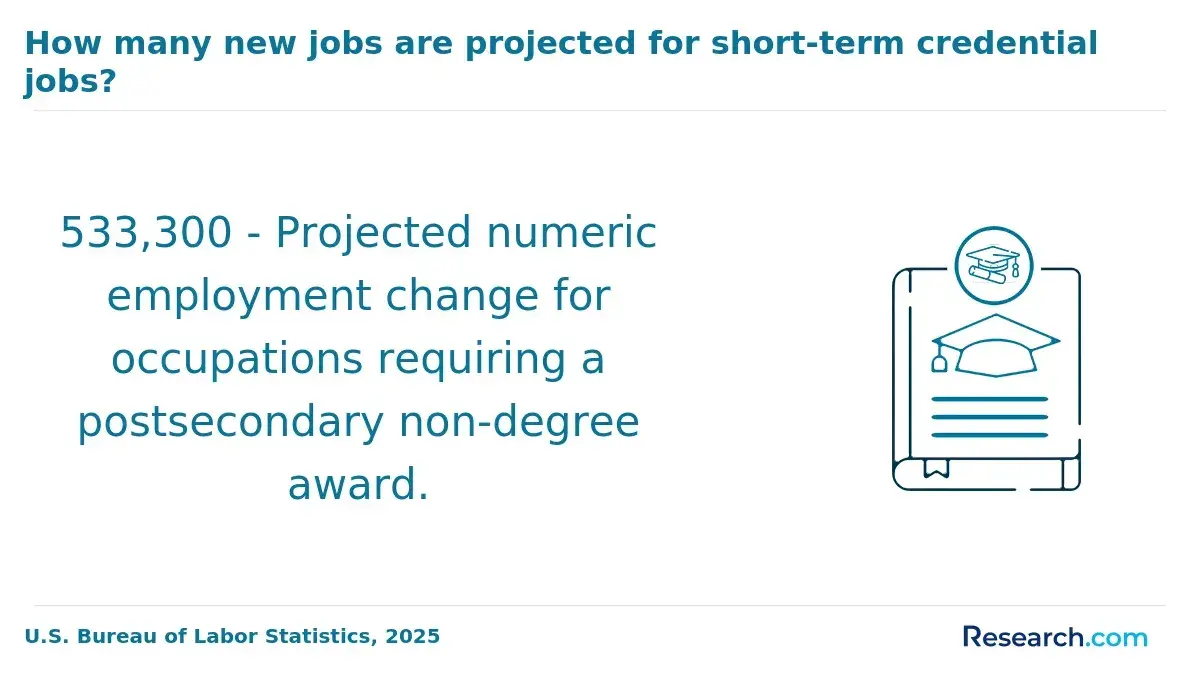
Certifications act as formal gateways in many cybersecurity career paths, often serving as mandatory credentials for professional practice or specialized roles. These credentials help set clear standards and ensure that practitioners meet industry expectations. Approximately 70% of cybersecurity job openings explicitly demand at least one professional certification.
The following are key certifications commonly required to enter and advance within cybersecurity fields:
- CompTIA Security+: This foundational certification introduces core cybersecurity concepts and is widely recognized as an essential baseline for many entry-level technical positions.
- Certified Information Systems Security Professional (CISSP): Considered an advanced credential, CISSP validates extensive knowledge across security domains and is often required for senior or leadership roles.
- Certified Ethical Hacker (CEH): Focused on penetration testing and offensive security techniques, this certification establishes expertise in ethical hacking practices, often as a prerequisite for specialized roles.
- Certified Information Security Manager (CISM): Designed for those managing and governing cybersecurity programs, CISM emphasizes strategic and managerial competencies critical for oversight roles.
These certifications demand passing challenging examinations and maintaining professional standards, effectively raising the barrier to entry within the cybersecurity workforce. Employers rely on these standardized credentials to verify candidates' qualifications and adherence to industry best practices.
When asked about the certifications required for cybersecurity careers, a cybersecurity degree graduate shared that the process was "both rigorous and demanding," emphasizing how much time and focused preparation passing these exams required. He noted feeling a mix of stress and motivation because "each certification felt like a milestone that unlocked the next level of opportunity," but also acknowledged that the pressure to maintain up-to-date credentials was ongoing. His experience highlighted that beyond academic degrees, holding these certifications is essential to truly qualify and compete in the cybersecurity job market.
How Much Experience Is Required for Competitive Cybersecurity Jobs?
Experience requirements significantly impact the competitiveness of cybersecurity careers by acting as a decisive filter in the hiring process. Employers often set clear experience thresholds to manage candidate pools, especially where demand for qualified professionals exceeds supply. These benchmarks ensure that only individuals with adequate hands-on experience and proven capabilities proceed to more selective roles.
The following points highlight typical experience levels seen in competitive cybersecurity positions:
- Entry Level: Candidates usually need minimal or no professional experience, with an emphasis on foundational knowledge and willingness to learn on the job.
- Early Career: This generally involves one to two years of related experience, reflecting initial exposure to practical cybersecurity tasks.
- Mid Level: Requiring three to five years of experience, this level indicates substantial familiarity with cybersecurity systems, incident response, and technical problem-solving.
- Senior Level: Candidates often need more than five years of comprehensive experience, including leadership in security strategy and architecture management.
- Expert Roles: These positions may demand over seven years of specialization, often emphasizing niche areas like advanced threat analysis or cybersecurity research, combined with notable achievements.
Such stratified experience requirements reflect the rigorous demands of high-level cybersecurity roles in the US and contribute to maintaining strong organizational security standards. Prospective students should consider how these requirements align with their career goals, especially when evaluating programs like an accelerated psychology bachelor's degree, which can complement cybersecurity expertise in areas such as behavioral analysis.
What Skills Are Required for High-Barrier Cybersecurity Careers?
Roles with high entry barriers in cybersecurity demand a mix of highly specialized and advanced skills that narrow the pool of qualified candidates. This complexity ensures only those with deep expertise can manage intricate security challenges effectively. Industry data indicates that more than 70% of employers seek candidates who combine technical mastery with strategic problem-solving abilities.
Key competencies for these challenging positions include the following:
- Advanced Cryptography: Proficiency in encryption and secure communication methods is essential for protecting confidential information and confirming data authenticity. This skill requires both theoretical rigor and practical know-how, making it a significant hurdle for many.
- Threat Intelligence Analysis: The capacity to evaluate cybersecurity threats and predict emerging risks involves sharp analytical thinking and up-to-date knowledge of attack techniques, boosting the role's complexity.
- Incident Response and Forensics: Quickly uncovering cyber breaches and tracing their origins calls for keen attention to detail and hands-on expertise with specialized investigative tools, which adds to the difficulty of mastering this skill.
- Secure Software Development: Integrating security principles into the coding process from the outset demands a thorough understanding of software vulnerabilities and secure design practices, a combination that is both technical and challenging.
- Risk Management and Compliance: Navigating legal requirements and cybersecurity frameworks involves strategic insight and effective communication, elevating the sophistication needed to excel.
When asked about the skills necessary for such demanding roles, a professional with a Cybersecurity degree shared that mastering these competencies felt like solving complex puzzles that constantly evolve. She described the process as "intense but rewarding," emphasizing how each new challenge sharpened her critical thinking and adaptability. Reflecting on her journey, she noted how early struggles gave way to a sense of accomplishment once she was able to anticipate threats and implement effective solutions confidently. This experience reinforced her belief that sustained focus on developing diverse skill sets is key to thriving in high-barrier cybersecurity careers.
Do Some Industries Have Higher Barriers to Entry Than Others?
Barriers to entering cybersecurity careers differ significantly based on the industry involved. Certain sectors naturally demand more stringent controls and qualifications to protect sensitive information and maintain operational integrity. These heightened requirements reflect the potential risks and the nature of the data managed within each field.
Industries with elevated entry barriers often share a focus on safeguarding critical or confidential assets. The following examples illustrate some sectors known for their strict access limitations:
- Government and Defense: This area focuses on securing classified material vital to national interests, requiring individuals to undergo rigorous security clearances and comply with strict protocols that restrict data access.
- Financial Services: Institutions in this field protect extensive confidential financial data and transactions, necessitating compliance with tight regulations and strong security measures that increase entry challenges.
- Healthcare: Ensuring the privacy of patient information under health data protection laws involves complex security systems, making cybersecurity roles in healthcare more demanding to access.
- Energy and Utilities: The protection of critical infrastructure in this sector calls for heightened security standards and controlled access, given the severe consequences potential breaches can cause.
- Telecommunications: Managing vast networks and sensitive user information requires strict security policies to defend against widespread cyberattacks and data leaks.
These sectors emphasize rigorous governance to entrust only highly reliable professionals with their cybersecurity defenses, thereby elevating the difficulty of gaining entry compared to other areas.
Do Certain States or Regions Have Stricter Requirements?
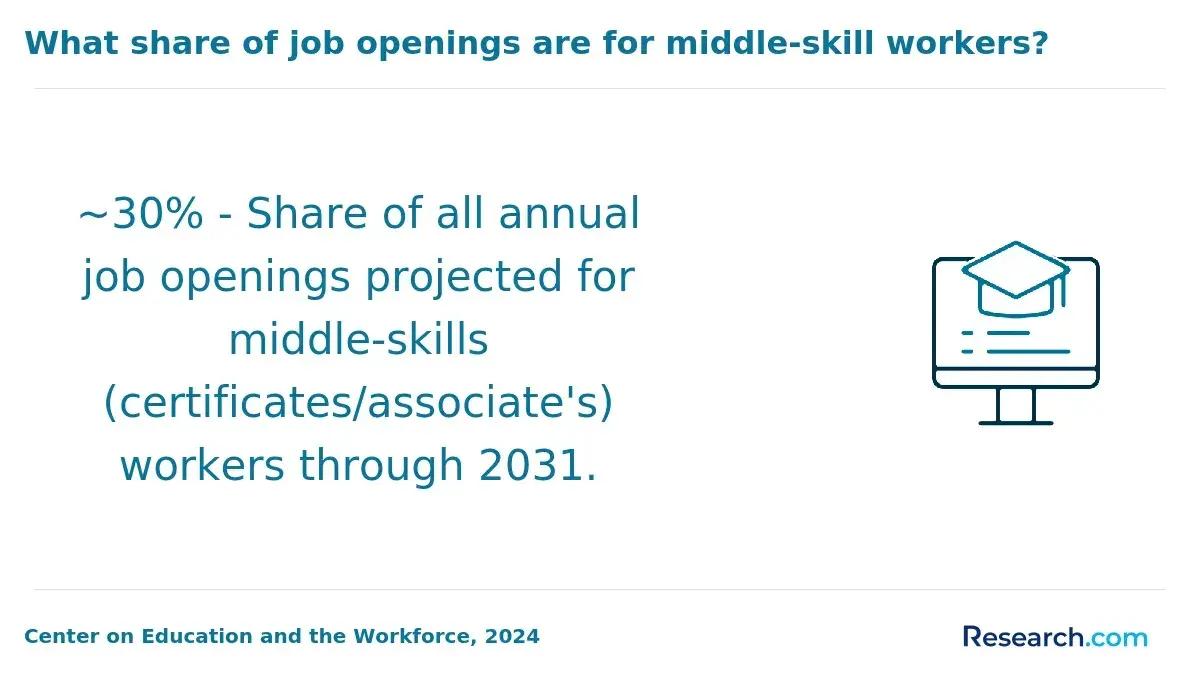
Geographic location plays a crucial role in shaping the entry requirements for cybersecurity careers. Varying state regulations and regional workforce standards can make some areas notably more demanding for professionals seeking to enter this field. Approximately 35% of cybersecurity-related jobs in the U.S. require state-specific credentials or extra compliance steps beyond federal guidelines, reflecting significant regional disparities.
The following factors illustrate why some regions enforce stricter entry requirements:
- State-Level Regulations: Many states impose security clearance protocols and licensing mandates tailored to local government policies, which can increase barriers for candidates.
- Local Privacy Standards: Data protection and privacy laws vary considerably, with some regions enforcing stricter compliance rules affecting hiring and credentialing.
- Urban vs. Rural Demand: Urban centers and tech hubs often require higher qualifications due to intensified competition and advanced cybersecurity infrastructures, unlike rural areas with more flexible entry paths.
- Workforce Development Initiatives: Certain states prioritize advanced certifications and credentials through targeted training programs to strengthen their cybersecurity talent pool.
Regions with concentrated critical infrastructure or government agencies also tend to implement comprehensive background checks and licensing procedures. Understanding these geographic and regulatory differences is essential for grasping why cybersecurity degree careers have widely varying barriers to entry depending on location.
How Competitive Is the Hiring Process for Cybersecurity Careers?
Competitiveness in the hiring process for cybersecurity careers is influenced largely by the volume of applicants, the number of available roles, and the selectivity of employers. As demand grows, many qualified candidates compete for a limited roster of positions, increasing the challenge of securing employment. Research shows that some cybersecurity jobs experience an application-to-job ratio exceeding 50 to 1, reflecting the intense nature of this competition. This dynamic contributes to a fiercely competitive cybersecurity job market competitiveness in the United States.
This competitiveness varies widely across the field, with some roles attracting a broader applicant pool but featuring less stringent selection criteria. Meanwhile, other positions maintain intense hiring selectivity, often requiring candidates to pass rigorous screening processes. These variations create niche areas where only top candidates succeed, underscoring the complex hiring landscape within cybersecurity. For those exploring educational paths, examining cybersecurity degrees can provide insight into preparation needed for these competitive career tracks.
Which Companies Are Hardest to Get Hired by in Cybersecurity Fields?
Certain organizations in cybersecurity are renowned for their high selectivity in hiring, often due to limited job openings, rigorous standards, and strong reputations. Some cybersecurity roles receive hundreds of applications per vacancy, indicating the intense competition and demand within the field. For those pursuing cybersecurity degree careers, understanding these obstacles can shape effective job search strategies.
The most competitive cybersecurity jobs in the United States typically fall within the following categories:
- Government Agencies and Intelligence Organizations: These bodies require thorough background checks and security clearances, leading to a highly controlled and selective hiring process that limits the number of available positions.
- Large Multinational Corporations: With a strong employer brand, these companies attract vast applicant pools, enabling them to enforce stringent hiring standards and select only the very best candidates.
- Specialized Cybersecurity Firms: Focused on niche markets or advanced technology, these firms demand in-depth knowledge and specialized skills, making entry highly competitive and challenging.
- Financial Institutions: Due to the sensitive nature of financial data and strict regulatory compliance, banks and related organizations implement detailed vetting procedures and elevated hiring criteria.
- Critical Infrastructure Providers: Entities that manage energy, utilities, or transportation maintain strict recruitment protocols because of the vital impact their work has on national security.
For those interested in pursuing a career in related fields, exploring a UI/UX designer degree can offer complementary pathways and skills valuable across technology sectors. Considering these top cybersecurity employers with toughest hiring processes early on can help candidates prepare adequately for the challenges they face.
Do Difficult Cybersecurity Careers Lead to Higher Salaries?
Careers in cybersecurity with higher barriers to entry generally correlate with better compensation, though the link is not absolute. Roles demanding advanced qualifications or intense vetting often offer salaries about 25% higher than entry-level positions, reflecting a trend where increased difficulty aligns with improved pay. This pattern indicates that the highest paying cybersecurity careers typically require more specialized skills or education. Still, this relationship varies and should not be viewed as a fixed rule across the industry.
The salary impact of cybersecurity certifications and other entry requirements can differ significantly among various job roles. Some positions with tough entry criteria may offer moderate pay if market demand is low or operational budgets are constrained. On the other hand, certain less demanding jobs can command competitive salaries due to critical organizational importance or high hiring needs. Interested students might also explore related fields through programs like speech pathology leveling programs online to understand how career barriers influence outcomes in allied disciplines.
What Graduates Say About Cybersecurity Careers With the Highest Barriers to Entry
- Louis: "Choosing a cybersecurity degree was a tough decision because I knew the field was competitive and required constant learning. However, fully committing to certifications and hands-on experience helped me overcome those barriers. Today, I see how foundational my degree was in opening doors to roles where I actively protect organizations from growing cyber threats."
- Zain: "Reflecting on my journey, the biggest challenge wasn't just the complexity of the curriculum but building the right network and practical skills to stand out. I invested extra time in internships and cybersecurity competitions, which really boosted my career prospects. Earning my degree transformed how I approach problem-solving and risk management in professional environments."
- Myles: "Professionally, a cybersecurity degree gave me more than technical knowledge-it shaped my mindset for navigating a rapidly evolving industry. The toughest part was balancing theory with continuous skills development, but that persistence paid off. Now, I'm confident that my educational background allows me to tackle high-stakes security challenges every day."
Other Things You Should Know About Cybersecurity Degrees
In 2027, security clearance is crucial for many high-barrier cybersecurity careers, especially in government agencies and defense contractors. It demonstrates trustworthiness and access to sensitive information, often serving as a minimum requirement before employment consideration.
Challenging cybersecurity careers in 2027 often require a bachelor's degree in computer science, cybersecurity, or a related field. Advanced positions may necessitate a master's degree or specialized certifications such as CISSP or CISM, overseen by organizations like (ISC)² or ISACA.
A candidate's legal background significantly impacts eligibility for cybersecurity roles in sensitive environments. Criminal records, even minor infractions, may disqualify applicants from certain positions requiring high trust. Employers prioritize individuals who demonstrate integrity and reliability due to the sensitive nature of the information they will handle.
Many cybersecurity roles with strict entry barriers, especially those handling classified information, require in-person work at secure facilities. Remote work options may be limited or prohibited to control access to sensitive data and prevent security breaches. Candidates should expect strict physical security protocols in these positions.
References
- Top 8 In-Demand Cybersecurity Jobs for 2025 and Beyond | Informa TechTarget https://www.techtarget.com/whatis/feature/5-top-cybersecurity-careers
- Top 10 Cybersecurity Skills to Boost Your Career | NEIT https://www.neit.edu/blog/high-demand-cybersecurity-skills
- Top 6 Qualifications Employers in Cybersecurity Look For - PlexTrac https://plextrac.com/most-important-qualifications-for-cybersecurity-employment/
- Top 13 Skills Needed for Cybersecurity Jobs in 2026 | Lorien Insights https://www.lorienglobal.com/insights/top-13-skills-needed-for-cyber-security-jobs
- These are the hardest companies to interview for, according to Glassdoor https://finance.yahoo.com/news/hardest-companies-interview-according-glassdoor-000957968.html
- Cybersecurity workforce gap by region 2024| Statista https://www.statista.com/statistics/1172646/worldwide-cybersecurity-workforce-gap-region/
- How CTF Competitions Can Help Companies Hire Top Cybersecurity Professionals? https://cybertalents.com/blog/hire-top-cybersecurity-professionals-through-ctfs
- Best Cyber Certs: Top 10 Programs for Careers https://www.quickstart.com/blog/certifications/10-most-popular-certifications-needed-for-cybersecurity-careers/
- How to Get Into Cybersecurity, Regardless of Your Background https://careerbootcamps.umassglobal.edu/blog/cybersecurity/get-into-cybersecurity/
- The Entry-Level Paradox in Cybersecurity Careers https://www.ksrinc.com/the-entry-level-paradox-in-cybersecurity-careers/


